
Last updated: July 7, 2026 · Reviewed by: [VERIFY: add real author or editorial reviewer]
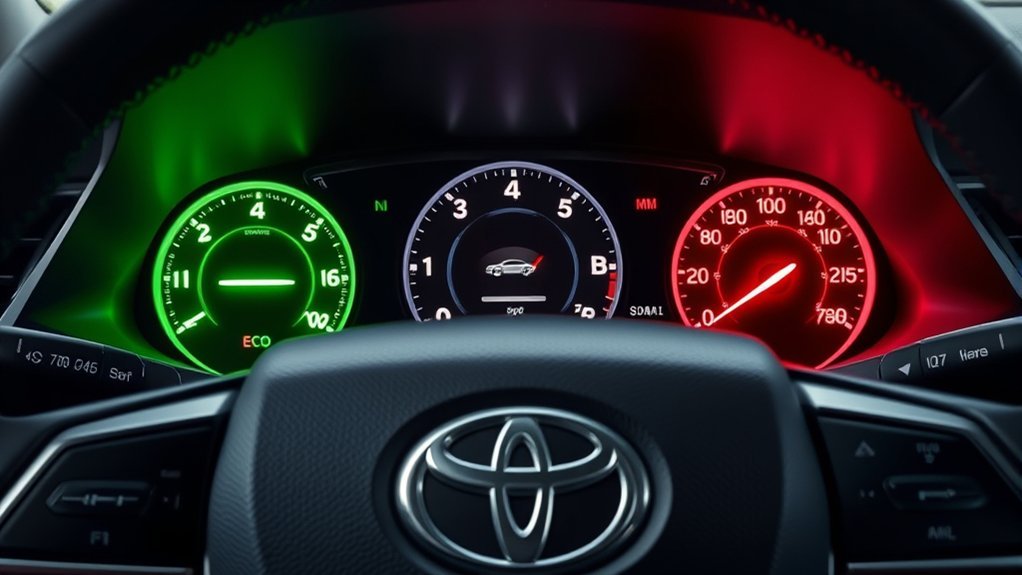
The Toyota Camry’s driving modes let you change throttle response, steering feel, climate-control behavior, and hybrid operation without changing hardware. Most recent Camry models use Eco, Normal, and Sport; Camry Hybrid models may also include EV Mode for short, low-speed electric-only driving when conditions allow.
Quick Answer
Toyota Camry drive modes are Eco, Normal, Sport, and, on Camry Hybrid models, EV Mode. Use Eco for smooth fuel-conscious driving, Normal for everyday balance, Sport for sharper acceleration response, and EV Mode for brief low-speed hybrid driving when the battery, speed, temperature, and power demand allow it.
Key Takeaways
- Use Eco Mode for smooth, efficient city driving and steady cruising.
- Use Normal Mode for most daily driving because it balances fuel economy, quietness, and performance.
- Use Sport Mode when you want sharper throttle response, such as highway merging or passing.
- Use EV Mode only on Camry Hybrid models for short, low-speed driving when the hybrid battery has enough charge.
- For 2025 and newer U.S. Camry models, the lineup is hybrid-only, but mode availability still varies by trim and market.
- Drive modes can help, but your speed, acceleration, tire pressure, traffic, weather, and climate-control use still have the biggest effect on fuel economy.
What Are the Driving Modes in the Toyota Camry?
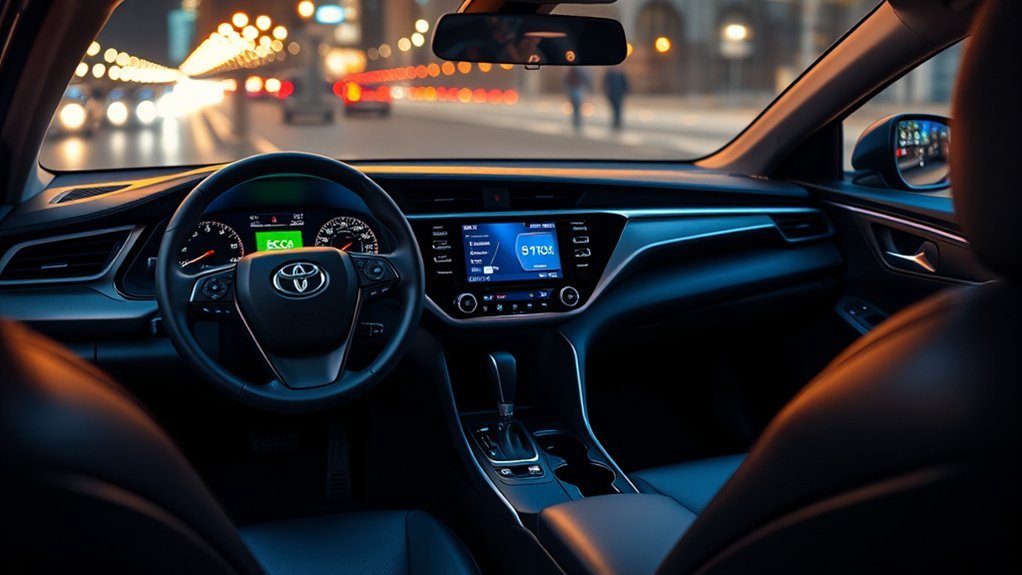
Most modern Toyota Camry models with a drive mode selector let you choose between Eco, Normal, and Sport. Camry Hybrid models may also include EV Mode, which uses the electric motor only for short, low-speed driving when vehicle conditions allow.
Toyota’s owner information for the Camry Hybrid describes the drive mode switch as a selector for Sport, Normal, and Eco Drive Mode. Toyota describes Normal Mode as the balance setting for fuel economy, quietness, and dynamic performance; Eco Drive Mode as the setting that moderates throttle characteristics and air-conditioning control to support better fuel economy; and Sport Mode as the setting for sharper acceleration response.
| Drive Mode | Best For | What It Changes |
|---|---|---|
| Eco | Fuel-conscious driving, traffic, steady cruising | Softens throttle response and may reduce climate-control load |
| Normal | Everyday driving | Balances comfort, efficiency, quietness, and response |
| Sport | Merging, passing, winding roads | Sharpens accelerator response and may change steering feel |
| EV Mode | Short, quiet, low-speed hybrid driving | Uses electric power only when battery charge and conditions allow |
Note: Available modes vary by model year, trim, powertrain, and market. Older gas-only Camry models may not have EV Mode, while newer Camry Hybrid models commonly include it.
Which Camry Drive Mode Should You Use?
| Driving Situation | Best Mode | Why It Fits |
|---|---|---|
| Stop-and-go city traffic | Eco or Normal | Smooth throttle response helps reduce jerky starts and wasted fuel. |
| Daily commuting | Normal | It gives the most natural balance of response, comfort, and efficiency. |
| Highway merging or passing | Sport | Sharper accelerator response helps the Camry feel more immediate. |
| Icy or snowy roads | Normal or Eco | Gentler response can help you avoid sudden wheel spin. |
| Parking lots or quiet residential streets in a hybrid | EV Mode | It can allow brief electric-only movement when the system permits it. |
Understanding the Benefits of Each Driving Mode
Each Camry drive mode is designed for a different type of driving. The right one depends on whether you want smoother fuel-saving behavior, normal daily comfort, or a more responsive feel.
Eco Mode Benefits
Eco Mode is best when you want to save fuel and drive smoothly. It reduces aggressive throttle response, so the car reacts more gently when you press the accelerator. On many Camry models, Eco Mode may also adjust heating and air-conditioning operation to reduce energy use.
This mode is especially helpful in city traffic, residential driving, and long steady drives where quick acceleration is not needed. It does not guarantee a specific mpg number, but it can make efficient driving easier.
Normal Mode Benefits
Normal Mode is the best default choice for most drivers. It gives you a balanced mix of fuel economy, quiet operation, comfort, and everyday acceleration. If you do not want to think about drive modes, leave the Camry in Normal Mode.
Sport Mode Benefits
Sport Mode makes the Camry feel more responsive. It is useful when you need quicker acceleration, such as when merging onto a highway, passing a slower vehicle, or driving on a curvy road. The tradeoff is that Sport Mode can use more fuel if it encourages harder acceleration.
EV Mode Benefits
EV Mode is available on Camry Hybrid models. In this mode, the Camry can use electric power from the hybrid battery and drive with the electric motor only. Toyota says this can be useful in places where quiet, low-emission driving is helpful, such as residential areas early in the morning, late at night, or indoor parking areas.
Warning: EV Mode is limited. It may turn off automatically if battery charge is low, vehicle speed is too high, the accelerator is pressed too firmly, the engine needs to warm up, or the climate system requires engine power.
How to Activate and Switch Between Drive Modes
To switch between drive modes in your Toyota Camry, locate the drive mode selector near the center console or gear selector. Depending on your model, it may be a switch, button, or drive-mode control labeled Eco, Normal, Sport, or EV.
At a Glance
| Time Required | Less than 10 seconds |
| Difficulty | Easy |
| Tools Needed | None |
| Cost | Free |
[Products Worth Considering]

This 5-piece center console organizer is designed to improve storage and organization inside compatible 2026 Toyota RAV4 models. It includes stacked trays, a cup holder, and silicone mats that help keep items secure, protect surfaces from stains, and make the console easier to clean. With a tool-free install and durable materials, it offers a simple upgrade for everyday driving convenience.

This plug-and-play AC button switch is designed to replace a faulty factory air conditioner switch in compatible Toyota vehicles. It installs easily without tools and is made to match the original part for a seamless fit and reliable operation. Built from durable ABS plastic, it offers a dependable replacement backed by warranty support and fitment guidance.

This central dashboard cover strip trim is designed as a replacement for the instrument cluster panel area on compatible Toyota RAV4 models. It helps restore the look of your interior with a precise fit, durable construction, and reliable long-term performance. Ideal for replacing worn or damaged trim while maintaining a clean factory-style appearance.
Locating the Drive Mode Selector
You will usually find the drive mode selector on the center console close to the shifter. Look for buttons or switch positions labeled Eco, Normal, Sport, or EV Mode.
- Press or toggle the selector to choose the mode you want.
- Normal Mode is usually the default mode when the vehicle starts.
- Eco and Sport typically need to be selected by the driver.
- EV Mode, when equipped, is selected with its own EV Mode button or switch.
- Check the instrument cluster to confirm the selected mode.
Checking the Dashboard Indicator
After you select a drive mode, look at the instrument cluster or multi-information display. Most Camry models show a message or indicator when Eco, Sport, or EV Mode is active. Normal Mode may not always show a special indicator because it is the standard driving setting.
| Drive Mode | Activation Method | Dashboard Confirmation |
|---|---|---|
| Eco | Press or select Eco | Eco indicator or Eco Drive message appears |
| Normal | Default mode or select Normal | May show no special indicator |
| Sport | Press or select Sport | Sport indicator appears |
| EV Mode | Press EV Mode button when conditions allow | EV Mode indicator appears or an unavailable message appears |
Pro Tip: You can usually switch between Eco, Normal, and Sport while driving. Make the change only when it is safe, keep your eyes on the road, and avoid experimenting with modes during heavy traffic or poor weather.
Why Choose Eco Mode for Fuel Efficiency?
Choosing Eco Mode in your Toyota Camry can help you drive more efficiently because it encourages smoother acceleration. Instead of giving you the sharpest response every time you press the accelerator, Eco Mode makes the car feel calmer and more gradual.
[Products Worth Considering]
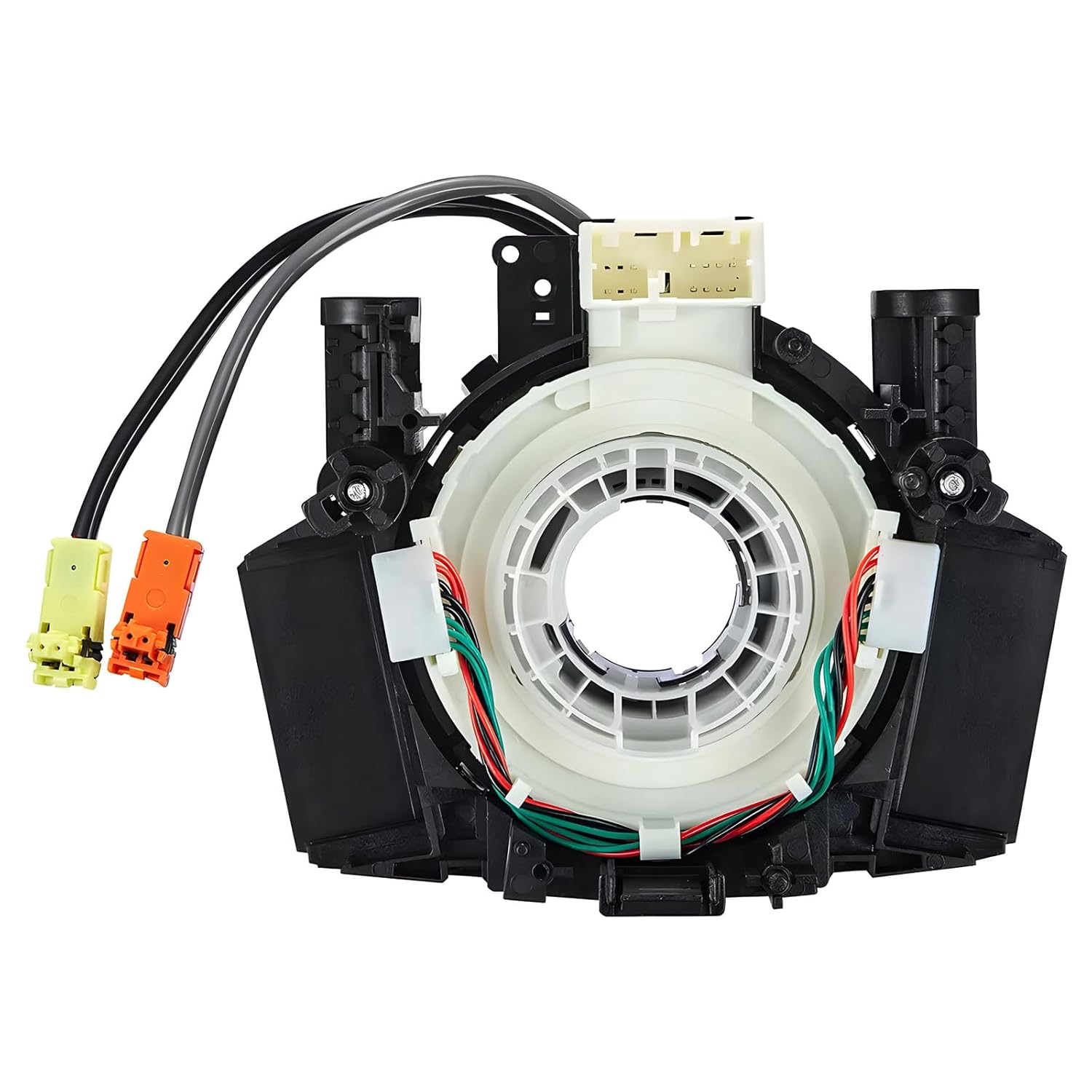
This steering clock spring assembly is an OEM-style replacement designed to restore steering wheel controls and related electronic functions in compatible Nissan vehicles. It supports audio, cruise control, and multi-function button operation while matching multiple factory part numbers for a reliable fit. Built for direct installation with vehicle-specific connectors, it helps return steering column electronics to proper working order.

This center console armrest cover is designed to fit the 2026 Toyota RAV4 for added comfort and a cleaner interior look. Made with breathable vegan leather and a thick cushioned feel, it helps reduce arm fatigue on long drives while protecting the console from pet paws, dirt, and sticky fingerprints. The band-secured design installs easily with no tools required and blends with the OEM-style interior.
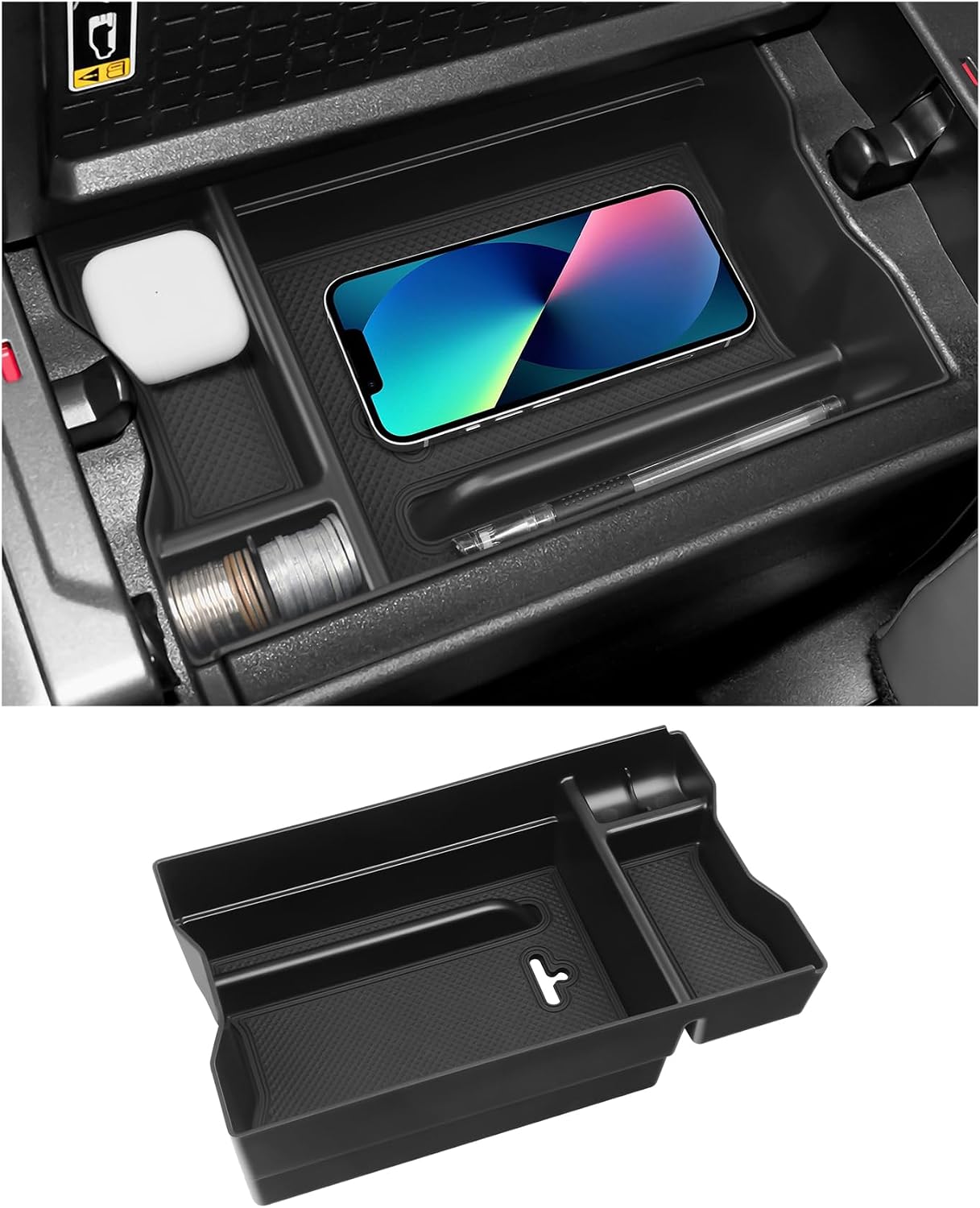
This center console organizer adds a convenient secondary storage layer to compatible Toyota RAV4 hybrid models, helping keep sunglasses, keys, coins, phones, and other small items neatly arranged. Built from durable ABS plastic with a matte finish, it fits directly into the armrest area for quick, tool-free installation and easy removal. Non-slip rubber mats help reduce sliding and noise while maximizing usable storage space inside the console.
Enhanced Fuel Savings
Eco Mode helps most when you combine it with good driving habits. Smooth starts, steady speeds, proper tire pressure, and light climate-control use can all improve real-world fuel economy.
- Accelerate gently from stops.
- Anticipate traffic so you brake less often.
- Use cruise control on open highways when conditions are safe.
- Keep tires inflated to the pressure listed on the driver-side door placard.
- Avoid carrying unnecessary heavy cargo.
The EPA rates fuel economy using standardized testing, but real-world mpg can vary based on temperature, traffic, terrain, speed, tire condition, and driving style. For the 2026 Toyota Camry, FuelEconomy.gov lists official combined ratings from 43 mpg to 51 mpg depending on trim and drivetrain, so check the window sticker or official EPA listing for your exact model.
Optimal City Driving
Eco Mode is often most useful in city driving because traffic involves frequent stops, starts, and low-speed acceleration. The softer throttle response can make the car easier to drive smoothly, which helps reduce wasted fuel.
Drive modes can change how the Camry responds, but the biggest fuel-saving tool is still your right foot: gentle acceleration and steady speed matter more than the mode alone.
When to Use Sport Mode for Enhanced Performance?
Use Sport Mode when you want the Camry to respond more quickly. This mode is helpful when acceleration response matters more than maximum fuel economy.
- Highway merging: Sport Mode can make the accelerator feel more immediate.
- Passing: It can help the car respond faster when you need to overtake safely.
- Curvy roads: Some models may feel more direct and responsive.
- Hilly areas: A sharper response can make climbing grades feel easier.
- Short bursts of acceleration: It is useful when you want a livelier feel.
Sport Mode does not add extra engine size or turn the Camry into a sports car. It changes the vehicle’s response so the same powertrain feels more alert. If you drive aggressively in Sport Mode, expect fuel economy to drop compared with calmer driving in Normal or Eco Mode.
Note: Avoid Sport Mode on slick roads, tight parking areas, or stop-and-go traffic if the sharper pedal response makes the car harder to drive smoothly.
Understanding EV Mode in the Camry Hybrid
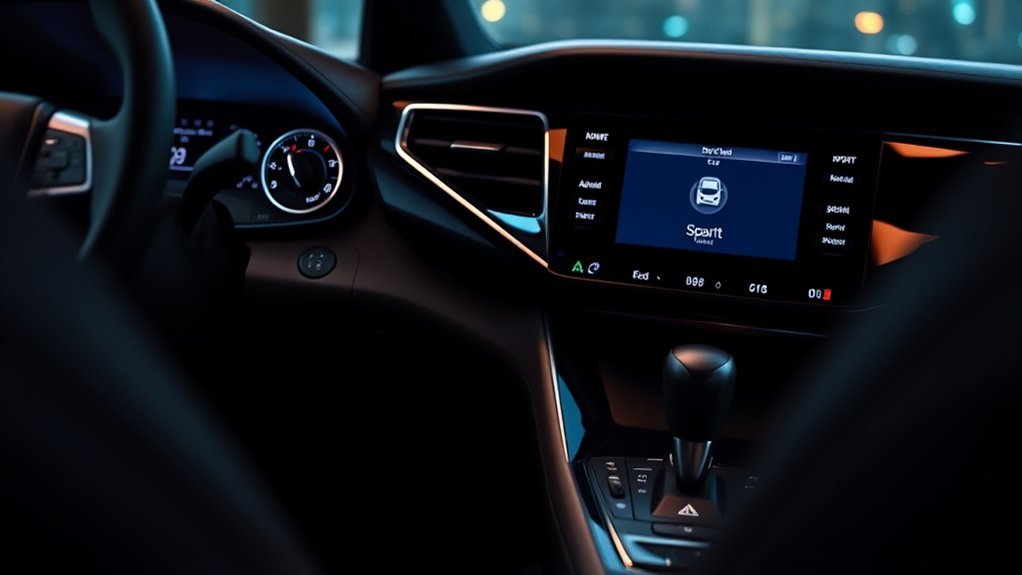
If you drive a Camry Hybrid, EV Mode can let the vehicle move using electric power only for a short time. Toyota explains that EV Drive Mode uses power from the hybrid battery and drives the vehicle with the electric motor. This can reduce noise and tailpipe emissions during short, low-speed situations.
| Feature | What It Means |
|---|---|
| Low-Speed Operation | Best for parking lots, neighborhoods, and gentle low-speed movement |
| Button Activation | Press the EV Mode button or switch when equipped |
| Quiet Driving | Uses the electric motor only when conditions allow |
| Automatic Cancellation | May turn off if speed, battery charge, temperature, or power demand changes |
EV Mode is not the same as plug-in electric range. The Camry Hybrid is a self-charging hybrid, not a plug-in hybrid, so EV Mode is meant for brief low-speed use rather than long electric-only trips.
Why EV Mode May Not Turn On
Your Camry Hybrid may reject EV Mode or leave EV Mode automatically. This usually means the hybrid system needs the gasoline engine for battery charging, cabin heat, engine warm-up, higher speed, or stronger acceleration.
- The hybrid battery charge is too low.
- The vehicle is moving too fast for EV-only operation.
- You pressed the accelerator too firmly.
- The engine or hybrid system temperature is outside the allowed range.
- The defroster, heater, or air conditioner needs more power than EV Mode can provide.
How to Handle Off-Road or Snowy Conditions With Your Toyota
The Toyota Camry is a sedan, not an off-road vehicle. It is not designed for deep mud, rocks, ruts, or trail driving. However, some newer Camry models offer available Electronic On-Demand All-Wheel Drive, which can help traction in rain or snow by sending power to the rear wheels when the system senses front-wheel slip.
For snowy or slippery roads, your best approach is to drive smoothly and avoid sudden inputs. Eco Mode or Normal Mode can be better than Sport Mode because softer throttle response helps reduce wheel spin. NHTSA also advises drivers to slow down, increase following distance, and keep tires inflated to the pressure listed by the vehicle manufacturer.
- Use gentle acceleration and braking.
- Increase following distance.
- Avoid Sport Mode on icy roads unless you need a very specific response.
- Use winter tires if you regularly drive in snow or freezing weather.
- Do not rely on AWD to shorten braking distance; tires and road conditions matter most.
Note: Some Toyota SUVs and trucks offer dedicated Snow, Trail, Mud, Sand, or off-road modes. The Camry’s drive modes are mainly for efficiency, normal driving, sportier response, and hybrid EV operation, not serious off-road use.
[Products Worth Considering]

These silicone center console cup holder inserts are designed to fit the refreshed 2026 Toyota RAV4 left-hand drive hybrid and plug-in hybrid models with a precise, factory-like match. They help protect the console from scratches, spills, and scuffs while making cleanup quick and easy with a simple wipe or rinse. Built from durable silicone and shaped to blend seamlessly with the interior, they offer a practical upgrade for everyday driving.

This steering clock spring is designed to restore reliable steering wheel controls across a wide range of Toyota models. It supports audio, cruise control, and other multifunction commands while matching OEM part numbers for confident replacement fitment. Built for dependable signal transfer and straightforward installation, it is an effective solution for repairing steering column control issues.
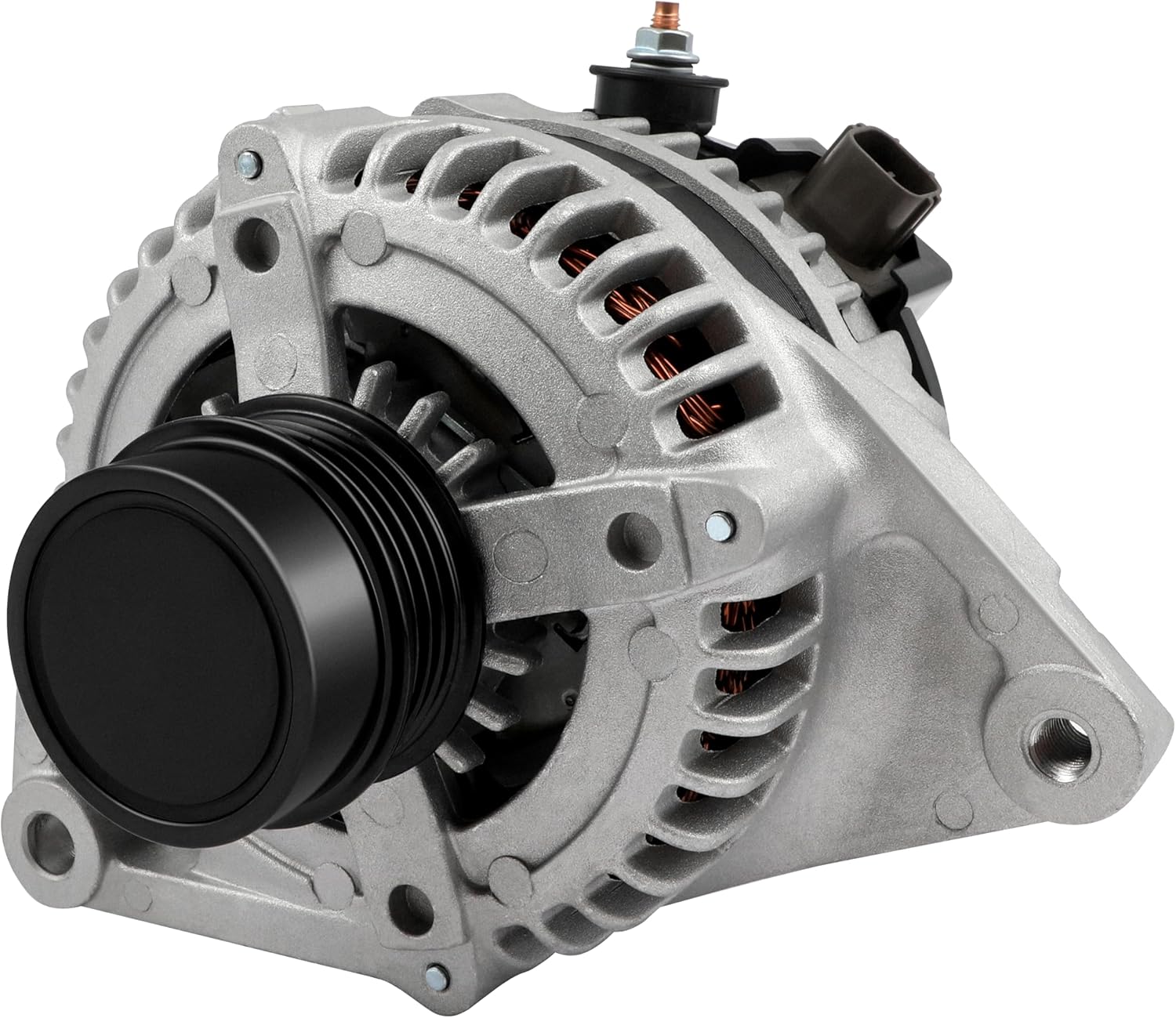
This high output alternator is designed to fit select Toyota, Scion, and RAV4 2.5L applications, delivering reliable charging performance for everyday driving. Built with a 12-volt, 100-amp design and precision-engineered components, it helps support battery recharge, stable electrical output, and consistent operation when your vehicle shows signs of charging issues.
Common Camry Drive Mode Mistakes
The drive mode selector is useful, but it cannot overcome poor tires, unsafe speed, or sudden inputs. Avoid these common mistakes if you want the Camry to feel smooth and predictable.
- Using Sport Mode in bad weather: sharper response can make the pedal feel too sensitive on slick pavement.
- Expecting Eco Mode to fix aggressive driving: hard acceleration and high speed can erase most of the benefit.
- Treating EV Mode like a plug-in range: the Camry Hybrid can cancel EV Mode whenever the system needs the engine.
- Ignoring tire pressure: underinflated tires can hurt efficiency, handling, and winter traction.
- Assuming AWD helps braking: AWD can help you get moving, but tires and road grip still control stopping distance.
Frequently Asked Questions
What is the difference between Eco Mode, Normal Mode, and Sport Mode?
Eco Mode softens throttle response to encourage smoother, more efficient driving. Normal Mode balances fuel economy, comfort, quietness, and performance for daily use. Sport Mode sharpens accelerator response so the Camry feels quicker and more responsive.
What are the different modes of a Toyota Camry?
Most modern Camry models with a drive mode selector include Eco, Normal, and Sport. Camry Hybrid models may also include EV Mode for short, low-speed electric-only driving when battery charge and operating conditions allow.
Is it okay to switch from Eco to Sport while driving?
Yes, in normal conditions you can usually switch between Eco, Normal, and Sport while driving. Do it only when it is safe, and remember that Sport Mode may make the accelerator feel more sensitive and can reduce fuel economy if you drive harder.
What is Normal Mode on a Toyota Camry?
Normal Mode is the everyday driving setting. It provides a balanced feel for commuting, errands, highway driving, and mixed conditions without making the car feel overly soft like Eco Mode or more aggressive like Sport Mode.
Does Eco Mode really save gas?
Eco Mode can help save fuel by encouraging smoother acceleration and reducing energy demand from some vehicle systems. It works best when paired with gentle driving, steady speeds, properly inflated tires, and reduced unnecessary idling.
Why will my Camry Hybrid not stay in EV Mode?
EV Mode may cancel if the hybrid battery charge is low, the vehicle is moving too fast, the accelerator is pressed too firmly, the engine is cold, or the climate system needs more power. This is normal hybrid system behavior.
Which Camry drive mode is best for snow?
Normal Mode or Eco Mode is usually best for snow because smooth throttle response can help you avoid wheel spin. Sport Mode may feel too sharp on slick roads. Winter tires and slower driving matter more than the selected mode.
Does Sport Mode hurt a Toyota Camry?
Sport Mode should not hurt the Camry when used normally. It changes response, not the basic engine size or powertrain design. The main downside is that harder acceleration can reduce fuel economy and increase wear over time if you drive aggressively.
Should I use Eco Mode on the highway?
Eco Mode can work well on steady highway drives, especially when you use gentle throttle inputs and safe cruise control. If you need quick passing response, switch to Normal or Sport, then return to Eco after traffic clears.
Conclusion
Selecting the right driving mode in your Toyota Camry helps the car match your situation. Choose Eco Mode for smoother fuel-conscious driving, Normal Mode for everyday balance, Sport Mode for quicker response, and EV Mode on Camry Hybrid models for short, quiet, low-speed electric driving. Start with Normal Mode, then switch only when the road, traffic, weather, or driving task gives you a clear reason.
Sources
- Toyota Owners — Camry Hybrid Driving Mode Select Switch — supports Eco, Normal, and Sport Mode operation and descriptions.
- Toyota Owners — Camry Hybrid EV Drive Mode — supports EV Mode operation, limitations, and intended low-speed use.
- FuelEconomy.gov — 2026 Toyota Camry Fuel Economy — supports official EPA fuel economy lookup by model and trim.
- Toyota 2026 Camry Brochure — supports available Electronic On-Demand All-Wheel Drive information.
- NHTSA — Winter Driving Tips — supports safe winter-driving guidance such as slower speeds, increased following distance, and vehicle preparation.

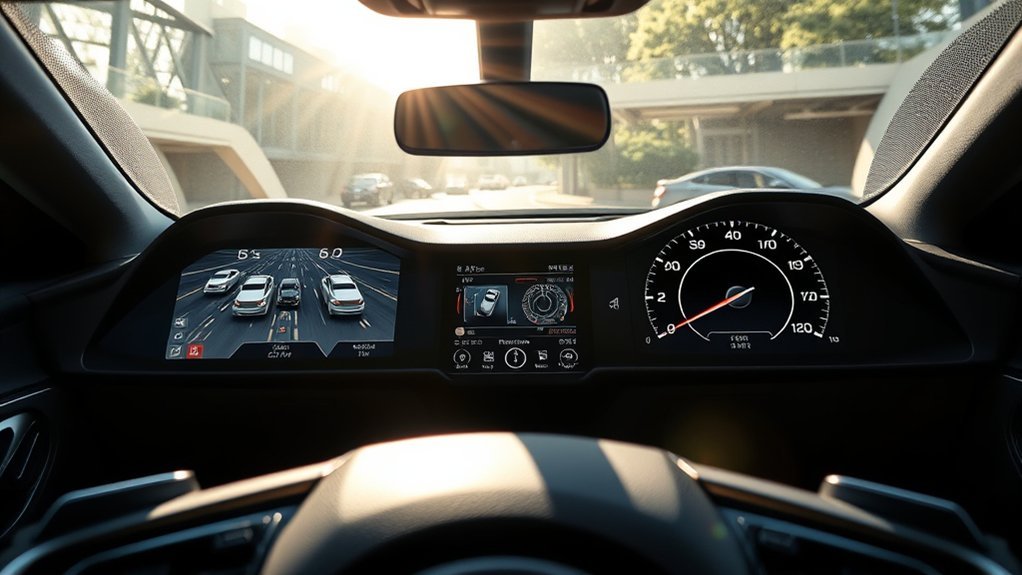
[…] The 2025-and-newer U.S. Camry is hybrid-only and uses an electronic continuously variable transmission (eCVT). Older gas-powered Camrys may use a stepped automatic transmission, so Sport mode can feel different between generations. For a broader explanation of Eco, Normal, Sport, and EV settings, see this guide to Camry drive modes. […]