The Toyota Camry Hybrid’s EV Mode, called EV drive mode in Toyota owner materials, lets the car move on electric power only for short, low-speed driving when conditions are right. It is most useful in parking lots, drive-throughs, garages, quiet neighborhoods, and stop-and-go city traffic—not as a mode you should force on all the time.
Quick Answer
Toyota Camry Hybrid EV Mode uses the hybrid battery to power the electric motor only, giving quiet low-speed driving with no tailpipe emissions while the gasoline engine is off. Use it for short, gentle driving under about 25 mph. The car will cancel it if speed, battery charge, temperature, hills, or acceleration demand are too high.
Key Takeaways
- EV Mode is best for short, slow, gentle driving, such as parking garages, drive-throughs, neighborhoods, and light traffic.
- It does not turn the Camry Hybrid into a plug-in hybrid or full EV; the battery is recharged by the gasoline engine and regenerative braking.
- Toyota notes that normal hybrid driving is designed for the best overall fuel economy, so using EV Mode more than necessary may lower MPG.
- If EV Mode will not turn on, the reason is usually low battery charge, high speed, firm acceleration, hill driving, engine warm-up, temperature, or defogger use.
At a Glance
| Time Required | A few seconds to activate |
| Difficulty | Easy |
| Tools Needed | None; use the EV Mode switch and dashboard indicator |
| Cost | Free |
What Is EV Mode in the Toyota Camry Hybrid?
EV Mode lets the Toyota Camry Hybrid drive using electric power from the hybrid battery, with the electric motor moving the car and the gasoline engine off. Toyota describes this mode as useful for quiet driving in places such as residential areas early in the morning, late at night, or indoor parking lots.
In real-world terms, EV Mode is a short-distance helper. It is not designed for highway driving, long electric-only trips, or heavy acceleration. Toyota says EV Mode can operate at low speeds, generally up to about 25 mph, and only when the hybrid system has enough battery charge and the driving demand is light.
The most important thing to understand is that EV Mode is different from the Camry Hybrid’s normal automatic hybrid operation. Even without pressing the EV Mode button, the Camry may shut off the gasoline engine and glide on electric power during low-load driving. EV Mode simply asks the car to prioritize electric-only driving for a short time if the system allows it.
Note: “No emissions” in EV Mode means no tailpipe emissions while the gasoline engine is off. The Camry Hybrid is still a gasoline-electric hybrid, not a plug-in EV.
How to Turn On EV Mode in a Toyota Camry Hybrid
Using EV Mode is simple, but the car decides whether conditions are safe and suitable.
- Start the hybrid system. Press the power button and make sure the “READY” indicator is on.
- Press the EV Mode switch. The EV Mode indicator should appear if the mode activates.
- Drive gently. Keep speed low, avoid hard acceleration, and do not demand extra power on hills.
- Let the system take over when needed. If battery charge drops or driving demand increases, the Camry will automatically return to normal hybrid operation.
- Press the switch again to cancel it manually. You can leave EV Mode at any time and let the car manage power normally.
Pro Tip: Use light throttle. Pressing the accelerator too firmly is one of the fastest ways to make EV Mode unavailable or cause the gasoline engine to restart.
How Does the Hybrid Battery Power EV Mode?
The Camry Hybrid uses a hybrid battery, also called a traction battery, to send power to the electric motor. In EV Mode, that electric motor moves the car without using the gasoline engine, as long as the battery has enough charge and the driving conditions stay within the system’s limits.
The battery is recharged in two main ways:
- Regenerative braking: When you slow down or brake, the hybrid system captures some energy that would normally be lost as heat and stores it in the battery.
- Gasoline-engine charging: During normal hybrid operation, the gasoline engine can help maintain battery charge.
- Automatic battery management: The car protects the battery by limiting EV Mode when charge, temperature, or power demand is not suitable.
That is why you do not plug in a Toyota Camry Hybrid. Unlike a plug-in hybrid, the Camry Hybrid charges its hybrid battery through driving, braking, and engine operation.
Best Scenarios for Using EV Mode to Maximize Efficiency
EV Mode works best when the car needs only a small amount of power. Use it for calm, short, low-speed situations where the gasoline engine would otherwise run briefly.
| Best Use | Why It Helps |
|---|---|
| Parking lots and garages | Quiet movement and no tailpipe emissions while the engine is off. |
| Drive-throughs | Low-speed creeping uses little power. |
| Early-morning or late-night neighborhoods | Reduces engine noise when leaving or arriving. |
| Stop-and-go city traffic | Hybrid systems are efficient at low speeds and recover energy during braking. |
| Moving the car a short distance | Useful for repositioning the car without starting the engine, if conditions allow. |
Avoid relying on EV Mode for highway merging, passing, steep hills, fast traffic, or long distances. Those situations require more power, so the Camry will usually start the gasoline engine and return to normal hybrid operation.
Toyota’s normal hybrid mode is designed to deliver the best overall fuel economy. EV Mode is a short-use tool, not a replacement for letting the hybrid system manage power automatically.
[Products Worth Considering]

This passenger storage organizer mat is designed to fit the 2026 Toyota RAV4 for a clean, factory-style look with no gaps. It helps protect the original console area from scratches and daily wear while giving you a handy place to store phones, sunglasses, wallets, coins, and cards. Made from durable silicone, it stays in place, reduces rattling, and is easy to remove and clean.

ECOGARD XA5786 is a premium engine air filter designed to help protect your engine by trapping dust, dirt, pollen, and road particles before they enter the intake system. It supports smooth airflow for consistent engine response and fuel efficiency, and it is intended for regular replacement to help maintain reliable performance and engine longevity.

This replacement filter set is designed for a range of Toyota hybrid vehicles, including popular models like RAV4 Hybrid, Camry Hybrid, Highlander Hybrid, Sienna, Venza, and more. It combines cabin and engine filtration to help support cleaner airflow, reduce dust and odors, and protect your HVAC and engine systems. Built for easy installation and extended service life, it offers a convenient maintenance upgrade for compatible hybrid and gas-only Corolla models.
What Are the Benefits of Driving in EV Mode?

Driving in EV Mode can be helpful when you use it in the right conditions. The main benefits are practical, not magical.
- Quiet low-speed driving: With the gasoline engine off, the cabin and outside noise level are lower.
- No tailpipe emissions while active: In EV Mode, the gasoline engine is off, so the car is not producing tailpipe emissions during that short electric-only operation.
- Smoother creeping in traffic: Electric power is well suited for gentle, low-speed movement.
- Less fuel used during short electric-only movement: The car avoids burning gasoline while EV Mode is active, though the system may recharge the battery later.
- Convenience in garages and tight spaces: EV Mode can make slow maneuvers smoother and quieter.
For the latest Camry Hybrid lineup, fuel economy depends on trim and drivetrain. The 2026 Toyota Camry Hybrid is rated by the EPA as high as 51 mpg combined on the front-wheel-drive LE, while other trims and AWD versions are rated lower. EV Mode can help in the right low-speed moments, but the biggest fuel savings come from smooth driving, gentle braking, proper tire pressure, and letting the hybrid system work normally.
How Does EV Mode Impact Performance in Urban Driving?
Urban driving is where EV Mode makes the most sense. City streets often involve low speeds, short waits, gentle acceleration, and frequent braking. Those are the same conditions where a hybrid system can use electric motor assist and regenerative braking effectively.
In EV Mode, acceleration feels smooth because the electric motor responds quickly at low speeds. This is useful when creeping through traffic, leaving a parking space, or moving through a garage. However, performance is intentionally limited. If you ask for fast acceleration, climb a hill, or drive beyond the EV Mode speed range, the gasoline engine may start automatically.
Warning: EV Mode makes the car much quieter. Pay extra attention around pedestrians, cyclists, children, and people in parking lots, because they may not hear the vehicle approaching.
Why EV Mode Won’t Turn On or Turns Off
If your Camry displays a message such as “EV Mode Unavailable” or “EV Mode Deactivated,” the system is usually protecting performance, emissions control, battery charge, or safety. This is normal and does not automatically mean something is broken.
| Possible Cause | What to Do |
|---|---|
| Hybrid battery charge is low | Drive normally for a while so the system can recharge the battery. |
| Vehicle speed is too high | Use EV Mode only at low speeds, generally up to about 25 mph. |
| Accelerator is pressed too hard | Use gentler throttle input. |
| Driving uphill or needing extra power | Let normal hybrid mode use the gasoline engine and electric motor together. |
| Gasoline engine is warming up | Wait until the engine and hybrid system reach suitable operating conditions. |
| Hybrid system is too hot or too cold | Drive normally and try again later. |
| Windshield defogger is in use | The car may need the engine for climate and defogging demands. |
[Products Worth Considering]
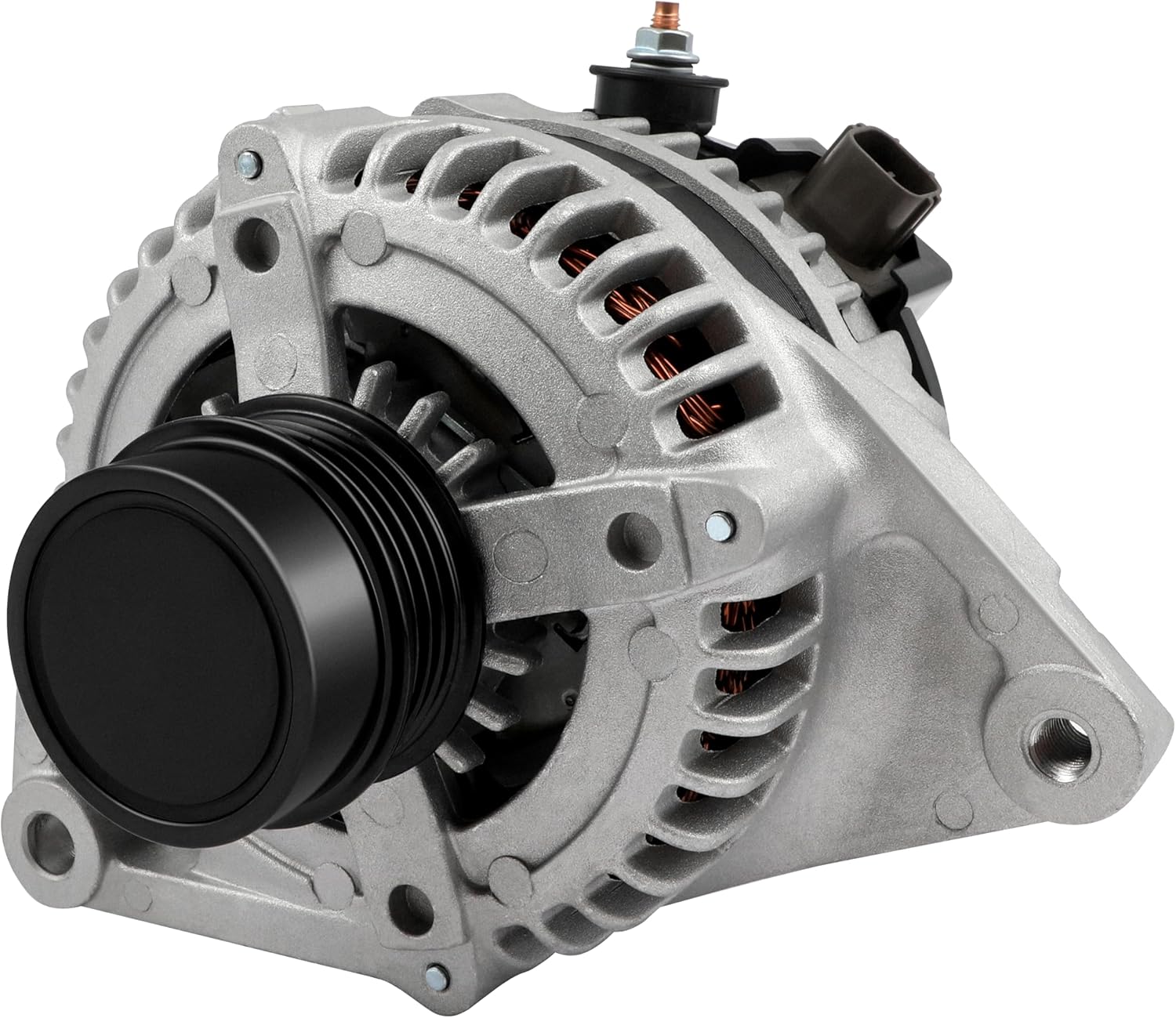
This high output alternator is designed to fit select Toyota, Scion, and RAV4 2.5L applications, delivering reliable charging performance for everyday driving. Built with a 12-volt, 100-amp design and precision-engineered components, it helps support battery recharge, stable electrical output, and consistent operation when your vehicle shows signs of charging issues.

This ALLWELL engine air filter is designed to help maintain clean airflow for compatible Toyota, Lexus, and Subaru vehicles, supporting engine performance and efficient operation. It serves as a direct replacement for multiple OE part numbers and fits a wide range of hybrid and standard models across several years. Built for broad compatibility, it is a practical maintenance part for keeping your vehicle’s intake system protected.

This A-Premium engine air filter is designed to help maintain clean airflow for compatible Lexus and Toyota vehicles, supporting better engine performance and efficiency. It uses fine filtration media to capture debris while minimizing airflow restriction, making it a practical replacement for routine maintenance. With fitment for multiple popular models and a convenient boxed single-pack design, it offers a straightforward solution for keeping your engine protected.
EV Mode vs. ECO Mode vs. Normal Hybrid Driving
Camry Hybrid drive modes can sound similar, but they do different jobs.
| Mode | What It Does | Best For |
|---|---|---|
| EV Mode | Requests electric-only driving for a short distance when conditions allow. | Parking lots, garages, neighborhoods, and very low-speed movement. |
| ECO Mode | Softens throttle and climate-control response to support efficient driving. | Daily commuting and relaxed city or highway driving. |
| Normal Hybrid Driving | Automatically blends gasoline and electric power for overall efficiency. | Most driving situations. |
For most trips, leave the car in normal hybrid operation or ECO Mode and use EV Mode only when it clearly fits the situation.
[Products Worth Considering]

This coolant electric water pump is designed as a replacement for select Toyota vehicles, helping maintain proper engine cooling performance and reliable temperature control. Built to OE specifications, it offers fitment support for compatible Avalon, Camry, and RAV4 models with 2.5L L4 engines. It also includes cross-reference part numbers for easier matching and comes with after-sales support for covered defects.
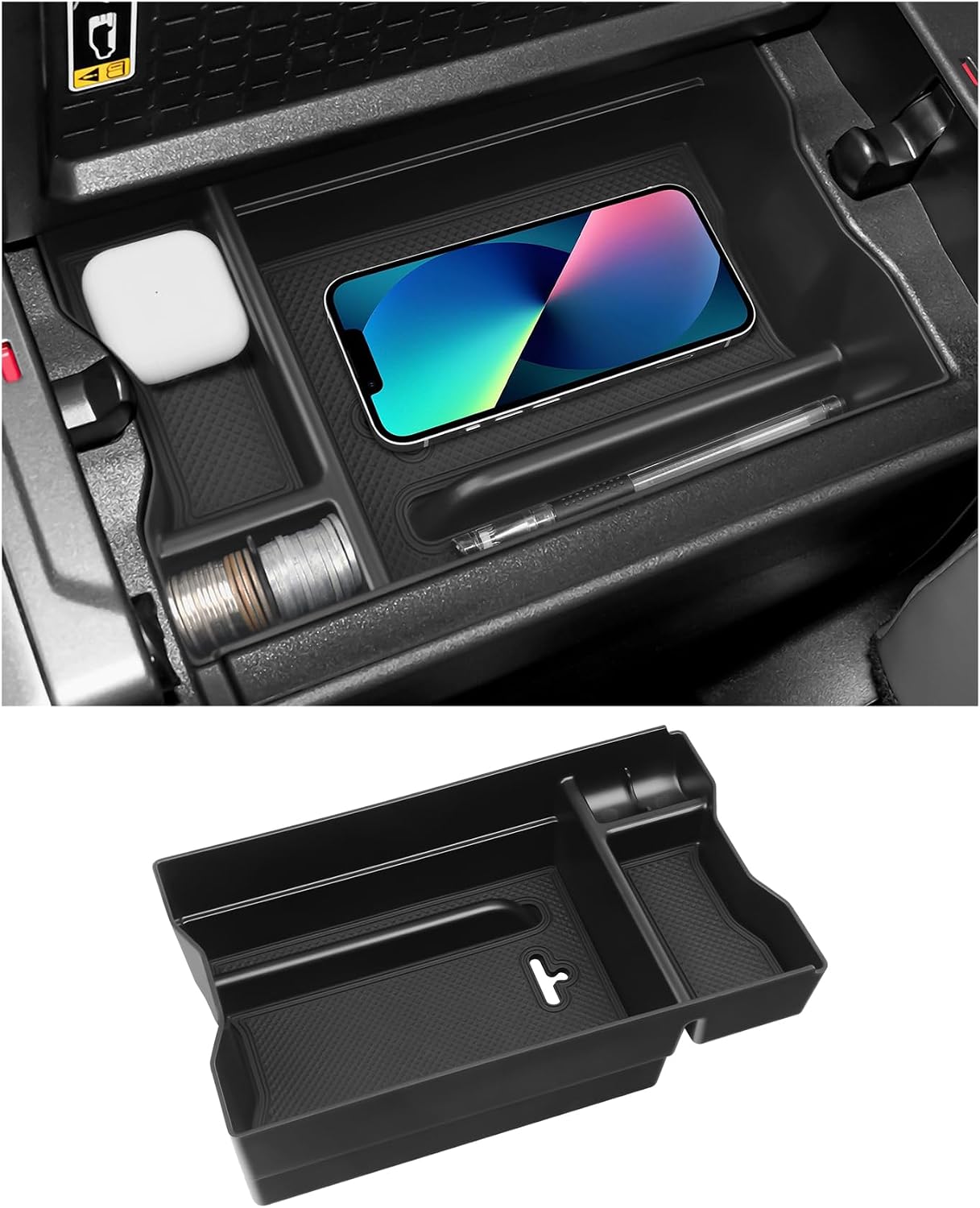
This center console organizer adds a convenient secondary storage layer to compatible Toyota RAV4 hybrid models, helping keep sunglasses, keys, coins, phones, and other small items neatly arranged. Built from durable ABS plastic with a matte finish, it fits directly into the armrest area for quick, tool-free installation and easy removal. Non-slip rubber mats help reduce sliding and noise while maximizing usable storage space inside the console.

This A-Premium serpentine belt drive kit is designed for compatible Toyota Camry, RAV4, and Scion tC models with a DOHC 2.5L L4 engine. It includes a serpentine belt and belt tensioner to help maintain smooth engine operation, reduce noise, and support reliable power transfer. Built for dependable replacement performance, it also comes with a one-year unlimited-mileage guarantee for added peace of mind.
Are There Any Drawbacks to Camry Hybrid EV Mode?
EV Mode is useful, but it has clear limits. Knowing those limits helps you avoid frustration.
- Short electric-only range: In recent Camry Hybrid owner information, EV drive mode is described as lasting from a few hundred meters to about 0.6 mile (1 km), depending on battery level and driving conditions.
- Low-speed use only: It is intended for slow driving, not highways or fast roads.
- Reduced power: Hard acceleration, steep hills, or higher speeds can cancel the mode.
- Not always better for MPG: If you force EV Mode too often, the engine may later need to recharge the battery, which can reduce overall efficiency.
- No plug-in range: The Camry Hybrid is not a plug-in hybrid, so you cannot charge it from an outlet for long EV-only trips.
There is also no need to use EV Mode to “protect” the hybrid battery. Toyota designs the hybrid system to manage battery charge automatically, and Toyota’s hybrid battery warranty coverage is listed as 10 years or 150,000 miles, whichever comes first, subject to warranty terms.
Frequently Asked Questions
When should I use EV Mode on a Toyota Camry Hybrid?
Use EV Mode for short, low-speed, gentle driving. Good examples include parking garages, drive-throughs, moving the car a short distance, quiet neighborhoods, and slow stop-and-go traffic. Avoid it for hills, highways, fast acceleration, or long distances.
Should I keep EV Mode on all the time?
No. Use EV Mode selectively. Toyota’s hybrid system is designed to manage gasoline and electric power automatically for the best overall fuel economy. Using EV Mode more than needed may lower MPG because the engine may later need to recharge the battery.
Should I drive in EV Mode or HEV/normal hybrid mode?
Use EV Mode for short and slow moments where quiet electric-only movement makes sense. Use normal hybrid mode for most driving. Normal hybrid mode lets the Camry decide when to use the engine, electric motor, or both.
Why does my Camry say EV Mode Unavailable?
Common reasons include low hybrid battery charge, high vehicle speed, firm accelerator input, hill driving, engine warm-up, very hot or cold hybrid-system temperature, or windshield defogger use. Drive normally for a while and try again when conditions improve.
Does the Toyota Camry Hybrid need to be plugged in?
No. The Camry Hybrid is a traditional hybrid, not a plug-in hybrid. Its hybrid battery is recharged by regenerative braking and by the gasoline engine during normal driving.
How far can a Camry Hybrid drive in EV Mode?
Expect only a short distance. Toyota owner information for recent Camry Hybrid models describes possible EV drive mode distance as a few hundred meters to about 0.6 mile (1 km), depending on battery charge and driving conditions.
Conclusion
EV Mode in the Toyota Camry Hybrid is best viewed as a short-use convenience feature. It can make low-speed driving quieter, smoother, and free of tailpipe emissions while the gasoline engine is off. The smartest way to use it is in parking areas, garages, neighborhoods, and gentle city traffic.
For most driving, let the Camry Hybrid manage power automatically. Normal hybrid operation is what Toyota designed for overall fuel economy, while EV Mode is there for the brief moments when electric-only driving truly fits.
Sources
- Toyota Owners — 2025 Camry Hybrid EV Drive Mode — backs up EV drive mode operation, limits, unavailable/deactivated messages, and Toyota’s fuel-economy caution.
- Toyota Support — Hybrid Driving Modes — backs up low-speed EV Mode use, about-25-mph guidance, activation conditions, and pedestrian caution.
- FuelEconomy.gov — 2026 Toyota Camry EPA Ratings — backs up current EPA MPG ranges for 2026 Camry Hybrid trims.
- FuelEconomy.gov — How Hybrids Work — backs up regenerative braking, electric motor assist, and low-speed electric operation.
- FuelEconomy.gov — Hybrid Overview — backs up why standard hybrids do not need to be plugged in.
- Toyota — Hybrid Battery Warranty — backs up Toyota’s 10-year/150,000-mile hybrid battery warranty coverage.