Quick Answer
Last updated: September 16, 2026 — Toyota owner guidance, EV drive mode behavior, and fuel-economy sources rechecked.
To maximize regenerative braking efficiency in a Toyota Camry Hybrid, keep the car in D for normal driving, ease off the accelerator early, and use smooth, timely brake pressure so the hybrid system has more time to recover energy before friction braking does more of the work. Do not shift to N to “coast” for extra charging: Toyota’s 2025 Camry Hybrid guidance states that the traction battery is not charged in N. EV drive mode also does not make regenerative braking stronger; normal hybrid operation manages the engine, motor, and battery automatically for everyday efficiency.
Best Practice
Look well ahead, lift off the accelerator before a predictable stop, and use one smooth braking application whenever traffic conditions allow. Avoid unnecessary acceleration followed by braking, keep the tires properly inflated, and always prioritize stopping distance and vehicle control over trying to maximize the charge display.
Key Takeaways
- The best regenerative braking habit is early, gentle deceleration instead of late, hard braking.
- Watch the Hybrid System Indicator or energy display to learn when the car is recovering energy.
- Keep the shift lever in D for normal driving; on the 2025 Camry Hybrid, the traction battery is not charged while the transmission is in N.
- You do not need to manually manage the hybrid battery charge; the Camry Hybrid does that automatically.
- EV drive mode is useful for short, low-speed situations, but using it more than necessary can reduce fuel economy.
- Correct Camry tire pressure, smooth acceleration, and steady speed help the hybrid system work efficiently.
At a Glance
| Time Required | A few drives to build the habit |
| Difficulty | Easy |
| Tools Needed | Dashboard energy display and tire pressure gauge |
| Cost | Free, except for normal tire inflation or maintenance |
Model-year note: This guide uses 2025 U.S.-market Toyota Camry Hybrid owner information as its primary reference. Display names, shift controls, and available hybrid features can vary by model year and market, so check your own owner’s manual if your Camry differs.
How Regenerative Braking Works in Your Camry
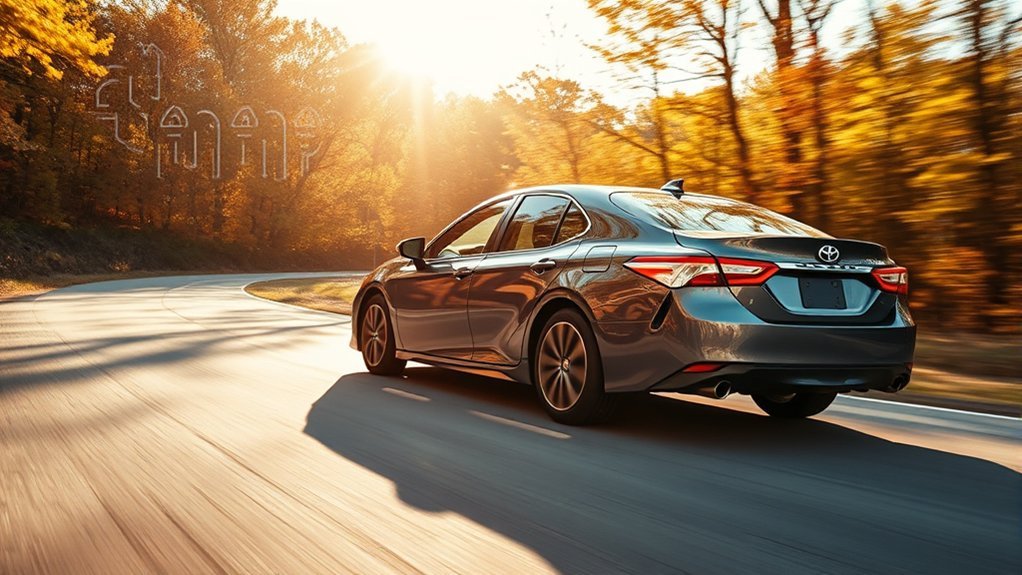
When you slow down in a Camry Hybrid, the electric motor can act as a generator. Instead of turning all of the vehicle’s motion into heat through the conventional brakes, the hybrid system can convert part of that kinetic energy into electricity and send it back to the traction battery. For a broader explanation of the system itself, see our guide to Toyota Camry regenerative braking.
According to Toyota’s owner information, the Hybrid System Indicator includes a charge area that shows regeneration status, and regenerated energy is used to charge the hybrid battery, also called the traction battery. You can use that display as feedback during gentle braking and deceleration. Toyota’s Camry Hybrid gauge information explains how the charge area relates to regeneration.
Regenerative braking and friction braking work together automatically. Gentle, timely braking gives the hybrid system more opportunity to recover energy. A harder stop can still include regeneration, but more stopping force may also come from the conventional brakes, which dissipate energy as heat.
Note: Regenerative braking does not replace safe braking. If you need to stop quickly, brake firmly and let the car’s braking system do its job.
How to Optimize Regenerative Braking Energy Recovery
The most effective strategy is not to chase the highest possible charge reading. Preserve momentum when it is safe and useful, then begin slowing early when a stop is unavoidable. This reduces unnecessary acceleration and gives the hybrid system more time to recover energy during deceleration.
[Products Worth Considering]

The JACO ElitePro Digital Tire Pressure Gauge delivers shop-grade accuracy with a clear digital readout, making it easy to maintain proper tire pressure for safer driving and better performance. Built with rugged brass and steel components, a protective guard, and a flexible air hose, it is designed for reliable use across cars, trucks, motorcycles, bikes, RVs, and trailers. The lock-on display, built-in bleeder valve, and bright backlit screen add convenience in any lighting condition.
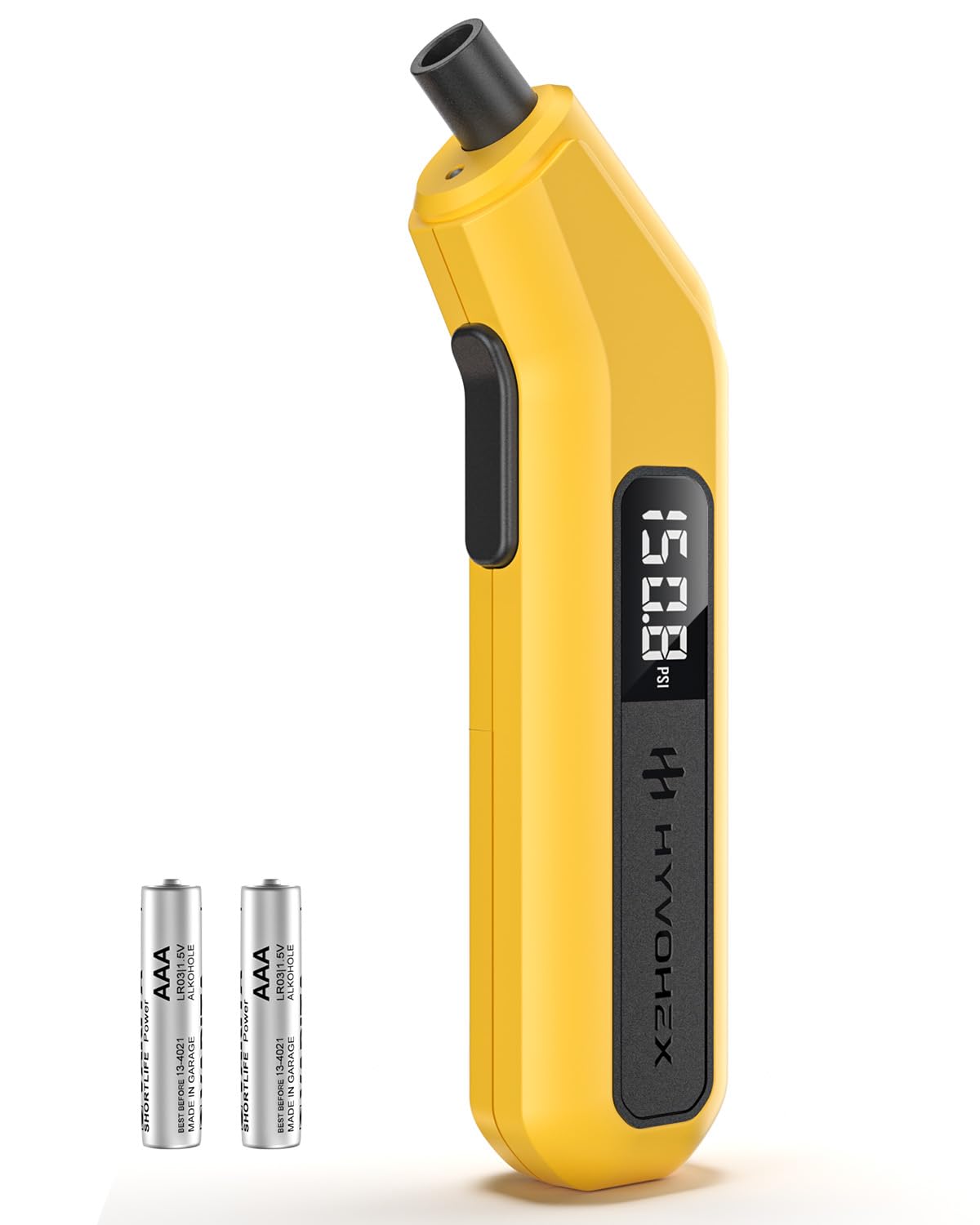
HYVOHEX digital tire pressure gauge delivers fast, accurate readings with an easy-to-read LED backlit display and a high-sensitivity sensor for reliable tire checks. Its valveless one-click operation, rotating valve head, and broad compatibility make it a practical tool for cars, bikes, and trucks. Built with a durable rubber shell and aluminum nozzle, it is compact enough to keep in your glove box or tool bag.

This CARORY cabin air filter helps refresh the air inside your vehicle by trapping dust, pollen, and other airborne contaminants before they enter the passenger compartment. Its activated carbon design adds odor control for a cleaner, more comfortable driving experience, and the wide fitment list covers many Toyota, Lexus, Subaru, Jaguar, Land Rover, Scion, and Pontiac models.
Anticipate Stops Strategically
Look well ahead when traffic allows. If a light has been green for a long time, traffic is bunching up, or a vehicle ahead is already slowing, ease off the accelerator early instead of staying on the gas until a late stop.
| Action | Benefit | Result |
|---|---|---|
| Look Ahead | Better stop timing | Smoother braking |
| Ease Off Accelerator | Starts gentle deceleration | More chances for energy recovery |
| Plan Routes | Avoids unnecessary stop-and-go traffic | Less wasted momentum |
| Brake Gently | Keeps braking smooth | Less reliance on friction brakes |
| Keep Space Ahead | Gives more reaction time | Fewer abrupt stops |
Brake Gently and Smoothly
Use steady pressure on the brake pedal rather than waiting until the last moment and braking abruptly. Gentle, timely braking gives the Camry Hybrid more opportunity to recover energy before the conventional brakes need to provide more of the stopping force. It also produces a smoother ride and can reduce normal brake-pad use.
The U.S. Department of Energy’s Alternative Fuels Data Center reports that aggressive driving can reduce fuel economy by about 15% to 30% at highway speeds and 10% to 40% in stop-and-go traffic. It also recommends anticipating traffic and coasting before a red light rather than accelerating until a late stop. DOE efficient-driving guidance supports smooth acceleration and braking for better fuel economy.
Pro Tip: When conditions allow, aim for one smooth, progressive braking application instead of staying on the accelerator too long and making several late pedal corrections.
Keep the Camry in D for Normal Driving
For the 2025 Camry Hybrid, Toyota states that regenerative braking occurs when the accelerator is released while the shift lever is in D or S and when the brake pedal is pressed while driving in D or S. Toyota also states that the traction battery is not charged while the transmission is in N and that selecting N does not provide a positive fuel-economy effect. For routine driving, keep the car in D. Use S according to the owner’s manual when additional shift-range control or engine braking is appropriate, such as on certain downhill sections. Toyota’s Camry Hybrid system information covers the hybrid system’s operating behavior.
Preserve Momentum Before You Try to Recover It
Regenerative braking recovers useful energy, but it cannot recover every bit of energy used to accelerate the car. If traffic and road conditions let you maintain momentum safely, avoid accelerating unnecessarily only to brake moments later. When slowing or stopping is required, lift early and use smooth regenerative deceleration rather than turning a predictable stop into a late hard-braking event. Do not use N as a coasting strategy because the traction battery cannot charge in N.
Top Tips for Smooth Driving to Enhance Regenerative Braking
Regenerative braking works best as part of a complete smooth-driving strategy. The first goal is to avoid wasting momentum; the second is to recover useful energy when slowing is actually necessary.
- Ease off the accelerator early. Begin decelerating before a predictable stop instead of carrying unnecessary speed toward it.
- Keep a steady speed. Repeated acceleration and deceleration waste energy, especially when traffic does not require the speed changes.
- Use gentle acceleration. Hard launches increase energy demand and can make the gasoline engine work harder.
- Keep enough following distance. More space gives you time to slow progressively instead of braking sharply.
- Keep D selected for normal driving. Do not shift to N in an attempt to improve charging or fuel economy.
- Check tire pressure regularly. Underinflated tires increase rolling resistance, which can hurt fuel economy. The EPA recommends keeping tires properly inflated and using gentle acceleration and braking. EPA fuel-economy guidance explains these factors.
- Use climate control wisely. Heavy air-conditioning or heater use can increase energy demand, especially in extreme weather.
Preserve momentum first. When you do need to slow, begin early and let the hybrid system recover energy through smooth regenerative braking.
How Battery Charge Affects Your Regenerative Braking
The hybrid battery’s state of charge affects how much additional energy it can accept during regenerative braking. If the battery is near the upper end of its managed operating range, the system may reduce regeneration. The vehicle manages this automatically; the driver does not need to target a particular battery percentage.
You do not need to manually keep the hybrid battery between a specific percentage range. In a Camry Hybrid, the vehicle’s control system manages the usable battery range, charging, and electric assist according to driving conditions.
On equipped vehicles, Toyota’s 2025 Camry Hybrid owner information also describes Predictive Efficient Drive and Predictive SOC control. When route guidance identifies a long downhill section ahead, the system can reduce traction-battery charge beforehand so there is more capacity available to capture regenerative energy on the descent. Toyota’s Camry Hybrid system information explains this automatic battery-management strategy.
Warning: Do not stare at the energy display while driving. Glance only when it is safe, the same way you would check your speedometer.
When Should You Use Regenerative Braking for Best Results?

Regenerative braking is most useful when normal driving requires frequent deceleration. City streets, traffic lights, school zones, parking areas, and rolling terrain therefore create more opportunities for energy recovery than steady highway cruising.
Use these situations to your advantage:
- City driving: Frequent lights and stop signs give the system repeated chances to recover energy when stops are unavoidable.
- Slow traffic: Leave enough space to roll smoothly instead of repeatedly surging forward and braking.
- Downhill sections: Use controlled deceleration and maintain a safe speed. On a long descent, follow your owner’s manual for using S and appropriate engine-braking or shift-range control when additional speed control is needed.
- Parking lots: Move slowly and smoothly. Electric-only operation may occur naturally at low speeds when system conditions allow.
Highway driving offers fewer regeneration opportunities because braking events are less frequent. At steady highway speeds, maintaining a consistent pace, avoiding unnecessary speed changes, keeping tires correctly inflated, and minimizing unnecessary load usually matter more than trying to create regeneration.
[Products Worth Considering]

Bosch 6029C HEPA cabin air filter is designed to help keep your vehicle’s passenger compartment filled with clean, fresh, odor-free air. Its dense HEPA media and electrostatic layer are engineered to capture fine particles while the added cotton layer supports higher filtration capacity. Built with structural ribs for stability, it helps maintain filter shape and airflow performance over time.

Custom-fit seat covers designed specifically for Toyota Rav4 Hybrid models from 2019 to 2025, offering an OEM-inspired upgrade that refreshes the cabin with a clean, upscale look. The wear-resistant faux leather surface is easy to wipe clean and helps protect seats from spills, scuffs, and pet messes while maintaining comfort through a multi-layer design. Reinforced airbag stitching and a secure strap-and-zipper installation system help deliver a stable fit and peace of mind for everyday driving.
How to Use EV Drive Mode Without Hurting Efficiency
EV drive mode can let the Camry Hybrid move using only the electric motor for short, low-speed situations, such as quiet residential driving or indoor parking areas. Toyota explains that EV drive mode may be unavailable or may cancel automatically if the battery is low, vehicle speed is high, the accelerator is pressed firmly, the vehicle is on a hill, or system temperatures are outside the proper range.
EV drive mode is not a way to make regenerative braking stronger. Toyota also notes that using EV drive mode more than necessary may lower fuel economy because the normal hybrid system is designed to select an efficient combination of gasoline and electric power. Toyota’s EV drive mode guidance explains these limits.
For most driving, let the car operate in normal hybrid mode. Use EV drive mode when short, quiet, low-speed electric operation is useful and the vehicle allows it. For a separate walkthrough of the feature, see Toyota Camry Hybrid EV mode explained.
How to Monitor Dashboard Indicators for Better Efficiency
Your dashboard can help you understand how your driving affects energy recovery. Depending on model year and display setup, a Camry Hybrid may show a Hybrid System Indicator, charge area, energy monitor, or consumption display.
Understand Needle Movement Patterns
When the display shows regeneration, energy is flowing back toward the traction battery. Harder braking may still produce some regeneration, but the conventional brakes can contribute more stopping force as deceleration demand rises. Use the indicator as feedback rather than trying to force it to a particular position.
Recognize Charge Zone Limits
If regeneration appears limited, the traction battery may already have substantial charge or operating conditions may limit how much energy the system can accept. This can be normal. Do not pump the brakes or change your driving in an unsafe way to chase a higher charge indication.
Optimize Braking Strategies Effectively
Use the display as feedback after you build the habit:
- Glance at the charge area during safe, gentle deceleration.
- Compare different stopping approaches and notice how the display responds.
- Lift earlier when you can see traffic slowing ahead.
- Focus on smoothness and safety first instead of trying to maximize the gauge every time.
Common Mistakes That Reduce Regenerative Braking Efficiency
Small habits can reduce the benefit of regenerative braking or waste energy before braking even begins. Avoid these common mistakes:
- Braking too late: Waiting until the last moment leaves less time for smooth regenerative deceleration.
- Following too closely: Tailgating forces sharper braking and more frequent speed changes.
- Accelerating hard between stops: You use extra energy and can recover only part of it moments later.
- Shifting to N to coast: On the 2025 Camry Hybrid, the traction battery is not charged in N, and Toyota does not recommend N as a fuel-saving strategy.
- Using EV drive mode too much: Normal hybrid operation is designed to choose an efficient mix of gasoline and electric power.
- Ignoring tire pressure: Underinflated tires increase rolling resistance and make the car work harder.
- Chasing the dashboard display: Efficiency should never come before traffic awareness, safe following distance, or appropriate braking.
Troubleshooting: When Regenerative Braking Feels Different
Regenerative braking can feel different depending on speed, traction-battery charge, temperature, road surface, and brake-pedal input. Some variation is normal because the Camry Hybrid automatically blends regenerative braking with conventional braking.
Do not ignore warning lights or unusual brake behavior. If the brake pedal feels abnormal, the car pulls while braking, warning messages appear, or braking performance changes suddenly, stop driving when safe and have the vehicle inspected by a qualified technician or Toyota dealer.
Wet roads also require extra care. Toyota’s driving guidance warns against sudden braking, acceleration, steering, or abrupt engine braking on slippery surfaces because these actions can reduce vehicle control. After driving through deep water, light brake application may be needed to confirm that the brakes are functioning properly. Toyota’s driving safety guidance covers slippery-road precautions.
Frequently Asked Questions
Can regenerative braking wear out my brake pads faster?
No. Regenerative braking usually reduces brake-pad use because the electric motor helps slow the car before the conventional brakes provide all of the stopping force. Brake pads can still wear from hard braking, stop-and-go use, corrosion, and normal service.
Does driving speed affect regenerative braking efficiency?
Yes. Regeneration depends on vehicle speed, requested braking force, battery charge, and driving conditions. It is most noticeable in city driving where deceleration happens often. At steady highway speeds, avoiding unnecessary speed changes usually matters more.
Can I disable regenerative braking entirely?
A Camry Hybrid does not provide a normal driver setting for turning regenerative braking off entirely. The hybrid system automatically blends regenerative and conventional braking. If a warning appears or braking feels abnormal, have the vehicle inspected instead of trying to bypass the system.
How does weather impact regenerative braking performance?
Cold temperatures, wet roads, and slippery surfaces can change battery, traction, and braking behavior. Brake earlier, leave more following distance, and avoid sudden steering or braking. Vehicle control always takes priority over energy recovery.
Is there a limit to how much energy regenerative braking can recover?
Yes. Regenerative braking cannot recover all of the energy used to accelerate the car. Energy is also lost through aerodynamic drag, rolling resistance, electrical conversion losses, and conventional braking. Recovery can be limited when the traction battery has substantial charge or when driving conditions require different brake blending.
Should I use EV drive mode to improve regenerative braking?
Not usually. EV drive mode is intended for short, low-speed electric driving when conditions allow. It does not make regenerative braking more powerful, and Toyota notes that using EV drive mode more than necessary may lower fuel economy. Normal hybrid operation is best for most driving.
Should I shift to Neutral to maximize regenerative braking?
No. Toyota’s 2025 Camry Hybrid information states that the traction battery is not charged while the transmission is in N. Keep the car in D for normal driving and let the hybrid system manage regenerative braking automatically.
Is coasting better than regenerative braking?
If traffic allows you to preserve momentum safely, avoiding unnecessary acceleration and braking is generally more efficient than accelerating and then trying to recover that energy. When you must slow or stop, early and smooth regenerative deceleration helps recover useful energy. Do not shift to N to coast.
Conclusion
Maximizing regenerative braking efficiency in a Camry Hybrid is mostly about avoiding wasted energy before the stop begins. Keep the car in D for normal driving, look ahead, preserve momentum when conditions allow, ease off the accelerator early, and brake smoothly when slowing is unavoidable. Let the hybrid system manage battery charge and use EV drive mode only for the short, low-speed situations it is designed for. If braking behavior suddenly changes or a warning appears, prioritize inspection and safety rather than trying to maximize regeneration.
Sources
- Toyota Camry Hybrid gauges and meters — supports Hybrid System Indicator and charge-area guidance.
- Toyota Camry Hybrid EV drive mode — supports EV-mode limits, automatic cancellation, and fuel-economy cautions.
- Toyota Camry Hybrid system features — supports hybrid-battery management, regeneration behavior, and Predictive SOC guidance.
- U.S. Department of Energy Alternative Fuels Data Center: Efficient Driving to Conserve Fuel — supports smooth driving, anticipatory coasting, and fuel-economy guidance.
- U.S. Environmental Protection Agency: Your Mileage May Vary — supports gentle acceleration, gentle braking, and tire-pressure guidance.
- Toyota Camry Hybrid driving safety guidance — supports slippery-road and braking precautions.