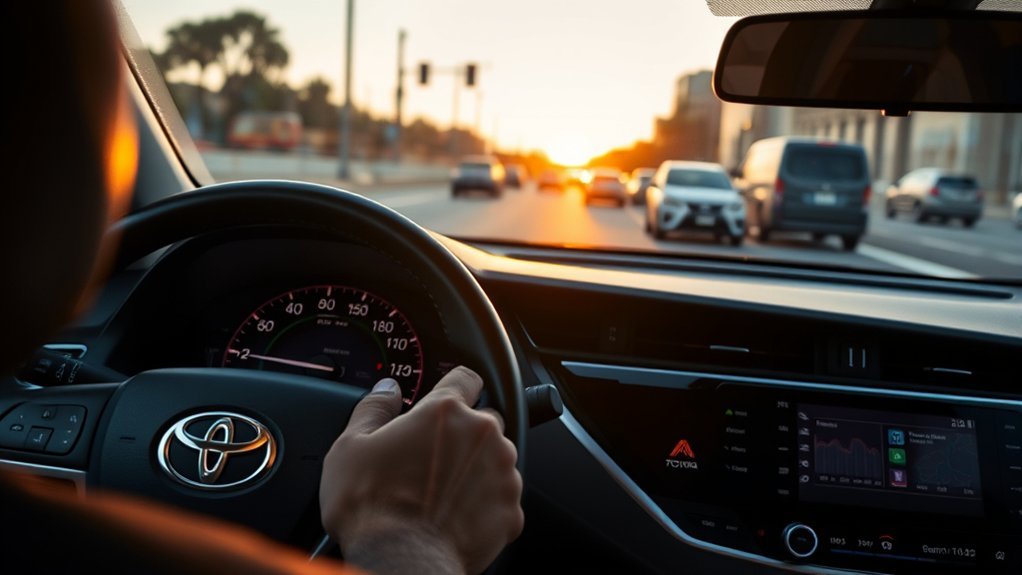
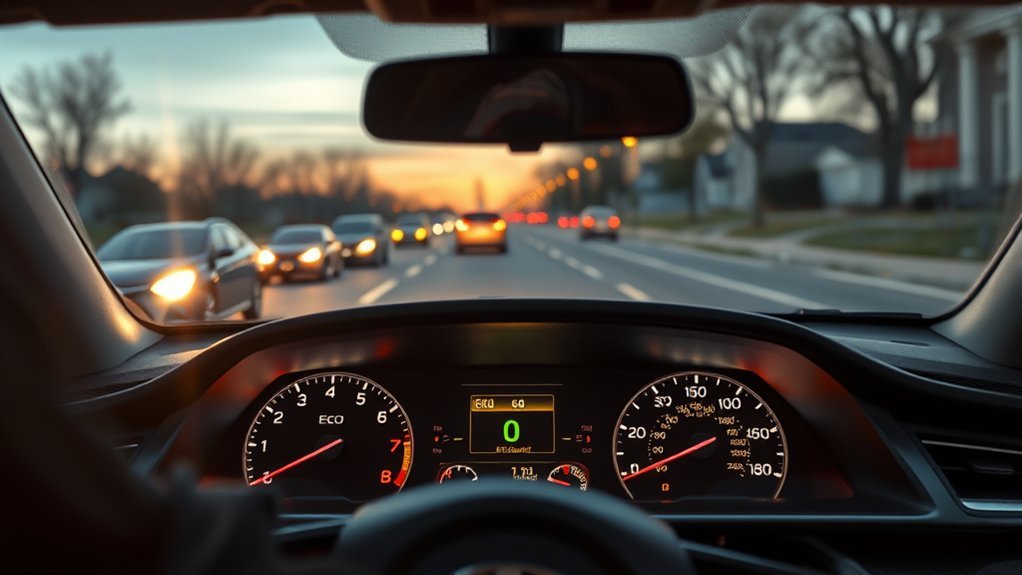
Use Eco Mode in your Toyota Camry when you want smoother accelerator response and better fuel-saving habits during predictable, low-speed driving. It is most useful in city traffic, school zones, neighborhood roads, parking lots, and stop-and-go commutes. Switch back to Normal or Sport when you need quicker response for merging, passing, steep grades, or fast-moving traffic.
Quick Answer
Use Eco Mode in a Camry for calm city driving, stop-and-go traffic, and gentle commutes where smooth acceleration matters more than quick response. Skip it for highway merging, passing, steep hills, or any moment when immediate power feels safer.
Key Takeaways
- Best use: low-speed city routes, gentle commutes, traffic, and steady errands.
- Biggest change: Eco Mode makes throttle response more moderate and can reduce climate-control energy use.
- Do not expect magic MPG gains: your speed, weather, tires, route, and driving style matter more than the button alone.
- Switch modes freely: use Normal for everyday balance and Sport when faster response is needed.
- Check your owner’s manual: drive-mode behavior varies by model year, trim, and gas vs hybrid powertrain.
At a Glance
| Time Required | One button press; 2–3 tanks of fuel to judge results fairly |
| Difficulty | Easy |
| Tools Needed | Drive mode selector, trip meter, and fuel-economy display |
| Cost | Free |
What Eco Mode Actually Does in a Toyota Camry
Eco Mode does not turn your Camry into a different car. It changes how the car responds to your inputs so efficient driving is easier. In current Toyota Camry Hybrid owner information, Toyota describes Eco drive mode as a setting that helps the driver accelerate in an eco-friendly manner and improve fuel economy through moderate throttle characteristics and heating/cooling control.
In plain English, Eco Mode usually makes the accelerator feel less jumpy. A small pedal movement produces a calmer response, which helps reduce sudden bursts of acceleration. On Camry Hybrid models, it can also reduce how aggressively the climate-control system works, especially heating, cooling, and fan operation.
Note: Eco Mode does not replace good driving habits. Smooth acceleration, steady speed, correct tire pressure, and sensible A/C use usually matter more than the drive mode by itself.
Throttle Response
The biggest thing most drivers notice is a softer accelerator feel. Eco Mode makes it easier to pull away gently from a stop, keep low-speed traffic smooth, and avoid unnecessary surges. That is why it works well in city driving, where repeated starts and stops can waste fuel.
Climate Control
Eco Mode can also reduce climate-control demand. That helps fuel economy because air conditioning, heating, fan speed, and defrosting can all use energy. FuelEconomy.gov notes that A/C use can reduce fuel economy in hot weather, especially on short trips.
What Eco Mode Does Not Do
Eco Mode does not make your Camry unsafe, does not disable braking, and does not prevent you from accelerating when you press harder. It simply prioritizes efficiency and smoothness over sharp response. If the car feels too slow for the situation, switch to Normal or Sport.
When Eco Mode Helps Most
Eco Mode is most helpful when the route is predictable and you do not need fast throttle response. Think of it as the best setting for calm, efficient driving rather than a mode for every road condition.
| Driving Situation | Use Eco Mode? | Why |
|---|---|---|
| Stop-and-go traffic | Yes | Smooths repeated acceleration |
| Neighborhood streets | Yes | Encourages gentle low-speed driving |
| School zones and parking lots | Yes | Makes throttle response calmer |
| Predictable daily commute | Usually | Works well when traffic flow is steady |
| Mild weather | Usually | Climate-control tradeoff is less noticeable |
Eco Mode works best when you also drive smoothly. FuelEconomy.gov says aggressive driving, including rapid acceleration and hard braking, can lower gas mileage significantly. Eco Mode helps because it makes those habits less tempting, but the driver still matters most.
Eco Mode is best used as a driving-habit helper: it encourages smoother inputs, but it cannot overcome speeding, hard braking, heavy A/C use, low tire pressure, or short cold-weather trips.
When to Skip Eco Mode
Skip Eco Mode when response and control matter more than maximum smoothness. You can change drive modes as conditions change, and that is the right way to use them.
Warning: Do not use Eco Mode as a substitute for safe driving judgment. If you need quick acceleration to merge, pass, or climb a grade safely, use Normal or Sport before you need the extra response.
| Situation | Why Eco Can Feel Wrong | Better Choice |
|---|---|---|
| Highway merging | Throttle response can feel too soft | Normal or Sport |
| Passing at speed | You may want faster response | Sport |
| Steep hills | The car may feel less eager | Normal or Sport |
| Very hot cabin | Eco climate control may cool more slowly | Normal A/C settings |
| Trailer towing | Current Camry Hybrid guidance does not recommend towing | Follow owner’s manual; do not tow if not rated |
For current Camry Hybrid owner guidance, Toyota says it does not recommend trailer towing or installing a tow hitch. Older model years and non-U.S. manuals may differ, so always check the owner’s manual for your exact Camry before carrying heavy loads or towing anything.
Eco vs Normal vs Sport: Which Mode Should You Use?
The best mode is the one that matches the road. Do not think of Eco Mode as the “correct” setting and Sport as the “wrong” setting. They are tools for different situations.
| Mode | Best For | What You Feel |
|---|---|---|
| Eco | Traffic, errands, calm commuting | Softer accelerator and more efficient climate-control behavior |
| Normal | Most everyday driving | Balanced response, comfort, and efficiency |
| Sport | Merging, passing, curvy roads, hills | Sharper response and stronger acceleration feel |
Toyota describes Normal mode as the balance of fuel economy, quietness, and dynamic performance. Toyota also describes Sport mode as suitable when quicker, more powerful acceleration and agile response are desired. That makes Normal the best default for mixed driving and Sport the better choice when traffic or terrain demands more response.
[Products Worth Considering]
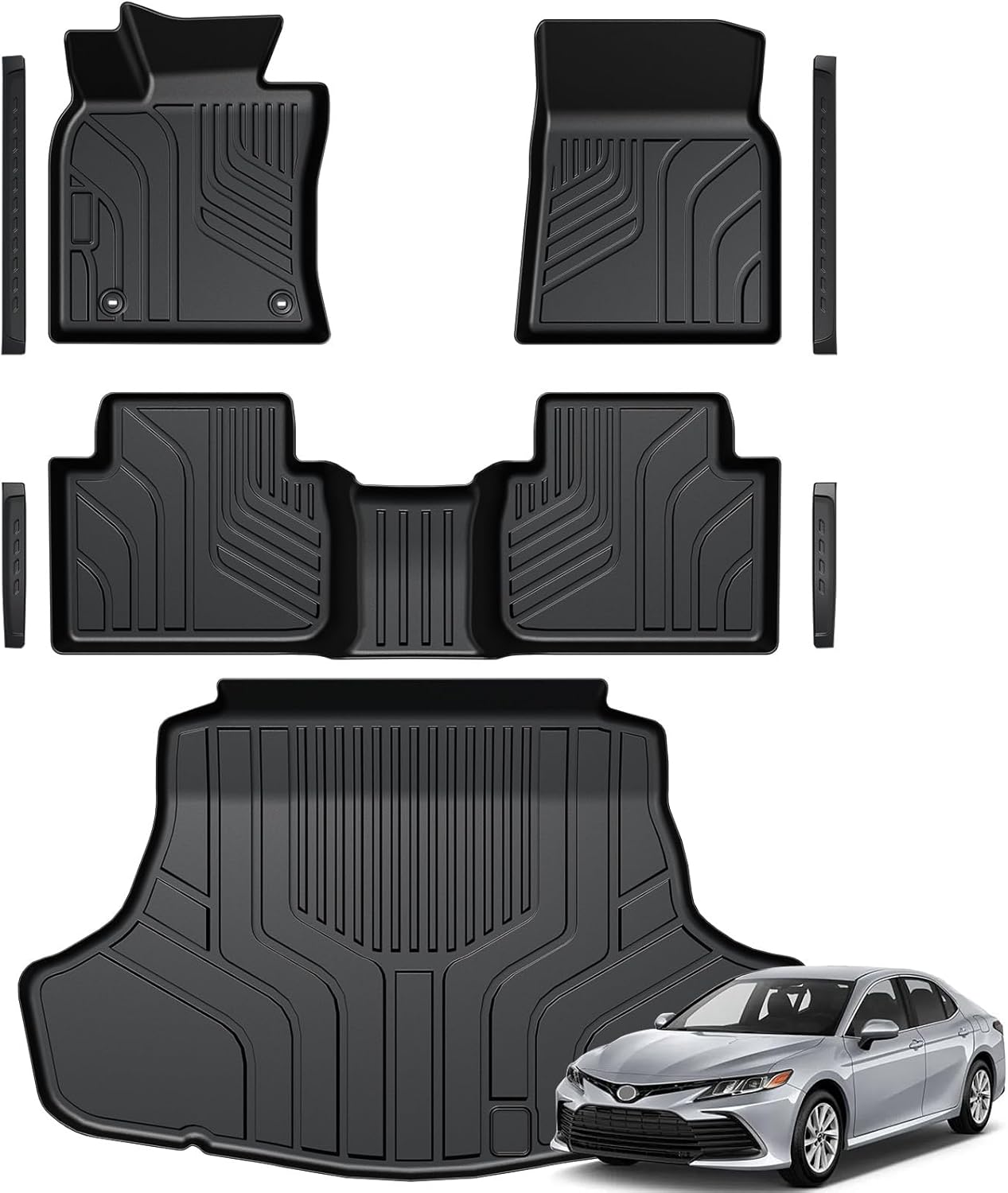
Custom-fit floor mats and accessories designed for 2018-2024 Toyota Camry gas FWD models provide full-coverage protection for the cabin, trunk, and door sills. Built with all-weather materials and raised edges, they help block dirt, spills, and debris while staying securely in place for everyday driving. The set is easy to install, simple to clean, and made to keep your vehicle looking neat and protected.

This A-Premium AC expansion valve is an OE-style replacement designed to help restore proper refrigerant flow and consistent cooling performance. Built for a wide range of Toyota, Lexus, and Scion applications, it supports reliable air conditioning operation and a precise fit for easier installation. It is engineered to meet or exceed OEM specifications for dependable long-term performance.

This A-Premium AC expansion valve is a direct replacement designed to restore proper refrigerant flow and improve cooling performance across a wide range of compatible vehicles. Built to meet or exceed OEM quality standards, it features precision internal components for reliable operation and long-lasting durability. It is supported by an unlimited-mileage warranty for added peace of mind.
Real-World MPG Expectations With Eco Mode
Eco Mode can help, but it does not guarantee a fixed MPG improvement. Avoid any blanket claim like “Eco Mode always adds 2–3 MPG.” The result depends on route, temperature, tire pressure, terrain, traffic, A/C use, speed, and how you drive.
For context, current EPA ratings show how much Camry fuel economy varies even before drive mode is considered. The 2026 Camry HEV FWD LE is rated at 52 city, 49 highway, and 51 combined MPG. The 2026 Camry HEV FWD SE/XLE/XSE is rated at 47 city, 45 highway, and 46 combined MPG. The 2026 Camry HEV AWD XSE is rated at 43 city, 43 highway, and 43 combined MPG.
Those numbers are official test estimates, not promises for every driver. FuelEconomy.gov explains that your real-world fuel economy can vary based on driving conditions, driving style, weather, terrain, fuel, and vehicle condition.
Why Eco Mode May Help in the City
City driving has repeated stops, starts, low-speed acceleration, and more climate-control cycling. Eco Mode helps most here because it encourages gentler pedal inputs. If you normally accelerate hard from lights, Eco Mode may make your driving smoother and more efficient.
Why Eco Mode May Not Help Much on the Highway
At steady highway speeds, the main fuel-economy factors are speed, wind resistance, traffic flow, tire condition, cargo, terrain, and climate-control use. Eco Mode may still soften the accelerator, but once you are cruising at a steady speed, there may be less for it to improve.
Pro Tip: Test Eco Mode on the same route for at least two tanks, then repeat in Normal mode. Reset the trip meter, keep tire pressure correct, avoid unusual cargo, and compare similar weather and traffic conditions.
Drive Habits That Boost Eco Mode MPG
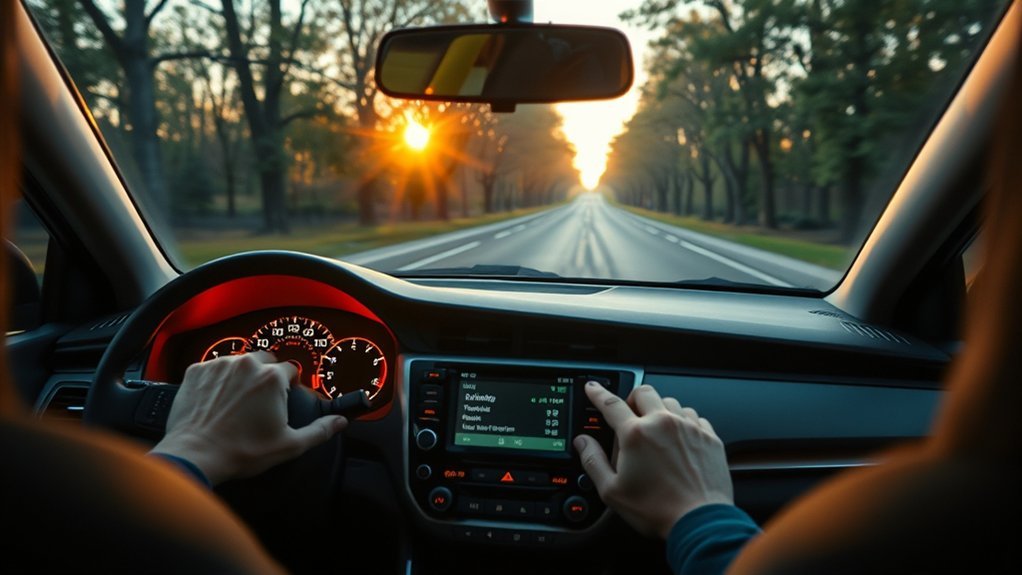
Eco Mode works best when your driving style matches it. You will usually get better results from smooth, steady habits than from simply pressing the Eco button and driving the same way as before.
- Accelerate gradually. Press the pedal smoothly instead of jumping away from stoplights.
- Look ahead. Lift off early when traffic slows so you avoid hard braking.
- Keep speeds reasonable. Fuel economy usually drops quickly as speed rises, especially above typical highway speeds.
- Limit unnecessary A/C demand. Use a comfortable setting instead of maximum cooling once the cabin is comfortable.
- Keep tires properly inflated. Low tire pressure increases rolling resistance and hurts MPG.
- Avoid extra weight and roof cargo. Added load and drag reduce efficiency.
- Use cruise control only when it helps. It can help on flat roads, but on rolling hills your foot may manage speed more efficiently.
FuelEconomy.gov lists many factors that affect MPG, including cold weather, short trips, towing or extra weight, hilly terrain, and electrical accessories such as air conditioning. That is why Eco Mode should be part of a broader fuel-saving routine, not the only step.
How to Test Whether Eco Mode Helps Your Camry
The most reliable answer is your own commute data. A short test drive is not enough because traffic, wind, temperature, and route changes can distort the result.
- Start with correct tire pressure. Use the pressure listed on the driver-door placard, not the number printed on the tire sidewall.
- Reset Trip A. Run one full tank in Eco Mode on your normal route.
- Drive normally but smoothly. Do not change every habit at once or the test will be hard to judge.
- Record displayed MPG and pump gallons. Hand-calculate MPG if you want a better comparison.
- Repeat for a second tank. One tank can be misleading.
- Switch to Normal and repeat. Compare similar routes, temperatures, and traffic patterns.
If Eco Mode improves your MPG and the car still feels comfortable, use it more often. If Normal mode gets similar MPG and feels better on your route, Normal is the smarter everyday choice.
[Products Worth Considering]
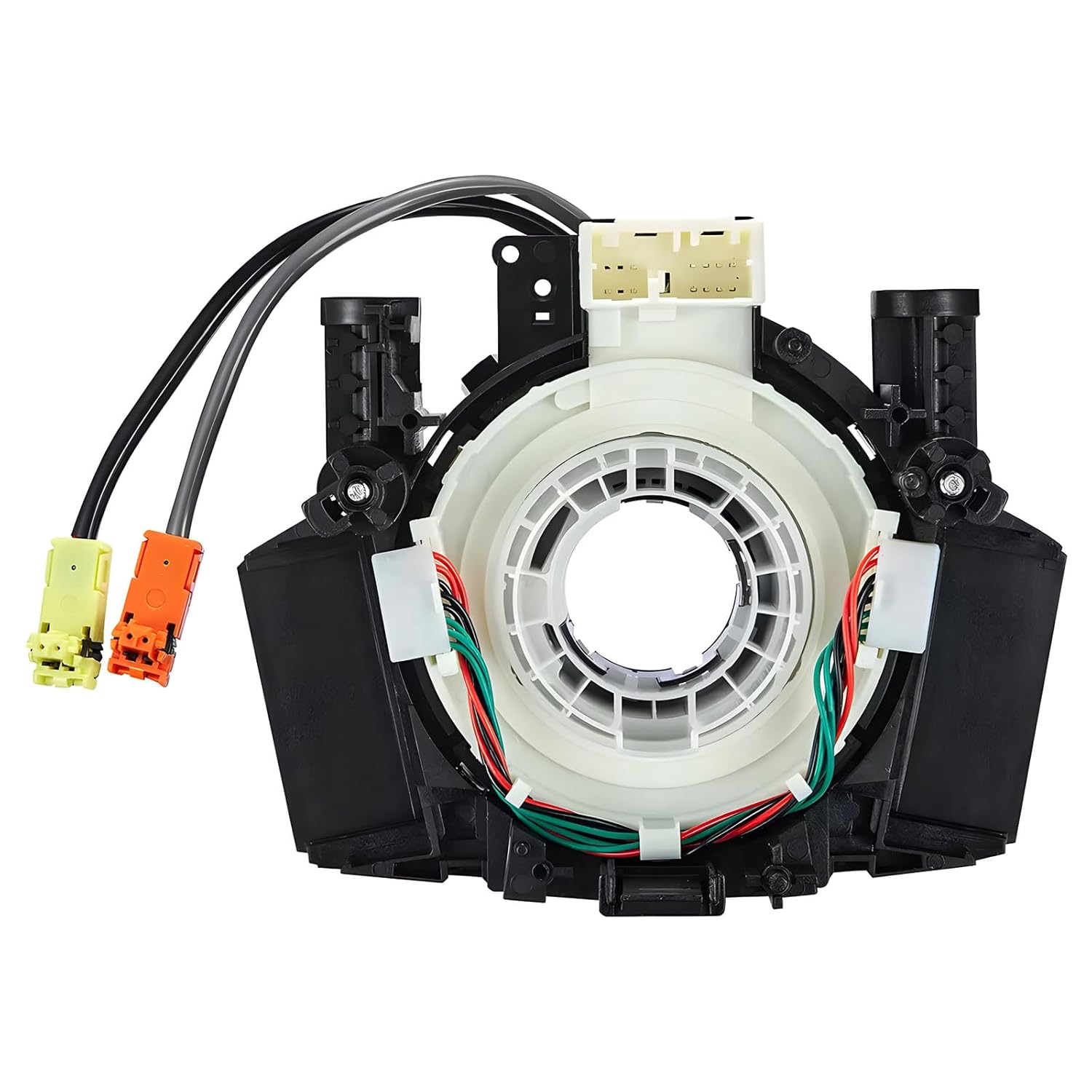
This steering clock spring assembly is an OEM-style replacement designed to restore steering wheel controls and related electronic functions in compatible Nissan vehicles. It supports audio, cruise control, and multi-function button operation while matching multiple factory part numbers for a reliable fit. Built for direct installation with vehicle-specific connectors, it helps return steering column electronics to proper working order.

These upgraded mud flaps are designed to fit select Toyota Camry SE and XSE Sport models with a precise, no-drill installation using original mounting points. Their aerodynamic shape and extended coverage help protect the body and chassis from road spray, snow, salt, sand, and debris while blending cleanly with the vehicle's lines. Built from durable PP and TPE materials, they offer a strong, flexible fit for everyday driving protection.

This plug-and-play AC button switch is designed to replace a faulty factory air conditioner switch in compatible Toyota vehicles. It installs easily without tools and is made to match the original part for a seamless fit and reliable operation. Built from durable ABS plastic, it offers a dependable replacement backed by warranty support and fitment guidance.
Choosing Eco Mode for Daily Driving
For most Camry owners, the best approach is simple: start in Eco for calm city driving, use Normal for mixed routes, and use Sport when you need quick response. There is no penalty for switching modes as road conditions change.
Use Eco Mode when your drive is slow, predictable, and smooth. Use Normal when traffic speed changes often or you want a balanced feel. Use Sport when you are entering a fast road, climbing a grade, passing, or driving on roads where quicker response makes the car easier to control.
[Products Worth Considering]

This coolant electric water pump is designed as a replacement for select Toyota vehicles, helping maintain proper engine cooling performance and reliable temperature control. Built to OE specifications, it offers fitment support for compatible Avalon, Camry, and RAV4 models with 2.5L L4 engines. It also includes cross-reference part numbers for easier matching and comes with after-sales support for covered defects.

This replacement filter set is designed for a range of Toyota hybrid vehicles, including popular models like RAV4 Hybrid, Camry Hybrid, Highlander Hybrid, Sienna, Venza, and more. It combines cabin and engine filtration to help support cleaner airflow, reduce dust and odors, and protect your HVAC and engine systems. Built for easy installation and extended service life, it offers a convenient maintenance upgrade for compatible hybrid and gas-only Corolla models.

This custom cargo mat and seat-back liner is designed specifically for the 2026 Toyota RAV4 Hybrid, helping protect the trunk and rear seat area from dirt, scratches, spills, and everyday wear. The full-coverage design shields felt surfaces while the non-slip TPE construction helps keep cargo in place, and the easy-clean surface makes maintenance simple after outdoor trips, pet transport, or messy hauls. Double fixation with hook-and-loop fasteners and elastic ropes helps keep the liner securely positioned.
Frequently Asked Questions
When should I use Eco Mode on a Toyota Camry?
Use Eco Mode for city driving, stop-and-go traffic, low-speed errands, and gentle commutes. It is best when smooth acceleration and reduced climate-control energy use matter more than fast throttle response.
Should I use Eco Mode on the highway?
You can use Eco Mode on the highway if traffic is steady and you do not need quick acceleration. For merging, passing, steep grades, or fast-changing traffic, Normal or Sport usually feels better and can be safer.
Does Toyota Eco Mode really save gas?
It can, especially if it helps you accelerate more smoothly and use less climate-control energy. The MPG gain is not fixed. Speed, weather, traffic, tire pressure, hills, A/C use, and your driving style all affect the result.
What are the disadvantages of Eco Mode in A/C?
Eco Mode may reduce cooling or heating intensity by controlling climate-system operation and fan behavior. On very hot, cold, or humid days, the cabin may take longer to feel comfortable. Turn off Eco A/C or switch out of Eco Mode when visibility, defrosting, or comfort requires stronger climate performance.
Can I leave Eco Mode on all the time?
You can leave it on for normal low-demand driving, but you do not have to. Switch to Normal or Sport whenever Eco Mode feels sluggish or when traffic, hills, or merging require quicker response.
Does Eco Mode hurt the engine or hybrid system?
No. Eco Mode is a normal factory drive mode. It is designed to change response and efficiency behavior, not harm the engine or hybrid system. The more important point is to use the right mode for the road and follow your maintenance schedule.
Conclusion
Use Eco Mode in your Camry for calm city driving, errands, traffic, and predictable commutes. Use Normal for balanced everyday driving, and use Sport when you need quicker acceleration or a more responsive feel. Eco Mode can help fuel economy, but the biggest gains come from smooth acceleration, steady speeds, smart climate-control use, correct tire pressure, and testing what works on your own route.
Sources
- Toyota Owners — Camry Hybrid driving mode select switch — backs Eco, Normal, and Sport mode behavior.
- Toyota Owners — Camry Hybrid trailer towing — backs towing warning for current Camry Hybrid guidance.
- FuelEconomy.gov — Driving more efficiently — backs smooth acceleration, braking, and speed guidance.
- FuelEconomy.gov — Fuel economy in hot weather — backs A/C and climate-control MPG guidance.
- FuelEconomy.gov — 2026 Toyota Camry HEV FWD LE — backs current EPA rating example.
- FuelEconomy.gov — 2026 Toyota Camry HEV FWD SE/XLE/XSE — backs current EPA rating example for other FWD trims.