Setting the tire pressure on a Toyota Camry is simple, but the correct PSI is not the same for every Camry. The right number depends on your model year, trim, tire size, and load rating, so always start with the tire placard on the driver’s side door jamb or the official Toyota owner’s manual for your vehicle.
Quick Answer
To set Toyota Camry tire pressure, check the driver’s side door-jamb tire placard for the recommended cold PSI, measure each tire with a reliable gauge before driving, then add or release air until each tire matches the placard. Recheck the pressure and reset or relearn TPMS only if your owner’s manual requires it.
Key Takeaways
- Use the Camry’s tire placard or Toyota owner’s manual, not a generic PSI number.
- Check pressure when tires are cold, ideally before driving or after the car has been parked for several hours.
- Do not inflate to the maximum PSI printed on the tire sidewall; that is not the vehicle’s recommended pressure.
- TPMS helps warn you about low pressure, but it does not replace monthly manual checks.
- Cold weather can lower tire pressure, so seasonal checks matter.
At a Glance
| Time Required | 5–10 minutes |
| Difficulty | Easy |
| Tools Needed | Tire pressure gauge, air compressor or tire inflator, and valve-stem caps |
| Cost | Usually free at many air stations if you already have a gauge; about $10–$30 for a basic gauge |
Why Tire Pressure Matters for Your Camry
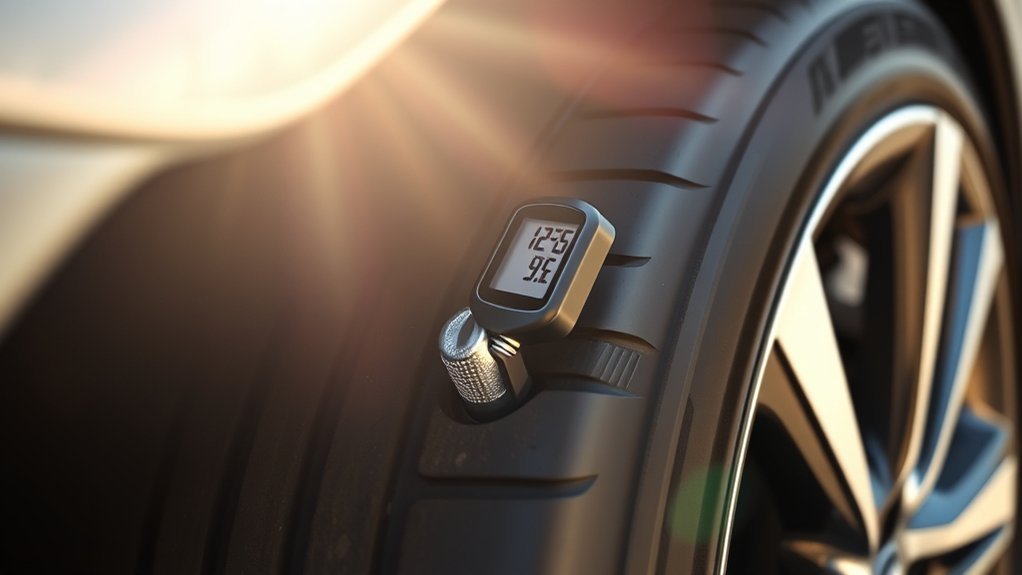
Correct tire pressure affects how your Toyota Camry steers, brakes, rides, and wears its tires. Underinflated tires can run hotter, wear unevenly, reduce fuel efficiency, and affect handling. Overinflated tires can also wear unevenly and may reduce the tire’s contact patch with the road.
FuelEconomy.gov says proper tire inflation can improve gas mileage by 0.6% on average, up to 3% in some cases, and underinflated tires can lower gas mileage by about 0.2% for every 1 PSI drop in the average pressure of all tires.
The safest target is the manufacturer’s recommended cold tire inflation pressure listed on the vehicle placard or tire inflation pressure label. That means the PSI printed for your Camry, not the highest number molded into the tire sidewall.
Warning: Do not use the “maximum pressure” number on the tire sidewall as your Camry’s normal tire pressure. That number is the tire’s maximum limit, not Toyota’s recommended cold PSI for your vehicle.
How to Locate and Read the Tire Placard
The tire placard is the most important reference for setting Toyota Camry tire pressure. Open the driver’s door and look along the door jamb or door edge for a label that lists the original tire size, recommended cold PSI, and load information. If the label is missing, damaged, or hard to read, use your Toyota owner’s manual or ask a Toyota service department to confirm the correct pressure by VIN.
When reading the placard, look for these details:
- Front tire pressure: The recommended cold PSI for the front tires.
- Rear tire pressure: The recommended cold PSI for the rear tires. It may match the front PSI, but do not assume.
- Tire size: Match this to the tire size installed on your Camry. If your tires are a different size than the placard shows, confirm the correct pressure with Toyota or a qualified tire professional.
- Load information: The placard also helps you stay within the vehicle’s safe load limits.
Note: Many Camry models use a cold tire pressure in the mid-30 PSI range, but the exact number can vary. The placard on your car is the source that matters.
[Products Worth Considering]

The JACO ElitePro Digital Tire Pressure Gauge delivers shop-grade accuracy with a clear digital readout, making it easy to maintain proper tire pressure for safer driving and better performance. Built with rugged brass and steel components, a protective guard, and a flexible air hose, it is designed for reliable use across cars, trucks, motorcycles, bikes, RVs, and trailers. The lock-on display, built-in bleeder valve, and bright backlit screen add convenience in any lighting condition.
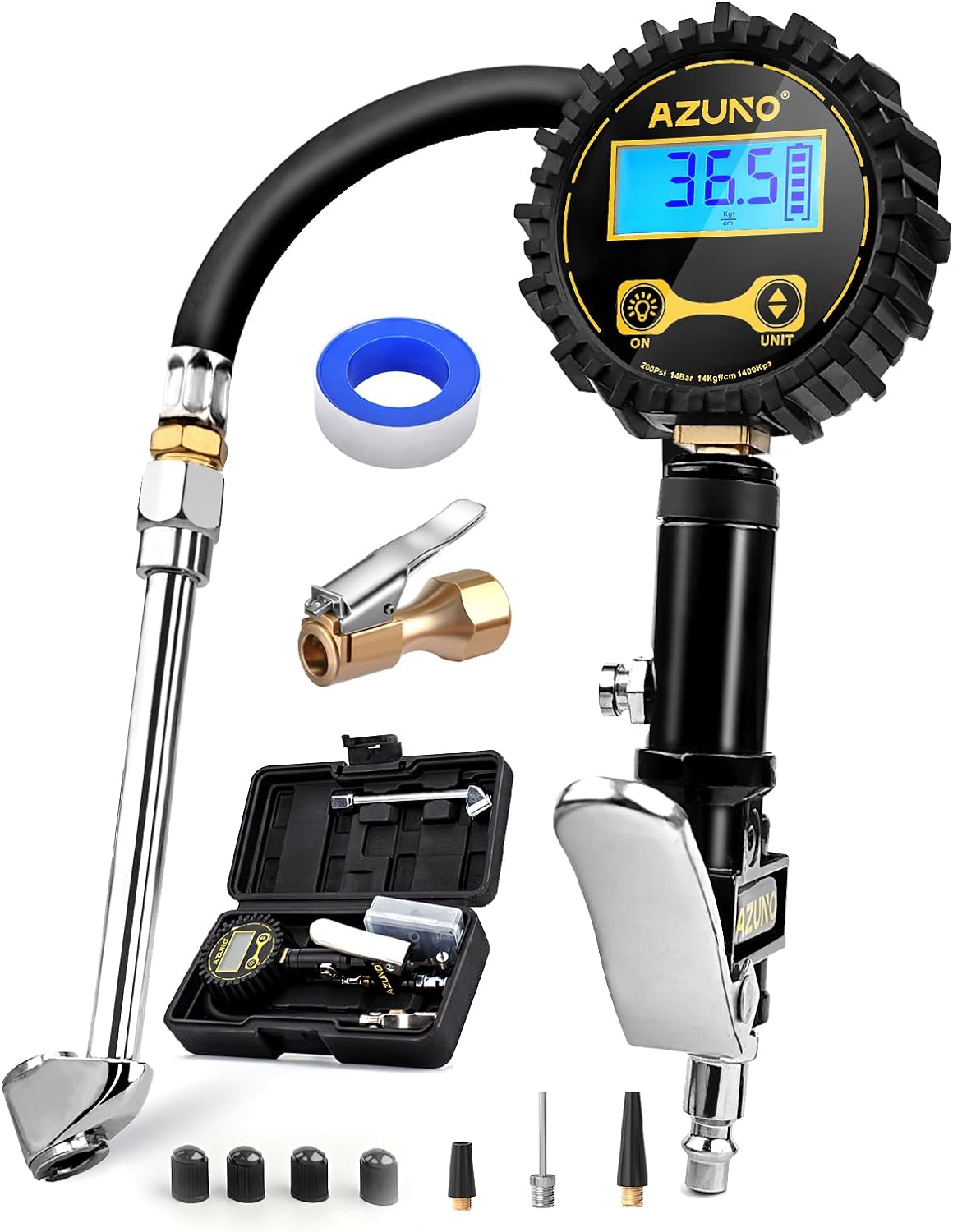
This digital tire inflator delivers accurate, easy-to-read pressure measurements with a bright backlit LCD and precise 0.1 resolution for confident inflation. Designed for single-handed use, it makes it simple to inflate or deflate tires while staying organized in the included portable carrying box. Built for a wide range of vehicles, it is a practical air compressor accessory for cars, trucks, SUVs, motorcycles, and more.

This GM TPMS relearn tool helps reset tire sensors, clear warning lights, and match tire positions after rotation quickly at home. Designed for Chevrolet, GMC, Cadillac, and Buick vehicles, it offers one-button operation, fast activation, and broad compatibility with many GM models. It is best suited for OE/OEM sensors and includes paper instructions plus video guidance for easier DIY use.
How to Adjust Your Tire Pressure
Adjust your Camry tire pressure when the tires are cold. A cold tire is one that has not been driven far recently and has had time to cool down. Driving warms the tires and raises the pressure reading, which can make you think the tire has more air than it really does at a cold baseline.
Follow these steps:
- Park safely: Park on level ground and set the parking brake.
- Find the recommended PSI: Read the tire placard on the driver’s side door jamb or confirm the number in the Toyota owner’s manual.
- Remove the valve cap: Put the cap in your pocket or a safe spot so it does not roll away.
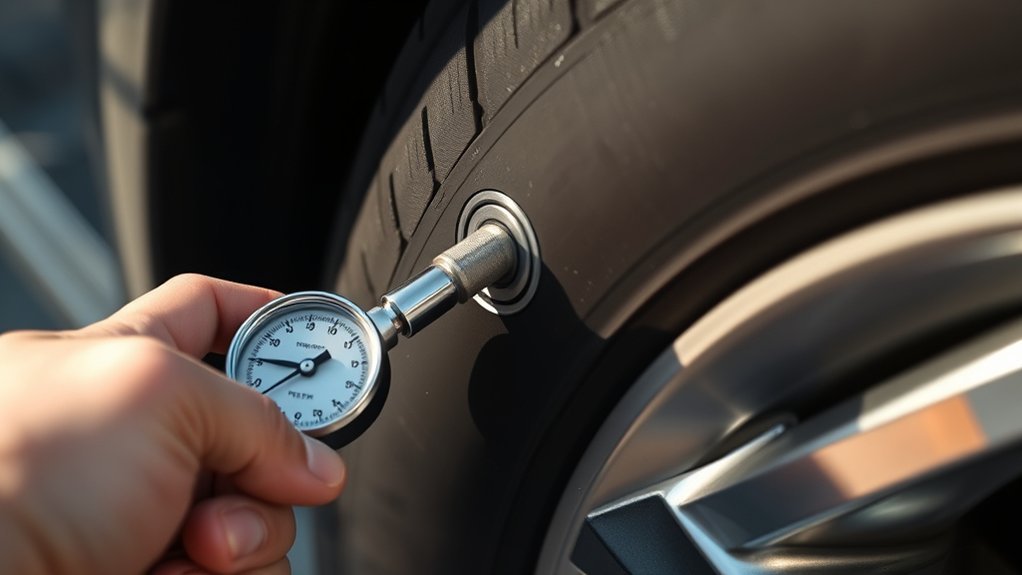
- Measure the tire pressure: Press a reliable tire pressure gauge firmly onto the valve stem until the hissing stops and the gauge gives a reading.
- Add air if the tire is low: Use an air compressor or portable inflator in short bursts.
- Release air if the tire is high: Press the center pin inside the valve stem briefly, then recheck.
- Recheck the PSI: Measure again after each adjustment until the tire matches the placard pressure.
- Repeat for all tires: Check all four tires, not just the one that looks low.
- Check the spare if equipped: If your Camry has a spare tire, check it according to the owner’s manual. Some TPMS systems do not monitor the spare.
- Replace valve caps: Tighten each cap by hand to help keep dirt and moisture out of the valve stem.
Pro Tip: Keep a small digital or dial tire gauge in your glove box. Gas-station gauges can be worn, dropped, or inaccurate, so your own gauge gives you a more consistent reading.
[Products Worth Considering]
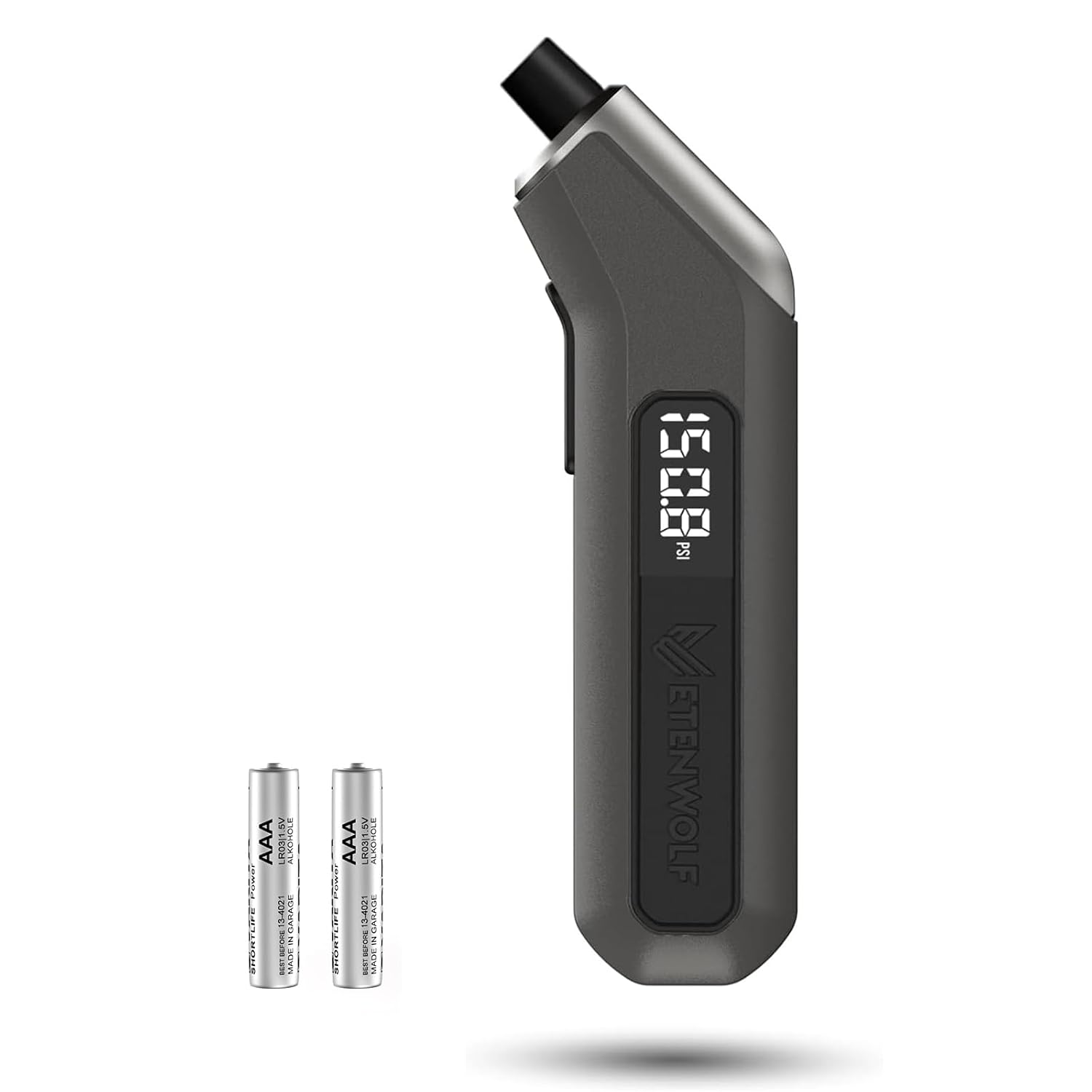
The ETENWOLF T300 digital tire pressure gauge delivers precise readings for cars, RVs, trucks, bikes, and heavy-duty vehicles with a wide measuring range and consistent accuracy. It is built to perform in extreme temperatures, includes a bright LED light for low-visibility use, and uses replaceable AAA batteries for convenient long-term operation. Durable enough to withstand rugged use, it is a practical tool for maintaining proper tire pressure across a variety of vehicles.

This portable tire inflator delivers quick, convenient inflation for cars and other inflatables with a digital pressure display and automatic shut-off for accurate results. Its low-noise, low-vibration design helps keep use stable, while the included adapters make it versatile for tires, balls, and more. Designed for continuous use across multiple tires, it is a practical tool for everyday roadside and garage needs.

This tire inflator attachment combines accurate pressure reading and easy inflation in one heavy-duty tool for maintaining tire pressure with less hassle. A longer hose and 360-degree swivel air chuck help create a secure seal while giving you better control during use. Designed for universal compressor compatibility, it measures, inflates, and deflates without batteries.
What to Do When Your Tire Pressure Is Low?
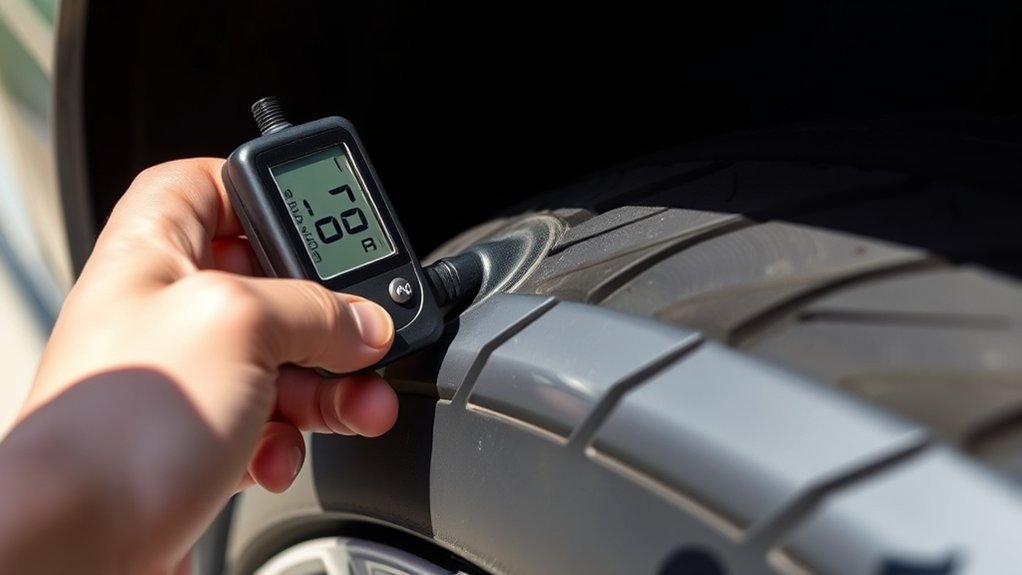
When your tire pressure is low, do not ignore it. Low pressure can make the tire run hotter, increase wear, reduce fuel economy, and affect the way your Camry handles or stops.
- Check the exact pressure: Use a tire gauge rather than judging by appearance. A tire can be several PSI low and still look normal.
- Compare it with the placard: Use the driver-door label as the target.
- Inflate slowly: Add air in short bursts and recheck with the gauge.
- Look for a pattern: If all four tires are low after a cold snap, temperature may be the cause. If one tire is much lower than the others, suspect a leak, puncture, valve-stem issue, or wheel damage.
- Inspect the tire: Look for nails, screws, bulges, sidewall cuts, or uneven tread wear.
- Get help if needed: If the tire is repeatedly low, visibly damaged, or nearly flat, have it inspected before driving long distances.
Warning: Do not drive normally on a tire that is very low, flat, bulging, or damaged. Stop in a safe place and use roadside assistance, a spare tire, or a qualified tire service.
[Products Worth Considering]
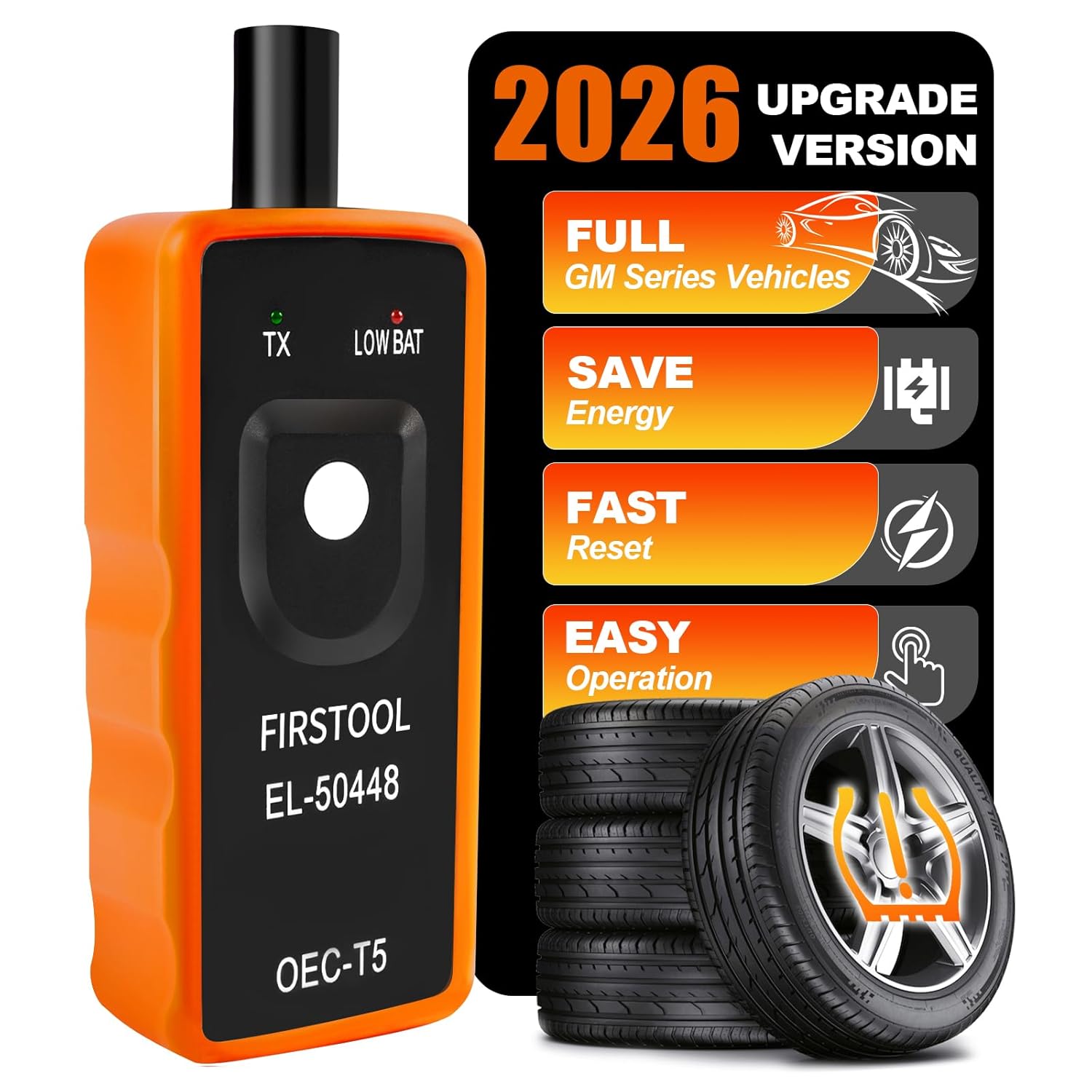
This EL-50448 TPMS relearn tool helps quickly activate and reset tire pressure sensors so your vehicle’s monitoring system stays accurate after tire rotations, sensor replacement, or seasonal tire changes. Designed for many GM-related vehicles and compatible with common 315 and 433 MHz TPMS systems, it offers simple one-button operation and reliable performance for clearing warning lights and relearning sensor positions.

This portable tire inflator delivers fast, reliable inflation with a high-pressure pump, digital pressure gauge, and automatic shut-off for safer use. Dual power support lets you run it from the built-in battery or a 12V car outlet, while the LED light and USB output make it a practical emergency tool for roadside and outdoor situations.

This TPMS sensor training tool is designed for Ford, Lincoln, and Mercury vehicles with compatible tire pressure sensors, helping activate sensors after tire rotations or sensor replacement. It supports relearning and warning light reset workflows with a simple one-button operation, making tire pressure maintenance easier and faster. Built for reliable use and broad vehicle compatibility, it is a practical accessory for TPMS service and sensor activation.
How TPMS Fits Into Camry Tire Pressure
Your Toyota Camry’s Tire Pressure Monitoring System, or TPMS, is a helpful warning system, but it is not a replacement for manual pressure checks. Federal TPMS language explains that the system warns when one or more tires are significantly underinflated and that the driver is still responsible for maintaining correct pressure.
Use the TPMS light this way:
- Solid tire-pressure light: Stop when safe, check all tires with a gauge, and inflate them to the placard PSI.
- Light stays on after inflation: Recheck pressure when the tires are cold. Some systems may need driving time or a reset/relearn procedure.
- Flashing TPMS light: A flashing light that later stays on may indicate a TPMS malfunction. Have the system inspected.
- After tire rotation, replacement, or wheel changes: Some Camry models may need TPMS initialization, sensor registration, or relearning. Follow the owner’s manual for your exact model year.
Toyota’s support guidance says that if the tire pressure warning stays on, you should check all tires and refill, repair, or replace any tire that is below the proper pressure. If you are unsure how your model resets TPMS, use the Toyota manual for your model year rather than a generic reset-button guide.
Tips for Maintaining Tire Pressure Year-Round
Check your Camry tire pressure at least once a month and before long trips. The federal TPMS standard’s owner-manual language recommends checking each tire, including the spare if provided, monthly when cold and inflating it to the manufacturer’s placard pressure.
Temperature changes matter. According to Bridgestone tire inflation guidance, tire pressure can change by about 1 PSI for every 10°F change in ambient temperature. That is why your TPMS light may come on during the first cold morning of the season even if there is no puncture.
Use these year-round habits:
- Check in the morning: Morning checks are usually closer to a cold-tire reading.
- Do not bleed hot tires: A hot tire can read higher after driving. Let it cool before making final adjustments when possible.
- Adjust after big weather swings: Recheck pressure after major temperature drops or rises.
- Watch tread wear: Center wear can suggest overinflation, while edge wear can suggest underinflation or alignment issues.
- Replace missing valve caps: Caps help protect the valve stem from dirt and moisture.
- Use the right tires: If tire size or load rating changes, confirm the proper pressure with Toyota or a qualified tire professional.
Note: Seasonal maintenance does not mean lowering PSI in winter or overinflating in summer. It means setting the tires to the placard PSI when they are cold, then rechecking as weather changes.
Frequently Asked Questions
How often should I check my Toyota Camry tire pressure?
Check your tire pressure at least once a month and before long trips. Also check it after major temperature changes, after tire service, or any time the TPMS warning light comes on.
What is the ideal Toyota Camry tire pressure in different weather?
The ideal pressure is the cold PSI listed on your Camry’s tire placard, even when the weather changes. Cold weather can lower PSI and hot weather can raise readings, so adjust the tires back to the placard pressure when they are cold.
Can I rely on the Tire Pressure Monitoring System (TPMS)?
Use TPMS as a warning, not as your only maintenance method. TPMS may not warn until pressure is significantly low, and it can malfunction. A monthly manual check with a gauge is still the best habit.
What tools do I need to check tire pressure?
You need a tire pressure gauge and access to an air compressor or portable inflator. A digital gauge is easy to read, while a dial or stick gauge can also work if it is accurate and in good condition.
How does overinflation affect my tires?
Overinflation can make the ride harsher and may cause the center of the tread to wear faster. It can also reduce the tire’s contact with the road. Use the placard PSI instead of guessing higher.
Should I inflate my Camry tires to the number on the tire sidewall?
No. The sidewall number is the tire’s maximum pressure limit, not Toyota’s recommended pressure for your Camry. Use the driver-door tire placard or owner’s manual.
Why does my Camry tire pressure light come on in cold weather?
Cold air contracts, so tire pressure can drop as outside temperature falls. If all four tires are a few PSI low after a cold night, add air to the placard pressure when the tires are cold. If one tire is much lower, check for a leak.
Conclusion
Maintaining the right tire pressure in your Toyota Camry is one of the easiest ways to support safer handling, better fuel economy, and more even tire wear. Check the driver’s side door-jamb placard, measure pressure when the tires are cold, adjust each tire carefully, and treat TPMS as a helpful backup rather than your only check. With a reliable gauge and a few monthly minutes, your Camry’s tires will be better prepared for daily driving, weather changes, and long trips.
Sources
- Toyota Owners Manuals and Warranties — official Toyota source for model-specific owner’s manuals and tire-pressure information.
- Toyota Owners: 2025 Camry Hybrid Tire Inflation Pressure — Toyota manual page for Camry tire inflation pressure guidance.
- eCFR 49 CFR 571.138: Tire Pressure Monitoring Systems — federal TPMS and cold tire pressure language.
- FuelEconomy.gov: Keeping Your Vehicle in Shape — fuel-economy impact of proper tire inflation and warning not to use sidewall maximum pressure.
- Toyota Support: How TPMS Works — Toyota guidance on low tire pressure warnings and checking tires.
- Bridgestone: Proper Tire Inflation — tire-pressure maintenance and temperature-change guidance.