

Most 2010-2024 Toyota 4Runner models with the 4.0L V6 take about 6.6 quarts of oil with a new filter and about 6.0 quarts without replacing the filter. The sixth-generation 4Runner uses a different 2.4L turbo engine family: the 2025 model lists 5.9 quarts with a filter and 5.6 quarts without one, while the 2026 model lists 5.9 quarts with a filter and should be checked against its exact owner’s manual for the drain-only quantity.
Last updated: July 23, 2026. Capacity figures were checked against Toyota owner-manual and product information. Use the manual for capacity and oil specifications, the filler cap for viscosity, and the dipstick for the final level.
Quick Answer
A 2010-2024 Toyota 4Runner 4.0L V6 generally takes about 6.6 qt / 6.2 L with a filter change and 6.0 qt / 5.7 L without a filter change. The 2025 2.4L i-FORCE and i-FORCE MAX models list 5.9 qt / 5.6 L with a filter and 5.6 qt / 5.3 L without one. The 2026 models list 5.9 qt / 5.6 L with a filter; verify the drain-only quantity in the 2026 manual. Treat every listed quantity as a starting refill reference, then confirm the final level with the dipstick.
Key Takeaways
- For a 2010-2024 4Runner 4.0L V6, use 6.6 qt as the starting reference when installing a new filter.
- Do not apply fifth-generation V6 quantities to a 2025 or 2026 2.4L turbo model.
- The owner’s manual gives the capacity and required oil specification; the oil cap identifies viscosity.
- The dipstick determines the final level after the engine has run, the filter has filled, and the oil has settled.
- If the level is clearly above the full mark, remove the excess instead of expecting it to burn off safely.
At a Glance
| Time Required | Usually 30-60 minutes for a basic DIY oil and filter change |
| Difficulty | Beginner to moderate, depending on skid-plate and filter access |
| Tools Needed | Drain pan, funnel, gloves, socket set, torque wrench, oil-filter tool, new filter or O-rings, and a new drain-plug washer |
| Oil to Have on Hand | Seven quarts for a 2010-2024 4.0L V6 filter change or six quarts for a 2025-2026 2.4L filter change |

How Much Oil Does a Toyota 4Runner Take?
The correct quantity depends on the model year, engine, and whether you replace the oil filter. The 2022 Toyota 4Runner remained part of the fifth-generation 4.0L V6 era. The 2026 Toyota 4Runner uses 2.4L turbo i-FORCE and i-FORCE MAX powertrains. Those engines have different refill quantities and service specifications.
| Model year | Engine | With filter | Without filter | Oil guidance |
|---|---|---|---|---|
| 2026 | 2.4L turbo i-FORCE or i-FORCE MAX | 5.9 qt / 5.6 L | Verify in the exact 2026 owner’s manual | Check the oil cap and manual before purchase |
| 2025 | 2.4L turbo i-FORCE or i-FORCE MAX | 5.9 qt / 5.6 L | 5.6 qt / 5.3 L | SAE 0W-20; verify the required performance standard in the manual |
| 2010-2024 | 4.0L V6 1GR-FE | About 6.6 qt / 6.2 L | About 6.0 qt / 5.7 L | SAE 0W-20 on U.S.-market models; verify the exact manual |
| 2003-2009 | 4.0L V6 or 4.7L V8 | Engine-specific | Engine-specific | Use the manual for the exact year, engine, and filter status |
| 1996-2002 | 2.7L I4 or 3.4L V6 | Engine-specific | Engine-specific | Use the manual for the exact year, engine, and filter status |
| 1984-1995 | Older four-cylinder and V6 engines | Engine-specific | Engine-specific | Use the manual for the exact year, engine, and filter status |
Note: The listed quantity is a refill reference, not an instruction to pour in that amount without checking. The correct final level is the dipstick reading after the engine has run, the filter has filled, and the oil has settled.
Which Source Should You Trust for Oil Capacity?
Use the sources in the following order when a generic chart, parts listing, or forum post disagrees with your vehicle:
- Owner’s manual: Use it for the engine’s refill capacity, required viscosity, performance standard, and maintenance instructions. Toyota provides a manual and warranty-guide lookup.
- Model year and engine: Confirm both before buying oil. Use the manual, vehicle registration, VIN-linked Toyota Owners record, or underhood information.
- Oil filler cap: Use the cap to confirm the intended viscosity. Do not expect it to list the refill capacity.
- Filter status: A filter change requires more oil because the new filter or filter housing fills after startup.
- Dipstick: Use it to confirm the final level after the vehicle is level and the oil has had time to drain back into the pan.
Differences between published charts often come from mixing engines within one generation, confusing filter-change and drain-only quantities, rounding liters into quarts, or treating a refill capacity as the engine’s total oil-system volume.
How to Fill and Check Oil Without Overfilling
Park on level ground, warm the engine briefly, shut it off, and let the oil settle before draining it. Warm oil flows more easily but can burn skin, so wear gloves and avoid the exhaust, skid plates, and drain area until they are safe to touch.
- Confirm the specification. Match the model year, engine, filter status, oil viscosity, and performance standard to the owner’s manual.
- Drain the old oil safely. Position a drain pan under the plug and allow the oil to drain. If the vehicle must be raised, support it with rated jack stands on a solid, level surface.
- Replace sealing parts. Install a new drain-plug washer. On cartridge-style filters, replace the specified O-rings and place them in the correct grooves.
- Refill below the listed capacity. Leave a small margin instead of pouring in the entire quantity at once.
- Run the engine briefly. Start it for about 30-60 seconds, confirm the oil-pressure warning turns off, and inspect the plug and filter area for leaks.
- Wait and read the dipstick. Shut the engine off, wait about 5-10 minutes on level ground, then wipe, fully reinsert, and read the dipstick.
- Top off slowly. Add small amounts until the level is within the marked range. Recheck after each addition.
- Inspect and reset. Check again after a short drive and reset the maintenance reminder according to the model-year instructions.
For a more detailed service procedure, see how to change Toyota 4Runner engine oil. For dipstick-specific guidance, see how to check the Toyota 4Runner engine oil level.
Warning: Never crawl under a vehicle supported only by a jack. Use rated jack stands on a solid, level surface, and keep hot oil away from your skin.
[Products Worth Considering]

This engine oil filler cap is a direct replacement designed for a wide range of Toyota, Lexus, and Scion vehicles. It helps restore a secure seal, supports reliable engine operation, and is made for easy installation with compatible factory fitment. Multiple part numbers are referenced to help ensure the correct match before ordering.

The Funnel King 32950 Oil Drain Pan is a compact fluid catch basin designed for clean, easy draining during routine maintenance. Its open shape and pour edge help transfer used oil, coolant, and other shop fluids with less mess, while the lightweight polypropylene construction stands up to common automotive chemicals. Sized to fit under many cars and small engines, it is a practical choice for garages, workshops, and DIY oil changes.

Castrol EDGE 0W-20 advanced full synthetic motor oil is engineered for drivers seeking strong wear protection, excellent viscosity control, and thermal stability. It delivers superior performance in critical engine areas, including fuel economy, high-temperature protection, sludge control, and wear defense. Designed for extended oil-change intervals, it helps keep modern engines running smoothly under demanding conditions.
Why Does Oil Capacity Change With the Filter?

A filter-change refill is larger because the new filter and its housing must fill after the engine starts. A drain-only service leaves the existing filter full of oil, so it requires less replacement oil.
Some used oil also remains in passages and internal components after draining. The amount left behind can change with oil temperature, drain time, vehicle angle, and how completely the filter housing was emptied. That is why a capacity specification is the starting point and the settled dipstick reading is the final check.
Pro Tip: Keep a service note with the model year, engine, viscosity, filter part number, and the final measured refill that placed the level correctly on your dipstick.
What Oil Type Does a Toyota 4Runner Use?
Many U.S.-market 2010-2024 4Runner 4.0L V6 models specify SAE 0W-20. The 2025 2.4L turbo owner information also specifies SAE 0W-20. Older models may require 5W-30 or another viscosity. Check the exact oil cap and owner’s manual before buying oil because viscosity and performance standards can differ by model year and engine.
[Products Worth Considering]

Castrol GTX Full Synthetic 5W-30 motor oil is designed to deliver maximum engine protection in severe driving conditions. It helps fight wear, control sludge, and resist viscosity breakdown while supporting longer intervals between oil changes. Formulated to meet or exceed key industry and vehicle manufacturer specifications, it offers dependable performance for modern engines.

This 12-pack oil filter and drain plug washer set is designed for a wide range of Toyota and Scion vehicles, helping support clean oil flow and dependable engine performance. It replaces several common OE part numbers and offers an easy-fit solution for routine maintenance. Built with corrosion-resistant materials and efficient filtration, it helps keep engine contaminants out and supports longer service life.

This upgraded aluminum oil filter housing cap is designed as a direct replacement for compatible Toyota and Lexus models, helping restore a secure, reliable seal for the oil filter housing. Built from durable aluminum, it offers improved strength and heat resistance over factory plastic covers, while the included gasket and plug support straightforward installation and dependable leak-free performance.
0W-20 vs 5W-30
SAE 0W-20 flows more readily during a cold start than 5W-30 and is specified for many newer Toyota engines. SAE 5W-30 appears in older Toyota applications. Do not switch based only on climate, mileage, or shelf availability. Use an alternate viscosity only when the manual permits it. See 0W-20 vs 5W-30 motor oil explained for a broader comparison.
Synthetic vs Conventional
Choose oil that meets the viscosity and performance standard listed in the manual. When Toyota specifies SAE 0W-20 synthetic oil, use a compliant 0W-20 product. The brand matters less than meeting the required specification and maintaining the correct service interval.
High-Mileage Oil
High-mileage oil is optional. It may be considered on an older engine when it still meets the required viscosity and performance standard. It is not a repair for a major leak, blue exhaust smoke, excessive consumption, or an oil-pressure problem.
The owner’s manual gives you the capacity and approved specification. The oil cap confirms viscosity. The dipstick confirms the final level.
What Happens If You Overfill or Underfill a 4Runner?
The safe target is an oil level within the marked dipstick range after the engine has run and the oil has settled. A clearly high or low reading should be corrected before normal driving.
Possible Signs of Overfilled Oil
A small amount above full may not cause immediate failure, but a clear overfill should be removed. Excess oil can contact rotating components, become aerated, increase crankcase pressure, or enter the intake through the crankcase-ventilation system.
- Foam or bubbles on repeated dipstick checks
- Burning-oil odor or blue exhaust smoke
- New leakage around seals or the filter housing
- Rough running if oil reaches the intake system
Possible Signs of Low Oil
Too little oil can reduce the pump’s ability to maintain pressure during braking, turns, steep climbs, or off-road operation. Continued operation may increase heat and wear.
- Oil level below the dipstick’s low mark
- Oil-pressure warning that remains on
- New ticking, tapping, or knocking sounds
- Hot-oil odor or evidence of an active leak
Oil Aeration and Damage
Aeration occurs when air bubbles become mixed with the oil. Aerated oil cannot maintain a stable protective film as effectively as liquid oil. If the dipstick repeatedly shows foam or the oil-pressure warning remains on, shut the engine off and investigate before driving.
Warning: If the oil-pressure warning remains on after startup, do not continue driving to see whether it clears. Stop the engine, check the oil level and leaks, and diagnose the cause.
How Often Should You Change 4Runner Oil and the Filter?
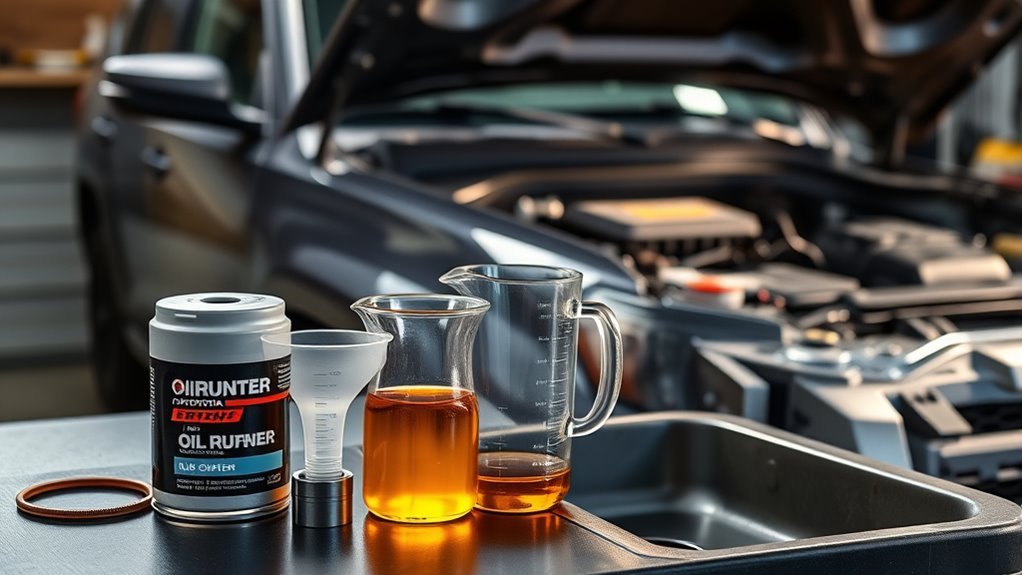
Follow the Toyota maintenance guide for the exact model year. Toyota vehicles that require SAE 0W-20 synthetic oil commonly use a normal-service interval of up to 10,000 miles or 12 months, but special operating conditions can require shorter service. The exact maintenance guide controls.
Most complete oil-change services include a new filter. On cartridge-style systems, lightly coat the replacement O-ring with clean engine oil, install it in the specified groove, and tighten the housing to the model-specific specification.
For many U.S.-market 2010-2024 4.0L V6 models, approximately 30 ft-lb is a commonly published drain-plug torque. Verify the exact service specification before tightening because the correct value may differ by year, engine, oil pan, or drain-plug design.
[Products Worth Considering]

This 6-pack engine oil filter set is designed for Toyota applications and compatible cross-reference part numbers, helping support clean oil flow and dependable engine protection. Built from quality materials and featuring 99% multi-pass efficiency, it is made to help extend engine life and maintain performance between service intervals. The included six filters make it a practical choice for routine maintenance and multiple oil changes.
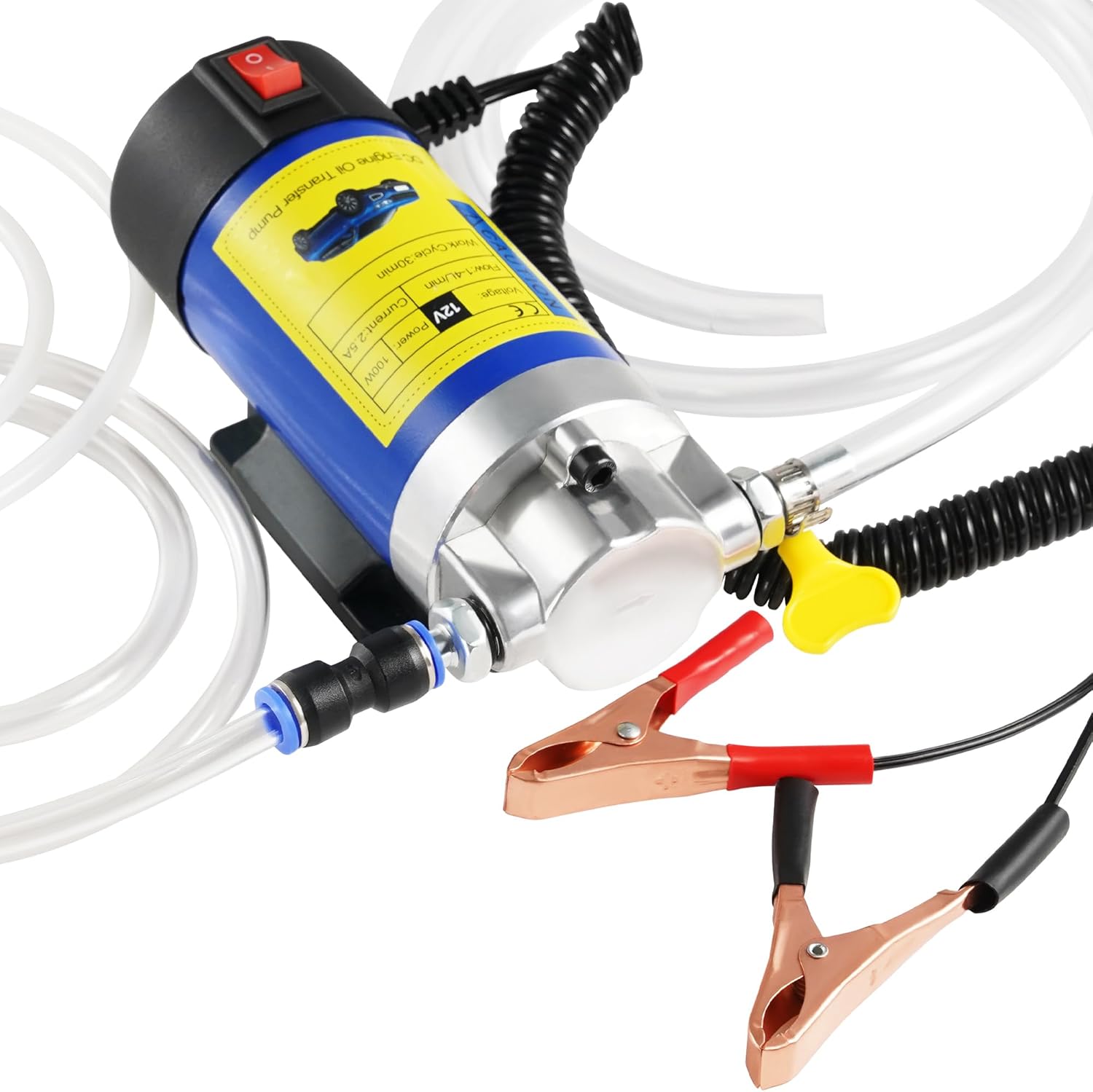
This electric oil extractor pump makes DIY oil changes cleaner and easier by removing old fluid through the dipstick tube, eliminating the need to crawl under the vehicle or deal with messy drain plugs. It is designed for synthetic oil changes and fluid maintenance across cars, motorcycles, lawn mowers, boats, and Jet Skis, while its pure copper motor delivers stable suction and dependable performance. Built for efficient topside oil changes, it supports multiple fluid types and offers continuous operation for longer service tasks.
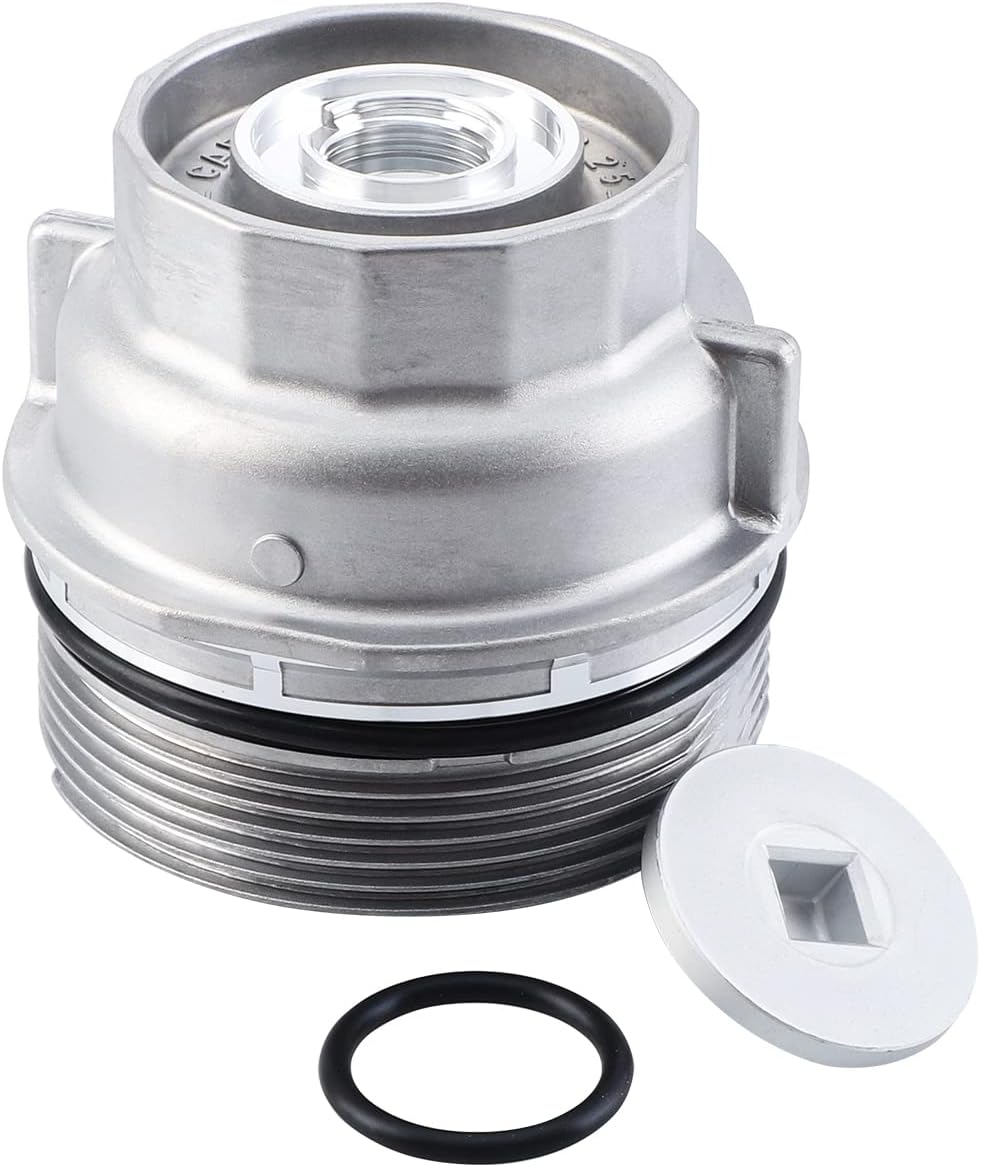
This oil filter housing cap assembly is designed as a replacement for select Toyota and Lexus vehicles, helping restore proper sealing and reliable oil filter function during routine maintenance. Built to meet OEM standards, it supports leak-free performance and long-lasting durability while fitting a wide range of popular models across multiple years.
How Do You Get an Accurate Dipstick Reading?
Park on level ground and follow one consistent checking method. After an oil change, run the engine briefly so the filter fills, shut it off, wait about 5-10 minutes, and then read the dipstick.
- Remove the dipstick, wipe it clean, and insert it fully before reading it.
- Read both sides. Use the cleaner, more clearly defined oil line if one side is smeared.
- Confirm the level is within the marked range rather than trying to force it to the absolute top line.
- Add oil in small amounts because a few ounces may change the reading noticeably.
- Recheck the level cold the next morning when you want a stable confirmation after maximum drain-back.
Troubleshooting Common Oil-Level Problems
The Dipstick Still Reads Low After Adding the Listed Capacity
Confirm that the vehicle is level and wait longer before adding more oil. Oil may still be draining into the pan. If repeated readings remain low, add a small amount and check again rather than adding another full quart.
The Dipstick Reads High After the Oil Change
Confirm the vehicle is level, the dipstick is fully inserted, and enough time has passed for drain-back. If several clean readings remain clearly above full, drain or extract a small quantity and recheck.
The Oil Looks Milky or Foamy
Foam may indicate aeration or a significant overfill. A milky appearance can indicate moisture or coolant contamination, especially when accompanied by coolant loss, overheating, or residue under the oil cap. Do not continue normal driving until the cause is identified.
The Oil Light Comes On After Service
Shut the engine off. Look for leakage, confirm the drain plug and filter housing are installed and sealed, and check the dipstick. If the oil level is correct but the warning remains on, the vehicle needs diagnosis before normal operation.
How Should Used Engine Oil Be Disposed Of?
Pour the drained oil into a clean, sealed container and take it to an approved used-oil collection or recycling location. Do not pour engine oil into a drain, onto soil, or into stormwater systems. Keep used oil separate from coolant, brake cleaner, fuel, and other chemicals because contamination may prevent recycling.
Quick Reference: Capacity, Oil, and Final Checks
| 2010-2024 4.0L V6 with filter | About 6.6 qt / 6.2 L |
| 2010-2024 4.0L V6 without filter | About 6.0 qt / 5.7 L |
| 2025 2.4L with filter | 5.9 qt / 5.6 L |
| 2025 2.4L without filter | 5.6 qt / 5.3 L |
| 2026 2.4L with filter | 5.9 qt / 5.6 L |
| Best capacity source | The owner’s manual for the exact model year and engine |
| Best final-level check | A settled dipstick reading within the marked range on level ground |
| Best oil choice | The viscosity and performance standard specified by Toyota |
Frequently Asked Questions
How many quarts of oil does a Toyota 4Runner take?
A 2010-2024 4Runner with the 4.0L V6 generally takes about 6.6 quarts with a new filter and 6.0 quarts without replacing the filter. A 2025 2.4L model lists 5.9 quarts with a filter and 5.6 quarts without one. A 2026 2.4L model lists 5.9 quarts with a filter; check its manual for the exact drain-only quantity.
How many quarts of oil does a 3.0L V6 Toyota 4Runner take?
The correct quantity depends on the exact model year, engine configuration, and whether the filter is replaced. Do not use the later 4.0L V6 capacity. Check the owner’s manual for the specific 3.0L model and confirm the final level with the dipstick.
Should I check 4Runner oil hot or cold?
For a post-service check, run the engine briefly, shut it off, wait about 5-10 minutes on level ground, and read the dipstick. A cold next-morning check can provide a stable confirmation after the oil has fully drained back into the pan.
Can I use 5W-30 instead of 0W-20 in a 4Runner?
Use the viscosity on the oil cap and in the owner’s manual. Many 2010-2025 U.S.-market 4Runners specify 0W-20, while older engines may specify 5W-30 or another viscosity. Use an alternative only when the exact manual permits it.
What should I do if I overfill my 4Runner oil?
Confirm the reading on level ground after the oil has settled. If several clean readings remain clearly above the full mark, drain or extract a small amount and recheck. Do not rely on the engine to burn off a substantial overfill safely.
Conclusion
Most 2010-2024 Toyota 4Runner 4.0L V6 models use about 6.6 quarts with a new filter and 6.0 quarts without replacing the filter. The 2025 and 2026 sixth-generation models use a different 2.4L turbo engine family and list 5.9 quarts with a filter. Confirm the exact model year, engine, filter status, viscosity, and performance standard before filling. Add slightly less than the listed quantity, run the engine, inspect for leaks, wait for the oil to settle, and use the dipstick to establish the final level.
Sources
- Toyota Owner Manuals and Warranty Guides — model-specific capacity, viscosity, maintenance, and service instructions.
- Toyota USA Newsroom: 2022 Toyota 4Runner — fifth-generation 4.0L V6 powertrain context.
- Toyota USA Newsroom: 2026 Toyota 4Runner — sixth-generation i-FORCE and i-FORCE MAX powertrain context.
- U.S. EPA: Managing, Reusing, and Recycling Used Oil — used-oil handling and recycling guidance.



[…] 2010–2024 Toyota 4Runner models with the 4.0L 1GR-FE V6, Toyota lists these engine oil refill reference quantities in the owner’s […]
[…] a Toyota 4Runner key is not the same for every year, trim, or key style. Some older remote-only functions can be […]