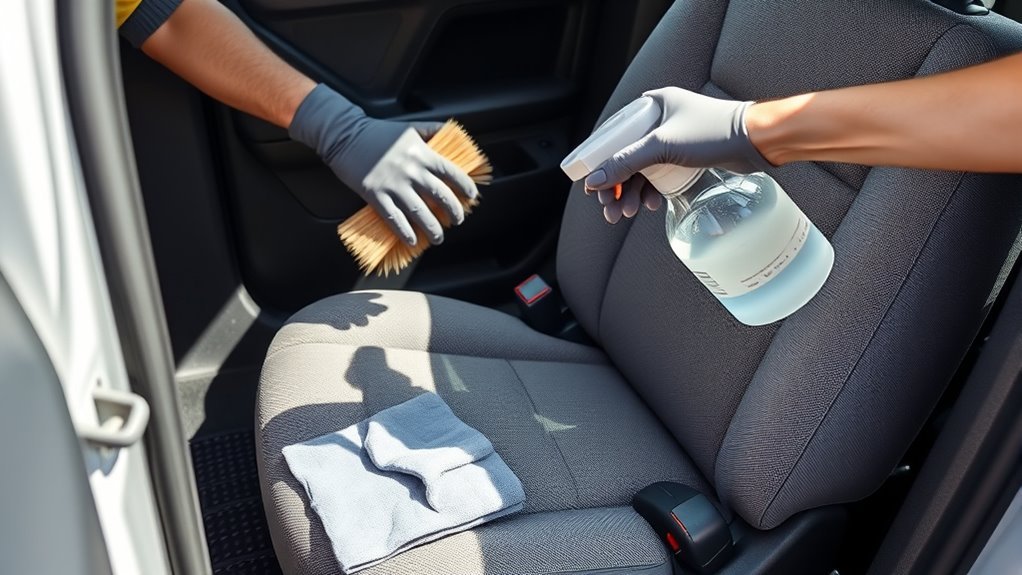
Cleaning 4Runner cloth seats is safest when you treat the fabric like upholstery, not like carpet. Start dry, use the mildest cleaner that works, avoid soaking the foam, and dry the seats completely before closing the vehicle. For everyday grime, Toyota’s general guidance is simple: vacuum first, then clean dirty interior surfaces with a cloth dampened with lukewarm water or a fabric-safe cleaner used exactly as directed.
Quick Answer
Vacuum the 4Runner seats thoroughly, spot-test your cleaner, lightly mist stained cloth, agitate with a soft brush, then blot or extract the moisture out. Use warm water, not boiling water, and keep drying air moving until the seat fabric and seams feel fully dry.
Key Takeaways
- Vacuum first so grit does not turn into mud when you add cleaner.
- Always spot-test under the seat or near a hidden seam before treating visible fabric.
- Light misting is safer than soaking; too much water can push soil into the foam and slow drying.
- Use soft brushes, microfiber towels, and controlled extraction rather than aggressive scrubbing.
- Dry the seats with airflow as soon as you finish. Moisture control is the best mold prevention step.
At a Glance
| Time Required | 30–90 minutes, plus drying time |
| Difficulty | Easy to moderate |
| Tools Needed | Vacuum, microfiber towels, soft brush, spray bottle, upholstery cleaner, optional extractor, fan |
| Cost | Low for DIY supplies; higher if you rent an extractor or hire a detailer |
Fastest Safe Way to Clean 4Runner Cloth Seats
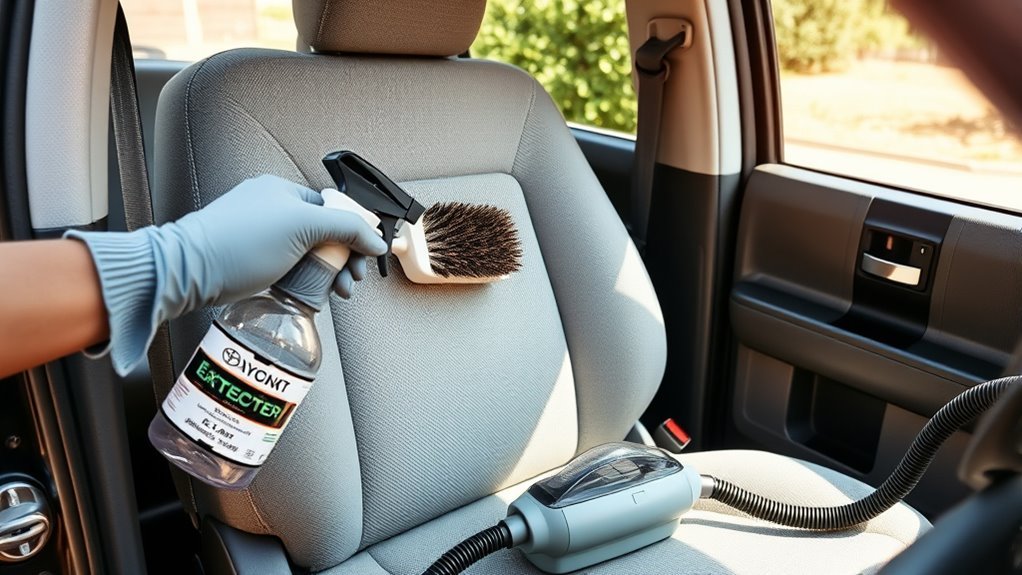 Toyota 4Runner cloth seats carefully with upholstery tools”>
The safest fast method is a dry-to-damp process: vacuum, spot-test, lightly spray, gently agitate, remove moisture, and dry with airflow. Toyota’s own interior-care advice emphasizes removing dirt and dust first and wiping dirty interior surfaces with lukewarm water, so avoid jumping straight to heavy chemicals or soaking the seat foam.
- Vacuum thoroughly. Use a crevice tool along seams, bolsters, and the seat-bottom gap.
- Spot-test the cleaner. Test a hidden fabric area and wait before treating the visible seat.
- Apply cleaner lightly. Mist the fabric instead of saturating it.
- Agitate gently. Use a soft upholstery brush and follow the fabric grain.
- Blot or extract. Pull moisture and loosened soil out of the cloth as soon as possible.
- Dry fully. Open doors, run fans, and keep air moving until the seat is dry to the touch, including seams.
Warning: Do not pour boiling water on cloth seats, soak the cushions, or mix cleaners. Never combine bleach with ammonia, vinegar, acid cleaners, or other products because toxic gases can form.
[Products Worth Considering]

The BISSELL Little Green Multi-Purpose Portable Carpet Cleaner is designed to tackle everyday spills, pet messes, and stubborn stains on carpets, upholstery, stairs, and car interiors. Its powerful suction and spray-scrub-suction cleaning method help remove dirt and odors below the surface for fresh, like-new results. With a large clean water tank and lightweight design, it makes spot cleaning easier and more convenient almost anywhere.

Chemical Guys Lightning Fast Carpet & Upholstery Stain Extractor is a professional-strength cleaner designed to quickly break down and lift stains, dirt, and odors from carpet, fabric, and upholstery. Its fast-acting formula is safe for natural and synthetic fibers, making it a versatile choice for automotive interiors, furniture, rugs, and other fabric surfaces. Easy spray-and-scrub application helps deliver deep-cleaning results with a fresh, renewed finish.

The BISSELL Little Green Mini Portable Carpet Cleaner helps tackle spills, pet stains, and embedded dirt on carpets, upholstery, car interiors, and pet beds. Its compact, lightweight design makes it easy to store and use in tight spaces, while the included stain tool and self-cleaning hose tool support convenient deep cleaning. Every purchase also helps support BISSELL Pet Foundation and its mission to save pets in need.
Tools and Cleaners for Heavily Soiled Cloth Seats
For heavily soiled 4Runner cloth seats, you need tools that lift dirt without damaging the fabric or forcing water deep into the cushion. A professional citrus pre-spray, neutralizing rinse, or extractor-safe product can work, but only when the label says it is safe for upholstery and you follow the dilution directions. When in doubt, choose a mild automotive upholstery cleaner first.
[Products Worth Considering]

This car seat protector helps shield vehicle seats from infant and booster seat imprints, wear, and everyday messes. Made with thick padded construction, waterproof fabric, and non-slip backing, it stays securely in place while helping keep seats clean and protected. Handy storage pockets add extra convenience for family travel and daily use.

This stiff bristle cleaning brush helps lift dirt, grime, and debris from carpeted and upholstered surfaces for a deeper interior clean. Its ergonomic, lightweight design with non-slip rubber contact points offers comfort and control while scrubbing. Ideal for automotive interiors as well as home, office, and other fabric surfaces, it works especially well with carpet and upholstery cleaners.

This Levoit cordless stick vacuum delivers powerful everyday cleaning with anti-tangle technology designed to handle pet hair with less hassle. It offers up to 50 minutes of runtime in Eco mode, flexible 180° flat reach for cleaning under furniture, and a 5-stage filtration system that captures fine particles for cleaner air. The lightweight design, LED lighting, and included pet and crevice tools make it a practical choice for quick dry-mess cleanup throughout the home.
Recommended Tools
- Vacuum with upholstery and crevice attachments: removes grit, pet hair, crumbs, and dry soil before wet cleaning.
- Microfiber towels: blot stains, remove cleaner residue, and press moisture out of seams.
- Soft white upholstery brush: agitates the cleaner without transferring dye or scuffing fibers.
- Spray bottle: helps you apply cleaner evenly without soaking the seat.
- Wet/dry extractor or upholstery extractor: optional, but useful for deep soil if you control water flow.
- Fan or blower: speeds drying and lowers the chance of musty odors.
- Nitrile gloves: helpful when using commercial cleaners or enzyme products.
Cleaner Options
Use the mildest cleaner that solves the problem. For routine soil, a ready-to-use automotive fabric cleaner is usually enough. For grease, food spills, or oily grime, a fabric-safe citrus upholstery cleaner may help. For pet accidents or organic odors, use an enzyme cleaner made for automotive upholstery and follow the dwell time on the label.
Note: Products made for carpet are not automatically safe for vehicle seats. Check the label for upholstery compatibility, dilution instructions, ventilation requirements, and whether a rinse step is required.
Agitation Brush Options
Brush choice matters. Start with the gentlest option and increase only if the fabric can handle it.
- Soft upholstery brush: best for general cleaning and most seat panels.
- Detail brush: useful for seams, stitching, and tight areas.
- Drill brush: use only on durable cloth, at low speed, with light pressure. Stop if the fabric fuzzes, pills, or changes texture.
Spot-Test Cleaners to Protect Color and Fabric
Before applying any cleaner to a visible seat panel, test it in a hidden area such as under the seat edge or beside a tucked seam. This step checks for color transfer, fading, texture change, and residue.
[Products Worth Considering]

The Bissell Pet Hair Eraser Cordless Hand Vacuum is designed to tackle pet hair, embedded dirt, and everyday messes around the home, in the car, and on furniture. Its motorized brush tool, cordless 14V lithium-ion power, and triple-level filtration help make quick cleanups easier and more effective. The easy-empty dirt bin and included specialized tools add convenience for cleaning stairs, upholstery, auto interiors, and other hard-to-reach areas.

Armor All Multi-Purpose Car Cleaner Spray delivers an all-in-one clean for interior surfaces, helping restore that just-detailed look throughout your vehicle. It is designed for dashboards, vinyl, fabric, carpet, clear plastic, and consoles, and it helps remove tough dirt, dust, grime, and stubborn stains while providing odor control. Scientifically engineered for automotive surfaces, this cleaner helps refresh your car interior without drying out or damaging delicate materials.
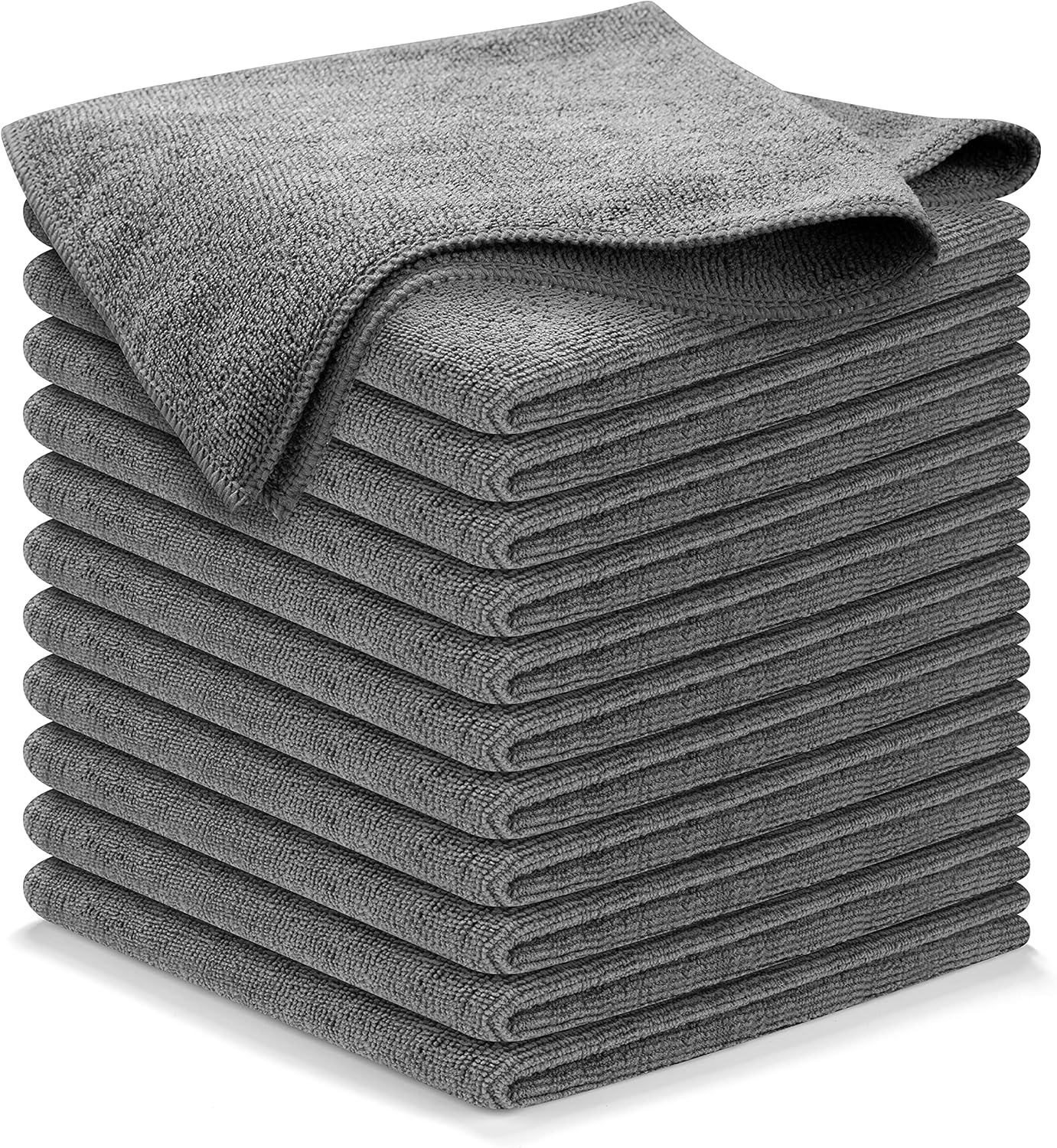
These high-performance microfiber cleaning cloths are designed to lift grime, liquid, dust, and dirt quickly while leaving a streak-free shine on glass, mirrors, and car surfaces. The thick, durable weave is built for repeated use, fast drying, and gentle cleaning that helps avoid linting, scratching, or swirling. Ideal for automotive detailing and all-purpose household cleaning, this reusable 12-pack delivers dependable absorbency and long-lasting value.
How to Spot-Test
- Apply a small amount of diluted cleaner to a clean white microfiber towel.
- Blot the hidden area gently. Do not scrub hard during the test.
- Wait 15 minutes, then check the towel and fabric.
- If you see dye transfer, fading, stiffness, or a rough texture, stop and use a gentler cleaner.
- If the test area looks normal, continue with the full seat.
Pro Tip: Use white towels for testing and blotting. Colored towels can bleed dye into the seat and make it harder to tell whether the upholstery is transferring color.
Prep 4Runner Cloth Seats: Vacuuming and Setup
Good preparation prevents streaks and water rings. Loose dirt, sand, and food crumbs can smear when they get wet, so remove them before using any cleaner.
- Remove personal items. Check under the seats, seatback pockets, and cargo-side gaps.
- Vacuum the whole seat. Work the seatback, seat base, bolsters, seams, and plastic trim edges.
- Inspect stains. Identify coffee, mud, grease, pet mess, ink, or dye transfer so you use the right cleaner.
- Open doors or windows. Ventilation helps with cleaner fumes and drying.
- Protect electronics. Avoid soaking seat switches, heated-seat controls, power-seat motors, wiring, and seatbelt buckles.
- Prepare drying tools. Have towels and a fan ready before you start wet cleaning.
The biggest mistake is using too much liquid. Clean the fabric, not the cushion foam underneath it.
Spray, Agitate, and Lift Deep Stains Step by Step
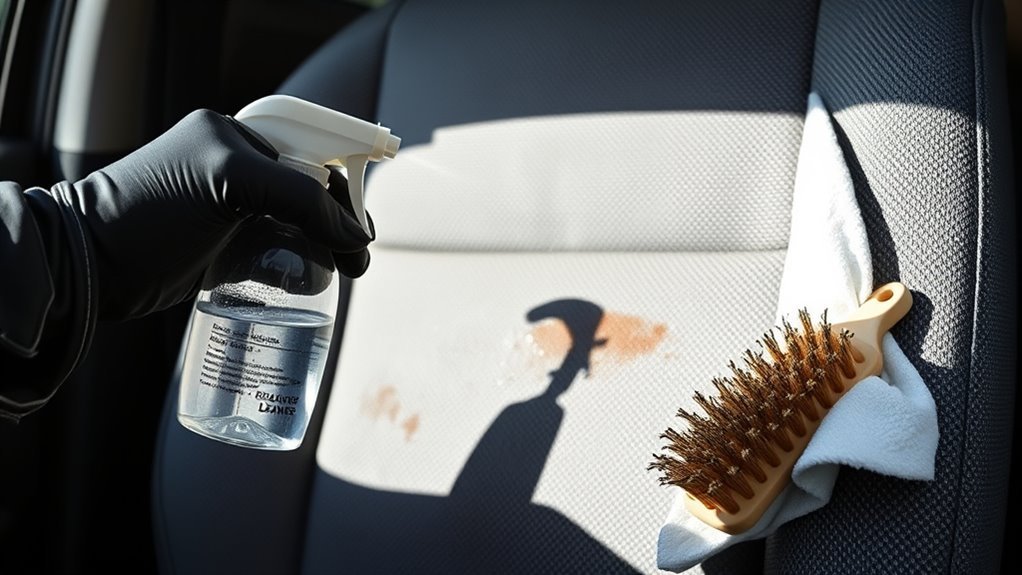
Work in small sections so the cleaner does not dry on the fabric before you remove it. For most seats, a light mist and controlled brushing are safer than heavy saturation.
- Lightly mist the stained area. Apply cleaner to the fabric surface, not deep into the foam.
- Let it dwell briefly. Most upholstery cleaners need a few minutes to loosen soil. Follow the product label; do not let cleaner dry on the seat.
- Agitate gently. Use short strokes with a soft brush. Follow the weave and avoid grinding grit into the cloth.
- Blot the area. Press a clean towel into the fabric to lift soil and moisture.
- Repeat only where needed. Several gentle passes are safer than one harsh scrub.
- Rinse if required. Some products need a water rinse or extraction rinse to remove residue.
Stain-Specific Treatment Guide
| Stain Type | Best First Step | What to Avoid |
|---|---|---|
| Coffee, soda, juice | Blot, mist with fabric cleaner, agitate lightly, blot again | Rubbing hard, which can spread the stain |
| Mud | Let dry, vacuum thoroughly, then clean damp | Adding water before removing dry grit |
| Grease or oily food | Use a fabric-safe degreasing or citrus upholstery cleaner | Overusing solvent products or leaving residue |
| Pet accidents | Blot first, then use an upholstery-safe enzyme cleaner | Heat before odor is removed, which can set smells |
| Ink or dye transfer | Spot-test a specialty upholstery stain remover | Bleach, harsh solvents, or aggressive scrubbing |
| Water rings | Clean the full panel lightly and dry evenly | Cleaning only the center of the ring |
Extract or Rinse Safely Without Over-Saturating Foam
If you use an extractor, the goal is to remove soil and cleaner residue, not flood the cushion. Use warm water if your machine allows it, keep the upholstery tool moving, and make more dry passes than wet passes.
Controlled Extraction Technique
- Pre-vacuum first. Extraction works better when loose debris is already gone.
- Use low solution flow. A light wet pass is enough for most cloth seats.
- Move slowly but do not pause. Pausing in one spot can over-wet the foam.
- Follow with dry passes. Pull out as much moisture as possible before moving on.
- Check seams and bolsters. These areas hold water longer, so press them with towels after extraction.
Rinsing Without an Extractor
You can rinse by hand if you do not own an extractor. Dampen a clean microfiber towel with plain water, wring it until it is only damp, wipe the cleaned area, then blot with a dry towel. Repeat with fresh towels until the fabric no longer feels slick or soapy.
Warning: Do not soak seatbelt buckles, power-seat controls, seat heaters, occupancy sensors, or wiring under the seat. If your 4Runner has ventilated or heated seats, use extra-light moisture and avoid forcing liquid through perforations or seams.
Drying Methods to Prevent Mold and Speed Fiber Recovery
Drying is part of the cleaning job, not an afterthought. The U.S. Environmental Protection Agency notes that moisture control is key to mold prevention and that wet materials should be dried quickly, ideally within 24–48 hours after water exposure. Vehicle seats should be dried much sooner whenever possible because foam and seams can trap moisture.
- Blot immediately. Press dry towels into the seat face, bolsters, and seams.
- Use airflow. Aim a fan or blower across the seats, not directly into one soaked spot.
- Open doors when safe. Cross-ventilation helps moisture escape.
- Use a dehumidifier nearby if indoors. Lower humidity helps fabric dry faster.
- Check before closing up. The fabric should feel dry, not cool and damp, before you shut the vehicle for the night.
Pro Tip: After the seat feels dry, press a dry white towel into the seams for 10 seconds. If the towel picks up moisture, keep drying.
What to Do If Stains Resurface or Fibers Pill
Stains can resurface when moisture pulls old residue up from the cushion or when cleaner residue remains in the fabric. Pilling usually comes from abrasion, aggressive brushing, or repeated scrubbing on weakened fibers.
If a Stain Comes Back
- Vacuum the area once it is fully dry.
- Lightly mist the spot with a fabric-safe cleaner.
- Agitate gently with a soft brush.
- Blot or extract thoroughly.
- Rinse residue with a damp towel or extractor rinse.
- Dry with airflow.
If the Fabric Starts Pilling
Stop scrubbing. Let the seat dry completely, then use a fabric shaver lightly and slowly if the pills sit on the surface. Do not shave damaged or thinning fabric. For worn 4Runner seats, prevention matters more than correction: use lighter pressure, softer brushes, and less frequent aggressive cleaning.
Weekly and Monthly Maintenance to Avoid Deep Cleans
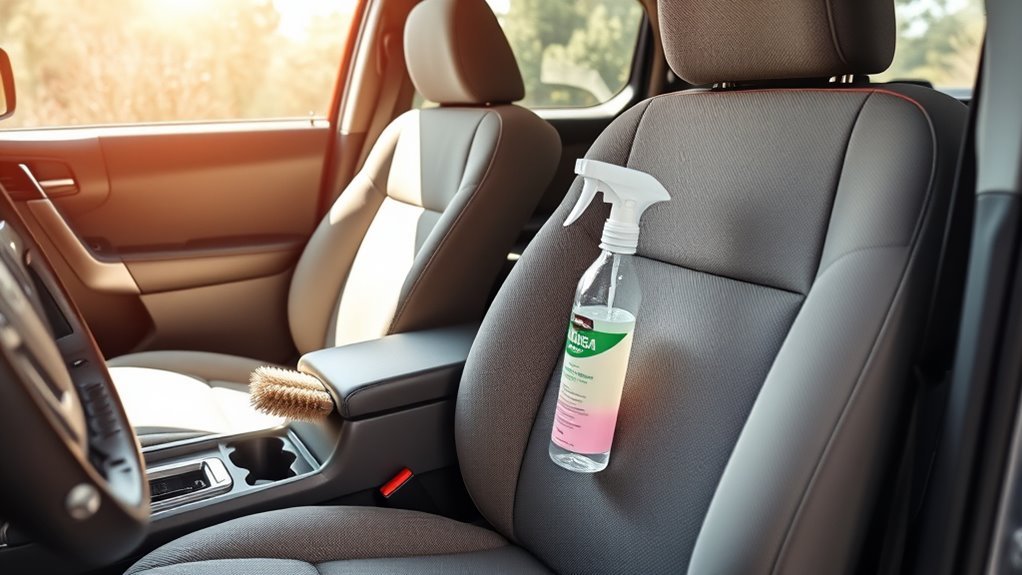
Consistent care prevents heavy buildup and keeps deep cleaning easier. The more often you remove dry grit, the less abrasion the fabric takes when passengers slide in and out.
- Weekly: Vacuum seats, seams, and floor areas. Use a crevice tool around seat rails and the center console.
- As needed: Blot spills immediately. Clean spots before they dry and set.
- Monthly: Wipe high-touch fabric areas with a lightly damp towel or use a mild upholstery cleaner on dirty panels.
- Every few months: Inspect for old stains, water rings, pet hair buildup, and odor.
- After deep cleaning: Consider a fabric protector only if the label says it is safe for automotive cloth and you can apply it with good ventilation.
Price and Time Estimates for Full Seat Cleaning
A light DIY clean can take about 30–45 minutes for the seating areas you use most. A full seat cleaning with stain treatment, extraction, and drying setup often takes 60–90 minutes or more, especially if the seats are heavily soiled.
Costs vary by location, product choice, and seat condition. DIY supplies are usually the lowest-cost route if you already own a vacuum and towels. Renting or buying an extractor costs more but can help with deep soil. Professional detailing is the best option when stains are old, odors are strong, or you are worried about over-wetting the seats. Ask for a written quote that explains labor, stain treatment, extraction, odor treatment, and fabric protection separately.
Note: Some stains are permanent. Bleach marks, sun fading, dye transfer, and worn fibers may improve slightly but may not disappear completely.
Special Safety Notes for Family Vehicles
If a child safety seat is installed in your 4Runner, remove it before cleaning the vehicle seat underneath. Clean the child seat only according to that car seat manufacturer’s manual. Harness straps and buckles are safety components, and many manufacturers allow only gentle surface cleaning with mild soap and water.
Also avoid heavy fragrance sprays to hide odors. If a seat smells musty after cleaning, the issue is usually trapped moisture or residue. Dry the seat again with airflow and treat the source instead of masking it.
Frequently Asked Questions
How do you clean Toyota 4Runner cloth seats safely?
Vacuum first, spot-test the cleaner, lightly mist the cloth, agitate with a soft brush, then blot or extract the moisture. Use warm water and a fabric-safe cleaner. Avoid soaking the foam, using bleach, or scrubbing aggressively.
Can I use a carpet cleaner on 4Runner cloth seats?
Only use it if the product label says it is safe for upholstery and you follow the dilution instructions. Many carpet products are stronger than needed for vehicle seats, so test first and rinse residue out of the fabric.
Should I use hot water extraction on cloth seats?
Hot water extraction can work well when controlled, but do not flood the seat. Use low solution flow, make dry passes immediately, and dry the seat with fans. Warm water is safer than boiling water for most DIY cleaning.
How do I wash Toyota canvas seat covers?
Remove the covers only if they are designed to come off. Follow the care label or Toyota accessory instructions. In general, use mild detergent, a soft brush, thorough rinsing, and complete air drying before reinstalling.
How long do 4Runner cloth seats take to dry?
Light spot cleaning may dry in under an hour with good airflow. Deep extraction can take several hours depending on humidity, temperature, and how much water was used. Keep fans running until seams and bolsters are fully dry.
How often should I deep-clean 4Runner cloth seats?
Vacuum weekly or whenever the seats collect dirt. Spot-clean spills immediately. Deep-clean only when normal maintenance no longer removes soil or odor, because unnecessary wet cleaning adds wear and drying risk.
Conclusion
You can restore 4Runner cloth seats without harsh chemicals or risky soaking. The winning process is simple: vacuum thoroughly, test first, clean lightly, lift moisture out, and dry the seats completely. For stubborn stains, repeat gentle passes instead of scrubbing harder. For long-term results, vacuum often, treat spills quickly, and avoid letting cleaner residue or moisture sit in the fabric.
Sources
- Toyota: How to Clean Your Car’s Interior — supports vacuuming fabric seats first and using upholstery cleaner according to product directions.
- Toyota Owners Manuals and Warranties — official source for model-specific interior care guidance.
- U.S. EPA: A Brief Guide to Mold, Moisture and Your Home — supports moisture control and drying wet materials quickly to prevent mold growth.
- New Jersey Department of Health: Hazard Alert on Mixing Cleaners — supports the warning not to mix bleach with other cleaning products.
- Graco: Car Seat Harness Cleaning Instructions — supports gentle cleaning guidance for child car seat harness straps.
- IICRC Standards — supports using recognized cleaning and restoration standards for professional textile cleaning practices.