
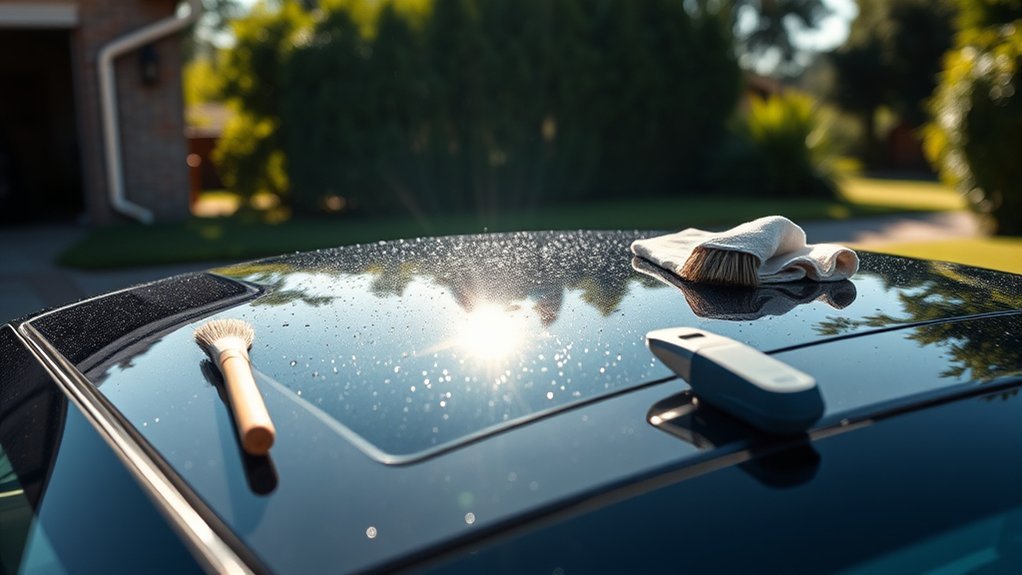
Maintaining your Sonata sunroof is mostly about keeping the water path clear. The glass seal helps slow water down, but the sunroof tray and drain tubes do the real work of carrying rainwater away from the roof opening. A few careful checks each year can help prevent wet carpets, musty smells, stained headliners, and costly interior repairs.
Quick Answer
To maintain a Sonata sunroof and clear drains, open the sunroof, remove leaves and dirt from the tray, gently feed flexible plastic trimmer line into each drain, flush with clean water, and use only low-pressure air if needed. Avoid metal wire and high-pressure air because they can damage hidden drain tubes.
Key Takeaways
- Inspect the sunroof tray and drain openings at least twice a year, especially if you park under trees.
- Use a soft brush, clean water, towels, a vacuum, and flexible plastic line; skip coat hangers, stiff wire, drill bits, and harsh chemicals.
- Test each drain with a small amount of water. Good flow should exit outside the vehicle instead of pooling in the sunroof tray.
- Call a professional if water reaches the headliner, pillar trim, airbags, wiring, electronic modules, or if the leak keeps returning.
At a Glance
| Time Required | 30–60 minutes for basic cleaning; longer if the interior is already wet |
| Difficulty | Easy to moderate DIY maintenance |
| Tools Needed | Flashlight, microfiber towels, soft brush, wet/dry vacuum, clean water, squeeze bottle or small funnel, flexible plastic trimmer line, low-pressure compressed air if needed |
| Cost | Usually $0–$25 if you already have basic cleaning tools |
How Regular Maintenance Prevents Sunroof Leaks
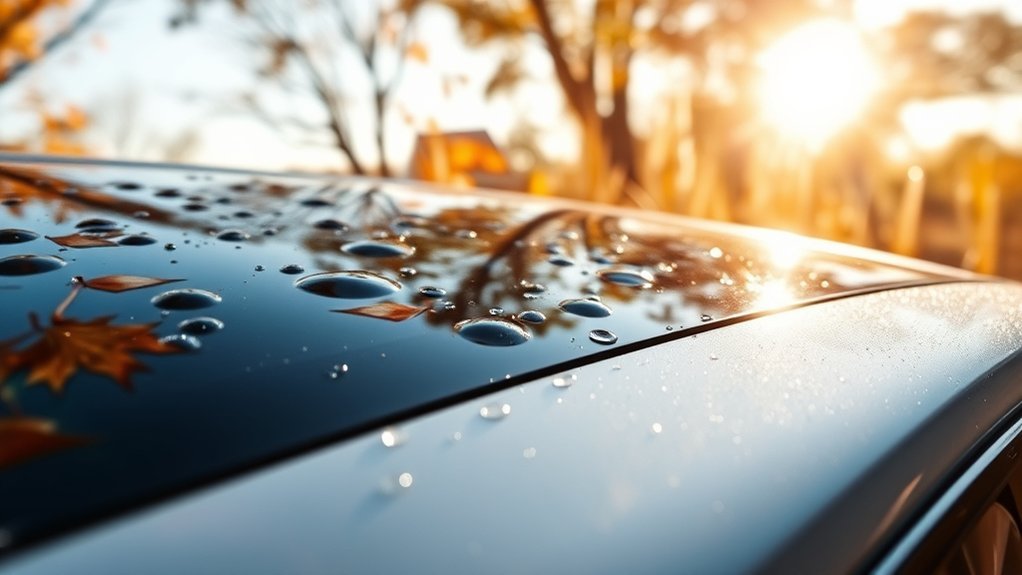
A Sonata sunroof has channels that collect water around the roof opening and route it through drain tubes. If leaves, pollen, pine needles, dirt, or sludge block those drains, water can back up into the tray and spill into the headliner, pillars, or carpet.
Regular maintenance helps you catch small blockages before they become leaks. Open the sunroof, wipe the tray, remove loose debris, check the corner drain openings, and confirm that water flows out of the vehicle. Hyundai also advises owners to remove accumulated dust from the sunroof rail because dust can cause noise and poor operation. You can review Hyundai’s sunroof safety and rail-cleaning guidance in the Hyundai owner’s manual automatic reversal section.
Note: A sunroof seal is not the only water defense. Many sunroof systems are designed to manage small amounts of water with a tray and drain tubes, so clear drains matter even when the glass looks fully closed.
Signs Your Sunroof Drains Are Clogged
Clogged sunroof drains usually show up after rain, a car wash, or heavy leaf and pollen buildup. Watch for these symptoms:
- Water pooling in the sunroof tray or rails
- Damp front or rear floor mats after rain
- Wet carpet padding even when the carpet surface feels only slightly damp
- Water stains near the headliner, sun visors, A-pillars, or overhead console
- A musty smell inside the cabin
- Foggy windows caused by trapped interior moisture
- Sloshing or gurgling sounds from a pillar or roof area
- Water that leaks only when the vehicle is parked nose-up, nose-down, or on a slope
If you see water near dome lights, the sunroof switch, side curtain airbag trim, or wiring areas, stop basic DIY work and have the leak inspected. Water and electrical components are a bad combination.
Tools You Need for Sunroof Drain Cleaning
The right tools should clean the drain path without puncturing or disconnecting the hidden tubes.
[Products Worth Considering]

Chemical Guys Swift Wipe Waterless Car Wash Spray lets you clean, shine, and protect your vehicle without a hose or bucket. Its high-lubrication formula lifts dirt and grime while helping reduce scratches and swirl marks, leaving a glossy, streak-free finish on paint, glass, wheels, chrome, and plastic. Ideal for quick detailing anywhere, it adds a protective layer that helps repel dust and keep your vehicle looking freshly washed longer.

This flexible magnetic grabber tool helps retrieve lost or stuck items from narrow, hard-to-reach spaces with a 4-claw gripper and bendable cable. It is ideal for automotive repairs, drain cleaning, bathroom and kitchen use, and other small-space recovery tasks. The spring-loaded handle offers simple one-handed operation for efficient pickup without disassembly.

This reusable flexible funnel is designed for clean, efficient oil transfer in automotive and other maintenance tasks. Made from soft silicone, it folds for easy storage, cleans quickly, and performs reliably through repeated use. Its smooth surface helps liquids flow more easily, making it especially useful in tight spaces and narrow work areas.
Recommended Cleaning Tools
- Flashlight: Helps you find the drain holes in the sunroof tray.
- Microfiber towels: Soak up standing water and protect seats and trim.
- Soft brush or toothbrush: Scrubs dirt from the visible tray and channel.
- Wet/dry vacuum: Removes loose debris before it gets pushed deeper into a drain.
- Flexible plastic trimmer line: Gently loosens soft blockages inside the tube.
- Squeeze bottle or small funnel: Lets you run a controlled water-flow test.
- Low-pressure compressed air: Useful only in short, gentle bursts when a drain is still slow after manual cleaning.
- Rubber-safe cleaner or mild soap: Helps clean grime from the visible tray without attacking seals.
Tools and Methods to Avoid
- Metal coat hangers, stiff wire, guitar strings, drill bits, or sharp picks
- High-pressure air from a tightly sealed nozzle
- Pressure-washer spray aimed at the sunroof seal
- Harsh solvents that can dry or swell rubber seals
- Forcing a tool when it stops moving
Warning: Do not use metal wire or high-pressure air inside a sunroof drain tube. If a hidden tube punctures or pops off its fitting, water can drain directly into the headliner or pillar area and the repair may require interior trim removal.
Step-by-Step Guide to Cleaning Your Sunroof Drains
Work slowly and test often. The goal is to clear the path, not force debris deeper into the drain tube.
[Products Worth Considering]

This 6 pack wire brush set helps remove rust, corrosion, paint, spatter, and scale from metal surfaces with ease. It includes cup, wheel, and pen brushes with a quick-change hex shank for use on most drills and die grinders. Designed for smooth operation and hard-to-reach areas, it is a practical choice for garage, workshop, and restoration tasks.

This front inner roof pull handle is a direct replacement for compatible Toyota models, designed to restore a secure and comfortable grip inside the cabin. Made from durable ABS plastic, it offers reliable wear resistance, easy installation, and a factory-style fit without the need for drilling.

Rain-X Foaming Car Wash is a concentrated cleaner designed to lift dirt, grime, and road residue while helping reduce spots and streaks for a glossy finish. Its biodegradable formula is safe for waxed surfaces and delivers high-foaming cleaning action for an exceptional wash. Ideal for routine vehicle care, it helps leave your car looking clean and bright after every wash.
1. Park Level and Protect the Interior
Park on level ground, turn the vehicle off, and place towels over the seats and floor. Open the sunroof fully so you can see the tray and drain openings. Hyundai’s owner manual says to adjust the sunroof or sunshade when the vehicle is stopped, and you should follow that safety rule during maintenance. You can review the basic sunroof operation cautions in the Hyundai owner’s manual sunroof section.
2. Find the Drain Holes
Look for small drain openings at the corners of the sunroof tray. Front drains are usually easier to see. Rear drains may be harder to access, depending on the Sonata model year and sunroof design.
3. Clean the Visible Tray First
Use a vacuum, towels, and a soft brush to remove leaves, grit, and sludge from the tray. Do not push loose debris into the drain holes. If the tray has sticky grime, wipe it with a damp cloth and mild soap, then dry the area.
4. Gently Clear Each Drain
Feed flexible plastic trimmer line into the drain opening. Move it slowly and stop if it binds. Pull it back, wipe it clean, and try again. Never jab or twist a sharp tool inside the tube.
5. Use Low-Pressure Air Only if Needed
If the drain is still slow, use regulated low-pressure air in short bursts. Do not seal the air nozzle tightly into the drain opening. Leave space for water and debris to escape back upward if the clog is stubborn.
6. Run a Water-Flow Test
Pour a small amount of clean water into the sunroof tray near one drain opening. Watch the tray and look under the vehicle for drainage. A clear drain should move water away without pooling in the tray or wetting the cabin.
| Test Result | What It Usually Means | Next Step |
|---|---|---|
| Water drains quickly outside the vehicle | The drain path is likely clear | Repeat on the other drains |
| Water drains slowly | Partial clog or dirty lower outlet | Clean again gently and retest |
| Water pools in the tray | Blocked drain tube | Use flexible line; avoid force |
| Water appears inside the cabin | Disconnected tube, cracked tube, tray issue, or severe overflow | Stop and call a professional |
Pro Tip: Test one drain at a time. If you flood the whole tray, you may not know which drain is still clogged or where the water is escaping.
What to Do if Drains Keep Clogging?
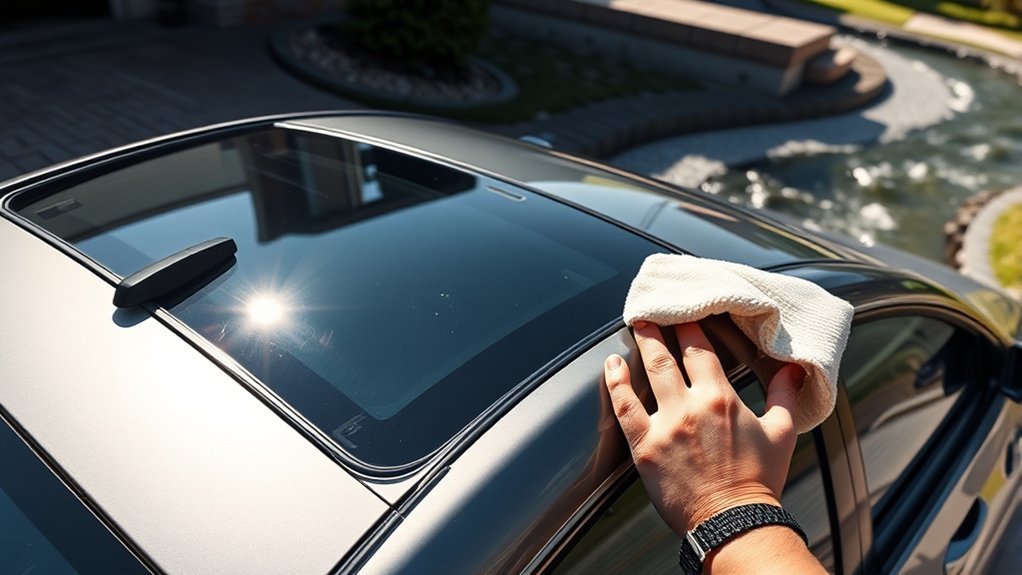
If your Sonata sunroof drains keep clogging, the blockage may not be at the top opening. Dirt can collect at a lower outlet, a drain hose can kink, or a rubber outlet valve can trap debris. Repeated water leaks can also point to a disconnected drain tube, damaged cassette, worn seal, or glass alignment issue.
Start with the simple checks: clean the tray, clear the visible drain openings, and run a small water test. If water still does not exit outside the vehicle, do not keep forcing tools into the tube. At that point, a technician may need to inspect the drain routing behind trim panels.
If your sunroof has stopped responding correctly after a battery disconnect, dead battery, or fuse replacement, that is a separate operation issue, not a drain clog. Hyundai lists those situations as times when a sunroof reset may be needed. Follow the Hyundai owner’s manual sunroof reset procedure for your configuration, or ask a Hyundai dealer if the procedure does not work.
[Products Worth Considering]

These high-performance microfiber cleaning cloths are designed to lift grime, liquid, dust, and dirt quickly while leaving a streak-free shine on glass, mirrors, and car surfaces. The thick, durable weave is built for repeated use, fast drying, and gentle cleaning that helps avoid linting, scratching, or swirling. Ideal for automotive detailing and all-purpose household cleaning, this reusable 12-pack delivers dependable absorbency and long-lasting value.

This all-in-one car wash kit gives you the essential tools to clean both interior and exterior surfaces with less effort. The extra-long wash mop, bucket filter, squeegee, brushes, towels, and mitt help remove dirt safely while reaching roofs, wheels, vents, and other tight spots. It is a convenient detailing set for cars, SUVs, trucks, RVs, and boats, all organized in a durable storage bag.

This flexible oil funnel is designed to make fluid changes cleaner and easier by guiding oil around obstacles like skid plates and crossmembers. Its shape-retaining core and silicone body can be molded for custom positioning, while the heat-resistant, leak-proof design helps prevent spills during draining and filter removal. Reusable and easy to clean, it works well for cars, trucks, motorcycles, and other hard-to-reach fluid fill or drain applications.
Tips for Preventing Future Sunroof Blockages
- Inspect twice a year: Check before rainy seasons and again after fall leaf drop or heavy pollen.
- Clean after parking under trees: Leaves and seed pods can quickly clog the tray.
- Keep the roof area clean: Dirt from the roof can wash into the sunroof channel.
- Use small water tests: A gentle test catches slow drains before they become leaks.
- Close the sunroof fully: Hyundai warns that leaving the sunroof open can let rain or snow wet the interior and may invite theft. See the Hyundai sunroof open warning guidance.
- Do not overload the rails with grease: Wipe dust from the rails and use only a rubber-safe, manufacturer-appropriate lubricant sparingly if needed.
How to Inspect Sunroof Seals and Channels for Leaks
After the drains are clear, inspect the parts around them. Look at the rubber seal around the glass for cracks, hard spots, gaps, or loose sections. Check the tray for dirt lines that show where water has been sitting. Use a flashlight to inspect the corners of the channel and the area near the drain openings.
Then run a controlled water test. Do not blast the roof with high-pressure water. Instead, pour a small amount of water near each drain and watch where it goes. If the tray drains but water still appears inside, the issue may be a disconnected tube, damaged cassette, glass alignment problem, windshield/roof seam leak, or another body leak that only looks like a sunroof problem.
A wet carpet does not always mean the leak is at floor level. Sunroof water can travel behind pillar trim and headliner material before it shows up on the floor.
Enhancing Your Sunroof’s Longevity

Good sunroof care is light, regular, and gentle. Keep the glass closed when the vehicle is parked, wipe the rails and tray when they get dusty, and test the drains before heavy rain seasons. If the sunroof makes noise, moves unevenly, reverses unexpectedly, or will not complete one-touch operation, do not keep pressing the switch. Hyundai warns that continuing to push the switch after full open, closed, or tilted positions can damage the motor.
Also dry any wet interior area quickly. Carpet padding can hold water long after the top layer feels dry. Remove floor mats, blot standing water, ventilate the cabin, and have the vehicle inspected if you smell mildew or notice warning lights, flickering electronics, or damp pillar trim.
When You Should Call a Pro for Sunroof Problems
Basic drain cleaning is usually DIY-friendly, but some symptoms need professional diagnosis. Call a qualified technician or Hyundai dealer if:
- Water leaks from behind the headliner or pillar trim during testing
- The drain tube appears split, disconnected, kinked, or inaccessible
- The headliner, carpet padding, or trunk trim is soaked
- Water is near airbags, wiring, electronic modules, the overhead console, or fuse areas
- The sunroof glass is misaligned, stuck, noisy, or reversing when nothing is in the way
- The drains clog again soon after careful cleaning
- You need to remove interior trim to access the drain routing
If you suspect a broader vehicle safety issue or want to check for open recalls and investigations, use the official NHTSA Recalls & Investigations search and search by your Sonata’s year, make, model, or VIN.
Frequently Asked Questions
How often should I clean my Sonata sunroof drains?
Inspect the sunroof tray and drain openings at least twice a year. Clean them more often if you park under trees, drive in heavy pollen, or notice water pooling in the sunroof channel. A deeper drain cleaning once a year is a good baseline for most drivers.
Can I use a vacuum to clear sunroof drains?
Yes. A wet/dry vacuum is helpful for removing loose leaves and dirt from the tray before they enter the drain holes. It may also pull light debris from the top of a drain opening, but it may not clear a deep clog inside the tube.
Can I use compressed air on Sonata sunroof drains?
Yes, but only with low pressure and short bursts. Do not seal the nozzle tightly into the drain opening. Too much pressure can disconnect a hidden tube from the sunroof tray or damage an old drain hose.
What happens if I ignore clogged sunroof drains?
Ignoring clogged drains can let water overflow into the headliner, pillars, carpets, and trunk area. Over time, that can lead to musty odors, mold, trim stains, corrosion, electrical problems, and expensive interior repairs.
Are there specific products for sunroof maintenance?
Use mild soap, clean water, microfiber towels, a soft brush, a wet/dry vacuum, and flexible plastic trimmer line. For seals and rails, use only rubber-safe or manufacturer-approved products. Avoid petroleum-heavy products, harsh solvents, and thick grease packed into the channels.
Does weather affect sunroof drain performance?
Yes. Heavy rain can overwhelm a partly clogged drain, freezing weather can trap ice around the sunroof, and hot weather can dry seals over time. Check the drains before rainy seasons and do not force the sunroof open when it is frozen or covered with snow or ice.
Where does Sonata sunroof drain water exit?
Drain routing varies by model year and sunroof design. Front drains commonly route down the pillar area and exit near the front fender or rocker area, while rear drains may route toward the rear quarter area. Use your model-year service information if you need exact outlet locations.
Why is my carpet still wet after I cleared the drains?
The carpet padding may still be soaked, or the leak may not be fully fixed. Water can stay trapped under the carpet for days. If the carpet remains wet, smells musty, or water returns after a test, have the vehicle inspected for a disconnected tube or another leak source.
Conclusion
Maintaining your Sonata sunroof is simple when you focus on the drain path: remove debris, clean the tray, clear the tubes gently, and test water flow before leaks reach the cabin. Use flexible plastic tools, avoid high pressure, and treat repeated leaks as a sign that something deeper may be wrong. With regular inspections and careful cleaning, you can reduce the risk of wet carpets, stained trim, and avoidable sunroof repairs.
Sources
- Hyundai Owner’s Manual — Sunroof — sunroof operation and safety cautions
- Hyundai Owner’s Manual — Automatic Reversal — rail cleaning, obstruction, and motor-operation cautions
- Hyundai Owner’s Manual — Resetting the Sunroof — reset guidance after battery, fuse, or one-touch operation issues
- Hyundai Owner’s Manual — Sunroof Open Warning — closing the sunroof to prevent rain, snow, and theft risk
- NHTSA Recalls & Investigations Search — official U.S. safety recall and investigation lookup

[…] and road grime. If you find water near the motor or connectors, clean the area and confirm the drain path is clear. Then test the circuit with a multimeter instead of guessing which part […]
[…] of the carpet looks dry. Also inspect the trunk, spare tire well, door seals, windshield edges, and sunroof drains if your Camry has a […]