A well-maintained Hyundai Sonata can be a long-lasting midsize sedan, but there is no official mileage guarantee for any car. As a realistic ownership target, many Sonatas can reach about 200,000 miles with consistent maintenance, sensible driving, clean fluid service, and quick repairs. Some may go farther, while neglected cars can become expensive much sooner.
Quick Answer
A Hyundai Sonata can often last 200,000 to 250,000 miles when it is serviced on schedule and major problems are handled early. At 12,000 to 15,000 miles per year, that equals roughly 13 to 20 years of driving. Condition, model year, maintenance records, and recall history matter more than mileage alone.
Key Takeaways
- A properly maintained Sonata can be a good 200,000-mile car, but the odometer does not tell the whole story.
- Over 100,000 miles is not automatically bad if the car has strong maintenance records and passes a pre-purchase inspection.
- Engine health, transmission behavior, suspension wear, rust, warning lights, and open recalls are the biggest things to check.
- Use the maintenance schedule for your exact year and engine from the Hyundai owner resources, not a one-size-fits-all interval.
Hyundai Sonata Mileage Expectations
For most buyers, a good Hyundai Sonata lifespan target is 200,000 to 250,000 miles. Reaching the higher end depends on regular oil changes, clean coolant and transmission fluid, good tires, timely brake and suspension work, and a driver who does not ignore early warning signs.
A Sonata that has covered highway miles with steady maintenance may be healthier than a lower-mileage car that spent years doing short trips, overheating, or missing oil changes. That is why service history matters as much as mileage.
The U.S. Department of Energy’s Alternative Fuels Data Center, using FHWA Highway Statistics data, lists average annual VMT for cars at about 11,026 miles. At that pace, 200,000 miles is about 18 years of driving.
If you drive closer to 15,000 miles per year, 200,000 miles arrives in about 13 years. If you drive closer to 10,000 miles per year, it can take about 20 years. The age of the car still matters because rubber parts, seals, suspension bushings, electronics, and corrosion can age even when mileage is low.
What Is Considered High Mileage for a Hyundai Sonata?
A Hyundai Sonata with 100,000 miles is usually considered used but not necessarily worn out. A Sonata with 150,000 miles is high mileage, and one with 200,000 miles or more is very high mileage. At that point, condition and maintenance history become more important than the number itself.
Use these mileage ranges as a quick guide:
| Mileage Range | What It Usually Means | What to Watch |
|---|---|---|
| Under 60,000 miles | Lower-mileage used car | Warranty status, accident history, skipped maintenance |
| 60,000-100,000 miles | Normal used-car range | Tires, brakes, fluids, spark plugs, battery age |
| 100,000-150,000 miles | Higher mileage but still viable | Oil consumption, suspension wear, transmission service history |
| 150,000-200,000 miles | High mileage | Engine noise, leaks, rust, steering, cooling system, electronics |
| Over 200,000 miles | Very high mileage | Major repair risk, parts cost, inspection results, overall value |
Note: Mileage labels are only guidelines. A 130,000-mile Sonata with oil-change receipts, clean title history, and no warning lights can be a better buy than an 80,000-mile Sonata with missing records and signs of neglect.
Should You Buy a Used Hyundai Sonata With Over 100K Miles?
Buying a used Hyundai Sonata with over 100,000 miles can make sense if the price is right and the car has been cared for. The best candidates have documented maintenance, smooth shifting, no major leaks, no overheating history, no unresolved dashboard lights, and a clean pre-purchase inspection.
| Factor | Importance | What to Check |
|---|---|---|
| Maintenance Records | High | Oil changes, fluid service, filters, spark plugs, brake work |
| Inspection History | High | Accidents, frame damage, flood damage, rust, title status |
| Engine Health | High | Knocking, ticking, oil consumption, smoke, leaks, overheating |
| Transmission Feel | High | Delayed engagement, harsh shifts, slipping, shuddering |
| Test Drive | High | Steering, braking, ride comfort, noises, acceleration |
| Warranty or Campaign Coverage | Medium | Remaining coverage, service campaigns, open recalls |
Before buying, search the VIN through both the NHTSA recall lookup and Hyundai’s Safety Recalls and Service Campaigns tool. Hyundai states that its VIN tool can show safety recalls and service campaigns, repair remedies, and dealer repairs completed free of charge for eligible vehicles.
Warning: Do not buy a high-mileage Sonata only because it is cheap. Walk away if it has engine knocking, blue exhaust smoke, coolant loss, transmission slipping, heavy rust, flood history, or a seller who refuses an independent inspection.
[Products Worth Considering]

This engine water pump kit is designed to help maintain reliable cooling performance across a wide range of compatible Toyota, Lexus, Scion, and Pontiac vehicles. Built with aluminum and tested for leak-free operation, it offers a direct replacement solution that supports engine efficiency and long-term service life. The kit includes a professional water pump and gasket for a convenient installation-ready repair.

This filter combo is designed for Hyundai Sonata gas models from 2015 to 2019, including non-hybrid 2.4L vehicles, and replaces both the engine and cabin air filters in one convenient set. It helps improve engine airflow while also refreshing the cabin environment with activated carbon odor control and high-efficiency particle filtration for cleaner, quieter driving.

This 2-piece suspension tool set combines a compact strut spreader with a high-leverage lower control arm prying tool to help speed up safe suspension service. Designed for many FWD, import, and domestic vehicles, it supports strut, hub, ball joint, and control arm work while helping reduce the risk of damage to surrounding components. Heavy-duty steel construction makes it a dependable choice for mechanics and serious DIY suspension repair.
Best and Worst Conditions for Sonata Longevity
The Sonatas that last the longest usually have boring ownership histories: regular service, mostly highway driving, clean fluids, no overheating, and no long periods of sitting unused. The ones that become expensive early often show the opposite pattern.
- Best-case use: warm engine before hard acceleration, mostly steady highway miles, timely oil and filter changes, proper tire pressure, and prompt repairs.
- Harder use: repeated short trips, stop-and-go traffic, extreme heat, salted winter roads, rideshare use, towing, long idle time, and delayed maintenance.
- Storage risk: a low-mileage Sonata that sat for months may still need a battery, tires, fluids, brakes, belts, and rubber components.
Climate also matters. In rust-belt states, inspect the underbody, brake lines, exhaust, suspension mounts, rocker panels, and wheel arches carefully. Rust can end an otherwise good car before the engine wears out.
Common Problems That Affect the Hyundai Sonata’s Lifespan
The Hyundai Sonata has a strong reputation as a practical family sedan, but no used car is problem-free. Some issues are normal age-related wear, while others may be tied to specific model years, engines, recalls, or service campaigns.
- Engine concerns: Watch for knocking, ticking, oil burning, low oil level between changes, rough running, smoke, or overheating. These symptoms deserve immediate diagnosis.
- Transmission problems: Delayed shifting, harsh engagement, slipping, or shuddering can point to worn fluid, software issues, mounts, sensors, or internal wear.
- Electrical glitches: Aging sensors, infotainment issues, lighting problems, battery drain, and warning lights can become more common as mileage rises.
- Steering and suspension wear: Clunks, loose steering, vibration, uneven tire wear, and poor alignment often show up as bushings, struts, wheel bearings, and control arms age.
- Brake and tire wear: Pulsation, grinding, pulling, and uneven wear are common used-car issues and should be priced into the deal.
- Rust and corrosion: Check the underside, brake lines, subframes, exhaust, door bottoms, and wheel wells, especially in areas that use road salt.
- Seat belt and airbag concerns: Any safety-restraint warning light should be treated seriously and checked before daily driving.
Because recall status varies by year, engine, production date, and VIN, avoid broad assumptions. Use the NHTSA and Hyundai VIN tools, and review the maintenance and warranty resources for your exact model year.
Maintenance Tips for Extending Your Hyundai Sonata’s Lifespan
To extend a Hyundai Sonata’s lifespan, follow the factory maintenance schedule for your exact year, engine, and driving conditions. Hyundai’s owner resources provide model-specific manuals and warranty information, and the maintenance schedule should always be your first reference.
- Change the oil on time. Use the correct oil grade and filter. Severe driving, short trips, heat, and high mileage may call for shorter intervals than normal-service driving.
- Check oil level between services. A high-mileage engine can use oil. Running low on oil is one of the fastest ways to shorten engine life.
- Service fluids before they are badly degraded. Coolant, brake fluid, transmission fluid, and hybrid system coolant, where applicable, all matter for long-term reliability.
- Keep the cooling system healthy. Fix coolant leaks, weak hoses, failing thermostats, radiator problems, or fan issues early. Overheating can turn a good car into a major repair.
- Rotate tires and align the car. Proper tire pressure, rotation, and alignment protect the suspension, steering, fuel economy, and tires.
- Replace wear parts before they cause bigger damage. Brakes, belts, spark plugs, filters, mounts, struts, and bushings are normal ownership items.
- Do not ignore warning lights. A check-engine, oil-pressure, coolant-temperature, battery, ABS, airbag, or transmission warning light should be diagnosed quickly.
Pro Tip: Keep a simple service file with receipts, dates, mileage, fluid type, and parts used. Good records help you catch missed maintenance and can make the car easier to sell later.
How to Make a High-Mileage Sonata More Reliable
If your Sonata is already past 100,000 miles, the goal is prevention. Start with a baseline inspection so you know what has been done and what is overdue.
- Scan for codes even if the check-engine light is off. Pending codes can reveal early problems.
- Inspect for leaks around the valve cover, oil pan, transmission, radiator, hoses, water pump, and power steering components where applicable.
- Check all fluids for level, color, smell, and contamination. Burnt, milky, or very dark fluid needs attention.
- Listen during cold start. Rattles, knocking, long cranking, or rough idle can point to issues that disappear once warm.
- Test the charging system. A weak battery or alternator can create confusing electrical symptoms.
- Inspect the suspension and brakes. Worn parts affect safety and can make the car feel older than it is.
- Confirm recall completion through Hyundai or NHTSA using the VIN.
For a car you already own, fixing small issues early is usually cheaper than waiting. For a car you are about to buy, use repair estimates as negotiation leverage or a reason to keep shopping.
[Products Worth Considering]
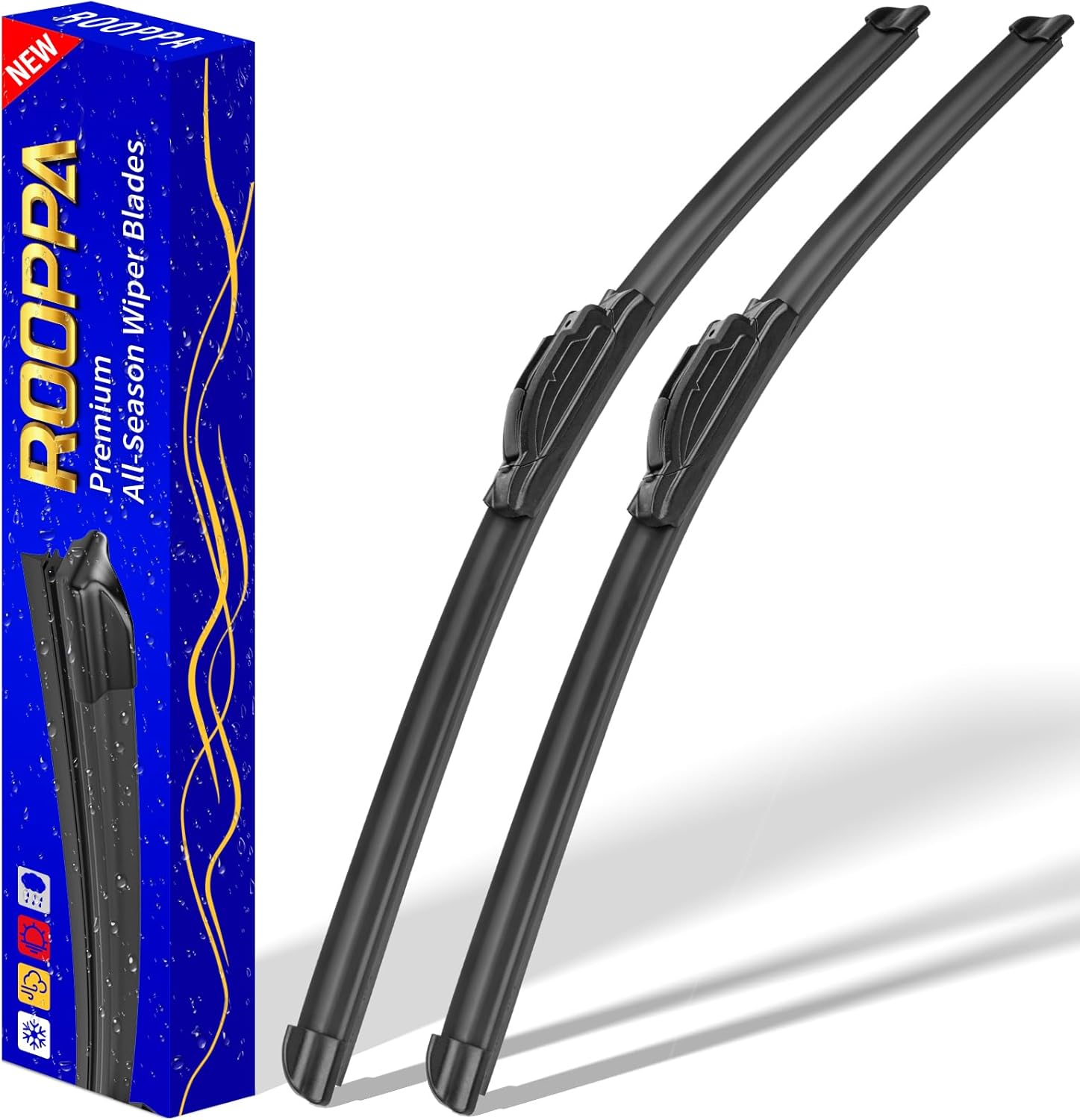
These front windshield wiper blades are designed as a direct replacement for compatible Hyundai models, helping restore clear visibility in rain and road grime. The hard-molded frame and stronger spring support smooth, reliable wiping performance, while the easy plug-and-play installation makes replacement simple. Included as a two-piece set, they are built for dependable everyday use with a one-year warranty for added confidence.

This cabin and engine air filter kit is designed for compatible Hyundai Sonata gas models from 2015 to 2019 with a 2.4L engine. It helps improve airflow, capture dust and impurities, and support cleaner cabin air and efficient engine performance. The kit is engineered for long service life and simple installation, making routine maintenance easier.

This activated carbon cabin air filter is designed as a replacement for select Hyundai Sonata gas models and Kia Cadenza vehicles, helping improve in-cabin air quality. It is engineered to capture odors, VOCs, and common pollutants for a fresher driving environment, while matching multiple OE and reference numbers for convenient fitment confirmation.
Signs a Used Hyundai Sonata May Not Last Much Longer
Some warning signs suggest a Sonata may be near the point where repairs cost more than the car is worth. Be extra cautious if you notice several of these at once:
- Engine knock, heavy ticking, or oil-pressure warning light
- Blue smoke from the exhaust or frequent low-oil warnings
- Coolant loss, overheating, or white exhaust smoke
- Transmission slipping, banging into gear, or delayed reverse
- Multiple dashboard warning lights that return after clearing
- Severe rust on structural areas or brake lines
- Flood smell, damp carpets, corrosion under seats, or electrical oddities
- No maintenance records and obvious signs of neglect
A clean inspection does not guarantee a problem-free car, but it greatly lowers the risk. For high-mileage vehicles, a pre-purchase inspection by an independent mechanic is one of the smartest expenses you can make.
[Products Worth Considering]

This flexible oil funnel is designed to make fluid changes cleaner and easier by guiding oil around obstacles like skid plates and crossmembers. Its shape-retaining core and silicone body can be molded for custom positioning, while the heat-resistant, leak-proof design helps prevent spills during draining and filter removal. Reusable and easy to clean, it works well for cars, trucks, motorcycles, and other hard-to-reach fluid fill or drain applications.
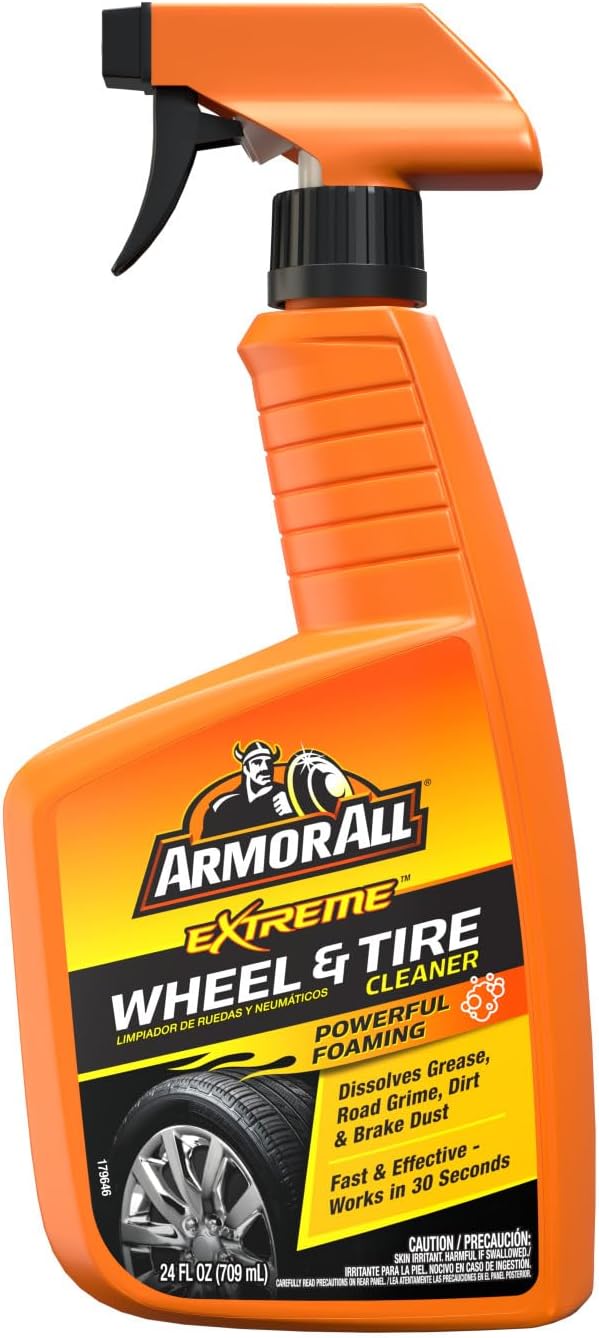
Armor All Extreme Wheel and Tire Cleaner is a powerful spray designed to cut through stubborn dirt, grease, tar, and brake dust on wheels and tires. It is safe for use on factory and aftermarket finishes, including alloy, steel, chrome, and plastic wheel trims, while its fast-acting formula works in just seconds. The deep-cleansing action helps reach hard-to-clean areas and leaves wheels looking clean and shiny.
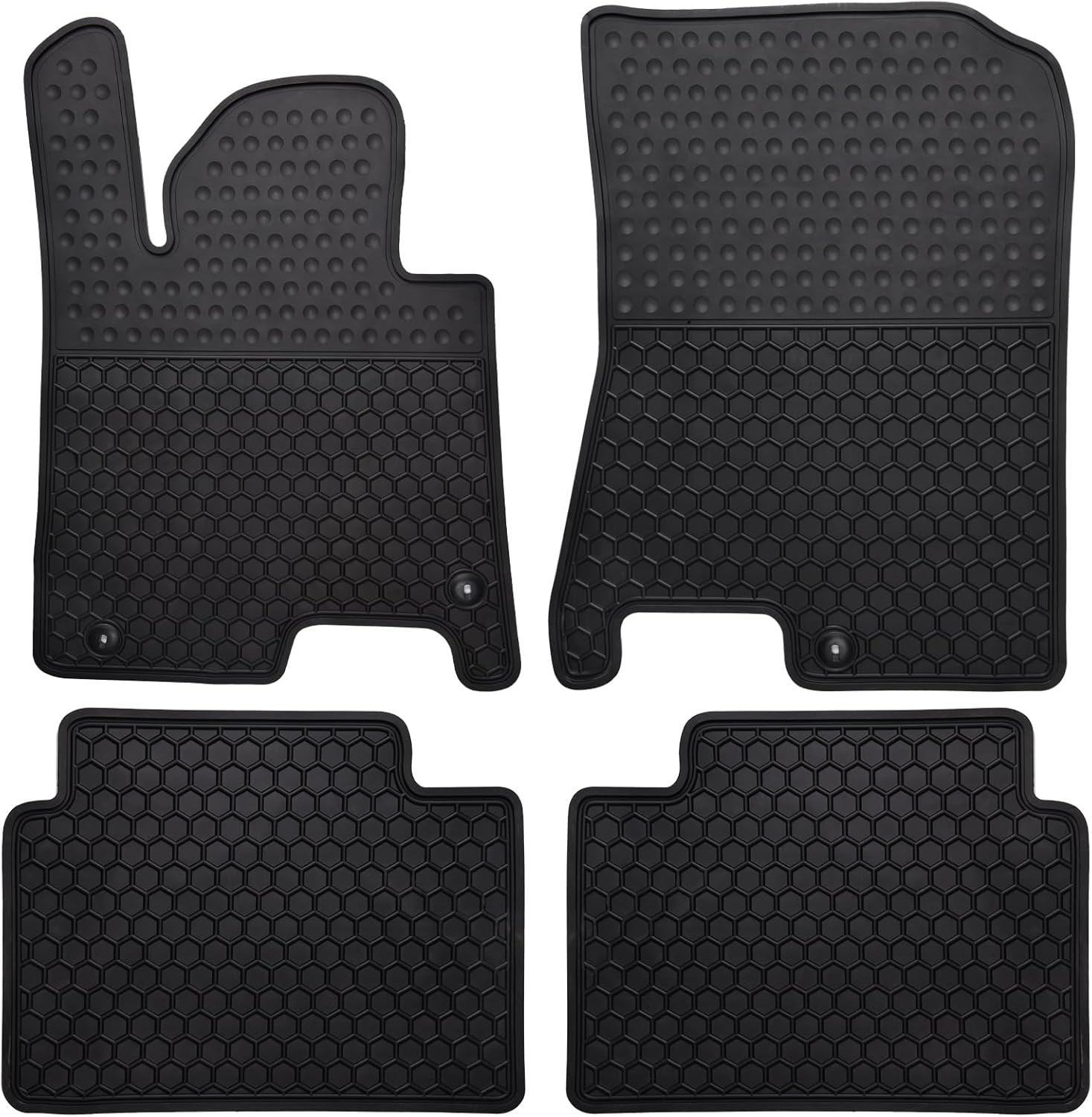
These custom-fit all-weather floor mats are designed for compatible Hyundai Sonata and Kia K5 models to help protect your vehicle's interior from mud, slush, dirt, and spills. Made from odorless, durable rubber with a deep hexagon pattern, they offer reliable anti-slip coverage and are easy to remove and clean with water or a damp towel. The set is built for long-lasting use in every season and helps keep your car looking clean while supporting resale value.
Frequently Asked Questions
Are Hyundais reliable after 100,000 miles?
Many Hyundais, including the Sonata, can remain reliable after 100,000 miles if they have been maintained well. The key is proof: oil-change records, fluid service, no overheating history, no major warning lights, and a clean inspection.
Can a Hyundai Sonata last 200,000 miles?
Yes, a Hyundai Sonata can last 200,000 miles, especially with consistent maintenance and early repairs. Reaching that mileage is more likely when the engine is kept full of clean oil, the cooling system stays healthy, recalls are handled, and the car is not abused.
Is 150,000 miles a lot for a Hyundai Sonata?
Yes, 150,000 miles is high mileage for a Sonata, but it is not automatically too much. A well-kept 150,000-mile Sonata can still be useful, while a neglected one may need expensive engine, transmission, suspension, or electrical repairs.
What mileage is too high for a used Hyundai Sonata?
There is no single cutoff, but over 200,000 miles is very high mileage. At that point, buy only if the car is inexpensive, passes inspection, has strong records, and does not need major repairs that exceed its value.
How often should I service a Hyundai Sonata?
Follow the maintenance schedule for your exact model year, engine, and driving conditions in the owner’s manual. Severe driving, high heat, frequent short trips, and heavy traffic can require more frequent service than normal driving.
Conclusion
A Hyundai Sonata can be a dependable long-term car when it is maintained properly. For many owners, 200,000 miles is a realistic goal, and 250,000 miles is possible with the right history and care. Still, high mileage should always be judged by records, condition, inspection results, and recall status rather than the odometer alone.
If you are buying used, choose the Sonata with the cleanest maintenance history, smoothest test drive, and best inspection results. If you already own one, stay ahead of oil, fluids, tires, brakes, suspension, cooling-system issues, and warning lights. That steady care is what gives your Sonata the best chance of staying road-ready for years.
Sources
- Hyundai Manuals & Warranties — model-specific owner’s manuals, maintenance information, and warranty resources.
- Hyundai Warranty Vehicle Coverage — Hyundai warranty, roadside assistance, emissions, parts, and hybrid battery coverage details.
- Hyundai Safety Recalls and Service Campaigns — VIN lookup for Hyundai safety recalls and service campaigns.
- National Highway Traffic Safety Administration Recalls — official recall, investigation, complaint, and safety-issue lookup.
- U.S. Department of Energy Alternative Fuels Data Center — average annual vehicle miles traveled by major vehicle category using FHWA Highway Statistics data.
- AAA Foundation American Driving Survey 2024 — U.S. driving trip, time, and mileage behavior data.