
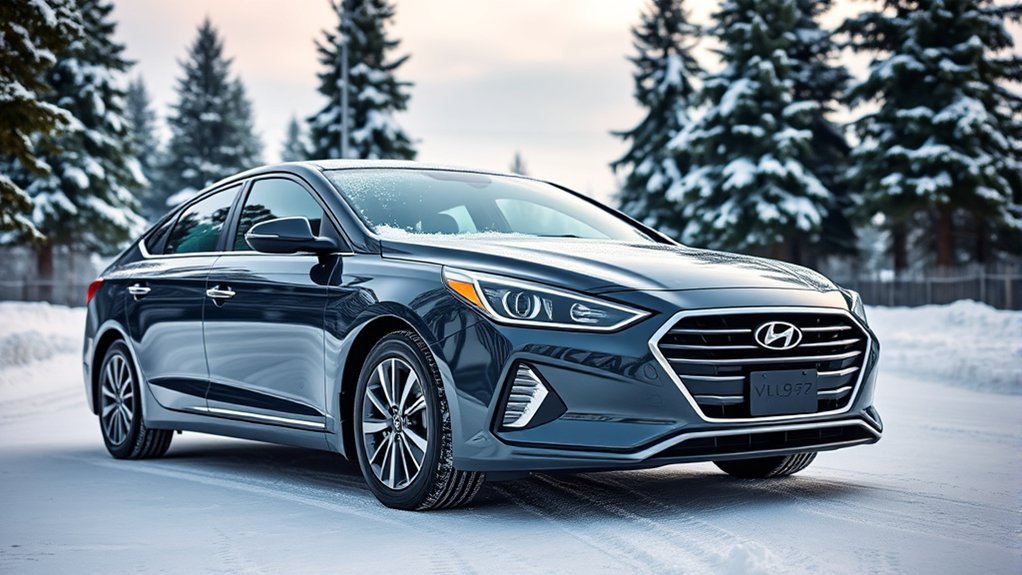
Improving snow traction in a Hyundai Sonata starts before you pull out of the driveway. The biggest gains come from the right tires, correct tire pressure, gentle driving inputs, and smart use of the Sonata’s traction and stability systems. Whether your Sonata is front-wheel drive or a newer trim with available all-wheel drive, snow grip still depends mainly on the four tire contact patches touching the road.
Quick Answer
To improve traction in snow with a Hyundai Sonata, use proper winter tires, keep tire pressure at the door-jamb recommendation, drive with slow and smooth inputs, leave ESC on for normal driving, and use firm continuous brake pressure if ABS activates. Disable traction control only briefly if you are stuck and need controlled wheel spin.
Key Takeaways
- Winter tires are the most effective upgrade for snow and ice because they use colder-weather rubber compounds and tread patterns designed for low grip.
- Check tire pressure when the tires are cold; cold weather lowers inflation pressure and can reduce handling, braking, and tire life.
- Keep Electronic Stability Control on during normal snowy driving, but consider briefly turning traction control off if you are stuck in deep snow.
- With ABS, press the brake pedal firmly and continuously. Do not pump the brake pedal on an ABS-equipped Sonata.
- Slow speed, longer following distance, and gentle steering are just as important as any vehicle feature.
At a Glance
| Time Required | 15–30 minutes for basic checks; longer if installing winter tires |
| Difficulty | Easy for pressure and fluid checks; moderate for tire swaps |
| Tools Needed | Tire pressure gauge, tread depth gauge or penny/quarter, washer fluid, snow brush, emergency kit |
| Cost | Low for checks; higher for a dedicated set of winter tires and wheels |
Choosing the Right Snow Tires for Your Hyundai Sonata
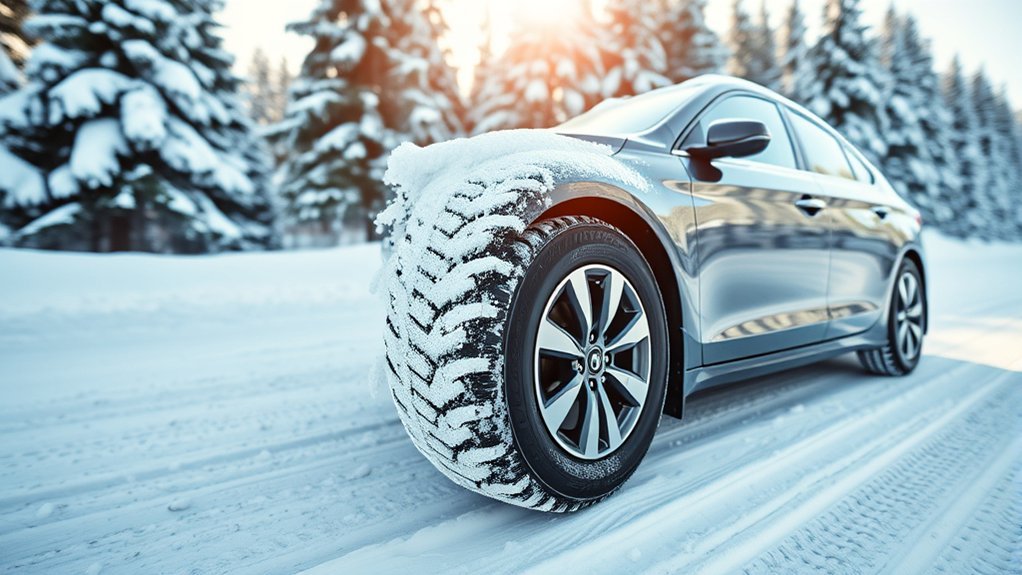
If you make only one change for better snow traction, make it tires. A Hyundai Sonata with good winter tires will usually feel more confident in snow than the same car on worn all-season tires, even if the car has advanced driver-assist features. Tires create the grip; systems such as ABS, traction control, and ESC can only manage the grip that is available.
Choose tires marked with the three-peak mountain snowflake symbol. This symbol identifies tires that meet a snow-traction performance requirement. Winter tires are designed to stay more flexible in cold weather and use tread features that bite into snow and slush better than typical touring all-season tires.
For snow driving, tread depth matters more than many drivers realize. The legal minimum tread depth in many places is 2/32 inch, but that is not enough for confident snow traction. Tire Rack recommends replacing tires for snow-covered roads at about 5/32 inch because snow traction drops as tread grooves become too shallow to pack and release snow effectively.
Pro Tip: If you drive in snow every winter, buy a second set of wheels for your winter tires. It makes seasonal swaps easier, protects your main wheels from salt damage, and can reduce mount-and-balance costs over time.
Before buying tires, check your Sonata’s exact tire size on the driver-side door placard, in the owner’s manual, or on the sidewall of the tires currently installed. Tire sizes can vary by model year, trim, wheel package, and hybrid or performance version. The official Hyundai manuals and warranties page is the best place to find owner information for your exact Sonata model year.
[Products Worth Considering]

This extendable snow brush and ice scraper helps clear windshields and vehicle surfaces quickly in harsh winter weather. Its rotating brush head, durable bristles, and strong scraper design make it easy to remove snow and ice without scratching your car, while the comfortable grip and detachable parts improve handling and storage.
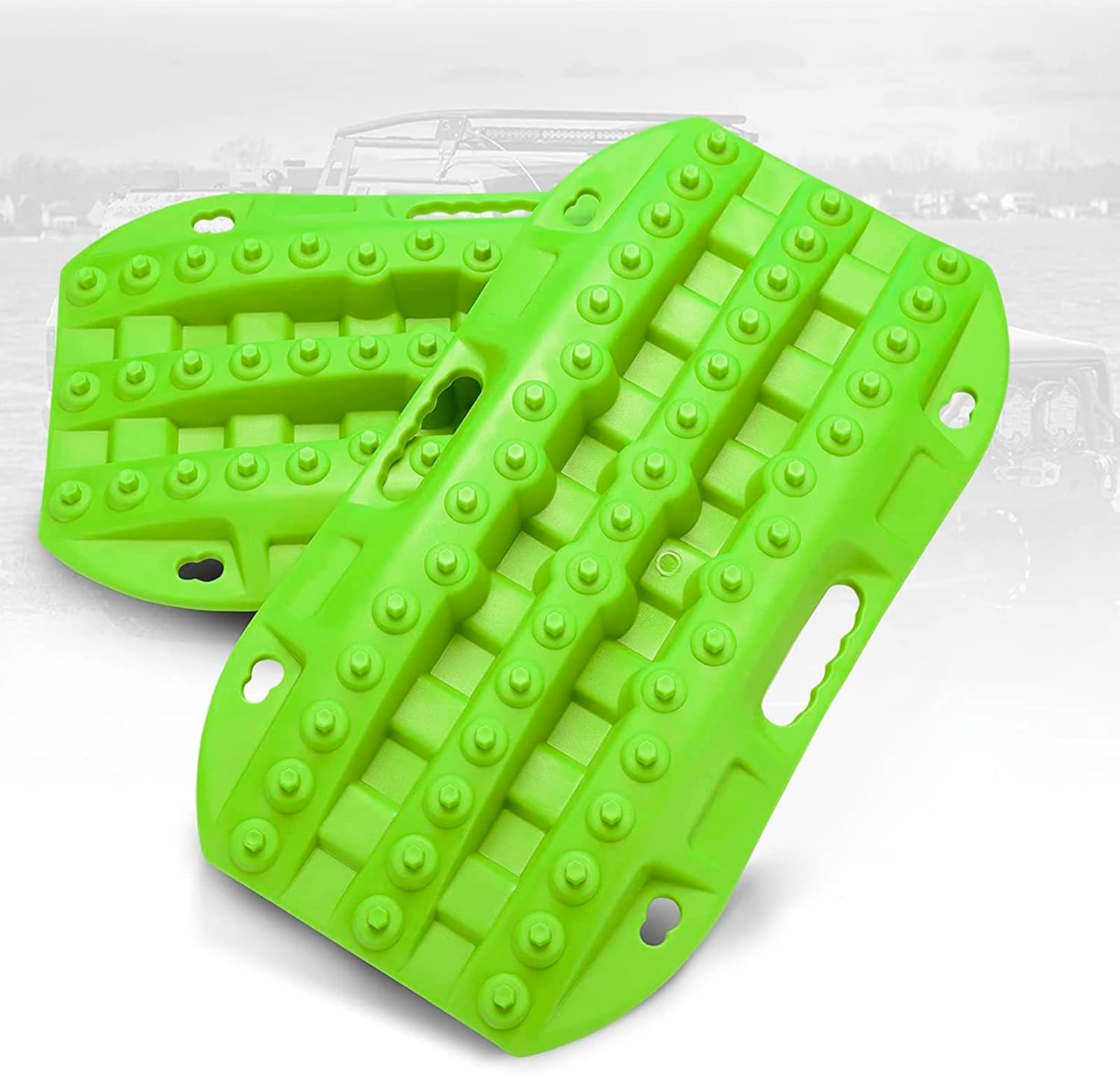
These short recovery traction boards are designed to help ATVs, UTVs, and other off-road vehicles regain grip in mud, sand, and snow. Built with strengthened teeth and a durable polypropylene construction, they provide reliable traction, easy handling, and year-round performance in tough conditions. Their nested, space-saving design and integrated shovels make them practical for carrying and using on remote adventures.
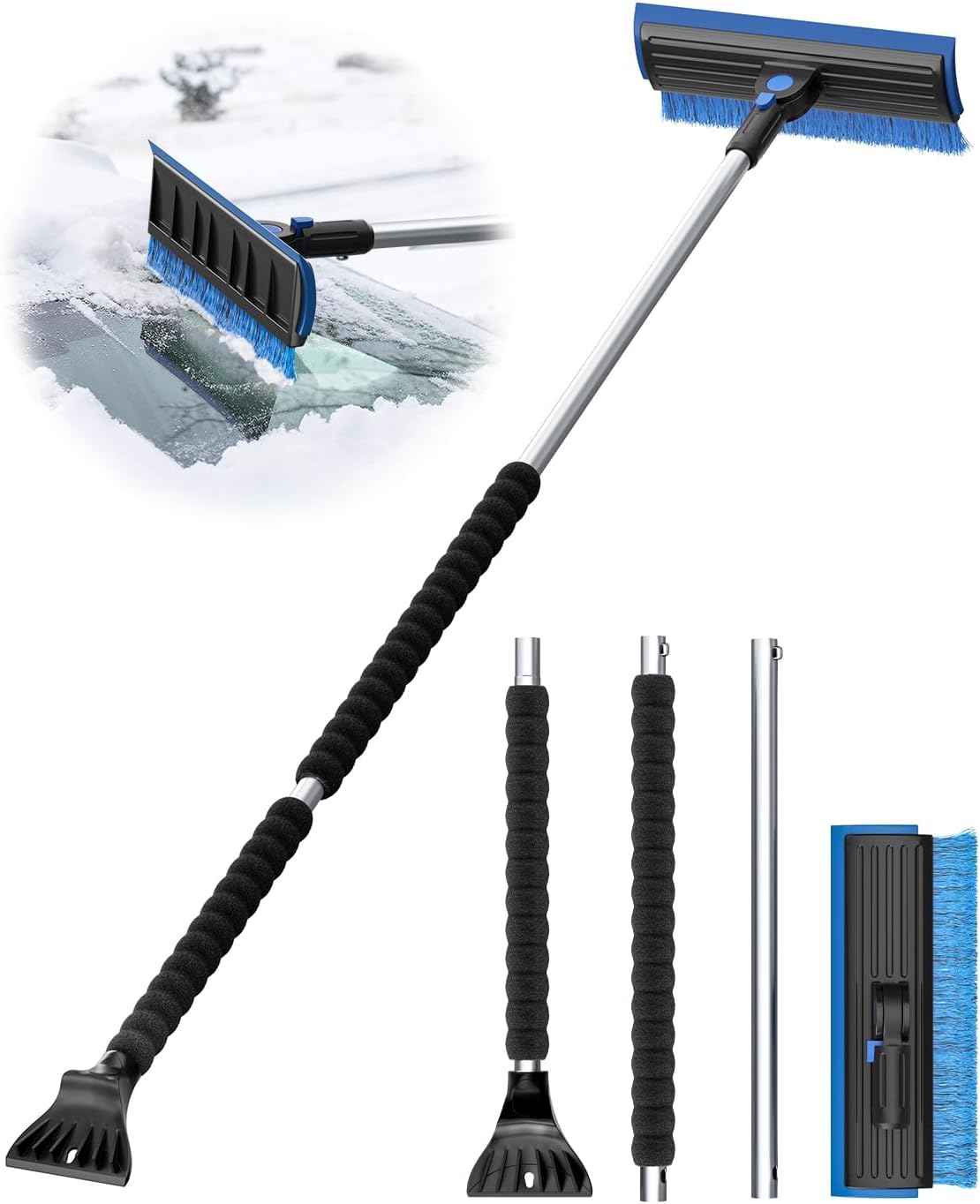
This three-in-one winter tool combines a snow brush, ice scraper, and snow shovel to help clear windshields, roofs, hoods, and hard-to-reach edges with less effort. Its 270-degree rotating head and adjustable telescoping length make it versatile for cars, SUVs, and home glass surfaces, while the soft PVC bristles and foam grip help protect paint and improve comfort in cold weather.
Winter Tires vs. All-Season Tires vs. All-Weather Tires
Winter tires are best for frequent snow, ice, and temperatures near or below freezing. All-season tires are a compromise: they can work in light snow when they are new and properly inflated, but they usually give up grip sooner in cold, slippery conditions. All-weather tires can be a practical middle ground because many carry the three-peak mountain snowflake symbol while still being suitable for year-round use.
| Tire Type | Best For | Snow Traction | Main Tradeoff |
|---|---|---|---|
| Winter tires | Regular snow, ice, freezing weather | Best | Should be swapped off in warm weather |
| All-weather tires | Moderate winters and year-round use | Good if 3PMSF-rated | Not as strong as dedicated winter tires on ice |
| All-season tires | Mild climates and occasional light snow | Fair when new; weaker when worn | Less cold-weather grip |
Check Tire Pressure Before Every Cold Snap
Snow traction is not only about tread. Tire pressure also affects how the Sonata steers, brakes, and tracks through slush. According to NHTSA winter driving guidance, tire inflation pressure drops as outside temperature falls, so each tire should be filled to the vehicle manufacturer’s recommended pressure, not the maximum pressure printed on the tire sidewall.
Check pressure when the tires are cold, meaning the car has been parked for at least three hours. Use the pressure listed on the driver-side door placard. Do not lower tire pressure to “get more grip” in snow; underinflation can cause poor handling, extra tire heat, uneven wear, and a higher risk of tire damage.
NHTSA reported 320 fatal crashes and an estimated 22,293 injury crashes in 2023 when snow or sleet conditions were present, which is why winter preparation matters before the first storm.
How to Use Electronic Stability Control Effectively in Snow
Electronic Stability Control, often shown as ESC, helps the Sonata stay pointed where you intend to go. It compares steering input with vehicle movement and can reduce engine power or apply braking to individual wheels when the car begins to skid. In normal snowy driving, keep ESC on.
The Hyundai owner information for ESC explains that when ESC is operating, the indicator light blinks. Hyundai also warns drivers to drive slowly, avoid accelerating, and never turn ESC off while the ESC indicator light is blinking because loss of control can occur.
Understanding ESC Functionality
ESC is not a snow-grip booster. It is a stability system. If the tires have no grip, ESC cannot create grip from nothing. What it can do is help reduce a skid by controlling engine output and braking specific wheels. That makes it valuable on slick bridges, icy turns, packed snow, and slushy lane changes.
On most snowy roads, the best strategy is simple: leave ESC on, drive slowly, and use gentle throttle. If the ESC light flashes, ease off the accelerator and let the system help the car regain stability.
Throttle Control Techniques
Throttle control is one of the most important winter driving skills in a Hyundai Sonata. Pressing the accelerator too quickly can spin the front tires on front-wheel-drive models and can still overwhelm available grip on models equipped with all-wheel drive.
| Technique | Benefit | When to Use |
|---|---|---|
| Ease into the accelerator | Reduces wheel spin | Starting from a stop |
| Hold a steady pedal | Keeps weight transfer smooth | Climbing a snowy hill |
| Lift gently when tires spin | Allows tires to regain grip | Loose snow, slush, or ice |
| Avoid sudden throttle changes | Prevents skids | Cornering or lane changes |
When to Disable ESC or Traction Control
There is one common exception to leaving traction control on: getting unstuck. If your Sonata is buried in deep snow, the system may cut engine power so much that the car cannot rock free. Hyundai’s ESC information notes that a brief press of the ESC OFF button can disable the traction-control function while the brake-control function continues to operate. Holding the button longer can disable more of the system, depending on model and setup.
Warning: Do not turn off ESC during normal road driving or while the ESC light is blinking. Use ESC OFF only briefly when you are stuck and need controlled wheel spin, then turn the system back on as soon as the car is moving again.
Essential Braking Techniques for Winter Driving
Good braking in snow starts long before the stop sign. Slow down early, leave more room than usual, and brake before the turn rather than in the middle of it. NHTSA advises drivers to increase following distance because vehicles are harder to control or stop on slick or snow-covered roads.
Key Braking Techniques
Modern Hyundai Sonata models are equipped with an anti-lock braking system. ABS helps prevent wheel lockup so you can keep steering while braking. If ABS activates, you may feel pulsing through the brake pedal. That is normal.
| Technique | Description | When to Use |
|---|---|---|
| Firm continuous pressure | Press and hold the brake pedal when ABS activates | Emergency stops on slick roads |
| Brake early | Begin slowing sooner than you would on dry pavement | Approaching intersections |
| Brake before turning | Slow in a straight line before corner entry | Snowy curves and ramps |
| Release slightly if sliding sideways | Reduce brake force if the car is not responding to steering | Low-speed skids |
| Avoid panic inputs | Do not jerk the wheel or stab the pedals | Any loss of traction |
ABS Functionality Insights
Do not pump the brakes on an ABS-equipped Sonata. NHTSA guidance is clear: if your vehicle has anti-lock brakes, apply firm, continuous pressure to the brake pedal. Pumping the pedal can make ABS less effective because the system is already modulating brake pressure faster than a driver can.
If your Sonata is older or you are driving a vehicle without ABS, the technique is different: you may need to gently apply and release pressure if the wheels start to lock. Check your owner’s manual if you are unsure what your vehicle has.
Managing Traction Effectively
On snow, the goal is to keep the tires rolling and gripping, not sliding. Avoid sudden stops whenever possible. Look far ahead, anticipate traffic lights, and give yourself time to slow down gently. If the road looks shiny, shaded, or wet in freezing weather, assume it may be icy.
Note: Cruise control should be avoided on snowy or icy roads. You want direct control over throttle and speed when traction changes suddenly.
Gear Shifts for Slippery Conditions: What You Need to Know
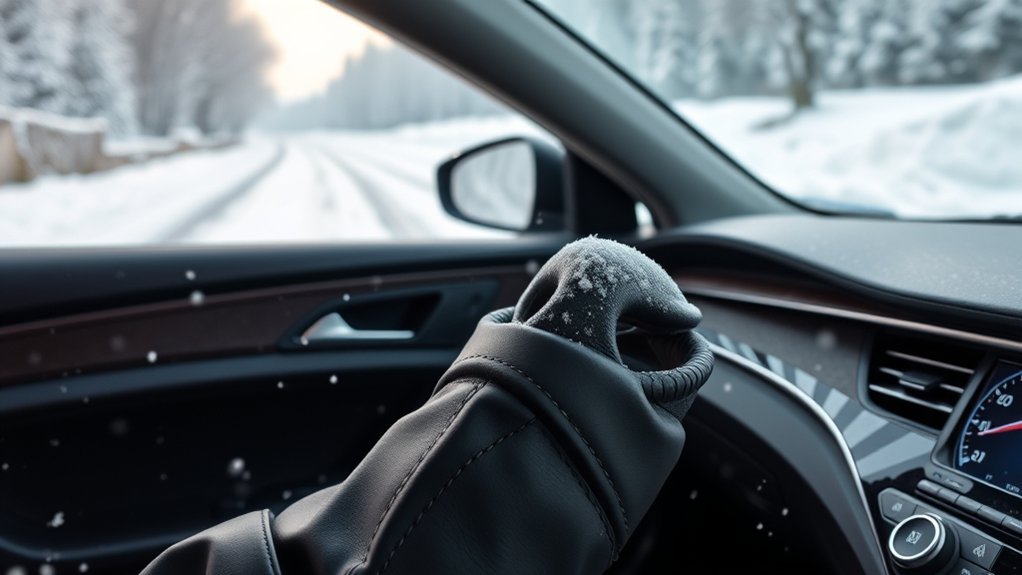
Most Sonata drivers will use Drive for everyday winter driving, and that is fine. The key is not the gear itself but how smoothly power reaches the tires. Still, gear selection can help in certain slippery situations.
If your Sonata has a manual shift mode, snow drive mode, or selectable low-traction setting, use it as described in your owner’s manual. Starting in a higher gear can reduce wheel spin in some vehicles because it softens the torque reaching the tires. If your Sonata does not allow a second-gear start, simply use very light throttle and let the transmission shift normally.
When climbing a snowy hill, build a little momentum before the incline and keep a steady throttle. Do not floor the accelerator halfway up the hill; that usually causes wheel spin. When descending, slow before the hill, use gentle braking, and avoid sharp steering corrections.
Tips for Maintaining Tire Traction While Cornering
Cornering in snow is where many drivers lose control because they ask the tires to brake, turn, and accelerate at the same time. Instead, separate those jobs. Slow down before the corner, steer smoothly through it, then accelerate gently once the car is straightening out.
Use these cornering habits in your Sonata:
- Approach turns slower than you think you need to.
- Brake in a straight line before turning the wheel.
- Keep both hands on the wheel and make small steering inputs.
- Avoid sudden throttle changes in the middle of the turn.
- Look where you want the car to go, not at the snowbank or curb.
If the front tires slide and the car does not turn, ease off the accelerator and slightly unwind the steering wheel until grip returns. If the rear of the car begins to rotate, look down the road, steer gently in the direction you want to travel, and avoid slamming on the brakes.
How to Get Unstuck From Snow in a Hyundai Sonata
If your Sonata is stuck, avoid spinning the tires aggressively. High-speed wheel spin can dig the car deeper, overheat components, polish the snow into ice, and damage tires. The goal is controlled movement.
- Clear snow around the tires. Use a shovel, snow brush, or gloved hands to clear a path in front of and behind each tire.
- Straighten the steering wheel. Turned front wheels create extra resistance.
- Add traction material. Place sand, kitty litter, traction boards, or even floor mats in front of the drive tires if needed.
- Use gentle throttle. Try to move slowly rather than spinning the tires.
- Rock the car carefully. Shift between Reverse and Drive only after the vehicle stops moving. Do not slam shifts while the wheels are spinning.
- Briefly turn traction control off if needed. If the system cuts too much power, use ESC OFF only long enough to free the car, then turn it back on.
Warning: Make sure the exhaust pipe is clear of snow before running the engine while stuck. Blocked exhaust can allow carbon monoxide to build up around or inside the vehicle.
[Products Worth Considering]

This extendable snow brush and ice scraper helps clear windshields, roofs, and windows quickly in harsh winter conditions. Its 360° pivoting brush head, wide ice scraper blade, and comfortable foam grip make snow removal easier, while the detachable design stores compactly in your vehicle.

These off-road traction boards are designed to help vehicles recover from mud, sand, and snow with reliable grip and easier ramp-up. Their double-sided diamond construction, cross-shaped teeth, and contoured ramps improve traction while the durable polypropylene build stays flexible in harsh conditions. Convenient mounting points, ergonomic handles, and a visible leash make them practical to carry, store, and retrieve when recovery is needed.

This roadside emergency kit helps drivers handle common breakdowns and winter travel issues with confidence. It includes jumper cables, a shovel, tow rope, warning triangle, first aid kit, gloves, and repair tools in a compact bag that fits easily in a trunk or storage compartment. Designed for cars, trucks, SUVs, motorcycles, and RVs, it is a practical safety companion for commuting, road trips, and everyday preparedness.
Preparing Your Hyundai Sonata for Winter: Essential Checks
A winter-ready Sonata is easier to control because the basics are working correctly. Before the first storm, check tires, lights, wipers, battery health, fluids, and the items you would need if you were delayed on the road.
Start with the tires. Inspect tread depth, sidewalls, and pressure. Look for cuts, bulges, cracks, punctures, uneven wear, and exposed cords. NHTSA recommends checking tires at least once a month and before long road trips, including the spare if your vehicle has one.
Next, inspect your battery. Cold weather reduces battery power, and engines require more power to start in low temperatures. If your battery is several years old, slow to crank, or showing corrosion on the terminals, have it tested before the first severe cold snap.
Check these winter items as well:
- Coolant: Make sure the coolant level and mixture meet Hyundai specifications for your model year.
- Windshield washer fluid: Use winter fluid with de-icer and keep the reservoir full.
- Wiper blades: Replace streaking or torn blades; consider winter blades if you get frequent ice buildup.
- Lights: Confirm headlights, brake lights, turn signals, reverse lights, and hazard lights work.
- Floor mats: Make sure mats are secured and cannot interfere with the brake or accelerator pedal.
Essential Items for Your Winter Emergency Kit
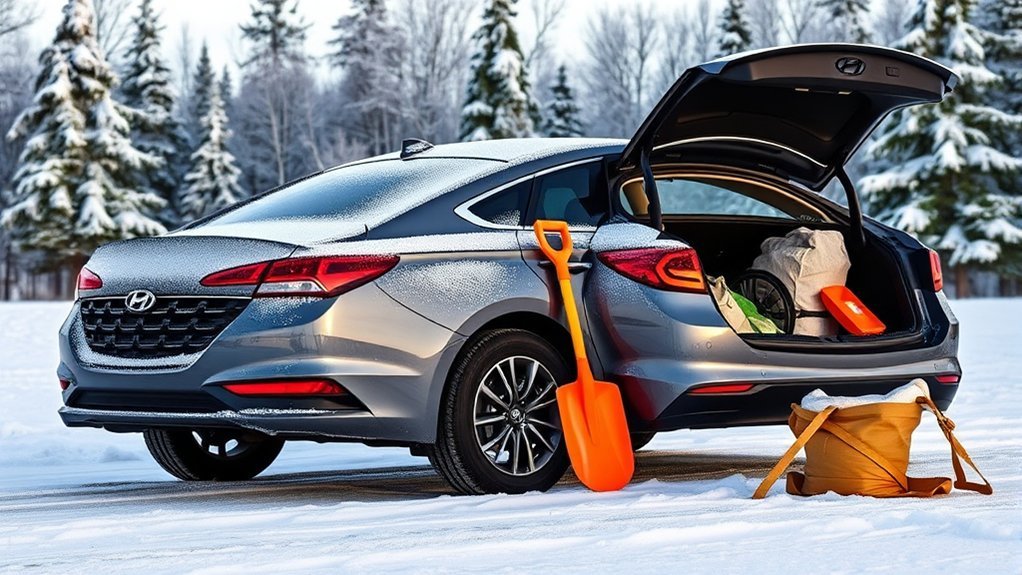
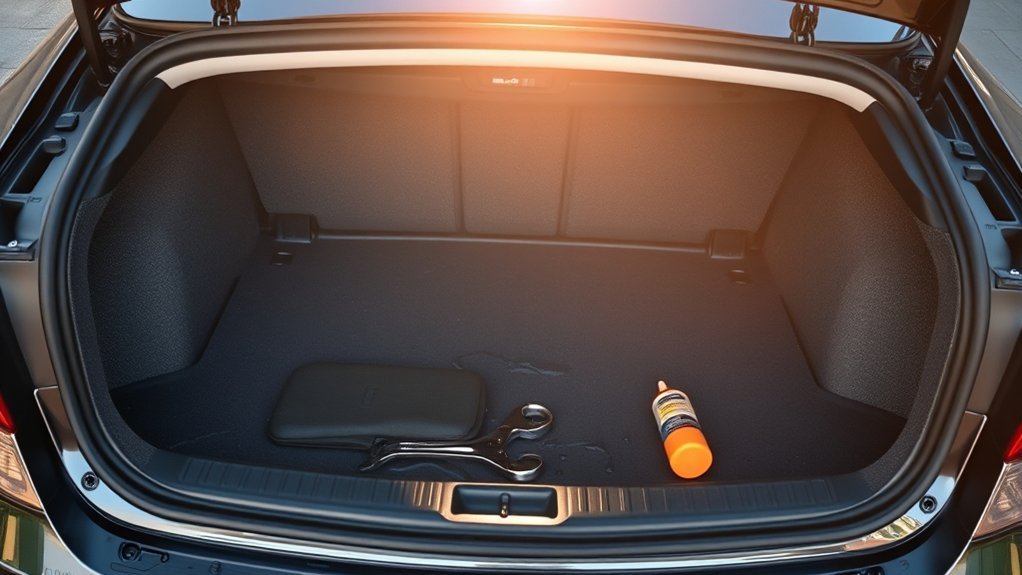
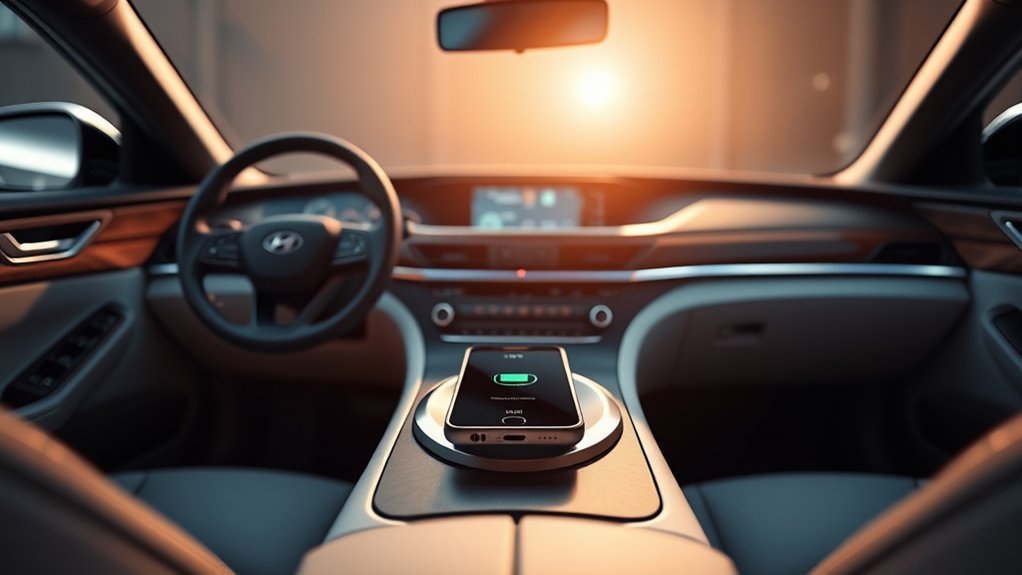
A winter emergency kit gives you options if the Sonata gets stuck, delayed, or disabled in bad weather. NHTSA recommends carrying supplies for common winter driving tasks and emergencies, including a snow shovel, broom, ice scraper, abrasive material, jumper cables, flashlight, warning devices, first-aid kit, blankets, phone charger, water, food, and necessary medicine.
| Item | Why It Helps |
|---|---|
| Snow brush and ice scraper | Clears glass, mirrors, lights, and sensors before driving |
| Small shovel | Clears packed snow around tires and underbody |
| Sand, kitty litter, or traction boards | Adds grip when tires are stuck on ice or packed snow |
| Jumper cables or jump starter | Helps with weak winter battery starts |
| Blanket, gloves, and hat | Protects you if you must wait in cold weather |
| Flashlight and warning triangles | Improves visibility during roadside emergencies |
| Water and non-perishable snacks | Useful if traffic or weather delays you for hours |
| Phone charger or power bank | Keeps communication available during a delay |
[Products Worth Considering]

This smart tire tread depth gauge provides quick, accurate readings from 0 to 1 inch in 1/32-inch increments, helping drivers assess tire wear with confidence. Its color-coded display makes it easy to see tread condition at a glance, while the pocket clip adds convenient portability for garages, glove boxes, and on-the-go inspections. Designed for use on trucks, motorcycles, automobiles, and other passenger vehicles, it is a simple tool for safer tire maintenance.

These heavy duty jumper cables are designed to help you get back on the road quickly with strong, insulated clamps and extended reach for easier battery access. The flexible cable jacket stays dependable in a wide range of temperatures, while the included storage bag keeps everything organized and ready for emergencies. Built for cars, SUVs, and trucks, they offer a practical roadside solution backed by quality assurance and after-sales support.

This color coded tire tread depth gauge helps you quickly check tire wear and monitor when replacement is needed. Calibrated in easy-to-read 32nds with clear red, yellow, and green ranges, it offers fast visual results for cars, trucks, motorcycles, and other passenger vehicles. The pocket clip makes it simple to keep on hand for routine maintenance and safety checks.
How to Maintain Fluids and Batteries in Cold Weather
Cold weather exposes weak maintenance. A Sonata that starts easily, clears the windshield quickly, and has proper fluids will be easier and safer to drive in winter.
| Fluid or Component | Winter Maintenance Tips |
|---|---|
| Engine coolant | Keep at the proper level and mixture listed for your model year. |
| Windshield washer fluid | Use winter-grade fluid with de-icer; refill before storms. |
| Brake fluid | Follow the maintenance schedule and have leaks or low fluid checked promptly. |
| Engine oil | Use the grade specified in your owner’s manual for your engine and climate. |
| Battery | Test charge strength, clean corrosion, and replace weak batteries before deep cold. |
Do not guess on fluid specifications. Hyundai uses different engines and systems across Sonata model years, including gas, hybrid, turbocharged, front-wheel-drive, and available all-wheel-drive versions. Use the manual for your exact year and trim.
Real-World Tips for Winter Driving: Insights From the Community
Drivers who handle winter roads regularly tend to repeat the same advice: slow down, buy real winter tires if snow is common, and avoid sudden inputs. Those basics matter more than horsepower, drive mode, or confidence behind the wheel.
Here are practical habits that make a Sonata easier to manage in snow:
- Clear all windows, mirrors, lights, camera lenses, and driver-assist sensors before driving.
- Turn on headlights during snow, even in daytime, so other drivers can see you.
- Leave extra room behind snowplows and avoid driving beside them.
- Use main roads when possible because they are more likely to be plowed and treated.
- Postpone non-essential trips when roads are covered in ice or when visibility is poor.
- Practice braking and turning in an empty snowy lot if it is safe and legal to do so.
Pro Tip: After installing winter tires, drive gently for the first few trips. New tires can feel different in steering response and braking, and you need time to learn how your Sonata reacts.
Common Mistakes That Reduce Snow Traction
Many winter traction problems come from small habits that seem harmless. Avoid these mistakes:
- Driving on worn all-season tires: Tires near the legal limit can be poor in snow even if they are technically legal.
- Ignoring tire pressure: Low pressure can hurt steering, braking, and tire durability.
- Turning off ESC for normal driving: ESC should stay on unless you are briefly trying to get unstuck.
- Using cruise control: Cruise control can react poorly when tires lose grip.
- Overcorrecting a slide: Big steering inputs can make a skid worse.
- Following too closely: Stopping distances are much longer on snow and ice.
- Assuming AWD means “ice-proof”: AWD can help you accelerate, but it does not shorten braking distance.
Frequently Asked Questions
How do I gain more traction in snow with a Hyundai Sonata?
Use winter tires or 3PMSF-rated all-weather tires, keep tire pressure at the door-jamb specification, accelerate gently, brake early, and keep ESC on for normal driving. If you are stuck in deep snow, briefly disabling traction control may help the tires spin just enough to move the car free.
Is the Hyundai Sonata good in snow?
A Hyundai Sonata can handle light to moderate snow well when it has good tires and is driven smoothly. Older and most standard models are front-wheel drive, while some newer trims offer all-wheel drive. Either way, tires and driver technique matter more than the badge or drivetrain.
Should I turn off traction control in snow?
Leave traction control and ESC on for normal snowy driving. Turn traction control off only briefly if you are stuck and the system is cutting power so much that the vehicle cannot rock free. Turn it back on as soon as you regain motion.
Do winter tires help more than all-wheel drive?
For stopping, turning, and overall grip, winter tires usually make a bigger difference than all-wheel drive. AWD can help the Sonata accelerate from a stop, but it does not create more braking grip. All four tires still need traction to stop and turn safely.
What tire tread depth is best for snow?
For reliable snow traction, do not wait until tires reach the 2/32-inch legal minimum. Snow performance drops much earlier. Tire Rack recommends replacing tires used on snow-covered roads at about 5/32 inch of remaining tread depth.
How should I brake in snow with ABS?
With ABS, press the brake pedal firmly and continuously. You may feel the pedal pulse; that means the system is working. Do not pump the brakes on an ABS-equipped Sonata. Brake early and keep enough space to stop gradually whenever possible.
Conclusion
To make a Hyundai Sonata better in snow, focus on the fundamentals: proper winter-capable tires, correct cold tire pressure, smooth driving, early braking, and smart use of ESC and ABS. The Sonata’s safety systems can help manage slides, but they cannot replace good tires or careful judgment. Prepare the car before winter, slow down when roads are slick, and avoid unnecessary trips when snow, ice, or poor visibility make driving unsafe.
Sources
- NHTSA Winter Weather Driving Tips — winter driving safety, tire pressure, ABS use, emergency kit, crash statistics, and vehicle preparation.
- Hyundai Owner’s Manual: Electronic Stability Control — ESC OFF behavior, warning lights, and safe ESC use.
- Hyundai Manuals & Warranties — official owner manual lookup for exact Sonata model year and trim information.
- Tire Rack: How Much Tread Depth Is Enough? — snow traction and recommended replacement around 5/32 inch for snow-covered roads.
- AAA Club Alliance Winter Driving Tips — battery and defensive winter driving guidance.


[…] The ESC OFF button should only be used briefly in special situations, such as freeing the car from snow or mud. […]