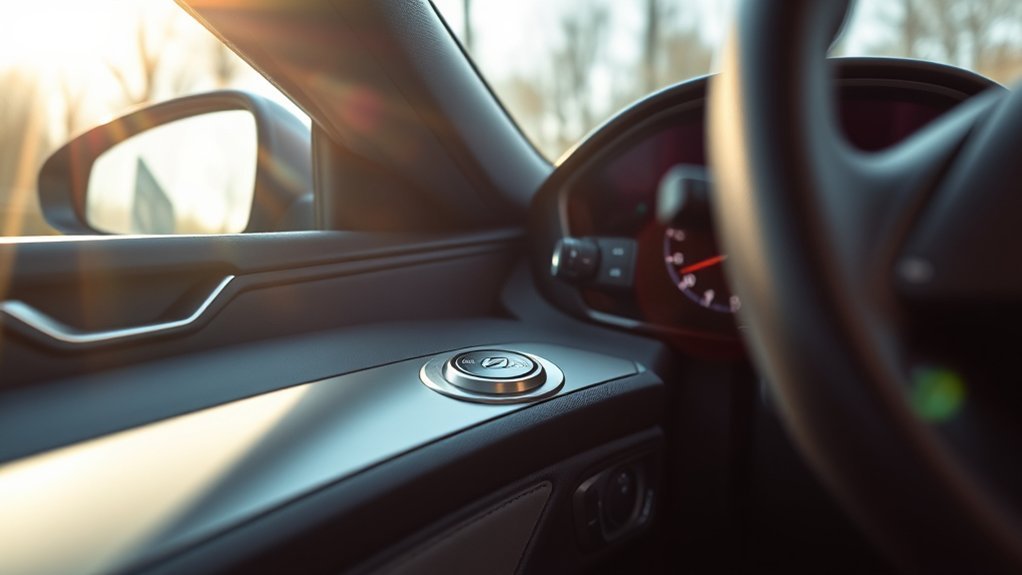
Using the electronic parking brake in your Sonata is simple and safe. Just press the brake pedal, pull the EPB switch until the warning light illuminates, and you’re set! It automatically engages when you turn off the engine, preventing rollaways. Releasing it is just as easy; make sure your engine is ON, press the brake pedal, and push the switch down. Keep an eye on warning lights—they can indicate issues. Learn about troubleshooting and more benefits next!
How the Electronic Parking Brake Works in the Sonata
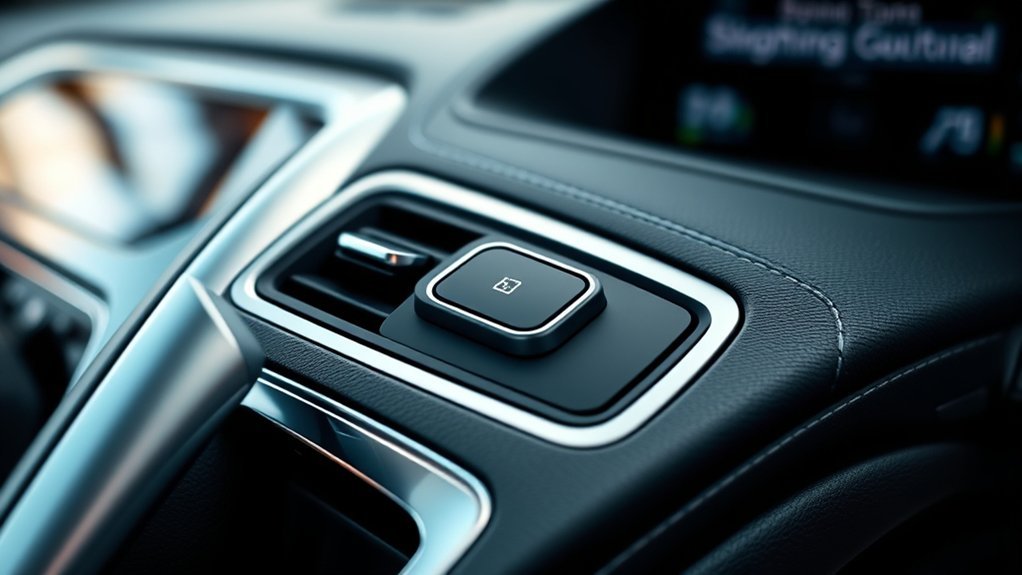
The Electronic Parking Brake (EPB) in the Sonata simplifies your parking experience by letting you engage the brakes with just a pull of a switch. This EPB functionality activates the electronic braking system, sending a signal to the electronic control unit to apply the brakes seamlessly. When you engage the EPB, a warning light illuminates on your dashboard, confirming that everything’s in order.
For added convenience, the Sonata automatically releases the EPB when you shift from Park (P) or Neutral (N) to Drive (D) or Reverse (R), allowing for a fluid driving experience. If you encounter a situation where the EPB fails to apply, simply pulling the switch multiple times may resolve the issue. However, consulting an authorized Hyundai dealer is advisable if problems persist. The compact, caliper-integrated design not only enhances safety and performance but also frees up cabin space, making your ride even more liberating.
[Products Worth Considering]

This Yuirote universal car motor diagnostic tool helps drivers quickly detect engine fault codes and identify system issues for routine inspections and maintenance. It also supports electronic parking brake reset and emergency release functions, making it useful for handling EPB-related problems without a repair shop visit. Its compact, ergonomic design and broad vehicle compatibility make it a practical choice for car owners and DIY repair enthusiasts.
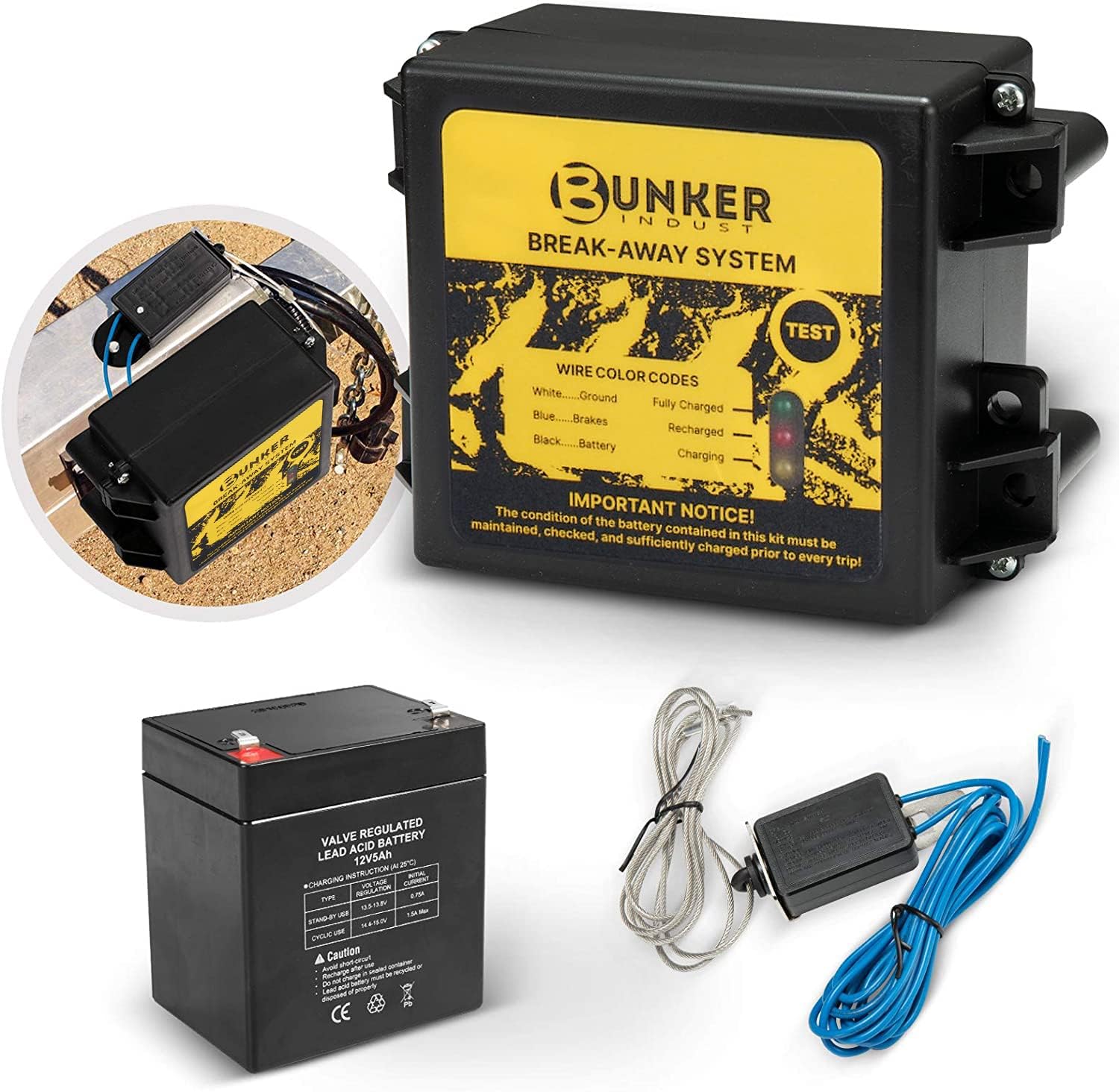
This trailer breakaway kit is designed for trailers with an existing electric brake system, helping activate the brakes if the trailer separates from the tow vehicle. It includes a battery, breakaway switch, and charger with an LED display for easy status checks, making it a practical safety upgrade for caravans and trailers. The side-mount design supports quick installation, while weather and corrosion resistance help it stand up to outdoor use.

This proportional trailer brake controller provides smooth, responsive braking by automatically matching your tow vehicle’s stopping force for safer trailer control. The bright LED digital display makes it easy to monitor voltage output in real time, while adjustable braking and sync settings help tailor performance to different trailers and road conditions. Designed for quick installation and broad compatibility, it supports 1 to 4 axle trailers for dependable towing confidence.
How to Apply the Electronic Parking Brake
To apply the Electronic Parking Brake (EPB) in your Sonata, start by pressing and holding the brake pedal, then pull up the EPB switch until the warning light illuminates. It’s essential to guarantee your vehicle is completely stopped to prevent any damage. This system also features automatic engagement for added convenience, making it easier to keep your car secure.
Step-by-Step Activation Process
Applying the Electronic Parking Brake (EPB) in your Hyundai Sonata is a straightforward process that enhances vehicle safety. Here’s how to do it:
- Press and hold the brake pedal to guarantee your vehicle is fully stopped.
- Pull up the EPB switch until the Parking Brake warning light illuminates, confirming it’s activated.
- Release the brake pedal; the warning light should turn off, indicating the brake is securely applied.
Safety Features Explained
While steering your Hyundai Sonata, understanding the safety features of the Electronic Parking Brake (EPB) is essential for guaranteeing a secure driving experience. To apply the EPB, press and hold the brake pedal, then pull up the EPB switch until the Parking Brake warning light illuminates. Always make sure your vehicle is fully stopped before engaging the brake for ideal brake safety and to prevent wear. The EPB’s electronic advantages include automatic engagement during unexpected situations, adding an extra layer of protection. Remember, the warning light should turn off once you release the brake; if it stays on, it may indicate a malfunction. For proper functionality, fasten your seatbelt and make sure doors are closed before starting the vehicle.
How to Release the Electronic Parking Brake
Releasing the Electronic Parking Brake (EPB) in your Hyundai Sonata is a straightforward process that confirms you’re ready to hit the road. Here’s how to effectively engage the EPB features during the release process:
Releasing the Electronic Parking Brake in your Hyundai Sonata is simple, ensuring you’re ready to drive with confidence.
- Verify the Engine Start/Stop button is in the ON or START position.
- Press the brake pedal firmly, then push the EPB switch down.
- Check that the Parking Brake warning light turns off, indicating a successful release.
For added convenience, the EPB automatically disengages when you shift from Park (P) or Neutral (N) to Drive (D) or Reverse (R). If you need to release the EPB manually, make sure you’re at a complete stop, especially when reversing or driving downhill. By following these steps, you’ll enjoy the freedom to drive with confidence, knowing your Hyundai Sonata is equipped with advanced EPB features that enhance your overall driving experience.
Key Warning Messages for the EPB System
After you’ve successfully released the Electronic Parking Brake (EPB), it’s important to stay alert to any warning messages that may arise. The warning light signals are vital for your safety and vehicle functionality. Here are some key indicators to watch for:
| Warning Message | Meaning |
|---|---|
| Parking Brake Light | EPB is engaged; vehicle shouldn’t be driven. |
| Continuous Warning Light | Possible brake system malfunction; check immediately. |
| EPB Warning Light (while driving) | Indicates issues with the EPB or Electronic Stability Control. |
| Safety Reminder | Confirm doors, bonnet, and tailgate are closed; seatbelt fastened. |
How to Troubleshoot EPB Warning Lights?
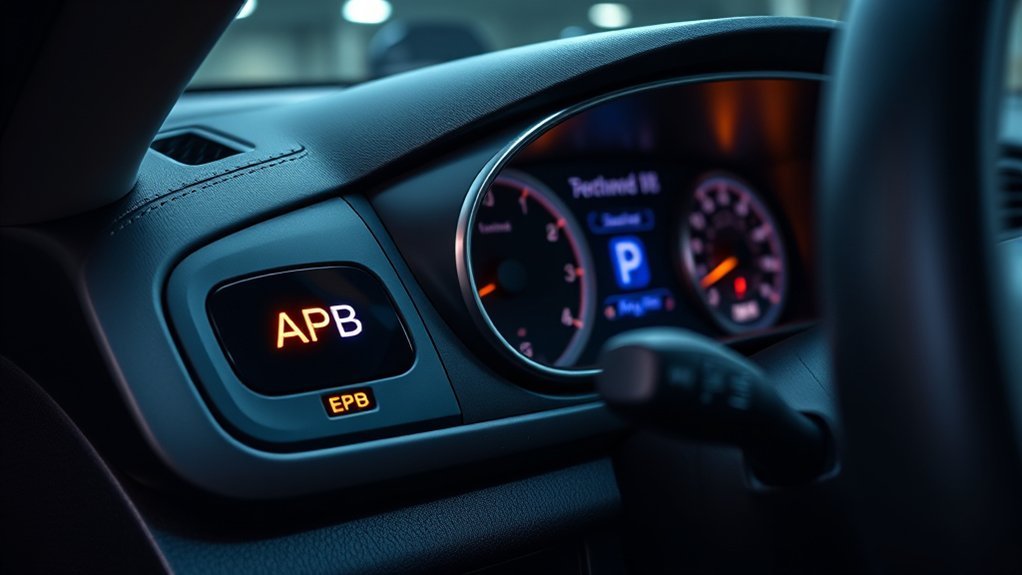
Have you ever noticed your EPB warning light staying illuminated even after releasing the brake? This could indicate a malfunction in your brake system that needs immediate attention. Here’s how to troubleshoot it:
- Re-engage the EPB: Pull the switch again and see if the warning light turns off. Sometimes, it just needs a reset.
- Check all closures: Verify that all doors, the bonnet, and the tailgate are securely closed. These conditions must be met for the warning light to deactivate.
- Look for additional indicators: If the EPB warning light stays on alongside the ESC indicator, other system issues may exist, requiring further EPB diagnostics.
If you’ve tried these steps and the warning light remains illuminated, it’s best to consult an authorized HYUNDAI dealer for a thorough inspection and necessary repairs. Don’t ignore it—your safety relies on it!
Safety Precautions When Using the EPB
When using the Electronic Parking Brake (EPB), it’s important to follow safety precautions to make certain your vehicle remains secure and to protect the braking system. Always fasten your seatbelt and verify all doors, the bonnet, and tailgate are closed before attempting to release the EPB. Engage the EPB only after coming to a complete stop; this prevents any unwanted vehicle movement and keeps you safe. It’s vital not to drive with the EPB engaged, as this can lead to excessive brake wear or even damage. If the Parking Brake warning light stays on after you’ve tried to release the EPB, contact an authorized HYUNDAI dealer for inspection—this may signal a malfunction. Also, remember that the EPB can auto-apply in certain situations, providing an extra layer of safety against unintentional movement. Prioritize these precautions for a secure driving experience.
[Products Worth Considering]
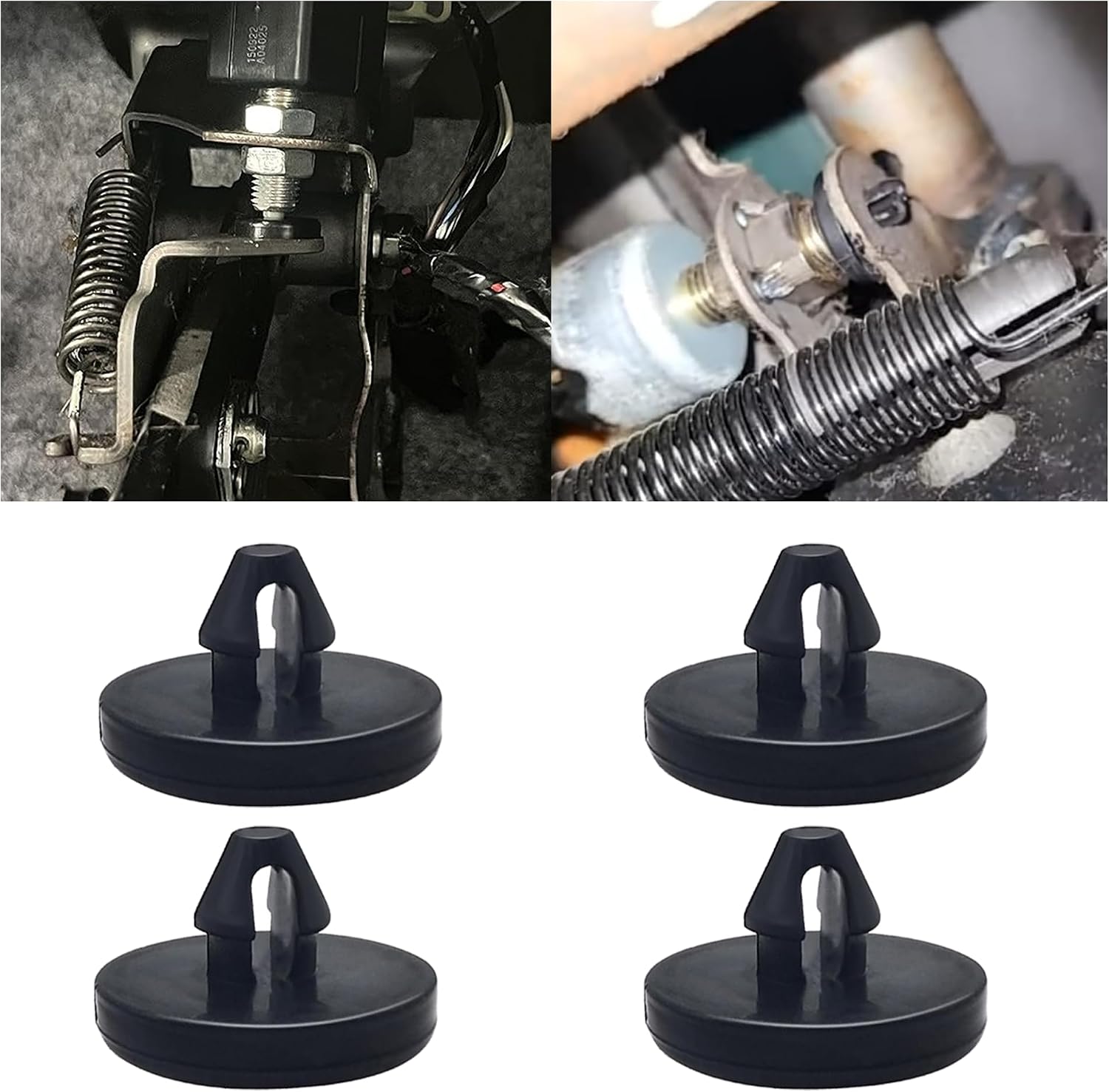
This brake pedal stop pad set is designed as an OEM replacement for compatible Toyota, Lexus, and Scion models, helping restore proper brake light switch function when the brake light stays on. Made from durable nylon, these compact stoppers are built for reliable long-term use and quick, tool-free installation. The set includes multiple pieces for convenient replacement and sharing.

The CURT 52010 Trailer Breakaway Switch helps keep towing safer by automatically engaging trailer brakes if the trailer disconnects from the tow vehicle. It features silver contact points for a dependable electrical connection, plus a nylon case and pull pin assembly designed to handle outdoor use and secure activation. The included metal mounting tab makes installation simple on trailers with electric brakes.
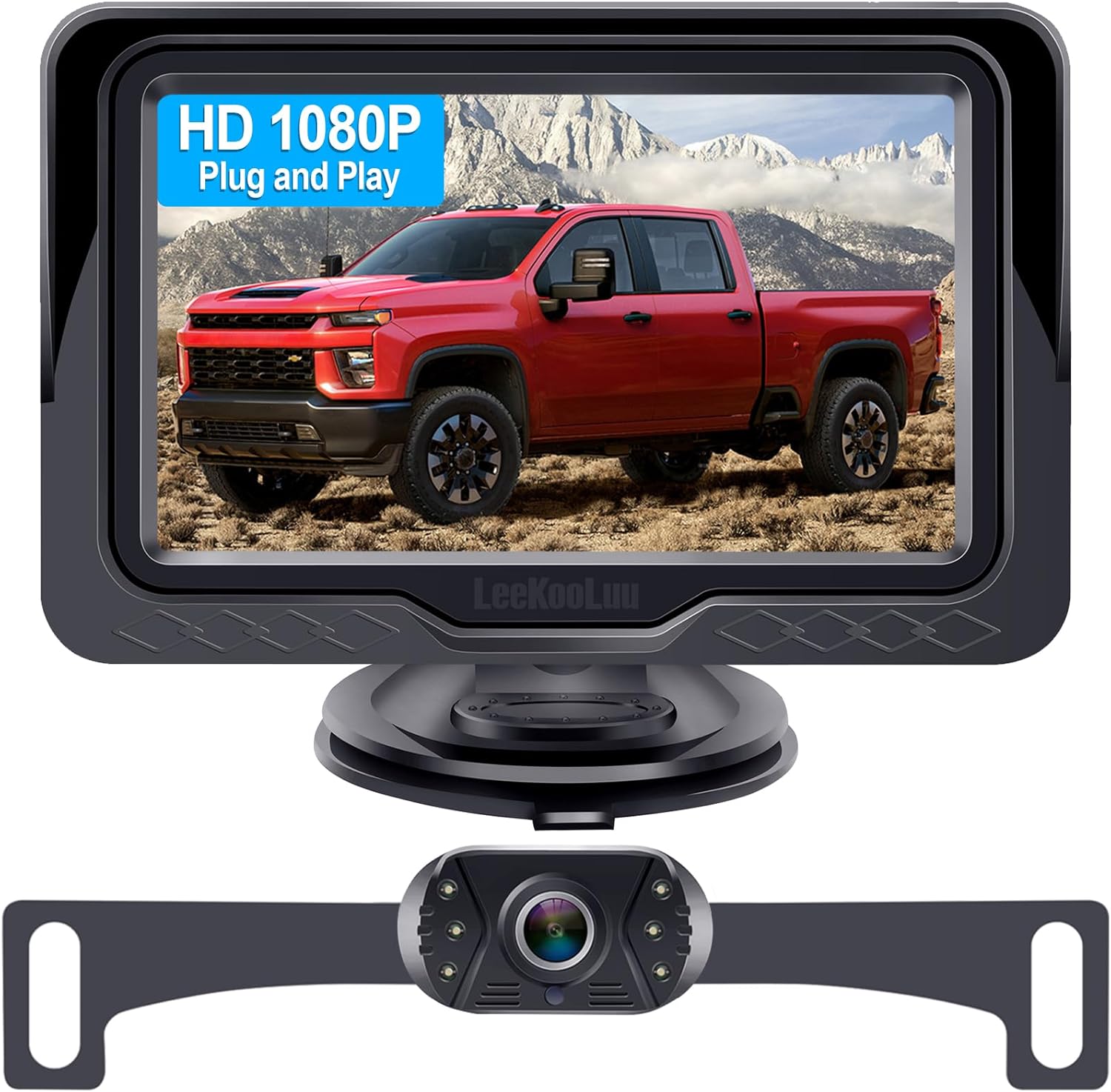
This plug-and-play backup camera system is designed for quick installation and dependable rear visibility on a wide range of vehicles. It delivers HD 1080P color images with stable signal transmission, clear night vision, and an adjustable 4.3-inch monitor for safer reversing in day or night conditions. With a waterproof all-weather design, customizable parking grid lines, and wide-angle viewing, it helps reduce blind spots and makes parking and maneuvering easier.
Benefits of the Electric Parking Brake System
Using the Electronic Parking Brake (EPB) not only enhances safety but also offers a range of benefits that elevate your driving experience. You’ll appreciate how the EPB incorporates several convenience features that make your daily drives smoother and safer:
The Electronic Parking Brake enhances safety and convenience, transforming your daily drives into smoother, more enjoyable experiences.
- Easy Engagement: Just push a button to engage or release the brake, eliminating the hassle of a manual lever.
- Automatic Activation: The EPB engages when you turn off the engine, preventing unexpected rollaways and adding to your safety enhancements.
- Space-Saving Design: With no bulky handbrake lever, you gain more cabin space, contributing to a streamlined interior.
These benefits simplify your driving, especially on inclines, where the risk of rollback is minimized. Plus, advanced features like automatic release when shifting gears enhance overall vehicle performance. Embrace the liberation that comes with modern technology and enjoy a more confident driving experience.
Types of Electric Parking Brake Technologies
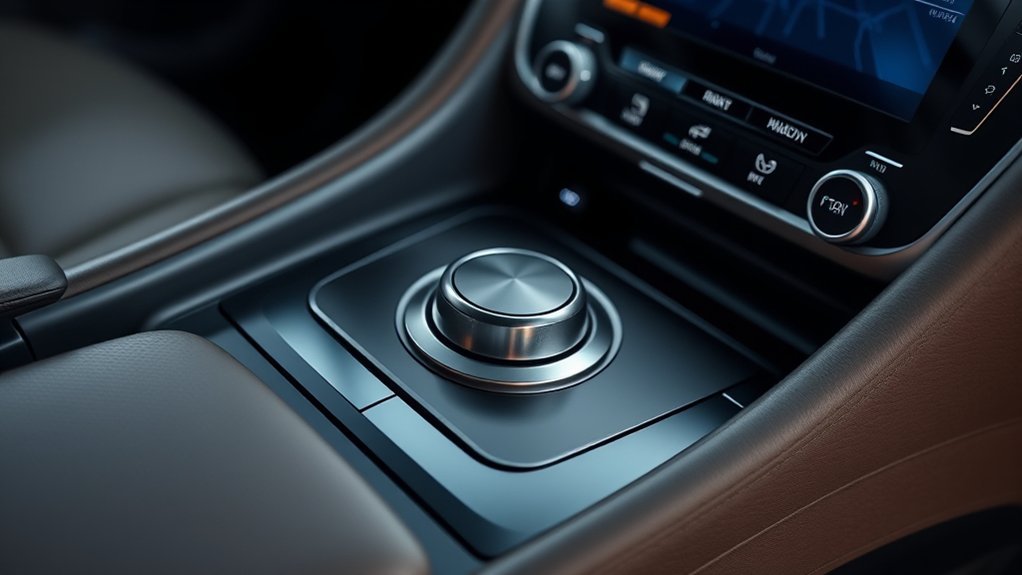
Electric parking brake (EPB) technologies come in two primary types: cable-pull systems and caliper-integrated systems. Cable-pull systems use an electric motor to engage traditional brake cables, making installation easier in various vehicle designs. On the other hand, caliper-integrated designs mount the motor directly on the brake caliper, offering a compact, streamlined solution that reduces overall weight.
Many modern vehicles, including the Hyundai Sonata, enhance safety with automatic engagement of the EPB when you turn off the engine, preventing rollaway incidents. Additionally, these systems often provide automatic release functionality when shifting from park to drive or reverse, improving your driving experience. By integrating electric parking brakes, manufacturers create more cabin space, eliminating the traditional handbrake lever and allowing for a sleek, modern interior. Embracing these technologies not only enhances safety but also liberates your driving environment.
Common Malfunctions of the EPB
Although modern electric parking brakes (EPBs) offer convenience and safety, they’re not without their issues. Understanding common malfunctions can help you maintain your vehicle’s performance. Here are some key EPB indicators to watch for:
- Warning Light: If the EPB warning light stays on after you release the brake, it signals a potential malfunction that needs immediate attention.
- Non-Engagement: If the EPB doesn’t apply when you pull the switch, retrying may help. Persistent issues indicate you should consult an authorized HYUNDAI dealer.
- Unusual Noises: While clicking sounds during operation can be normal, if they’re accompanied by warning lights, it suggests malfunction causes that require investigation.
Why Choose the Sonata With an Electric Parking Brake
Modern vehicles like the Hyundai Sonata are equipped with advanced features that enhance both convenience and safety, and the Electric Parking Brake (EPB) is a prime example. Choosing the Sonata means embracing numerous advantages that elevate your driving experience.
| Sonata Advantages | EPB Convenience |
|---|---|
| Simplified activation | One-button operation |
| Automatic engagement | Engages when the engine is off |
| Space-saving design | No traditional handbrake lever |
| Safety alerts | Malfunction indicator for peace of mind |
| Ideal for urban driving | Easily secures on inclines |
With the EPB, you’ll enjoy a clutter-free cabin and effortless operation. Not only does it enhance safety by preventing unintentional rolling, but it also reflects Hyundai’s commitment to integrating modern technology into your ride. Choosing the Sonata with EPB brings you the liberation of advanced driving features.
Frequently Asked Questions
Can I Drive With an EPB Light On?
You shouldn’t drive with the EPB light on. It indicates potential safety concerns. Check EPB functionality, confirm a system reset, and address any warning indicators promptly to maintain your vehicle’s reliability and safety.
Conclusion
In wrapping up, using the electronic parking brake in your Sonata is a breeze and adds a layer of convenience to your driving experience. With its advanced technology, you’re not just parking; you’re securing peace of mind. Remember, staying informed about its functions and potential issues can save you from a world of trouble down the road. So, embrace this modern feature—it’s the cherry on top of your Sonata’s performance!
[Products Worth Considering]

This brake switch stopper helps restore proper brake light operation by providing a precise pedal stopping point, reducing issues where brake lights stay on. Made from durable nylon, it is designed for easy installation and dependable fitment across many Toyota, Lexus, and Scion models. The multi-pack supply makes it convenient to replace worn stoppers and keep spares on hand for future maintenance.

This brake bleeder bottle is designed to make fluid bleeding easier for one-person use with a built-in check valve and magnetic mount. The flexible hose fits most bleeder valves and helps reduce the chance of air entering the system during service. With a practical fluid capacity and universal fit, it is a handy tool for brake maintenance and repair.
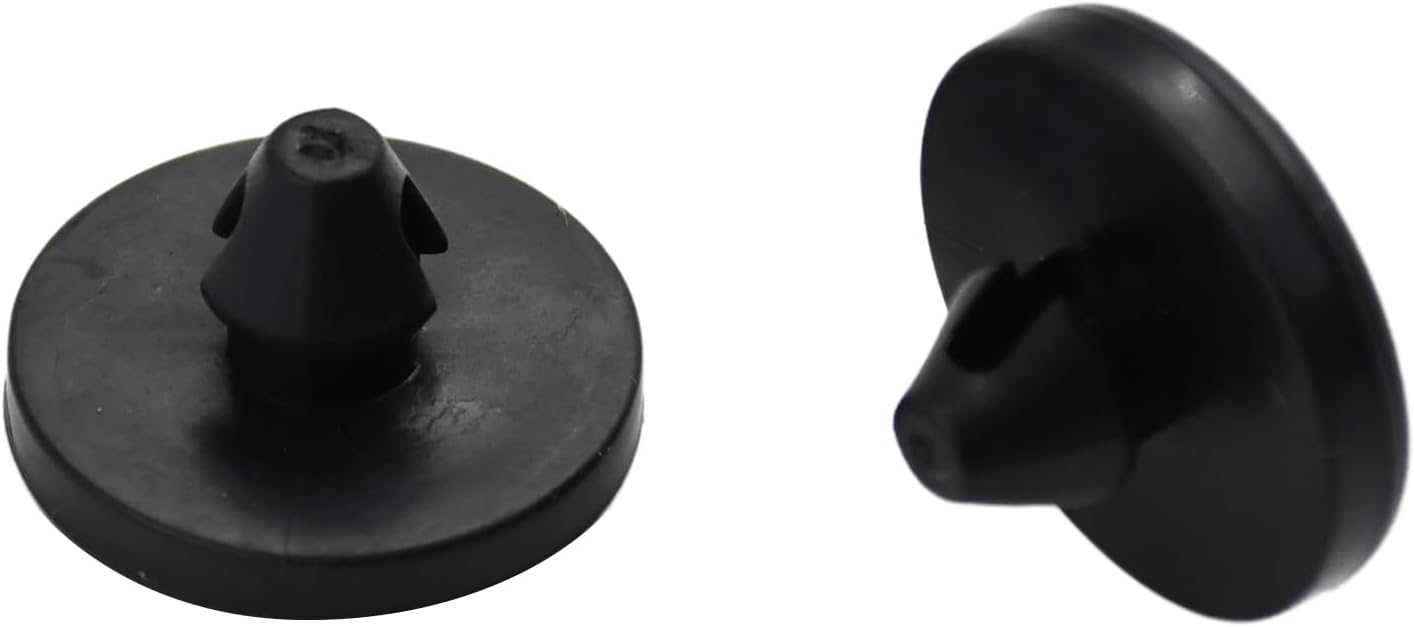
This brake switch stopper set helps restore proper brake pedal and brake light switch operation on a wide range of Toyota, Lexus, and Scion vehicles. Designed as a direct replacement part, it supports reliable pedal contact and can help fix worn or missing stoppers that affect brake light function. The package includes two stoppers for convenient replacement or spare use.