Toyota Supra overheating is most often caused by low coolant from a leak, followed by a failing electric water pump, a faulty thermostat or housing, a cooling fan that is not running, or a clogged radiator.
If the temperature gauge climbs or a coolant warning appears, pull over safely, shut the engine off, and let it cool before checking anything. This guide covers the signs, what to do right now, the likely causes, and how to fix them.
Note: this guide focuses on the current GR Supra (A90/A91, 2020 and newer, with the BMW-sourced B58 and B48 engines). A short section near the end covers the older fourth-generation Supra. Cooling-system details vary by model year, so always compare with your owner’s manual.
| Symptom | Most likely cause | First thing to check |
|---|---|---|
| Gauge rising or warning light on | Low coolant or a leak | Coolant level (engine cold) |
| Sweet smell or steam | Coolant leak or boil-over | Hoses, pipes, expansion tank cap |
| Overheats in traffic or at idle | Cooling fan or airflow problem | Do the fans turn on when hot? |
| Temperature swings up and down | Thermostat or air in the system | Scan for codes, check level |
| Coolant keeps dropping, no puddle | Water pump seal or small leak | Pressure test by a shop |
Signs Your Supra Is Overheating
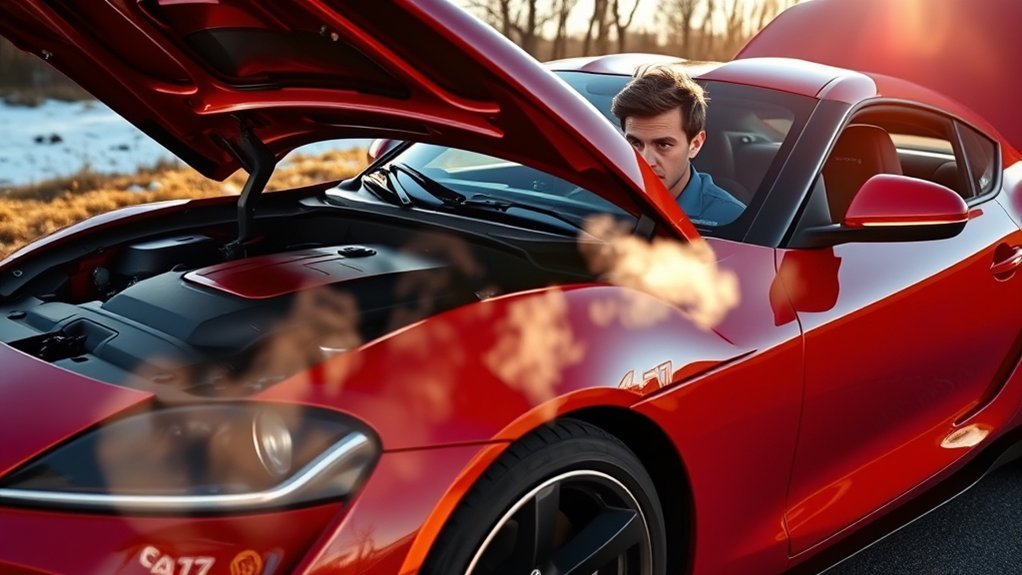
Catching overheating early can save your engine. Watch for these warning signs:
- Temperature gauge climbing above its normal middle position, or a high-temperature warning message.
- Low coolant warning that comes on and goes off, then stays on.
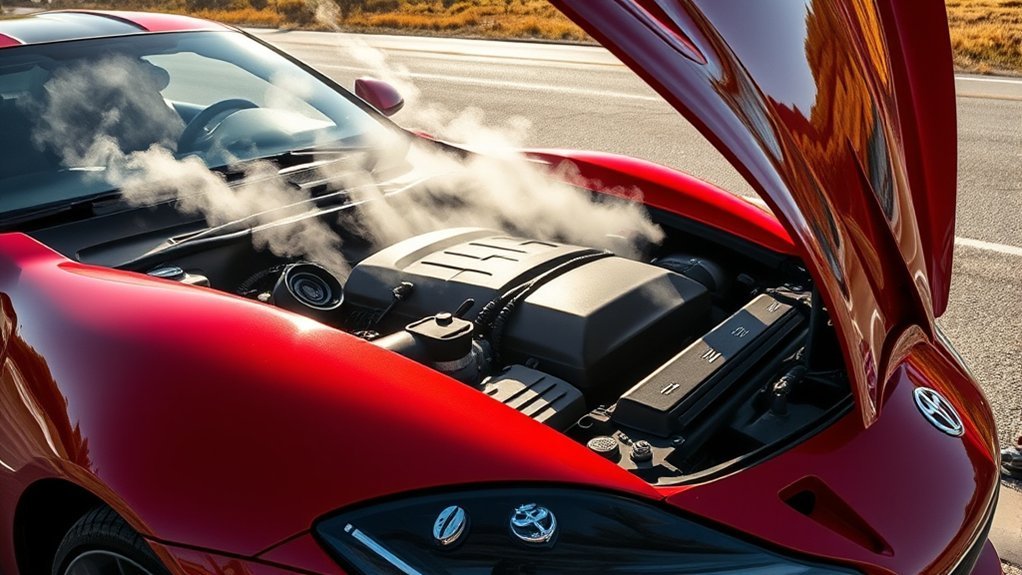
- Steam or a sweet smell from the engine bay, which usually means coolant is leaking or boiling over.
- Gurgling or bubbling from the coolant tank, which can point to air or combustion gases in the system.
- Reduced power or limp mode, because the engine computer protects itself when it gets too hot.
- Pink, blue, or green residue on the ground or on engine parts after you park.
[Products Worth Considering]

This engine water pump kit is designed to help maintain reliable cooling performance across a wide range of compatible Toyota, Lexus, Scion, and Pontiac vehicles. Built with aluminum and tested for leak-free operation, it offers a direct replacement solution that supports engine efficiency and long-term service life. The kit includes a professional water pump and gasket for a convenient installation-ready repair.

This coolant electric water pump is designed as a replacement for select Toyota vehicles, helping maintain proper engine cooling performance and reliable temperature control. Built to OE specifications, it offers fitment support for compatible Avalon, Camry, and RAV4 models with 2.5L L4 engines. It also includes cross-reference part numbers for easier matching and comes with after-sales support for covered defects.

This engine coolant thermostat with seal is designed to help maintain proper engine temperature and support efficient cooling system performance. It is compatible with a wide range of Toyota, Lexus, Ford, Chevrolet, Mitsubishi, Scion, and Pontiac models, making it a versatile replacement choice for many vehicles. With included seal and durable metal-and-rubber construction, it offers a convenient fitment solution for cooling system repairs and maintenance.
What to Do Right Away If Your Supra Overheats
- Get to a safe place. Signal, pull over, and park away from traffic.
- Turn the engine off. If you cannot stop right away, turning the cabin heat to full hot for a short time can pull a little heat out of the engine, but stop as soon as it is safe.
- Wait at least 30 minutes. Do not open the coolant cap or the hood fully while the engine is hot. The system is pressurized.
- Look for obvious problems. Check under the car for puddles and look for steam, wet hoses, or loose caps.
- Check the coolant level when cold. If it is low, you can add the coolant type your owner’s manual specifies to get to a safe place. Do not pour cold water into a hot engine.
- Do not keep driving if it overheats again. Call for a tow. A short drive on an overheating engine can cause expensive damage.
Top Causes of Toyota Supra Overheating
| Cause | What you may notice | Typical fix |
|---|---|---|
| Low coolant or leak (hoses, plastic coolant pipes, connectors) | Dropping level, sweet smell, residue | Pressure test, replace the leaking part, refill and bleed |
| Weak expansion tank cap | Coolant loss with no clear leak | Replace the cap and re-test |
| Electric water pump leak or failure | Puddle, low coolant light, steam, overheating | Replace the pump and seals |
| Thermostat or housing problem | Gauge swings, slow seepage near the housing | Replace the thermostat or housing |
| Cooling fan, relay, or fuse fault | Overheats at idle or in traffic | Test fan operation, replace the failed part |
| Clogged or blocked radiator | Rising temperature at highway speed, debris on the core | Clean the fins or replace the radiator |
| Air trapped after service | Gurgling, sudden temperature spikes | Bleed the system using the correct procedure |
| Head gasket or internal damage | White smoke, milky oil, bubbles in the tank | Engine teardown and repair by a specialist |
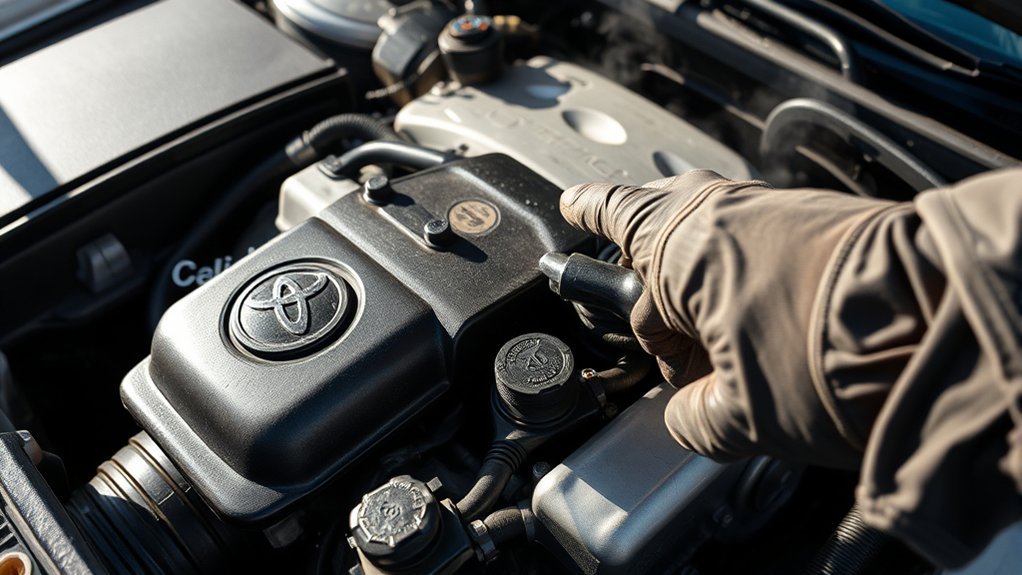
The newer Supra uses an electric water pump instead of a belt-driven one, and the cooling system uses several plastic pipes and fittings. Owners report coolant loss and pump leaks on 2020 and newer cars, so these parts are worth checking first when coolant keeps dropping. Treat those reports as owner-reported rather than a confirmed factory defect.
How to Diagnose Supra Overheating Step by Step
- Start with a cold engine. Never check the level or open the cap when hot.
- Check the coolant level in the expansion tank against the markings.
- Inspect for leaks. Look at hoses, clamps, the expansion tank, the radiator, and the area around the water pump and thermostat housing for wet spots or crusty residue.
- Check the cap. A worn cap can fail to hold pressure and cause coolant loss.
- Test the fans. With the engine warm and the A/C on, the electric fans should spin. If they do not, check the fuse and relay first.
- Scan for codes. Overheating can store codes. Our Supra loss of power guide explains how heat-related limp mode shows up.
- Ask a shop for a pressure test. It finds slow leaks you cannot see and confirms whether the cap and pump hold pressure.
Overheating on an Older Supra (Fourth Generation)
If you own a 1993 to 1998 Supra with the 2JZ engine, the same basics apply, but age adds other problems. Old rubber hoses and plastic radiator end tanks can crack, the radiator can clog with scale after years in service, and the thermostat can stick.
On cars with a belt-driven fan and fan clutch, a weak clutch can cause overheating in traffic. Modified, high-boost cars also need a stronger cooling setup than stock. Because these cars are decades old, a full cooling system refresh is often the smartest fix.
[Products Worth Considering]

The OEMTOOLS coolant vacuum refill kit helps quickly refill a vehicle’s cooling system while removing trapped air that can lead to overheating and engine damage. It also performs vacuum leak tests to help confirm system integrity and reduce the chance of repeat repairs. With multiple bushings, adapters, and a tapered cone seal, it is designed for flexible use on many radiator and coolant bottle necks.

KUST Custom Fit Trunk Mat is designed for 2020-2026 Toyota GR Supra models to help protect the cargo area from dirt, spills, and daily wear. Its TPE construction offers a fresh, odor-free feel, while the raised-edge design adds extra coverage for all-weather protection. Lightweight and easy to remove, it makes cleaning simple and helps keep the trunk neat and protected.

This professional water pump kit is designed as a direct OE replacement for select Toyota and Lexus 3.5L V6 vehicles, helping restore reliable engine cooling performance. Built to strict quality standards and tested for leak-free operation, it includes the necessary gasket for easier installation and a secure fit. It offers a practical upgrade for drivers seeking dependable cooling system maintenance and long-lasting performance.
How to Prevent Supra Overheating
- Check the coolant level monthly, always with the engine cold.
- Follow the coolant service schedule in your owner’s manual and use only the specified coolant.
- Look at hoses, pipes, and clamps whenever the hood is open, and fix small leaks early.
- Keep the radiator and front grille clear of leaves, bugs, and road debris.
- On track days, watch the temperature gauge and do a cool-down lap before shutting the engine off.
- Do not ignore a low coolant light, even if it goes away.
When to Call a Mechanic or Tow Truck
Stop driving and get professional help if the gauge reaches red, steam is coming from under the hood, the car overheats again after a top-up, coolant disappears with no visible leak, you see white exhaust smoke, or the oil looks milky. If your Supra is still under Toyota’s warranty, ask the dealer to inspect it first and check your warranty booklet for coverage and any open recalls.
Related Supra guides: Toyota Supra misfire causes and fixes, Toyota Supra rough idle causes and fixes, and Toyota Supra turbo lag symptoms.
Frequently Asked Questions
Can I keep driving my Supra if it starts to overheat?
No. Pull over safely and shut the engine off as soon as you can. Driving with the gauge high or a coolant warning on can warp parts and damage the head gasket within minutes. If the gauge hit the red, have the car towed instead of risking a short drive.
How long should I wait before opening the hood or the coolant cap?
Let the engine cool for at least 30 minutes before you open the hood fully, and never open the coolant cap on a hot engine. The system is under pressure and hot coolant can spray out and cause serious burns.
Why is my Supra losing coolant but I see no leak?
Small leaks can burn off or evaporate on hot parts before they reach the ground. Common culprits are a weak expansion tank cap, a seeping electric water pump seal, thermostat housing, or a coolant pipe connection. A shop can pressure-test the system to find them.
What coolant does a Toyota Supra use?
Use the coolant type and mix listed in your owner’s manual or recommended by Toyota for your model year. Mixing different coolant types or topping off with plain water over the long term can reduce corrosion protection and boiling resistance.
Can overheating permanently damage a Supra engine?
Yes. Repeated or severe overheating can warp the cylinder head, blow the head gasket, and damage the engine internals. Warning signs include white exhaust smoke, milky oil, bubbling in the coolant tank, and coolant disappearing quickly.
Conclusion
Most Toyota Supra overheating problems start with a coolant leak, a worn cap, or a failing electric water pump. Act fast, stop driving if the gauge rises, and check the coolant only when the engine is cold. When in doubt, have the cooling system pressure-tested before small leaks turn into engine damage.
[Products Worth Considering]

This all-in-one radiator pressure tester and vacuum refill kit helps diagnose cooling system leaks, measure temperature, and refill coolant efficiently. It includes a wide range of adapters for broad vehicle compatibility, plus a pressure tester, vacuum refiller, thermometer, and storage case for organized use. Designed for DIY mechanics and professionals, it simplifies coolant service while reducing guesswork and unnecessary repairs.

This coolant thermostat is a direct replacement designed for a wide range of Toyota, Lexus, and Scion vehicles. It helps maintain proper engine temperature, supports reliable cooling system performance, and installs easily without special tools or programming. Built to meet OEM standards, it offers durable, stable operation and dependable fitment for compatible models.
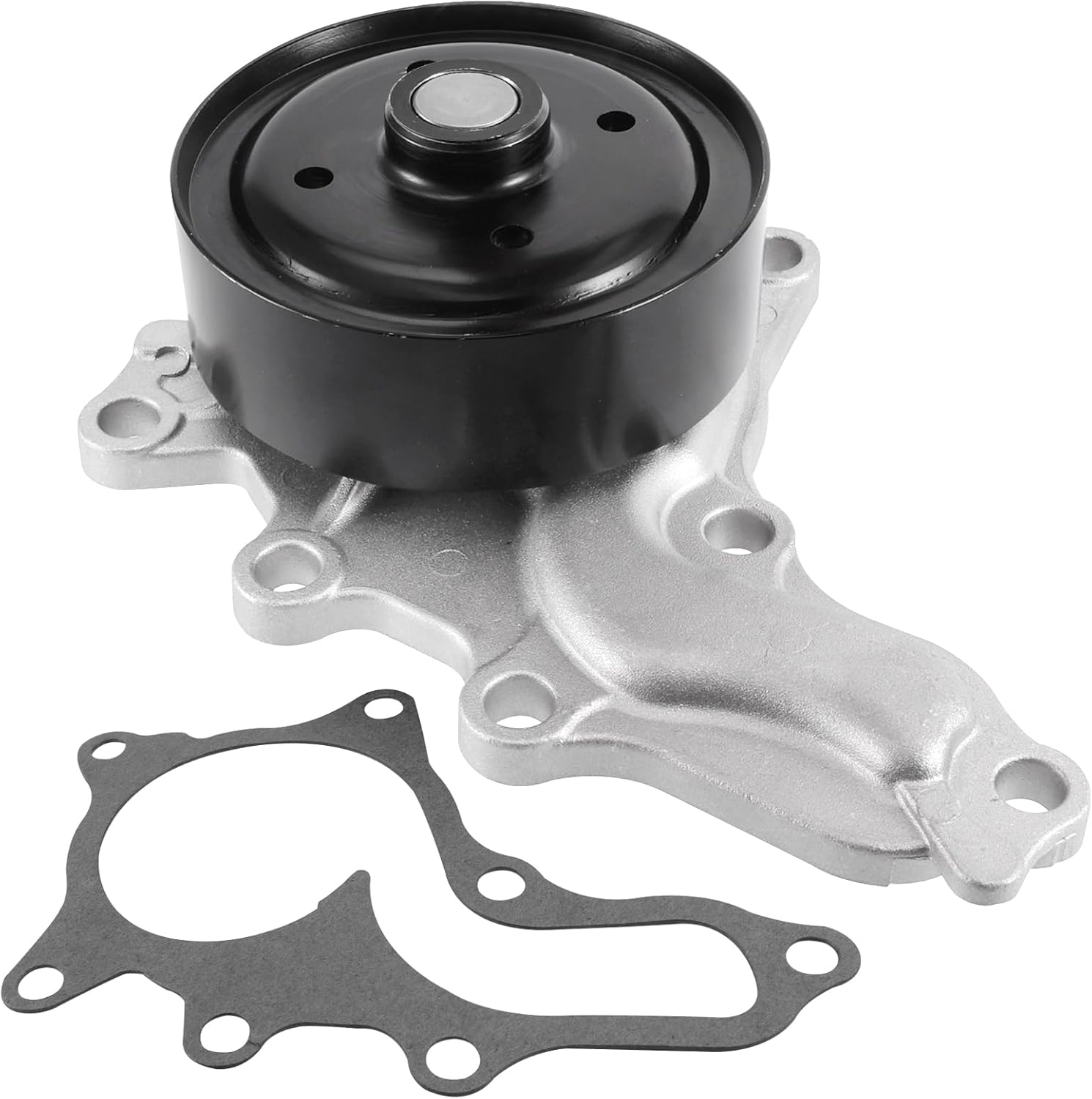
This AW6252 water pump is designed for a wide range of Toyota, Scion, and Lexus applications, helping maintain reliable engine cooling across compatible models. It features case hardened bearings for durability, a graphite-impregnated gasket for a secure seal, and 100% function and leakage testing for dependable performance. Built in TS16949 certified facilities, it offers a strong replacement option backed by service support.