In your Hyundai Sonata, traction control and Electronic Stability Control (ESC) work together but solve different problems. Traction control limits drive-wheel spin when you accelerate, while ESC helps keep the whole vehicle following the direction you are steering during a skid or sudden maneuver. Hyundai lists ESC with Traction Control Support (TCS) on the current Sonata, so the two functions share sensors, braking hardware, and the ESC OFF control even though their jobs are different.
Last updated: August 31, 2026 — ESC/TCS operation, current Sonata equipment, warning-light behavior, source links, FAQ content, and schema reviewed.
Quick Answer
Traction control in a Sonata reduces wheel spin during acceleration. Stability control, called ESC by Hyundai, helps correct a loss of direction by braking individual wheels and adjusting engine power. Keep both functions on during normal driving, including rain and snow. Use ESC OFF only briefly when Hyundai’s instructions call for it, such as helping free a vehicle stuck in snow or mud. The exact ESC OFF button behavior varies by Sonata model year, so confirm it in your owner’s manual.
Key Takeaways
- Traction control focuses on drive-wheel spin when you press the accelerator.
- Electronic Stability Control (ESC) focuses on keeping the Sonata near the path you are steering when the car begins to understeer, oversteer, or skid.
- A blinking ESC indicator normally means ESC is operating. A steady ESC indicator can indicate a malfunction, while an ESC OFF indicator means the system has been manually limited or disabled.
- On many later-model Sonatas, a short ESC OFF press limits traction-control engine management while brake-based ESC control remains available. Holding the button for more than three seconds can disable both functions. Older model years can work differently.
- Turning ESC off does not disable the Sonata’s standard braking system or ABS, but it removes some automatic traction and stability assistance.
At a Glance
| Time Required | A few minutes for basic light and button checks; diagnosis may take longer |
| Difficulty | Easy for basic operation; moderate for warning-light troubleshooting |
| Tools Needed | Owner’s manual and tire-pressure gauge; an ABS/ESC-capable scan tool if a warning light stays on |
| Normal Setting | Traction control and ESC on |
What Is Traction Control and How Does It Work?

Traction control is designed to help your Sonata maintain grip when a drive wheel begins spinning faster than available road traction allows. This can happen when you accelerate on wet pavement, snow, ice, or another loose or slippery surface.
When the system detects excessive wheel spin, it can reduce engine output and use the vehicle’s braking system to control slip. Hyundai currently lists Electronic Stability Control with Traction Control Support (TCS) as standard equipment on the 2026 Sonata.
You may notice reduced accelerator response when the system intervenes. Hyundai’s ESC guidance explains that engine RPM may not rise as expected on a slippery road because the system is trying to maintain traction and stability. That behavior by itself does not mean the engine or transmission has failed.
Note: Traction control cannot create grip where the tires have none. Worn tires, incorrect tire pressure, mismatched tires, excessive speed, and abrupt steering or throttle inputs can still cause the Sonata to lose traction.
What You Need to Know About Stability Control
Hyundai calls its stability-control system Electronic Stability Control, or ESC. Instead of focusing only on wheel spin during acceleration, ESC compares your steering input with the direction the vehicle is actually moving.
If the Sonata begins to understeer, oversteer, or otherwise move away from the intended path, ESC can apply braking force to selected wheels and adjust engine output. This creates a corrective effect that can help the car follow your steering input.
ESC is also covered by U.S. Federal Motor Vehicle Safety Standard No. 126. 49 CFR § 571.126 defines ESC as a computer-controlled system that can apply individual wheel brake torque, monitor steering input, limit understeer and oversteer, and modify engine torque when needed to assist the driver.
In the research underlying NHTSA’s ESC rulemaking, ESC was associated with a 34% reduction in single-vehicle crashes for passenger cars and 59% for SUVs.
Warning: ESC cannot overcome the laws of physics. Excessive speed in turns, abrupt maneuvers, hydroplaning, and inadequate tire grip can still cause a collision or loss of control.
Traction Control vs. Stability Control: The Simple Difference
The simplest distinction is this: traction control manages wheel spin while you accelerate, while stability control manages the vehicle’s direction when it starts to skid or deviate from your steering path. The systems share hardware and work together, but they respond to different problems.
| Feature | Traction Control | Stability Control / ESC |
|---|---|---|
| Main job | Limits drive-wheel spin | Helps correct skids and directional instability |
| Typical trigger | Accelerating with too little grip | Vehicle path no longer matches steering input |
| How it helps | Adjusts engine output and wheel slip | Brakes selected wheels and may adjust engine torque |
| What you may notice | Reduced acceleration or power intervention | Blinking ESC light, brake intervention, or reduced engine response |
| Normal setting | On | On |
[Products Worth Considering]

This smart color coded tire tread depth gauge makes it easy to check tread wear at a glance with clear red, yellow, and green ranges. Calibrated from 0 to 1 inch in 1/32 inch increments, it helps you quickly assess tire condition for safer driving and timely replacements. The pocket clip design makes it convenient to carry and use on trucks, motorcycles, cars, and other passenger vehicles.
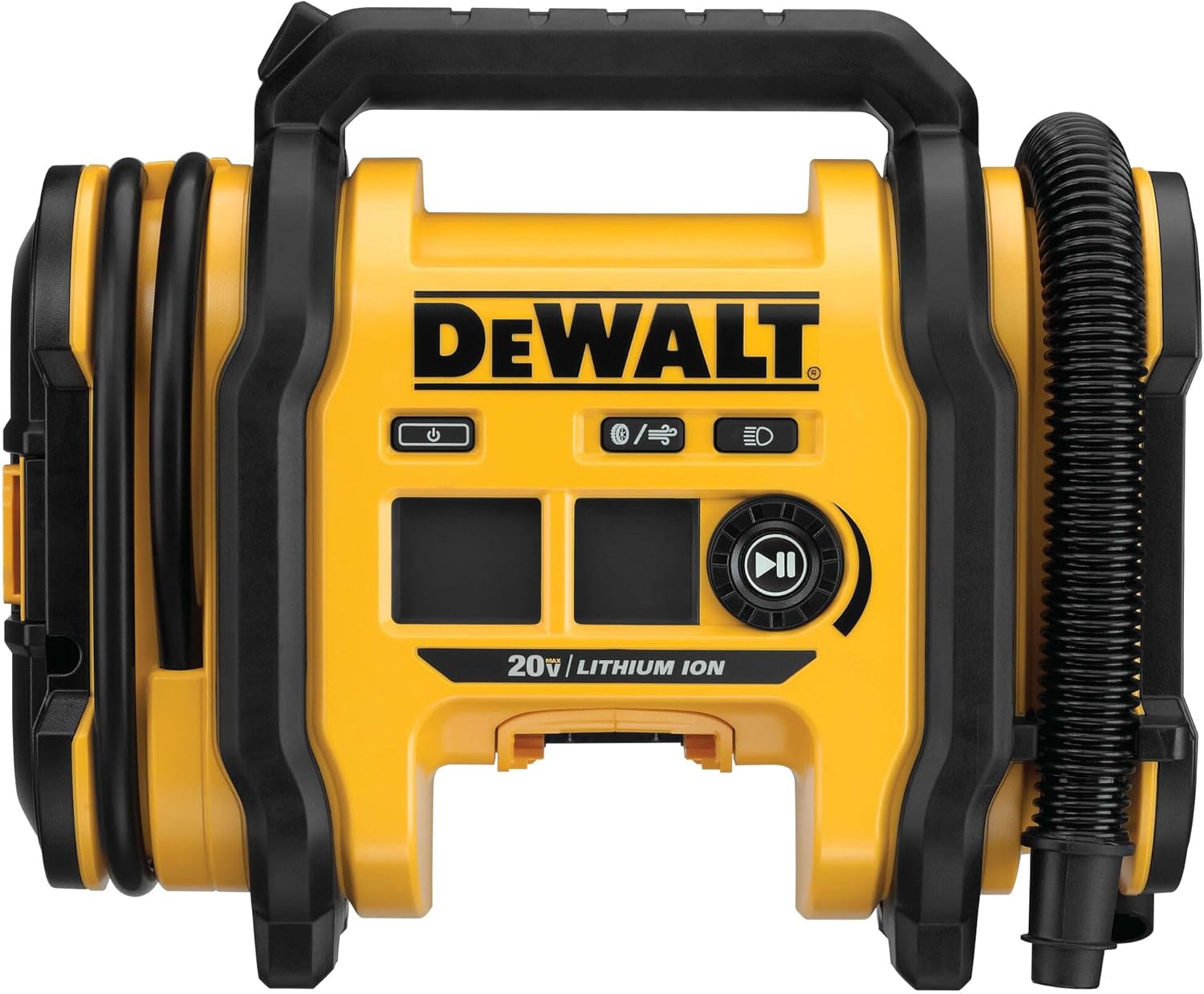
This DEWALT portable tire inflator delivers versatile inflation for cars, bikes, sports gear, and larger inflatables with automatic shutoff for accurate pressure control. It offers three power options for flexible use at home, on the road, or on the jobsite, plus onboard accessory storage, a secure threaded chuck, and an LED light for added convenience. High-volume inflation and deflation modes help speed up setup and takedown for mattresses, rafts, and other inflatables.

The ANCEL AD410 PRO combines engine diagnostics and 12V battery testing in one easy-to-use tool, helping you read and clear check engine codes while checking battery health, cranking, and charging performance. It also provides live data, freeze frame details, and I/M readiness checks to help you diagnose issues faster and prepare for emissions testing. With plug-and-play operation, a clear screen, and broad vehicle compatibility, it is a practical solution for home mechanics and everyday drivers.
How Traction Control and Stability Control Interact
In a Sonata, traction control and ESC are closely integrated. Both use information from vehicle sensors and can interact with engine and braking controls. That is why the same ESC OFF button can change both traction-control and stability-control behavior.
System Integration Benefits
Imagine accelerating while turning onto a wet road. If a drive wheel begins to spin, traction control can reduce the unwanted slip. If the Sonata then begins moving away from the path you are steering, ESC can use individual-wheel braking and engine intervention to help restore directional stability.
Hyundai also uses the term Vehicle Stability Management (VSM). VSM is a function of ESC that helps the vehicle remain stable when traction changes suddenly during acceleration or braking. It works with the stability system rather than replacing it.
You do not need to press the ESC button when the system activates. Keep your inputs smooth, reduce speed when conditions require it, and let the system operate.
Response to Slippery Conditions
On snow, ice, rain, gravel, or mud, the Sonata may respond less aggressively to the accelerator when traction is poor. ESC may also blink its indicator while stabilizing the vehicle. These responses can be normal signs that the system is intervening.
Pro Tip: If the ESC indicator blinks while you are driving, reduce speed and use smooth steering and throttle inputs. Hyundai specifically warns against turning ESC off while the indicator is blinking.
What the ESC OFF Button Does in a Sonata
The ESC OFF button does not behave identically on every Sonata generation. On many later-model Sonatas, Hyundai uses two ESC OFF states:
- Brief press: The traction-control engine-management function is disabled or limited while ESC’s brake-control function remains available.
- Press and hold for more than 3 seconds: Both the traction-control and brake-based stability-control functions are disabled, and a warning chime may sound.
Later-model Sonata manuals also state that ESC automatically returns to its normal on state after the vehicle is restarted. Because older model years can use different button logic, confirm the sequence for your exact Sonata through Hyundai’s Manuals & Warranties resource or the owner’s manual supplied with your vehicle.
| ESC State | What Changes on Many Later Sonatas | Best Use |
|---|---|---|
| Normal / ESC ON | Traction and stability functions are available | Normal road driving |
| Short ESC OFF press | Traction-control engine management is disabled or limited; brake-based ESC control remains | Only when your owner’s manual calls for it |
| Hold ESC OFF for more than 3 seconds | Traction and stability-control functions are disabled on many later models | Brief special-use situations only |
| Restart vehicle | ESC normally returns to its default on state on later models | Return to normal operation |
Turning ESC off does not turn off the standard brake system or ABS. However, it removes some of the automatic traction and skid-control assistance available when ESC is on.
Warning: Never turn off ESC while the ESC indicator is blinking. Hyundai warns that doing so can contribute to loss of vehicle control.
[Products Worth Considering]

Turn your iPhone, Android device, or Windows PC into a professional-grade diagnostic scan tool with this Bluetooth OBD2 adapter. It is designed for broad vehicle compatibility and supports popular apps for deeper diagnostics, live data, and code clearing. Built-in protections and firmware updates help keep your vehicle and scanner safe while delivering reliable performance.
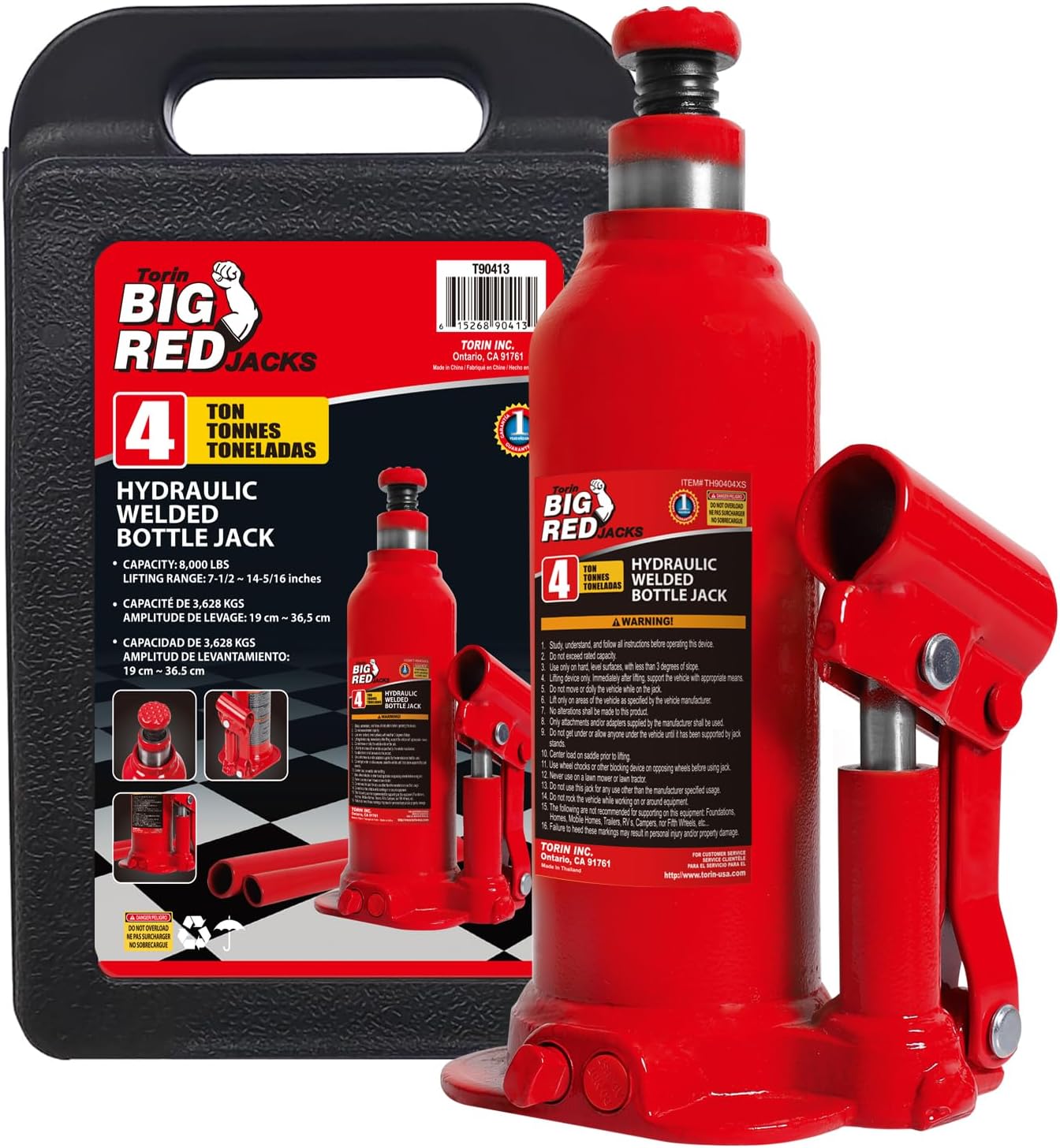
The Torin Big Red hydraulic bottle jack is built for residential and commercial lifting tasks, offering a stable wide base and rugged steel construction for dependable performance. Its smooth pressure pump, adjustable screw top extension, and serrated saddle make lifting easier and more secure, while the included carrying case simplifies storage and transport. Designed to meet ASME safety standards, it is ideal for vehicles, machinery, and other heavy-duty applications.

Applicable for Hyundai Sonata 2.0L 2.4L 2011-2015
When to Turn Off Traction Control
Leave traction control and ESC on for normal road driving, including most rain, snow, and ice conditions. The main Hyundai-documented road-use exception is a vehicle stuck in snow or mud, where temporarily stopping ESC intervention can help preserve wheel torque long enough to free the car.
Situations to Disable Traction Control
Consider ESC OFF only briefly when:
- Your Sonata is stuck in snow or mud and ESC intervention is preventing it from moving.
- You are following the recovery procedure in the owner’s manual for your exact model year.
- A qualified technician needs ESC disabled for a specific diagnostic or service procedure.
Turn ESC back on as soon as the vehicle is free. On many later Sonatas, restarting the vehicle also restores ESC to its normal default state.
Alternative Driving Techniques
Before disabling traction control, try gentle acceleration and keep the steering as straight as practical. Clear packed snow or mud away from the tires when it is safe to do so. If your exact Sonata has a drive mode intended for slippery conditions, use it according to that model’s owner’s manual.
Avoid prolonged wheel spin. Hyundai warns against allowing wheels on one axle to spin excessively when ESC, ABS, and parking-brake warning lights are present because drivetrain damage can result.
When Should Stability Control Stay On?
ESC should remain on during normal public-road driving. Rain, snow, ice, emergency lane changes, and slippery corners are not reasons to switch it off; they are conditions where stability assistance may be especially useful.
Hyundai specifically identifies brief stuck-vehicle recovery and dynamometer operation as situations where ESC OFF may be appropriate. Outside a documented special-use situation, keep ESC active.
- Keep ESC on while driving on wet or icy public roads.
- Keep it on for normal acceleration, merging, and cornering.
- Do not switch it off simply because the ESC indicator begins blinking.
- Do not use ESC OFF as a substitute for proper tires or reduced speed.
- Restore ESC after any temporary recovery or service procedure.
Common Triggers for Stability Control Light Activation
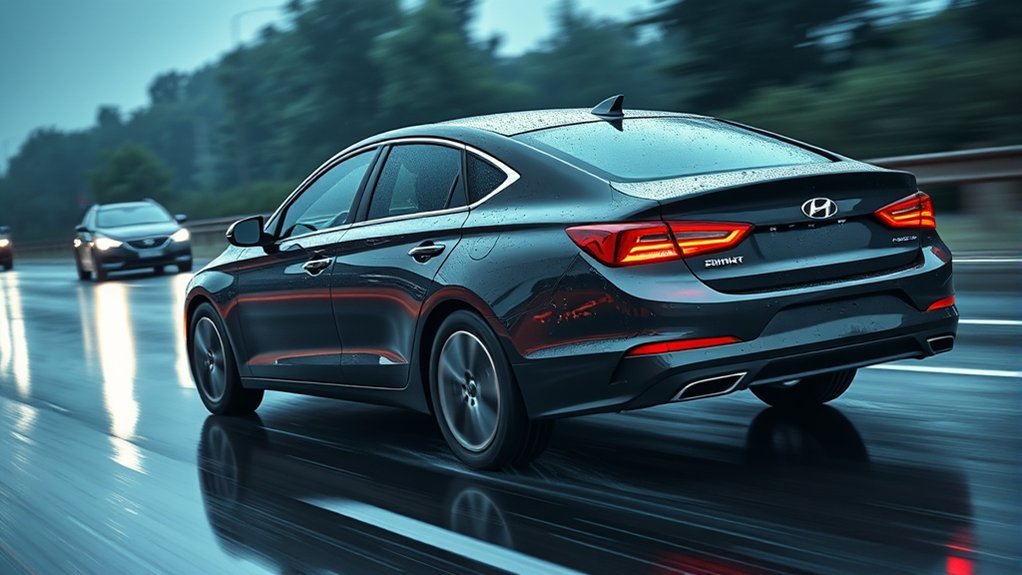
First identify which ESC light is on and whether it is blinking or steady. Hyundai assigns different meanings to these states.
| Light Behavior | Likely Meaning | What to Do |
|---|---|---|
| ESC indicator blinks while driving | ESC is actively operating | Slow down and use smooth steering and throttle |
| ESC indicator stays on | The ESC system may have a malfunction | Arrange inspection and ESC-capable diagnosis |
| ESC OFF indicator stays on | ESC or traction-control operation has been manually limited or disabled | Return the system to normal for regular driving |
Hyundai specifically warns that wheels and tires of different sizes can cause ESC malfunction. If the ESC light remains on, also check whether ABS, brake, steering, or other chassis warning lights are present. A stored ABS/ESC diagnostic code may point to a sensor, wiring, brake-control, or related electrical fault, but the dashboard light alone does not identify which component needs replacement.
For a deeper ESC-only diagnostic explanation, see the Hyundai Sonata ESC warning-light guide. This page focuses on the difference between traction control and stability control and what the shared ESC OFF control changes.
What to Do if the Traction or Stability Control Light Stays On
If the ESC or traction-control light remains on, work from the simplest verified checks toward proper diagnosis:
- If the ESC indicator is blinking: Do not switch the system off. Reduce speed and drive smoothly because ESC is operating.
- If the ESC OFF indicator is illuminated: Return ESC to its normal on state according to your model-year manual.
- If the ESC indicator stays illuminated: Confirm that all four wheels and tires are the appropriate size for the vehicle.
- If ABS, brake, steering, or multiple warning lights are also present: Avoid aggressive driving and arrange an inspection promptly.
- If the warning returns after restarting: Use an ABS/ESC-capable diagnostic tool or have a qualified technician read the chassis-system fault codes.
Note: A basic engine-only OBD-II reader may not access the ABS/ESC module. Confirm scanner coverage before relying on it for stability-control diagnosis.
[Products Worth Considering]

OBD2 SCANNER & BATTERY TESTER IN ONE – The INNOVA 5210 OBD2 scanner not only reads and clears check engine light and ABS codes (coverage may vary) but also functions as a car battery tester to check alternator health and prevent unexpected breakdowns.

[ Wide Vehicle Compatibility ] This OBD2 diagnostic scanner works for all vehicles after 1996 (US-based) / 2002 (EU-based) / 2008 (Asia-based) that have a standard 16PIN OBD2 port. Supports all OBDII protocols including KWP2000, ISO9141, J1850 VPW, J1850 PWM, and CAN. If your car has a check engine light and an OBD2 port, this car code reader is designed to work. Please confirm vehicle compatibility before purchase. ZM201 OBD2 scanner diagnostic tool powered directly from the OBDII port — no battery or charging required.

【AI-Powered Vehicle Diagnosis】Experience smarter car diagnostics with the V800 AI OBD2 Scanner. Featuring AI fault code analysis and intelligent Q&A, it helps explain diagnostic results, analyze possible causes, and provide repair suggestions. With a built-in database of 200,000+ fault codes, V800 makes complex vehicle problems easier to understand for both DIY users and professionals.
Safe Driving Tips When Traction Is Low
Traction control and ESC work best when the tires have usable grip and the driver gives the systems predictable inputs. Slow down before curves, increase following distance, accelerate gradually, and avoid abrupt steering. Worn or inappropriate tires can overwhelm the assistance available from either system.
If the car begins to slide, reduce aggressive throttle input and steer smoothly toward the path you need to follow. If the ESC indicator blinks, let the system work rather than immediately pressing ESC OFF.
Frequently Asked Questions
Can I drive my Sonata if the traction control or ESC light is on?
It depends on the light. A blinking ESC indicator normally means the system is actively working, so reduce speed and drive smoothly. If the ESC indicator stays on, Hyundai says the system may have a malfunction and should be inspected. If the ESC OFF indicator is on, return ESC to its normal setting for regular road driving.
What is the difference between the ESC light and the ESC OFF light?
The ESC indicator blinks when stability control is operating and may stay illuminated when the system has a malfunction. The separate ESC OFF indicator illuminates when ESC or part of its traction-control function has been manually disabled or limited.
How do you fix a traction or stability control light?
First determine whether the light is blinking, steady, or accompanied by the ESC OFF indicator. Confirm ESC was not intentionally disabled and check that the wheels and tires are the appropriate matching size. If the ESC indicator remains on after restarting, have the ABS/ESC system scanned for stored fault codes before replacing parts.
Should traction control be on or off in snow?
Keep traction control and ESC on for normal snowy-road driving. Hyundai recommends using ESC OFF only briefly when a vehicle is stuck in snow or mud and the system’s intervention is preventing the wheels from producing enough torque to get free. Turn ESC back on after recovery.
Does turning off ESC turn off ABS?
No. Hyundai states that turning ESC off does not disable ABS or the standard brake system. However, traction-control and stability-control assistance may be reduced or disabled depending on the ESC OFF state selected.
Conclusion
Traction control and stability control work together in your Sonata, but they are not the same function. Traction control manages drive-wheel spin during acceleration, while ESC helps keep the vehicle following your intended path during a skid or sudden maneuver. Leave both systems active for normal driving, including rain and snow. If you need ESC OFF to free the car from snow or mud, use it only briefly and follow the instructions for your exact model year. A blinking ESC light means the system is working; a steady ESC warning deserves diagnosis.
Sources
- Hyundai USA — 2026 Sonata Features & Specifications — supports current Sonata ESC with Traction Control Support equipment.
- Hyundai USA — Manuals & Warranties — provides the official route for owners to confirm model- and VIN-specific operating instructions.
- 2025 Hyundai Sonata Owner’s Manual — supports later-model Sonata ESC operation, ESC OFF states, restart behavior, warning lights, tire-size warning, dynamometer guidance, ABS behavior, and VSM.
- 49 CFR § 571.126 — Electronic Stability Control Systems for Light Vehicles — supports the federal ESC definition and required operating characteristics.
- NHTSA Final Rule — FMVSS No. 126 Electronic Stability Control Systems — supports the historical 34% passenger-car and 59% SUV single-vehicle crash-reduction estimates and ESC regulatory background.
- IIHS-HLDI — Life-saving Benefits of ESC Continue to Accrue — provides independent ESC safety-effectiveness context.