When comparing GDI and MPI fuel injection in the Hyundai Sonata, you’ll notice distinct differences. GDI offers improved power and efficiency but requires more maintenance due to carbon buildup. MPI, on the other hand, generally provides better fuel economy and fewer carbon-related issues, leading to lower maintenance costs. Understanding these aspects helps you choose the right engine for your needs. Keep exploring to see how each system performs in real-world scenarios and maintenance insights.
What Are GDI and MPI Fuel Injection Systems?
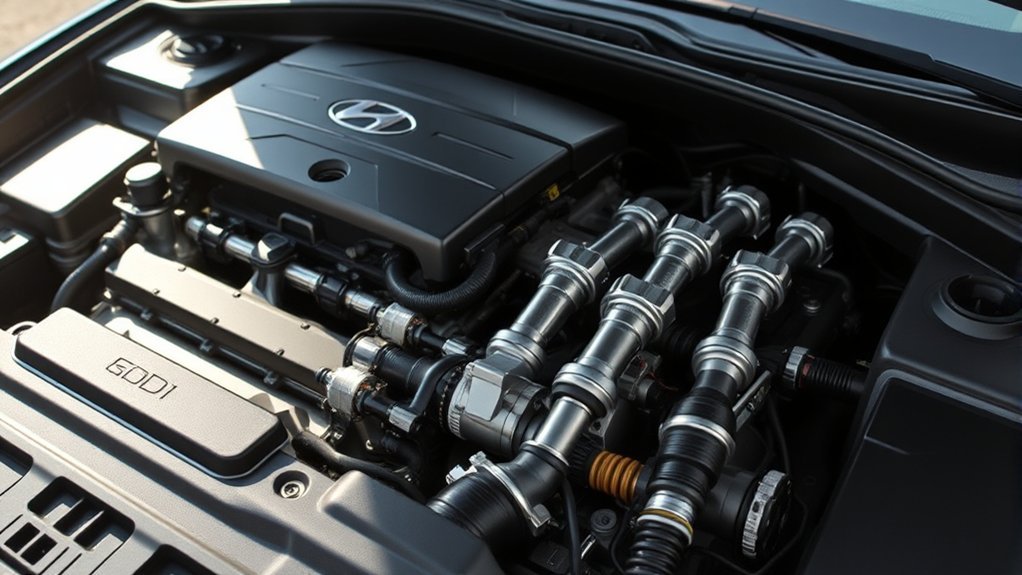
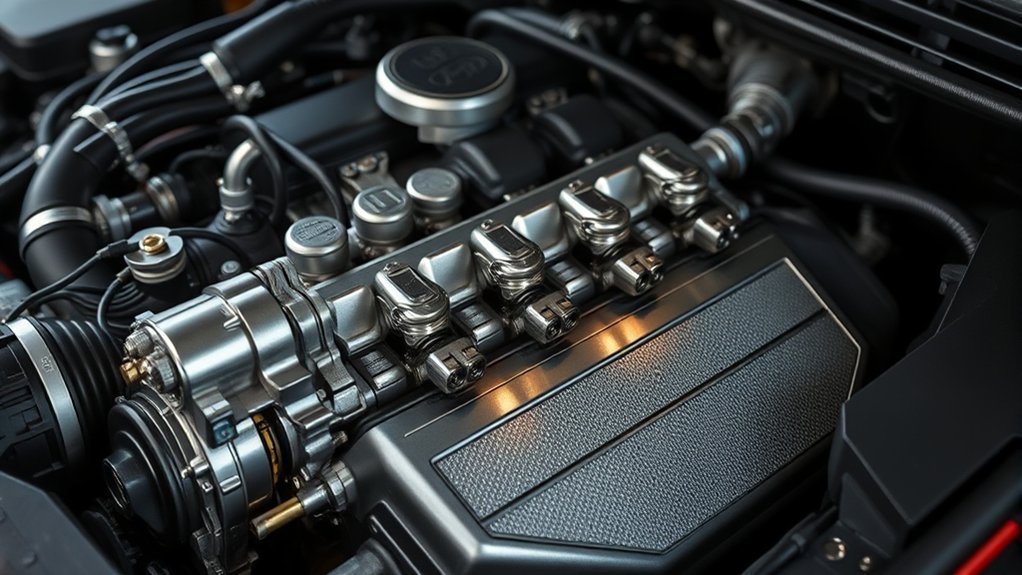
Fuel injection systems are essential to modern engine performance, and two prominent types are GDI (Gasoline Direct Injection) and MPI (Multi-Point Fuel Injection). GDI systems inject fuel directly into the combustion chamber, enhancing fuel efficiency and power output. This direct approach allows for more precise control of the fuel-air mixture, optimizing combustion. However, it can lead to carbon buildup on intake valves, as fuel doesn’t wash over them. In contrast, MPI systems distribute fuel to each cylinder through individual injectors, ensuring a uniform mixture while simplifying maintenance. This setup minimizes carbon issues, making it a practical choice for many drivers. In Hyundai vehicles like the Sonata, the choice between GDI and MPI engines varies by model year and trim level, influencing both performance characteristics and maintenance practices. Understanding these fuel injection systems is vital for effective engine design and anticipating future maintenance needs.
Key Differences Between GDI and MPI Technology
Understanding the distinctions between GDI and MPI technology is key to choosing the right engine for your needs. Here’s a breakdown of the key differences that impact fuel injection and engine performance:
Understanding the differences between GDI and MPI technology is essential for selecting the best engine for your requirements.
- Fuel Delivery Method: GDI injects fuel directly into the combustion chamber, enhancing efficiency and power. MPI delivers fuel to each intake port prior to combustion.
- Carbon Buildup: GDI engines tend to accumulate more carbon on intake valves due to a lack of fuel washing over them, while MPI engines typically face fewer carbon-related issues.
- Performance: Hyundai’s GDI engines, like the 1.6L and 2.0L variants, usually provide superior power output and throttle response compared to MPI engines, which are found in some earlier models like the 2.4L.
Advantages of GDI in the Hyundai Sonata
While many vehicles rely on traditional fuel injection systems, the Hyundai Sonata’s GDI (Gasoline Direct Injection) technology stands out for its numerous advantages. GDI performance is markedly enhanced, delivering fuel directly into the combustion chamber, which leads to superior atomization and combustion efficiency. This results in a higher power output, making your Sonata quicker and more responsive than models equipped with MPI systems.
Moreover, GDI technology considerably reduces harmful emissions, optimizing combustion for a cleaner environmental footprint. The higher compression ratio in GDI engines further increases thermal efficiency, contributing to overall performance improvements. However, to maintain these benefits, regular maintenance, including carbon cleaning, is essential to combat potential carbon buildup.
Benefits of MPI Fuel Injection for Sonata Owners
If you own a Hyundai Sonata with MPI fuel injection, you’re likely enjoying significant fuel efficiency advantages due to improved combustion. This system not only reduces maintenance costs by minimizing injector issues but also enhances engine longevity, making it a reliable choice for daily driving. Overall, MPI technology contributes to a smoother and more efficient driving experience.
Fuel Efficiency Advantages
When you choose a Hyundai Sonata equipped with Multi-Point Fuel Injection (MPI), you’re likely to experience significant fuel efficiency benefits. MPI systems enhance fuel atomization, leading to more complete combustion. This results in improved fuel economy, especially in city driving. Here are some advantages you’ll appreciate:
- Higher MPG ratings compared to GDI counterparts
- Reduced carbon buildup, ensuring consistent efficiency over time
- Smoother power delivery, enhancing your overall driving experience
With regular maintenance, like timely fuel filter changes, you can further optimize your Sonata’s performance. These factors not only contribute to lower fuel consumption but also elevate your satisfaction behind the wheel, making each drive more enjoyable while maximizing your vehicle’s potential.
Lower Maintenance Costs
Choosing a Hyundai Sonata with Multi-Point Fuel Injection (MPI) means you’ll likely enjoy lower maintenance costs over time. A cost analysis reveals that MPI systems generally require less frequent maintenance compared to GDI systems, translating to significant ownership benefits. These engines are less prone to carbon buildup, which reduces the need for costly carbon cleaning services often associated with GDI technology. The simpler design of MPI systems leads to fewer component failures, resulting in lower repair costs throughout your vehicle’s lifespan. Additionally, regular maintenance for MPI engines is typically less complex, allowing for straightforward servicing and potentially reduced labor costs at the mechanic. Overall, opting for MPI can enhance your Sonata’s long-term affordability.
Enhanced Engine Longevity
While GDI engines often face challenges like carbon buildup, MPI systems in your Hyundai Sonata promote enhanced engine longevity. This is primarily due to the effective fuel delivery method employed by MPI, which keeps combustion chambers cleaner. Here are some key benefits of MPI for your Sonata:
- Reduced Carbon Buildup: MPI minimizes deposits on intake valves, ensuring peak performance.
- Simpler Engine Design: Fewer complexities lead to fewer failure points and a longer lifespan.
- Increased Reliability: Owners report fewer injector clogs and related issues, enhancing your driving experience.
What Problems Do GDI Engines Face? Understanding Carbon Buildup?
Because GDI engines inject fuel directly into the combustion chamber, they face unique challenges, particularly concerning carbon buildup on intake valves. Unlike MPI engines, GDI systems lack a fuel wash over these valves, leading to significant carbon accumulation. This buildup can result in performance issues such as reduced power, misfires, and rough idling. If you own a GDI vehicle, regular maintenance is essential to counteract these effects. Implementing carbon cleaning services every 15,000 to 30,000 miles is often recommended, costing around $165. This proactive care helps maintain peak engine performance and prevents the escalation of carbon-related problems. Understanding the differences between GDI and MPI engines will empower you to anticipate your vehicle’s maintenance needs better. By addressing carbon buildup proactively, you can enjoy a smoother, more efficient driving experience, liberating your engine from the constraints of performance degradation.
How MPI Engines Reduce Carbon Deposits
MPI engines effectively reduce carbon deposits through their design and fuel delivery method. By utilizing individual injectors for each cylinder, these engines guarantee more complete combustion, which greatly minimizes carbon buildup on intake valves. Unlike GDI systems, MPI engines benefit from a fuel wash effect that cleans the valves as fuel flows over them. Here’s how they excel in reducing carbon deposits:
- Smoother Fuel Atomization: Operating at lower pressures enhances fuel atomization, reducing soot formation.
- Reduced Carbon Buildup: The 1.8L MPI engine in the Hyundai Sonata is less prone to carbon accumulation, extending intervals between carbon cleaning.
- Maintenance-Friendly: Regular oil changes and using high-quality fuel further mitigate carbon deposits, enhancing overall engine performance.
How to Maintain GDI and MPI Engines
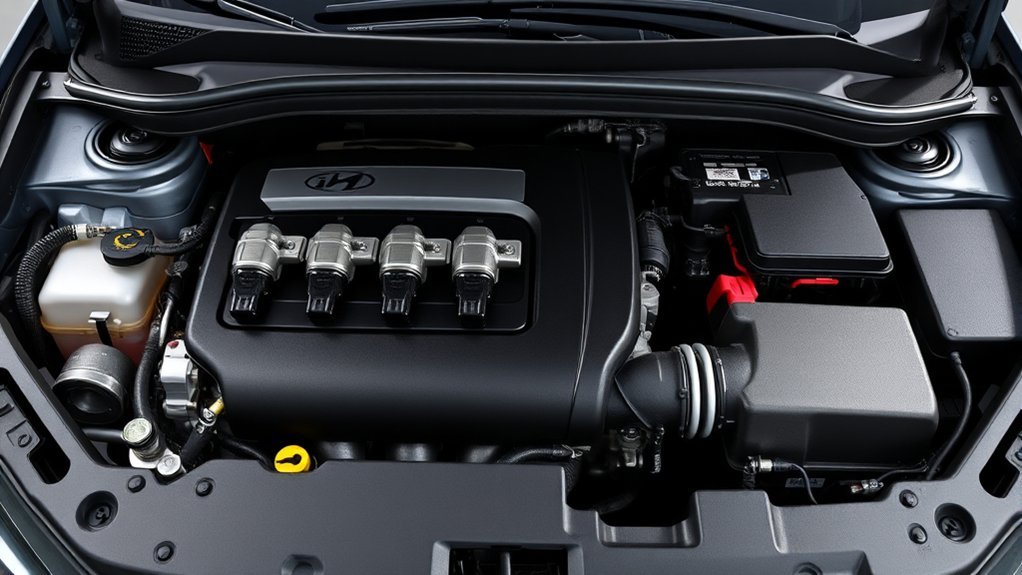
Maintaining GDI and MPI engines is essential for ideal performance and longevity. GDI engines need regular carbon cleaning every 15,000 to 30,000 miles to combat carbon buildup, while MPI engines typically don’t require this. Using high-quality fuel and fuel additives can prevent deposits in GDI engines, ensuring peak performance. Routine maintenance checks, including oil changes and spark plug inspections, are vital for both engine types.
| Maintenance Task | GDI Engines | MPI Engines |
|---|---|---|
| Carbon Cleaning | Every 15,000–30,000 miles | Not required |
| Fuel Quality | Critical for performance | Less sensitive |
| Injector Monitoring | Essential for lifespan | Longer lifespan |
| Routine Checks | Oil, air filter, spark plugs | Oil, air filter, spark plugs |
| Engine Diagnostics | OBDII tools for specific issues | OBDII tools for specific issues |
Utilizing engine diagnostics tools can help identify problems early, preventing costly repairs and ensuring your engine runs smoothly.
Real Owner Experiences: GDI vs. MPI Performance
Many drivers have shared their experiences with GDI and MPI engines, highlighting distinct performance characteristics. GDI performance feedback often emphasizes superior acceleration and throttle response, making it a favorite for those who prioritize power. However, some owners have faced challenges with carbon buildup, necessitating regular cleaning to maintain efficiency. In contrast, MPI engine owners frequently report fewer maintenance issues, enjoying a more relaxed ownership experience.
Many drivers favor GDI engines for their impressive acceleration, while MPI owners enjoy hassle-free maintenance and reliability.
Here are some key takeaways:
- GDI enthusiasts love the enhanced power and responsiveness.
- MPI advocates appreciate the reliability and lower maintenance concerns.
- Both groups engage in discussions about injector issues tied to GDI engines.
How Often Should You Service GDI and MPI Engines?
When servicing GDI and MPI engines, understanding service intervals is essential for maintaining performance. GDI engines need more frequent attention, especially for carbon cleaning, while MPI engines generally allow for longer intervals. By recognizing signs of engine trouble early, you can guarantee ideal maintenance practices and prevent costly repairs.
Service Intervals Comparison
How often should you service GDI and MPI engines to keep them running efficiently? Understanding their service schedules is essential for peak performance.
- GDI engines: Expect carbon cleaning every 15,000 to 30,000 miles due to higher carbon buildup.
- MPI engines: Service intervals for fuel system cleaning are generally longer, around 30,000 to 60,000 miles.
- Regular oil changes: Both types require changes every 5,000 to 7,500 miles, depending on driving conditions.
Additionally, air filters should be replaced every 15,000 to 30,000 miles, and spark plugs in GDI engines often need replacement every 60,000 miles, while MPI plugs can last up to 100,000 miles under ideal conditions. Regular maintenance guarantees longevity and efficiency.
Maintenance Best Practices
Maintaining GDI and MPI engines requires a proactive approach to guarantee peak performance and longevity. For GDI engines, schedule carbon cleaning every 15,000 to 30,000 miles to combat buildup, and change the oil every 5,000 to 7,500 miles to manage contaminants effectively. Regular fuel injector cleaning is essential, particularly if you notice rough idling or decreased GDI performance. Inspect spark plugs around 30,000 miles. In contrast, MPI engines boast greater reliability, allowing oil change intervals of 7,500 to 10,000 miles and spark plug replacements up to 60,000 miles. Understanding MPI preferences and trends can enhance efficiency. By embracing GDI upgrades and adhering to these maintenance practices, you’ll guarantee ideal engine function and durability.
Signs of Engine Trouble
Recognizing signs of engine trouble is crucial for maintaining performance in both GDI and MPI engines. Regular engine diagnostics can help you pinpoint issues early on, preventing costly repairs. Pay attention to these performance indicators:
- Decreased fuel efficiency
- Rough idling or misfires
- Unusual noises or vibrations
For GDI engines, frequent carbon buildup requires cleaning every 15,000 to 30,000 miles, while MPI engines can stretch service intervals to 30,000 to 60,000 miles. Always follow manufacturer guidelines for oil changes and maintenance. By staying vigilant and addressing these signs promptly, you can guarantee your engine operates efficiently and enjoy a smoother driving experience.
Frequently Asked Questions
Is GDI Better Than MPI?
GDI generally offers better fuel efficiency and engine performance than MPI. However, you’ll need to evaluate potential maintenance issues like carbon buildup. If reliability and lower maintenance costs matter more, MPI might suit you better.
Why Does Hyundai Use GDI Engines?
Hyundai uses GDI engines for unparalleled engine efficiency and exceptional fuel economy. This technology delivers precise fuel spray, optimizing combustion and reducing emissions, aligning with your desire for performance and sustainability in driving.
Is MPI the Same as Direct Injection?
No, MPI isn’t the same as direct injection. MPI enhances fuel efficiency and engine performance through individual injectors in the manifold, while direct injection injects fuel directly into the combustion chamber, optimizing power and efficiency.
Conclusion
As you weigh the pros and cons of GDI and MPI fuel injection in your Hyundai Sonata, consider the lingering effects of carbon buildup in GDI engines versus the cleaner operation of MPI systems. Picture yourself behind the wheel, experiencing the thrill of responsive performance or the anxiety of engine wear. The choice you make now could echo in long-term reliability and efficiency. Will you embrace the advanced technology of GDI, or opt for the tried-and-true MPI? The decision is yours.