Eco Mode in a Hyundai Sonata is a fuel-saving drive setting that makes the car feel calmer and less eager to accelerate. Instead of giving you the sharpest throttle response, it favors smoother takeoffs, earlier or adjusted transmission shifts, and, on many models, reduced air-conditioning output so the engine uses less energy during everyday driving.
Quick Answer
Hyundai Sonata Eco Mode helps improve fuel economy by softening acceleration response, adjusting transmission shift behavior, and sometimes limiting air-conditioning performance. It is best for steady commuting, city traffic, and relaxed highway cruising. Turn it off for quick merging, passing, steep climbs, or when you want full climate-control output.
Key Takeaways
- Eco Mode does not add power or change the engine hardware; it changes how the Sonata responds to your inputs.
- Expect a softer gas pedal feel, possible transmission shift changes, and reduced A/C performance on models that support those adjustments.
- Fuel savings depend mostly on your driving habits, route, traffic, terrain, temperature, tire pressure, and vehicle condition.
- Use Eco Mode for calm driving, but switch to Normal or Sport when you need quick acceleration or stronger responsiveness.
At a Glance
| Time Required | A few seconds to turn on or off |
| Difficulty | Easy |
| Tools Needed | None |
| Cost | Free |
What Eco Mode Is and When to Use It
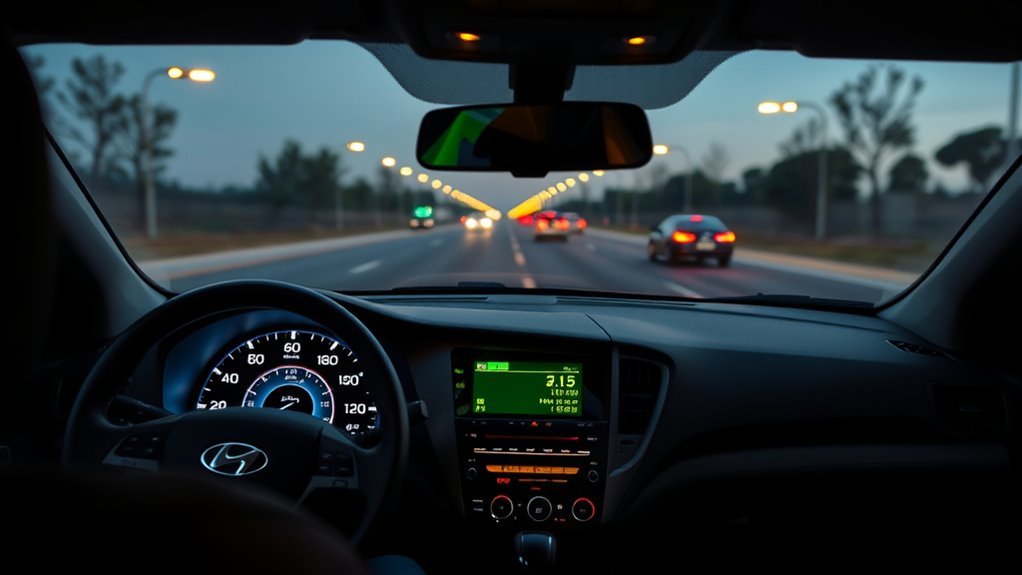
Eco Mode is a drive setting designed to help your Hyundai Sonata use fuel more efficiently during normal driving. Hyundai’s owner information says ECO mode helps improve fuel economy, while fuel economy still varies with the driver’s habits and road conditions. When ECO mode is active, acceleration response may be slightly reduced, air-conditioning performance may be limited, and the transmission shift pattern may change on equipped models.
In plain language, Eco Mode makes the Sonata less jumpy. A small press of the accelerator gives a gentler response, and the transmission is encouraged to keep the engine operating efficiently instead of holding gears for stronger acceleration. This can make the car feel smoother in stop-and-go traffic, but it can also make it feel slower when you ask for quick power.
Use Eco Mode when you are:
- Commuting in city traffic.
- Driving at steady speeds on open roads.
- Trying to reduce fuel use on routine errands.
- Driving calmly with light throttle inputs.
- Comfortable trading sharper response for smoother efficiency.
Skip Eco Mode, or turn it off temporarily, when you are:
- Merging onto a fast highway.
- Passing another vehicle.
- Climbing a steep hill with traffic behind you.
- Driving in situations where immediate response matters.
- Trying to cool the cabin quickly on a very hot day.
Note: Not every Sonata uses the same controls. Older models may have an Active ECO button, while newer models usually use a DRIVE MODE button, switch, or knob to cycle between modes such as ECO, NORMAL, SPORT, SMART, or MY DRIVE MODE.
How to Activate and Turn Off Eco Mode Step by Step
The exact control depends on your Sonata’s model year and trim. Before driving, check your owner’s manual or the control labels in your car so you know which system you have.
Newer Sonata Models With a DRIVE MODE Control
Many newer Hyundai Sonata models use a drive-mode control instead of a separate Active ECO button. Depending on the model year, this may be a button, switch, or knob on or near the center console.
- Start the vehicle and keep your foot on the brake if you are parked.
- Find the DRIVE MODE control.
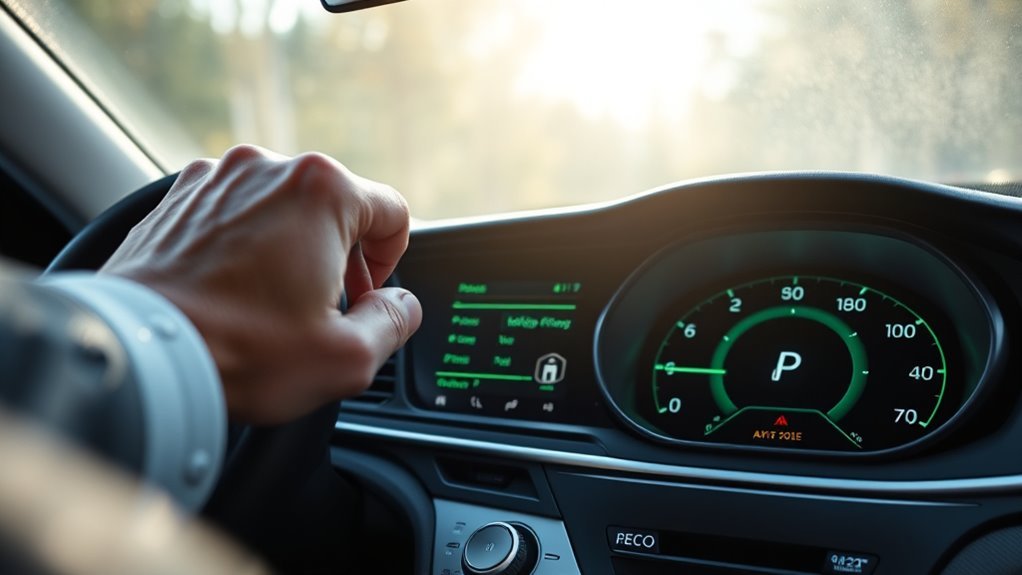
- Press, push, or rotate the control until ECO appears in the instrument cluster.
- Confirm the ECO indicator is showing before you rely on the setting.
- To leave Eco Mode, use the same DRIVE MODE control and select NORMAL, SPORT, SMART, or another available mode.
Older Sonata Models With an Active ECO Button
Some earlier Sonata models use a dedicated Active ECO button. It is commonly located on the lower dashboard area to the left of the steering wheel, though the exact location can vary by model year and market.
- Locate the Active ECO button.
- Press the button once to turn the system on.
- Look for the ECO indicator or light to confirm activation.
- Press the same button again to turn Active ECO off.
- Confirm the indicator has turned off before expecting normal throttle response.
Warning: Do not look down or search for the button while traffic conditions need your full attention. If you are not sure where the control is, identify it while parked.
How Hyundai Sonata Eco Mode Affects Engine, Transmission, and A/C
Eco Mode works by changing how the vehicle’s control systems respond. It does not physically shrink the engine, damage the transmission, or turn the Sonata into a hybrid. It simply tells the car to favor efficiency over quick response.
Throttle Response Feels Softer
The biggest change most drivers notice is the gas pedal. In Eco Mode, moderate accelerator input may produce a softer response. That helps discourage hard launches and sudden bursts of acceleration, which are two habits that waste fuel quickly.
This is why some drivers describe Eco Mode as “sluggish.” That slower feel is usually normal. The car is trying to smooth out your inputs, not failing to make power.
Transmission Shifts May Change
Eco Mode can also change the transmission shift pattern. In everyday driving, this may mean earlier or smoother shifts so the engine does not rev as aggressively. On some shifts, engine noise may sound different because the car is choosing a more efficient shift strategy.
If you press the accelerator harder, the Sonata can still downshift and accelerate. It may just take more pedal input than it would in Normal or Sport mode.
Air-Conditioning Performance May Be Limited
On equipped models, Eco Mode may limit air-conditioning performance. This reduces engine and electrical load, which can help fuel economy, especially in warm weather or city driving. The trade-off is that the cabin may not cool as aggressively.
Pro Tip: On a very hot day, cool the cabin first in Normal mode, then switch to Eco Mode once the interior temperature feels comfortable.
Real-World Fuel Savings: City vs. Highway Expectations
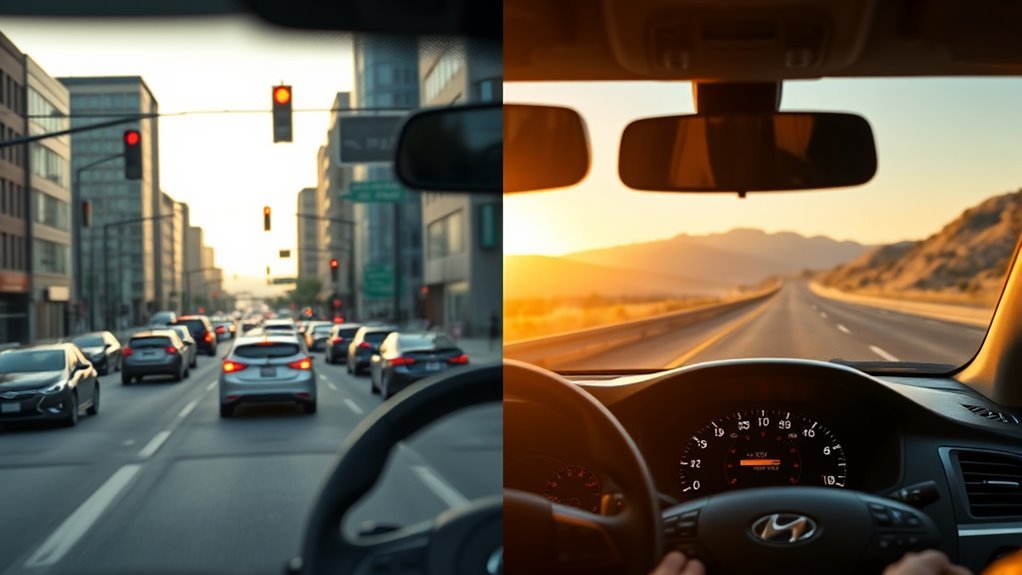
Eco Mode can help, but it does not guarantee a specific MPG increase. Hyundai does not publish one universal Eco Mode MPG gain for every Sonata because the result changes with traffic, route, weather, tires, maintenance, driving style, powertrain, drivetrain, and model year.
The most honest expectation is this: Eco Mode supports better fuel economy when it helps you drive more smoothly. If you still brake hard, accelerate aggressively, idle often, or drive fast, Eco Mode will not overcome those habits.
The U.S. Department of Energy notes that aggressive driving can lower gas mileage by roughly 10% to 40% in stop-and-go traffic and 15% to 30% at highway speeds, which shows why smooth inputs matter more than the button alone.
[Products Worth Considering]

Replace worn or damaged key fob buttons with this rubber keypad insert designed for compatible Hyundai remote key cases. It restores the look and feel of your car key, offering a simple installation and a snug fit for supported Santa Fe and Sonata models. The set includes two replacement pads and a mini screwdriver for convenience.

This steering clock spring is designed to restore reliable steering wheel controls across a wide range of Toyota models. It supports audio, cruise control, and other multifunction commands while matching OEM part numbers for confident replacement fitment. Built for dependable signal transfer and straightforward installation, it is an effective solution for repairing steering column control issues.
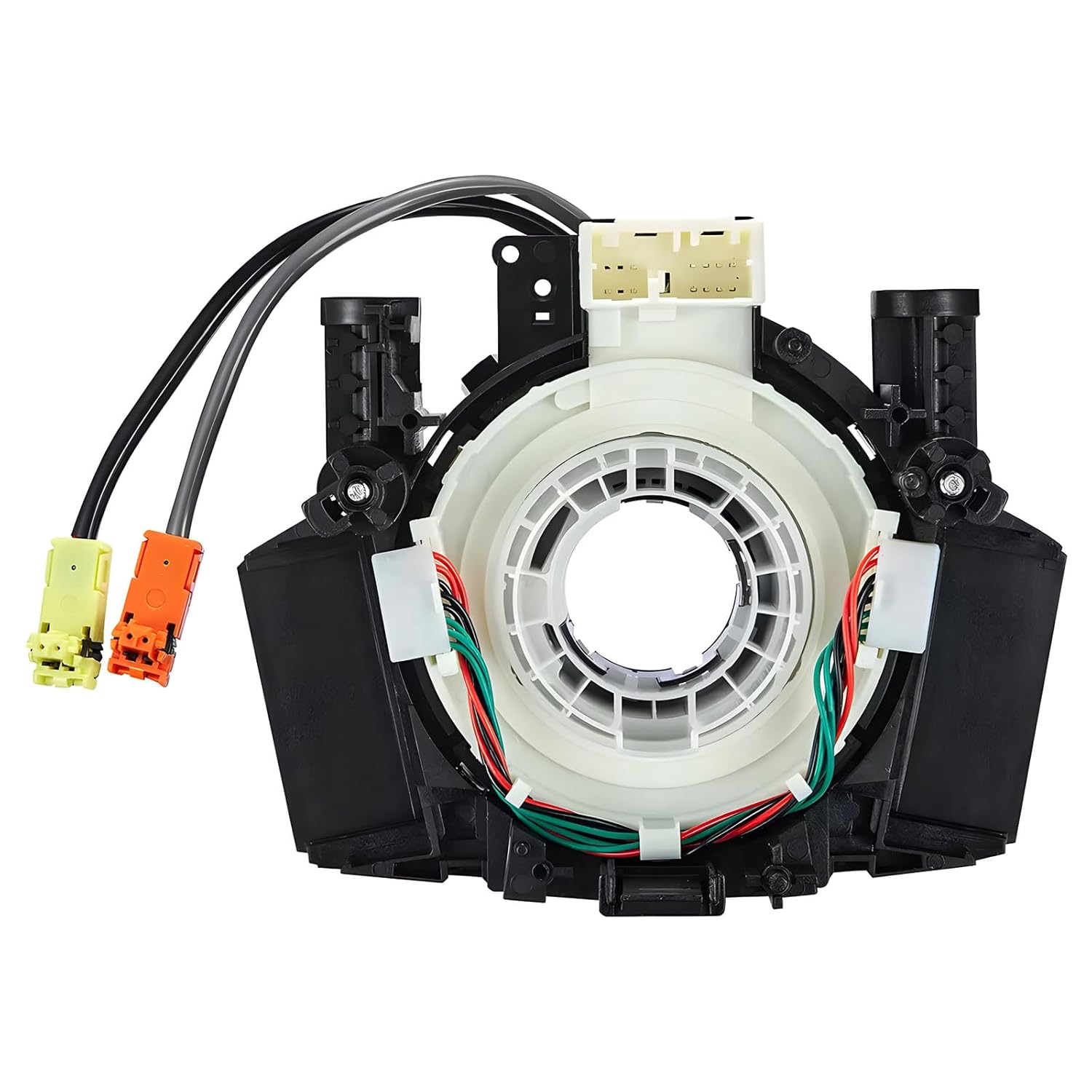
This steering clock spring assembly is an OEM-style replacement designed to restore steering wheel controls and related electronic functions in compatible Nissan vehicles. It supports audio, cruise control, and multi-function button operation while matching multiple factory part numbers for a reliable fit. Built for direct installation with vehicle-specific connectors, it helps return steering column electronics to proper working order.
City Driving Savings
Eco Mode is often most useful in city traffic because stop-and-go driving creates many chances to waste fuel. Softer throttle response can help you pull away from lights more gradually, avoid racing to the next stop, and reduce unnecessary gear changes.
You may see the best results when you combine Eco Mode with these habits:
- Accelerate gently from stops.
- Look ahead and coast early when traffic is slowing.
- Avoid sudden braking whenever safe.
- Keep tires inflated to the pressure listed on the driver-side door placard.
- Remove unnecessary cargo weight from the trunk.
Highway Efficiency Tradeoffs
On the highway, Eco Mode may still help by smoothing throttle response and encouraging efficient shift behavior. However, once you are already cruising at a steady speed, there are fewer wasted acceleration events for Eco Mode to correct.
The main highway trade-off is passing power. If you need to merge quickly or overtake another vehicle, the softer pedal mapping may make the car feel delayed. In those moments, switching to Normal or Sport can give you a more direct response.
Realistic MPG Expectations
Use official EPA estimates as a baseline for your Sonata’s model year and trim, then compare your own trip computer or hand-calculated MPG against that baseline. For current and recent models, FuelEconomy.gov lists official Hyundai Sonata fuel-economy ratings, and those ratings vary by powertrain, drivetrain, and trim.
If Eco Mode changes your behavior, you may notice a meaningful improvement over time. If you already drive smoothly, the difference may be small. If you drive aggressively, the biggest gain will come from changing your habits, not simply switching modes.
Pros & Cons: Safety, Performance, and Comfort Trade-Offs
Eco Mode is useful, but it is not the best choice for every situation. It gives you smoother, more efficient behavior at the cost of sharper response.
[Products Worth Considering]

This central dashboard cover strip trim is designed as a replacement for the instrument cluster panel area on compatible Toyota RAV4 models. It helps restore the look of your interior with a precise fit, durable construction, and reliable long-term performance. Ideal for replacing worn or damaged trim while maintaining a clean factory-style appearance.

This dash clock spring replacement is designed for a wide range of Toyota vehicles and helps restore reliable steering wheel control functions. It supports audio controls, cruise control, and other multi-function commands while using vehicle-specific connectors for easier installation. Built with durable materials and OEM-referenced part compatibility, it is a practical solution for repairing steering wheel signal issues.

This cabin and engine air filter kit is designed for compatible Hyundai Sonata gas models from 2015 to 2019 with a 2.4L engine. It helps improve airflow, capture dust and impurities, and support cleaner cabin air and efficient engine performance. The kit is engineered for long service life and simple installation, making routine maintenance easier.
Pros
- Better fuel-saving behavior: Softer throttle response encourages smoother acceleration.
- Calmer driving feel: The car feels less jumpy in traffic.
- Potentially lower fuel costs: Savings depend on how and where you drive.
- Reduced aggressive inputs: The mode can help drivers avoid wasteful pedal habits.
- Easy to use: You can usually switch modes with one button, switch, or knob.
Cons
- Slower-feeling acceleration: Merging and passing may require more planning.
- Reduced A/C performance: Some models may cool the cabin less aggressively.
- Not ideal for hills: The car may feel less responsive on steep grades.
- No guaranteed MPG gain: Results vary widely by driver and conditions.
- Can feel annoying in heavy traffic: Some drivers prefer Normal mode for a more direct pedal feel.
Warning: Do not leave Eco Mode on just to save fuel if it makes you hesitate during a merge, pass, or emergency maneuver. Fuel economy should never come before safe vehicle control.
Hyundai Sonata: Eco vs. Normal vs. Sport — Which to Pick When?
The best drive mode depends on the road and what you need from the car. Eco Mode is not automatically “better” than Normal or Sport. It is simply the most economy-focused choice.
| Mode | Best For | What You’ll Notice |
|---|---|---|
| Eco | Commuting, errands, calm cruising, stop-and-go traffic | Softer acceleration, possible shift changes, possible reduced A/C output |
| Normal | Most everyday driving | Balanced throttle response, comfort, and efficiency |
| Sport | Passing, merging, hills, quicker response | Sharper response and higher-performance feel, usually with lower fuel economy |
| Smart | Drivers who want the car to adapt automatically, if equipped | The vehicle changes behavior based on driving style and conditions |
For most drivers, the easiest rule is simple: use Eco for relaxed driving, Normal for mixed driving, and Sport when response matters more than fuel savings.
[Products Worth Considering]

This filter combo is designed for Hyundai Sonata gas models from 2015 to 2019, including non-hybrid 2.4L vehicles, and replaces both the engine and cabin air filters in one convenient set. It helps improve engine airflow while also refreshing the cabin environment with activated carbon odor control and high-efficiency particle filtration for cleaner, quieter driving.

HAFIDI floor mats are custom-fit for select Kia Optima and Hyundai Sonata Hybrid models, using 3D laser scanning for precise coverage of the front and rear rows. Built from durable TPE with raised edges and anti-slip backing, they help contain dirt, water, snow, and spills while staying secure and easy to clean.

This custom-fit floor mat and cargo liner set is designed for select Kia K5 and Hyundai Sonata models, offering full interior coverage for the front row, second row, and trunk. Made from odorless TPE with raised edges and anti-slip backing, it helps block dirt, water, snow, and spills while staying securely in place. The durable, easy-to-clean design is ideal for daily driving, family use, and messy outdoor adventures.
8 Practical Tips to Maximize Sonata Fuel Economy in Eco Mode
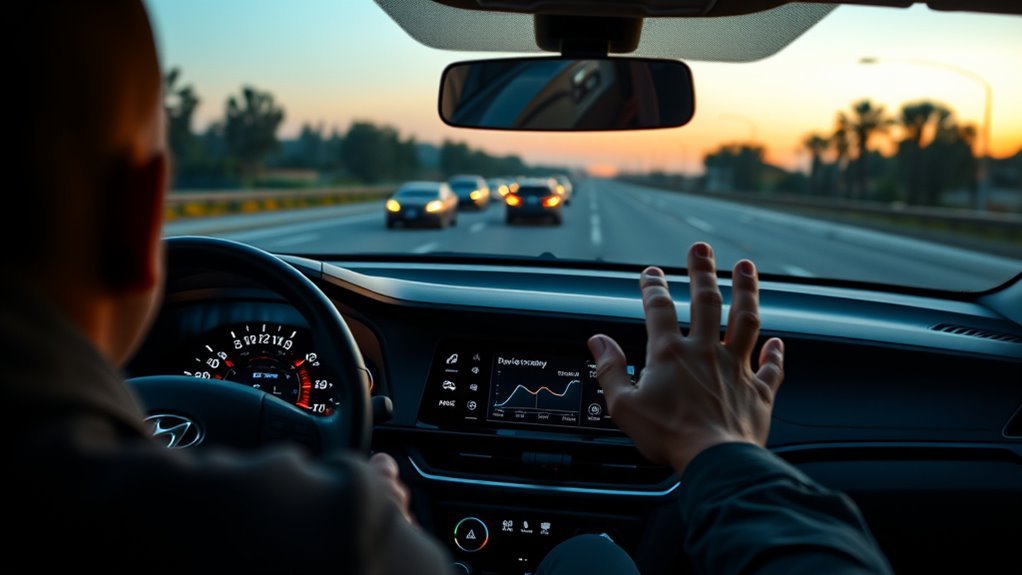
Eco Mode works best when you treat it as a helper, not a magic fix. These habits will usually do more for fuel economy than the mode alone.
- Accelerate gently. Smooth launches save fuel and match the way Eco Mode is designed to work.
- Look far ahead. Anticipating red lights and slowing traffic helps you coast instead of braking hard.
- Keep a steady speed. Constant speed changes waste energy, especially on open roads.
- Use cruise control where appropriate. On flat highways with light traffic, steady speed can help efficiency.
- Check tire pressure monthly. Underinflated tires increase rolling resistance and can reduce MPG.
- Reduce unnecessary weight. Extra cargo makes the engine work harder.
- Avoid excessive idling. Idling uses fuel while adding zero miles to your trip.
- Stay current on maintenance. Dirty filters, worn spark plugs, poor alignment, or neglected service can hurt fuel economy.
Pro Tip: Reset your trip MPG display before a normal commute and drive the same route once in Normal mode and once in Eco Mode. That gives you a realistic comparison for your car, your route, and your driving style.
Common Eco Mode Problems and What They Mean
Most Eco Mode “problems” are normal behavior, but some symptoms deserve attention. Use this guide to tell the difference.
| What You Notice | Likely Meaning | What To Do |
|---|---|---|
| Car feels slower when leaving a stop | Normal softer throttle response | Use Normal or Sport when quicker response is needed |
| A/C does not feel as strong | Eco Mode may be limiting climate output | Switch modes or lower the temperature setting temporarily |
| ECO light turns on or off | Mode or efficiency indicator behavior varies by model | Check your owner’s manual for your exact model year |
| MPG does not improve | Route, traffic, speed, tires, weather, or habits may be limiting gains | Track several tanks of fuel and focus on smoother driving |
| Check engine light appears | Not normal Eco Mode behavior | Have the vehicle scanned and inspected |
Does Eco Mode Hurt the Engine or Transmission?
Eco Mode should not hurt the engine or transmission when used normally. It is a built-in Hyundai drive setting, and its changes are controlled by the vehicle’s software. The reduced response, different shift feel, and possible A/C limitation are expected effects, not signs of damage.
However, Eco Mode is not a repair tool. If your Sonata hesitates badly, jerks, slips gears, overheats, shows warning lights, or loses power, do not blame Eco Mode automatically. Those symptoms may point to a mechanical, electrical, fuel, ignition, transmission, or emissions-system issue that needs diagnosis.
Frequently Asked Questions
When should I use Eco Mode on a Hyundai Sonata?
Use Eco Mode for calm city driving, routine commuting, errands, and steady cruising. It is best when you do not need quick acceleration. Turn it off for highway merging, passing, steep hills, emergency maneuvers, or when you want stronger A/C performance.
Does Eco Mode really save gas on a Hyundai Sonata?
It can help save gas, but the amount is not guaranteed. Eco Mode supports smoother acceleration and more efficient shift behavior, but your MPG still depends on driving habits, traffic, terrain, temperature, tire pressure, maintenance, and your Sonata’s specific model year and powertrain.
Can I leave Eco Mode on all the time?
Yes, you can leave Eco Mode on for normal relaxed driving if you like the feel. The exception is any situation where you need faster response, such as merging, passing, climbing steep grades, or reacting quickly in traffic.
Why does my Sonata feel slow in Eco Mode?
That is usually normal. Eco Mode reduces accelerator sensitivity so the same pedal movement produces a gentler response. The car is prioritizing fuel economy and smoothness over quick acceleration.
Does Eco Mode reduce air conditioning?
On many equipped Hyundai models, Eco Mode may limit air-conditioning performance to reduce load and help fuel economy. If the cabin is too warm, use Normal mode until the interior cools down, then switch back to Eco Mode.
Is Eco Mode the same as the ECO light?
Not always. On some older Sonata models, an ECO indicator may act more like a fuel-efficient driving light, while Active ECO or ECO drive mode actively changes vehicle response. Check your owner’s manual because Hyundai has used different systems across different Sonata years.
Conclusion
Eco Mode in a Hyundai Sonata is best understood as a smoother, more fuel-conscious driving setting. It softens throttle response, may adjust transmission shifting, and can limit air-conditioning performance on equipped models. That makes it useful for commuting, errands, and relaxed cruising, but less ideal when you need quick acceleration or maximum cabin cooling.
For the best results, pair Eco Mode with steady driving habits: accelerate gently, coast early, avoid hard braking, keep your tires properly inflated, and stay current on maintenance. Eco Mode can help, but the driver still has the biggest influence on real-world MPG.
Sources
- Hyundai Owner’s Manual — Drive Mode — supports ECO mode behavior, reduced acceleration response, limited A/C performance, and transmission shift-pattern changes.
- MyHyundai Manuals & Warranties — official Hyundai owner-manual resource for model-year-specific instructions.
- FuelEconomy.gov — Hyundai Sonata MPG Ratings — official EPA fuel-economy ratings by Sonata model year, powertrain, and trim.
- U.S. Department of Energy — Driving More Efficiently — supports the fuel-economy impact of smooth driving and avoiding aggressive acceleration and braking.
- U.S. EPA — Your Mileage May Vary — explains why real-world MPG depends on driver behavior, conditions, and other factors.