
Your Toyota Supra’s brake fluid is a safety item, not just a maintenance fluid. The right choice depends on the Supra generation, but for the modern 2020+ Toyota GR Supra, use DOT 4 brake fluid that meets the required brake-fluid standard. Older Supra models may specify DOT 3, so always confirm the label on the reservoir cap and the owner’s manual before topping off or flushing the system.
Quick Answer
Most modern Toyota GR Supra models use DOT 4 brake fluid. Toyota’s current GR Supra maintenance schedule calls for the first brake-fluid replacement at 36 months, then every 24 months after that. Track use, high heat, or moisture contamination can justify changing it sooner.
Key Takeaways
- 2020+ GR Supra: Use DOT 4 brake fluid unless your owner’s manual or reservoir cap says otherwise.
- Older Supra models: Many earlier generations may call for DOT 3, so check the cap/manual before using DOT 4.
- Change interval: For current GR Supra models, Toyota lists the initial brake-fluid replacement at 36 months, then every 24 months afterward.
- Track driving: Use a high-quality DOT 4 performance fluid and flush more often if the pedal gets soft or the fluid overheats.
- Never use DOT 5 silicone fluid unless the vehicle was specifically designed for it.
At a Glance
| Best Fluid for 2020+ GR Supra | DOT 4 brake fluid meeting FMVSS No. 116 |
| Toyota service interval | Initial replacement at 36 months; every 24 months afterward |
| Typical DIY Time | 60–90 minutes if experienced |
| Tools Needed | Fresh sealed brake fluid, bleeder bottle or pressure bleeder, wrench, gloves, eye protection, jack stands |
| Difficulty | Moderate; professional service is safest for ABS/DSC concerns |
How to Choose the Right Brake Fluid for Your Supra
For a 2020 and newer Toyota GR Supra, DOT 4 brake fluid is the safe default because it matches the modern car’s performance braking system and meets the DOT 4 minimum boiling-point requirements under FMVSS No. 116. Toyota’s own maintenance guide also says brake fluid should be replaced using the fluid type specified in the owner’s manual.
If you own an older MK3 or MK4 Supra, do not assume the same spec. Many older Toyota brake systems were labeled for DOT 3. DOT 4 is usually compatible with DOT 3 systems because both are glycol-based, but you should still follow the reservoir cap and owner’s manual because the brake system was validated around that specification.
| Supra Generation | Brake Fluid Guidance | Best Practice |
|---|---|---|
| 2020+ GR Supra/A90/A91 | Use DOT 4 unless the owner’s manual for your market says otherwise. | Use fresh DOT 4 from a sealed container; upgrade to high-temperature DOT 4 for track use. |
| 1993–1998 MK4 Supra | Often labeled for DOT 3 depending on market and model year. | Check the reservoir cap and manual before using DOT 4. |
| Older MK1–MK3 Supra | Most likely DOT 3, but specs vary by year and market. | Follow the cap/manual and avoid mixing unknown fluid types. |
Warning: Do not use DOT 5 silicone brake fluid in a Supra brake system unless a qualified technician confirms the system was built or converted for it. DOT 5 silicone fluid is not the same as DOT 5.1, and it should not be mixed with DOT 3 or DOT 4 glycol-based fluid.
[Products Worth Considering]
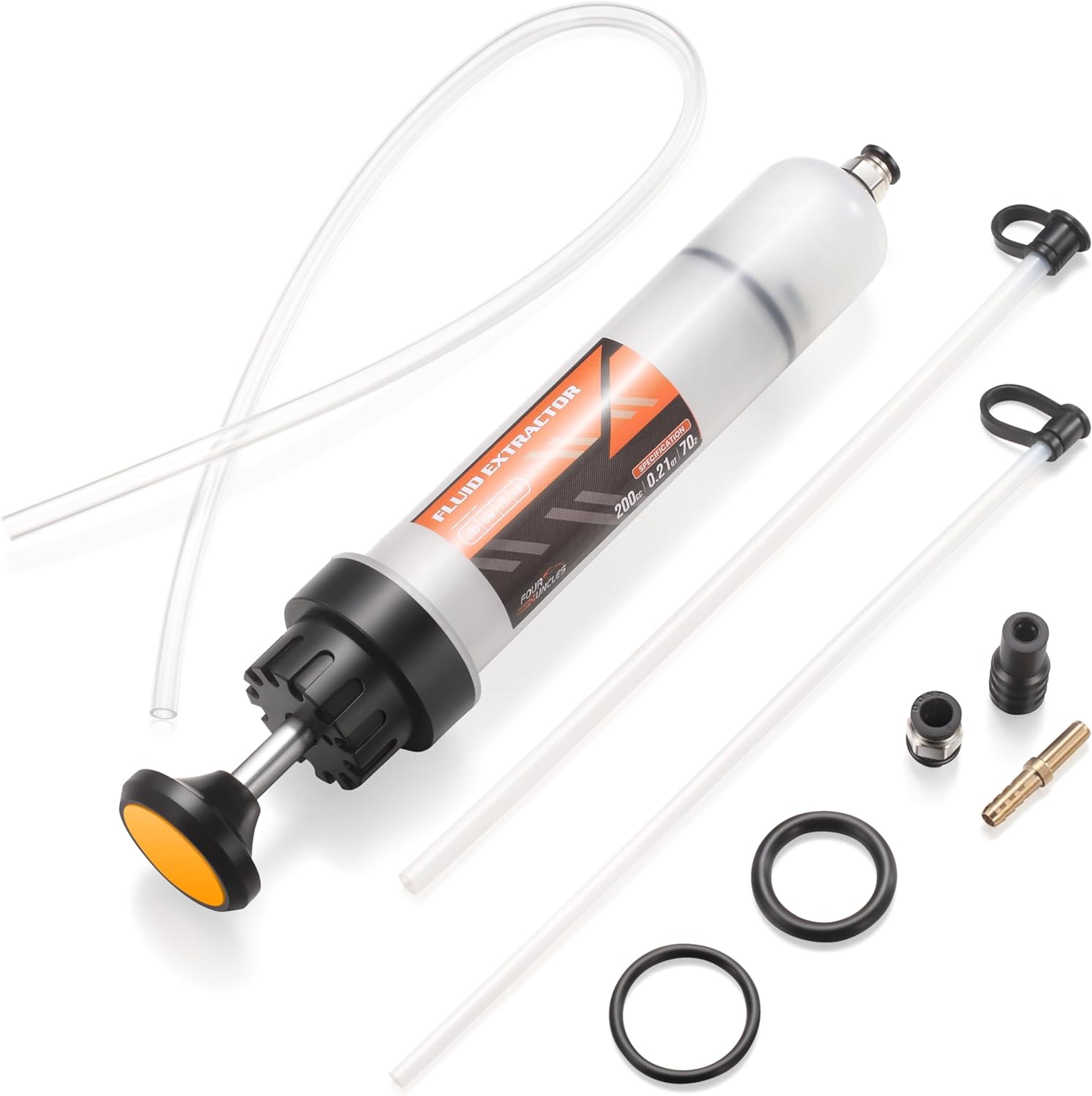
This fluid transfer syringe with flexible hose helps you reach tight service points for cleaner, more controlled automotive fluid changes. The transparent barrel and smooth plunger make it easier to monitor flow and reduce spills while working in engine bays, transmissions, differentials, and other confined areas. It is a versatile DIY garage essential for transferring compatible fluids in cars, motorcycles, ATVs, marine equipment, and more.

This flexible oil funnel is designed to make fluid changes cleaner and easier by guiding oil around obstacles like skid plates and crossmembers. Its shape-retaining core and silicone body can be molded for custom positioning, while the heat-resistant, leak-proof design helps prevent spills during draining and filter removal. Reusable and easy to clean, it works well for cars, trucks, motorcycles, and other hard-to-reach fluid fill or drain applications.
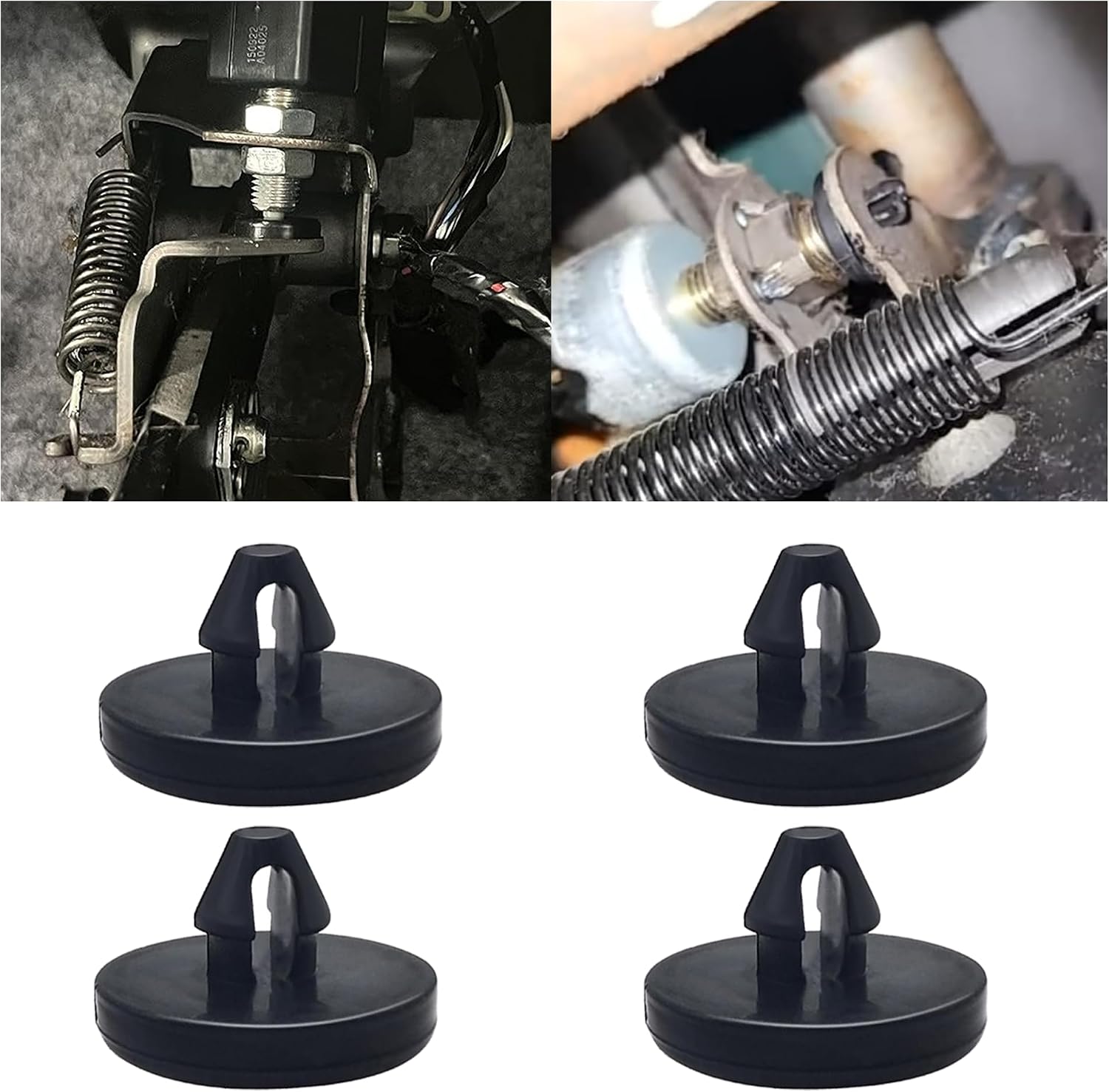
This brake pedal stop pad set is designed as an OEM replacement for compatible Toyota, Lexus, and Scion models, helping restore proper brake light switch function when the brake light stays on. Made from durable nylon, these compact stoppers are built for reliable long-term use and quick, tool-free installation. The set includes multiple pieces for convenient replacement and sharing.
Recommended Brake Fluid Change Interval
For current Toyota GR Supra models, the official maintenance chart lists brake-fluid replacement at 30,000 miles, then again at 50,000, 70,000, 90,000 miles and onward. The footnote explains the time schedule more clearly: initial replacement at 36 months, then every 24 months thereafter. You can verify this in Toyota’s GR Supra Warranty & Maintenance Guide.
Recommended Change Frequency
For normal street use, follow Toyota’s schedule: first brake-fluid service at 36 months, then every 24 months after that. If you drive hard, track the car, live in a humid climate, or notice a soft brake pedal, inspect or replace the fluid sooner.
Factors Influencing Change Timing
- Track use: Hard braking creates more heat, which can push old fluid closer to its boiling point.
- Humidity: Brake fluid absorbs moisture over time, lowering its boiling-point performance.
- Vehicle age: Older seals, hoses, and calipers can make fluid condition more important.
- Service history: If you bought a used Supra and cannot verify the last brake-fluid service, flush it.
- Pedal feel: A soft, spongy, or inconsistent brake pedal needs immediate inspection.
Importance of Regular Maintenance
Fresh brake fluid helps the hydraulic system transfer pedal force cleanly to the calipers. Old fluid can absorb water, collect contamination, promote corrosion, and feel less consistent during repeated hard stops. Toyota also notes that a qualified technician should perform brake-fluid replacement, which is especially important if air enters the ABS/DSC hydraulic unit.
Why Regular Brake Fluid Changes Are Essential
Brake fluid lives in a sealed system, but it still ages. Heat cycles, microscopic moisture entry, and contamination slowly reduce its safety margin. That matters in a Supra because the car is capable of repeated high-speed braking, spirited canyon driving, and track work.
Moisture Absorption Risks
DOT 3 and DOT 4 brake fluids are glycol-based and hygroscopic, meaning they absorb moisture. The federal brake-fluid standard lists minimum boiling points for new and wet fluid: DOT 4 must meet at least 446°F dry and 311°F wet, while DOT 3 is lower at 401°F dry and 284°F wet. That is why DOT 4 is preferred for the modern GR Supra and for performance driving.
Brake fluid that has absorbed moisture can boil sooner under hard braking, creating vapor in the hydraulic system and causing a soft or sinking pedal.
System Performance Maintenance
Good brake fluid keeps pedal feel firm, protects internal parts, and helps the ABS and stability-control systems respond consistently. Poor fluid does the opposite: it can increase pedal travel, shorten the safety margin during repeated braking, and make the system more vulnerable to corrosion.
Pro Tip: If you are preparing a Supra for a track day, flush the system with fresh high-temperature DOT 4 fluid before the event and inspect the pads, rotors, and brake lines at the same time.
How to Tell If It’s Time to Change Your Brake Fluid
Do not wait for a brake problem before servicing the fluid. Use the maintenance schedule as the baseline, then watch for these warning signs:
- Brake or ABS warning light: This can point to low fluid, worn pads, sensor faults, or hydraulic issues.
- Spongy brake pedal: A soft pedal can mean air, moisture, overheated fluid, or a leak.
- Longer stopping distance: If the car needs more distance to stop, inspect the whole brake system immediately.
- Dark or dirty fluid: Fresh brake fluid is usually clear to amber. Very dark fluid suggests age or contamination.
- Fluid level dropping: Low fluid can be caused by pad wear, but it can also indicate a leak.
- Post-track fade: If the pedal becomes soft after hard laps, the fluid may have overheated.
Warning: Do not simply top off a low brake-fluid reservoir and keep driving. A low level can mean worn brake pads or a hydraulic leak. Inspect the system before the next drive.
How Moisture Affects Brake Fluid
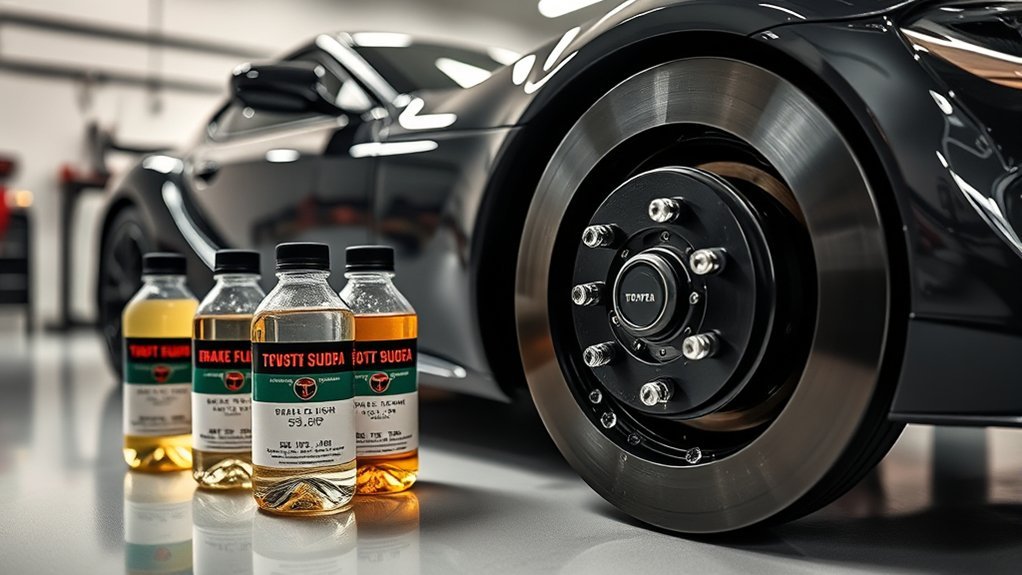
Moisture is the main reason brake fluid has a time-based service interval. Even when the car sits, fluid can slowly absorb water through microscopic paths in hoses, seals, and the reservoir vent. As water content rises, the wet boiling point drops and internal corrosion risk increases.
That matters most during repeated braking. When fluid boils, vapor bubbles form. Unlike liquid, vapor compresses, so the pedal can feel soft or sink farther than normal. In extreme cases, braking power can drop when you need it most.
How to Change Your Brake Fluid Effectively
A brake-fluid change replaces old fluid throughout the system, not just the fluid in the reservoir. If you are not comfortable bleeding brakes, lifting the car safely, or handling hydraulic brake work, have the service done by a Toyota dealer or qualified shop.
- Confirm the correct fluid: Use DOT 4 for modern GR Supra models unless your owner’s manual says otherwise. Use only fluid from a sealed container.
- Protect the paint: Brake fluid can damage painted surfaces. Keep water and towels nearby and clean spills immediately.
- Lift the car safely: Park on level ground, use proper jack points, and support the vehicle with jack stands.
- Remove old reservoir fluid: Extract old fluid from the reservoir without letting it run dry, then refill with fresh fluid.
- Bleed each caliper: Use a pressure bleeder or a helper method and bleed until clean, bubble-free fluid exits the bleeder screw.
- Maintain reservoir level: Never let the reservoir run dry, or air can enter the master cylinder and ABS hydraulic system.
- Check pedal feel: The pedal should feel firm before the car is driven.
- Inspect for leaks: Check bleeder screws, brake hoses, calipers, and the master-cylinder area.
- Dispose of fluid properly: Used brake fluid is hazardous waste and should be taken to an approved recycling or disposal location.
Note: If air entered the ABS/DSC module, a normal pedal bleed may not be enough. A qualified technician may need diagnostic equipment to activate the hydraulic unit during bleeding.
[Products Worth Considering]

Bosch QuietCast premium ceramic rear brake pads are engineered for quiet, reliable stopping power with low dust performance. Featuring pre-attached multilayer shims, corrosion-resistant backing plates, and OE-style slots and chamfers, this set is designed for smooth fitment and long-lasting durability. It includes pads for one axle, plus hardware and lubricant where available, making installation easier for compatible Lexus, Pontiac, and Toyota vehicles.

Bendix Premium Ceramic Front Brake Pads are engineered to match original equipment fit, form, and function for a straightforward replacement. Built with durable materials to help resist wear and corrosion, they support consistent braking performance and reduced brake fade for everyday driving. These pads are a dependable choice for compatible Pontiac, Scion, Toyota, and related vehicles.

These Amazon Basics steel jack auto stands provide dependable support for vehicle maintenance with a self-locking ratchet design for easy height adjustment. Built from durable steel with a rustproof coating, they meet recognized safety standards and are designed for sedans and urban SUVs. The pair offers a stable, easy-to-read solution for routine garage work and comes backed by a limited warranty.
Upgrade Your Brake Fluid for Better Track Performance
If your Supra sees track days, autocross, mountain driving, or repeated high-speed braking, consider a high-temperature DOT 4 performance fluid with a higher dry and wet boiling point than standard DOT 4. This does not replace the need for good pads, healthy rotors, proper tires, and cooling, but it helps protect pedal consistency under heat.
For track use, flush the system before major events, bleed after events if pedal feel changes, and avoid leaving old racing fluid in the car for too long unless the product’s service guidance supports street use. Some racing fluids prioritize boiling point but may need more frequent replacement.
[Products Worth Considering]
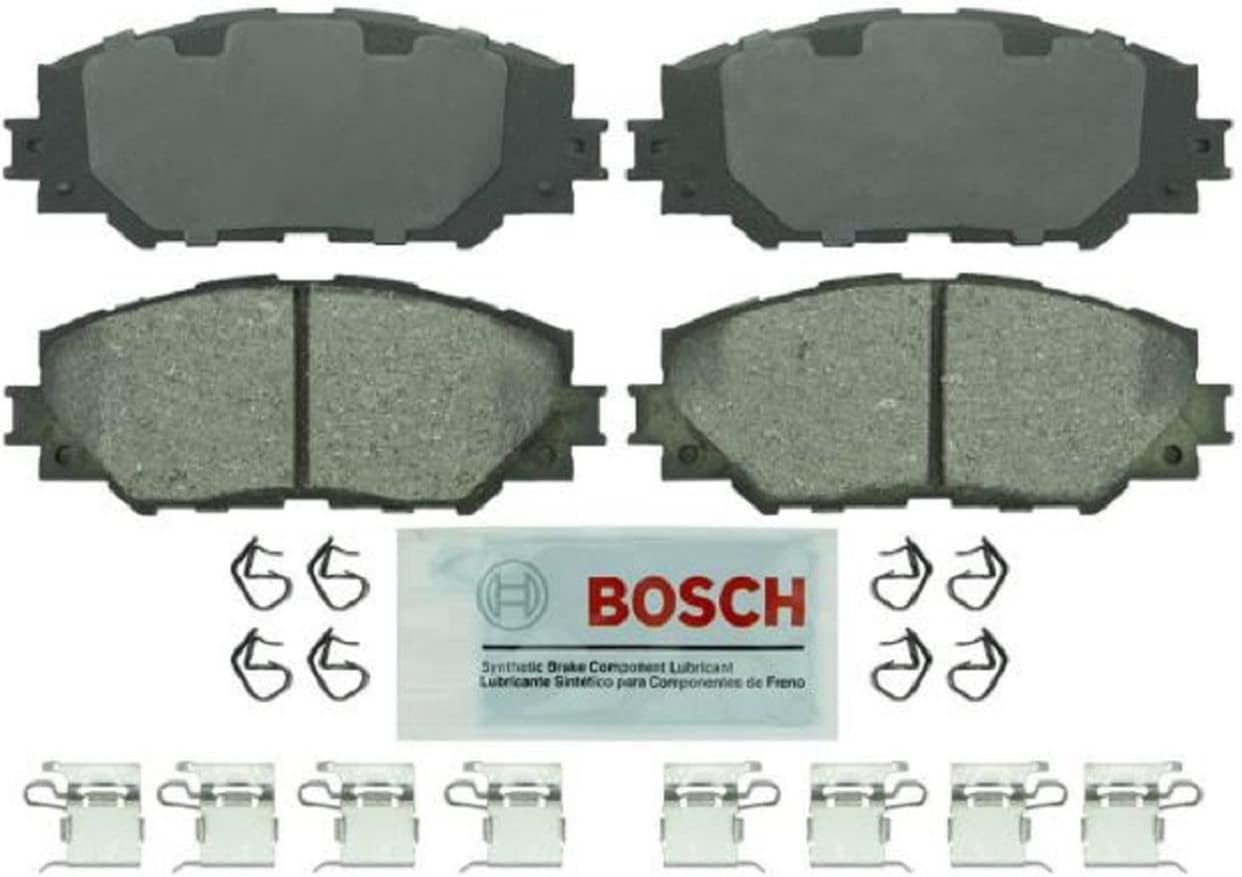
Bosch Blue ceramic front brake pads deliver dependable stopping power with platform-specific friction material designed for select Lexus, Pontiac, Scion, and Toyota vehicles. OE-style shims, slots, and chamfers help promote quiet braking, while the rust-inhibitive coating supports long-lasting performance and cleaner operation. The set includes hardware and synthetic lubricant for easier installation on one axle.
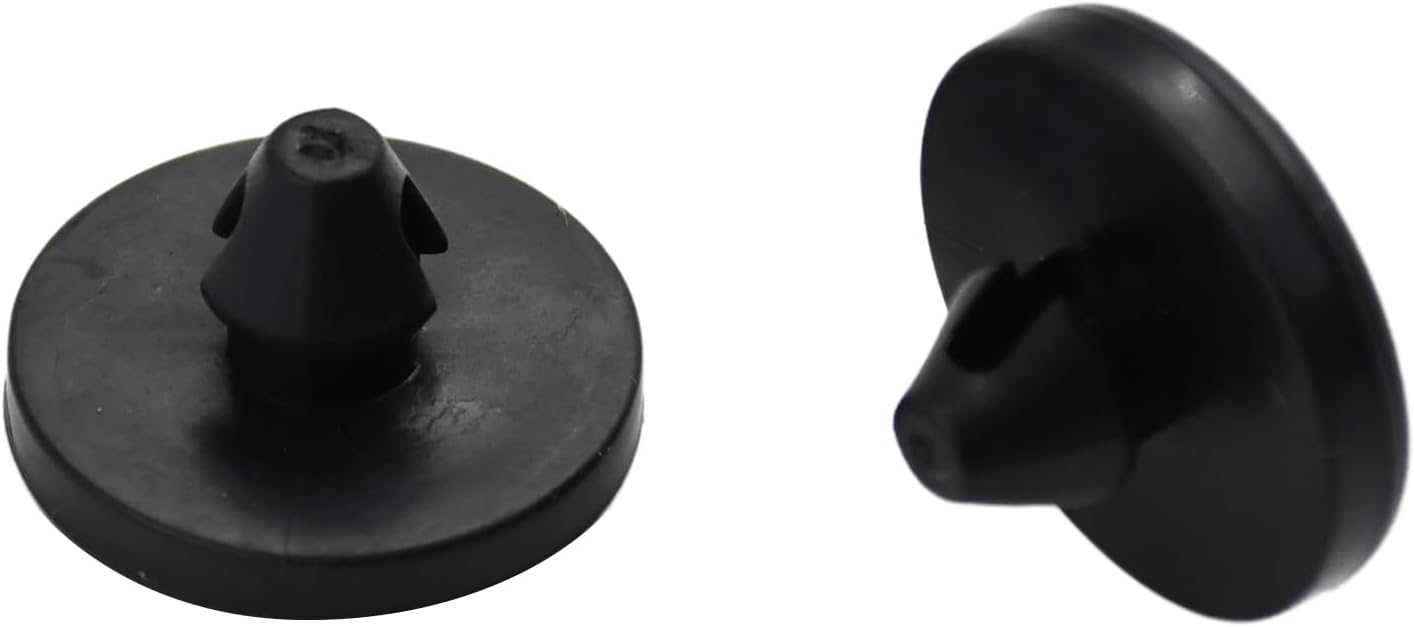
This brake switch stopper set helps restore proper brake pedal and brake light switch operation on a wide range of Toyota, Lexus, and Scion vehicles. Designed as a direct replacement part, it supports reliable pedal contact and can help fix worn or missing stoppers that affect brake light function. The package includes two stoppers for convenient replacement or spare use.

This brake switch stopper helps restore proper brake light operation by providing a precise pedal stopping point, reducing issues where brake lights stay on. Made from durable nylon, it is designed for easy installation and dependable fitment across many Toyota, Lexus, and Scion models. The multi-pack supply makes it convenient to replace worn stoppers and keep spares on hand for future maintenance.
Top Mistakes to Avoid in Brake Fluid Maintenance
- Using the wrong DOT rating: Use the specification printed on the cap or listed in the owner’s manual.
- Mixing in DOT 5 silicone fluid: DOT 5 is not a normal upgrade for a Supra brake system.
- Using old opened fluid: Once opened, brake fluid can absorb moisture from the air. Use fresh fluid from a sealed bottle.
- Letting the reservoir run dry: This can introduce air into the master cylinder or ABS hydraulic unit.
- Ignoring low fluid: Low brake fluid can point to pad wear or a leak.
- Skipping brake inspection: Fluid service should include checking pads, rotors, hoses, lines, calipers, and leaks.
- Assuming all Supras use the same fluid: Modern GR Supra and older Supra generations may not share the same listed specification.
How to Maintain Optimal Brake Performance for Your Supra
To keep your Toyota Supra’s brakes sharp, treat brake fluid as part of a complete system. Follow Toyota’s interval, choose the correct fluid, inspect wear parts, and adjust maintenance based on how hard the car is driven.
- Street driving: Follow Toyota’s schedule and inspect fluid condition during routine service.
- Spirited driving: Inspect fluid, pads, and rotors more often, especially before mountain drives.
- Track driving: Use a high-temperature DOT 4 fluid, bleed more frequently, and inspect after every event.
- Used Supra purchase: Flush the fluid if service history is missing or uncertain.
- Long storage: Check fluid condition before returning the car to regular driving.
Frequently Asked Questions
What kind of brake fluid does a Toyota Supra take?
A modern 2020+ Toyota GR Supra typically takes DOT 4 brake fluid. Older Supra generations may specify DOT 3, so confirm the brake-fluid reservoir cap and owner’s manual for your exact year and market.
How often should you change the brake fluid in a Toyota GR Supra?
Toyota’s current GR Supra maintenance guide lists the first brake-fluid replacement at 36 months, then every 24 months afterward. The mileage chart also shows replacement beginning at 30,000 miles and recurring at 20,000-mile intervals after that.
Can I use DOT 3 instead of DOT 4 in a GR Supra?
Do not downgrade a system that specifies DOT 4 to DOT 3. DOT 3 has lower minimum boiling-point requirements, which reduces heat margin during hard braking. Use DOT 4 when your GR Supra calls for DOT 4.
Can I mix DOT 3 and DOT 4 brake fluid?
DOT 3 and DOT 4 are both glycol-based and are generally compatible, but mixing is not best practice. If the car requires DOT 4, use DOT 4. If the system contains unknown or old fluid, flush it completely.
Is DOT 5.1 brake fluid the same as DOT 5?
No. DOT 5.1 is a non-silicone glycol-based brake fluid, while DOT 5 is silicone-based. DOT 5 should not be mixed with DOT 3 or DOT 4 in a normal Supra brake system.
What brake fluid should I use for track days?
Use a high-temperature DOT 4 brake fluid with strong dry and wet boiling-point ratings. Flush before the event, monitor pedal feel, and inspect pads, rotors, hoses, and calipers after hard sessions.
Conclusion
For the modern Toyota GR Supra, DOT 4 brake fluid is the right choice unless your owner’s manual says otherwise. Toyota’s current service schedule calls for the first brake-fluid replacement at 36 months, then every 24 months after that. Older Supra owners should check the reservoir cap and manual because earlier generations may call for DOT 3. Use fresh fluid, avoid DOT 5 silicone, flush more often for track use, and treat any soft pedal or low fluid level as a safety issue that needs immediate inspection.
Sources
- Toyota Owner Manuals and Warranties — official Toyota manual and warranty access for Supra owners.
- Toyota GR Supra Warranty & Maintenance Guide — brake-fluid replacement schedule and maintenance guidance.
- 49 CFR § 571.116 / FMVSS No. 116 — DOT brake-fluid performance, boiling-point, labeling, and safety requirements.
- Toyota Genuine Brake Fluid — Toyota brake-fluid product reference.
- ATE Brake Fluids — brake-fluid types, DOT classes, and performance-fluid examples.



[…] wheel chocks, socket set, torque wrench, line wrench, bleeder hose/bottle, brake cleaner, DOT brake fluid, rags, gloves, eye […]