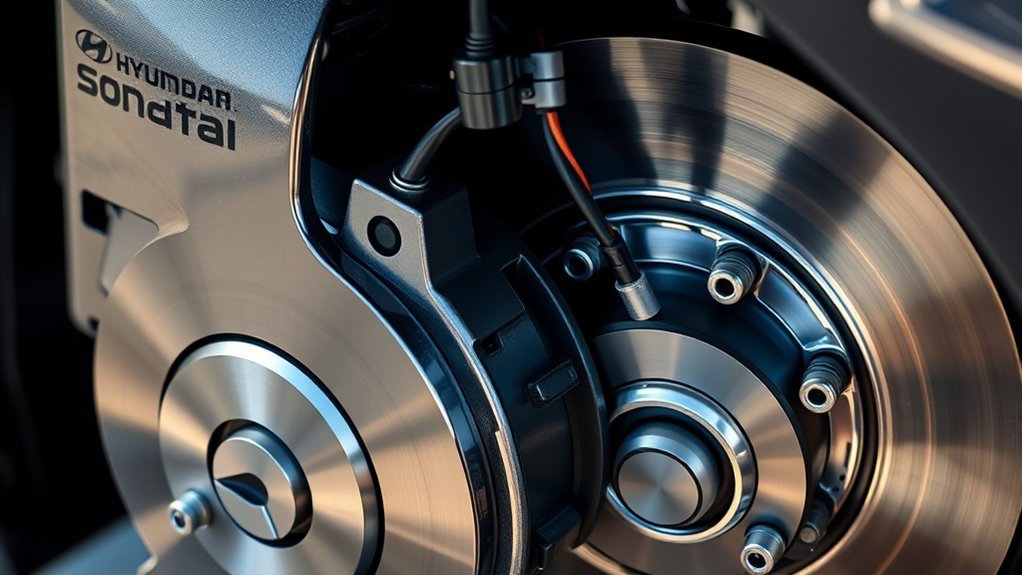
If you drive your Sonata in short trips, heavy traffic, or extreme temperatures, you’ll follow a tightened severe‑service schedule: change oil every 3,000–5,000 miles (use 0W‑20; 5W‑30 for the 2.0T), rotate tires every 5,000 miles, and inspect brakes and fluids every 3,000–5,000 miles. Check oil condition, tire pressure, brake fluid clarity, belts, hoses and battery regularly. Do basic DIY tasks but take brake issues or warnings to a dealer, and keep reading for full interval specifics.
What Severe Service Means for Your Sonata
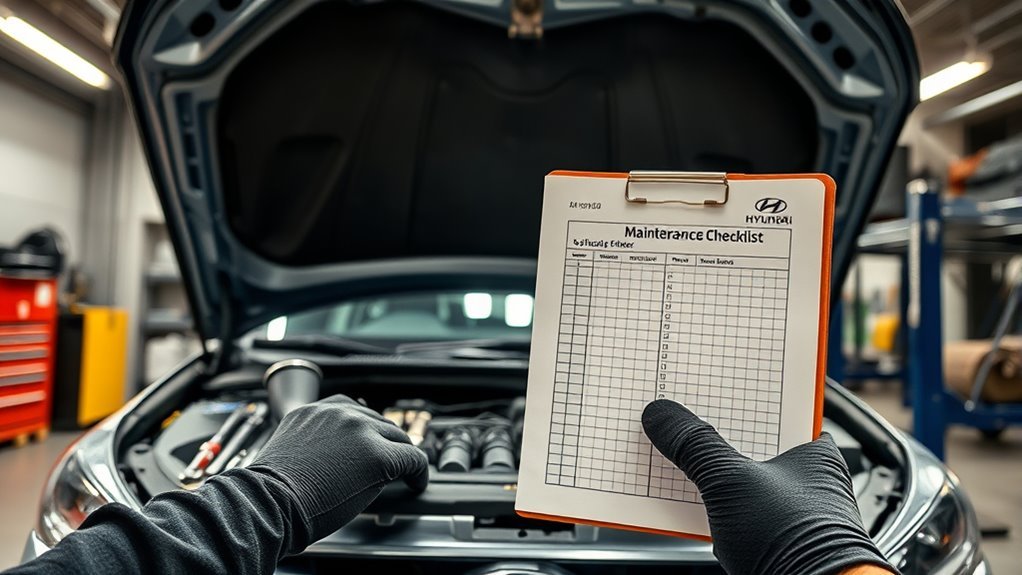
If you routinely make short trips, sit in heavy traffic, or drive in extreme temperatures, your Sonata faces “severe service” conditions that accelerate wear and tear and demand a tighter maintenance regimen. You’ll recognize these driving conditions by frequent engine warm-ups, rapid fluid degradation, and accelerated brake and tire wear. Under severe service, you’ll follow a condensed schedule—typically every 3,000 to 5,000 miles—to preserve performance and freedom from unexpected failures. Maintenance importance is nonnegotiable: monitor oil and other fluid quality and levels, increase inspection frequency, and document service intervals rigorously. This disciplined, technical approach minimizes repair risk and keeps your Sonata reliable, letting you reclaim time and mobility instead of being tethered to preventable breakdowns.
Essential Severe-Service Intervals (Oil, Tires, Brakes)
Start with three priorities: engine oil, tires, and brakes — each needs a tighter inspection and service rhythm under severe conditions. You’ll schedule oil changes at the lower end of the 3,000–5,000‑mile range when traffic, towing, or heat stress is routine; follow oil change tips like using manufacturer-grade oil and fresh filters to preserve compression and emissions controls. Rotate tires every 5,000 miles, monitor tread depth, and maintain specified pressure to avoid uneven wear and blowouts. Conduct brake maintenance inspections every 3,000–5,000 miles: assess pad thickness, rotor condition, and hydraulic lines, and address any fade or noise immediately. This disciplined cadence frees you from unexpected failures and extends Sonata longevity under demanding use.
3,000–5,000‑Mile Checks: Step‑by‑Step Checklist
Having established tighter rhythms for oil, tires, and brakes under severe use, you’ll now run a focused 0–5,000‑mile checklist to catch early wear and fluid issues. Start by checking engine oil level and condition; change oil if contaminated or at interval threshold to protect the motor. Verify tire pressure against recommended PSI and correct inflation to improve efficiency and safety. Inspect brake fluid level and clarity; top or replace if degraded to preserve stopping power. Examine drive belts for cracking, glazing, and proper tension; replace worn belts to avoid breakdowns. Visually inspect fuel lines, hoses, and connections for leaks, bulges, or chafing. Use mileage tracking and maintenance reminders to record findings and schedule follow-up actions.
When to DIY vs. Visit a Hyundai Service Center (Cost & Safety)
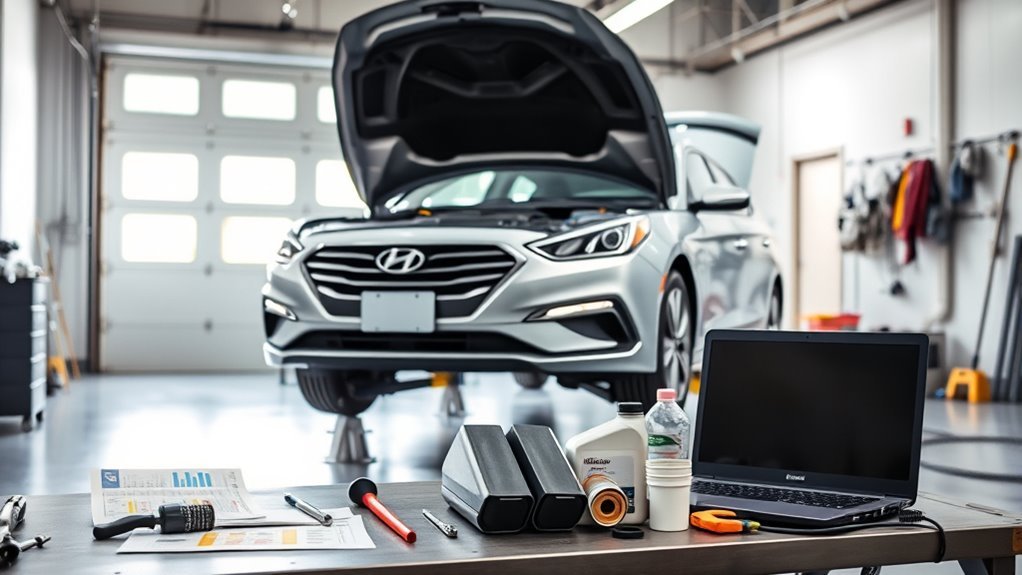
When you weigh cost against safety, choose DIY for routine, low-risk tasks—like oil top-offs, tire pressure checks, and basic filter swaps—because they save money and are straightforward with the Owner’s Manual as a guide. You’ll conserve resources and gain autonomy, but respect DIY Limitations: severe-service demands and complex inspections exceed home capabilities. Rely on Service Center Benefits for OEM parts, calibrated diagnostics, and trained technicians when brake systems, fluid integrity, or frequent short-trip wear are involved. Use the manual to set intervals; escalate to the dealer if you encounter uncertainty, unusual noises, or warning lights. Balance freedom with prudence to keep your Sonata reliable under stress.
Choose DIY for simple maintenance, but defer to dealers for complex, safety-critical repairs and diagnostics.
- Know what you can safely do yourself
- Escalate complex checks to pros
- Follow manual intervals strictly
- Prioritize OEM repairs for longevity
- Trade cost savings for certified safety when needed
Sonata Parts & Fluids for Severe Service (Oil Grades, Tires, Battery)
After you decide which maintenance tasks you’ll handle yourself versus at a Hyundai service center, address the specific parts and fluids that matter under severe-service conditions. You’ll use SAE 0W-20 for most Sonatas and SAE 5W-30 for the 2.0L Turbo to preserve oil longevity and engine protection. Monitor tire pressure and tread depth; replace tires at 2/32″ remaining to retain traction and safety. Confirm battery group size: Group 47 for most models, H6/48 for N Line, and 151R for hybrids to verify fit and electrical reliability. Include brake fluid, drive belt, and fuel-system inspections in every severe-service interval. Following this schedule prevents costly repairs, extends component life, and keeps you mobile and independent.
Frequently Asked Questions
What Is the Maintenance Schedule for a Hyundai Sonata?
You should follow routine service every 7,500 miles—oil and fluid changes, tire rotation, brake inspections—to preserve engine performance; perform more frequent checks under severe conditions and thorough 60,000-mile service for long-term reliability and freedom.
What Is a Severe Maintenance Schedule?
A warning light: a severe maintenance schedule is a rule set you follow when severe conditions demand increased maintenance frequency; you’ll service oil, brakes, tires, and fluids more often to prevent failures and preserve vehicle freedom.
What Is the Hyundai 120 000 Mile Service?
The Hyundai 120,000-mile service is a major inspection and maintenance overhaul: you’ll get an oil change, tire rotation, spark plug checks/replacements, fluid and coolant flushes, belt/hoses and brake system inspections to keep freedom driving.
Conclusion
You’ve learned what “severe service” means for your Sonata, which intervals matter most, and which checks to run every 3,000–5,000 miles. You’ll change oil on schedule, inspect tires and brakes regularly, and replace filters and fluids when specs call for it. You’ll DIY simple inspections and leave complex repairs to Hyundai-trained techs. You’ll use correct oil grades, tires, and batteries. You’ll follow the plan, reduce wear, and protect safety—consistently, precisely, reliably.