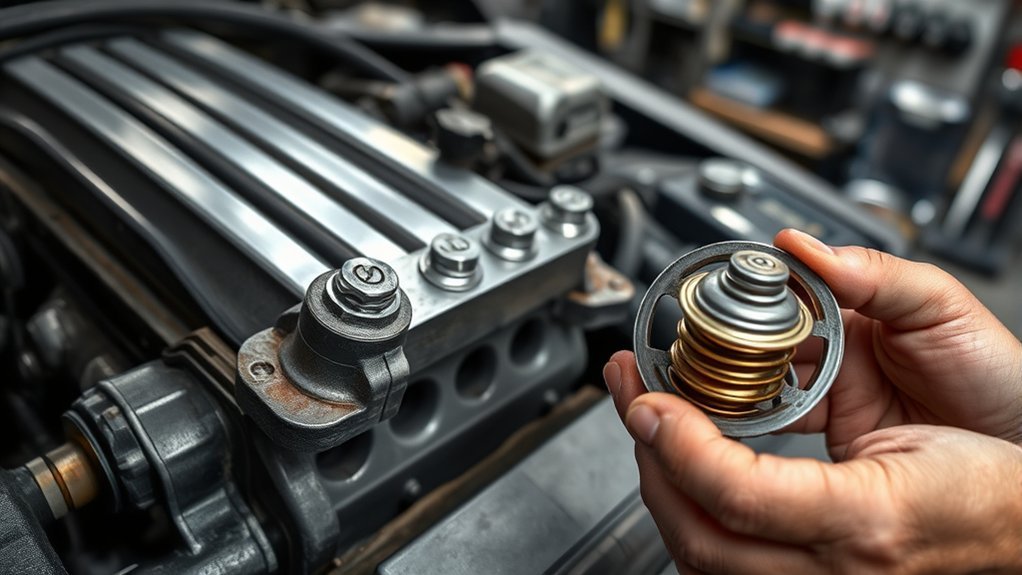
For a Toyota Supra, the safest spark plug replacement interval is the one listed in the maintenance guide for your exact model year and engine. On current U.S.-market GR Supra models, Toyota lists spark plug replacement at 40,000-mile intervals, while older, modified, or track-driven Supras may need inspection and replacement sooner.
Quick Answer
For a stock 2020+ Toyota GR Supra, use Toyota’s model-year maintenance guide first. The current U.S. GR Supra guide lists spark plug replacement at 40,000 miles, 80,000 miles, and 120,000 miles. Tuned, high-boost, race-fuel, or heavily tracked Supras should be inspected more often and serviced according to the tuner’s recommendation.
Key Takeaways
- Do not rely on a generic “copper vs. platinum vs. iridium” chart alone; the Supra’s official maintenance schedule comes first.
- For current U.S.-market GR Supra models, Toyota lists spark plug replacement every 40,000 miles in the maintenance chart.
- Use the same spark plug type as originally equipped unless a qualified tuner or Toyota service information specifies otherwise.
- Replace plugs sooner if you see misfires, rough idle, hard starts, poor acceleration, unusual plug wear, or tuner-recommended service intervals.
- DIY replacement can save labor cost, but correct torque, plug type, gap handling, and clean installation matter.
At a Glance
| Time Required | About 1–3 hours for an experienced DIYer, depending on model year and access |
| Difficulty | Moderate; easier with the right socket, extension, and torque wrench |
| Tools Needed | Spark plug socket, ratchet, extensions, torque wrench, coil removal tools as needed, scan tool if diagnosing misfires |
| Cost | Parts-only cost for DIY, or parts plus shop labor for professional service |
Understanding Spark Plugs in Your Toyota Supra
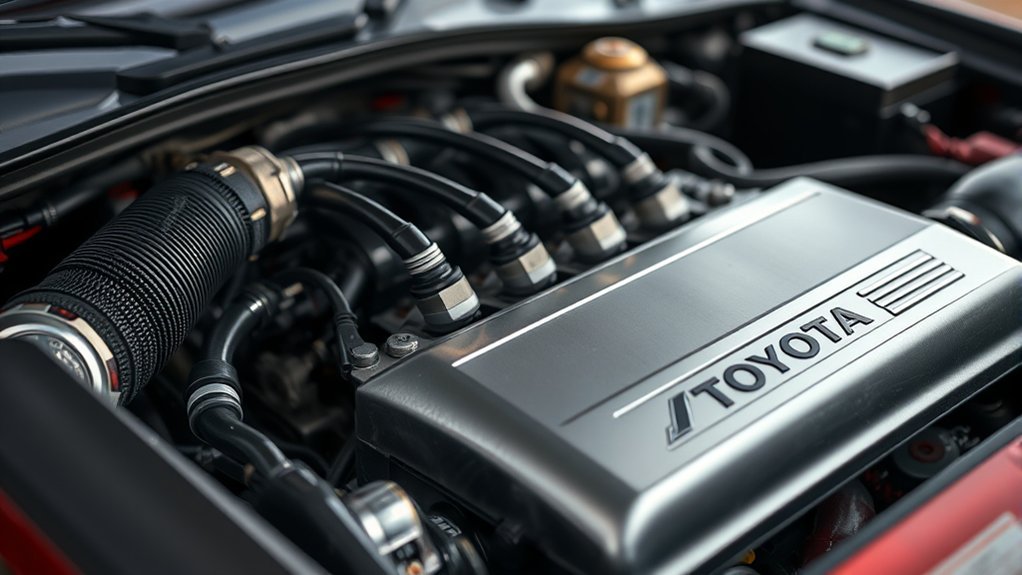
Spark plugs ignite the compressed air-fuel mixture inside the combustion chamber. In a performance car like the Supra, that small part affects cold starts, idle quality, throttle response, fuel economy, emissions, and how cleanly the engine pulls under boost.
The exact plug your Supra needs depends on the generation, engine, market, and modifications. A current GR Supra is different from a Mk4 2JZ-GTE, and both are different from a modified track build. That is why Toyota’s owner manuals and maintenance guides should be your first reference before buying plugs or choosing a service interval.
Note: Spark plug material matters, but it does not override the factory maintenance schedule. NGK also advises following the vehicle manufacturer’s recommended replacement mileage for best efficiency and performance.
Recommended Replacement Intervals for Different Plug Types
For a stock 2020+ U.S.-market Toyota GR Supra, the most useful interval is the factory interval. Toyota’s current GR Supra Warranty & Maintenance Guide lists spark plug replacement at 40,000 miles, 80,000 miles, and 120,000 miles, with the note that spark plug maintenance is required under the Emission Control Warranty. You can confirm this in the Toyota GR Supra Warranty & Maintenance Guide.
| Supra / Plug Situation | Best Replacement Guidance | Notes |
|---|---|---|
| Stock 2020+ U.S. GR Supra | Follow Toyota’s maintenance guide; current guide shows 40,000-mile intervals | Use the same type of plug as originally equipped unless official service information says otherwise |
| Older Supra models | Use the owner’s manual or factory service information for that model year and engine | Intervals vary by generation, engine, plug design, and market |
| Aftermarket iridium performance plugs | Follow the plug maker’s application listing and your tuner’s advice | NGK explains that OE-style iridium and performance iridium plugs are not always built for the same service life |
| Tuned, high-boost, track, race-fuel, or ethanol setups | Inspect more often and replace when wear, misfire, gap growth, or tuner guidance calls for it | Modified engines may need a colder heat range or smaller gap, depending on power and cylinder pressure |
Generic plug-type ranges can be helpful when you do not have factory information, but they are not a substitute for Toyota’s schedule. A common mistake is assuming “iridium” always means 100,000 miles, or that every NGK iridium plug should be changed at 15,000 miles. In reality, service life depends on the exact plug series, engine design, boost level, ignition system health, fuel quality, and driving use.
Key Factors Affecting Spark Plug Lifespan
Several factors can shorten spark plug life in a Toyota Supra:
- Engine generation and factory schedule: A current GR Supra’s schedule is not the same as an older Supra’s schedule.
- Plug design: OE-style precious-metal plugs, performance iridium plugs, platinum plugs, and conventional nickel/copper-core plugs can have different service lives.
- Boost and cylinder pressure: More boost demands a stronger spark and can expose weak plugs, worn coils, or an excessive gap.
- Heat range: A plug that is too hot can contribute to pre-ignition risk; a plug that is too cold can foul during low-speed driving.
- Fuel and tuning: Ethanol blends, race fuel, aggressive timing, richer mixtures, and high horsepower builds may require different plug choices.
- Driving conditions: Short trips, heavy traffic, track days, repeated wide-open-throttle pulls, and dusty environments can all change inspection needs.
Pro Tip: If your Supra is tuned, ask your tuner for the exact plug part number, heat range, gap, and replacement interval. A “works for stock” plug is not automatically right for a higher-boost setup.
Recognizing Bad Spark Plugs: Signs You Need a Change
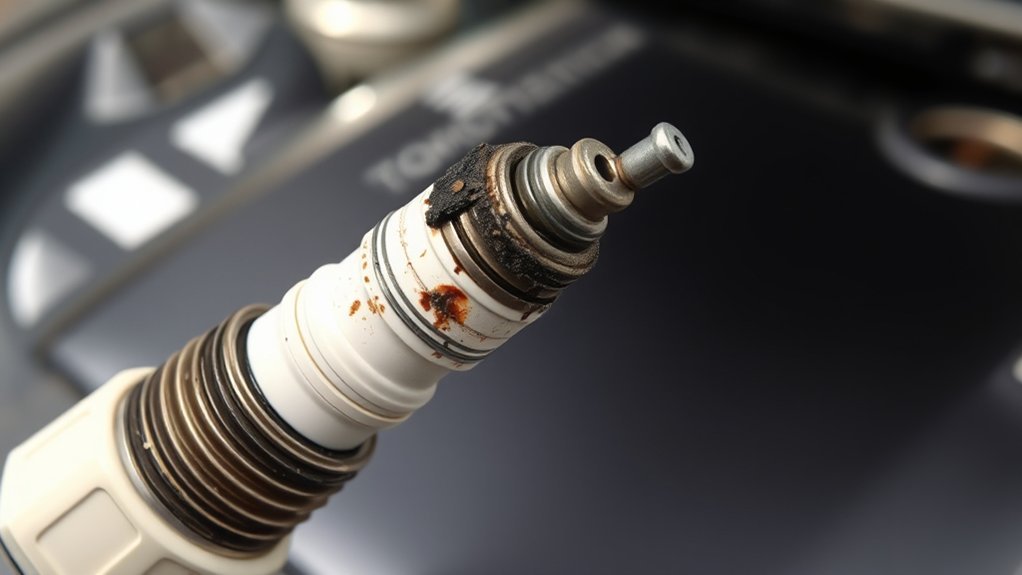
Bad spark plugs do not always fail all at once. They often wear slowly, so the symptoms can feel minor at first. Inspect the plugs or schedule service if you notice:
- Rough idle: The engine shakes, stumbles, or feels uneven at a stop.
- Hard starting: The engine cranks longer than usual before firing.
- Misfire codes: Codes such as P0300, P0301, P0302, and related cylinder misfire codes can point to plugs, coils, fuel, compression, or other causes.
- Poor acceleration: The car hesitates or feels flat under load.
- Lower fuel economy: Worn or fouled plugs can reduce combustion efficiency.
- Check engine light: A flashing check engine light can indicate a serious misfire; stop driving hard and diagnose it quickly.
- Visible plug wear: Rounded electrodes, oil fouling, heavy carbon deposits, melted electrodes, or abnormal coloring need attention.
Warning: Do not keep driving a Supra hard with an active misfire. A severe misfire can damage the catalytic converter, oxygen sensors, turbo-related components, and the engine itself.
Should You Do It Yourself or Hire a Pro for Spark Plug Replacement?
Spark plug replacement can be a reasonable DIY job for a careful owner, but it is not a job to rush. The biggest risks are installing the wrong plug, damaging a coil connector, cross-threading a plug, dropping dirt into the plug well, over-tightening, under-tightening, or ignoring a deeper misfire problem.
[Products Worth Considering]

NGK Iridium IX spark plugs are designed to deliver a stable spark, reliable ignition, and long-lasting performance for compatible Toyota Camry 2.5L engines. The fine-wire iridium center electrode helps improve durability and efficient combustion, making these plugs a smart replacement choice for maintaining smooth engine operation. Sold in a convenient four-pack, they are built for consistent performance and dependable fitment.

This ignition coil pack and double iridium spark plug set is designed to restore reliable ignition performance for compatible Toyota, Scion, and Lexus 2.5L and 2.7L L4 gas models. It helps improve starting, fuel efficiency, and smooth engine operation while reducing misfires and emissions. Built for direct plug-and-play installation, this kit is a practical replacement for worn ignition components.

This ignition coil and iridium spark plug kit is designed to restore smooth engine performance, reliable starts, and efficient combustion for compatible Toyota models. Built for a precise fit across select Camry, RAV4, Sienna, Highlander, and Venza applications, it helps improve idle stability, fuel economy, and emissions. The kit includes durable replacement parts backed by a one-year unlimited-mileage guarantee for added confidence on the road.
Cost Savings Benefits
DIY replacement usually costs less because you are paying only for plugs and any tools you do not already own. Professional service costs more because it includes labor, shop overhead, diagnostics, warranty handling, and technician experience.
DIY makes the most sense if you already have a torque wrench, spark plug socket, basic mechanical skill, and the correct service information for your model. Professional service makes more sense if your Supra has an active misfire, engine modifications, warranty concerns, damaged threads, tight access, or unknown plug history.
Skill Development Opportunities
Replacing spark plugs teaches useful maintenance skills: how to remove ignition coils, keep debris out of the engine, inspect plug condition, recognize fouling, and reinstall parts carefully. For Supra owners who like understanding their car, it is a satisfying project.
Still, confidence should not replace procedure. Before starting, confirm the correct plug part number, whether the plug should be gapped or left alone, and the correct torque specification from Toyota service information or the plug manufacturer’s application data.
Time Considerations Involved
Plan more time than you think you need, especially on your first attempt. Let the engine cool completely, organize removed parts, and avoid forcing connectors or coils. A clean, patient installation is more important than finishing quickly.
- For a first-time DIYer: Set aside a full afternoon so you are not rushing.
- For an experienced DIYer: The job may take much less time, depending on access and tools.
- For a shop: A technician can usually complete the service faster and can diagnose related misfire issues at the same visit.
Cost of Spark Plug Maintenance: DIY vs. Professional
The cost of Supra spark plug maintenance depends on the engine, plug type, local labor rate, and whether diagnosis is needed. A simple scheduled replacement is cheaper than chasing a misfire under boost.
| Option | What You Pay For | Best For |
|---|---|---|
| DIY | Spark plugs, tools, and your time | Owners with tools, patience, and correct service information |
| Independent specialist | Parts, labor, and performance-car experience | Older Supras, modified cars, or owners who want expert help |
| Toyota dealer | Toyota service process, parts sourcing, records, and warranty-friendly documentation | Newer GR Supras, warranty concerns, and factory-scheduled maintenance |
Whichever route you choose, keep the receipt and mileage record. Toyota’s maintenance guide says maintenance records should include the date of service, mileage at service, and a description of the work or parts installed.
[Products Worth Considering]

This ignition coil pack and pre-gapped spark plug set is designed for select 3.5L V6 Toyota and Lexus models, helping restore smooth engine performance and reliable starting. Built to meet or exceed OEM specifications, it can help fix common issues like misfires, rough idle, poor fuel economy, and reduced power. The complete 6-piece set offers a convenient replacement solution for compatible vehicles.

This complete ignition kit includes six direct replacement coil packs and six pre-gapped iridium spark plugs designed for select Toyota and Lexus 3.5L V6 vehicles. It can help address misfires, rough idle, hard starting, hesitation, and check engine light issues caused by worn ignition components while supporting smooth, reliable engine performance. Built for easy installation and backed by testing, warranty coverage, and technical support, it is a convenient tune-up solution.

This ignition coil and spark plug set is designed to restore reliable starting, smooth engine performance, and efficient combustion for compatible Toyota, Lexus, Scion, and Pontiac models. Built with durable materials and engineered to meet or exceed OE design standards, it offers dependable fitment and long-lasting operation. The package includes four ignition coils and four double iridium spark plugs for a complete tune-up solution.
Essential Tools for Spark Plug Changes
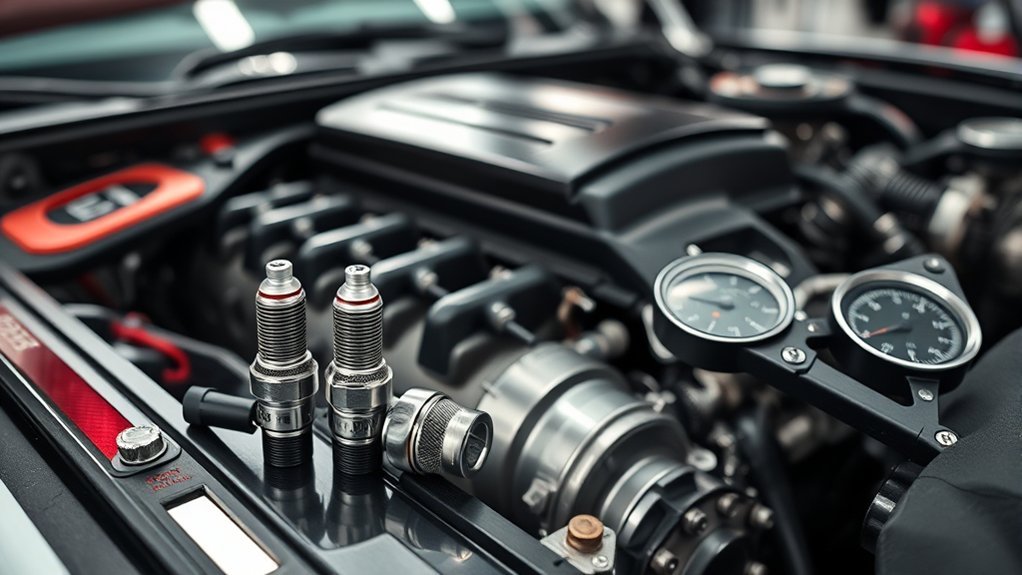
Having the right tools makes the job cleaner and safer. At minimum, most Supra spark plug jobs require:
- Spark plug socket: A dedicated socket helps grip and protect the plug during removal and installation.
- Ratchet and extensions: Extensions help reach deep plug wells without awkward angles.
- Torque wrench: Correct torque is critical. NGK notes that torque is one of the most important parts of spark plug installation.
- Compressed air or a clean vacuum method: Clean around plug wells before removal so dirt does not fall into the cylinder.
- Plastic trim tools or small hand tools: Useful for engine covers and electrical connectors, depending on model.
- Scan tool: Helpful if you are diagnosing misfire codes before and after replacement.
Warning: Never start a spark plug by wrench. Thread it by hand first. If it does not turn smoothly, back it out and try again. Cross-threading an aluminum cylinder head can turn a simple service into an expensive repair.
[Products Worth Considering]

This ignition coil and spark plug set is designed to restore reliable starting, smooth acceleration, and efficient engine performance for a wide range of compatible vehicles. It features quality coil pack construction with iridium spark plugs to help address misfires, shaking, and hard-start issues. Ideal as a replacement set for aging ignition components, it offers a practical upgrade for maintaining dependable vehicle operation.

NGK Iridium Spark Plugs are designed to deliver reliable ignition performance across a wider heat range than ordinary plugs. They help resist carbon buildup and pre-ignition while the patented triple gasket sealing process reduces the chance of combustion gas leakage. Sold as a six-pack, they are a strong choice for routine maintenance and improved engine operation.

This ignition coil pack and spark plug set is designed to restore strong spark, smoother starts, and reliable engine performance for a wide range of Toyota, Lexus, Pontiac, and Scion vehicles. Built with durable materials and engineered to meet or exceed OE standards, it helps improve combustion efficiency and long-term dependability. The kit includes four ignition coils and four spark plugs for a convenient all-in-one replacement solution.
Basic Spark Plug Replacement Checklist
This checklist is a general overview, not a substitute for Toyota service information for your exact Supra. Use the factory procedure when available.
- Confirm the correct plugs. Match the part number, heat range, reach, seat type, and electrode design to your Supra’s application.
- Let the engine cool. Removing plugs from a hot aluminum cylinder head increases the risk of thread damage.
- Disconnect or secure power as needed. Follow the service procedure for your model before unplugging ignition components.
- Remove covers and access parts carefully. Keep bolts and clips organized.
- Clean the plug wells. Blow or vacuum debris away before removing the old plugs.
- Remove ignition coils. Inspect coil boots for oil, cracking, carbon tracking, or damage.
- Remove the old plugs. Keep them in cylinder order so you can read wear patterns.
- Inspect the new plugs. Check for shipping damage and confirm the gap only if the manufacturer and application call for it.
- Install by hand first. Use a socket extension without the ratchet until the plug is fully started.
- Torque to specification. Use the correct torque for your plug and engine. Do not guess.
- Reinstall coils and connectors. Make sure each connector clicks into place.
- Start and test. Listen for smooth idle, scan for codes if needed, and road-test gently before hard acceleration.
Performance Effects of Worn Spark Plugs
Worn spark plugs can make a Supra feel weaker, less smooth, and less predictable. The effect is most obvious under load, when boost, fuel, and cylinder pressure make the ignition system work harder.
Misfire Symptoms Identification
A misfire happens when combustion does not occur correctly in one or more cylinders. Spark plugs are one possible cause, but not the only one. Coils, injectors, vacuum leaks, compression problems, tuning issues, and fuel quality can also trigger misfires.
Use the plug condition as a clue. Dry black soot can point to rich running or fouling. Wet oil deposits can point to oil control issues. A very white or blistered insulator can suggest overheating or a lean condition. If the plug looks abnormal, replace the plug and find the cause instead of simply installing another set.
Fuel Efficiency Decline
When spark plugs are worn, fouled, or incorrectly gapped, the engine may not burn the air-fuel mixture as cleanly. That can reduce fuel economy and make the car feel less responsive. If your Supra suddenly uses more fuel than usual, inspect the plugs along with tire pressure, air filter condition, fuel trims, oxygen sensor data, and driving conditions.
Acceleration Performance Impact
A Supra that hesitates during acceleration, breaks up under boost, or feels rough at wide-open throttle may have an ignition issue. On modified engines, the plug gap may need to be smaller and the heat range may need to change. NGK’s guidance for modified engines notes that added horsepower can require a colder heat range and a smaller gap to avoid misfire and pre-ignition.
A stock Supra usually follows the factory maintenance chart; a tuned Supra should follow the tuner’s plug, gap, heat-range, and inspection plan.
Tips for Optimal Spark Plug Care and Maintenance
Good spark plug care is simple: use the right part, install it correctly, and inspect it when the engine gives you a reason. These tips will help keep your Supra running cleanly:
- Follow the model-year maintenance guide. For current U.S. GR Supra models, Toyota’s schedule is the baseline.
- Use the same type as originally equipped. Toyota’s maintenance guide says to install new plugs of the same type as originally equipped.
- Do not pry on fine-wire electrodes. Precious-metal plugs can be damaged if handled roughly during gapping.
- Avoid unnecessary anti-seize. Many modern plugs have coated threads; adding anti-seize when it is not specified can affect torque.
- Replace plugs as a full set. Mixing old and new plugs can create uneven cylinder performance.
- Keep records. Note mileage, date, plug part number, and gap if applicable.
- Inspect coils too. A new plug will not fix a weak coil, damaged boot, or oil-filled plug well.
Note: If your check engine light is on, scan the car before replacing parts. A misfire code gives you a starting point, but proper diagnosis prevents wasting money on plugs when the real issue is a coil, injector, air leak, or tune problem.
Frequently Asked Questions
How much does it cost to replace spark plugs in a Supra?
The cost depends on the Supra generation, plug type, labor rate, and whether diagnosis is included. DIY usually costs the price of the plugs and tools. Professional service costs more because it includes labor, shop time, and documentation. For an exact number, ask for a quote using your VIN and mileage.
What is the service interval for Toyota Supra spark plugs?
For current U.S.-market GR Supra models, Toyota’s maintenance chart lists spark plug replacement at 40,000-mile intervals. Older Supras and non-U.S. models may differ, so check the owner’s manual or maintenance guide for your exact model year, engine, and market.
Should I use NGK Iridium plugs in my Toyota Supra?
Use the plug specified for your exact Supra application. NGK makes OE-style and performance iridium plugs, but they are not all the same. For a stock car, match the factory application. For a tuned car, use the plug, heat range, and gap recommended by your tuner.
Do tuned Supras need spark plugs more often?
Often, yes. Higher boost, added horsepower, ethanol blends, track use, and aggressive tuning can increase ignition demand. Tuned Supras should be inspected more often and serviced according to tuner guidance, especially if the car breaks up under boost or shows misfire codes.
Can bad spark plugs damage a Supra engine?
Bad plugs can contribute to misfires, poor combustion, and drivability problems. The bigger risk is ignoring the cause. A severe misfire, lean condition, wrong heat range, or incorrect gap can lead to expensive damage, especially on a turbocharged or tuned engine.
Conclusion
Spark plug maintenance is a small job with a big effect on how your Toyota Supra starts, idles, accelerates, and performs under boost. For a stock GR Supra, follow Toyota’s official maintenance schedule first. For older or modified Supras, match the plug and interval to the engine, tune, and driving use. When in doubt, inspect early, use the correct plug, torque it properly, and let a qualified technician handle the job if the car has misfire codes or warranty concerns.
Sources
- Toyota 2026 GR Supra Warranty & Maintenance Guide — factory maintenance chart, spark plug replacement interval, and service notes
- Toyota Manuals and Warranties — official Toyota source for owner manuals and maintenance guides by vehicle
- NGK: How Often Should I Replace My Spark Plugs? — manufacturer guidance to follow vehicle-maker replacement recommendations
- NGK: Iridium IX vs. OE Iridium Spark Plugs — differences between OE-style and performance iridium plug designs
- NGK: Spark Plug Installation — installation and torque guidance
- NGK: Special Spark Plugs for Modified Engines — heat range and gap considerations for modified engines