

For a 2026 Toyota GR Supra, replace the engine oil and oil filter every 10,000 miles or 12 months under normal driving, or sooner if the maintenance reminder appears. Use 5,000 miles or 6 months if the car is mainly driven on dirt or dusty roads, or repeatedly makes trips of less than five miles in freezing temperatures. Toyota does not publish one fixed interval for every track-use pattern, so harder use may justify an earlier change based on oil condition, event frequency, and qualified service advice.
Last updated: July 23, 2026. Verified against Toyota’s 2026 GR Supra Warranty & Maintenance Guide, Owner’s Manual, and factory technical documentation. [VERIFY: add real author/byline with automotive credential]
Quick Answer: 2026 Toyota GR Supra Oil Change Intervals
For a 2026 Toyota GR Supra (3.0L Turbo Inline-6), follow these factory-approved service intervals:
- Normal Street Driving: Every 10,000 miles or 12 months (whichever comes first).
- Severe Operating Conditions: Every 5,000 miles or 6 months (dirt/dusty roads or repeated sub-5-mile trips in freezing weather).
- Track / HPDE / Performance Driving: Shorten interval based on oil temperature exposure, event hours, and fluid condition.
- Service Indicator: Always change oil promptly if the electronic Condition Based Service (CBS) reminder illuminates first.
Key Takeaways
- Toyota’s factory interval for the 2026 GR Supra engine oil and filter is 10,000 miles or 12 months under normal street use.
- Use 5,000 miles or 6 months for the two factory severe conditions: mainly driving on dirt/dusty roads, or repeated trips of under 5 miles in freezing temperatures.
- A scheduled 5,000-mile maintenance visit covers routine inspections and tire rotation; it does not require an oil change under normal driving conditions.
- Use approved engine oil matching Toyota Genuine Motor Oil SN 0W-20 C5 for GR Toyota Supra or BMW Longlife-17 FE+ 0W-20.
- The 3.0L B58 engine holds approximately 6.5 liters (6.9 quarts) with filter; always verify level electronically via Supra Command and never overfill.
- Disregard generic E85 or 3UR-FBE flex-fuel schedules; those apply exclusively to Toyota truck V8 platforms.
At a Glance: Specifications & Intervals
| Normal Oil Interval | 10,000 miles or 12 months (whichever comes first) |
| Severe-Use Interval | 5,000 miles or 6 months (dirt/dusty roads or repeated sub-5-mile freezing trips) |
| Approved Oil Spec | 0W-20 meeting Toyota SN C5 or BMW Longlife-17 FE+ |
| Engine Oil Capacity | Approx. 6.5 Liters (6.87 US Quarts) with filter replacement |
| Housing Cap Torque | 25 N·m (18.4 lb-ft) for oil filter housing cap |
| Oil-Level Check Time | ~2–3 minutes once oil reaches operating temp (>158°F / 70°C) on level ground |
| DIY Service Time | About 45–75 minutes for a properly equipped DIY service |
| Difficulty Level | Moderate (requires underbody tray removal & electronic oil level measurement) |
Understanding Toyota’s Oil Change Recommendations for the Supra
Toyota’s 2026 GR Supra Warranty & Maintenance Guide lists engine oil and oil filter replacement at the 10,000-mile service interval. The calendar limit is 12 months when the car covers fewer miles. In standard operation, do not exceed 10,000 miles or one calendar year, whichever occurs first.
The same guide shortens the oil and filter interval for two specific operating patterns. Use 5,000 miles or 6 months if the Supra is mainly driven on dirt or dusty roads, or if it repeatedly makes trips of less than five miles in freezing temperatures.
The vehicle maintains a scheduled maintenance checkpoint at 5,000 miles or six months that does not include an oil change under normal use. That service visit focuses on safety inspections, fluid level verifications, and tire rotations. The oil and filter move to the 5,000-mile schedule only when a documented severe-use condition applies or when the on-board maintenance monitor calls for earlier attention.
Model-Year & Engine Note: The U.S. 2026 GR Supra lineup is powered by the BMW-engineered B58 3.0-liter turbocharged inline-six engine. Do not apply maintenance guidance for older fourth-generation (2JZ) models, four-cylinder 2.0L variants from earlier model years, or Toyota 3UR-FBE flex-fuel truck engines.
Maintain thorough service records throughout ownership. Toyota’s maintenance guide states that engine damage resulting from improper or omitted maintenance may void factory warranty protection. Retain documentation of service dates, mileage, oil specifications, filter part numbers, and receipts whether the work is performed by a Toyota dealership, a BMW specialist, or in your own garage.
Official Toyota Supra Oil Change Intervals
Start with Toyota’s factory schedule, then adjust only for conditions that accurately describe your operating environment.
| Driving Situation | Oil and Filter Interval | Application & Action |
|---|---|---|
| Normal street driving | 10,000 miles or 12 months | Service at whichever threshold occurs first; service sooner if CBS reminder alerts |
| Mainly dirt or dusty roads | 5,000 miles or 6 months | Factory-specified severe condition due to airborne particulate contamination |
| Repeated trips < 5 miles in freezing temps | 5,000 miles or 6 months | Prevents excessive moisture accumulation and fuel dilution from unheated short cycles |
| Maintenance reminder appears first | Service promptly upon alert | Do not delay service because odometer has not reached 10,000 miles |
| Track days, HPDE, or competitive driving | Variable (3,000–5,000 miles / post-event) | Inspect level before and after track sessions; shorten interval based on thermal stress |
Important Distinction: A 5,000-mile maintenance checkpoint and a 5,000-mile oil-change interval are distinct service events. Under standard street use, Toyota schedules the 2026 Supra engine oil and filter exclusively at 10,000-mile / 12-month intervals.
What Do the Supra’s Oil Messages Mean?
The required action depends on the exact warning received. A scheduled maintenance notice, a low-level top-up prompt, and an oil pressure fault signify entirely different vehicle states.
| Message or Display Warning | System Meaning | Required Action |
|---|---|---|
| Service Due / Maintenance Reminder | Scheduled maintenance is due based on elapsed time, mileage, or driving profile | Schedule standard oil and filter service; verify which additional items are due |
| Add 1 Quart / Low Engine Oil Level | Electronic sensor detects oil level is at or near the minimum threshold | Add exactly the requested amount of approved 0W-20 oil; recheck level electronically |
| Red Oil Pressure / Stop Engine Warning | Critical loss of hydraulic oil pressure or major lubrication system fault | Safely pull over, shut off engine immediately, and arrange flatbed towing |
The 2026 GR Supra Owner’s Manual details how different status messages appear on the central Control Display based on sensor input. Follow the exact on-screen prompt rather than assuming every oil-related notification requires a complete drain and refill.
Unusual symptoms such as visible underbody leaks, persistent burning oil odors, tailpipe smoke under acceleration, valvetrain ticking, or frequent low-level warnings require immediate mechanical evaluation. These issues often point to valve cover gasket weeping, oil filter housing seal degradation, or turbocharger oil feed issues rather than normal oil aging.
Visual oil color alone is not a reliable indicator of remaining service life. Modern synthetic oils darken quickly as detergents suspend combustion byproducts. Base maintenance decisions on documented mileage, time intervals, electronic level readings, and professional used oil analysis (UOA).
Warning: Never treat a red oil pressure warning as a routine service light. Pull over and turn off the ignition as soon as it is safe. Operating the turbocharged B58 engine without sufficient oil pressure will cause catastrophic bearing and turbocharger failure within seconds.
When Should You Choose 5,000 vs. 10,000 Mile Oil Changes?
Follow the 10,000-mile schedule for typical highway and street driving. Adopt the 5,000-mile interval when your vehicle meets Toyota’s defined severe-use criteria or experiences high thermal loads.
| Choose 10,000 Miles / 12 Months When | Choose 5,000 Miles / 6 Months When |
|---|---|
| Driven on paved roads under standard traffic flow | Driven regularly on unpaved, dirt, or dusty roadways |
| Commutes allow engine to reach full operating temperature | Repeated trips under 5 miles in freezing ambient conditions |
| No service alerts appear on instrument display | Maintenance system requests service or oil analysis indicates shear |
| Vehicle is not tracked or driven in competitive events | Vehicle participates in HPDE, autocross, or frequent spirited canyon driving |
There is no need to shorten intervals purely because the engine is turbocharged; Toyota and BMW formulated the factory 0W-20 specification specifically to handle the B58’s thermal output over 10,000 miles under normal driving. Conversely, if your Supra regularly sees high-RPM track sessions or continuous cold short-tripping, adopting a conservative 5,000-mile interval protects against oil shear and fuel dilution.
How Short Trips, Traffic, and Climate Affect Oil Life

Stop-and-go traffic, mountainous elevation changes, extreme summer heat, and sub-freezing winter starts all impact motor oil degradation. The most damaging everyday operating profile is repeated short-distance driving in cold weather.
During cold starts, the engine management system injects extra fuel to warm the catalytic converters. On trips under five miles, the engine oil rarely reaches its optimal operating temperature (above 180°F / 82°C). As a result, fuel blow-by and condensation cannot evaporate out of the crankcase, causing premature oil dilution, acidity buildup, and sludge formation.
Taking an occasional longer highway drive helps boil off accumulated moisture, but it does not reverse oil shear or reset the service calendar if the vehicle has operated under severe short-trip conditions for months.
Practical Rule: Base your maintenance schedule on your dominant driving pattern over months, rather than isolated single trips. Consistent cold-weather short-tripping warrants moving to a 5,000-mile / 6-month interval.
Which Oil Does a 2026 Toyota GR Supra Require?
The 2026 GR Supra requires synthetic motor oil meeting exact OEM approval standards. Toyota specifies Toyota Genuine Motor Oil SN 0W-20 C5 for GR Toyota Supra or BMW Longlife-17 FE+ (LL-17 FE+) 0W-20. Always confirm the container displays these exact manufacturer approvals rather than choosing based solely on the 0W-20 viscosity grade.
These specific C5 and LL-17 FE+ low-SAPS oils are engineered with robust additive packages to protect the B58’s timing chain assembly, prevent Low-Speed Pre-Ignition (LSPI) in direct-injected cylinders, and maintain thermal stability through the twin-scroll turbocharger bearings.
If an approved formulation is unavailable during an emergency top-up, Toyota permits adding a maximum of 1.0 US quart (1.0 liter) of an alternative synthetic oil carrying API SP or API SN PLUS ratings. This is strictly a temporary emergency provision; do not perform a complete oil change with non-approved generic oils.
Specification Matters: Never purchase oil based on viscosity alone. The GR Supra requires oil carrying the official Toyota C5 or BMW Longlife-17 FE+ manufacturer certification to maintain engine longevity and warranty compliance.
Do not add aftermarket oil supplements or friction modifiers. Toyota explicitly warns against crankcase additives, which can alter oil viscosity, degrade seal materials, or cause catalytic converter fouling.
[Products Worth Considering]

ECOGARD X5608 is a premium cartridge oil filter designed for a wide range of Toyota, Lexus, and Scion vehicles. It helps protect your engine by screening out harmful contaminants and is built for use with both synthetic and conventional oils. Included O-rings support a proper housing seal for dependable maintenance between oil changes.

FOCUSFILTER 04152-YZZA1 OEM grade oil filter is designed to help protect your engine with reliable filtration and 10K mile protection. It cross references multiple OE part numbers and fits a wide range of Toyota and Lexus applications, making it a practical replacement for routine maintenance. Built for compatible vehicles including Camry, Avalon, Highlander, Tacoma, RAV4, Sienna, ES 350, and RX 350.

This 12-pack oil filter and drain plug washer set is designed for a wide range of Toyota and Scion vehicles, helping support clean oil flow and dependable engine performance. It replaces several common OE part numbers and offers an easy-fit solution for routine maintenance. Built with corrosion-resistant materials and efficient filtration, it helps keep engine contaminants out and supports longer service life.
How Do You Check the Oil Level on a Toyota Supra?
The A90/A91 Toyota GR Supra utilizes an electronic oil level monitoring system with an ultrasonic sensor inside the oil pan instead of a traditional under-hood dipstick. You can review the oil level during routine driving or initiate a precise stationary measurement through the infotainment system.
- Park the car on a completely flat, level surface with the hood securely closed.
- Drive the vehicle for at least 15–20 minutes so the engine reaches full operating temperature (oil temperature above ~158°F / 70°C).
- Keep the engine idling smoothly.
- For automatic models, engage Park (P) or Neutral (N) without touching the accelerator. For manual models, select Neutral and release both clutch and brake pedals.
- Using the Supra Command controller, navigate to My Vehicle.
- Select Vehicle status.
- Scroll to and select Engine oil level.
- Choose Measure engine oil level, then click Start measurement.
- Wait approximately 60 seconds as the progress bar completes. Engine idle speed will rise slightly during testing.
- Review the result. If low, add only the exact volume specified on the Control Display (typically 0.5 to 1.0 quart) using approved 0W-20 oil, then re-measure.
If the vehicle has recently undergone aggressive driving or has not reached operating temperature, the system may gray out the measurement option. The display will retain the last confirmed level reading until standard testing conditions are satisfied.
Warning: Avoid overfilling the engine. Excess engine oil can aerate from crankshaft contact, resulting in foaming, reduced oil pressure, and catalytic converter damage. Add oil incrementally and verify electronically after each addition.
[Products Worth Considering]

This upgraded aluminum oil filter housing cap is designed as a direct replacement for compatible Toyota and Lexus models, helping restore a secure, reliable seal for the oil filter housing. Built from durable aluminum, it offers improved strength and heat resistance over factory plastic covers, while the included gasket and plug support straightforward installation and dependable leak-free performance.

This oil filter housing cap assembly is designed as a direct replacement for a wide range of Toyota and Lexus vehicles, helping restore a secure seal for proper oil filtration. It is made for easy installation and tested for compatibility with multiple part numbers and model years. The package includes the cap, plug, and gasket for a complete replacement solution.
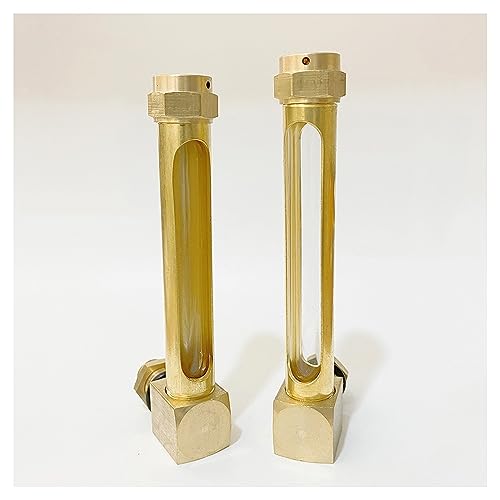
Oil level indicator material: brass, glass brass, glass
How Should Track Days and Aggressive Driving Change the Schedule?
Track driving, High-Performance Driver Education (HPDE), and autocross subject motor oil to elevated temperatures and sustained lateral G-forces. High oil temperatures degrade the oil’s viscosity index improvers and accelerate oxidation.
Follow this checklist when tracking a GR Supra:
- Pre-Event Prep: Run a detailed electronic oil check to ensure the level is at maximum (full bar). Inspect the engine bay and underbody belly pan for weeping fluid lines.
- During Sessions: Monitor digital oil and coolant temperature gauges on the instrument cluster. Allow a proper cool-down lap before returning to the paddock.
- Post-Event Inspection: Let the car idle on level paddock ground and perform a stationary oil measurement. Check underbody panels for fluid misting.
- Track Interval Strategy: For cars seeing 3–4 track days per season, change oil every 3,000 to 5,000 miles or midway through the season. Dedicated track vehicles should have fresh oil every 2–3 full event weekends.
- Used Oil Analysis (UOA): Send an oil sample to a certified laboratory (e.g., Blackstone Laboratories) to monitor fuel dilution, viscosity retention, and bearing wear metals (copper, lead, aluminum).
[Products Worth Considering]

NOT FOR USE ON AIRCRAFT - Look for our Aircraft specific testing kits on Amazon.

1.【Why You Need Engine Oil Tester】Engine oil tester kit can help you check your engine oil regularly to ensure you are driving in a safe condition, helping to extend the life of your car. Failure to replace engine oil in time and poor quality oil will reduce lubrication, reduce sealing effect, reduce cooling effect, and reduce cleaning effect.

NOT FOR USE ON AIRCRAFT!
Best Practices for GR Supra Oil Maintenance
Following strict maintenance protocols preserves the B58 engine’s performance, safeguards the turbocharger assembly, and upholds full factory warranty coverage.
| Service Aspect | Recommended Specification / Practice | Engineering Benefit |
|---|---|---|
| Approved Motor Oil | Toyota Genuine SN C5 0W-20 or BMW Longlife-17 FE+ 0W-20 | Prevents LSPI, preserves timing chain, protects turbo bearings |
| Oil Capacity (3.0L) | Approx. 6.5 Liters (6.87 US Quarts) with filter replacement | Provides baseline fill volume before fine electronic adjustment |
| Filter Replacement | OEM filter cartridge; replace housing O-ring and drain crush washer | Ensures 100% filtration efficiency and prevents underbody leaks |
| Cap Torque Spec | Torque oil filter cap to 25 N·m (18.4 lb-ft); do not overtighten | Prevents cracking the composite plastic filter housing |
| Level Verification | Measure via Supra Command at operating temperature on level ground | Eliminates overfill and underfill risks without manual dipstick |
| Record Keeping | Log date, mileage, oil approval code, filter part number, and receipts | Validates warranty compliance and enhances vehicle resale value |
Common Mistakes to Avoid
Avoid these common maintenance oversights when servicing the A90/A91 GR Supra:
- Confusing the 5,000-mile inspection with an oil change: Under normal street driving, factory oil replacement is scheduled at 10,000 miles or 12 months.
- Selecting oil solely by viscosity: Standard shelf 0W-20 lacking Toyota C5 or BMW LL-17 FE+ certification does not meet factory shear and additive specifications.
- Overfilling during oil service: Pouring in 7+ quarts blindly without electronic verification can damage catalytic converters and cause oil aeration.
- Overtightening the plastic oil filter housing: Exceeding the 25 N·m torque specification can fracture the housing cap and cause catastrophic oil loss.
- Checking oil cold or on an incline: The electronic sensor requires level ground and oil temperatures above ~158°F (70°C) for an accurate reading.
- Clearing CBS service lights without performing work: Resetting indicators prematurely masks maintenance timelines and creates gaps in service history.
- Treating red oil pressure warnings as routine reminders: A red warning demands an immediate engine shutdown to prevent total mechanical failure.
Frequently Asked Questions
What is the oil change interval for a 2026 Toyota GR Supra?
Toyota schedules engine oil and oil filter replacement every 10,000 miles or 12 months under normal driving conditions, whichever comes first. Use 5,000 miles or 6 months if the car is mainly driven on dirt or dusty roads, or repeatedly makes trips of less than five miles in freezing temperatures. Service it sooner if the electronic maintenance reminder appears first.
Does every 5,000-mile Supra service include an oil change?
No. A 5,000-mile maintenance checkpoint covers fluid inspections, wiper checks, and tire rotations without an oil change. Under normal driving, the 2026 GR Supra oil and filter interval is 10,000 miles or 12 months. The oil interval moves to 5,000 miles or 6 months only when a factory severe-use condition applies.
How much oil does a 2026 Supra take?
The 3.0-liter turbocharged inline-six (B58) engine holds approximately 6.5 liters (6.87 US quarts) with a filter replacement. When performing an oil change, add approximately 6.0 to 6.2 quarts initially, bring the engine to full operating temperature on level ground, and complete the electronic oil-level measurement in Supra Command before topping up.
Does Toyota require an early break-in oil change on the GR Supra?
Toyota’s official 2026 maintenance schedule does not mandate an early break-in oil change before the standard 10,000-mile service. However, many owners and motorsport shops choose an optional baseline oil and filter change at 1,000 to 1,200 miles to remove initial manufacturing and break-in particulates.
Do you need to change GR Supra oil every 5,000 km?
Not for normal street driving. Five thousand kilometers is approximately 3,100 miles, which is considerably shorter than Toyota’s standard 10,000-mile (16,000 km) interval and its 5,000-mile (8,000 km) severe-use interval. A 5,000 km interval is typically reserved for dedicated track or competition use.
Can I use conventional oil in a Toyota GR Supra?
No. The 2026 GR Supra requires synthetic oil carrying official manufacturer approvals: Toyota Genuine Motor Oil SN 0W-20 C5 for GR Toyota Supra or BMW Longlife-17 FE+ 0W-20. Never use conventional oil or uncertified lubricants in the turbocharged B58 engine.
Does E85 change the oil interval on a Toyota Supra?
A stock U.S. 2026 GR Supra is not designed for high-blend E85 fuel, so truck flex-fuel guidelines do not apply. Modified Supras running aftermarket ethanol tunes experience increased fuel dilution, requiring significantly shortened oil change intervals (often every 2,500 to 3,500 miles) based on used oil analysis.
Conclusion
For standard road use, service the 2026 Toyota GR Supra’s engine oil and filter every 10,000 miles or 12 months, whichever occurs first. Shorten the interval to 5,000 miles or 6 months when operating on unpaved roads or taking frequent short trips in sub-freezing weather.
Always use engine oil certified to Toyota SN C5 0W-20 or BMW Longlife-17 FE+ specifications. Check fluid levels electronically through the Supra Command interface once the oil reaches operating temperature on level ground, torque the filter housing to 25 N·m, and log every service with part numbers and receipts to maintain complete warranty protection.
Sources
- Toyota 2026 GR Supra Warranty & Maintenance Guide — Factory oil and filter intervals, severe operating conditions, and maintenance log criteria.
- Toyota 2026 GR Supra Owner’s Manual — Approved oil specifications, top-up allowances, electronic measurement procedures, and warning definitions.
- Toyota Support: GR Supra Oil Change Frequency — Scheduled maintenance intervals and service reminder guidelines.
- Toyota 2026 GR Supra Vehicle Specifications — Powertrain specifications and technical mechanical data.
- American Petroleum Institute: Engine Oil Standards — API SP and SN PLUS lubricant classifications.




[…] 1,200-mile oil change is optional owner preference, not Toyota’s normal required interval; follow the maintenance […]