
Clean Toyota Supra glass improves daytime visibility and can reduce distracting haze around headlights at night. The safest method is to work on cool glass, use a cleaner approved for the surface, wipe with clean microfiber towels, and dry every section fully. Take extra care if your Supra has aftermarket tint, a glass coating, or rear-window defroster lines.
Last updated: September 16, 2026 — reviewed against Toyota’s current 2026 Supra manual library, current Invisible Glass directions, Rain-X product guidance, and 3M automotive window-film care guidance.
Affiliate Disclosure: As an Amazon Associate, AutoReviewNest earns from qualifying purchases. This does not affect our editorial independence or the price you pay.
Quick Answer
Park your Toyota Supra in the shade and let the glass cool. Remove loose dirt, apply a tint-safe automotive glass cleaner with one clean microfiber towel, and dry with a second towel. Spray the towel instead of the interior windshield, and use exterior water repellent only where its label permits.
Key Takeaways
- Clean cool glass in the shade so the cleaner does not dry before you can wipe it.
- Use separate microfiber towels for washing and final drying.
- Follow the tint or coating manufacturer’s instructions instead of assuming every household or homemade cleaner is safe.
- Do not scrape aftermarket film or the rear-window defroster grid.
- Use the Supra’s defogging controls first when condensation blocks your view.
At a Glance
| Time Required | Varies with contamination; allow enough time to clean and fully dry every glass surface |
| Difficulty | Easy |
| Tools Needed | Automotive glass cleaner, two or more clean microfiber towels, water, and an optional reach tool |
| Cost | Varies by the cleaner and towels you already own |
How Should You Clean Toyota Supra Glass Without Streaks?
Begin by parking your Supra in a shaded, well-ventilated area. The glass should feel cool before you apply cleaner. Hot glass can dry the solution too quickly and leave visible residue.
Check the surface before wiping. If the exterior glass is covered with dust, sand, salt, or dried mud, rinse it first. Dragging loose grit across dry glass may create fine marks. Also make sure the windshield wipers are switched off before touching the windshield or lifting a wiper arm.
Use a two-towel method:
- Cleaning towel: Use the first towel to loosen fingerprints, road film, smoke residue, and cleaner.
- Drying towel: Use a separate dry towel to remove the remaining moisture and polish the glass.
Wipe the exterior glass in one direction and the interior glass in another. For example, wipe the outside from side to side and the inside from top to bottom. If a streak remains, its direction will tell you which side needs another pass.
Warning: Do not mix glass cleaners or other chemicals. Follow each product label, ventilate the cabin, and keep cleaners away from your eyes, skin, dashboard screens, leather, and painted trim.
Window tinting is not part of the cleaning process. If your Supra has aftermarket window film, follow the installer or film manufacturer’s care instructions. A cleaner labeled tint-safe and a soft, non-abrasive towel are sensible defaults when you do not know the film brand. Do not rely on a blanket “ammonia always damages tint” rule: for example, 3M says its automotive window films may be cleaned after 30 days with normal household cleaning solutions, including ammonia-based products, while still warning against abrasive products. Other films may have different care requirements.
What Do You Need to Clean Toyota Supra Glass?
You do not need a large detailing kit. A few clean, surface-safe tools are enough for routine Toyota Supra glass cleaning.
Recommended Cleaning Products
- Automotive glass cleaner: Choose a residue-free product labeled safe for automotive glass. Invisible Glass is one ammonia-free, tint-safe example.
- Foaming cleaner: A foaming automotive glass cleaner can help control runoff on vertical glass, but use it only when its current label permits use on your tint or coating.
- Plain water: Water is useful for rinsing loose exterior dirt before you begin the contact-cleaning stage.
- Exterior rain repellent: A product such as Rain-X Original Glass Water Repellent may be applied to clean exterior glass according to its directions.
- Dedicated interior anti-fog treatment: Use only on surfaces allowed by the label. Do not substitute paint wax, exterior water repellent, or an unapproved sealant.
For stubborn oily contamination, use a stronger cleaning product only when its label specifically permits use on the glass, film, coating, seals, and nearby materials you are treating. Avoid improvised solvent mixtures when the surface compatibility is unknown.
Effective Cleaning Tools
- Low-lint microfiber glass towels: Keep them separate from towels used for wax, polish, wheels, or interior dressings.
- Dry finishing towel: A fresh towel is essential because a damp or contaminated towel can move residue around the glass.
- Windshield reach tool: An Invisible Glass Reach & Clean tool or a similar pivoting tool can help with the Supra’s sloped windshield.
- Soft detailing brush: Use it around vents and dashboard seams before cleaning the glass so loose dust does not return to the windshield.
- Plastic scraper: This is optional and should be used only on suitable bare glass. Never use it on aftermarket film or across a rear-window defroster grid.
- Surgical huck towel: A clean huck towel can be used for the first cleaning pass, followed by microfiber for the final polish.
Wash glass towels without fabric softener. Fabric softener, wax, drying aids, and oily detergent residue can transfer to the windshield and create smears.
How Do You Clean the Exterior Windows on a Toyota Supra?
- Park in the shade. Let the windshield, side glass, mirrors, and rear window cool.
- Switch off the wipers. Do not leave automatic wiper operation active while working around the windshield.
- Rinse heavy contamination. Remove loose dust, sand, road salt, and mud before wiping.
- Clean the rubber edges. Wipe dirt from the window seals so it does not transfer back to the glass.
- Work one section at a time. Apply a light, even amount of automotive glass cleaner. Do not soak the surface.
- Loosen the grime. Wipe with the cleaning towel using overlapping passes. Use gentle pressure rather than aggressive scrubbing.
- Dry the glass completely. Turn to a clean towel side or use a second towel to remove all remaining cleaner.
- Lower the side windows slightly. Clean the narrow strip that normally sits inside the upper door seal, then raise the glass again.
- Clean the mirrors and rear glass. Use the same controlled process and avoid abrasive tools.
- Inspect from two angles. Look through the glass from inside and outside. Low-angle light often reveals residue that is hard to see in shade.
Pro Tip: If the glass looks clear in the shade but streaks appear at night, repeat only the final drying pass with a completely clean towel. More cleaner is not always the answer.
After the glass is clean and dry, you may apply an exterior water-repellent product according to its label. Keep it off interior glass, camera lenses, trim, and any surface the manufacturer excludes. Remove all haze before driving.
How Do You Clean the Inside of a Toyota Supra Windshield?
The inside of the windshield often develops a thin oily film from fingerprints, dust, smoke, interior products, and materials inside the cabin. This film may be most noticeable when facing the sun or oncoming headlights.
Effective Cleaning Products
Use a cleaner labeled for automotive interior glass and compatible with any installed film. An ammonia-free cleaner is a simple choice when the film type is unknown, but the tint manufacturer’s directions remain the final authority.
Homemade vinegar mixtures are not necessary and should not be treated as universally safe for tinted glass. Newspaper is also less consistent than a clean glass towel because ink, fibers, or previous contamination may transfer to the surface.
Proper Technique Tips
- Protect the dashboard. Place a clean towel along the lower windshield edge if needed.
- Spray the towel. Applying cleaner to the towel helps control overspray near screens, trim, speakers, and dashboard materials.
- Reach the lower corners. Use a pivoting reach tool or fold the towel into a small pad.
- Clean in sections. Work across half of the windshield at a time.
- Use a second dry towel. Buff until the glass is completely dry.
- Check for missed film. View the windshield from the passenger seat and then from the driver’s seat.
Do not apply interior dressing, spray wax, or ordinary paint sealant to the windshield. These products are not substitutes for a dedicated interior-glass anti-fog treatment and may leave a film that increases haze or glare.
How Do You Remove Sticker Residue From Supra Windows?
First identify whether the residue is on bare exterior glass, aftermarket film, or the rear window near defroster lines. The correct method changes with the surface.
Residue on Bare Exterior Glass
- Soften the sticker with warm water or a cleaner approved for exterior automotive glass.
- Lift one edge with a fingernail or a plastic scraper held at a shallow angle.
- Apply a small amount of adhesive remover only if its label permits use on automotive glass, then put it on a towel rather than spraying it across nearby paint and seals.
- Let it work only for the time stated on the product label.
- Wipe gently, then clean the area again with automotive glass cleaner.
- Dry the glass fully and inspect for remaining adhesive.
Residue on Tint or Near Defroster Lines
Warning: Never use a razor blade, metal scraper, abrasive pad, or stiff brush on aftermarket window film. Do not scrape across rear-window defroster lines. Ask the tint installer or a professional detailer for help when the adhesive does not release with an approved cleaner and soft towel.
Test any approved cleaner in a small hidden area first. A product that is safe on bare glass may still discolor film, leave haze, soften adhesive, or affect surrounding trim.
How Do You Keep Supra Glass Clear After Cleaning?
There is no single cleaning schedule that fits every Supra. Inspect the glass regularly and clean it when you notice fingerprints, oily haze, road film, water spots, bug residue, or increased glare around lights. A vehicle parked outside or driven in rain may need attention more often than a garage-kept car.
- Keep one clean glass towel in the vehicle for parked, emergency touch-ups.
- Do not use that towel on the dashboard, paint, wheels, or greasy surfaces.
- Wash the glass after applying interior protectants or dashboard dressings that may create overspray.
- Clean or replace wiper blades when they smear, chatter, split, or leave unwiped areas.
- Remove bird droppings, tree sap, bugs, and road salt before they harden.
- Reapply exterior water repellent only as directed and only after the glass has been cleaned properly.
If your Supra has an aftermarket glass coating, use the coating company’s approved maintenance cleaner. Abrasive polish, strong degreaser, or repeated solvent use may shorten the coating’s life.
For dashboard, trim, upholstery, and the rest of the cabin, use the separate Toyota Supra interior cleaning guide so glass-only towels and products stay isolated from dressings that can cause windshield haze.
[Products Worth Considering]

NEW WINDEX AUTOMOTIVE: Windex Auto Spray Cleaner lets you drive in comfort and confidence at your convenience
How to Keep Toyota Supra Glass From Fogging
Fog forms when moisture condenses on glass whose temperature differs from the surrounding air. Dirty interior glass can make the moisture more visible, but cleaning alone does not remove humidity from the cabin.
When the windshield fogs while driving, use the Supra’s climate controls to remove moisture rather than trying to wipe the glass while moving. For a deeper explanation of the HVAC logic, see the Toyota Supra defroster and climate-control guide.
- Turn on the windshield defogging or defrost mode.
- Use air conditioning so the system can remove moisture from the air.
- Select outside-air mode instead of continued recirculation when conditions allow.
- Increase fan speed and adjust the temperature until the glass clears.
- Turn on the rear-window defogger when the rear glass is affected.
- Remove wet umbrellas, damp floor mats, snow, or other sources of cabin moisture.
Note: Toyota lists different 2026 Supra owner’s manuals for different production periods. Check the official Toyota Supra manual page and follow the climate-control instructions for your exact vehicle.
A dedicated product such as Rain-X Interior Glass Anti-Fog can be an optional supplement on compatible clear interior glass. Rain-X states in its official support guidance that this treatment should not be applied to tinted windows, so check both the anti-fog directions and your film manufacturer’s instructions before use.
| Action | Purpose |
|---|---|
| Use windshield defog mode | Direct conditioned air toward the windshield |
| Turn on A/C | Remove moisture from cabin air |
| Use outside-air mode | Reduce trapped cabin humidity when outside conditions permit |
| Dry wet mats and clothing | Remove a continuing source of moisture |
| Clean interior glass | Remove film that makes condensation and glare more noticeable |
Warning: If fog blocks your view, slow down and stop in a safe place when necessary. Do not lean forward and wipe the windshield while continuing to drive.
[Products Worth Considering]

Stay Ahead of Fog: Defy foggy windows with Rain-X Interior Glass Anti-fog spray. Say yes to crystal-clear visibility in any weather, keeping your view unobstructed and your journey safe.
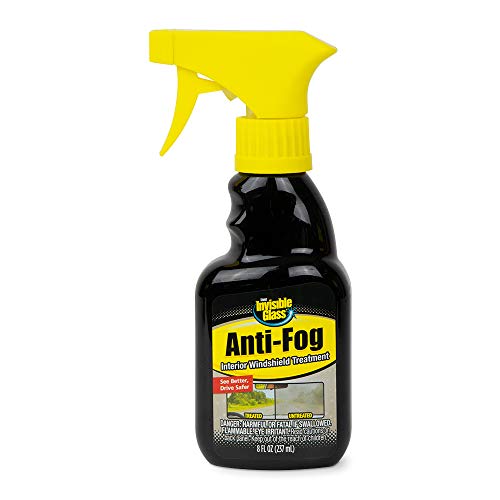
PREVENTS FOGGING: Keep your windows, windshields, and mirrors from fogging up during extreme temperature changes and wet weather to maintain visibility. Less expensive than replacing your defrost or air conditioner.

Tough Anti-Fog Defense: The dedicated anti-fog formula stops condensation from clouding your glass, even in steamy, humid conditions. Cold mornings, temperature swings, or a hot shower—your glass stays transparent, and blurry vision becomes a thing of the past.
How Do You Fix Common Toyota Supra Glass Problems?
| Problem | Likely Cause | What to Do |
|---|---|---|
| Streaks after cleaning | Too much cleaner, dirty towel, hot glass, or incomplete drying | Use less cleaner and finish with a fresh dry towel |
| Oily haze inside | Interior film, smoke residue, fingerprints, or dressing overspray | Make a controlled cleaning pass followed by a separate dry pass |
| White mineral spots | Hard-water deposits | Use a glass-safe water-spot product approved for the coating or film; seek professional help for etched glass |
| Wipers smear clean glass | Dirty, worn, hardened, or contaminated blades | Clean the blade edges and replace damaged blades |
| Fog returns quickly | High cabin humidity, wet materials, recirculated air, or dirty glass | Use A/C and defog mode, bring in outside air, and dry the cabin |
| Bug or sticker residue | Hardened organic material or adhesive | Soften it first and use only tools and chemicals approved for that surface |
Common Mistakes to Avoid When Cleaning Car Glass
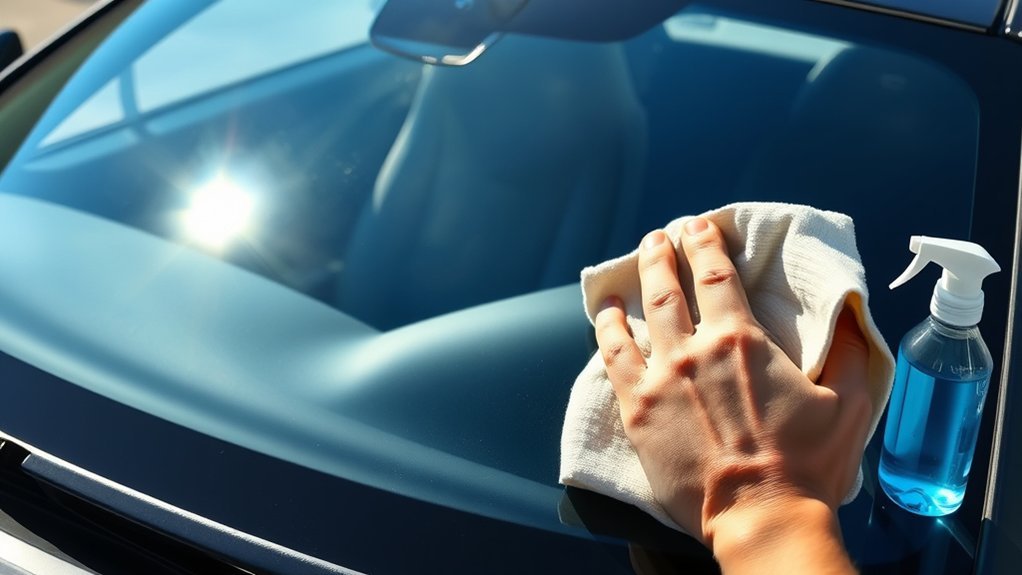
- Cleaning hot glass in direct sunlight: The cleaner may dry before you can remove it.
- Using too much product: Heavy application can leave more residue, especially on interior glass.
- Reusing a dirty towel: Wax, grease, interior dressing, or fabric-softener residue can create stubborn smears.
- Using abrasive pads: Abrasive materials can damage film, coatings, defroster lines, and surrounding trim.
- Assuming every household cleaner is unsafe or safe: Read the cleaner label and the tint manufacturer’s instructions instead of relying on a blanket rule.
- Spraying the interior windshield heavily: Overspray can reach the dashboard, screens, speakers, and trim.
- Using paint wax on interior glass: It can leave a film that increases haze and nighttime glare.
- Ignoring the window edges: Dirt hidden inside the upper seals can reappear as soon as the glass moves.
- Leaving exterior treatment haze behind: Buff the glass fully before driving.
- Cleaning only the windshield: Side windows, mirrors, and rear glass also affect visibility.
Frequently Asked Questions
Can I use household glass cleaner on my Toyota Supra?
Do not judge a cleaner only by whether it is sold for household use. Check whether it is non-abrasive and approved for automotive glass, tint, and any installed coating. When the film type is unknown, a labeled tint-safe automotive cleaner is the simpler choice.
How often should I clean my Supra’s glass?
Inspect it regularly and clean it whenever you see haze, fingerprints, road film, water spots, bug residue, or increased glare. There is no fixed interval because parking conditions, weather, cabin use, and driving distance change how quickly contamination returns.
Is vinegar safe for tinted Toyota Supra windows?
Do not assume a homemade vinegar mixture is safe for every film. Follow the tint manufacturer or installer’s care instructions. A neutral, non-abrasive cleaner labeled safe for your film is a more predictable choice.
What is the best time to clean car windows?
Clean in the shade when the glass feels cool. Early morning or late afternoon can work if the vehicle is out of direct sun. Avoid hot glass because the cleaner may evaporate before you finish wiping.
Can weather affect glass-cleaning results?
Yes. Heat can dry cleaner too quickly, wind can blow dust onto wet glass, freezing temperatures can affect product performance, and high humidity can slow drying. A sheltered, shaded area provides more consistent results.
Can I use a razor blade to remove a sticker?
A razor can damage film, coatings, seals, and rear-window defroster lines. A plastic scraper is safer on suitable bare exterior glass, but even that should not be used on aftermarket tint or across a defroster grid.
Why does my clean windshield still look streaky at night?
Common causes include too much cleaner, incomplete drying, a contaminated towel, dashboard-dressing overspray, smoke film, or exterior treatment haze. Use a fresh towel and make another controlled cleaning and drying pass.
Should I spray glass cleaner on the windshield or on the towel?
For interior glass, spray the cleaner onto the towel to control overspray near the dashboard, screens, speakers, trim, and camera housing. On exterior glass, follow the cleaner label; use only enough product to wet the working area and dry it completely.
Conclusion
Keeping your Toyota Supra’s glass clear depends more on careful technique than on using a large number of products. Work in the shade, rinse away loose grit, use clean towels, control interior overspray, and dry every section completely. Treat aftermarket film, coatings, adhesive residue, and rear defroster lines as delicate surfaces.
For ongoing care, inspect the glass under daylight and nighttime lighting, clean the wiper blades, and address cabin moisture before fog becomes a driving hazard. Exterior water repellent and interior anti-fog treatment can help when they are used on the correct surfaces, but they should never replace proper cleaning or the Supra’s climate-control system.
Sources
- Toyota 2026 Supra Manuals and Warranties — model-specific owner’s manual access and production-period manual selection
- Invisible Glass Automotive Glass Cleaner — cleaner compatibility, towel preparation, application, and drying guidance
- Invisible Glass Reach & Clean Tool — controlled application, wiping direction, towel care, and complete drying
- Rain-X Original Glass Water Repellent — exterior-glass application and haze-removal directions
- Rain-X Interior Glass Anti-Fog — interior anti-fog use and application directions
- Rain-X Anti-Fog Tint Compatibility FAQ — manufacturer restriction against applying Anti-Fog to tinted windows
- 3M Automotive Window Film Support — 30-day cure period, permitted cleaning solutions for 3M film, and non-abrasive cleaning guidance



[…] Road film, wax, bugs, and old washer-fluid residue can interfere with blade contact. See these Toyota Supra glass cleaning tips for related glass-care […]