Reviewed against Toyota GR Supra owner-manual guidance, Toyota connected-services documentation, and current federal defrost/defog requirements · Technical Editorial Review · Last updated: September 16, 2026
If your Toyota GR Supra blows cold air with the A/C button off, first check whether AUTO is active. The MkV owner’s manual states that the air-conditioning function is switched on automatically with the AUTO program. If AUTO and the manual A/C function are both off, cold-feeling vent air still does not prove the compressor is running continuously. The evaporator and HVAC case can stay cool briefly after earlier A/C operation, and outside air can still enter through the fresh-air path while the car is moving.
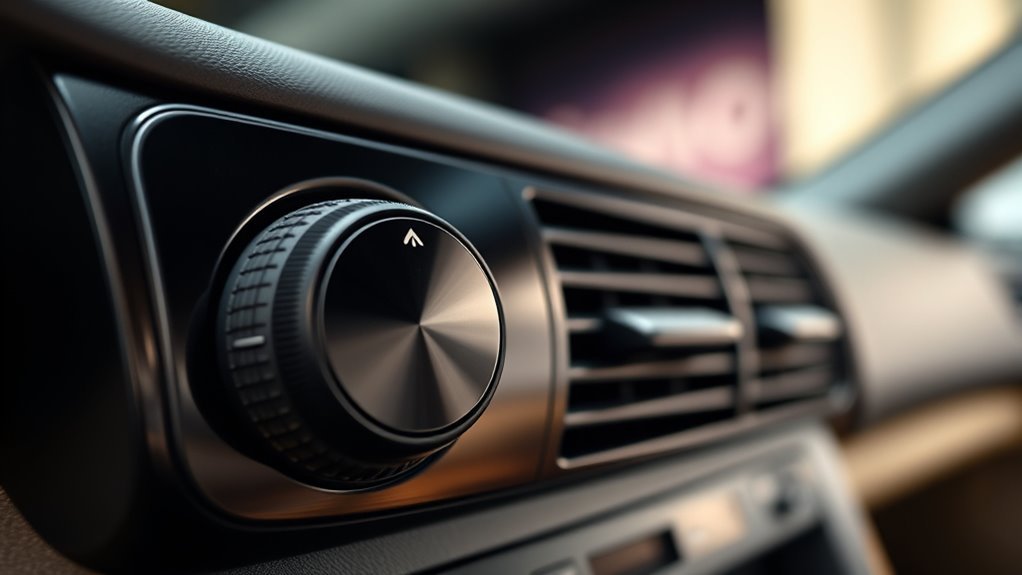
The A/M recirculation control manages where cabin air comes from; it is not a direct compressor-status indicator. A selects automatic recirculation based on detected outside pollution, M selects recirculated cabin air, and with neither recirculation mode selected the system uses outside air. Use the step-by-step isolation test below to separate normal climate-control behavior from a possible air-mix door, temperature-control, or HVAC module problem.
Quick Answer
AUTO mode can switch the Supra’s air conditioning on automatically even when you did not manually select A/C. If AUTO and the A/C function are both off, cool air may linger briefly because the evaporator and ducting are still cold, or outside air may pass through the fresh-air path while driving. For a clean test, switch AUTO and A/C off, select upper-body vents, set both temperature dials manually to the same high setting, and observe whether the outlet temperature responds. If one side stays cold or the temperature does not respond to the controls, the HVAC air-mix system should be diagnosed.
Key Takeaways
- AUTO mode controls cabin temperature, air flow, and air distribution and automatically switches on the air-conditioning function.
- The MkV owner’s manual treats windshield defogging and A/C as separate controls; if condensation remains, it instructs the driver to switch on A/C so the air can be dehumidified.
- The A recirculation setting is automatic pollution-based recirculation; M selects recirculated cabin air.
- The A/C indicator alone is not a reliable way to infer climate-system behavior while AUTO is active because AUTO can switch air conditioning on automatically.
- Residual cooling in the evaporator and HVAC case can keep vent air cool briefly after A/C operation stops.
- Persistent cold output with both temperature dials set high, side-to-side temperature differences, or repetitive dashboard clicking justify HVAC diagnosis.
At a Glance
| Vehicle Scope | 2020–2026 MkV GR Supra; exact controls and equipment can vary by model year and market |
| Settings Check | A few minutes parked is usually enough to compare control settings and outlet response |
| Difficulty | Beginner for climate-panel isolation; professional diagnosis may be needed for actuator or module faults |
| Useful Items | Owner’s manual, optional digital vent thermometer, and a Supra-capable diagnostic tool if a fault persists |
| Safety Priority | Maintain clear forward visibility; use windshield defogging and A/C dehumidification when condensation requires it |
| What You Observe | Likely Explanation | Best Next Step |
|---|---|---|
| Cold air gradually warms after a few minutes | Residual cooling in the evaporator, HVAC case, and ducts | If the controls otherwise respond normally, no repair is usually indicated |
| Air changes after AUTO is switched off | AUTO was controlling cabin temperature and automatically enabling air conditioning | Use manual air distribution, fan, A/C, and temperature settings for the test |
| Air stays cold with both temperature dials set high | Possible air-mix door, actuator, temperature-sensor, or climate-control fault | Have the HVAC system scanned and the air-mix operation checked |
| Driver side warm, passenger side cold | Different left/right temperature settings or a side-specific air-mix problem | Set both dials manually to the same temperature; diagnose the affected side if the difference remains |
| Airflow continues from vents with the climate system switched off while driving | Outside air may be entering through the fresh-air intake path as the vehicle moves | Compare the behavior with the panel vents closed or with recirculation selected before switching the system off |
Why Does the Supra A/C Run With the Button Off?
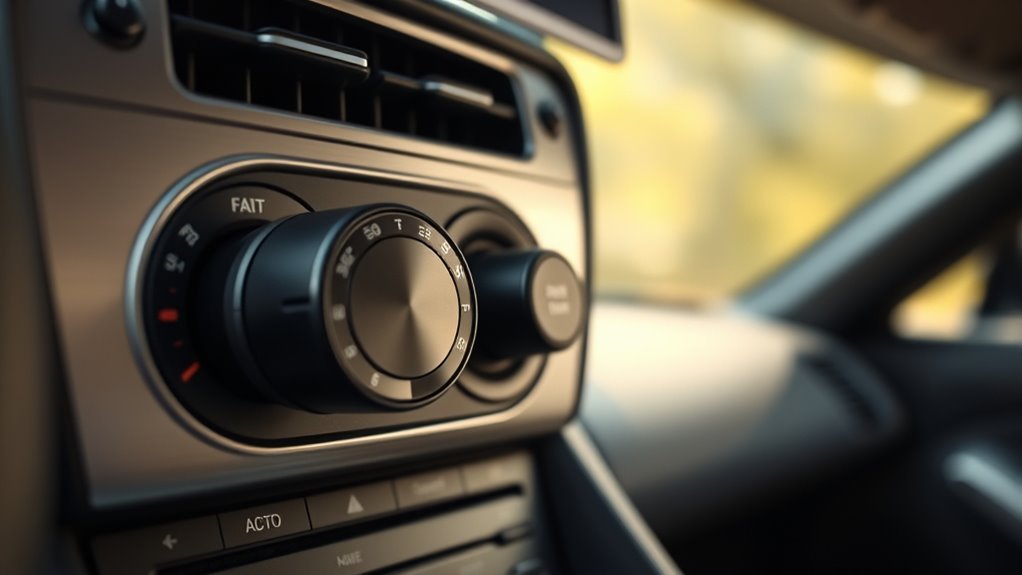
The key distinction is between AUTO controlling the climate system and the vent air merely feeling cold. Toyota’s MkV owner-manual guidance states that the AUTO program controls the cabin temperature, air flow, and air distribution automatically and switches the air-conditioning function on automatically.
Toyota’s official Supra owner manual explains that the AUTO program controls the climate system automatically. That means switching the manual A/C selection off does not create a clean “A/C can never operate” baseline if AUTO remains active. For troubleshooting, switch AUTO off first, then make the A/C, air-distribution, fan, and temperature selections manually.
Windshield defogging should also be considered separately. The MkV manual provides a dedicated windshield defogging control and separately tells the driver to switch on air conditioning if condensation requires additional dehumidification. The defrost button therefore should not be used as proof that the compressor is automatically operating.
Note: A cool draft does not prove the compressor is operating. Check AUTO status, manual A/C selection, vent selection, both temperature dials, blower command, and intake mode before treating cold air as a malfunction.
[Products Worth Considering]

High Quality: This T4.2 LED bulb is constructed from a combination of ABS plastic and LED chips. Featuring a filament-free design, it generates minimal heat and consumes very little power. It is highly resistant to vibration and impact—making it robust and durable—and offers a degree of water resistance, ensuring reliable performance over extended periods of use

Convenient solution - this climate control module repair kit allows you to directly repair broken module components on certain Toyota Highlander model years

LONG SERVICE LIFE & LOW POWER CONSUMPTION: These T4.2 LED bulbs generate less heat than traditional lamps. Low power draw reduces extra load on your vehicle’s electrical system, delivering stable and long-lasting lighting for your dashboard instrument and control panels.
How Do You Stop Unwanted Cooling?
Perform this isolation test while parked with the engine running and clear visibility. Change one control group at a time so you can tell the difference between AUTO behavior and a temperature-control fault:
- Turn off AUTO. If AUTO is active, switch it off. Toyota’s manual also notes that selecting manual air distribution switches the AUTO program off.
- Switch the manual A/C function off. This creates a clearer baseline than relying on the A/C light while AUTO is still controlling the system.
- Use upper-body vents instead of windshield defogging. The purpose is to create a simple, repeatable outlet-temperature test, not to disable a presumed defrost-linked compressor command.
- Select outside-air mode. Cycle the recirculation control until neither automatic nor manual recirculation is selected.
- Set both temperature dials manually to the same high setting. The Supra’s two sides are adjusted separately, so confirm the driver and passenger settings individually.
- Set a moderate manual fan speed. Allow the outlet temperature to stabilize before deciding whether the system is responding.
- Evaluate the change. If previously cool air trends warmer, the earlier sensation may have been AUTO operation or residual cooling in the HVAC case rather than a stuck component.
- Test complete system OFF. Use the owner manual’s switching-off procedure and press and hold the climate-system switching-off/lower-airflow control. If a slight draft appears only while the car is moving, compare the result with the panel vents closed or recirculation selected before shutdown.
If the outlet stays distinctly cold with AUTO off, the manual A/C function off, upper-body vents selected, and both temperature dials set high, a side-specific air-mix door, actuator, sensor, or climate-control problem becomes more likely and should be diagnosed rather than guessed at.
Warning: Never sacrifice windshield visibility to prevent A/C operation. If the windshield fogs, use the defogging controls and switch on A/C when needed to remove moisture from the cabin air.
[Products Worth Considering]
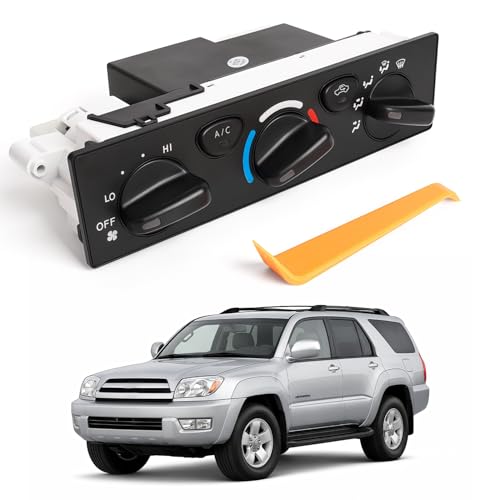
Over time, a damaged original A/C Heater Climate Control Assembly can cause loss of heating or cooling, poor windshield defrosting, and electrical issues, reducing comfort...
Use This Three-Condition Diagnostic Test
| Test Condition | Expected Behavior | Diagnostic Meaning |
|---|---|---|
| AUTO mode active | The air-conditioning function can be switched on automatically as the system manages cabin temperature | Cold output can be normal AUTO-program behavior |
| AUTO off, manual A/C off, upper-body vents selected, both temperature dials set high | Outlet temperature should respond toward the requested warmer setting once residual cooling dissipates | Little or no response makes an air-mix or temperature-control problem more likely |
| Climate system switched completely OFF | The commanded blower stops; a slight moving-vehicle draft may still be possible through an open fresh-air path | Air movement alone does not prove the blower motor or compressor is operating |
What Does AUTO Actually Control?
The Supra’s AUTO program cools, ventilates, or heats the cabin automatically. Toyota’s owner-manual description says the system manages air flow, air distribution, and temperature according to cabin conditions and the selected temperature, and it switches the air-conditioning function on automatically.
The important controls to separate during troubleshooting are:
- Driver and passenger temperature settings: each side has its own requested temperature and should be checked individually.
- Automatic air flow: AUTO varies blower output as the system works toward the selected temperature.
- Automatic air distribution: AUTO selects which outlet areas receive air; selecting manual distribution switches the AUTO program off.
- Air conditioning: the A/C function is switched on automatically when the AUTO program is operating.
- Recirculation: the separate A/M control chooses automatic pollution-based recirculation or recirculated cabin air.
Pro Tip: For a predictable manual test, switch AUTO off, switch the manual A/C function off, select upper-body vents, set both temperature dials manually to the same high setting, choose a moderate fan speed, and use outside-air mode.
[Products Worth Considering]

Discharge Line Hose Assembly

Includes New Replacement Temp and Fan Control Switch Covers

Package Dimensions: 28.448 L x 19.558 W x 24.892 H (centimetres)
Does Front Defrost Always Turn On the A/C?
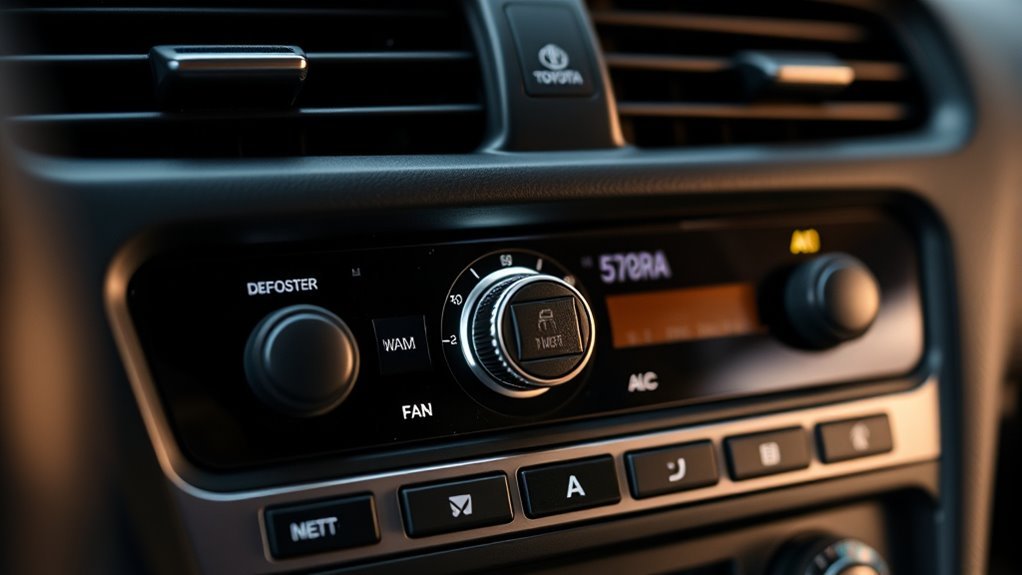
The MkV GR Supra owner-manual instructions do not state that pressing the front-defrost control always switches the A/C compressor on. The manual describes the windshield defogging function as a way to quickly clear the windshield and front side windows, then separately instructs the driver to switch on air conditioning when condensation requires additional moisture removal.
Federal Motor Vehicle Safety Standard No. 103 (49 CFR § 571.103) requires applicable vehicles to have an effective windshield defrosting and defogging system. The regulation establishes performance requirements; it does not require the GR Supra to engage its A/C compressor every time the windshield-defog button is pressed.
- Use the windshield-defogging control when ice or condensation obstructs forward visibility.
- Make sure air can reach the windshield rather than closing the relevant outlets or reducing flow excessively.
- Switch on A/C when needed because air conditioning cools and dehumidifies the air before the system reheats it as required.
- Avoid prolonged recirculation when windows are fogging; Toyota’s manual warns that recirculated-air operation can increase window fogging.
If the glass is fogging, prioritize visibility: use the windshield-defogging control and switch on A/C when additional dehumidification is needed.
Does Manual Mode Fully Disable Automatic Climate Control?
Selecting manual air distribution switches the AUTO program off, and Toyota instructs you to switch AUTO off before manually controlling air flow. That does not mean the complete HVAC system is off. The selected temperature, fan, outlet mode, and A/C setting can still affect the air coming from the vents.
For a clean baseline, switch AUTO off, switch the manual A/C function off, select upper-body vents, choose outside-air mode, and manually set both left and right temperature dials to the same high setting. To shut the complete climate system down instead, use the press-and-hold switching-off procedure in the model-year owner’s manual.
What Do the A and M Recirculation Lights Mean?
The A and M recirculation settings control cabin air intake. They are not direct indicators of whether the A/C compressor is operating:
- A indicator illuminated (Automatic Recirculation / AUC): If the pollution sensor detects pollutants in outside air, the system can change from outside-air mode to recirculated-air mode automatically.
- M indicator illuminated (Manual Recirculation): The system selects recirculated cabin air. Toyota notes that the mode may switch off automatically after a period of time depending on environmental conditions to help prevent window fogging.
- Neither recirculation mode selected: The system uses the outside-air intake mode.
Why Can Cool Air Continue After You Turn the A/C Off?
Residual cooling in the evaporator, HVAC case, and ducts can keep passing air cool for a short period after the air-conditioning function stops. Those parts do not instantly return to ambient temperature, so the sensation of cold vent air alone is not proof that the compressor is still being commanded.
Air movement may also be noticeable while the vehicle is moving even with the commanded blower off. If the fresh-air path is open, vehicle motion can push some outside air through the HVAC intake and vents. Closing the panel vents or comparing the behavior with recirculation selected can help distinguish that draft from powered blower operation.
Use these diagnostic indicators:
- Air gradually becomes less cool: Residual cooling in the HVAC case is a plausible normal explanation.
- Cold output changes after AUTO is switched off: The AUTO program was influencing climate operation.
- Air remains distinctly cold despite both temperature dials being set high with AUTO and manual A/C off: An air-mix door, actuator, temperature-sensing, or climate-control fault becomes more likely.
- Airflow is noticeable mainly while the car is moving with the climate system off: Outside air entering through the fresh-air path is a plausible explanation.
How Does Humidity Cause Windshield Fog?

Windshield fog forms when moist cabin air contacts glass cold enough for water vapor to condense. Passenger breathing, wet clothing, damp floor mats, rain, snow, or other cabin moisture can make the problem worse.
The Supra owner’s manual explains that air conditioning cools and dehumidifies cabin air and can then warm that air again depending on the selected temperature. That is why switching on A/C can help clear interior condensation even when you want warm air at the windshield.
To minimize cabin moisture accumulation:
- Keep inner windshield surfaces clean so film does not make fogging more difficult to clear.
- Remove damp floor mats, clothing, umbrellas, and other wet items when practical.
- Avoid prolonged recirculated-air operation when the windows are fogging.
- Inspect the Supra cabin air filter if airflow is weak, smells damp, or has difficulty clearing the glass.
Can Supra Connect Explain Airflow Before Startup?
The official Supra Connect FAQ says the connected app can ventilate or pre-condition equipped vehicles. However, Toyota’s MkV owner-manual description of the A/C system says the cabin can only be actively cooled with drive-ready state switched on. A scheduled connected-service function therefore can explain pre-start airflow, but it should not be treated as proof that the A/C compressor chilled the evaporator before startup.
If the cabin feels unexpectedly cool or you notice airflow when entering the car, check the connected-service history or departure-time settings, then repeat the manual climate test after the vehicle reaches drive-ready state.
- Check whether ventilation or preconditioning was initiated through Supra Connect.
- Once the vehicle is drive-ready, switch AUTO and manual A/C off and set both temperature dials manually to the same high setting.
- If cold output remains unresponsive to those controls, investigate the HVAC system rather than assuming the connected service caused it.
- Confirm connected-service availability through your Toyota Supra Connect resources because features can depend on vehicle equipment and active services.
When Does Cold Air Indicate an HVAC Fault?
A properly responding GR Supra climate system should change outlet temperature when AUTO and manual A/C are switched off and both temperature dials are moved to a clearly warmer setting. If one side remains cold, outlet selection does not follow the controls, or repetitive clicking occurs behind the dashboard, an air-mix actuator, distribution actuator, sensor, wiring, or control problem becomes more likely.
Check Simple Causes First
- Verify AUTO is disabled: Use manual air distribution for the test.
- Verify the manual A/C function is off: Do not use the A/C light alone while AUTO remains active.
- Use upper-body vents: This gives you a consistent outlet for comparing temperature changes.
- Check both temperature dials: Set the driver and passenger sides manually to the same high setting.
- Verify intake mode: Use outside-air mode for the baseline test.
- Inspect the cabin microfilter if airflow is weak: A restricted filter can reduce air volume, although it does not by itself explain one side staying cold.
- Listen for repeated clicking: Repetitive ticking behind the dash can point toward an actuator or binding air door and deserves further diagnosis.
Check for Fault Codes
If the basic control test fails, use dealer-level or Supra-capable diagnostic equipment that can read body and climate-control modules, not just generic powertrain emissions codes. A basic engine-code reader may show no fault even when the HVAC system has stored climate-control information.
- Record stored HVAC/body fault codes before clearing anything.
- Compare commanded and actual air-door positions if the diagnostic software supports those data.
- Check temperature-sensor values for obvious implausible readings if live data are available.
- After an actuator or climate-control component is replaced, follow the applicable Toyota repair procedure for initialization or calibration.
- Do not assume the absence of a check-engine light means the climate-control system has no stored fault.
When to Visit a Dealer or Qualified Technician
Schedule professional service if outlet temperature does not respond after completing the manual control test, the driver and passenger sides remain substantially different with matching settings, air will not divert between selected outlet modes, repetitive actuator noise occurs, or a climate-control module stores recurring faults.
| Observed Symptom | Data to Record for Tech | Primary Diagnostic Area |
|---|---|---|
| Persistent cold air with both temperature dials set high | Selected temperatures, outlet temperature, outside conditions, AUTO/A/C status | Air-mix actuator, temperature sensing, or climate-control command |
| Air distribution stuck in windshield, floor, or upper-body mode | Selected outlet mode versus actual active outlet | Distribution-door actuator, wiring, or climate-control module |
| Weak air velocity across all blower settings | Fan setting, blower sound, and cabin-filter condition | Cabin-filter restriction, blower motor, or blower-control electronics |
| Persistent windshield fogging in multiple modes | Weather, intake setting, A/C setting, and visible cabin moisture | Cabin moisture source, restricted airflow, drain issue, or intake-door operation |
| Output repeatedly changes between unusually hot and cold | AUTO/A/C status, left/right setpoints, outside conditions, and fault-code history | Temperature sensing, air-mix control, or A/C control requiring diagnosis |
Frequently Asked Questions
How do you switch the Supra climate system off completely?
Toyota’s MkV owner-manual instructions use a press-and-hold action for complete climate-system shutdown. Press and hold the climate-system switching-off/lower-airflow control rather than relying only on the A/C button. Switching A/C off and switching the entire HVAC system off are different actions.
Why is vent air still cold after turning the A/C button off?
First check whether AUTO is still active, because Toyota says AUTO switches the air-conditioning function on automatically. If AUTO and manual A/C are both off, the evaporator and HVAC case can remain cool briefly after earlier A/C operation, so passing air may still feel cold until those components warm.
Does the Supra recirculation button mean the A/C compressor is on?
No. The recirculation control manages whether the system uses outside air or recirculated cabin air; it is not a compressor-status indicator. AUTO can still switch the air-conditioning function on automatically, so check AUTO and A/C status separately.
What do the A and M recirculation lights mean?
A is the automatic recirculation mode: if the pollution sensor detects pollutants in outside air, the system can switch to recirculated air. M selects recirculated cabin air. Toyota notes that recirculated-air mode can switch off automatically after a period of time depending on conditions to help prevent window fogging.
Does front defrost always turn on the Supra A/C?
Not according to the MkV owner-manual instructions. Toyota describes the windshield-defogging control separately and tells the driver to switch on air conditioning if condensation requires additional dehumidification. Use the defogging controls and A/C as needed for clear visibility rather than assuming the defrost button itself proves the compressor is running.
When should the Supra climate system be professionally inspected?
Arrange professional diagnosis if outlet temperature does not respond with AUTO and manual A/C off and both temperature dials set high, if the two sides stay very different with matching settings, if air is stuck coming from the wrong outlets, if repetitive dashboard clicking occurs, or if the climate-control module stores recurring faults.
Conclusion
If your Toyota GR Supra blows cold air with the A/C button off, check AUTO before assuming something is broken. Toyota’s MkV owner-manual guidance states that AUTO switches the air-conditioning function on automatically. If AUTO and manual A/C are both off, brief cool output can still come from residual cooling in the HVAC case or outside air moving through the fresh-air path.
For a reliable test, switch AUTO and manual A/C off, use upper-body vents, set both temperature dials manually to the same high setting, and observe whether the outlet temperature responds. If one side remains cold, temperature does not follow the controls, the outlet mode is stuck, or repetitive clicking occurs, have the Supra’s HVAC air-mix and climate-control system diagnosed with equipment capable of reading its body and HVAC modules.
Sources
- Toyota Owners — GR Supra Climate Control — owner-manual reference for AUTO operation, air conditioning, recirculated-air mode, manual air distribution, system shutdown, and windshield defogging controls.
- Toyota Supra Connect FAQ — confirms connected-app ventilation/preconditioning functionality.
- Toyota — Supra Connect — current Toyota connected-services resource for GR Supra.
- Toyota — GR Supra — current model information and vehicle resources.
- eCFR — 49 CFR § 571.103 — Federal Motor Vehicle Safety Standard No. 103 covering windshield defrosting and defogging systems.