
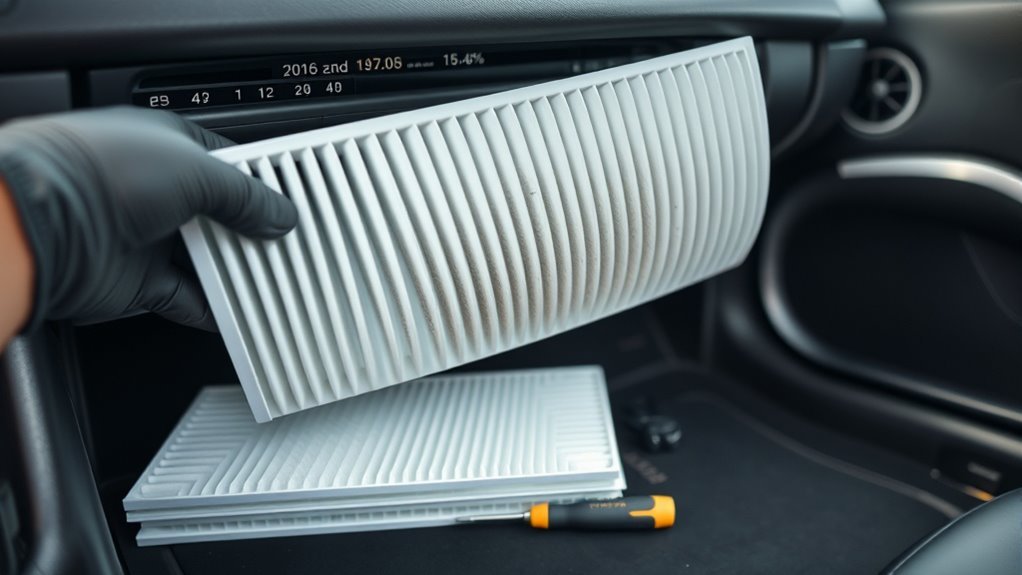
Your Toyota GR Supra’s cabin air filter helps keep dust, pollen, road soot, fine particles, and odors from blowing through the vents. It is a small maintenance part, but it affects everyday comfort, defogging, HVAC airflow, and the air you breathe inside the car. For most Supra owners, the best routine is simple: check it at regular service visits, replace it when it is dirty or smelly, and shorten the interval if you drive in traffic, wildfire smoke, construction dust, or heavy pollen.
Quick Answer
A Supra cabin air filter cleans HVAC intake air before it reaches the cabin. Check it during routine service or about every 10,000 miles, then replace it when airflow drops, odors linger, debris is visible, or your model-year Toyota maintenance guide calls for replacement.
Key Takeaways
- The cabin filter protects the HVAC system and cabin air; it is separate from the engine air filter.
- A dirty filter can cause weak vent airflow, musty smells, slow defogging, and extra blower strain.
- Activated-carbon filters can help reduce some odors and gaseous pollutants, but performance depends on the filter design and condition.
- Use your VIN or Toyota’s model-year manual page to confirm the correct part and maintenance schedule for your exact GR Supra.
At a Glance
| Time Required | 10–20 minutes for inspection or DIY replacement |
| Difficulty | Easy to moderate; the Supra filter is usually accessed from the passenger-side lower dash area |
| Tools Needed | Flashlight, gloves, small trim tool, and typically a T20 Torx driver |
| Cost | Usually about $40–$60 for an OEM-style cabin filter; dealer labor varies by location |
How a Supra Cabin Air Filter Works
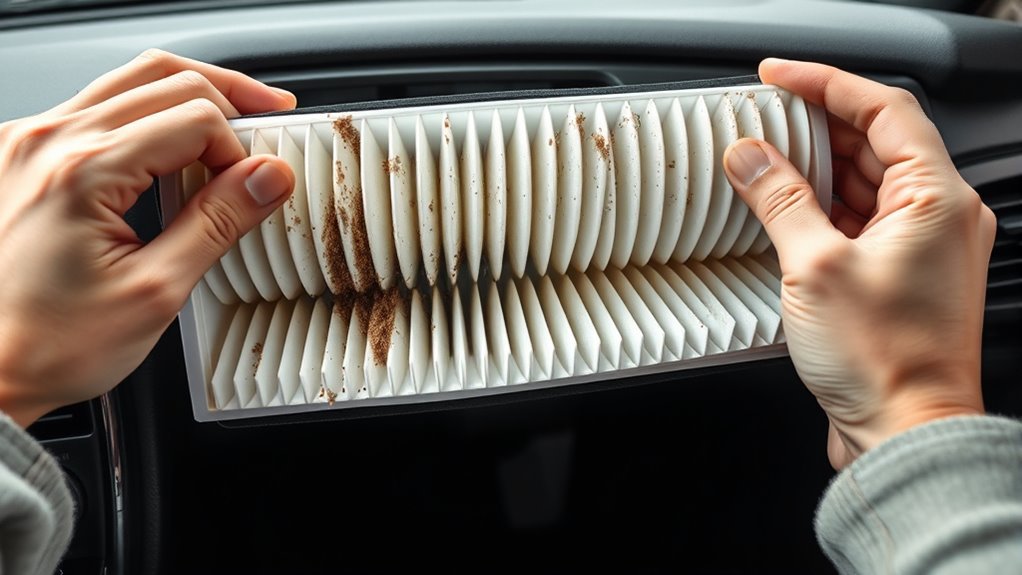
The Supra’s cabin air filter sits in the HVAC intake path, where it filters air before that air comes through the vents. Its pleated media traps common cabin contaminants such as dust, pollen, road particles, and other airborne debris. The EPA notes that fine particles can be inhaled and may affect the heart and lungs, which is why keeping the cabin filter clean matters most in traffic, smoke, and dusty areas.
A standard filter mainly targets particles. An activated-carbon cabin filter adds a carbon layer that can adsorb some odors and volatile organic compounds from exhaust, fuel vapors, and urban pollution. It does not make the cabin sterile and it will not remove every gas, but it can make daily driving more comfortable when the filter is fresh and properly sealed.
A commuter study published through the National Institutes of Health found that a vehicle cabin air filter reduced in-vehicle PM2.5 by about 30%, ultrafine particles by about 28%, and black carbon by about 32% under the study conditions.
That study was not Supra-specific, so do not treat those numbers as a guaranteed rating for every filter. The useful takeaway is practical: a clean, well-fitted cabin filter can reduce in-cabin particle exposure, while a clogged or poorly installed one can restrict airflow and allow unfiltered air to bypass the media.
Note: The cabin air filter is not the same as the engine air filter. The cabin filter protects occupants and HVAC airflow; the engine air filter protects the engine’s intake system.
3-Step DIY Check and When to Replace
You do not need a full repair setup to inspect the Supra cabin filter. Work with the vehicle off, keep track of fasteners, and avoid forcing plastic panels. If you see wiring, broken retainers, or anything that does not match your trim layout, stop and use your Toyota model-year manuals and warranty information or a qualified Toyota technician.
- Access the filter area. In most Mk5 GR Supra models, the cabin filter is reached from the passenger-side lower dash area rather than through a simple drop-down glove box like many other Toyota models.
- Inspect the filter. Look for packed dust, leaves, dark soot, collapsed pleats, moisture, mold, pet hair, or damaged seals.
- Test airflow and odor. Reinstall the filter correctly, run the fan on high, and check for strong vent output, clean smell, and quick defogging.
Warning: Do not run the HVAC for normal driving with the cabin filter removed. Debris can enter the HVAC case, and an unfiltered system can pull pollen, dust, and odors straight into the cabin.
[Products Worth Considering]
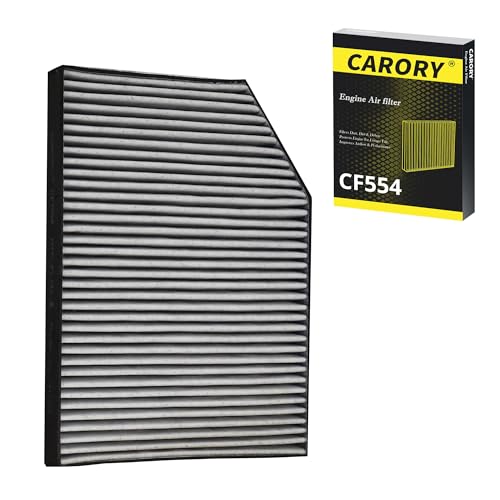
[Vehicle Fitment] Replacement for BMW: 230i (2022-2024), 230i xDrive (2024), 330e (2021-2024), 330e xDrive (2021-2024), 330i (2019-2024), 330i xDrive (2019-2024), 430i (2021-2024), 430i Gran Coupe (2022-2024), 430i xDrive (2021-2024), 430i xDrive Gran Coupe (2024), i4 (2022-2025), M2 (2023-2024), M240i (2023-2024), M240i xDrive (2022-2024), M3 (2021-2024), M340i (2020-2024), M340i xDrive (2020-2024), M4 (2021-2024), M440i (2021-2024), M440i Gran Coupe (2022-2024), M440i xDrive (2021-2024), M440i xDrive Gran Coupe (2022-2024), X3 (2018-2024), X4 (2019-2025), Z4 (2019-2025).
Visual Filter Inspection
Inspect the cabin air filter during routine service or about every 10,000 miles, especially if you drive in dusty, smoky, or congested conditions. The exact replacement schedule can vary by model year and market, so use the Warranty & Maintenance Guide for your Supra as the source of truth. For fit and sealing, confirm the part by VIN; Toyota lists the Genuine Toyota Air Refiner Element #87139-WAA03 as a GR Supra cabin filter option.
- Check for dark, uneven discoloration and dense dirt clumps between the pleats.
- Inspect the edges and sealing surfaces for tears, warping, or gaps that could let air bypass the filter.
- Look for moisture, mildew, leaves, insects, or biological growth; replace the filter immediately if you see any.
- Compare the old filter with the new one before installing; collapsed pleats or weak media are signs the old filter is done.
Replace the filter if it looks loaded, smells musty, or no longer holds its shape. A clean filter should sit squarely in the housing and seal without being crushed.
Airflow and Odor Test
After the visual check, verify HVAC performance. Set the fan to high, choose fresh-air mode, and feel the vent output. Weak flow can mean the cabin filter is clogged, the filter cover is not seated, or another HVAC restriction is present. Then switch between fresh-air and recirculation modes and note any persistent exhaust, chemical, damp, or moldy odor.
If the odor disappears with a new filter, the filter was likely the cause. If a musty smell continues after replacement, the issue may be deeper in the HVAC case, such as moisture on the evaporator or a blocked drain. That is when cleaning the intake area and having the HVAC system inspected makes more sense than replacing filter after filter.
Pro Tip: Before removing the old filter, take a quick photo of its arrow direction and cover orientation. On many filters, the airflow arrow matters more than the printed “up” text.
What a Supra Cabin Air Filter Actually Traps: PM2.5, Pollen, Dust, and Odors
A clean Supra cabin air filter can capture many of the particles that make cabin air feel stale or irritating. This is most noticeable during allergy season, in stop-and-go traffic, near construction zones, during wildfire smoke events, or after carrying pets.
- Fine particles and soot: road dust, brake dust, smoke particles, and combustion-related particles that may include PM2.5.
- Biological particles: pollen, mold spores, dust mite debris, and pet dander that can worsen allergy symptoms for sensitive occupants.
- Odors and some VOCs: activated-carbon filters can adsorb some gases and smells, including certain exhaust and urban odors.
- HVAC debris: leaves, lint, hair, and grit that would otherwise collect inside the intake and blower area.
For the best results, keep the filter housing sealed, make sure the cover locks fully, and clear loose leaves or debris from the intake area when you service the filter.
[Products Worth Considering]
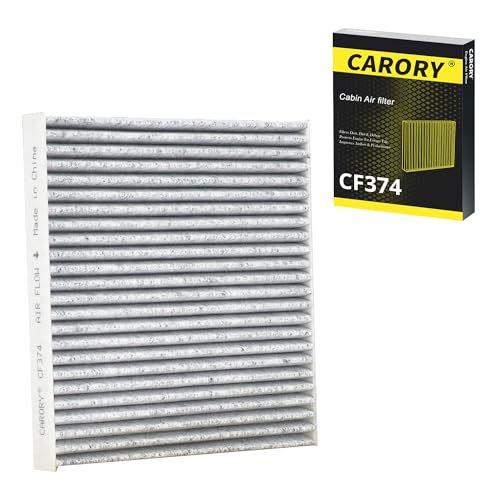
[Vehicle Fitment] Replacement for Toyota: Tacoma (2005-2023).

Compatible Auto List: Our cabin air filter is compatible with Toyota: 4Runner (2010-2024), Avalon (2005-2018), Camry (2007-2017), Corolla (2009-2019), Corolla iM (2017-2018), Highlander (2008-2019), Land Cruiser (2008-2011,2013-2021), Matrix (2009-2014), Mirai (2016-2020), Prius (2010-2015), Prius C (2012-2019), Prius Plug-In (2012-2015), Prius V (2012-2018), RAV4 (2006-2018), Sequoia (2008-2022), Sienna (2011-2020), Tundra (2007-2021), Venza (2009-2016), Yaris (2007-2018).

Replacement for 2019–2022 Avalon, 2018–2025 Camry, 2019 Corolla (2.0L L4 ONLY - For 2019 Corolla 1.8L L4, BE-285), 2020–2025 Corolla, 2022–2025 Corolla Cross, 2023–2025 GR Corolla, 2023–2025 Crown, 2025 Crown Signia, 2020–2025 Highlander, 2024-2025 Grand Highlander, 2016–2025 Prius, 2019–2024 Prius AWD-e, 2017–2024 Prius Prime, 2021–2025 Sienna, 2019–2025 RAV4, 2021–2024 RAV4 Prime, 2021–2024 Venza
How a Clogged Filter Hurts HVAC Performance and Comfort
When the filter clogs, the blower has to pull air through packed media. You may notice weak airflow, more fan noise, slower heating and cooling, or a windshield that takes longer to clear. In humid weather, a dirty filter can also make the cabin feel damp because the system is not moving air as freely.
A clogged filter does not usually damage the Supra immediately, but it makes the HVAC system work harder and lowers comfort. It can also make odors worse because dirty media can hold moisture, pollen, and organic debris. Replace the filter before it becomes fully packed, especially if you rely on the defogger, drive with passengers, or use the car daily in city traffic.
How Often to Inspect or Replace the Supra Cabin Air Filter: Miles and Conditions
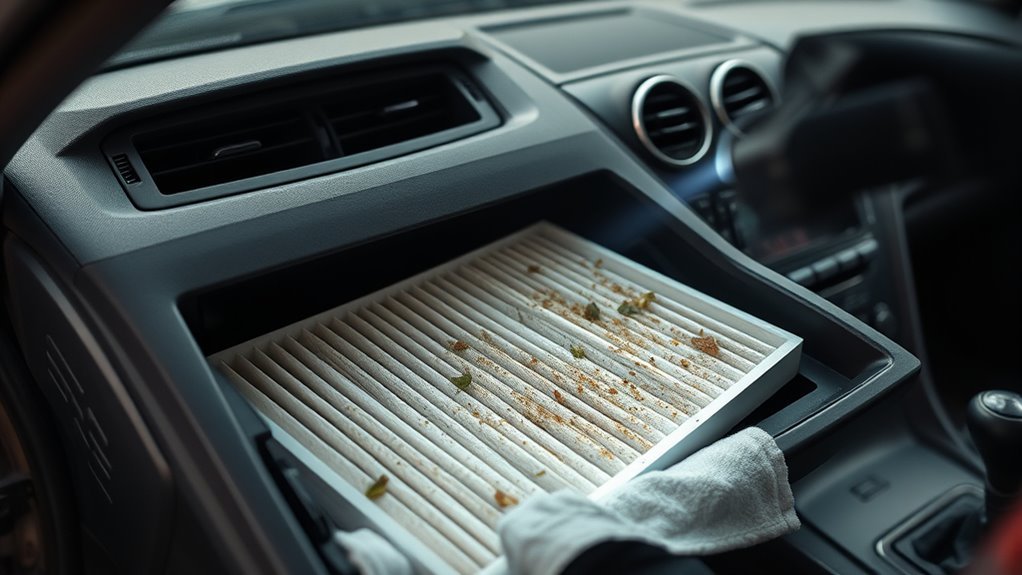
For normal driving, inspect the Supra’s cabin filter at routine service visits or about every 10,000 miles. Replace it when it is dirty, smells bad, restricts airflow, or when your model-year Toyota maintenance schedule calls for replacement. Some owners can go longer in clean climates; others should replace sooner because the filter loads up quickly.
| Driving Condition | Recommended Check | Replace Sooner If… |
|---|---|---|
| Normal suburban driving | At routine service or about every 10,000 miles | Airflow drops or the filter is visibly dirty |
| Heavy city traffic | Every 6–12 months | Exhaust smells enter the cabin or soot builds up |
| Dusty roads or construction zones | Every few months during dusty seasons | Pleats are packed with grit or leaves |
| Wildfire smoke or high-pollen areas | After major smoke or pollen exposure | Odors linger or allergy symptoms worsen in the car |
| Pets carried often | Every 6–12 months | Pet hair, dander, or odor collects in the filter |
Keep a simple record of the date, mileage, filter type, and driving conditions. That makes the next replacement decision easier and prevents you from relying on mileage alone.
Choosing a Filter: Standard vs Enhanced Activated-Carbon
Choosing the right Supra cabin air filter comes down to what you want the filter to handle. A standard particulate filter is the cost-effective choice for dust, pollen, and basic cabin air cleanliness. An enhanced activated-carbon filter is better when you often smell exhaust, fuel vapors, wildfire smoke, or city odors.
- Choose standard if you mainly drive in cleaner areas and want basic dust and pollen filtration.
- Choose activated carbon if you drive in traffic, industrial areas, smoke, or places where odors enter the cabin.
- Choose OEM or verified fitment if you want the safest match for sealing, airflow, and housing fit.
- Avoid forcing the filter if it feels too thick, too short, or hard to seat; poor fit can cause bypass or cover damage.
Installation should not require trimming, bending, or modifying the filter. If an aftermarket filter does not fit cleanly, use a different brand or verify the part number by VIN before driving.
[Products Worth Considering]

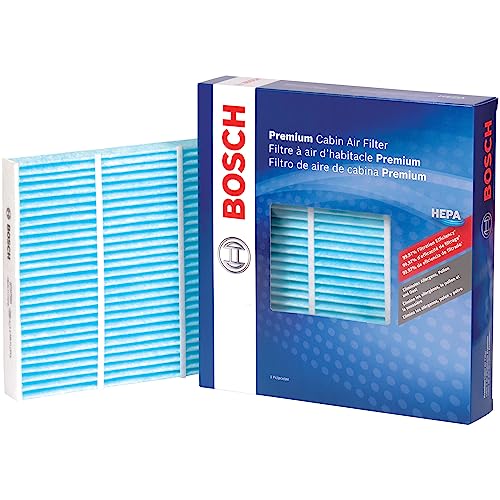
[99% Air Purification] This Cabin air filter uses three-layer Filtration Technology, 99% of dust, soot, pollen, and other airborne contaminants can be filtered.99% of peculiar odors can be absorbed by premium activated carbon, offers clean and fresh breeze air for driver and passengers.

Compatible Auto List: Our cabin air filter is compatible with Toyota: Avalon (2019-2022), Camry (2018-2026), Corolla (2019-2026), Corolla Cross(2022-2026), CROWN(2023-2026), Highlander (2020-2026), Prius (2016-2026), Prius AWD-E (2019-2022), Prius Prime (2017-2024), RAV4 (2019-2025), RAV4 Prime (2021-2024), Sienna (2021-2026), Venza (2021-2024), Grand Highlander (2024-2026), GR Corolla (2023-2026), Crown Signia (2025-2026), C-HR (Japan Built Models Only) (2018-2022).
Quick Troubleshooting Guide
If the cabin still feels dusty or smells bad after a filter replacement, use the symptom to narrow the cause.
| Symptom | Likely Cause | Best Fix |
|---|---|---|
| Weak airflow | Clogged filter, loose cover, or blocked duct | Replace the filter and confirm the cover is fully seated |
| Musty smell | Moist filter, evaporator odor, or clogged drain | Replace the filter; if smell stays, inspect the HVAC drain and evaporator area |
| Dust on vents | Filter bypass, poor seal, or dirty ducts | Check filter orientation, seals, and housing fit |
| New filter whistles | Cover not latched, filter edge folded, or wrong size | Reinstall carefully or confirm the correct part number |
Frequently Asked Questions
Can a Supra cabin filter reduce COVID-19 transmission risk?
Only in a limited way. A clean cabin filter can reduce some airborne particles coming through the HVAC system, and CDC ventilation guidance says ventilation and filtration can reduce airborne hazards. However, a Supra cabin filter is not a medical-grade infection-control device. In a shared vehicle, ventilation, fresh air, staying home when sick, and well-fitting masks matter more than the cabin filter alone.
Is the Supra cabin filter compatible with non-Supra Toyota models?
Usually no. The GR Supra has model-specific fitment, and filters that look similar can differ in length, thickness, sealing edge, and airflow direction. Use your VIN, your model-year manual, or Toyota’s parts catalog before buying.
Can pets clog the Supra cabin filter faster?
Yes. Pet hair and dander can load the filter faster, especially if pets ride often or shed heavily. Vacuum the cabin, brush pets before trips, use a seat cover, and inspect the filter more often if airflow or odor changes.
Do aftermarket Supra cabin filters affect warranty status?
An aftermarket filter does not automatically void a vehicle warranty. The Magnuson-Moss Warranty Act limits how manufacturers can tie warranty coverage to specific branded products. Still, if a wrong, damaged, or poorly fitted filter causes a related problem, that specific repair could be disputed. Keep receipts and use parts that match the Supra’s fitment.
Are Supra cabin filters recyclable or biodegradable after use?
Most used cabin filters are not accepted in normal curbside recycling because they contain mixed media, plastic or rubber frames, dust, soot, and sometimes activated carbon. Dispose of the used filter with household trash unless your local recycler or parts supplier specifically accepts used cabin filters.
Should I use recirculation mode with a clean cabin filter?
Use recirculation mode when you pass through smoke, dust, or heavy exhaust, because it reduces the amount of outside air pulled in. Do not leave it on forever, especially with passengers, because the cabin can become stale and humid. Switch back to fresh air when conditions improve.
Conclusion
Keep the Supra cabin air filter clean and the HVAC system will move air more freely, control odors better, and keep the cabin more comfortable. Check it at routine service visits, inspect it sooner in dust, smoke, pollen, traffic, or pet-heavy use, and replace it whenever it is dirty, damp, smelly, damaged, or restricting airflow. For the most accurate interval and part number, confirm details with Toyota’s model-year manuals or a VIN-based Toyota parts lookup.
Sources
- Toyota Owners Manuals and Warranties: 2024 Supra — model-year manual and warranty reference for maintenance information.
- Toyota Genuine Air Refiner Element #87139-WAA03 — official Toyota cabin filter part reference.
- U.S. EPA: Indoor Particulate Matter — health context for fine particles and inhalable particulate matter.
- Randomized Cross-Over Study of In-Vehicle Cabin Air Filtration — evidence on cabin filtration reducing in-vehicle PM2.5, ultrafine particles, and black carbon under study conditions.
- CDC/NIOSH: Ventilation and Respiratory Viruses — ventilation and filtration context for airborne respiratory particles.
- Federal Trade Commission: Magnuson-Moss Warranty Act — warranty context for aftermarket parts and consumer warranty rights.



[…] Inspect the Supra cabin air filter if airflow is weak, musty, or slow to clear the glass. […]