If your 4Runner squeals, note when and how loud it is, then inspect rotors, pads, caliper pins and hardware for rust, glazing or looseness; thin surface rust after parking or in damp weather often causes high‑frequency squeal when reversing or on first stop. Clean rotors and pad faces, apply high‑temp brake grease to slide pins and backing plates, replace worn pads or hardware, and test drive—keep dates and audio/video logs; continue for step‑by‑step fixes and escalation guidance.
How to Diagnose 4Runner Brake Squeal Quickly
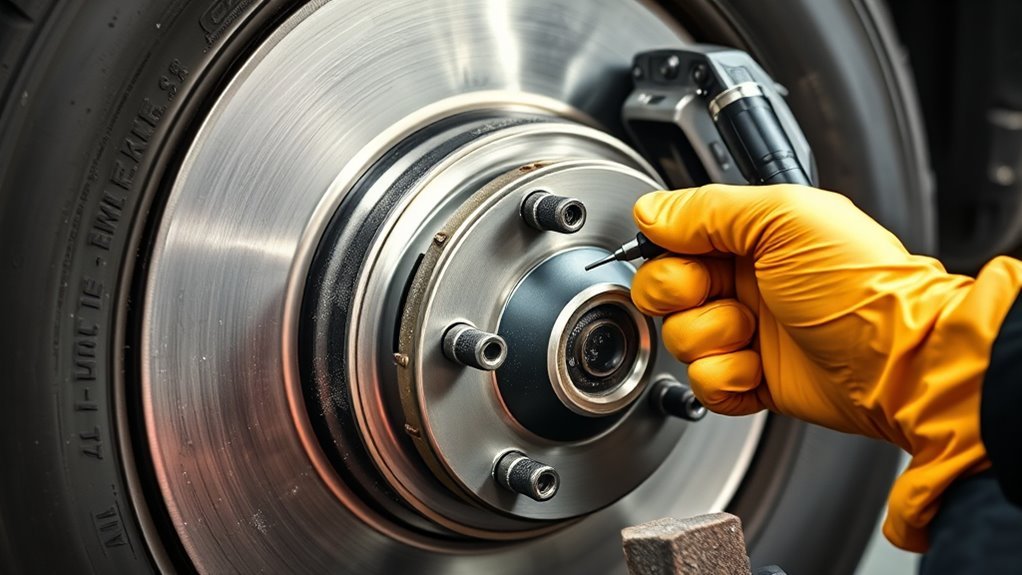
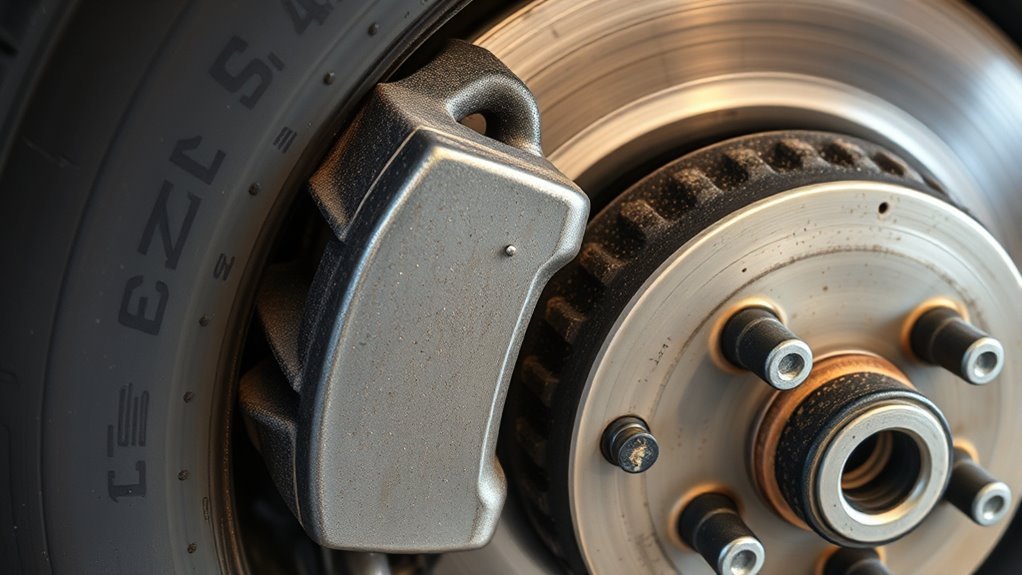
Wondering where that squeal’s coming from? You’ll run a rapid, methodical diagnosis: note squeal frequency, conditions, and recent inactivity. Check rotors for surface rust after damp or cold exposure; spin the wheel and apply the brake a few times—temporary rust often clears. Inspect brake components visually: pads, rotors, caliper pins, and hardware. Probe caliper pins for free movement; insufficient lubrication raises friction and noise, so relube if binding. Record when sound appears (startup, low-speed maneuvers, reversing) and the environmental context—temperature, humidity, and after parking—to build evidence. If squeal persists, have a dealer perform targeted cleaning and lubrication; document their findings and any pad or rotor replacement recommendations. Retain notes and timestamps to support potential Technical Service Bulletins (TSBs) or warranty claims. You’ll act efficiently, prioritizing simple fixes first, and escalate only when inspection and lubrication don’t reduce the squeal frequency.
Why 4Runners Squeal When Reversing or After Parking
If your 4Runner squeals when you reverse or right after parking, it’s usually caused by thin surface rust forming on the rotors during sitting in damp or cold conditions. You’ll hear high-frequency noise as the pad first contacts the textured rotor; this commonly clears after a few brake applications once the rust flakes off. Moisture effects concentrate at the rotor-to-pad interface, altering initial friction characteristics and amplifying vibration.
You should consider how brake pad materials respond to brief, uneven contact: semi-metallic pads can accentuate a rasped rotor surface, while ceramic variants behave differently under the same moisture-induced contamination. Persistent squeal after extended driving points to secondary causes—insufficient lubrication at hardware, seized caliper slides, or pad glazing—that maintain vibration instead of allowing it to self-correct.
Owners have logged similar reports in cold, damp climates, and some models have associated TSBs. Regular inspection targets moisture effects, pad composition, and caliper movement to diagnose whether noise is transient or requires intervention.
How to Fix 4Runner Brake Squeal: Clean, Lube, Pads, Rotors
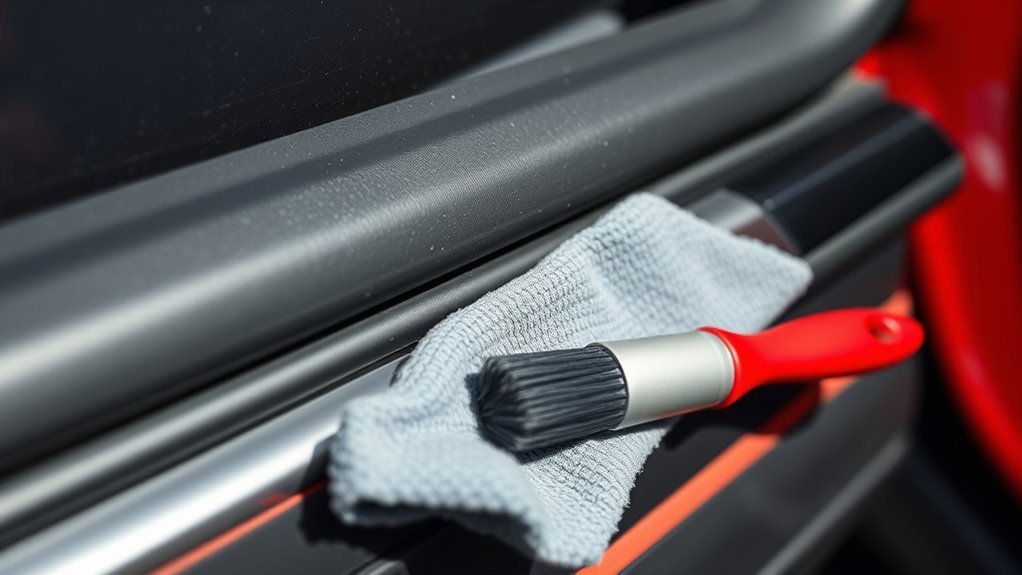
Start by cleaning and inspecting the braking assembly to isolate the source of the squeal: remove wheels, use brake cleaner and a brush to strip dust and surface rust from rotors and pad faces, then check caliper slide pins, pad backing plates, and hardware for wear or contamination. After cleaning, apply high-temperature brake grease to caliper pins and backing plates to restore smooth movement and reduce stick-slip that causes noise. Follow brake maintenance tips: torque lug nuts correctly, verify pad thickness, and confirm hardware springs and clips sit flush. If pads show wear or the metal wear indicators contact rotors, replace pads with OEM-spec components for fit and predictable friction characteristics. Measure rotor thickness and runout; resurface if within spec and warped, or replace when beyond limits. These targeted noise reduction techniques address common mechanical causes and deliver repeatable braking feel. Work methodically, test at low speed, and iterate until the squeal is eliminated.
When to Escalate to the Dealer or Ask About a TSB
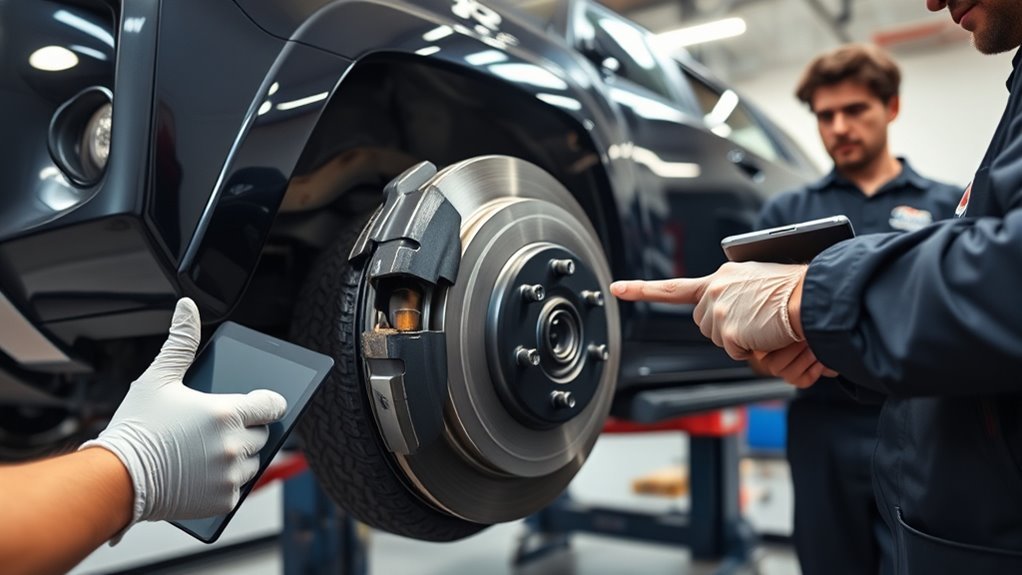
When should you escalate a persistent 4Runner brake squeal to the dealer or ask about a TSB? Document each occurrence (date, conditions, audio/video) and use that record when you contact the dealer. If the squeal persists after basic interventions or appears after reversing or in cold weather, escalate promptly.
- If recurring after service: cite dates, symptoms, and prior brake maintenance tips you followed; insist on inspection and written findings.
- If model-year matches TSB scope: mention the 2021 TSB and similar community reports; ask the dealer to check for TSB-related updates or remedies under warranty.
- If dealer reports “no issue”: keep detailed records, request supervisory review, and schedule follow-up inspections to confirm repairs fixed the problem.
Adopt disciplined dealer communication strategies: be factual, persistent, and firm. Your documentation and clear requests liberate you from repeated denials and increase the chance of an effective resolution.
Temporary Workarounds and Long‑Term Prevention for Squeal
Although you can’t always eliminate squeal immediately, you can reduce it with targeted temporary measures while pursuing long‑term fixes. Start by parking in a dry area to limit water‑induced rotor rust. Avoid puddles and schedule drying drives after wet exposure. Use basic noise reduction techniques: clean rotors and pads with brake cleaner, remove surface rust, and clear debris from caliper areas.
Apply brake maintenance tips by lubricating slide pins and shims with high‑temperature brake grease to prevent binding and rattles. Tighten hardware to spec; replace missing clips or anti‑rattle springs. Fit high‑quality, vehicle‑specific pads as a medium‑term remedy—they cut noise versus low‑grade alternatives.
For long‑term prevention, document every squeal incident and report it to your dealer to support warranty or TSB pursuit. Maintain scheduled inspections, insist on correct torques and parts, and treat braking components as a system. These steps free you from recurring noise while steering toward permanent repair.
Frequently Asked Questions
Why Do 4runner Brakes Squeak?
They squeak because brake pad materials, rotor condition, brake dust and moisture exposure combine to create vibration and friction; you’ll fix it by changing pads, resurfacing or replacing rotors, cleaning dust, and preventing moisture to reclaim control.
Conclusion
You’ve now got a clear checklist to diagnose and stop 4Runner brake squeal: inspect hardware, clean and lube contact points, replace worn pads or rotors, and escalate if noise persists. Think of it like tightening a loose bolt on a scaffolding—ignoring it risks collapse. One DIYer I know fixed persistent squeal by replacing shims and rotors; noise dropped from 9/10 to 0 in one drive. Follow the steps methodically and prevent repeat issues.