
Choosing between 0W-20 and 5W-30 for a Toyota 4Runner should start with your exact owner’s manual, not a forum shortcut. Oil grade depends on the model year, engine, market, climate, and how the truck is used. For a stock late-model 4Runner that specifies 0W-20, that is usually the safest default. A thicker 5W-30 only makes sense when Toyota documentation allows it or a qualified technician recommends it for your exact engine condition.
Quick Answer
Use the oil grade listed in your 4Runner owner’s manual. If your manual calls for 0W-20, stay with 0W-20 for normal driving, cold starts, and fuel-economy performance. Consider 5W-30 only when your manual allows it, your engine has a documented reason, or a Toyota-qualified technician recommends it.
Key Takeaways
- Check your exact manual first. Year, engine, and market matter more than general 4Runner advice.
- 0W-20 is usually the right choice when Toyota specifies it because it supports cold flow, startup lubrication, and intended fuel economy.
- 5W-30 has a thicker operating-temperature grade, but it should not be used as a blanket upgrade unless it is approved for your engine or recommended after diagnosis.
- For towing, off-road use, high heat, or high mileage, shorten maintenance intervals and monitor oil condition before changing viscosity.
Quick Answer: Which Oil Should My 4Runner Use?
Use the grade and oil rating printed in your Toyota owner’s manual and Warranty & Maintenance Guide. Toyota’s official manual page is built around selecting your exact vehicle, which matters because a 2005 4Runner, a 2024 4Runner, and a redesigned 2025+ 4Runner do not all need the same assumptions.
For many late-model 4Runners that specify SAE 0W-20, that grade is the best default for normal commuting, cold starts, and fuel-economy performance. If you are thinking about SAE 5W-30, do it only with a clear reason: the manual allows it, your engine has verified oil-consumption issues, you operate in severe heat or load, or a technician recommends it after inspecting the vehicle.
Warning: Do not switch oil grades to mask a serious problem. Low oil pressure, rapid oil loss, knocking, heavy smoke, or a warning light needs diagnosis before experimenting with thicker oil.
At a Glance
| Best Default | The viscosity grade listed in your exact Toyota owner’s manual. |
| 0W-20 Is Best For | Engines that specify it, normal driving, cold starts, and factory fuel-economy targets. |
| 5W-30 May Fit | Only when approved for your engine, recommended by a technician, or justified by documented operating conditions. |
| Do Not Guess If | Your 4Runner is under warranty, burning oil quickly, used for towing, or is a 2025+ turbo/hybrid model. |
[Products Worth Considering]

Castrol EDGE 0W-20 advanced full synthetic motor oil is engineered for drivers seeking strong wear protection, excellent viscosity control, and thermal stability. It delivers superior performance in critical engine areas, including fuel economy, high-temperature protection, sludge control, and wear defense. Designed for extended oil-change intervals, it helps keep modern engines running smoothly under demanding conditions.

This 2-piece oil control variable valve timing solenoid set is designed to help restore proper VVT operation and engine performance across a wide range of Toyota, Lexus, Scion, and Pontiac applications. Built to meet or exceed OE performance, it uses quality seals for reliable oil control and helps reduce issues caused by improper oil flow. It is a practical replacement choice for maintaining smooth engine timing and dependable drivability.
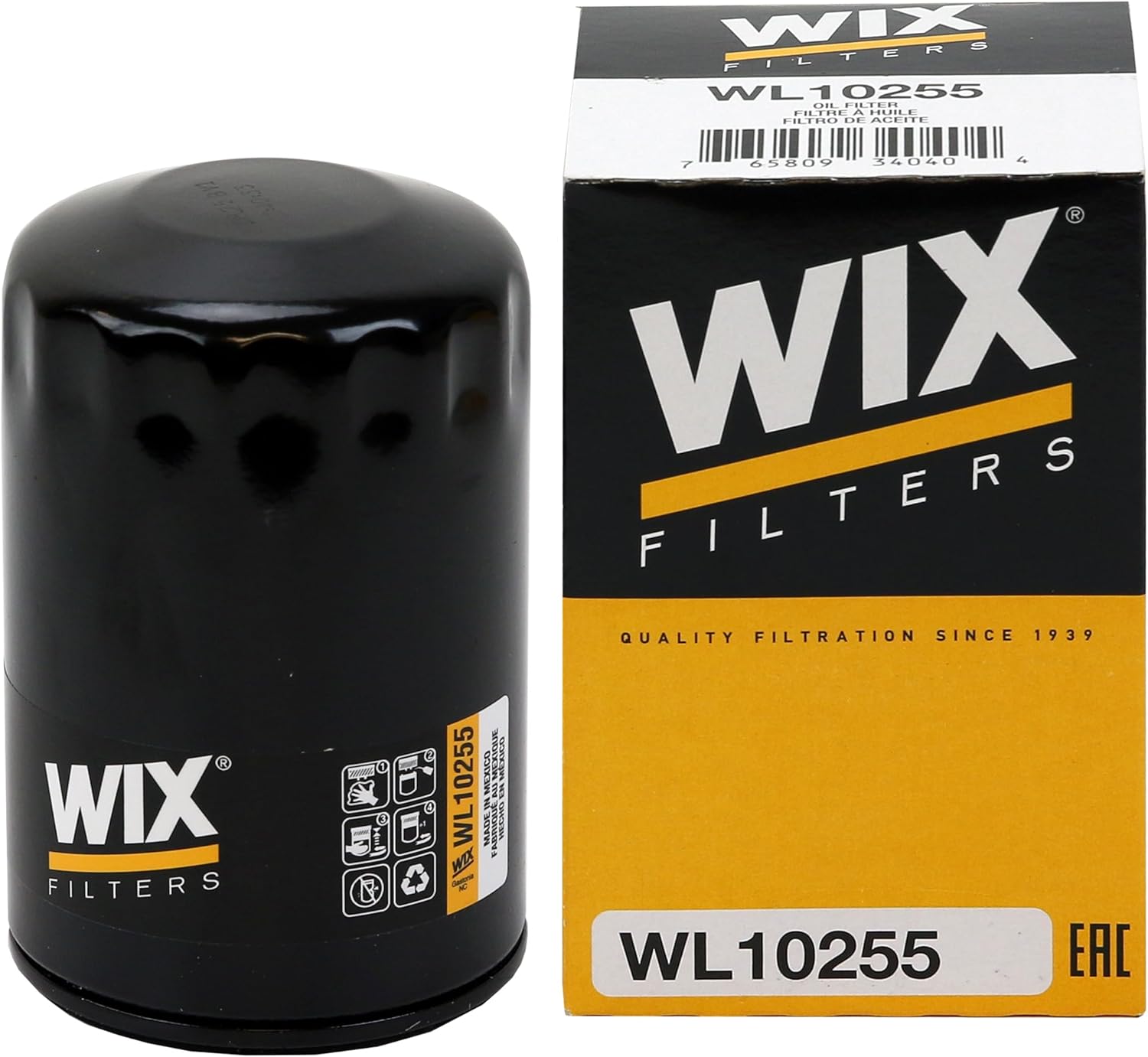
WIX WL10255 is a premium oil filter designed for synthetic and high-mileage oils, delivering reliable protection in everyday driving, towing, stop-and-go traffic, and long highway trips. Its advanced blended media captures fine contaminants with high efficiency, while the silicone anti-drainback valve helps prevent dry starts and supports dependable engine performance over extended service intervals.
Start With Your Exact Year, Engine, and Manual
The right oil choice starts with the 4Runner’s model year and engine. Older 4Runners, 2010–2024 4Runners, and the redesigned 2025+ 4Runner can have different service requirements. Toyota introduced the 2025 4Runner with a standard turbocharged 2.4-liter i-FORCE engine and an available i-FORCE MAX hybrid powertrain, so do not assume older 4Runner oil advice automatically applies to the newest generation.
Before you buy oil, confirm four items:
- SAE viscosity grade, such as 0W-20, 5W-20, 5W-30, or another grade listed for your exact truck.
- Oil performance rating, such as the API or ILSAC category required by Toyota.
- Oil capacity, including whether the amount changes with a filter replacement.
- Normal vs severe service interval, especially if you tow, idle often, drive dusty trails, or make repeated short trips.
Note: The advice below explains how 0W-20 and 5W-30 compare. It does not replace the viscosity grade and oil rating printed in your Toyota manual.
How Viscosity Affects 4Runner Engines
Oil viscosity affects how quickly oil moves at startup and how thick the lubricating film remains when the engine is hot. The first number with the “W” describes winter-grade cold-flow performance. The second number describes the operating-temperature viscosity grade. That means 0W-20 and 5W-30 differ in two ways: 0W usually has better cold-flow behavior, while 30-grade oil is thicker than 20-grade oil at operating temperature.
The SAE J300 viscosity standard defines these viscosity grades. The standard does not mean 0W-20 is always better or that 5W-30 is always safer. It means each oil must meet specific cold and hot viscosity limits. Your engine was designed around a target oil film, oil pump behavior, bearing clearances, variable valve timing operation, and emissions system needs.
Bearing Clearance Impact
Engine bearings rely on a steady oil film. If your 4Runner is designed for 0W-20, using the specified grade helps the oil reach parts quickly and maintain the pressure and flow Toyota intended. Moving to a thicker oil can increase drag and may change oil flow during startup. In a worn engine with larger clearances, thicker oil can sometimes reduce noise or consumption, but that should be a diagnosis-based decision rather than a guess.
Ring Seal Performance
Piston rings help control compression and oil consumption. In an older, worn engine, a thicker oil may reduce some oil consumption, but it will not repair worn rings, valve seals, PCV problems, or leaks. If your 4Runner is using oil, track how much it consumes per 1,000 miles, inspect for leaks, check the PCV system, and confirm the current oil grade before switching viscosity.
Oil Film Thickness
At operating temperature, 5W-30 is thicker than 0W-20 because it is an SAE 30-grade oil instead of an SAE 20-grade oil. That can help in some high-load or high-temperature situations, but thicker is not automatically better. Too much viscosity can reduce flow, hurt efficiency, and move the engine away from the grade Toyota validated.
| Factor | 0W-20 | 5W-30 |
|---|---|---|
| Cold-flow behavior | Better winter-grade flow | Good cold flow, but not as low as 0W |
| Hot viscosity grade | SAE 20 | SAE 30 |
| Best fit | When Toyota specifies it | When Toyota allows it or diagnosis supports it |
Cold Starts vs High-Temp Performance: 0W-20 vs 5W-30
Cold starts are where 0W-20 usually has the clearest advantage. A 0W winter rating is designed for lower-temperature cranking and pumping performance than a 5W rating. In real driving, that can help oil move faster during the first seconds after startup, especially in freezing weather.
High-temperature performance is different. At operating temperature, 5W-30 has a thicker SAE 30-grade viscosity than 0W-20’s SAE 20-grade viscosity. That does not mean you should automatically choose 5W-30 in summer. It means 5W-30 may offer a thicker film if your engine is approved for it or your use case justifies it.
[Products Worth Considering]

Castrol GTX Full Synthetic 5W-30 motor oil is designed to deliver maximum engine protection in severe driving conditions. It helps fight wear, control sludge, and resist viscosity breakdown while supporting longer intervals between oil changes. Formulated to meet or exceed key industry and vehicle manufacturer specifications, it offers dependable performance for modern engines.

This 6-pack engine oil filter set is designed for Toyota applications and compatible cross-reference part numbers, helping support clean oil flow and dependable engine protection. Built from quality materials and featuring 99% multi-pass efficiency, it is made to help extend engine life and maintain performance between service intervals. The included six filters make it a practical choice for routine maintenance and multiple oil changes.
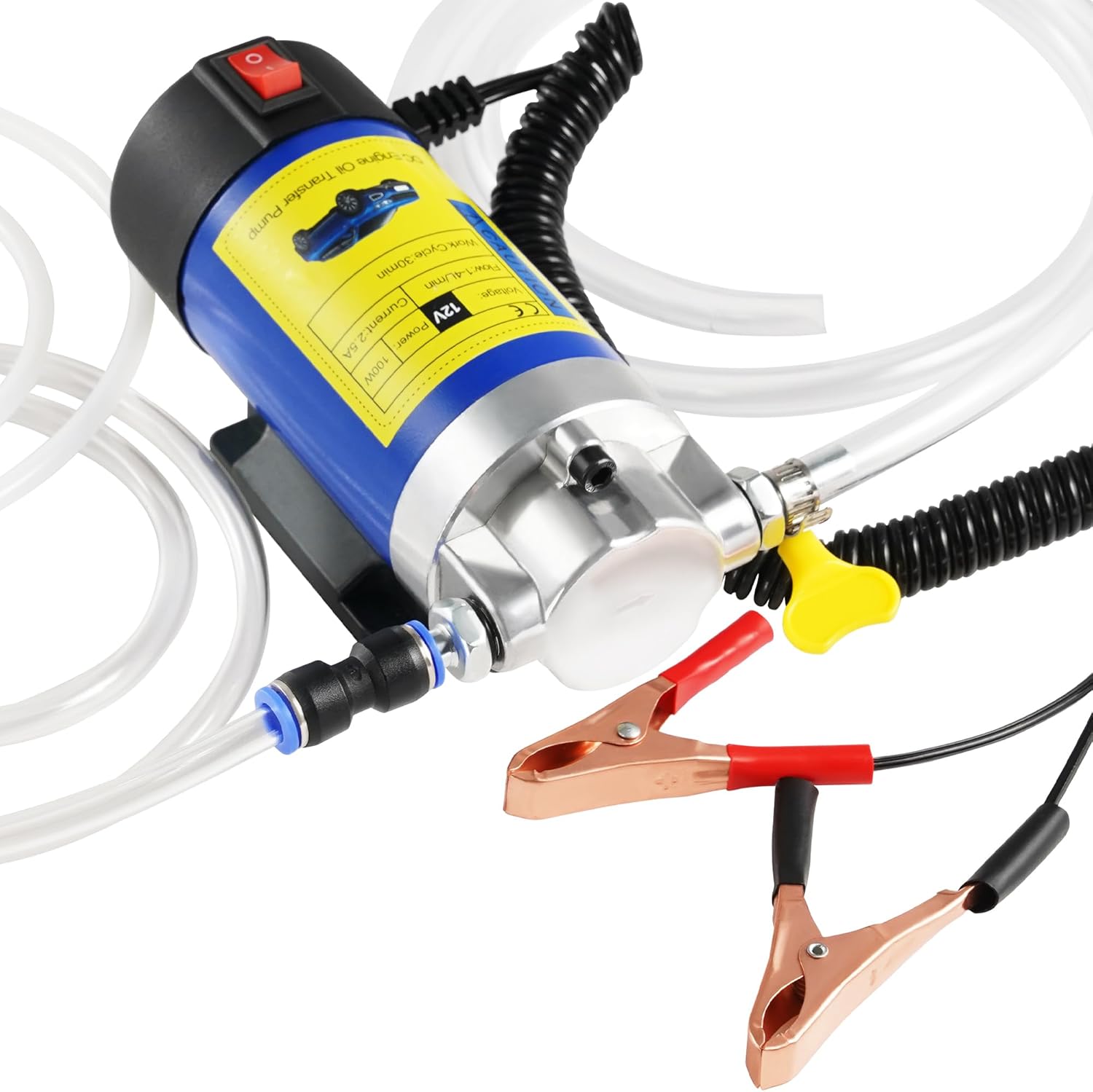
This electric oil extractor pump makes DIY oil changes cleaner and easier by removing old fluid through the dipstick tube, eliminating the need to crawl under the vehicle or deal with messy drain plugs. It is designed for synthetic oil changes and fluid maintenance across cars, motorcycles, lawn mowers, boats, and Jet Skis, while its pure copper motor delivers stable suction and dependable performance. Built for efficient topside oil changes, it supports multiple fluid types and offers continuous operation for longer service tasks.
Cold-Start Flow
If your 4Runner sees freezing mornings and the manual specifies 0W-20, stay with 0W-20. The lower winter rating helps oil circulate quickly at startup. That matters because startup is when many engine parts have not yet received full oil flow.
High-Temp Film Strength
For long climbs, towing, desert heat, or slow technical off-road driving, oil temperature can rise. A thicker approved oil may help maintain film strength, but the safer first step is to use the correct synthetic oil, keep the cooling system healthy, change oil on the severe-service schedule, and monitor consumption.
Seasonal Performance Tradeoffs
Seasonal oil changes by viscosity are less common on modern engines than they were decades ago because multigrade synthetic oils cover a wide temperature range. If Toyota lists more than one allowed grade for your year and engine, choose based on the temperature chart and duty cycle in the manual. If Toyota lists only one preferred grade, treat that as the default.
Pro Tip: If you tow or off-road often, the oil-change interval usually matters more than jumping to a thicker viscosity. Fresh, correct oil is safer than old, thick oil.
Fuel Economy: Cost Tradeoffs and Real Savings
Oil viscosity can affect fuel economy because thinner oil generally reduces pumping and friction losses. That is one reason many modern engines specify 0W-20 or similar low-viscosity oils. Still, real-world savings are usually modest and depend on temperature, trip length, fuel price, tires, load, driving style, and maintenance condition.
If your 4Runner calls for 0W-20 and you switch to 5W-30 without an approved reason, you may lose some efficiency and move away from the fuel-economy calibration Toyota designed for that engine. You may not feel a dramatic change at the pump, but over time the small differences can add up.
- For commuting: use the specified grade and keep tire pressure, alignment, and maintenance current.
- For towing or heavy load: follow severe-service intervals and monitor oil level more often.
- For high mileage: track oil consumption before changing viscosity so you know whether the switch helped.
- For cold climates: avoid thicker winter ratings unless your manual allows them.
Protection & Wear: What Each Grade Does for Longevity
Engine longevity comes from the right oil grade, the right oil rating, clean oil, correct level, and regular service. A thicker oil is not a magic upgrade, and a thinner oil is not automatically unsafe. The right grade is the one your engine was designed to use.
0W-20 supports fast cold flow and low friction when Toyota specifies it. That helps the engine operate as designed, especially during startup and normal driving. 5W-30 provides a thicker operating-temperature viscosity, which may help in some engines under heat or load, but only when the engine can use it safely.
For best protection, buy oil that meets the current standard required by your manual. The American Petroleum Institute lists current gasoline-engine categories such as API SP and ILSAC GF-6A. Your bottle should show the proper API/ILSAC certification for your 4Runner’s required oil.
Toyota Specs, Warranty, and When You Can Deviate
Following Toyota’s published oil specification is the safest path for warranty, reliability, and resale documentation. Keep receipts, note the mileage, and use oil that matches the required viscosity and performance rating. If a warranty question ever comes up, clean maintenance records help show that the truck was serviced correctly.
You can sometimes deviate from the preferred grade, but only with support. Acceptable reasons may include a Toyota-approved alternate grade in the manual, written advice from a qualified shop, severe operating conditions, or a verified engine issue such as abnormal oil consumption. Even then, record why you changed and monitor the result.
Warning: If your 4Runner is still under warranty, do not rely on generic online advice to change viscosity. Use Toyota’s manual and keep service records.
Pick by Use Case: Daily Driver, Towing, Off-Road, High-Mile
Your driving pattern should shape your maintenance plan, but it should not override Toyota’s oil specification without a clear reason. Use this table as a decision guide after checking the manual.
| Use Case | Best Oil Approach | What to Monitor |
|---|---|---|
| Daily driving | Use the manual-specified grade, often 0W-20 on late-model trucks that call for it. | Oil level, fuel economy, service interval. |
| Cold climate | Favor the lowest winter rating Toyota approves, such as 0W when specified. | Startup noise, battery condition, oil level. |
| Towing or hauling | Use approved oil and shorten the interval if your manual lists severe service. | Oil temperature if available, consumption, coolant condition. |
| Off-road use | Stick with approved oil, inspect more often, and change sooner after dusty or hot trail use. | Dust contamination, leaks, skid-plate oil residue. |
| High mileage | Use the specified grade first; consider approved high-mileage oil or technician-guided viscosity change if consumption is verified. | Oil use per 1,000 miles, leaks, smoke, noise. |
[Products Worth Considering]

This A-Premium cartridge engine oil filter is designed for a wide range of Toyota and Lexus vehicles, helping support cleaner oil flow and dependable engine protection. With high filtration efficiency and included O-rings, it offers a practical replacement solution for routine maintenance. Built for extended service intervals, it is suitable for conventional or synthetic oil applications.

This flexible oil funnel is designed to make fluid changes cleaner and easier by guiding oil around obstacles like skid plates and crossmembers. Its shape-retaining core and silicone body can be molded for custom positioning, while the heat-resistant, leak-proof design helps prevent spills during draining and filter removal. Reusable and easy to clean, it works well for cars, trucks, motorcycles, and other hard-to-reach fluid fill or drain applications.

The WIX 57060XP XP Oil Filter is engineered for synthetic oil users who need dependable protection in demanding driving conditions. Its advanced synthetic-blended media delivers high filtration efficiency and supports extended service intervals, while the precise fit makes installation quick and straightforward. Built for severe-duty performance, it helps maintain cleaner oil flow and reliable engine protection during towing, stop-and-go traffic, and long highway trips.
Synthetic vs Conventional and Recommended Drain Intervals
Use the oil type your manual requires. Many Toyota engines that specify 0W-20 require or strongly favor synthetic oil because it handles cold flow, oxidation, and viscosity stability better than conventional oil. If your 4Runner allows conventional oil, it may require shorter drain intervals.
Do not choose an oil interval by habit alone. Severe-service driving can include towing, repeated short trips, extensive idling, dusty roads, off-road use, or sustained high heat. Those conditions can justify shorter oil and filter changes even when the oil grade stays the same.
- Use the correct filter and replace it at each oil change.
- Check the dipstick between changes, especially before road trips or towing.
- Keep receipts showing oil grade, rating, date, mileage, and filter used.
- Do not mix random additives unless Toyota or a technician recommends them.
How to Switch Grades Safely and What to Monitor
If you have a valid reason to switch from 0W-20 to 5W-30, make the change carefully. Do not switch because of one noisy startup, one hot day, or one comment online. Build a baseline first.
- Confirm the manual. Check whether Toyota allows the alternate grade for your year, engine, and climate.
- Record your baseline. Note mileage, current oil grade, oil level, consumption rate, engine noise, and fuel economy.
- Inspect for leaks. Fix leaks before assuming the engine needs thicker oil.
- Use a quality oil. Choose the correct API/ILSAC rating and a reputable filter.
- Monitor after the change. Watch oil level, startup sound, idle quality, fuel economy, and warning lights.
- Consider used-oil analysis. If you tow, off-road, or keep the truck long-term, analysis can show fuel dilution, coolant contamination, viscosity change, and wear metals.
- Revert if needed. If the engine behaves worse, return to the manual-specified grade and get a diagnosis.
The safest oil choice is not the thickest oil. It is the oil grade and performance rating your exact 4Runner engine was designed to use.
Frequently Asked Questions
Is it safe to use 0W-20 instead of 5W-30 in a 4Runner?
It is safe only if your specific 4Runner manual allows 0W-20 or lists it as the required grade. If your engine calls for 5W-30, do not switch to 0W-20 just for fuel economy. Use the Toyota-approved grade for your year and engine.
Can I use 5W-30 instead of 0W-20 in a 4Runner?
Use 5W-30 only if Toyota allows it for your exact engine, a temperature chart in the manual supports it, or a qualified technician recommends it after diagnosis. If your manual specifies 0W-20 only, 5W-30 is not a casual upgrade.
When should I use 0W oil instead of 5W oil?
A 0W oil has better low-temperature winter-grade performance than a 5W oil. Use 0W when your manual specifies it, especially in cold climates. The second number still matters, so 0W-20 and 0W-30 are not the same at operating temperature.
What happens if I use 5W-30 instead of 0W-30?
Both are SAE 30 oils at operating-temperature grade, but 0W-30 has better cold-flow performance than 5W-30. In mild weather you may not notice much difference, but in freezing conditions the 0W rating can help startup flow. Use whichever grade your manual approves.
Is 5W-20 better than 0W-20 in hot weather?
Not automatically. Both are SAE 20 oils at operating-temperature grade. The difference is the winter rating: 0W has better low-temperature performance than 5W. Hot-weather protection depends more on the approved viscosity grade, oil quality, cooling system health, and service interval.
Should I use thicker oil if my 4Runner burns oil?
Maybe, but diagnose first. Measure consumption, check for leaks, inspect the PCV system, and confirm the current oil grade. Thicker oil may reduce consumption in some worn engines, but it will not repair worn rings, valve seals, or leaks.
Conclusion
For a Toyota 4Runner, the best oil is the grade and rating listed in your exact owner’s manual. If your truck specifies 0W-20, use it for normal driving, cold starts, and factory fuel-economy performance. If you are considering 5W-30, make sure Toyota allows it or a technician has a clear reason. For towing, off-road use, heat, or high mileage, focus on correct oil, shorter severe-service intervals, clean filters, and regular oil-level checks before changing viscosity.
Sources
- Toyota Manuals and Warranties — supports checking the exact owner’s manual and Warranty & Maintenance Guide for the vehicle.
- Toyota USA Newsroom: 2025 Toyota 4Runner — supports the redesigned 2025+ powertrain note.
- API Oil Categories — supports current gasoline-engine oil categories such as API SP and ILSAC GF-6A.
- SAE J300 Engine Oil Viscosity Classification — supports the explanation of SAE winter and operating-temperature viscosity grades.




[…] SAE 0W-20 oil that meets Toyota’s required grade for most 2010–2024 4.0L V6 models, unless your […]
[…] 4Runner oil grades explained […]
[…] 3,500 km” for every Camry. Toyota’s oil interval depends on model year, engine, oil specification, and driving conditions. Some Toyota vehicles that require 0W-20 synthetic oil have a […]
[…] change symptoms, but they do not repair worn rings, cylinder wear, or valve stem seals. Use the oil viscosity and performance standard specified for your engine, especially before any dealer […]
[…] the oil grade printed in your Camry owner’s manual and on the oil-fill cap when applicable. The correct […]