For most late-model Toyota 4Runner owners, the safest oil choice is the exact viscosity and certification listed in the owner’s manual, usually an ILSAC-certified SAE 0W-20 synthetic oil on recent U.S.-market models. Full synthetic is usually the best fit for daily driving, towing, heat, cold starts, and off-road use, but the correct spec matters more than the word “synthetic” on the bottle.
Quick Answer
Use full synthetic oil in your 4Runner when your owner’s manual calls for it, especially on late-model vehicles that specify ILSAC-certified SAE 0W-20. Conventional oil is only a good choice if your specific model year allows it. For warranty protection, follow Toyota’s viscosity, certification, and oil-change schedule—not just the oil brand’s mileage claim.
Key Takeaways
- Full synthetic is the best all-around choice for most 4Runners because it resists oxidation, flows well in cold weather, and handles heat better than conventional oil.
- For many late-model U.S.-market 4Runners, Toyota specifies ILSAC-certified SAE 0W-20; older model years and non-U.S. markets may differ.
- Toyota’s maintenance schedule comes first: many late-model 4Runners use 10,000-mile/12-month oil changes under normal service and shorter 5,000-mile/6-month oil changes under special operating conditions.
- Do not extend oil changes to 15,000–20,000 miles just because a bottle advertises extended protection unless Toyota’s schedule for your exact vehicle allows it.
- Keep receipts and maintenance records, especially if your 4Runner is still under warranty.
Should Your 4Runner Use Synthetic or Conventional Oil?
In most cases, a 4Runner should use full synthetic oil if the owner’s manual specifies synthetic or an ILSAC-certified low-viscosity oil such as 0W-20. Synthetic oil is more stable at high temperatures, thickens less in cold weather, and keeps its protective properties longer than conventional oil under the same driving conditions.
That matters in a 4Runner because many owners do more than easy highway commuting. Short trips, dusty trails, towing, heavy cargo, long idling, mountain climbs, and extreme temperatures all make engine oil work harder.
Warning: Do not choose oil by brand reputation alone. Match the viscosity and certification in your owner’s manual first. Using the wrong oil can increase wear, reduce fuel economy, affect emissions equipment, or create warranty problems if a failure is linked to improper maintenance.
Conventional oil can still work in older engines if Toyota allowed it for that model year and driving conditions are mild. However, for newer 4Runners that specify ILSAC-certified 0W-20, full synthetic is the practical choice because most oils meeting that requirement are synthetic or synthetic-based.
[Products Worth Considering]
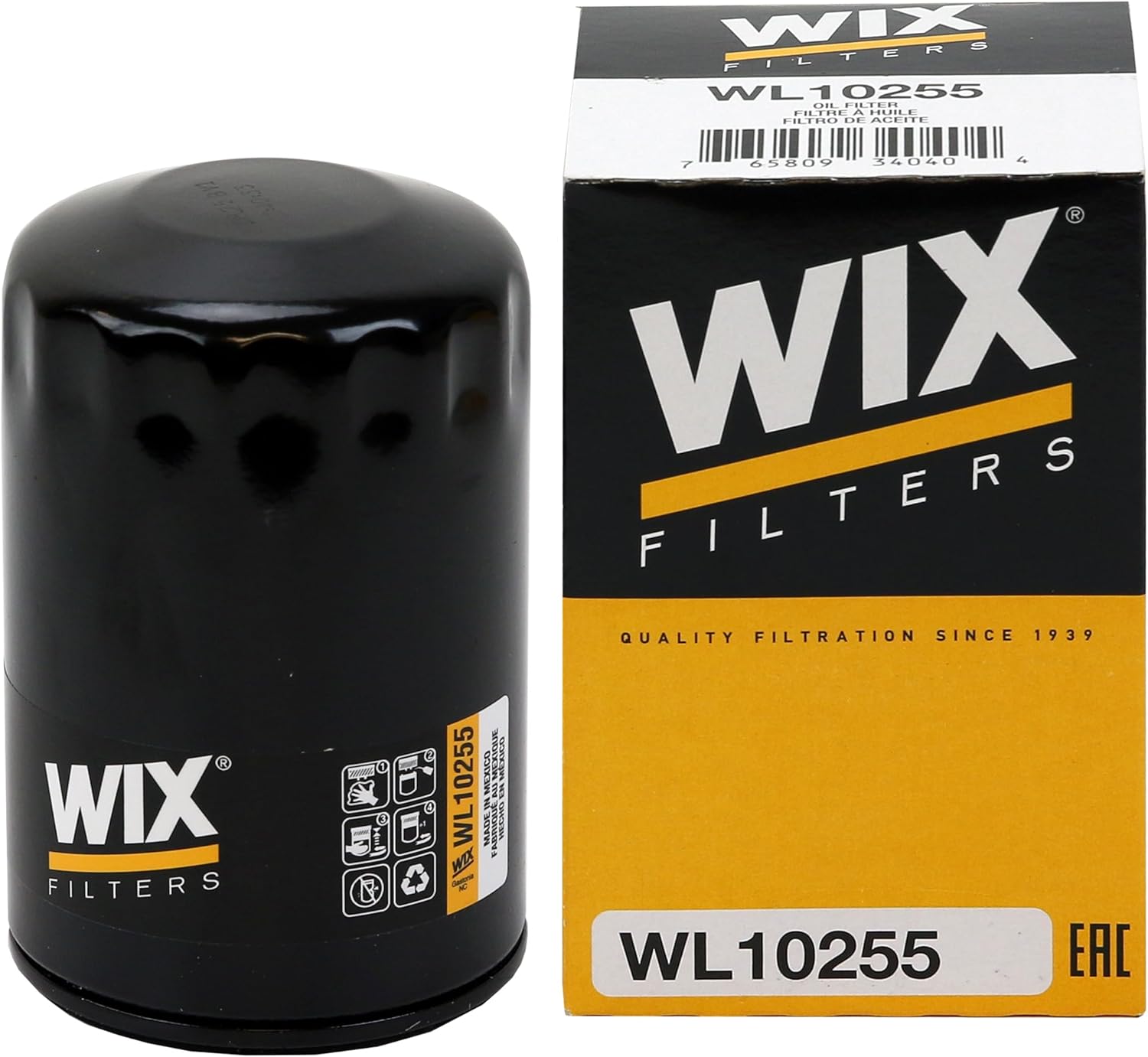
WIX WL10255 is a premium oil filter designed for synthetic and high-mileage oils, delivering reliable protection in everyday driving, towing, stop-and-go traffic, and long highway trips. Its advanced blended media captures fine contaminants with high efficiency, while the silicone anti-drainback valve helps prevent dry starts and supports dependable engine performance over extended service intervals.

Castrol EDGE 0W-20 advanced full synthetic motor oil is engineered for drivers seeking strong wear protection, excellent viscosity control, and thermal stability. It delivers superior performance in critical engine areas, including fuel economy, high-temperature protection, sludge control, and wear defense. Designed for extended oil-change intervals, it helps keep modern engines running smoothly under demanding conditions.

Castrol GTX Full Synthetic 5W-30 motor oil is designed to deliver maximum engine protection in severe driving conditions. It helps fight wear, control sludge, and resist viscosity breakdown while supporting longer intervals between oil changes. Formulated to meet or exceed key industry and vehicle manufacturer specifications, it offers dependable performance for modern engines.
How Engine Oil Protects Your 4Runner
Engine oil does more than make parts slippery. It forms a thin protective film between moving metal surfaces, helps carry heat away from hot parts, suspends contaminants until the oil filter can trap them, and helps prevent sludge and varnish buildup.
In a 4Runner engine, oil protects parts such as crankshaft bearings, camshafts, timing components, pistons, piston rings, and valve-train parts. When the oil is too thick at startup, too thin under heat, dirty, low, or overdue for replacement, that protective film can weaken.
That is why the correct viscosity is so important. A late-model 4Runner that calls for SAE 0W-20 needs oil that flows quickly at cold starts while still protecting at normal operating temperature. Toyota says other 0W-20 synthetic oils can be used when they are ILSAC certified, so look for the correct certification mark on the bottle before buying.
Note: Toyota recommends checking engine oil level regularly. A good habit is to check the dipstick about once a month and before long trips, especially if your 4Runner is older, used off-road, or driven in hot weather.
Synthetic vs. Conventional Oil: Performance and Wear for 4Runners
The biggest difference between synthetic and conventional oil is how well the oil keeps its protective properties under stress. Full synthetic oil is engineered for more consistent molecules and stronger additive performance, which helps it resist oxidation, sludge, and viscosity breakdown better than conventional oil.
Engine Wear Protection
Synthetic oil usually offers stronger protection during cold starts, hot operation, and long drain intervals approved by the manufacturer. That does not mean every synthetic oil is automatically correct for every 4Runner. The best oil is the one that matches Toyota’s required viscosity and certification for your exact model year and engine.
| Oil feature | Why it matters in a 4Runner |
|---|---|
| Cold-flow performance | Helps oil reach bearings and timing components faster after startup. |
| Oxidation resistance | Helps oil hold up during heat, towing, climbing, and extended highway driving. |
| Deposit control | Helps reduce sludge and varnish when oil changes are done on schedule. |
| Stable viscosity | Helps maintain the oil film Toyota designed the engine to use. |
Cold-Start Flow
Cold starts are hard on an engine because oil has drained back to the pan and thick oil takes longer to circulate. A synthetic 0W-20 that meets the required Toyota/ILSAC specification can flow quickly in cold weather, helping reduce the time sensitive parts run with limited lubrication.
This is one reason Toyota often recommends 0W-20 for late-model vehicles: it supports cold starting and fuel economy while meeting the engine’s design requirements. If 0W-20 is specified for your 4Runner, do not switch to a thicker oil unless the manual or a qualified Toyota technician gives a model-specific reason.
High-Heat Stability
Heat is another area where synthetic oil usually has an advantage. Towing, steep grades, sand, slow off-road crawling, and hot climates can raise oil temperature and speed up oxidation. Synthetic oil resists that breakdown better than conventional oil, which helps keep the oil cleaner and more consistent through the approved service interval.
Pro Tip: If your 4Runner spends a lot of time on dusty roads, trails, short winter trips, heavy loads, towing, or long idling, treat it as severe service and shorten the oil-change interval according to Toyota’s maintenance guide.
Full Synthetic, Synthetic Blend, or Conventional: Which Fits Your 4Runner?
Your best choice depends on model year, engine, climate, mileage, and driving conditions. Use this table as a practical guide, then confirm the exact spec in your owner’s manual.
| Oil type | Best for | Use with caution when |
|---|---|---|
| Full synthetic | Late-model 4Runners, cold climates, hot climates, towing, off-road use, high-mileage vehicles, and owners who want the best protection within Toyota’s schedule. | The viscosity or certification does not match the manual. |
| Synthetic blend | Older 4Runners that allow conventional oil but see moderate stress and owners who want a budget middle ground. | Your manual requires a full synthetic or ILSAC-certified 0W-20 that the blend does not meet. |
| Conventional | Older model years where Toyota permits it and the vehicle is used in mild, predictable conditions. | You tow, off-road, idle heavily, take frequent short trips, drive in extreme temperatures, or own a late-model 4Runner requiring 0W-20 synthetic/ILSAC oil. |
For most owners, full synthetic is the simplest recommendation. It gives you the widest protection margin, especially if your 4Runner sees real SUV duty instead of only light commuting.
[Products Worth Considering]

This 12-pack oil filter and drain plug washer set is designed for a wide range of Toyota and Scion vehicles, helping support clean oil flow and dependable engine performance. It replaces several common OE part numbers and offers an easy-fit solution for routine maintenance. Built with corrosion-resistant materials and efficient filtration, it helps keep engine contaminants out and supports longer service life.

The Funnel King 32950 Oil Drain Pan is a compact fluid catch basin designed for clean, easy draining during routine maintenance. Its open shape and pour edge help transfer used oil, coolant, and other shop fluids with less mess, while the lightweight polypropylene construction stands up to common automotive chemicals. Sized to fit under many cars and small engines, it is a practical choice for garages, workshops, and DIY oil changes.

The WIX 57060XP XP Oil Filter is engineered for synthetic oil users who need dependable protection in demanding driving conditions. Its advanced synthetic-blended media delivers high filtration efficiency and supports extended service intervals, while the precise fit makes installation quick and straightforward. Built for severe-duty performance, it helps maintain cleaner oil flow and reliable engine protection during towing, stop-and-go traffic, and long highway trips.
Recommended Oil Change Intervals for 4Runners
Do not base your oil-change interval only on whether the oil is synthetic or conventional. Base it on Toyota’s maintenance guide for your model year, your driving conditions, and the oil used at the last service.
For many late-model 4Runners, Toyota’s maintenance schedule includes regular maintenance every 5,000 miles or 6 months, with engine oil and filter replacement commonly listed at 10,000 miles or 12 months under normal service when the recommended oil is used. Under special operating conditions, oil and filter replacement can be required every 5,000 miles or 6 months.
| Driving condition | Typical Toyota-based guidance | Examples |
|---|---|---|
| Normal service | Often oil and filter at 10,000 miles or 12 months on late-model 4Runners using the recommended oil. | Mostly highway or mixed commuting, light loads, clean roads, no frequent towing or heavy idling. |
| Special operating conditions | Often oil and filter at 5,000 miles or 6 months. | Dusty roads, dirt roads, towing, heavy vehicle loading, repeated short trips below freezing, extensive idling, or long low-speed driving. |
| Older 4Runner using conventional oil | Use the shorter interval listed in that model year’s manual or maintenance guide. | Older engines, high mileage, unknown service history, or oil consumption. |
Synthetic Oil Intervals
Full synthetic oil can support longer service intervals than conventional oil, but your 4Runner’s maintenance guide still sets the safe limit. If a synthetic oil bottle advertises 15,000 or 20,000 miles, that does not automatically apply to your Toyota. Stay within Toyota’s schedule, especially during the warranty period.
If your 4Runner is out of warranty and you want to extend intervals, use used-oil analysis rather than guessing. Oil analysis can show fuel dilution, viscosity change, oxidation, wear metals, and whether your driving pattern is too severe for longer intervals.
Conventional Oil Intervals
Conventional oil generally breaks down sooner than synthetic oil, especially under heat, short trips, towing, or dusty use. If your older 4Runner allows conventional oil, keep the interval conservative and check the oil level often.
If your 4Runner’s manual requires ILSAC-certified 0W-20, conventional oil is usually not the right choice because it may not meet the required viscosity and performance standard.
How to Switch Your 4Runner From Conventional to Full Synthetic
At a Glance
| Time Required | 30–60 minutes for a basic oil and filter change |
| Difficulty | Easy to moderate, depending on access and skid plates |
| Tools Needed | Correct oil, new filter, drain pan, wrench/socket set, gloves, funnel, rags, and safe vehicle support if lifting |
| Cost | Usually higher than conventional oil upfront, but often offset by better protection and Toyota-approved service intervals |
Switching from conventional oil to full synthetic is straightforward when the engine is healthy. You do not need an engine flush for a normal switch. The basic process is the same as any oil change:
- Confirm the exact viscosity and certification in your owner’s manual.
- Buy enough oil and a quality oil filter that fits your 4Runner.
- Drain the old oil while the engine is warm, not dangerously hot.
- Replace the oil filter and drain-plug gasket if required.
- Refill with the correct synthetic oil.
- Start the engine, check for leaks, shut it off, wait a few minutes, and recheck the dipstick.
- Reset the maintenance reminder if your model uses one.
- Record the date, mileage, oil brand/spec, viscosity, and filter used.
Warning: Never work under a vehicle supported only by a jack. Use proper jack stands or ramps on level ground, wear gloves and eye protection, and avoid draining oil when it is hot enough to burn skin.
After switching, monitor the oil level for the first few weeks. Synthetic oil does not “cause” leaks, but it may reveal existing seepage around old seals because it flows well and can clean deposits. High-mileage engines may benefit from a high-mileage synthetic oil that still matches the required viscosity and certification.
Cost vs. Benefit: Long-Term Savings and Fuel Economy for 4Runners
Full synthetic oil usually costs more per quart than conventional oil. The value comes from better protection under stress, better cold-start flow, stronger resistance to oxidation, and compatibility with Toyota’s recommended maintenance schedule on many late-model 4Runners.
Do not expect a dramatic fuel-economy gain just from switching oil. The main fuel-economy benefit comes from using the correct low-viscosity oil Toyota specified, such as 0W-20 on many late-model vehicles. Using a thicker oil than recommended can reduce efficiency and may not protect better in an engine designed for thinner oil.
The real long-term savings come from preventing avoidable wear, maintaining warranty-friendly records, reducing sludge risk, and avoiding unnecessary oil changes that are not required by Toyota’s schedule.
Picking the Right Viscosity and Specs: OEM, API, and ILSAC
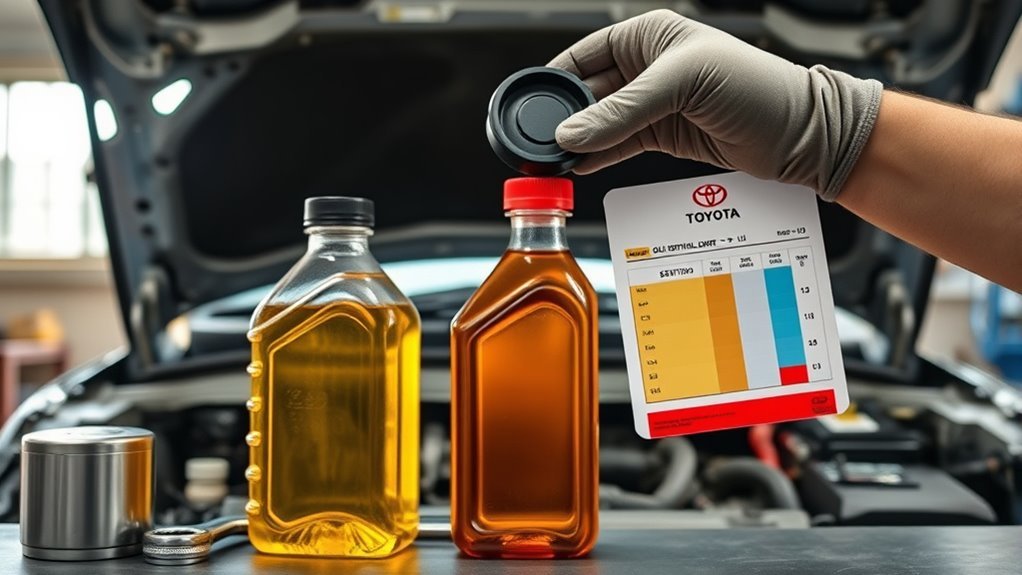
The correct oil is not just “synthetic” or “conventional.” It must match the required viscosity and performance certification. For many late-model U.S.-market 4Runners, Toyota lists SAE 0W-20 and ILSAC-certified oil. Older 4Runners, earlier engines, and non-U.S. models can have different requirements, so always check the manual for your exact year and engine.
Look for these items on the bottle:
- Viscosity: Match the manual exactly, such as SAE 0W-20 where specified.
- ILSAC certification: Toyota commonly references ILSAC certification for gasoline-engine oils. API’s certification marks help identify oils that meet current passenger-car engine oil standards.
- API service category: Use a current gasoline-engine API “S” category that meets or exceeds the requirement in your manual.
- Correct oil type: If your manual requires synthetic 0W-20, do not substitute conventional oil just to save money.
API and ILSAC standards evolve. GF-7A and GF-7B are current standards in API’s 2025 motor oil guidance, but that does not mean every 4Runner requires a GF-7 oil. The safe rule is simple: choose an oil that meets the owner’s manual for your specific 4Runner. A newer standard is useful only when it also matches the required viscosity and certification.
[Products Worth Considering]

The ECOGARD S5608 is a premium cartridge oil filter designed for vehicles using synthetic oil and extended drain intervals. It delivers long-lasting engine protection with high filtration capacity, silicone anti-drain back, and durable construction for dependable performance. Built for a wide range of Toyota, Lexus, and Scion applications, it helps maintain clean oil flow and consistent engine health over time.

This 6-pack engine oil filter set is designed for Toyota applications and compatible cross-reference part numbers, helping support clean oil flow and dependable engine protection. Built from quality materials and featuring 99% multi-pass efficiency, it is made to help extend engine life and maintain performance between service intervals. The included six filters make it a practical choice for routine maintenance and multiple oil changes.
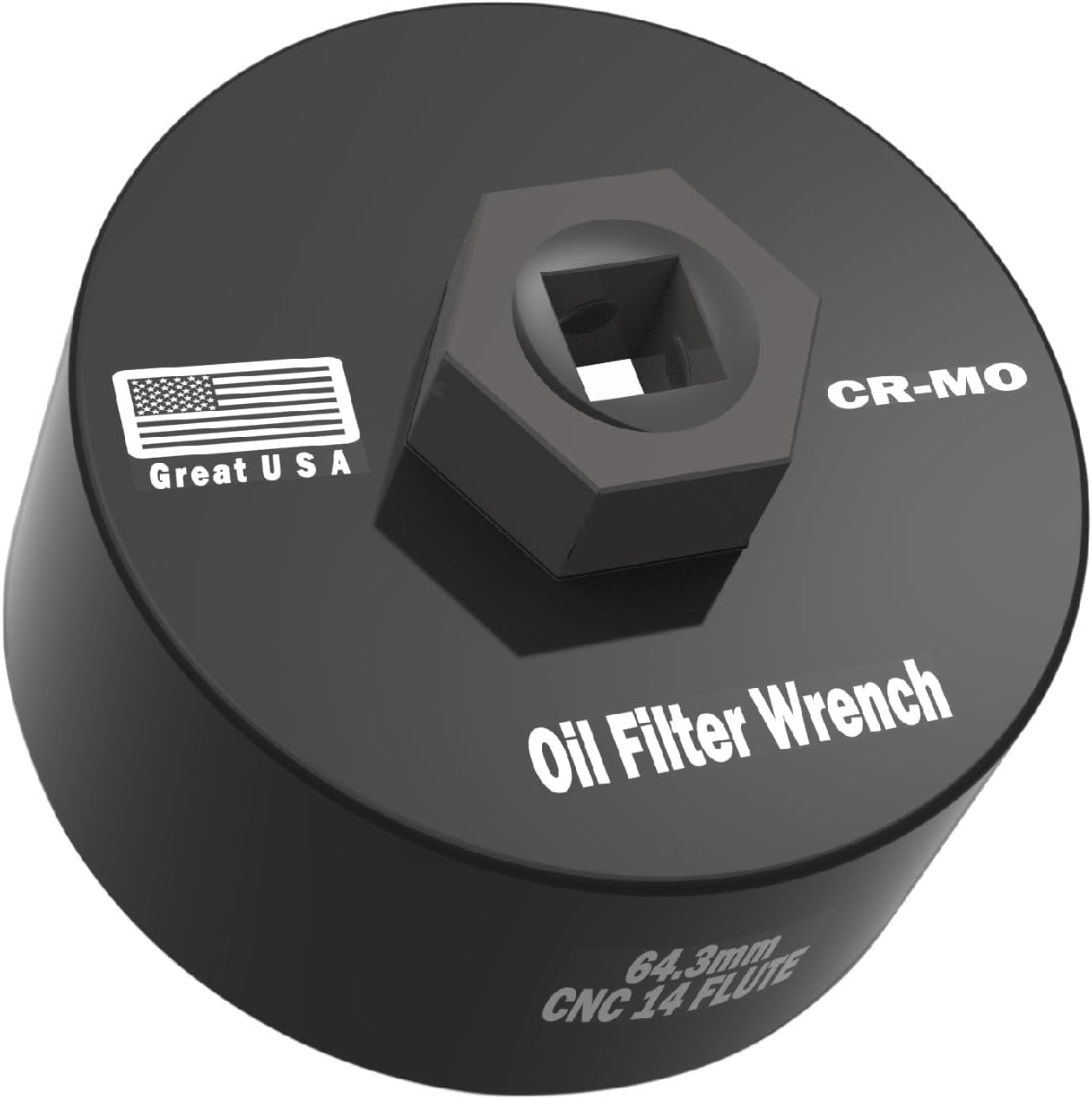
This precision oil filter wrench is designed for Toyota and Lexus cartridge-style filters, delivering a secure 14-flute fit for smooth removal and installation without slipping. Made from hardened chrome-molybdenum steel with a low-profile design, it works well in tight engine spaces and pairs with common drive tools for easier oil changes.
Warranty, Records, and Used-Oil Disposal
Toyota’s maintenance guide makes two points owners should take seriously: proper maintenance helps keep warranty coverage intact, and damage caused by lack of proper maintenance is not covered. Keep receipts whether you do the work yourself, use an independent shop, or visit a Toyota dealer.
A good oil-change record should include:
- Date of service
- Mileage
- Oil brand, viscosity, and certification
- Oil filter part number or brand
- Receipt or photo of supplies
- Notes about severe-service use, towing, off-road trips, or oil consumption
Used oil and oil filters should be recycled. The U.S. EPA explains that used motor oil can be re-refined into lubricants, processed into fuel oils, or reused as petroleum-industry raw material. Store used oil in a clean, sealed container and take it with the drained filter to a local recycling center, parts store, or service shop that accepts used oil.
Frequently Asked Questions
Can synthetic oil affect my 4Runner’s warranty coverage?
Synthetic oil will not hurt warranty coverage when it matches Toyota’s required viscosity and certification and you follow the maintenance schedule. Keep receipts and service records. Warranty problems are more likely if the wrong oil is used, oil changes are skipped, or engine damage is linked to improper maintenance.
Can I use diesel-formulated synthetic oil in a gasoline 4Runner?
Do not use diesel-only oil unless the bottle also meets the gasoline-engine API/ILSAC requirement and viscosity listed in your 4Runner owner’s manual. Many diesel oils use different additive packages and may not be ideal for gasoline emissions systems. For most owners, an ILSAC-certified gasoline-engine oil is the safer choice.
Does synthetic oil improve cold-weather starting?
Yes. Synthetic oil, especially the correct low-temperature grade such as 0W-20 where Toyota specifies it, flows better in cold weather than thicker conventional oil. Faster oil flow helps protect bearings, timing components, and valve-train parts during startup.
How should I store leftover synthetic oil?
Keep leftover oil tightly sealed in its original container, stored upright in a cool, dry place away from direct sunlight, water, and dirt. Label the opening date if the container has been unsealed, and do not use oil that looks contaminated, milky, or dirty.
Are oil additives safe to use with full synthetic oil?
Usually, you should skip aftermarket oil additives unless Toyota or a qualified technician recommends one for a specific problem. Quality synthetic oils already contain balanced additive packages. Extra additives can upset that balance and may not be compatible with seals, catalysts, or warranty expectations.
Can I mix synthetic and conventional oil in an emergency?
Mixing synthetic and conventional oil is usually acceptable for a short-term emergency top-off, but it reduces the benefits of the synthetic oil and may not meet Toyota’s intended specification. Use the correct oil as soon as possible and return to a full fill of the proper viscosity and certification at the next change.
Should a high-mileage 4Runner use high-mileage synthetic oil?
A high-mileage synthetic can be a good option if it matches the required viscosity and certification. These oils often include seal conditioners and detergents intended for older engines. Do not use a thicker high-mileage oil unless your owner’s manual allows that viscosity.
Conclusion
For most 4Runner owners, full synthetic oil is the best choice, but only when it matches Toyota’s required viscosity and certification. On many late-model U.S.-market 4Runners, that means ILSAC-certified SAE 0W-20. Synthetic blend or conventional oil only makes sense for older model years where Toyota allows it.
The most reliable rule is simple: follow the owner’s manual, shorten intervals for severe service, keep maintenance records, and recycle used oil properly. Do that, and your 4Runner gets the protection it needs without guesswork, overextended oil changes, or unnecessary risk.
Sources
- Toyota 2024 4Runner Warranty & Maintenance Guide — maintenance records, normal service intervals, and special operating conditions.
- Toyota Support: 0W-20 synthetic oil brands — Toyota guidance on using other ILSAC-certified 0W-20 synthetic oils.
- Toyota Owners: 2025 4Runner Hybrid maintenance data — Toyota oil grade and SAE 0W-20 viscosity guidance for a current 4Runner model.
- API Motor Oil Guide — API certification marks and current ILSAC GF-7A/GF-7B information.
- U.S. EPA: Managing, Reusing, and Recycling Used Oil — used motor oil and oil filter recycling guidance.
- Mobil 1 Annual Protection FAQ — manufacturer guidance that switching from conventional to synthetic does not require an engine flush.