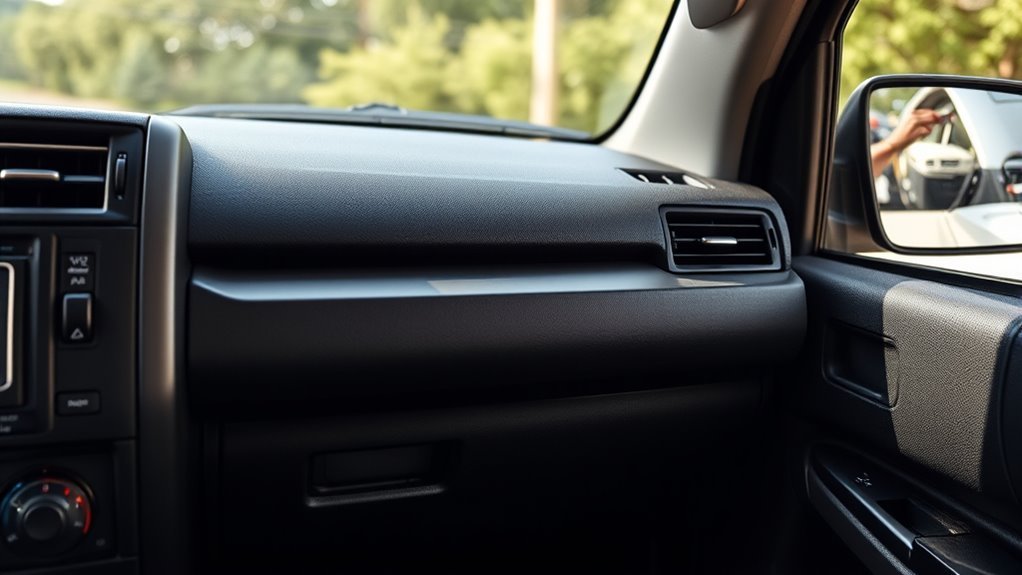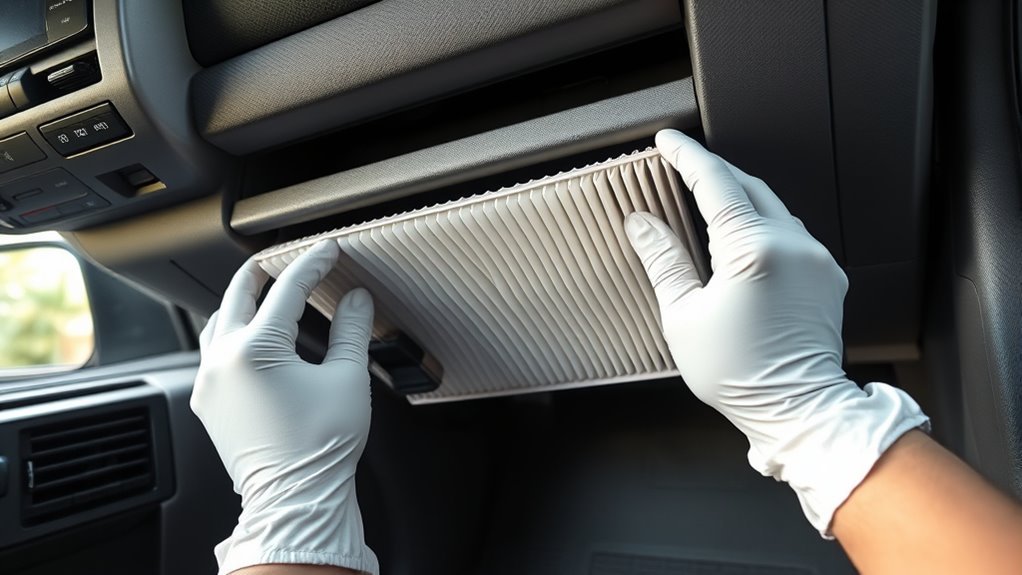
You’ll find the 5th-gen Toyota 4Runner’s cabin air filter behind the glovebox, not under the hood. The job is quick: empty the glovebox, release the damper and glovebox stops, lower the glovebox, open the filter housing, pull the old cartridge out, and install the new one in the correct direction. The main things to get right are filter fitment, arrow orientation, and making sure the cover seals before you close everything back up.
Quick Answer
On a 5th-gen 4Runner, the cabin air filter is behind the glovebox. Open and empty the glovebox, slide off the damper, push in the sides to lower it, remove the filter cover, and pull the filter straight out. Inspect it at about 15,000 miles or 18 months, and replace it when dirty, clogged, smelly, or due by schedule.
Key Takeaways
- The 5th-gen 4Runner cabin air filter sits behind the glovebox and usually takes 5–10 minutes to check or replace.
- Toyota’s 2024 maintenance guide lists cabin air filter inspection at 15,000 miles or 18 months and replacement at 30,000 miles or 36 months, with earlier replacement possible in heavy traffic, dirt-road, dusty, desert, or off-road use.
- If the new filter says AIR FLOW, install it with the arrow pointing down. If it says UP, follow that label and point it up.
- Toyota 87139-50100 is a genuine Toyota air refiner element, but always confirm fitment by VIN, model year, and market before buying.
At a Glance
| Time Required | 5–10 minutes |
| Difficulty | Beginner |
| Tools Needed | Usually none; a flashlight, clean cloth, or small vacuum helps |
| Cost | One replacement cabin filter; price varies by OEM, charcoal, HEPA-style, or budget aftermarket choice |
Where the 4Runner Cabin Air Filter Is and How to Check It
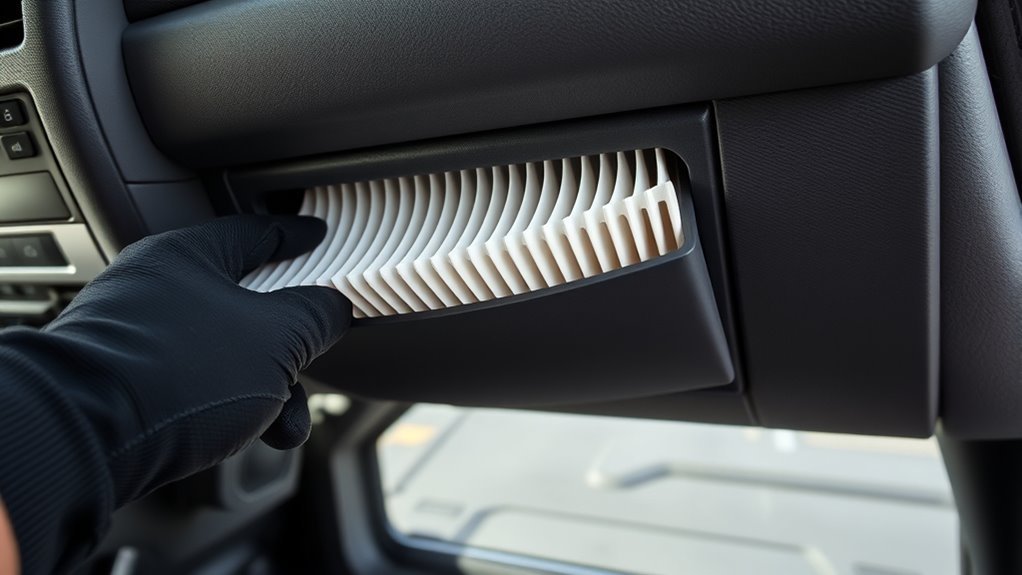
The cabin air filter on the 5th-gen Toyota 4Runner sits behind the passenger-side glovebox. It filters air before it comes through the HVAC vents, helping catch dust, pollen, leaves, trail grit, and other debris before they blow into the cabin.
This guide applies to the 5th-generation Toyota 4Runner sold from 2010 through 2024. Toyota identifies the fifth generation as 2010–2024 and the sixth generation as starting with 2025, so 2025-and-newer 4Runners may use a different filter, part number, and access procedure. You can confirm your exact manual through Toyota Owners Manuals and Warranties.
Note: The cabin air filter is different from the engine air filter. The cabin filter is behind the glovebox and affects vent airflow and cabin air quality. The engine air filter is under the hood and protects the engine.
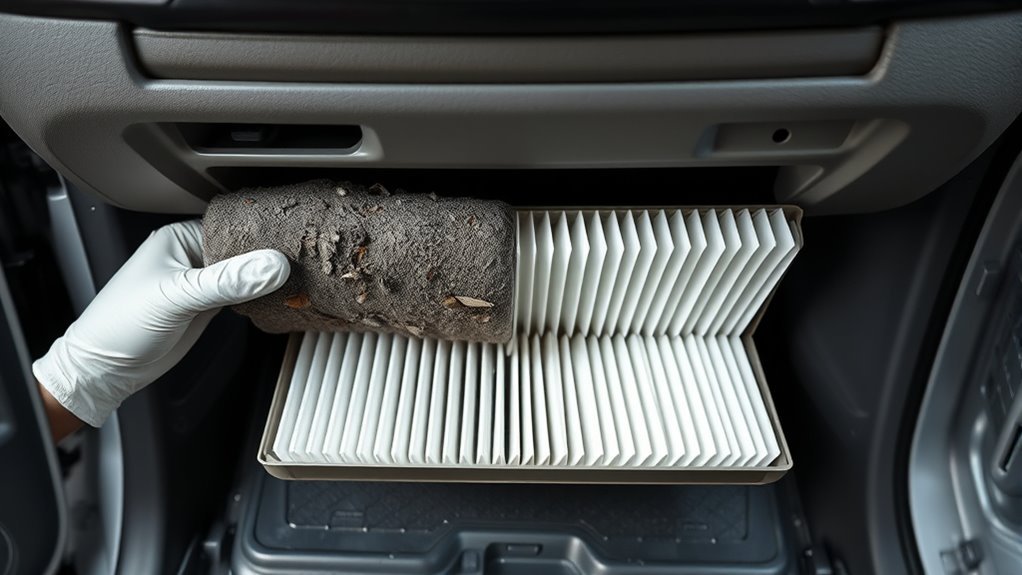
To do a fast inspection, open the glovebox, remove its contents, lower the glovebox, and pull the filter out of the housing. Look between the pleats. A little gray color is normal with age, but packed dirt, leaves, sand, bugs, dampness, moldy smell, or weak vent airflow means it is time to replace it.
Before You Start: Fitment, Safety, and Setup
Before you pull the filter, park on level ground, turn the ignition off, and give yourself room to work on the passenger side. You do not need to disconnect the battery for this job, but you should avoid turning the fan on while the filter and cover are out.
Warning: Do not run the HVAC system without a cabin filter installed. Dust and leaves can enter the blower area, and a loose filter or cover can cause noise, poor airflow, or unfiltered air bypass.
Check the replacement filter before opening the housing. It should match the old filter’s size and frame shape. If you are buying Toyota Genuine, Toyota 87139-50100 is a genuine Toyota air refiner element commonly used for 5th-gen 4Runner applications, but the safest move is to verify by VIN or with a Toyota parts counter because catalogs can vary by model year, trim, region, and filter type.
[Products Worth Considering]

This cabin air filter combines MERV 13 filtration with activated carbon to help trap fine particles and reduce unwanted odors inside your vehicle. Built with four-layer filtration and OEM-sized fitment, it supports cleaner airflow and straightforward installation for a wide range of compatible Hyundai, Kia, GMC, Chevy, and Saturn models. Replace it on schedule to help maintain fresh, comfortable air for everyday driving.

This odor control cabin air filter uses activated charcoal and baking soda to help neutralize unwanted smells while trapping dust, pollen, soot, dander, and other airborne contaminants. Designed for compatible Toyota, Lexus, Subaru, and select other vehicles, it supports cleaner cabin air and balanced HVAC airflow for everyday driving comfort. Installation is straightforward, with vehicle-specific guidance available to help make replacement quick and easy.

This dual filter kit helps keep your vehicle running and riding cleaner by replacing both the engine air filter and cabin air filter at the same time. It is designed for a range of Toyota and Lexus hybrid models, helping support engine performance while reducing odors and airborne particles inside the cabin. Built with high-quality filtration materials, it offers a convenient maintenance solution for routine filter replacement.
Step-by-Step: Remove the Glovebox and Pull Out the Old Filter
Start by emptying the glovebox so nothing falls out when it drops. Support the glovebox with one hand while you release it; the plastic stops and damper are light-duty parts, so steady pressure is better than force.
| Step | Action | What to Watch For |
|---|---|---|
| 1 | Turn the ignition off and empty the glovebox. | Remove papers, tools, and loose items first. |
| 2 | Open the glovebox fully and slide off the small damper arm on the side. | Do not yank it; it should slide off with gentle pressure. |
| 3 | Push both sides of the glovebox inward to release the stops. | Support the glovebox as it lowers. |
| 4 | Lower the glovebox and remove the small organizer or shelf if your trim has one. | Keep the piece nearby so it goes back in the same way. |
| 5 | Unclip the cabin filter housing cover. | Watch the tabs and the cover seal. |
| 6 | Pull the old filter straight out. | Keep it level so leaves and grit do not spill into the blower area. |
Once the filter is out, inspect the pleats. If you see heavy dust, leaves, sand, insects, damp spots, dark debris, or crushed pleats, replace it. If the filter is only lightly dusty and still fairly clean, you can tap loose debris out for inspection, but do not wash a disposable paper or charcoal cabin filter.
Pro Tip: Before installing the new filter, use a small vacuum or clean cloth to remove leaves from the housing area. Do not push debris deeper into the duct or blower opening.
Install the New Cabin Air Filter: Correct Orientation and Reassembly Tips
Slide the new filter into the housing with the same shape and alignment as the old one. The filter should sit flat, with no bent corners, gaps, or crushed pleats. If it catches, pull it back out and realign it instead of forcing it.
The arrow label is the most common place to make a mistake. If your replacement filter says AIR FLOW, the arrow should point down in a 5th-gen 4Runner because air flows downward through the filter. If the filter says UP, that is an installation-position label, not an airflow label, so point the UP arrow upward.
Airflow arrows and “UP” arrows are not the same thing: AIR FLOW points down, while UP points up.
After the filter is seated, reattach the housing cover until it clicks or locks evenly. Check that the cover is not crooked. Reinstall the organizer or shelf if removed, lift the glovebox back into place, push the sides inward to clear the stops, reconnect the damper arm, and close the glovebox.
Turn the fan on low, then medium, and listen for rattles. You should feel steady airflow from the vents. If airflow is still weak, the filter may be installed backward, the cover may not be sealed, the vents may be set incorrectly, or the blower system may have another issue.
Which Cabin Filter to Buy: OEM vs Aftermarket Toyota 87139-50100
You have two good paths: Toyota Genuine or aftermarket. The right choice depends on how you drive, how dusty your area is, and whether you want guaranteed fitment from a Toyota parts listing or a lower-cost replacement.
| Filter Type | Best For | Watchouts |
|---|---|---|
| Toyota Genuine | Owners who want factory-style fitment and fewer fitment questions. | Confirm the part number by VIN; Toyota lists more than one cabin filter style across model years and applications. |
| Charcoal / deodorizing | Odor control, city traffic, smoke, and dusty cabin conditions. | Usually costs more than a basic particulate filter. |
| Budget aftermarket | Routine city driving and frequent low-cost replacements. | Frame stiffness, seal quality, odor control, and airflow can vary by brand. |
| Reusable aftermarket | Owners who are willing to clean and maintain the filter exactly as directed. | Only clean it if the manufacturer specifically says it is reusable; do not wash disposable filters. |
For dusty trails, desert roads, and off-road use, choose a filter with a firm frame and a good seal so air does not bypass the media. Toyota’s Genuine Toyota cabin filter listings are a safe starting point, but a trusted aftermarket filter can also work well when it fits tightly and matches the correct dimensions.
[Products Worth Considering]
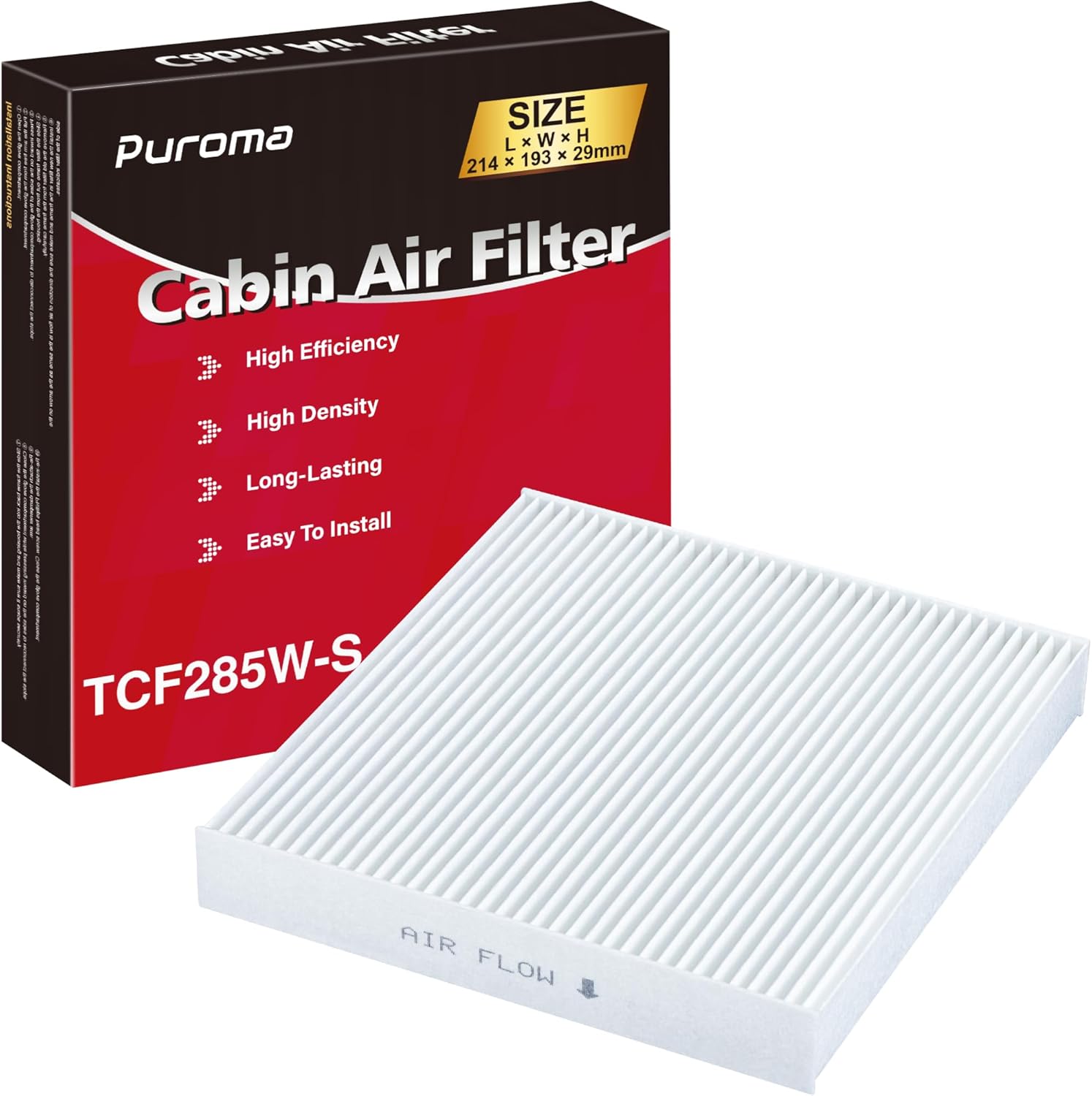
This Puroma cabin air filter helps keep your vehicle interior supplied with cleaner air while supporting efficient HVAC performance. Its multi-layer design helps reduce odors and trap airborne particles, making daily driving more comfortable. With wide compatibility across many Toyota, Lexus, Subaru, and other models, it is designed for quick replacement and easy installation.

This KAX cabin air filter is designed to help keep your vehicle interior air cleaner by capturing dust and other airborne particles before they enter the cabin. Its HEPA-style multi-layer construction with activated carbon supports strong filtration while also helping improve HVAC airflow and overall comfort. Built as a direct replacement for select Toyota and Scion models, it offers a convenient maintenance upgrade for fresher cabin air.

This Puroma cabin air filter uses activated carbon and a close-meshed filter layer to help trap odors, smog, smoke, and microscopic particles before they enter the cabin. It supports fresher air, helps reduce window fogging, and can improve comfort while also helping maintain HVAC airflow and performance. Designed for a straightforward installation, it is a practical replacement filter for a wide range of compatible Hyundai, Kia, Chevrolet, GMC, and Saturn vehicles.
When to Replace and Troubleshoot: Signs It’s Clogged, Dusty, or Installed Wrong
Toyota’s 2024 4Runner Warranty & Maintenance Guide lists cabin air filter inspection at 15,000 miles or 18 months and replacement at 30,000 miles or 36 months. It also notes that heavy traffic, dirt roads, urban dust, dusty areas, and desert use may shorten filter life, especially if airflow drops or the windows fog easily in Fresh mode.
For a trail-driven 4Runner, the practical rule is simple: inspect it after dusty trips, replace it when it is loaded with debris, and do not wait for the cabin to smell stale before checking it.
| Symptom | Likely Cause | Fix |
|---|---|---|
| Weak airflow from vents | Clogged filter, filter installed backward, or cover not seated | Inspect the filter, confirm arrow direction, and reseat the cover. |
| Musty smell | Dirty filter, damp debris, or moisture in the evaporator area | Replace the filter and use fresh-air mode when practical to help dry the system. |
| Windows fog easily in Fresh mode | Restricted cabin filter airflow | Inspect and replace the filter if dirty or due. |
| Rattle after replacement | Loose cover, mis-seated filter, or leaf debris in housing | Open the housing again, remove debris, and lock the cover evenly. |
| Burning or electrical smell | Not usually just a cabin filter problem | Turn the HVAC off and inspect for blower, wiring, or mechanical issues if the smell persists. |
A clogged cabin filter can restrict airflow dramatically, and Toyota’s own A/C troubleshooting guidance lists a clogged or very dirty cabin air filter as a common cause of poor airflow. If a fresh, correctly installed filter does not restore airflow, check the blower motor, fuses, vent settings, and HVAC controls next, or have the system inspected.
[Products Worth Considering]
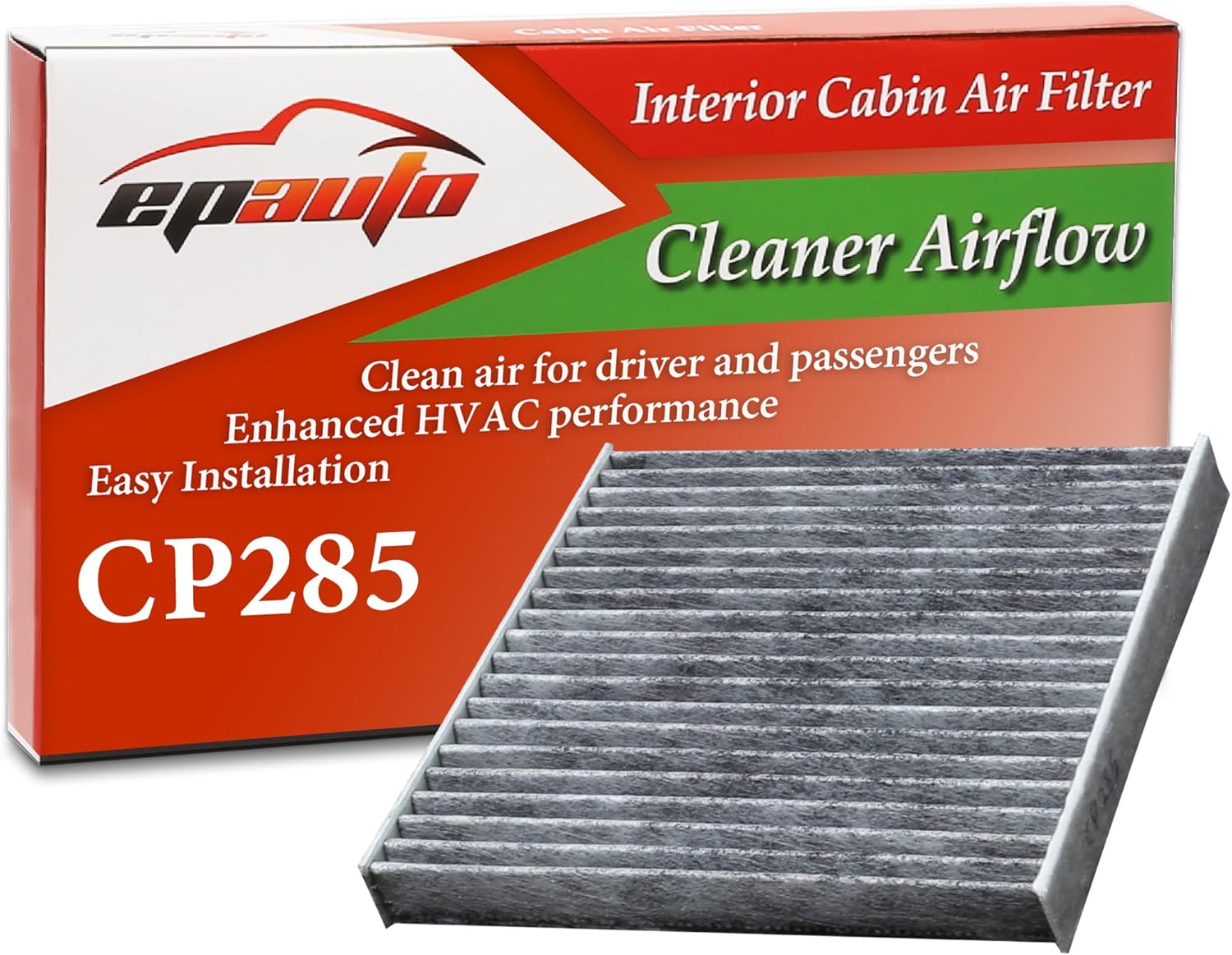
EPAuto CP285 premium cabin air filter helps keep the vehicle interior air cleaner by trapping dust and supporting fresh airflow through the HVAC system. It includes activated carbon and soda to help reduce odors while promoting better cabin comfort for drivers and passengers. Designed as a replacement filter for a wide range of compatible vehicles, it is recommended to replace it regularly for consistent performance.

EPAuto CP134 is a premium cabin air filter designed to help keep the air inside your vehicle cleaner and fresher. It includes activated carbon to help reduce odors and support a more comfortable ride for drivers and passengers. Built as a replacement option for many Honda and Acura models, it offers broad compatibility and dependable cabin air filtration.

Puroma cabin air filter helps keep your vehicle’s interior air fresher by capturing airborne particles while supporting strong HVAC airflow. Its multi-layer design helps reduce stale odors and promotes a cleaner, healthier driving environment. Designed for easy installation and broad fitment across select Toyota, Lexus, Mazda, and Subaru models, it’s a practical maintenance upgrade for more comfortable everyday driving.
Common Mistakes That Cause Airflow or Odor Problems
- Mixing up arrow labels: “AIR FLOW” points down; “UP” points up.
- Forcing the filter: A crushed filter can leave gaps and let air bypass the media.
- Leaving the cover loose: The filter cover must seal evenly, or dust can sneak around the filter.
- Ignoring the glovebox damper: Reconnect it before closing the glovebox so the box opens smoothly next time.
- Expecting the filter to fix every smell: A new filter helps, but persistent mildew odor may come from moisture and debris around the evaporator, not the filter alone.
- Skipping post-trail checks: After dusty roads, sand, smoke, or pollen-heavy trips, inspect sooner than the normal schedule.
Frequently Asked Questions
How often should I change the cabin air filter on my 4Runner?
Inspect it around 15,000 miles or 18 months and replace it around 30,000 miles or 36 months under Toyota’s normal schedule. Replace it sooner if you drive in heavy traffic, dusty areas, desert conditions, or off-road trails, or if airflow drops, odors appear, or the filter is visibly dirty.
Do I actually need to replace my cabin air filter?
Yes. The cabin air filter helps protect HVAC airflow and keeps dust, pollen, leaves, and grit from blowing through the vents. When it clogs, you may notice weak airflow, stale smells, more dust inside, and foggier windows.
Which way does the cabin air filter arrow point on a 5th-gen 4Runner?
If the filter is marked “AIR FLOW,” point the arrow down. If it is marked “UP,” point the arrow up. Check the wording beside the arrow before installing because the two labels mean different things.
Can I clean and reuse the 4Runner cabin air filter?
Only if the filter manufacturer says it is reusable. Most paper and charcoal cabin filters are disposable. You can tap out loose leaves for inspection, but washing a disposable filter can damage the media and reduce filtration.
Is Toyota 87139-50100 the right cabin filter for every 5th-gen 4Runner?
Toyota 87139-50100 is a genuine Toyota air refiner element commonly listed for 5th-gen 4Runner applications, but you should still confirm by VIN, model year, trim, and market before buying. Toyota and dealer catalogs may show more than one compatible cabin filter style.
Will replacing the cabin filter fix bad A/C airflow?
It often helps if the old filter is clogged. If airflow is still weak after a new filter is installed correctly, check for a loose filter cover, blocked vents, a blower motor problem, a fuse issue, or another HVAC fault.
Conclusion
You’ve done the sensible 4Runner maintenance move: found the filter behind the glovebox, lowered the glovebox without forcing the stops, checked the old media, and installed a fresh filter with the arrow facing the right way. Keep the part number Toyota 87139-50100 handy if it matches your VIN, inspect the filter after dusty trips, and replace it whenever airflow, odor, or debris tells you it is done. A clean, well-seated cabin filter keeps the HVAC breathing properly and the cabin calmer, cleaner, and easier to live in.
Sources
- Toyota 2024 4Runner Warranty & Maintenance Guide — inspection and replacement intervals, dusty-condition notes, and maintenance record guidance.
- Toyota Owners Manuals and Warranties: 2024 4Runner — official owner manual and warranty/maintenance manual access.
- Toyota Air Refiner Element 87139-50100 — genuine Toyota part listing for the air refiner element.
- Toyota: Troubleshooting Common Car A/C Issues — clogged cabin air filter as a possible cause of poor vent airflow.
- Toyota Support: Air Conditioner Odor — causes of HVAC odor and habits that can help reduce odor buildup.
- Toyota USA Newsroom: 4Runner Fifth and Sixth Generations — confirmation that the fifth-generation 4Runner covers 2010–2024 and the sixth generation starts with 2025.