
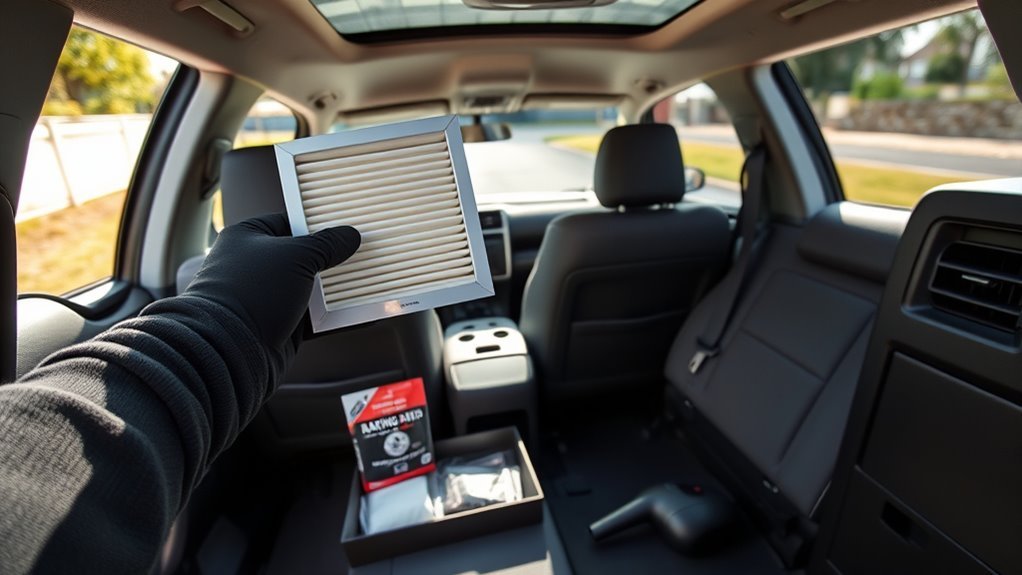
If your Toyota 4Runner smells musty when you turn on the A/C, the problem is usually trapped moisture in the HVAC system, a dirty cabin air filter, debris in the fresh-air intake, or a blocked evaporator drain. Start with the simple checks first: inspect the filter, clear leaves from the intake, confirm the A/C drain is dripping outside the vehicle, and dry the system before chasing expensive repairs.
By Auto Review Nest Editorial Team · Last updated:
Quick Answer
To remove a musty A/C smell from a 4Runner, replace or inspect the cabin air filter, vacuum debris from the HVAC intake, use a light vinegar mist or automotive evaporator cleaner, run fresh-air mode to dry the ducts, and clear the A/C drain. If wet carpet or odor returns, look for a leak.
Key Takeaways
- A musty or sour smell is usually moisture-related, not a reason to replace the evaporator right away.
- Toyota says A/C odors can happen when dirt, spores, and bacteria remain on a moist evaporator instead of draining away with condensation.
- Toyota’s 4Runner maintenance guides list cabin air filter replacement at a scheduled interval and note that heavy traffic, dirt roads, dusty areas, and desert driving can shorten filter life.
- Do not mix cleaners, do not soak electronics, and avoid ozone treatments in occupied spaces.
- Wet carpet, no A/C condensate dripping outside, weak airflow, or recurring odor after cleaning means it is time to inspect drains, seals, and hidden leaks.
At a Glance
| Time Required | 20–60 minutes for basic cleaning; longer if carpet or drains are wet |
| Difficulty | Easy to moderate |
| Tools Needed | Cabin air filter, vacuum, soft brush, spray bottle, white vinegar, microfiber towels, gloves, eye protection, flexible plastic drain-cleaning line or low-pressure compressed air |
| Cost | Usually $15–$60 for DIY filter and cleaner; professional evaporator cleaning or drain/leak repair costs more depending on labor |
Is It Mold, the Cabin Filter, or a Leak?
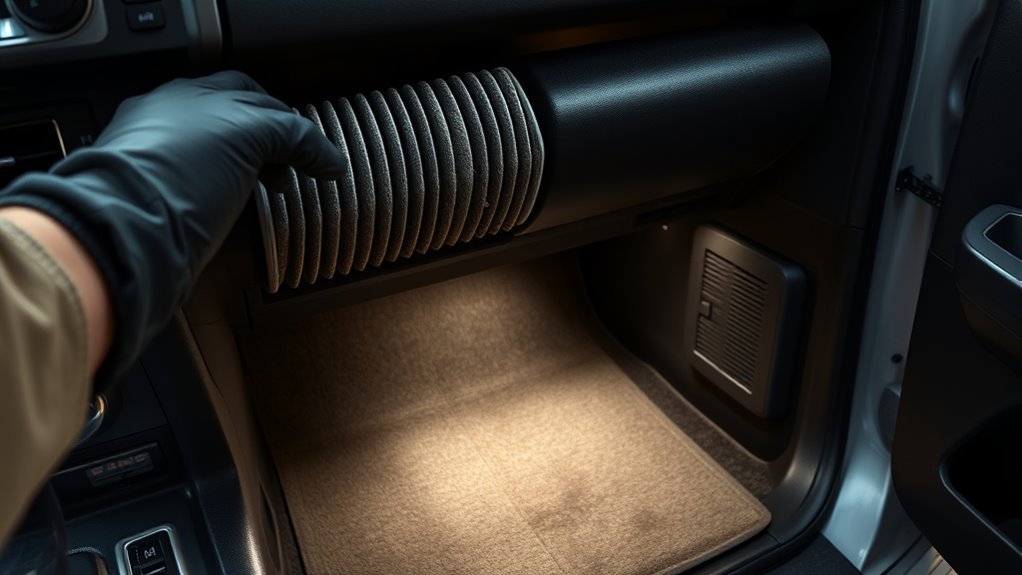
Wondering where that musty smell is coming from? Start by separating three common causes: evaporator moisture, a dirty cabin air filter, and water intrusion. Toyota explains that the evaporator fins cool the air and can trap bacteria, spores, and dirt; those particles are normally washed out with condensation, but if they stay on a moist evaporator, they can create odor. Toyota also recommends using fresh-air mode when possible to help the evaporator dry out. Toyota Support
Use the smell and timing as clues. A musty odor that is strongest for the first 30–60 seconds after the A/C starts usually points to moisture on the evaporator or in the ductwork. A stale, dusty smell with weak airflow often points to a clogged cabin filter. A wet-dog smell, damp floor mat, or foggy windows in fresh-air mode can point to a leak, plugged A/C drain, sunroof drain issue, or door seal problem. A sharp urine or decay smell — especially after the vehicle has sat in storage — can point to a rodent nest in the blower housing rather than mold.
| Symptom | Likely Source | First Check |
|---|---|---|
| Musty smell when A/C first turns on | Moist evaporator or duct growth | Dry the system and clean the intake |
| Weak airflow plus stale odor | Dirty cabin air filter | Remove and inspect the filter |
| Wet passenger carpet or sloshing sound | Blocked A/C drain or water leak | Check drain flow and dry the carpet |
| Odor after rain or car wash | Door seal, windshield, roof rack, or sunroof drain leak | Water-test common leak points |
| Sharp urine/decay smell, especially after storage | Possible rodent nest in blower housing | Inspect the blower motor cage before assuming mold |
| Sweet smell, oily smell, or poor cooling | Possible coolant, refrigerant oil, or A/C component issue | Stop DIY deodorizing and get a technician diagnosis |
Note: Mold control is moisture control. The EPA says indoor mold problems should be cleaned promptly and the water problem fixed; the same principle applies inside a vehicle cabin and HVAC case. Masking the odor without drying the source usually means the smell comes back.
[Products Worth Considering]

This cabin air filter replacement helps keep the air inside your vehicle cleaner and fresher for driver and passengers. Designed for broad fitment across Toyota, Lexus, Subaru, and Mazda models, it supports improved HVAC performance and includes soda and carbon filtration for odor reduction. It is a practical maintenance part with a recommended replacement interval for continued cabin comfort.

Meguiar's Keep Clear Headlight Coating helps maintain crystal-clear headlights on both new and restored lenses for improved nighttime visibility and a cleaner look. Its durable UV-protective formula helps resist hazing, yellowing, and discoloration while delivering lasting clarity for up to a year. The easy aerosol spray application makes it simple to protect and refresh your headlights with minimal effort.

Chemical Guys Lightning Fast Carpet & Upholstery Stain Extractor is a professional-strength cleaner designed to quickly break down and lift stains, dirt, and odors from carpet, fabric, and upholstery. Its fast-acting formula is safe for natural and synthetic fibers, making it a versatile choice for automotive interiors, furniture, rugs, and other fabric surfaces. Easy spray-and-scrub application helps deliver deep-cleaning results with a fresh, renewed finish.
Quick Fixes You Can Try Today: Vinegar, HVAC Cleaner, and Fan Drying
You can often reduce light musty A/C odor with two fast steps: treat the fresh-air intake lightly, then dry the system. Remove the cabin air filter first so you do not soak it. Vacuum the intake area, mist a 50/50 white vinegar-and-water solution into the fresh-air plenum, and run the blower on fresh-air mode with the A/C off. For stronger odors, use an automotive evaporator cleaner or Toyota A/C refresher kit equivalent instead of relying on household sprays.
Warning: Never mix cleaning products. Do not mix vinegar with bleach, ammonia, or other disinfectants, and do not spray liquid directly onto electrical connectors, blower motors, sensors, or the cabin filter. Work outside or in a well-ventilated area.
Vinegar Spray Procedure
A light 50/50 white vinegar-and-water solution can help neutralize mild organic odors in the intake and ducts. Use it sparingly. The goal is a mist, not a soaking wet HVAC box.
- Park outside, set the parking brake, and open the doors.
- Remove the cabin air filter and inspect it. Replace it if it is dark, damp, packed with leaves, or smells stale.
- Vacuum leaves, dust, and debris from the filter cavity and fresh-air intake area.
- Set the climate control to fresh air, not recirculation.
- Mist the vinegar solution into the intake in short bursts while the blower runs on medium.
- Run the fan for 5–10 minutes with the A/C off to move air through the ducts.
- Let the system dry before installing the fresh filter.
Do not treat vinegar as a permanent mold fix. If odor returns quickly, there is still moisture, debris, a clogged drain, or contamination deeper in the evaporator case.
Fan Drying Method
If moisture is the culprit, drying the evaporator is one of the best habits you can build. During the last few minutes of a drive, switch the A/C compressor off, keep the blower running, and use fresh-air mode. This helps move warmer outside air across the evaporator so less condensation sits in the case after you park.
| Action | Goal | Frequency |
|---|---|---|
| Fan run with A/C off | Dry evaporator and ducts | Last 2–5 minutes of humid drives |
| Vinegar mist | Reduce mild organic odor | Only after the filter is removed |
| Automotive HVAC cleaner | Clean deeper evaporator odor | When odor returns after basic drying |
| Filter inspection | Restore airflow and remove debris | At maintenance intervals or sooner in dusty use |
Pro Tip: Do not reinstall a damp cabin filter. A wet filter can become the new odor source and restrict airflow through the evaporator.
Deep-Clean Intake, Cabin Filter, and Evaporator: Step-by-Step
Start by removing the cabin air filter to expose the HVAC intake area. In many 4Runners, the filter is accessed behind the glove box, but the exact procedure and replacement interval can vary by model year, so check your Toyota owner publications for your vehicle. Toyota’s U.S. 2024 4Runner maintenance guide lists cabin air filter replacement at a scheduled interval and notes that heavy traffic, dirt roads, urban driving, dusty areas, and desert conditions may shorten filter life. Toyota 2024 4Runner Warranty & Maintenance Guide
[Products Worth Considering]

Chemical Guys Swift Wipe Waterless Car Wash Spray lets you clean, shine, and protect your vehicle without a hose or bucket. Its high-lubrication formula lifts dirt and grime while helping reduce scratches and swirl marks, leaving a glossy, streak-free finish on paint, glass, wheels, chrome, and plastic. Ideal for quick detailing anywhere, it adds a protective layer that helps repel dust and keep your vehicle looking freshly washed longer.

This compact dual-port car charger delivers balanced fast charging for everyday driving without cluttering your dashboard. Its aluminum alloy body helps dissipate heat efficiently, while the flush-fit design keeps your car interior clean and organized. With USB-C and USB-A output support, it works well for a wide range of phones, tablets, and accessories in one convenient two-pack.
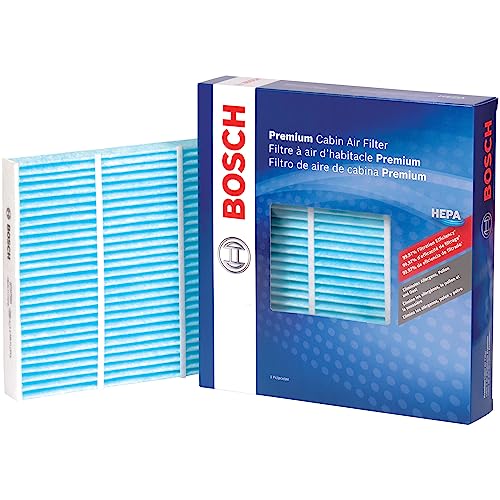
Step 1: Remove and Check the Cabin Air Filter
- Open the glove box and release it according to your model-year instructions.
- Slide out the filter tray and note the airflow arrow direction before removing the filter.
- Replace the filter if it is gray or black, smells musty, contains leaves, looks wet, or causes weak airflow.
- Vacuum the filter tray and nearby cavity before installing a new filter.
For newer 4Runners, Toyota’s 2026 maintenance chart also lists cabin air filter replacement at a scheduled interval and warns that heavy traffic, urban use, dusty areas, desert areas, and dirt roads can require earlier replacement. Toyota 2026 4Runner Warranty & Maintenance Guide
Step 2: Clean the Fresh-Air Intake
Leaves and pine needles often collect near the cowl and fresh-air intake. That debris holds moisture and feeds odor. With the filter removed, use a vacuum, soft brush, and towel to clear the intake and surrounding cavity. Do not push debris deeper into the blower housing.
Step 3: Treat the Evaporator Area Carefully
For light odor, mist the intake with a 50% white vinegar and 50% water solution. For stronger odor, use an automotive HVAC evaporator cleaner that is labeled for vehicle A/C systems. Toyota’s HVAC odor maintenance bulletin (T-SB-0142-13) describes this same fresh-air-mode and evaporator-cleaning approach for 2004–2014 4Runner models, including dealer-performed cleaning with a Toyota A/C refresher kit or equivalent when odor persists . NHTSA Toyota HVAC Odor Maintenance Bulletin (T-SB-0142-13)
Run the fan on fresh-air mode after treatment so the product moves through the system and surfaces dry. Leave the doors open while airing out the cabin.
Step 4: Install a Fresh Filter and Test
Install the fresh filter in the correct airflow direction. Then run the blower on fresh air, A/C off, for several minutes. After that, turn the A/C on and check for odor, airflow, and normal condensate dripping under the vehicle. If the smell is gone but returns within a few days, move on to the drain and leak checks below.
Inspect & Clear A/C Drain, door seals, and Common Leak Points
Next, check the A/C drain. The evaporator removes moisture from the air, and that water should drain outside the vehicle. If the drain clogs, condensation can stay in the HVAC case or leak into the passenger floor area. That trapped moisture creates the perfect setup for musty odor.
Check the A/C Drain
After running the A/C for several minutes on a humid day, look under the 4Runner for a small puddle or steady drip near the passenger-side firewall area. No dripping does not always prove a clog, but if the cabin smells musty and the carpet is damp, the drain deserves attention. A sloshing or gurgling sound from behind the dash — especially when turning — is another strong sign that condensation is pooling in the case instead of draining outside.
- Locate the rubber drain tube under the vehicle near the HVAC case outlet.
- Use a flexible plastic line, soft brush, or low-pressure compressed air to clear sludge gently.
- Do not ram a metal wire into the tube; it can puncture or detach the drain hose.
- Dry any wet carpet or padding quickly, because odor can remain even after the drain is fixed.
If a large amount of water suddenly drains out, keep checking for damp carpet over the next few days. If the drain clogs again, a technician may need to inspect the evaporator case for leaves, mud, or disconnected drainage parts.
Inspect Door Seals
While you are checking drains and vents, inspect each door seal for cracks, compression, or missing sections that let water and humidity into the cabin. Focus on visible splits, flattened areas, and spots where the seal lifts away from the frame.
- Run your fingers along each seal and feel for gaps, soft spots, or loose sections.
- Check the lower door area for trapped dirt that can keep water from draining.
- Water-test slowly with a small stream from a hose while someone watches inside the cabin.
- Dry the area fully before replacing floor mats or cargo liners.
Check Sunroof, Roof Rack, Windshield, and Floor Areas
If your 4Runner has a sunroof, clogged sunroof drains can send water down the pillars or into the floor. Roof rack mounting points, windshield edges, door vapor barriers, and rear hatch seals can also leak after age, off-road vibration, or prior body work. Look for water stains, damp insulation, rust marks, or a musty smell that gets worse after rain.
Warning: If carpet padding is soaked, do not just perfume the cabin and put the mats back. Toyota’s water-intrusion odor bulletin says the source of water intrusion must be identified and repaired before odor remediation is effective. NHTSA Toyota Odor Remediation Bulletin
How Do You Prevent Musty A/C Smell in a 4Runner? Daily & Monthly Habits
If you want to keep musty smells out of your 4Runner, focus on moisture control and airflow. Use fresh-air mode instead of recirculation whenever practical, especially during the last few minutes of a drive. Toyota recommends fresh-air use when possible to help prevent evaporator odor, and the EPA’s mold guidance is simple: control moisture, clean mold promptly, and fix the water problem. U.S. EPA Mold and Moisture Guide
- After A/C use: Turn the A/C off and leave the blower running for a few minutes before parking.
- After rain or washing: Check floor mats and cargo liners for trapped water.
- Monthly: Look into the cowl intake for leaves, pine needles, and debris.
- At service intervals: Inspect or replace the cabin air filter according to your Toyota maintenance guide and driving conditions.
- Before long storage: Dry the cabin, remove damp items, and avoid leaving wet towels, muddy gear, or open drink containers inside.
The best odor fix is not more fragrance. It is removing debris, restoring drainage, and drying the HVAC surfaces that let odor-causing growth return.
When to Call a Pro: Evaporator Replacement & Professional A/C Service
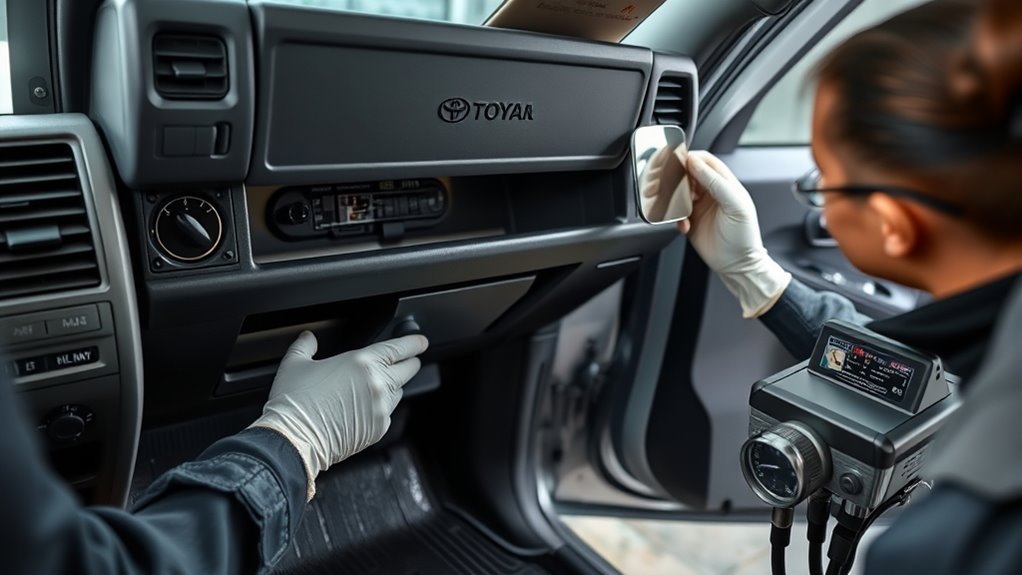
When your 4Runner still smells musty after thorough DIY cleaning and routine maintenance, it is time to get a pro involved. Persistent odor can point to hidden moisture, a clogged or disconnected drain, contaminated carpet padding, or evaporator contamination that DIY sprays cannot reach. Professional evaporator cleaning and drain or leak repairs cost more than a DIY filter and vinegar treatment, with the exact price depending on how much dash disassembly the job requires .
- Call a technician if airflow is weak after a new filter, because the blower, evaporator face, or ductwork may be restricted.
- Call a technician if carpets are damp, because water under the carpet can keep feeding odor even after the top surface feels dry.
- Call a technician if there is no condensate dripping outside after extended A/C use in humid weather.
- Call a technician for oily, sweet, chemical, or exhaust-like smells, because those are not normal mildew odors.
- Call a technician before approving evaporator replacement unless the shop has confirmed a leak, damaged drain, failed case component, or contamination that cannot be cleaned in place.
Note: Be careful with ozone treatments. The EPA says many claims about ozone generators sold as air cleaners are not supported by sound science, and ozone can create health risks in occupied spaces. If a shop uses ozone, the vehicle should be unoccupied and fully aired out before use. U.S. EPA Ozone Generator Guidance
Frequently Asked Questions
Why does my Toyota 4Runner A/C smell bad?
Your Toyota 4Runner A/C usually smells bad because moisture, dirt, pollen, leaves, and spores remain on the evaporator or cabin filter. When those surfaces stay damp, they can create a musty or sour odor. Start with the cabin filter, fresh-air intake, evaporator drain, and fan-drying routine.
Why does my cabin smell musty even after I changed the cabin filter?
A new cabin filter helps airflow, but it will not fix moisture trapped in the evaporator case, ducts, carpet padding, or A/C drain. If the smell returns after a filter change, clean the intake, dry the evaporator with fresh-air fan operation, check for condensate dripping outside, and inspect the carpet for dampness.
How do I get rid of musty A/C smell in a car?
Remove the cabin filter, vacuum the intake, use a light vinegar mist or an automotive HVAC cleaner, run the blower on fresh-air mode with the A/C off, and confirm the drain is clear. Replace the filter only after the system is dry. If the odor returns quickly, look for hidden water or a deeper evaporator issue.
Can I spray Lysol into my 4Runner vents?
Some owners use household disinfectant sprays, but product labels vary and aerosols can be harsh around plastics, electronics, and filters. A safer approach is to use an automotive HVAC cleaner or Toyota A/C refresher kit equivalent, follow the label, ventilate the cabin, and avoid soaking the blower motor or electrical parts.
How often should I replace the 4Runner cabin air filter?
Follow the maintenance guide for your exact model year — Toyota’s own documentation is condition-dependent rather than a single fixed number . Toyota notes that heavy traffic, dirt roads, dusty areas, desert conditions, and urban driving can shorten the filter’s life. Replace sooner if airflow drops or the filter smells musty.
Does a musty smell mean my evaporator needs replacement?
No. Most musty A/C smells come from moisture, debris, a dirty filter, or a drain problem. Evaporator replacement is usually a last step after a technician confirms a leaking core, damaged drain connection, severe contamination, or an HVAC case problem that cannot be corrected with cleaning.
Could a rodent be causing the smell instead of mold?
Yes. A sharp urine or decay smell, especially after the vehicle has sat unused, can point to a rodent nest in the blower motor housing rather than evaporator mold. This requires removing the blower motor from under the passenger-side dashboard to inspect and clear.
Conclusion
You have narrowed the likely causes: evaporator moisture, a dirty cabin filter, a blocked A/C drain, or a cabin leak. Start with the low-cost fixes: inspect the filter, clean the intake, dry the ducts, and confirm the drain works. If the smell persists, check door seals, sunroof drains, roof rack points, windshield edges, and damp carpet before assuming the evaporator needs replacement. Small, regular checks keep the stink away and can save you from expensive A/C or water-intrusion repairs later.
Sources
- Toyota Support: What causes air conditioner odor? — backs up evaporator moisture, fresh-air use, and debris-related A/C odor prevention.
- Toyota 2024 4Runner Warranty & Maintenance Guide — backs up cabin air filter service intervals and early replacement in dusty/heavy-use conditions.
- Toyota 2026 4Runner Warranty & Maintenance Guide — backs up current 4Runner maintenance chart language for cabin air filter replacement and severe-condition notes.
- NHTSA Toyota HVAC Odor Maintenance Bulletin (T-SB-0142-13) — backs up the 4Runner-applicable evaporator cleaning and fresh-air-mode procedure.
- U.S. EPA: A Brief Guide to Mold, Moisture and Your Home — backs up the moisture-control principle and drying guidance.
- CDC Mold Cleanup Guidelines — backs up ventilation and cleaner safety precautions.
- U.S. EPA: Ozone Generators Sold as Air Cleaners — backs up the caution around ozone treatments.


[…] Dry wet carpet and padding within 24-48 hours when possible to reduce mold risk. […]