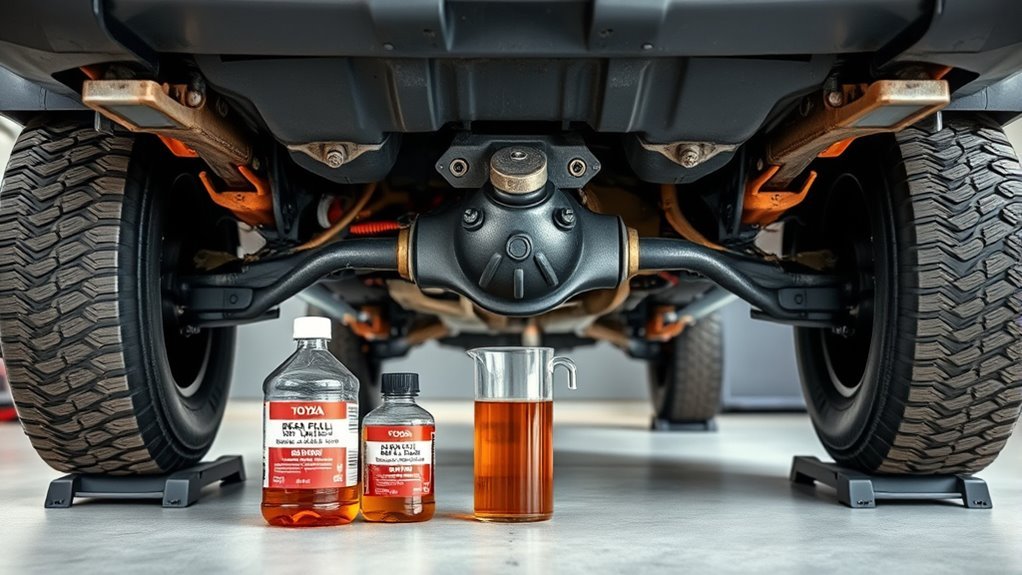
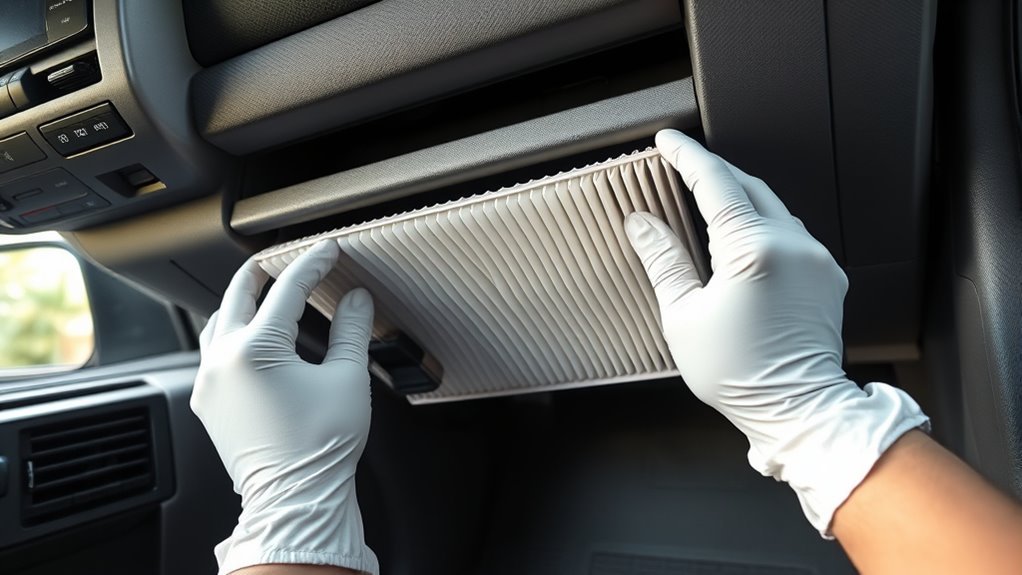
Your Toyota 4Runner can handle hot weather, but extreme heat increases the load on the cooling system, A/C, tires, battery, and fluids. Before a long summer drive, check coolant level and leaks with the engine cold, inspect hoses and the radiator/condenser area, set tire pressure to the cold specification on the driver-door placard, confirm the A/C works normally, and make sure the battery and fluid levels are in good condition. If the temperature gauge rises into the warning/red range, turn off the A/C, pull over safely, and follow the overheating procedure for your model year. Never remove a hot radiator or coolant-reservoir cap.
Model-year note: 4Runner specifications vary across generations, especially for coolant, engine oil, transmission fluid, tire pressure, and overheating procedures. Use the Toyota owner’s manual for your exact model year and the Toyota maintenance schedule before changing fluids or service intervals.
Last updated: September 14, 2026.
Quick Pre-Trip Heat Checklist for Your Toyota 4Runner
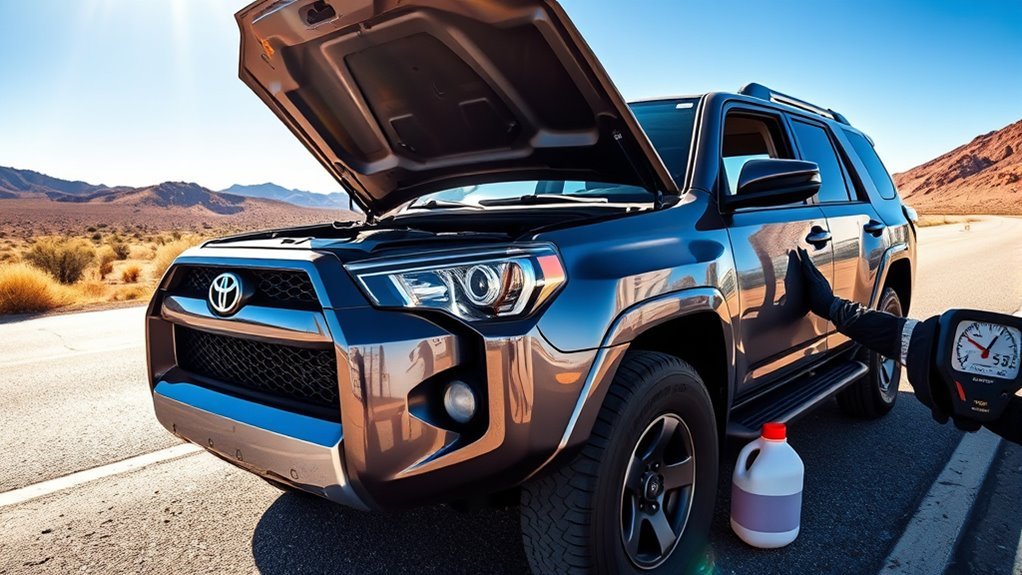
Before you head into extreme heat, run a short pre-trip check while the vehicle is cool. Focus on systems that are affected by heat or that can leave you stranded if they fail.
- Cooling system: Check the coolant reservoir level when cold, look for fresh leaks, inspect accessible hoses for cracks or swelling, and make sure the radiator/condenser face is not packed with dirt, bugs, or trail debris.
- Tires: Set pressure when the tires are cold to the values on the vehicle placard. Inspect tread and sidewalls for cuts, bulges, cracking, or uneven wear.
- A/C: Confirm strong airflow and normal cooling before a long trip. Weak airflow may point to a dirty cabin filter; poor cooling can require refrigerant or system diagnosis.
- Battery and fluids: Check for loose or corroded battery connections and inspect engine oil and other serviceable fluids according to the manual.
- Emergency supplies: Carry drinking water, a phone charger, flashlight, basic tools, and enough vehicle-specific coolant for an emergency top-up after the engine has cooled.
If you tow, carry a roof load, drive off-road, or travel in dusty desert conditions, also check the additional maintenance items Toyota lists for those operating conditions.
Check the Cooling System: Radiator, Hoses & Coolant
The cooling system is the first place to focus before sustained high-temperature driving. With the engine cold, inspect the coolant level, hoses, visible connections, radiator/condenser face, and signs of leakage. Use only the coolant type and mixture specified for your exact model year. For many U.S.-spec fifth-generation 4Runners, Toyota specifies Toyota Super Long Life Coolant or an equivalent compatible long-life coolant; other years and markets can differ.
[Products Worth Considering]
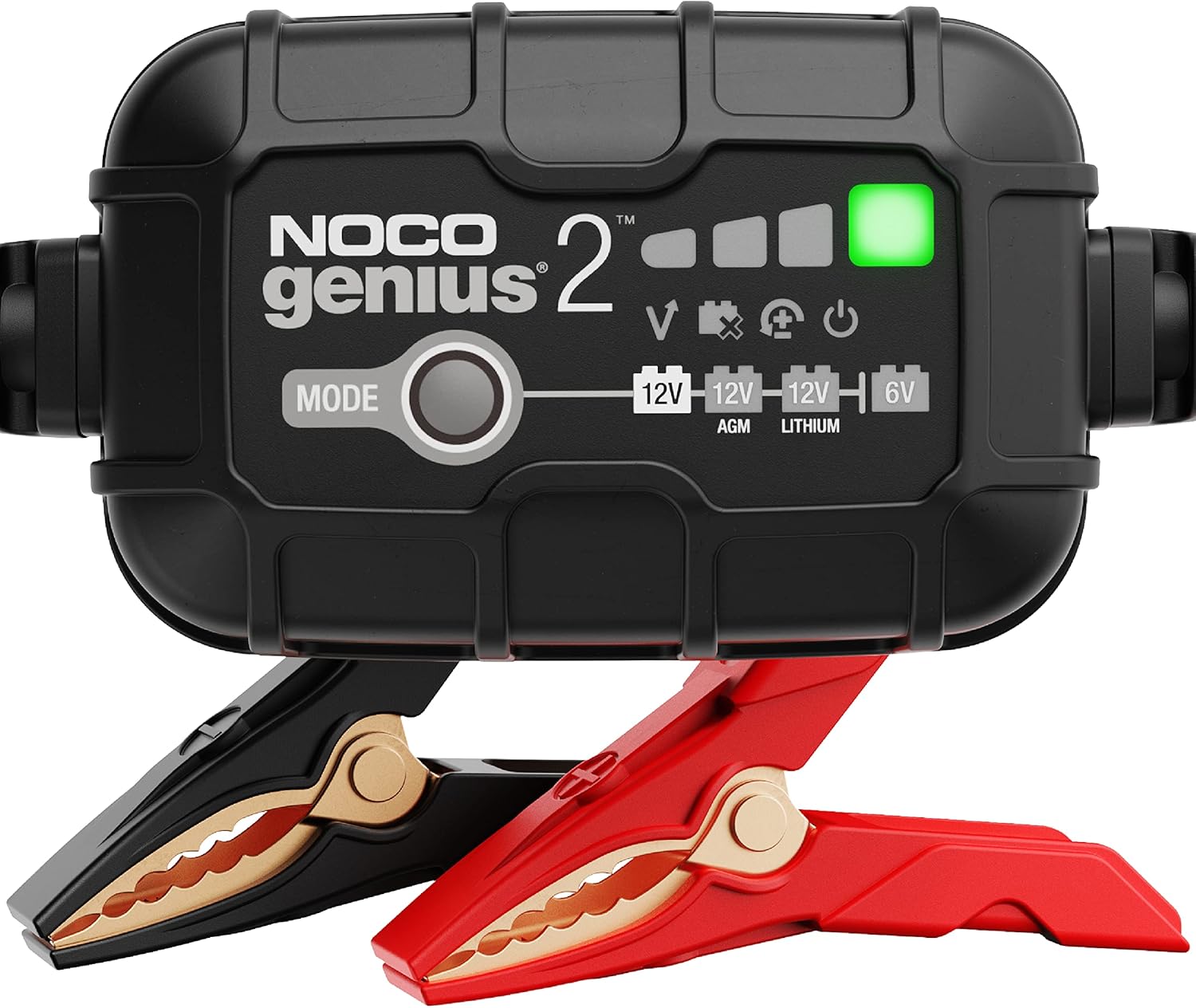
The NOCO GENIUS2 is a compact, all-in-one smart charger that automatically charges, maintains, and restores 6V and 12V lead-acid and lithium batteries. It features temperature compensation, overcharge protection, pulse desulfation, and Force Mode for reviving deeply discharged batteries, making it ideal for long-term battery care across many vehicle types. Designed for safe indefinite connection, it helps extend battery life and keep batteries ready to go.

The AstroAI S8 is a compact 12V lithium jump starter designed to get gas and diesel vehicles back on the road quickly, even from low or fully drained batteries. It combines powerful starting performance with smart boost mode, built-in safety protections, and a versatile 5-in-1 design that also works as a power bank and flashlight for everyday emergencies and travel.

This versatile car phone holder offers windshield, dashboard, and air vent mounting options to keep your phone secure and accessible on the road. Its strong suction cup, adjustable telescopic arm, and 360-degree ball joint help you find the ideal viewing angle while maintaining a stable hold. Designed for easy one-handed use and broad compatibility, it supports most smartphones and cases for safer hands-free driving.
Radiator Cap And Pressure
A cooling system relies on the correct cap and a sealed system to maintain pressure. Do not substitute a higher-pressure cap in an attempt to improve hot-weather performance. Inspect the cap only when the engine is fully cool, and replace it if its seal is damaged or if testing shows it cannot hold the specified pressure.
| Check | Action |
|---|---|
| Cap sealing surface | Inspect cold; replace a damaged cap with the correct specification |
| System pressure | Pressure-test if leaks or unexplained coolant loss are suspected |
| Coolant level | Check at the cold marks specified by the manual |
| Coolant type | Use the Toyota-specified coolant for the model year and market |
| Service interval | Follow the model-year maintenance guide, not a generic mileage rule |
Inspect Hoses For Cracks
Heat can expose weak hoses and connections. Check accessible coolant hoses when the engine is cold, and look for surface cracks, swelling, oil contamination, seepage, or damaged clamps.
- Visually inspect the full accessible length of each hose and its connections.
- Replace a hose that is cracked, swollen, leaking, oil-soaked, or otherwise deteriorated.
- Check clamps for corrosion, damage, or poor seating without overtightening them.
- If coolant level repeatedly drops, have the system pressure-tested instead of repeatedly topping it off.
There is no single replacement age that applies to every 4Runner hose. Condition, model year, mileage, climate, and prior service history matter more than a generic four- or five-year rule.
Coolant Level And Mix
Check coolant only when the engine is cold and use the level marks specified in your manual. Do not automatically add distilled water to a premixed coolant; doing so changes its concentration. Toyota Super Long Life Coolant is commonly sold premixed, and the required concentration can vary by market and model year.
Do not use a universal 30,000-mile flush interval. Toyota maintenance schedules for many 4Runners specify a much longer initial coolant replacement interval, with later replacements at shorter intervals. Confirm the schedule for your vehicle before servicing it. If you need capacity or generation-specific guidance, see the site’s Toyota 4Runner coolant capacity guide.
Inspect Battery & Electricals to Prevent Heat Failures
High under-hood temperatures can accelerate battery aging and corrosion, so inspect the 12-volt battery before a long hot-weather trip. Start with the simple checks that can prevent a no-start condition.
- Check terminals and cable ends for corrosion, looseness, or damaged insulation. Clean and tighten them using the service procedure appropriate for your battery.
- Confirm the battery is securely mounted and that any factory heat shield is present and undamaged.
- If starting is slower than normal, test battery state of charge and load-test the battery rather than replacing it from a single voltage reading.
- Inspect visible wiring and connectors for heat damage, melted insulation, or loose connections.
A resting-voltage reading can be useful, but it is not a complete battery-health test. Charging history, battery chemistry, temperature, and load-test results all affect diagnosis.
Tire Care for Heat: Pressure, Load & Heat Wear

Hot pavement and sustained highway speed make proper tire inflation and loading especially important. Set pressure when the tires are cold to the values on the 4Runner’s Tire and Loading Information label, not to the maximum pressure molded into the tire sidewall. NHTSA recommends checking cold pressure and inspecting tires for cuts, bulges, cracks, punctures, and uneven wear before long trips.
Do not bleed air from a hot tire simply because its pressure is higher after driving. Pressure normally rises as the tire warms. If you have been driving, make the final adjustment after the vehicle has been parked long enough for a cold reading.
Also confirm that passengers, cargo, accessories, and trailer tongue load do not push the vehicle or either axle beyond its ratings. Extra load increases tire and brake stress. For vehicle-specific pressure steps, see the 4Runner door-placard tire pressure guide. For loading, see the 4Runner payload guide.
A/C Check for Your 4Runner: Fast Tests & Simple Fixes
Test the A/C before the trip, not after the cabin is already dangerously hot. With the engine running, select a cold setting and a high blower speed. Confirm that airflow is strong and that vent temperature drops normally. If airflow is weak, inspect the cabin air filter and air inlets. If airflow is strong but cooling is poor, the system may need professional diagnosis for refrigerant charge, leaks, sensors, compressor control, or other faults.
- Airflow: Check the cabin filter if the fan sounds normal but little air reaches the vents.
- Cooling performance: If the A/C is noticeably weaker than usual, have the system tested rather than adding refrigerant blindly.
- Condenser condition: After dusty or off-road use, make sure airflow through the condenser/radiator area is not blocked by debris.
- Filter timing: Follow the maintenance guide and actual filter condition. Toyota notes that dusty, desert, and heavy-traffic use can shorten cabin-filter life.
Do not rely on a fixed 12,000-mile cabin-filter interval for every 4Runner; the correct service timing depends on model year and operating conditions.
[Products Worth Considering]

The NOCO Boost X GBX155 is a powerful portable jump starter designed to deliver reliable starts for large gas and diesel engines with advanced UltraSafe 2.0 protection. It also doubles as a USB-C power bank and includes a bright LED flashlight with multiple modes, making it a versatile emergency tool for roadside use, travel, and everyday charging needs.

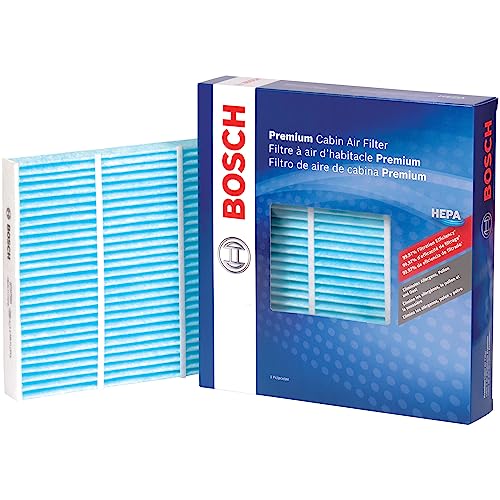
This odor control cabin air filter uses activated charcoal and baking soda to help neutralize unwanted smells while trapping dust, pollen, soot, dander, and other airborne contaminants. Designed for compatible Toyota, Lexus, Subaru, and select other vehicles, it supports cleaner cabin air and balanced HVAC airflow for everyday driving comfort. Installation is straightforward, with vehicle-specific guidance available to help make replacement quick and easy.
Choose Coolant, Engine Oil & Transmission Fluid for Hot Weather
Extreme heat does not justify inventing new fluid specifications. Use the coolant, engine-oil grade, and transmission fluid listed for your exact year, engine, and drivetrain. A newer turbocharged 4Runner and an older V6 4Runner can have different requirements, so generic advice such as “use 5W-30” or “switch to thicker oil” can be wrong.
[Products Worth Considering]

6Qt Genuine 00289-ATFWS

Automatic Transmission Fluid WS is a world-spec fluid specifically designed for sealed, automatic transmissions.
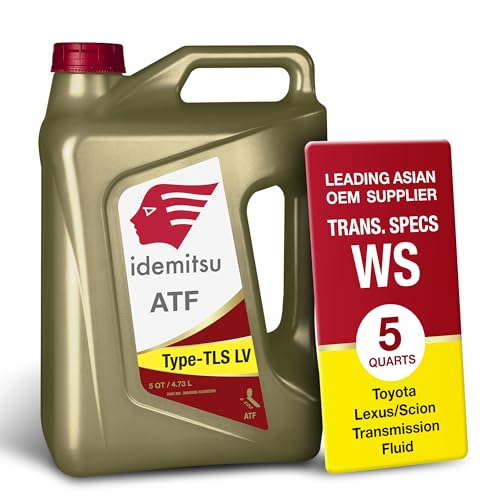
Optimized viscosity and advanced friction reducing additive technology provide exceptional fuel economy performance
Choose Toyota-Specified Coolant
Use Toyota Super Long Life Coolant or the exact equivalent specified by the owner’s manual for your model year. Do not choose coolant solely because a bottle advertises a higher boiling point, and do not add aftermarket “performance” cooling additives unless Toyota service information specifically permits them for your vehicle.
- Confirm the coolant specification in the model-year manual.
- Check the cold level and inspect for contamination or unexplained loss.
- Keep premixed coolant at its supplied concentration; do not dilute it automatically.
- Use the maintenance-guide interval for replacement, then pressure-test the system if coolant loss or overheating occurs.
Use the Oil Grade Toyota Specifies
Do not switch to heavier engine oil simply because outside temperatures are high. Use the viscosity and oil standard listed in the owner’s manual for your exact 4Runner. For example, 2025 U.S.-market 4Runners specify SAE 0W-20, while older generations can have different requirements. The manufacturer’s specification takes priority over generic hot-climate advice.
Check engine-oil level before a long trip and address leaks or abnormal consumption. If you tow, carry heavy loads, idle extensively, or drive in dusty conditions, review Toyota’s special-operating-condition maintenance schedule. For year-specific oil-change steps and specifications, see the 4Runner oil-change guide.
For the transmission, do not substitute a “heavier” fluid or top off a sealed unit without the correct procedure. Use the Toyota-specified fluid and service method for the transmission fitted to your vehicle.
Drive Smart: On-Road Tactics to Keep Your 4Runner Cooler
Reduce heat load without creating new problems. After a vehicle has been parked in the sun, vent trapped hot air for a short time, then use the A/C normally. Once the cabin begins cooling, recirculation can reduce the amount of hot outside air the system must cool.
- Park in shade when practical: A reflective windshield sunshade can reduce direct solar load on the dashboard and front seats.
- Purge hot cabin air: Open the doors or windows briefly before relying on maximum A/C.
- Use recirculation after the initial purge: Cooling already-conditioned cabin air is usually easier than continuously cooling very hot outside air.
- Avoid unnecessary heat load: Do not sit idling for long periods in extreme heat if the vehicle shows any sign of cooling-system trouble.
- Watch the gauges: Towing, steep grades, heavy loads, and stop-and-go driving can increase engine heat. Back off and stop safely if the temperature warning appears.
Keep drinking water available for occupants, but do not treat reduced A/C use as a vehicle-cooling strategy. Cabin comfort and engine cooling are separate concerns.
Emergency Steps If Engine Temp Rises or A/C Fails

If the coolant-temperature gauge enters the warning/red range, a high-temperature warning appears, power drops, or steam comes from under the hood, treat it as an overheating event. Turn off the A/C, pull over safely, switch on the hazard lights, and follow the model-year owner’s manual. Do not continue driving an overheating 4Runner.
Pull Over Safely
- Move off the road to a safe location, select Park, apply the parking brake, and turn on the hazard lights.
- Turn off the A/C. If the manual directs you to stop the engine, or if steam/coolant is escaping, shut the engine off.
- If steam is present, do not open the hood until the steam has subsided.
- Never loosen the radiator cap or coolant-reservoir cap while the system is hot or pressurized.
- After the engine has cooled sufficiently, inspect for obvious hose/radiator leaks and check coolant level as the manual directs.
- If there is a large leak, the cooling fan is not operating, the warning returns, or you are unsure of the cause, arrange professional service or a tow.
Toyota’s overheating procedure can vary by generation, so the exact manual for your 4Runner controls.
Cool Engine Safely
Do not try to cool an overheated engine by pouring cold water onto hot components or by opening a pressurized cap. The priority is to stop adding heat, avoid burns, and let the system cool enough for a safe inspection.
| Action | Purpose |
|---|---|
| Turn off A/C | Reduce accessory load while you move to a safe stopping point |
| Stop safely | Prevent continued driving with an overheating engine |
| Wait for steam to subside | Reduce burn risk before opening the hood |
| Check coolant only when cool | Avoid pressurized hot coolant and identify a low level safely |
| Tow if the fault persists | Avoid severe engine damage from repeated overheating |
Keep Cabin Comfort: Shade, Ventilation, Kids & Pets
Cabin heat can become dangerous quickly, especially for children and pets. Use shade and ventilation to reduce the initial heat load, then use the A/C to bring the cabin to a safe, comfortable temperature.
- Use shade: Park under a structure or in shade when available and use a reflective windshield cover.
- Vent before driving: Open doors or windows briefly to release trapped hot air before turning the A/C to a comfortable setting.
- Use recirculation after the purge: This helps the system cool already-conditioned cabin air.
- Protect vulnerable occupants: Never leave children or pets unattended in a parked vehicle, even with the windows cracked.
For additional summer-driving safety, review NHTSA’s summer driving guidance.
Long Trips & Off-Roading in Heat: Plan, Gear & Service Intervals
Long highway climbs, towing, heavy cargo, slow trail work, and dusty off-road use can raise cooling-system load or block airflow. Before departure, check the cooling system, tire condition, battery, A/C, fluid levels, and recovery supplies. After mud or dusty trail use, inspect the radiator and A/C condenser area for debris that can reduce airflow.
Pack enough drinking water for the people in the vehicle, plus vehicle-specific coolant, basic tools, a flashlight, phone power, and recovery gear appropriate to the route. In remote areas, plan for limited cell service and longer recovery times.
Do not shorten every maintenance interval just because the weather is hot. Instead, follow Toyota’s special-operating-condition schedule when your driving matches conditions such as towing, heavy loading, extensive idling, or dusty roads. If you tow, also verify payload and tongue load; the site’s 4Runner tongue-weight guide covers that calculation.
Frequently Asked Questions
Can a Toyota 4Runner Overheat in Hot Weather?
Yes. A healthy 4Runner should tolerate normal summer driving, but towing, steep grades, heavy loads, long idling, blocked radiator airflow, low coolant, fan problems, or other cooling-system faults can push temperatures too high. If the gauge or warning indicates overheating, turn off the A/C, stop safely, and follow the owner’s manual.
What Coolant Should I Use in a Toyota 4Runner?
Use the coolant specified for your exact model year. Many newer 4Runners call for Toyota Super Long Life Coolant or a compatible equivalent, but the required formulation and mixture can differ by year and market. Check the manual before mixing or topping up.
Should I Use Thicker Engine Oil in Extreme Heat?
Not automatically. Use the viscosity and oil standard specified by Toyota for your engine. Hot weather by itself is not a reason to ignore the manual and switch to a heavier grade.
What Tire Pressure Should I Use in Hot Weather?
Use the cold tire pressures on the vehicle’s Tire and Loading Information label. Check pressure before driving or after the tires have cooled. Do not use the tire-sidewall maximum as your target, and do not bleed pressure from a hot tire simply because it rose during normal driving.
What Should I Do If My 4Runner Overheats?
Turn off the A/C, pull over safely, and follow the model-year owner’s manual. Do not continue driving with an overheating warning, and never open a hot radiator or coolant cap. After the engine cools, check for obvious leaks and coolant level; arrange a tow or professional diagnosis if the cause is not clear or the warning returns.
Conclusion
For extreme-heat driving, focus on the basics that Toyota and tire-safety guidance support: correct coolant and fluid specifications, a clean and leak-free cooling system, cold tire pressure set from the door placard, a healthy battery, working A/C, and sensible loading. Before a long trip, inspect these items while the 4Runner is cool. If the temperature warning appears, stop safely and follow the model-year overheating procedure instead of trying to “push through” the heat. That approach protects the engine, tires, and occupants without relying on generic fluid swaps or unverified maintenance rules.