
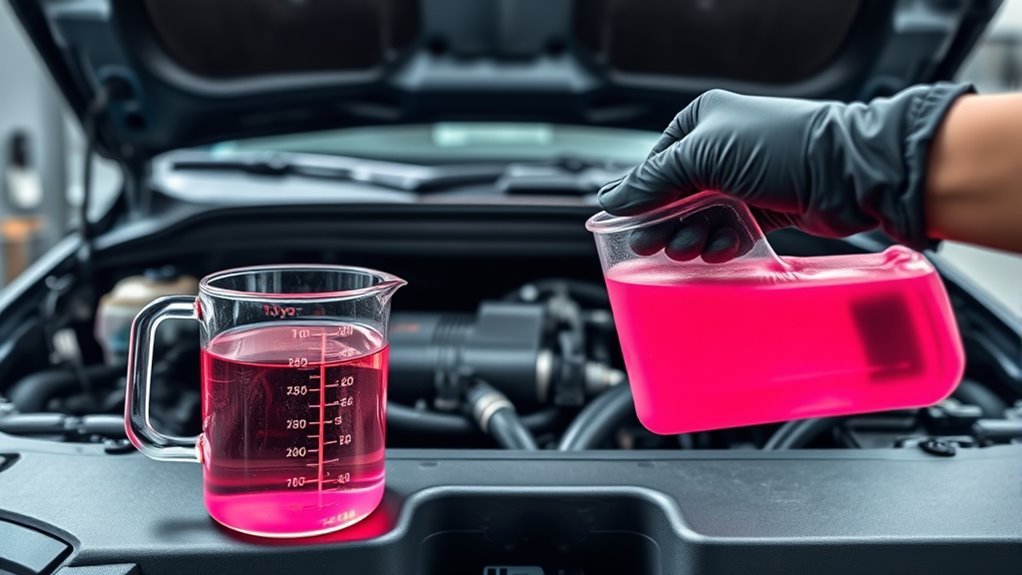
You’ll need a different amount of coolant depending on your Toyota 4Runner’s year, engine, rear-heater setup, and whether you are doing a simple drain-and-fill or a full cooling-system service. A late fifth-generation 4Runner such as the 2024 model is listed at 11.1 quarts (10.5 L) total system capacity, but older 4Runners can be lower or higher, so always verify the exact spec for your model before buying coolant.
Quick Answer
A 2024 Toyota 4Runner holds 11.1 quarts (10.5 L) of coolant in the full cooling system. A 2000 4Runner ranges from 8.5 to 11.6 quarts depending on engine and rear heater. Buy by total capacity, but expect a normal drain-and-fill to remove less than the full amount.
Key Takeaways
- The 2024 4Runner’s listed total coolant capacity is 11.1 qt / 10.5 L, but older models vary by engine and rear heater.
- Toyota Super Long Life Coolant is commonly premixed; do not dilute premixed coolant with extra water.
- A radiator drain-and-fill usually removes less coolant than the total system capacity because coolant remains in the engine block, heater core, and hoses.
- For a true flush, drain as much of the radiator and engine block as practical, refill slowly, bleed air, road-test, cool down, and recheck the level.
At a Glance
| Time Required | 1.5–3 hours for a careful DIY drain, refill, and burp |
| Difficulty | Moderate |
| Tools Needed | Drain pan, gloves, safety glasses, funnel or spill-free funnel, basic hand tools, rags, and optional vacuum-fill tool |
| Typical DIY Cost | About $30–$90, depending on coolant type and how much you buy |
Toyota 4Runner Coolant Capacity: Radiator + Engine
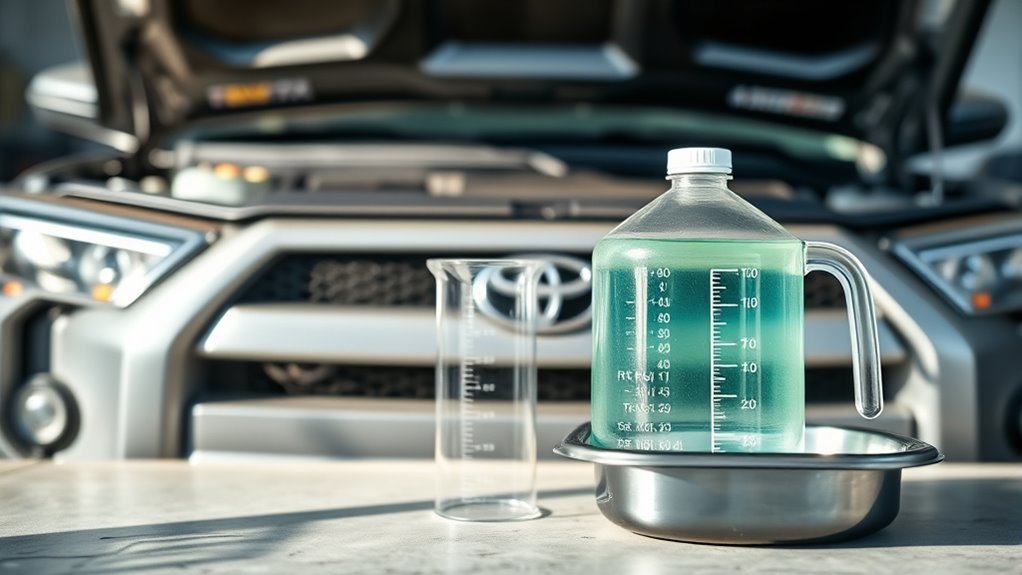
For a full cooling-system fill, the 2024 Toyota 4Runner owner’s manual maintenance data lists 11.1 quarts (10.5 L, 9.2 Imp qt). That number is useful for many late fifth-generation 4Runner owners, but it should not be applied to every 4Runner ever built.
Capacity changes by model year, engine, rear heater, and drivetrain. If your 4Runner has a different engine, an auxiliary rear heater, or is a redesigned 2025+ model, confirm the exact figure through your owner’s manual, dealer service information, or Toyota’s official manuals and warranties portal.
| Model / Configuration | Engine / Setup | Total Cooling-System Capacity |
|---|---|---|
| 2024 4Runner | 4.0L 1GR-FE V6 | 11.1 qt / 10.5 L |
| 2000 4Runner | 2.7L 3RZ-FE, without rear heater | 10.6 qt / 10.0 L |
| 2000 4Runner | 2.7L 3RZ-FE, with rear heater | 11.6 qt / 11.0 L |
| 2000 4Runner | 3.4L 5VZ-FE V6, without rear heater | 8.5 qt / 8.0 L |
| 2000 4Runner | 3.4L 5VZ-FE V6, with rear heater | 9.5 qt / 9.0 L |
| 2025+ 4Runner | 2.4L turbo or i-FORCE MAX hybrid, depending on trim | Verify the exact owner’s manual or service data; do not assume 11.1 qt |
Note: Total system capacity is not the same as the amount that drains from the radiator. A simple radiator drain-and-fill may leave old coolant in the engine block, heater core, rear heater lines, and hoses.
Which 4Runner Years and Configurations Change Capacity?
The biggest coolant-capacity changes come from engine size, rear heater equipment, generation, and service method. A V6 4Runner and a 4-cylinder 4Runner from the same era may not hold the same amount. A rear heater can also add coolant volume because it adds extra plumbing and heater-core capacity.
Use these rules before buying coolant:
- Check the year and engine first. A 2000 3.4L V6 is not the same as a 2024 4.0L V6.
- Look for rear heater equipment. Some older 4Runners have rear-seat heat, which changes capacity.
- Do not assume 2025+ capacity. The redesigned 4Runner uses newer powertrains, so verify the 2025+ manual for your exact trim.
- Plan for top-off. Even when the total capacity is known, air burping and cool-down checks can require additional coolant.
How Much Coolant to Buy for a 4Runner
For a late fifth-generation 4Runner listed at 11.1 quarts, buying 3 gallons of premixed coolant gives you 12 quarts, which covers the fill and leaves a small reserve for burping and top-offs. If you are flushing with multiple drain cycles, buy extra so you are not forced to mix old, unknown coolant with new coolant.
| Coolant Product | What to Buy | Important Note |
|---|---|---|
| Toyota Super Long Life Coolant premix | Usually 3 gallons for an 11.1-qt system | Do not dilute premixed coolant with extra water. |
| Compatible concentrate | For an 11.1-qt system, mix about 5.55 qt concentrate with 5.55 qt distilled water for 50/50 | Use only a coolant chemistry compatible with Toyota’s requirements. |
| Simple drain-and-fill | Buy enough for the expected drain amount plus reserve | You may not drain the full listed capacity unless the block and heater circuits are also drained. |
[Products Worth Considering]

This spill-proof radiator coolant filling funnel kit helps you refill cooling systems cleanly while reducing trapped air pockets that can affect heater and engine performance. It includes a 5-inch extension bar and 45-degree elbow for easier access under shrouds or at awkward angles. Color-matched caps for dedicated adapters make setup simpler and more organized.

This 4-pack of waterproof inline fuse holders provides reliable circuit protection for automotive, marine, and other 12V electrical systems. Built with 12AWG heavy-duty wire and tin-plated copper conductors, it supports stable current flow while helping guard against overloads. The sealed double-slot cover design adds dust, moisture, and water resistance for dependable performance in demanding environments.

The Drymate XL Oil Spill Mat is designed to trap and contain messy liquid leaks while protecting your garage floor from stains and damage. Its absorbent surface wicks away moisture, and the waterproof, slip-resistant backing helps keep motor oil, brake fluid, gasoline, and coolant from soaking through. Reusable, durable, and easy to clean, it offers a practical long-term solution for garage and shop spill protection.
Mixing Ratios and Reserve
If you use a premixed Toyota coolant, pour it in as supplied. If you use a compatible concentrate, mix it with distilled or demineralized water before filling. A 50/50 mix is the normal target for most climates; older Toyota manual guidance notes that a 50% solution protects to about -31°F (-35°C), while extreme cold may require a stronger mix. Do not use plain water alone as the final coolant.
Warning: Never remove the radiator cap or open the cooling system when the engine is hot. Hot coolant is pressurized and can cause severe burns. Keep antifreeze away from children and pets, catch every spill, and recycle or dispose of used coolant through an approved local program.
Tools and Supplies You’ll Need
- Correct Toyota coolant or compatible coolant for your year and engine
- Distilled or demineralized water if using concentrate or flushing with water
- Large drain pan with enough capacity for several quarts of coolant
- Safety glasses and chemical-resistant gloves
- Funnel or spill-free coolant funnel
- Basic hand tools for splash shields, drain plugs, or hose access
- Clean containers for used coolant
- Rags, shop towels, and water for cleaning small spills
- Optional vacuum-fill tool for faster air removal
[Products Worth Considering]

Rain-X Foaming Car Wash is a concentrated cleaner designed to lift dirt, grime, and road residue while helping reduce spots and streaks for a glossy finish. Its biodegradable formula is safe for waxed surfaces and delivers high-foaming cleaning action for an exceptional wash. Ideal for routine vehicle care, it helps leave your car looking clean and bright after every wash.

This upgraded Dorman OE FIX oil filter housing replaces failure-prone plastic on select Chrysler, Dodge, Jeep, and Ram vehicles with a durable aluminum design. It includes the oil cooler, filter element, cap, and required gaskets to help deliver a complete repair and updated fitment. Engineered for reliable sealing and long-term leak resistance, it is designed to help solve recurring oil filter housing failures.
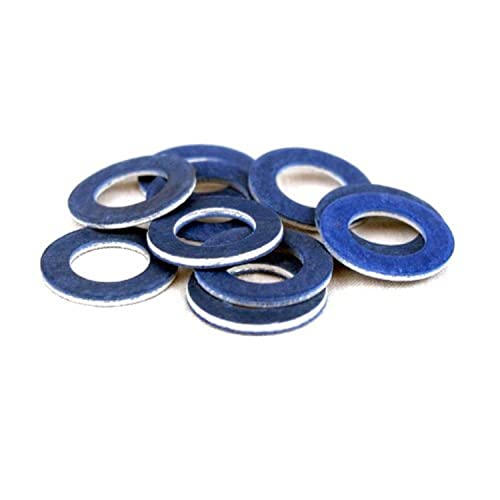
Genuine Toyota - Oil Drain Plug Gaskets (QTY10)
Drain Radiator and Engine Block: Step-by-Step
Work on a completely cool engine, park on level ground, and set the heater controls to hot before refilling so coolant can circulate through the heater core. If your 4Runner has rear heat, allow extra time because the system has more coolant volume and more places for air to hide.
Radiator Drain Procedure
- Let the engine cool fully. Do not rush this step.
- Remove any splash shield or skid plate that blocks safe access to the radiator drain.
- Place a large drain pan under the radiator petcock or lower radiator drain area.
- Open the drain carefully and let the radiator empty.
- Inspect the drained coolant. Rust, oil sheen, heavy sediment, or a muddy look means the system needs more than a quick top-off.
Engine Block Drain
Draining the engine block helps remove old coolant that a radiator-only drain can leave behind. Use the service manual or a trusted repair database to locate the correct block drain points for your engine. If a plug is badly corroded, rounded, or hard to reach, do not force it; a damaged block drain can turn a maintenance job into a repair.
| Step | Component | Action |
|---|---|---|
| 1 | Radiator | Open the radiator drain and catch the old coolant. |
| 2 | Engine block | Open the correct block drain only if you can access it safely. |
| 3 | Refill | Close drains securely, refill with correct coolant, and bleed air. |
Flush, Refill, and Burp the 4Runner Cooling System
After draining, close every drain point securely and refill slowly. Pouring too quickly can trap air. Use the correct premixed coolant or a properly mixed concentrate and distilled-water blend. Fill the radiator or surge tank according to your model’s layout, then fill the overflow reservoir to the cold mark.
- Confirm all drain plugs and hoses are secure.
- Fill slowly with the correct coolant.
- Install a spill-free funnel if you are burping through the radiator neck.
- Start the engine and set the cabin heater to hot.
- Let the engine warm until the thermostat opens and coolant begins circulating.
- Watch for air bubbles and keep the funnel level from dropping too low.
- Install the cap once bubbling stops and the level stabilizes.
- Road-test the vehicle while watching the temperature gauge.
- Let the engine cool completely, then recheck the radiator and reservoir levels.
Pro Tip: A vacuum-fill tool can reduce air pockets and speed up refilling, but it is still smart to road-test, let the engine cool, and recheck the level the next day.
Best Coolants for 4Runner Models: Toyota SLLC and Compatible Alternatives
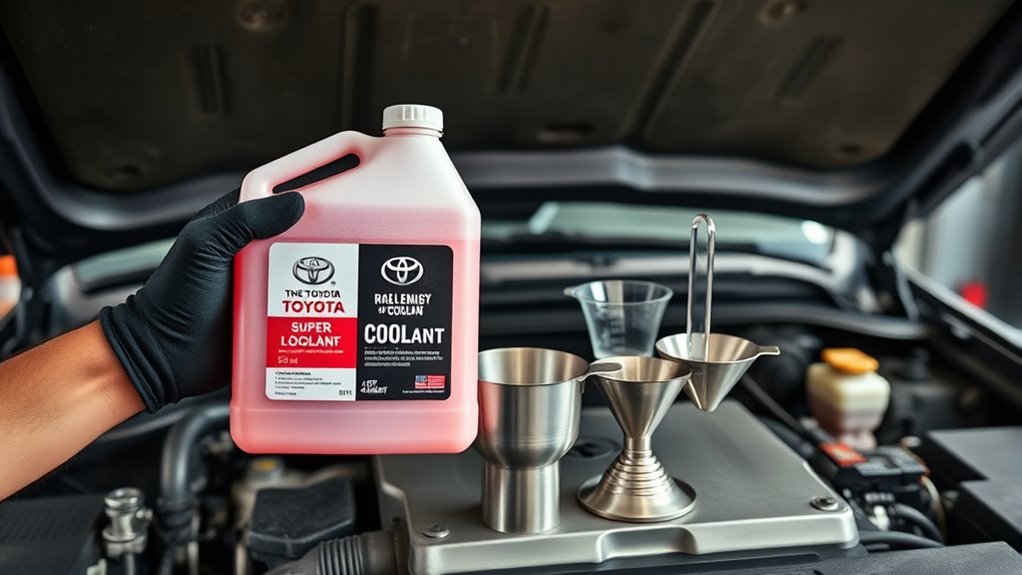
For newer 4Runners, Toyota Super Long Life Coolant is the safest default choice because it matches Toyota’s cooling-system requirements. The 2024 manual specifies Toyota Super Long Life Coolant or a similar high-quality ethylene-glycol coolant that is non-silicate, non-amine, non-nitrite, non-borate, and made with long-life hybrid organic acid technology.
For older 4Runners, follow the coolant type printed in the owner’s manual. Some older manuals specify Toyota Long Life Coolant or an equivalent ethylene-glycol coolant rather than Toyota’s newer pink SLLC wording. If you are switching coolant types or do not know what is currently in the system, flush thoroughly instead of mixing unknown chemistries.
- Use Toyota coolant when in doubt. It removes chemistry guesswork.
- Avoid plain water as the final fill. Water alone lacks freeze, boil-over, and corrosion protection.
- Do not mix random coolant colors. Color is not a reliable compatibility standard.
- Use distilled water with concentrate. Tap water can add minerals that contribute to deposits.
[Products Worth Considering]

And Vehicle Specific
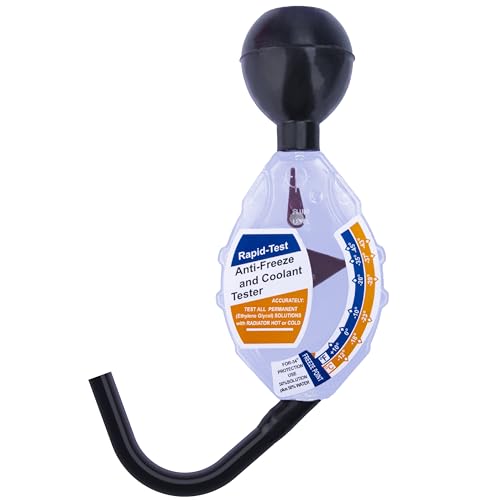
Practical Function: Designed to quickly measure the freezing and boiling points of coolant, this antifreeze tester effectively prevents engine failures caused by freezing in the winter and overheating in the summer. The transparent reservoir makes it easy to check antifreeze color and contaminants, ensuring optimal engine performance in all seasons

[Product Material]:The automotive antifreeze tester is made of PC and silicone, with sturdy structure, strong impact resistance, heat and corrosion resistance, adaptable to various weather conditions, and long service life
Common Mistakes, Troubleshooting, and When to Seek Help
The most common 4Runner coolant-service mistakes are underfilling after burping, mixing incompatible coolant, opening the system hot, and assuming the radiator drain amount equals total capacity. If the temperature gauge rises after service, stop and diagnose the issue instead of continuing to drive.
| Symptom | Likely Cause | What to Do |
|---|---|---|
| Temperature rises after refill | Air pocket or low coolant | Cool the engine, recheck level, and burp again. |
| Reservoir level keeps dropping | External leak, cap issue, or trapped air working out | Inspect hoses, radiator, water pump, cap, and heater lines; pressure-test if needed. |
| No cabin heat | Low coolant or air in heater core | Bleed the system with the heater set to hot and verify reservoir level after cool-down. |
| Rusty or muddy coolant | Old coolant, contamination, or corrosion | Flush, inspect radiator and hoses, and refill with compatible coolant. |
| White smoke, milky oil, or repeated overheating | Possible internal engine problem | Stop driving and get a professional diagnosis. |
The safest coolant capacity answer is always year-specific: use 11.1 quarts for a 2024 4Runner, but verify older, rear-heater, and 2025+ models before filling.
Frequently Asked Questions
How much coolant does a Toyota 4Runner take?
A 2024 Toyota 4Runner takes 11.1 quarts (10.5 L) for the full cooling system. Older 4Runners vary. For example, a 2000 4Runner ranges from 8.5 to 11.6 quarts depending on engine and rear heater.
How much coolant does a 2000 Toyota 4Runner hold?
A 2000 4Runner holds 10.6 qt without rear heater or 11.6 qt with rear heater for the 2.7L 3RZ-FE engine. The 3.4L 5VZ-FE V6 holds 8.5 qt without rear heater or 9.5 qt with rear heater.
How much coolant should be in my coolant reservoir?
When the engine is cold, the reservoir should usually be between the LOW and FULL marks, or between MIN and MAX if your tank uses those labels. Do not overfill it; coolant expands as it heats up.
Does Toyota use pink or red coolant?
Many newer Toyotas use pink Toyota Super Long Life Coolant. Older Toyota models may specify Toyota Long Life Coolant or an equivalent ethylene-glycol coolant. Follow your owner’s manual, and do not rely on color alone to judge compatibility.
Do I need to drain the engine block?
For a true flush, draining the engine block removes more old coolant than a radiator-only drain. For a routine drain-and-fill, some DIYers skip the block drains, but that means some old coolant remains in the system.
Can I use distilled water in a 4Runner cooling system?
Use distilled or demineralized water only when mixing a compatible concentrate or flushing. Do not leave plain water as the final fill because it does not provide proper freeze, boil-over, or corrosion protection.
Is the 3.6 Pentastar coolant capacity relevant to a Toyota 4Runner?
No. The 3.6 Pentastar is a Chrysler/Stellantis engine, not a Toyota 4Runner engine. Use Toyota 4Runner year, engine, and rear-heater data instead.
Sources
- Toyota Owners Manuals and Warranties — official Toyota manual lookup portal by vehicle year and model.
- 2024 Toyota 4Runner Owner’s Manual, maintenance data — backs the 11.1 qt / 10.5 L cooling-system capacity and coolant type wording.
- 2024 Toyota 4Runner Warranty & Maintenance Guide — backs Toyota coolant maintenance interval guidance.
- 2000 Toyota 4Runner Owner’s Manual, coolant capacity page — backs 2000 engine and rear-heater capacity differences.
- EPA Used Antifreeze Disposal Fact Sheet — backs coolant toxicity and safe disposal guidance.
Conclusion
The right Toyota 4Runner coolant capacity is year-specific. Use 11.1 quarts (10.5 L) for a 2024 4Runner’s full cooling system, but do not apply that number blindly to older or redesigned models. A 2000 4Runner can range from 8.5 to 11.6 quarts depending on engine and rear heater. Buy the correct Toyota-compatible coolant, avoid diluting premixed SLLC, bleed the system carefully, and recheck the level after the engine cools.



[…] Do not use a universal 30,000-mile flush interval. Toyota maintenance schedules for many 4Runners specify a much longer initial coolant replacement interval, with later replacements at shorter intervals. Confirm the schedule for your vehicle before servicing it. If you need capacity or generation-specific guidance, see the site’s Toyota 4Runner coolant capacity guide. […]