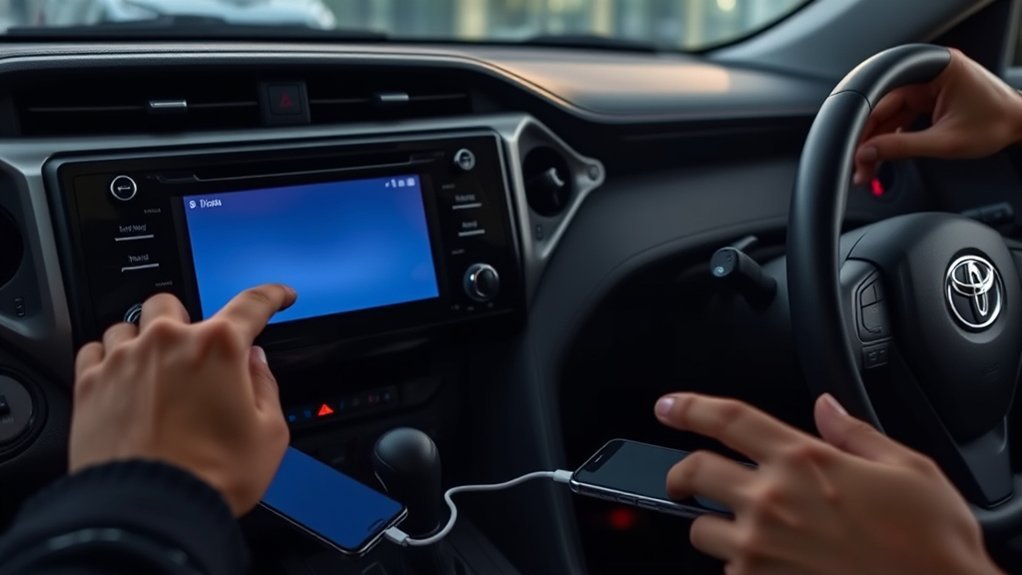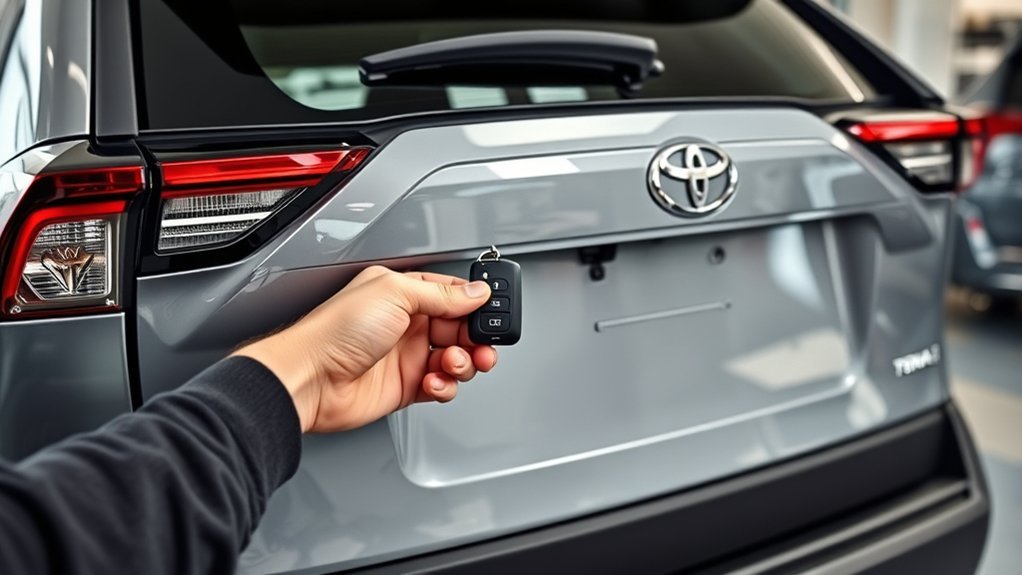
A RAV4 liftgate beep is not automatically a fault. On many power-back-door models, the buzzer sounds during normal opening or closing. The problem is when the hatch beeps but does not move, stops, reverses, drops, or will not latch. First remove cargo and debris, inspect the latch and rubber seals, confirm the power back door is enabled, and then use the exact owner’s-manual procedure for your model year.
Last updated: July 31, 2026 — model-year cautions, normal-versus-fault beep guidance, Toyota bulletin details, and schema were reviewed.
Scope note: This guide explains safe owner checks. It cannot identify the failed part without inspecting the vehicle and reading stored diagnostic trouble codes.
Quick Answer
If the RAV4 liftgate beeps but will not close, first decide whether the beep is a normal movement warning or a fault symptom. A beep followed by normal movement may be expected. A beep with no movement, repeated reversal, or stopping usually calls for obstruction checks, a power-back-door setting check, battery-voltage review, model-year-specific initialization, or scan-tool diagnosis. Do not force the hatch.
Key Takeaways
- A buzzer can be normal while the hatch is moving. Diagnose the combination of beep, movement, warning lights, and where the gate stops.
- Check the latch, striker, rubber seals, side touch-sensor areas, liftgate edges, and cargo before you assume an actuator failed.
- Power-back-door controls vary by model year. Some older RAV4s use a physical main switch; newer models use vehicle settings in the multi-information display.
- Do not treat opening-height programming as a universal system reset. Follow the exact initialization procedure for the vehicle’s year and trim.
- Stop DIY checks if the hatch drops, binds, grinds, slams, shows damaged wiring, or has uneven body gaps.
At a Glance
| Time Required | 5 to 15 minutes for safe checks; longer if the vehicle needs scan-tool diagnosis |
| Difficulty | Easy for cleaning and settings checks; professional level for wiring, actuator, latch, or alignment repairs |
| Tools Needed | Owner’s manual, flashlight, clean soft cloth, and mild car-safe cleaner if needed |
| Cost | Usually $0 for basic inspection and cleaning; diagnostic and repair costs vary by dealer, market, model year, and fault code |
Quick Triage: Why Your RAV4 Liftgate Beeps or Won’t Close
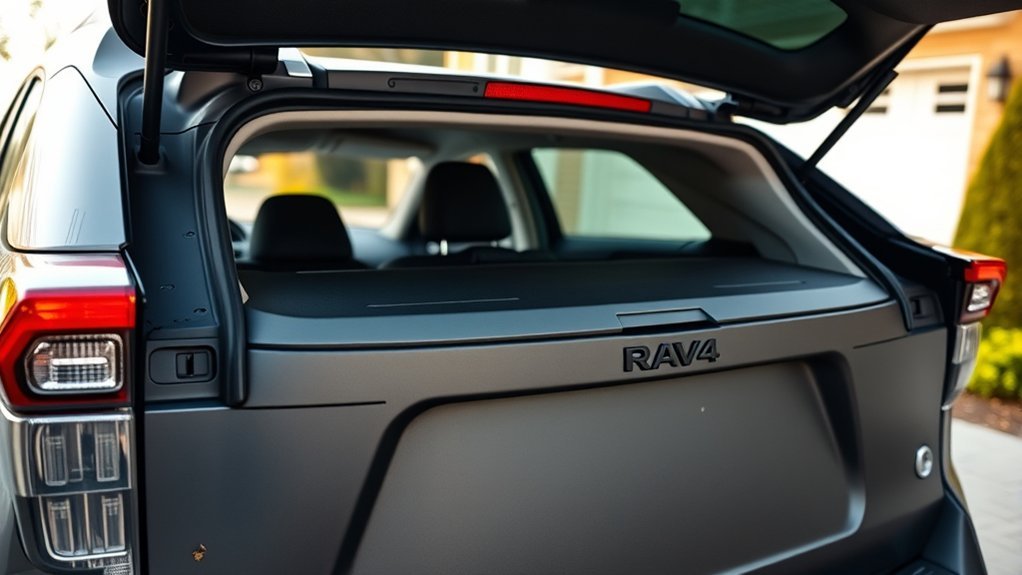
Treat the beep as a warning signal, not as proof that the motor has failed. The power back door may stop, reverse, or refuse to close when dirt, cargo, a folded seal, low voltage, or a misaligned part creates resistance.
Start your liftgate troubleshooting at the outer edge of the hatch. Check the latch opening, striker area, weatherstripping, hinges, drain channels, and the sides of the liftgate where pinch protection sensors may be located.
If the problem started after a wash, avoid aiming high-pressure water at the door seams. Turn the power back door off before washing if your owner’s manual tells you to do so, then dry the latch and seal areas before testing the hatch again.
RAV4 Liftgate Symptoms and Likely Causes
Use this quick table to narrow the problem before you touch hardware or book service.
| What You Notice | Likely Cause | Safe First Check |
| Beeps and won’t close | Blocked latch, folded seal, dirty sensor area, or cargo in the way | Clear the cargo area and clean the latch, striker, seals, and liftgate edges. |
| Starts closing, then reverses | Jam protection may be reacting to resistance | Inspect seals, trim, hinges, and cargo. Do not test the system with your hands. |
| Works manually but not by button | Disabled power back door setting, low voltage, lost initialization, or switch issue | Check the vehicle menu and owner’s manual reset steps. |
| Drops, slams, grinds, or binds | Weak strut, actuator fault, hinge problem, latch problem, or body alignment issue | Stop powered use and schedule diagnosis. |
What Does the RAV4 Liftgate Beep Mean?
The beep count alone is not a reliable diagnosis across every RAV4 year. Match the sound to what the hatch and hazard lights do. Toyota’s 2021 owner guidance says the buzzer sounds and the emergency flashers blink twice when powered opening or closing begins. The same guidance says a buzzer may sound and operation may stop if a required operating condition is no longer met.
| Beep and Movement | What It Usually Means | Next Step |
| Buzzer sounds and the hatch moves normally | Normal powered-operation warning on many model years | No repair is indicated unless movement is uneven, noisy, or incomplete. |
| Beeps, stops, or reverses after starting | Resistance, an obstacle, changing operating conditions, voltage drop, or a system fault | Clear the opening, inspect seals and sensor edges, and stop if the gate binds or drops. |
| Beeps but does not move | Disabled PBD setting, unmet operating condition, lost initialization, weak 12-volt supply, switch fault, wiring fault, or actuator fault | Check the model-year control and manual, then arrange a scan if basic checks do not restore operation. |
| Four confirmation beeps after holding the hatch switch | On supported years, the selected opening height was stored | Do not assume this also completed full system initialization. |
Model-year warning: Buzzer timing, switch location, operating conditions, and reset steps differ. Use the owner’s manual matched to the exact year, powertrain, market, and equipment.
Fast 5-Minute Checks for a Liftgate That Won’t Close
Use these quick checks before you remove trim or adjust hardware. They help you find common causes without tools.
- Clear the latch and striker: Remove leaves, small stones, cargo straps, pet hair, and dirt from the latch opening and striker plate.
- Inspect the weatherstripping: Look for folded, loose, torn, hardened, or swollen rubber seals that stop the gate from seating flat.
- Check the liftgate edges: Wipe the side touch-sensor areas with a clean, soft cloth. Do not press, pinch, or deliberately test the sensors with a body part.
- Compare the body gaps: From behind the vehicle, compare the left and right gaps around the closed hatch. Stop if one side sits high, rubs, or appears shifted.
- Confirm the PBD control: On some older RAV4s, inspect the physical power-back-door main switch. On newer models, check Vehicle Settings and PBD in the multi-information display. Confirm the exact location in the owner’s manual.
If these checks fix the issue, open and close the liftgate several times from a safe position. Keep hands, cargo, pets, and clothing away from the latch and side edges.
Warning: Never test jam protection with your fingers, hands, head, pets, or cargo. The system may not react in every pinch point, and a moving hatch can still injure someone.
[Products Worth Considering]

The ANCEL AD410 PRO combines engine diagnostics and 12V battery testing in one easy-to-use tool, helping you read and clear check engine codes while checking battery health, cranking, and charging performance. It also provides live data, freeze frame details, and I/M readiness checks to help you diagnose issues faster and prepare for emissions testing. With plug-and-play operation, a clear screen, and broad vehicle compatibility, it is a practical solution for home mechanics and everyday drivers.
This EL-50448 TPMS relearn tool helps quickly activate and reset tire pressure sensors so your vehicle’s monitoring system stays accurate after tire rotations, sensor replacement, or seasonal tire changes. Designed for many GM-related vehicles and compatible with common 315 and 433 MHz TPMS systems, it offers simple one-button operation and reliable performance for clearing warning lights and relearning sensor positions.

This TPMS relearn tool helps GM vehicle owners quickly activate and reset tire pressure monitoring sensors after tire changes, sensor replacements, or warning light issues. Designed for many Chevy, Buick, GMC, Cadillac, and Opel models, it works with common sensor frequencies and can save time compared with dealer visits. Its simple one-button operation makes tire sensor relearning fast and easy for everyday maintenance.
Where Is the RAV4 Power Back Door Setting?
The power-back-door on/off control is not in the same place on every RAV4. Checking the wrong screen can make a disabled system look like a failed motor.
| RAV4 Group | Control to Check | Important Caution |
| Some 2013–2015 equipped models | Physical power-back-door main switch in the glove box | Do not apply this location to every fourth-generation trim or market. Confirm it in the matching manual. |
| Later equipped models | Vehicle Settings → PBD in the multi-information display | Menu names and available items can differ by display, trim, powertrain, and market. |
| Any year without a power back door | No PBD setting applies | A manual liftgate that will not latch needs mechanical latch, striker, seal, hinge, or body-alignment diagnosis. |
Use Toyota’s manual lookup to select the exact vehicle. A setting shown in a video for another year can store the wrong opening height or fail to complete required initialization.
Fix Seal, Sensor, and Strut Contact Issues Safely
A folded seal or dirty sensor area can make the liftgate act like something blocks the door. Open the hatch fully, stand clear of the path, then inspect both side edges, the rubber gasket, and the gas strut mounting areas.
Press loose weatherstripping back into its channel by hand. Use weatherstrip adhesive only on small loose sections, and follow the adhesive label so you do not glue the seal in the wrong position.
Look for loose trim, bent brackets, damaged wiring, water around connectors, or a strut that does not sit evenly on its ball mount. Do not loosen hinges, strut mounts, actuator brackets, or latch hardware unless you know the Toyota service procedure or have a qualified mechanic handle it.
Pro Tip: Take a quick phone video when the liftgate beeps, stops, reverses, or binds. Show it to the service adviser so the shop can see the symptom even if it does not happen during drop-off.
After cleaning and seal repair, close the liftgate slowly and test powered closing again from a safe distance. If the gate still beeps, reverses, or stops, move to reinitialization and diagnostic checks.
[Products Worth Considering]
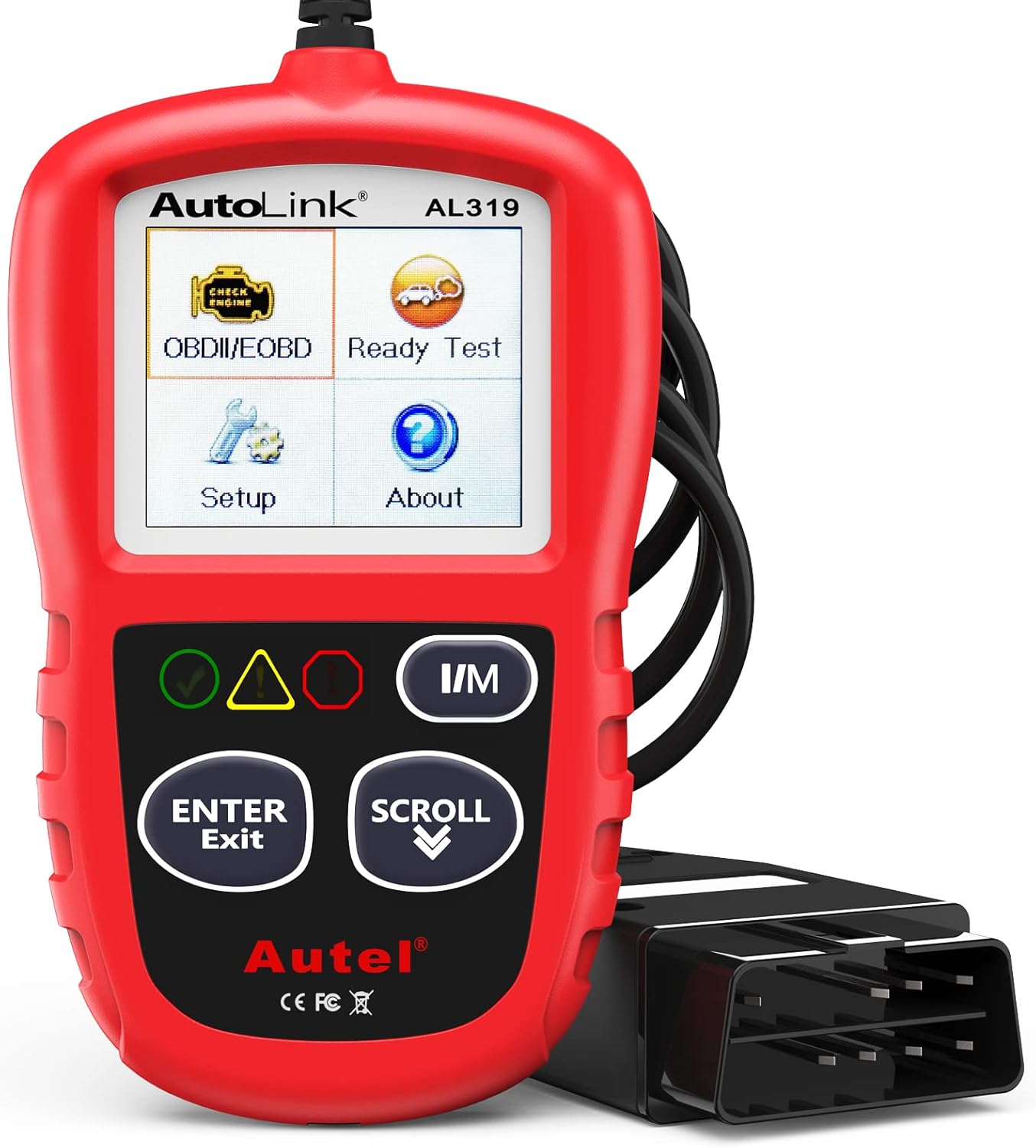
The Autel AL319 is a user-friendly OBD2 scan tool designed to help drivers quickly diagnose check engine light issues and understand vehicle fault codes. It supports reading and clearing DTCs, live data, freeze frame, I/M readiness, and vehicle information, making it a practical choice for DIYers and everyday car owners. With plug-and-play operation, a color display, built-in speaker, and broad vehicle compatibility, it delivers fast, reliable diagnostics without complicated setup.

This GM TPMS relearn tool helps reset tire sensors, clear warning lights, and match tire positions after rotation quickly at home. Designed for Chevrolet, GMC, Cadillac, and Buick vehicles, it offers one-button operation, fast activation, and broad compatibility with many GM models. It is best suited for OE/OEM sensors and includes paper instructions plus video guidance for easier DIY use.

BONDS weatherstripping, headliners, gaskets and more
How Do You Reset or Reinitialize a RAV4 Liftgate?
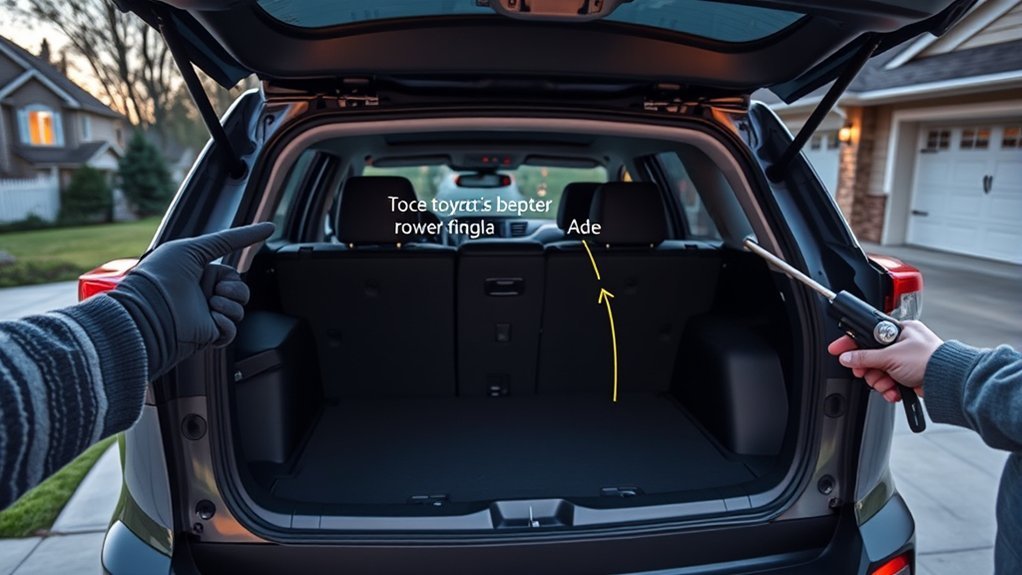
There is no single reset sequence that is correct for every RAV4. Opening-height programming, turning the PBD setting off and on, and full power-back-door initialization are different procedures. Use the owner’s manual or Toyota repair information for the exact model year before disconnecting the battery or forcing manual movement.
[Products Worth Considering]

Compatible With: This tailgate hinge is designed specifically for the Toyota Rav4 models from 2019 to 2023, ensuring a perfect fit for your vehicle's trunk back door system.

〈Reference Compatible Models〉* Please confirm compatibility with the manufacturer before purchasing Even for the same vehicle model and year, compatibility may vary depending on the grade
Do Not Confuse Opening-Height Memory With Initialization
On many RAV4s, holding the close switch on the open hatch until four confirmation beeps stores the selected opening height. That does not prove the door ECU, actuators, and position learning have been fully initialized after wiring, control-module, fuse, or actuator work.
When Initialization May Be Needed
Initialization may be required after certain battery, fuse, connector, ECU, actuator, or liftgate repairs. The requirement can depend on whether the hatch was open or closed during the work. If the problem followed a weak or disconnected 12-volt battery, first confirm the battery is charged and serviceable. RAV4 Hybrid owners can also review the RAV4 Hybrid 12-volt battery location and testing guide.
- Match the manual: Select the exact year, powertrain, market, and equipment in Toyota’s manual portal.
- Confirm the PBD setting: Make sure the power back door is enabled at the physical main switch or the vehicle-settings menu used by that model.
- Follow only the specified procedure: Do not substitute a social-media reset for the owner’s-manual or repair-manual sequence.
- Stop after repeated failure: If the hatch still beeps, reverses, drops, binds, grinds, or sits unevenly, stop powered operation and request scan-tool diagnosis.
- Check recalls by VIN: Use the Toyota recall lookup or the NHTSA recall lookup before approving repair work.
Do not disconnect the battery as a first guess. Battery disconnection can erase settings, create additional initialization needs, and does not repair a mechanical bind, broken wire, failed actuator, or damaged mount.
Ask the shop for the stored diagnostic trouble codes, freeze-frame or event details when available, the failed-part test result, and a written estimate before authorizing parts replacement.
Does Toyota T-SB-0275-17 Apply to Your RAV4?
Toyota service bulletin T-SB-0275-17 applies to some 2013–2017 RAV4 and 2016–2017 RAV4 HV vehicles produced before the VIN breakpoints listed in the bulletin. It addresses power-back-door actuator mount separation and actuator wiring damage.
The bulletin maps DTCs B2227 or B2229 to inspection of the right-hand actuator wiring and B2226 or B2228 to inspection of the left-hand actuator wiring. It also says that if no wiring damage is found, the bulletin does not apply and diagnosis should continue through the repair manual.
What to Ask the Shop to Check
- Whether the actuator has separated from a ball-mount bracket.
- Whether the hatch, roof edge, hinges, or opening show misalignment or body damage.
- Whether DTCs B2226, B2227, B2228, or B2229 are stored.
- Whether actuator wiring is damaged in the area identified by the bulletin.
- Whether initialization and jam-protection checks were completed after repair.
Coverage note: A service bulletin is not a safety recall. T-SB-0275-17 listed Toyota Basic Warranty coverage of 36 months or 36,000 miles for the specified condition, subject to its terms. Most vehicles in the listed model years are now outside that original time-and-mileage window, but a VIN check can still identify separate recalls or service campaigns.
Prevent Repeat Failures: Cleaning, Car-Wash Tips, and Maintenance
Keep the liftgate edges, latch area, and drainage paths clean. Mud, salt, sand, and leaves can build up around seals and make the power back door sense extra resistance.
Before washing, turn off the power back door if your manual tells you to do so. Do not hold a pressure washer close to the hatch seams, latch, sensors, wiring areas, or rubber seals.
Check the rubber seals each month for tears, gaps, hard spots, or sections that pull away from the body. Replace damaged seals before water reaches connectors or the latch area.
After battery, fuse, connector, ECU, actuator, or liftgate work, check the owner’s manual or repair procedure to see whether initialization is required. Cleaning alone does not normally call for a reset unless the system lost its learned position or a related component was disturbed.
When to Stop DIY Checks and Get Professional Help
Stop DIY checks if the liftgate drops suddenly, will not stay open, closes with a hard slam, or makes grinding noises. Weak struts, damaged actuators, and binding hinges can create injury risks.
You should also stop if you see broken wiring, a bent hinge, damaged latch hardware, separated actuator mounts, water inside trim, or uneven body gaps around the hatch. A dealer or qualified mechanic can scan diagnostic trouble codes and inspect the power back door system safely.
Before your appointment, write down when the issue happens, whether the battery was recently disconnected, whether the liftgate was washed or repaired, and whether the hatch opens manually. Bring your VIN and ask the shop to check for open recalls, service campaigns, related bulletins, and stored codes.
Frequently Asked Questions
Why does my RAV4 liftgate beep but not move?
The power back door may be disabled, an operating condition may not be met, the 12-volt supply may be weak, initialization may be incomplete, or the system may have a switch, latch, wiring, actuator, or control fault. Check the model-year PBD control and visible obstructions first. If the hatch still does not move, request a scan instead of forcing it.
How do I reset a Toyota RAV4 power liftgate?
Use the exact owner’s-manual or repair-manual procedure for the vehicle’s year and equipment. Do not assume that holding the hatch button for four beeps performs a complete reset; on many models that action stores the opening height. Full initialization requirements can differ after battery, fuse, connector, ECU, actuator, or liftgate work.
Where is the RAV4 power back door on/off switch?
Some older equipped RAV4s use a physical power-back-door main switch in the glove box. Later models commonly place the PBD system setting under Vehicle Settings in the multi-information display. Confirm the exact location in the owner’s manual because trim, display, market, and model year can change the control.
Can a dead car battery cause the liftgate to beep or not close?
Yes. Low or suddenly dropping 12-volt power can interrupt powered operation, and some service procedures can create an initialization requirement. Restore and test the battery first, then follow the exact model-year guidance. Do not disconnect the battery again merely as a trial reset.
Does Toyota warranty or a recall cover this liftgate issue?
Coverage depends on the VIN, model year, in-service date, mileage, diagnosis, and program terms. T-SB-0275-17 was a service bulletin, not a recall, and listed 36-month or 36,000-mile basic-warranty coverage for its specified condition. Check Toyota and NHTSA recall tools by VIN and ask the dealer to identify any applicable warranty, recall, or service campaign.
Can cold weather make a RAV4 liftgate stop closing?
Cold conditions can make seals and grease less flexible and can reduce available 12-volt battery output. If the symptom changes with temperature, inspect the seals, latch, struts or powered actuators, and battery condition. Temperature alone does not confirm which part failed.
Will aftermarket liftgate accessories affect sensor function?
A heavy or poorly fitted accessory can change the load on the powered hatch or interfere with normal movement. Toyota warns that a bicycle carrier or similar heavy object can affect power-back-door behavior. Remove any accessory or cargo that contacts the hatch before testing again. For more practical vehicle-accessory, cargo, and travel-gear guidance, visit Backpack and Gear, and review the RAV4 bike rack fit guide before installing equipment near the liftgate.
Can you temporarily disable the obstruction sensor for loading large items?
Do not bypass obstruction protection. If the manual allows manual liftgate operation while the power-back-door system is disabled, use only that method. Keep people, pets, cargo, and clothing clear of the latch, side edges, and closing path.
Should I force the RAV4 liftgate closed if it keeps beeping?
No. Forcing the hatch can damage the latch, hinges, powered actuators, seals, wiring, or body alignment. If cleaning, the correct PBD setting, and the approved initialization procedure do not help, stop powered operation and arrange diagnosis.
Safety Disclaimer: This article gives general information only. It does not replace professional diagnosis from a qualified mechanic or Toyota technician. If the liftgate drops, binds, slams, or fails to protect against obstruction, stop using powered operation until a professional checks it.
Conclusion
When a RAV4 liftgate beeps, judge the sound together with the hatch movement. A buzzer during normal powered movement can be expected. A beep with no movement, repeated reversal, binding, dropping, or failure to latch needs a structured check of cargo, the latch, seals, side sensor areas, the PBD setting, 12-volt power, and model-year-specific initialization.
Do not force the hatch or use a universal reset sequence. If the safe checks do not restore smooth operation, stop powered use, record the symptom, request the stored codes and test results, and check the VIN for recalls or campaigns before authorizing repair.
Sources
- Toyota Manuals and Warranties — official owner-manual and warranty access by vehicle.
- 2021 Toyota RAV4 Owner’s Manual: Back Door — operating conditions, buzzer behavior, jam protection, PBD settings, and opening-height adjustment.
- Toyota Safety Recalls & Service Campaigns Lookup — Toyota VIN and license-plate recall lookup.
- NHTSA Recalls Lookup — VIN-based recall information and recall-process guidance.
- Toyota T-SB-0275-17: RAV4 Power Back Door Actuator Mount Separation — applicability, DTC mapping, inspection steps, repair guidance, and original warranty terms.