
What’s in This Article
- Quick Diagnosis Table: Alignment vs. Tire, Brake, or Suspension
- Toyota Camry Wheel Alignment: What It Is and Why It Matters
- Common Symptoms of Alignment Issues in Your Toyota Camry
- How to Identify Uneven Tire Wear and Its Implications
- Why Is Your Camry Drifting and How to Fix It?
- What Else Can Feel Like an Alignment Problem?
- Why Does Your Steering Wheel Shake?
- How Tire Condition Affects Alignment Symptoms
- How Often Should You Get an Alignment for Your Toyota Camry?
- What Happens During a Wheel Alignment?
- How to Read Your Wheel Alignment Report
- Tips for Maintaining Proper Wheel Alignment and Tire Health
- When Should You Stop Driving and Get Professional Help?
- Frequently Asked Questions
A Toyota Camry wheel alignment may need attention if your car pulls to one side, the steering wheel sits off-center, or one tire edge wears faster than the rest. Check tire pressure, tread depth, tire size, and visible tire damage first because those problems can mimic bad alignment. If the symptoms continue on a flat road, book an alignment and ask the shop to inspect tires, wheels, brakes, steering, and suspension before final adjustment.
Quick Answer
Your Toyota Camry may need an alignment if it pulls to one side, has an off-center steering wheel, or shows uneven tire wear. Check tire pressure, tread depth, tire damage, and tire size first, since tire issues can copy alignment trouble. If the problem continues, schedule a professional alignment with a steering, suspension, brake, wheel, and tire inspection.
Key Takeaways
- Watch for pulling, drifting, off-center steering, shaking, and uneven tire wear.
- Check tire pressure, tire damage, tread depth, and tire size before you blame alignment.
- Road crown, tire conicity, brake drag, bent wheels, and worn parts can feel like alignment trouble.
- Schedule an alignment after hard pothole hits, curb strikes, tire replacement, or steering and suspension repairs.
- Replace unsafe tires before alignment if you see exposed cords, bulges, deep cuts, or tread near 2/32 inch.
Quick Diagnosis Table: Alignment vs. Tire, Brake, or Suspension
Use this table before you pay for an alignment. It helps you separate common alignment symptoms from tire, brake, wheel, and suspension problems that can create the same feel.
| What You Notice | Likely Area to Check First | Best Next Step |
|---|---|---|
| Car pulls on one road but not another | Road crown or road surface | Retest on a flat, safe road |
| Car pulls after tire rotation | Tire conicity, tire damage, or tire mismatch | Ask the shop to inspect and reposition tires safely |
| Steering wheel is crooked while driving straight | Toe setting or steering centering | Request an alignment report and steering wheel centering check |
| Vibration starts at highway speed | Wheel balance, bent wheel, or tire damage | Balance wheels and inspect tires before alignment |
| Pulling gets worse while braking | Brake drag, caliper issue, or tire problem | Inspect brakes before alignment |
Toyota Camry Wheel Alignment: What It Is and Why It Matters

Wheel alignment sets your Toyota Camry’s suspension angles so the tires meet the road correctly. The main angles include camber, caster, and toe. These settings affect how your car tracks, steers, brakes, and wears its tires.
Proper alignment helps your Camry drive straight and respond well to steering input. It also helps tires wear more evenly, which can save money over time. Poor alignment can make the car harder to control and place extra stress on tires and suspension parts.
Road hazards, potholes, curb hits, and worn suspension parts can all change alignment. Treat alignment as part of normal maintenance, not only as a repair after something feels wrong.
Common Symptoms of Alignment Issues in Your Toyota Camry
Your Camry often gives clear warning signs when alignment needs attention. The most common signs include steering drift, pulling to one side, an off-center steering wheel, and uneven tire wear. These symptoms can also point to tire pressure, tire defects, brake drag, bent wheels, or suspension wear, so check the full system.
Steering Wheel Drift
Steering wheel drift means your Camry slowly moves away from a straight path. You may notice this most at highway speed or on a flat road. The steering wheel may also sit crooked while the car drives straight.
Drift can come from poor toe or camber settings, but it can also come from road crown, tire lateral force, or worn parts. Toyota service guidance tells technicians to identify the real cause before they adjust alignment. A rushed alignment can miss the root problem.
Uneven Tire Wear
Uneven tire wear often shows up as heavy wear on the inner edge, outer edge, center, or random spots. This can point to alignment trouble, wrong tire pressure, worn suspension parts, wheel imbalance, or damaged tires. Regular tire checks help you catch the pattern early.
| Tire Condition | Symptoms | Recommended Action |
|---|---|---|
| Inner Edge Worn | Possible camber or toe issue | Schedule alignment check |
| Outer Edge Worn | Possible pressure or suspension issue | Inspect tires and suspension |
| Bald Patches | Advanced or uneven wear | Replace unsafe tires and check alignment |
| Uneven Tread Surface | Possible lateral wear | Inspect tires, balance, and alignment |
| Uniform Wear | Alignment may be acceptable | Continue regular maintenance |
Check the full tread surface, not just the outer edge you can see easily. The National Highway Traffic Safety Administration says tires become unsafe when tread reaches 2/32 of an inch. Replace tires at the wear bars, then fix the alignment or suspension issue that caused the wear.
Pulling During Driving
If your Toyota Camry pulls to one side while you drive straight, check tire pressure first. Low pressure on one side can cause pulling and may make the car feel misaligned. Tire damage, brake drag, road crown, and worn steering parts can also cause a pull.
Test the car only on a safe, flat road with light traffic. A shop road test should use a flat road because road crown can create false pulling. If the car keeps moving to one side after you correct tire pressure, book a professional inspection.
Late-model Camry vehicles can also show pull from tire characteristics, not only suspension angles. If pulling changes direction after the front tires are moved, ask the shop whether tire conicity or tire lateral force is involved.
How to Identify Uneven Tire Wear and Its Implications
You can spot many tire wear problems with a simple visual check. Look for bald patches, feathered tread, edge wear, cupping, or one tire wearing faster than the others. These patterns can point to alignment, pressure, balance, or suspension issues.
Run your hand lightly across the tread only when the tire feels cool and the vehicle stays parked safely. A sharp or saw-tooth feel can suggest feathering from toe problems. Cupped dips can point to worn shocks, struts, or balance issues.
Do not keep driving on tires with exposed cords, deep cuts, bulges, or tread near the wear bars. Replace unsafe tires first, then fix the alignment or suspension cause. If you skip the repair, new tires can wear out quickly.
Why Is Your Camry Drifting and How to Fix It?

Your Camry can drift because of toe, camber, tire pressure, tire force, road crown, brake drag, or worn steering parts. Toe problems often cause rapid edge wear and poor straight-line tracking. Camber differences can also make the vehicle favor one side.
Start with the simple checks. Set tire pressure to the value on the driver’s door label or owner’s manual. Inspect all tires for damage, uneven tread, correct size, and matching load rating. Then check whether the car still pulls on a flat road.
If the drift remains, ask a shop for a full alignment report. The report should show before-and-after readings for camber, caster, and toe. Ask the technician to inspect suspension and steering parts before making final adjustments.
What Else Can Feel Like an Alignment Problem?
Not every pulling or drifting problem comes from alignment. Toyota service guidance says tire lateral force, road crown, vehicle damage, worn parts, and wheel-angle problems can all create similar symptoms. This matters because an alignment alone may not fix the car.
- Low or uneven tire pressure can make the car pull.
- Tire conicity can pull the car even when alignment measures correctly.
- Road crown can make the car drift on some roads but not others.
- Dragging brakes can pull the car to one side.
- Bent wheels can create vibration or uneven tire contact.
- Worn suspension or steering parts can make the car wander.
A good shop should inspect tires, wheels, steering, suspension, and brakes before it adjusts the alignment. This gives you a better chance of fixing the real problem the first time.
Why Does Your Steering Wheel Shake?
A shaking steering wheel can feel like alignment trouble, but it often has another cause. Tire imbalance, bent wheels, tire damage, and worn suspension parts can all create vibration. Alignment can contribute to uneven tire wear, which may make vibration worse over time.
Pay close attention to when the shaking starts. Vibration at higher speed often points to wheel balance or tire problems. Shaking during braking may point to brake rotor, caliper, or tire issues.
- Check tire pressure and visible tire damage first.
- Ask for wheel balancing if shaking changes with speed.
- Inspect wheels for bends after a hard pothole hit.
- Inspect suspension parts if the steering feels loose or noisy.
Warning: Stop driving and get help if shaking becomes severe, the steering feels loose, or the tire shows a bulge or exposed cord.
How Tire Condition Affects Alignment Symptoms
Tire condition can change how your Camry tracks on the road. A defective or uneven tire can cause pulling even when the alignment sits within specification. Different tire sizes, mismatched tread depths, or uneven pressure can also affect handling.
Tire Defects Impacting Alignment
Some tire defects hide until you drive at speed. A tire may look fine but still create pull, vibration, or road noise. If a pull changes direction after tire rotation or side-to-side tire swapping, the tire may play a role.
- Uneven wear can signal alignment, pressure, or suspension trouble.
- Tire conicity can create pull even when alignment numbers look acceptable.
- Correct tire pressure does not fix every tire defect.
- Do not swap directional or asymmetric tires side to side unless a tire professional confirms it is safe.
Tread Wear Patterns Analysis
Tread wear patterns give useful clues about alignment and tire health. Compare all four tires instead of checking only one. A single bad tire can still make the car pull or shake.
| Wear Pattern | Possible Cause | Recommended Action |
|---|---|---|
| Bald patches | Severe wear or damage | Replace unsafe tire and inspect alignment |
| Edge wear | Improper inflation or alignment | Adjust pressure and inspect alignment |
| Center wear | Over-inflation | Set pressure to vehicle label |
| Cup-shaped wear | Worn suspension or imbalance | Inspect suspension and balance wheels |
| Feathered wear | Possible toe issue | Schedule alignment check |
Address wear patterns early so you can improve handling and avoid replacing tires too soon.
How Often Should You Get an Alignment for Your Toyota Camry?
Check your Toyota Camry’s alignment at least once a year, or sooner if you notice pulling, uneven wear, or steering changes. You should also schedule a check after hitting a curb, pothole, or road debris. If you replace tires, suspension parts, or steering parts, check alignment after the repair.
Check your Camry’s alignment every year, after hard impacts, after new tire installation, or any time the car pulls, drifts, or wears tires unevenly.
Tire rotation also helps you control irregular wear. NHTSA advises drivers to follow the owner’s manual and check tire pressure, treadwear, and tire damage at least monthly. Many vehicles use a 5,000 to 8,000 mile rotation interval when the manufacturer recommends rotation.
- Check alignment after a hard pothole hit.
- Check alignment when the steering wheel sits off-center.
- Check alignment when one tire edge wears faster.
- Check alignment after tire, suspension, or steering repairs.
What Happens During a Wheel Alignment?
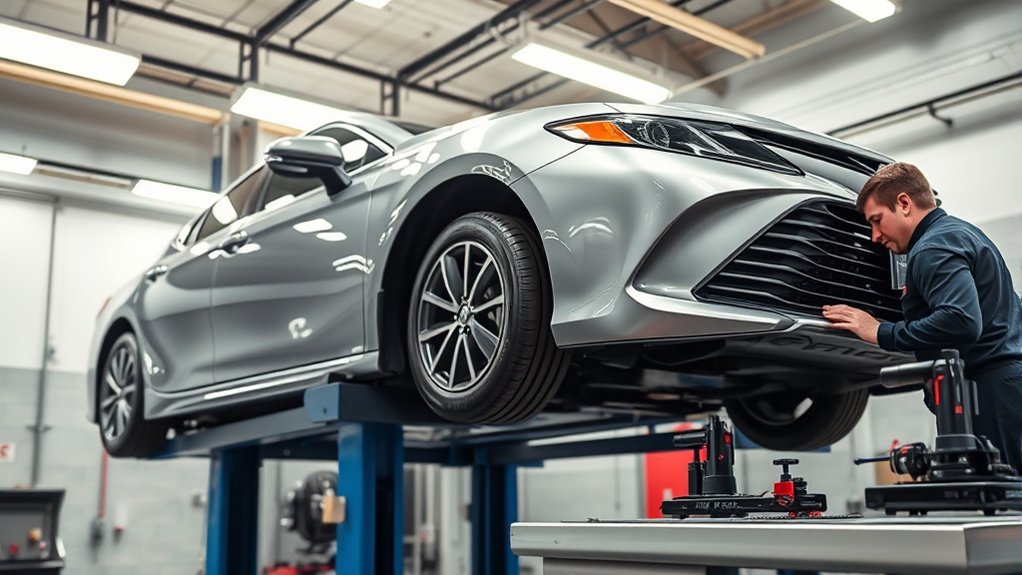
During a wheel alignment, a technician measures your Camry’s wheel angles against Toyota specifications. The alignment machine checks camber, caster, and toe. The technician then adjusts the angles that your model allows.
The shop should inspect tires, pressure, steering, suspension, brakes, and wheels before final adjustment. This matters because worn parts can stop the alignment from holding. A proper service should also include a steering wheel centering check and a short road test.
Most basic alignments take about 30 to 90 minutes, depending on the shop, vehicle condition, and needed adjustments. Extra repairs can add more time. Ask for a printed or digital alignment report before you leave.
[Products Worth Considering]

This smart color coded tire tread depth gauge makes it easy to check tread wear at a glance with clear red, yellow, and green ranges. Calibrated from 0 to 1 inch in 1/32 inch increments, it helps you quickly assess tire condition for safer driving and timely replacements. The pocket clip design makes it convenient to carry and use on trucks, motorcycles, cars, and other passenger vehicles.
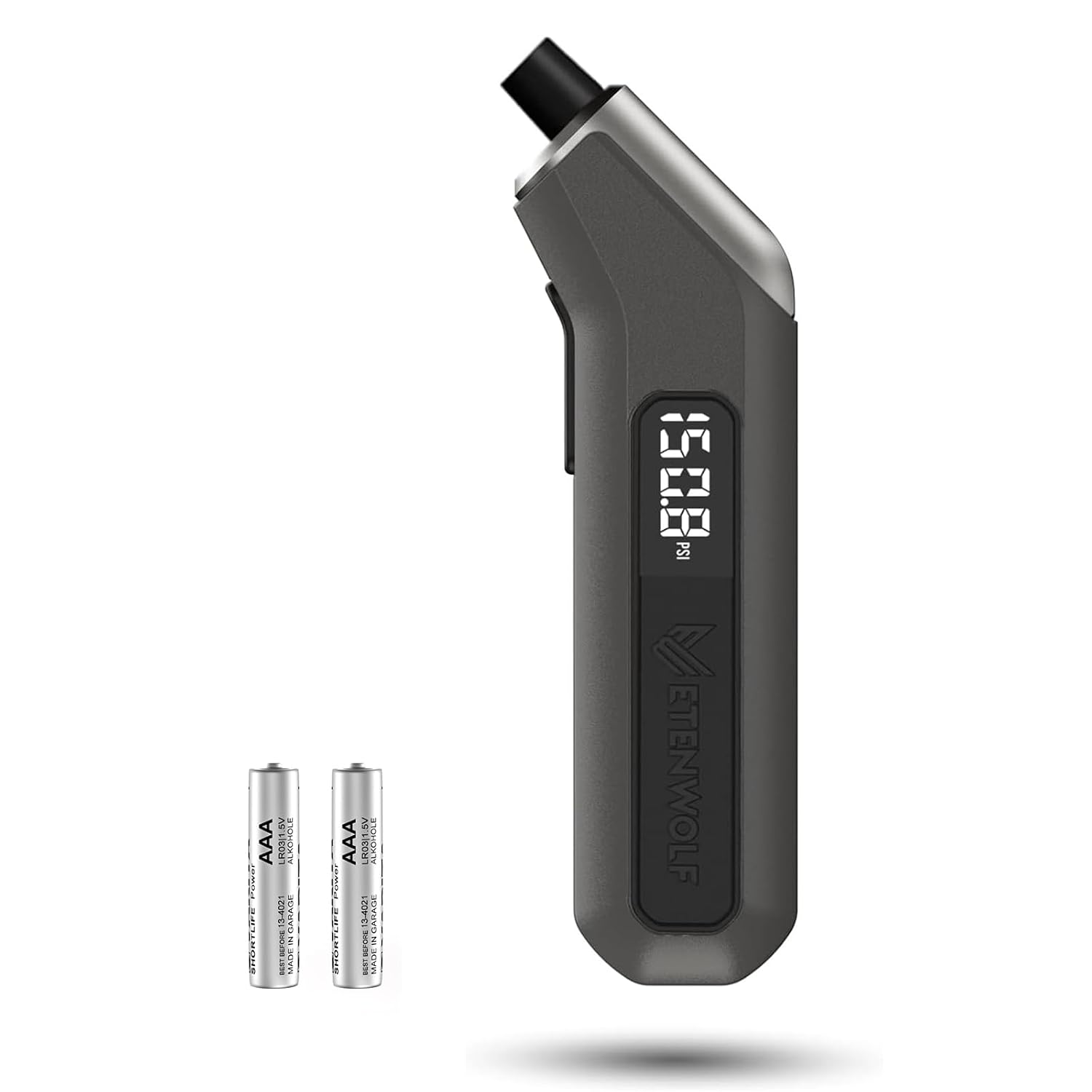
The ETENWOLF T300 digital tire pressure gauge delivers precise readings for cars, RVs, trucks, bikes, and heavy-duty vehicles with a wide measuring range and consistent accuracy. It is built to perform in extreme temperatures, includes a bright LED light for low-visibility use, and uses replaceable AAA batteries for convenient long-term operation. Durable enough to withstand rugged use, it is a practical tool for maintaining proper tire pressure across a variety of vehicles.

This foldable dog car ramp is designed to help pets enter and exit vehicles more safely and comfortably, reducing strain on joints and paws. Built with a sturdy aluminum frame, anti-slip walking surface, and a gentle longer incline, it supports everyday use for small to large dogs. Its four-fold design and built-in carry handle make it easy to store, transport, and use at home or on the go.
How to Read Your Wheel Alignment Report
A wheel alignment report should show before-and-after readings for camber, caster, and toe. Shops often mark readings in green when they fall within specification and red when they do not. Ask the technician to explain any reading that remains outside spec after the service.
| Report Term | What It Means | Why It Matters |
|---|---|---|
| Camber | How much the tire leans inward or outward | Bad camber can wear the inner or outer edge |
| Caster | Steering-axis angle viewed from the side | Caster difference can affect straight tracking |
| Toe | Whether tires point slightly inward or outward | Bad toe can quickly feather or scrub tires |
Focus on toe if your tires show feathering or fast edge wear. Ask about camber and caster differences if your Camry pulls to one side. If worn parts caused the bad readings, repair those parts before you expect the alignment to last.
Tips for Maintaining Proper Wheel Alignment and Tire Health
Good tire habits help your Camry stay stable and predictable. They also help you spot alignment issues before they damage a full set of tires. Use the driver’s door label and owner’s manual as your main guides.
- Check tire pressure monthly and before long trips.
- Inspect tread depth and tire sidewalls for damage.
- Rotate tires based on your owner’s manual.
- Avoid hard curb strikes and slow down for potholes.
- Ask for suspension inspection if the car wanders or clunks.
Worn shocks, struts, bushings, and steering parts can create new alignment problems. Fix those parts before you pay for final alignment. Otherwise, the same symptoms may return soon.
[Products Worth Considering]

This EL-50448 TPMS relearn tool helps quickly activate and reset tire pressure sensors so your vehicle’s monitoring system stays accurate after tire rotations, sensor replacement, or seasonal tire changes. Designed for many GM-related vehicles and compatible with common 315 and 433 MHz TPMS systems, it offers simple one-button operation and reliable performance for clearing warning lights and relearning sensor positions.

This automotive circuit tester checks low-voltage DC systems from 3-65V, making it useful for diagnosing headlights, taillights, fuses, sockets, and other vehicle wiring issues. The digital backlit display provides clear voltage readings with fine accuracy, while the bidirectional polarity indicator helps you test from either ground or positive. Built with a durable probe, insulated tip, and extra-long spring wire, it is designed for dependable everyday use in automotive and household electrical work.
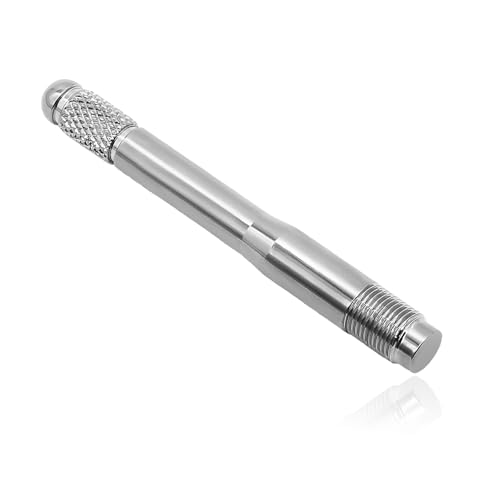
【Effective Wheel Alignment】: The tire stud pin ensures flawless alignment by holding the wheel steady, making it much easier to line up wheels with hub bolt holes. This precise positioning minimizes installation time and reduces strain, especially when working with heavier wheels.
When Should You Stop Driving and Get Professional Help?
Some alignment-like symptoms need quick attention. Stop driving when the car feels hard to control, the steering wheel shakes badly, or a tire looks unsafe. You should also get help if the vehicle pulls suddenly after an impact.
Call a tow service or roadside service if you see a tire bulge, exposed cords, heavy tire damage, or fluid leaking near suspension parts. NHTSA reported 511 traffic deaths in tire-related crashes in 2024, so treat tire damage and severe steering symptoms as safety issues, not minor annoyances.
[Products Worth Considering]
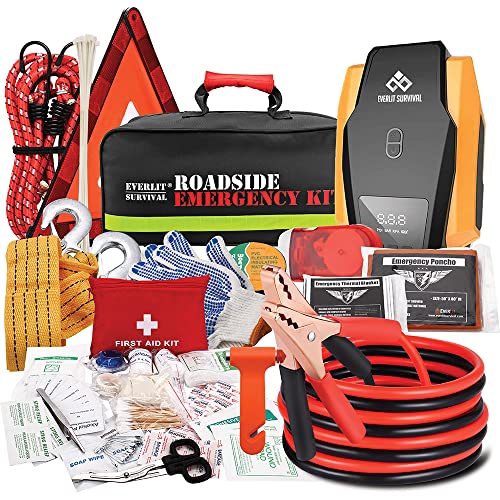
The Road Guardian- The portable roadside assistance kit is designed and hand picked by a group of experienced veterans and experts to provide every essential tools you need in roadside emergencies. The automotive safety bag contains accessories such as repair cable ties, bungee cords, electrical tape, space blanket, rain poncho, reflective warning triangle, glass breaker, seatbelt cutter, safety gloves, tow rope and more to get your vehicle back on the road and continue your travel.
Frequently Asked Questions
What Are the Signs My Camry Needs an Alignment?
Your Camry may need an alignment if it pulls to one side, the steering wheel sits off-center, or the tires show uneven edge wear. Check tire pressure and tire damage first because those problems can create the same symptoms.
How Much Does an Alignment Cost on a Camry?
Alignment cost depends on your location, shop type, alignment type, model year, and any needed repairs. RepairPal lists a Toyota Camry wheel alignment estimate between $226 and $331, but local quotes can vary. Ask for a written estimate and a before-and-after alignment report.
How Long Does It Take to Do an Alignment on a Toyota Camry?
A basic Toyota Camry alignment often takes about 30 to 90 minutes. The job can take longer if the technician finds worn suspension parts, damaged tires, seized adjusters, or brake issues. A careful inspection gives you a better repair than a rushed adjustment.
Can Bad Tires Make My Camry Pull After an Alignment?
Yes. Tire pressure, tire conicity, tread damage, or mismatched tires can make your Camry pull even after an alignment. Ask the shop to inspect and rotate or swap tires as part of the diagnosis when pulling continues.
Should I Get New Tires or an Alignment First?
Replace unsafe tires first if the tread is bald, damaged, or near the wear bars. Then align the car so the new tires do not wear unevenly. If the tires still look safe, inspect alignment and suspension before you buy replacements.
Does a Crooked Steering Wheel Always Mean Bad Alignment?
A crooked steering wheel often points to alignment, but it does not prove it. Steering parts, tire issues, brake issues, or a poor previous alignment can also cause the problem. A proper inspection should find the cause before adjustment.
Can I Drive With Bad Alignment on a Camry?
You may be able to drive with mild alignment wear, but do not ignore it. Stop driving if the car feels hard to control, pulls suddenly, shakes badly, or has unsafe tire damage. Severe symptoms can point to a tire, brake, steering, or suspension problem.
Safety Disclaimer: This article is for informational purposes only and does not replace professional vehicle inspection or repair advice. Always consult a qualified technician if your Toyota Camry pulls, shakes, wears tires unevenly, or feels unsafe to drive.
Conclusion
Your Toyota Camry needs correct alignment, healthy tires, and sound suspension parts to drive straight and safely. Start with tire pressure, tread condition, tire size, and visible damage, then book an alignment if the symptoms continue. Ask the shop to check tires, wheels, brakes, steering, and suspension before final adjustment. Early action can protect your tires, improve handling, and help your Camry stay stable on the road.
References
- Tire Safety Ratings and Awareness: TireWise : National Highway Traffic Safety Administration, accessed July 2026.
- Vehicle Pull, Steering Wheel Off Center, and Alignment Best Practices : Toyota Motor Sales, U.S.A., 2020.
- Wheel Alignment Prices and Cost Estimates : Kelley Blue Book, accessed July 2026.
- Guide to Vehicle Wheel Alignment and Suspension : AAA, 2025.
- Toyota Camry Wheel Alignment Cost Estimate : RepairPal, accessed July 2026.


[…] the Camry drives straight but the steering wheel sits noticeably left or right, schedule a proper Toyota Camry alignment inspection before attempting […]
[…] the tread has one-sided or feathered wear. Alignment is not the same service as balancing. Use the Camry wheel-alignment guide to separate pulling and tire-wear symptoms from a balance-related […]