Last updated: July 23, 2026
Yes, the Toyota Camry is generally reliable for long-term ownership, including after 100,000 miles, when its maintenance history and condition are strong. Current iSeeCars data estimates a 164,028-mile average lifespan, a 7.6/10 reliability score, and a 26.9% chance of reaching 200,000 miles. Well-kept 2012–2017 and 2018–2024 models are sensible used-car starting points, while certain 2007–2009 Camry and 2007–2011 Camry Hybrid models with the 2AZ engine need extra oil-consumption scrutiny. The 2025-and-newer U.S. Camry is hybrid-only and is still too new for meaningful long-term survival data.
Quick Answer
The Toyota Camry is one of the safer long-term used-car choices, but the badge does not replace an inspection. Prioritize complete oil and coolant records, smooth cold and warm shifting, no overheating history, no active warning lights, and a clean pre-purchase inspection. Current iSeeCars reliability data estimates a 164,028-mile average lifespan and a 26.9% chance of reaching 200,000 miles.
Key Takeaways
- A Camry can remain dependable after 100,000 miles when oil service, cooling-system care, transmission behavior, and inspection results are strong.
- Put well-maintained 2012–2017 and 2018–2024 examples high on your used-car shortlist, but judge each vehicle individually.
- Inspect certain 2007–2009 Camry and 2007–2011 Camry Hybrid models with the 2AZ engine for excessive oil consumption and completed repair history.
- The 2025-and-newer U.S. Camry is hybrid-only and too new for meaningful long-term mileage data.
- Camry Hybrids can be excellent long-term choices, but battery condition and hybrid fault data should be checked by a hybrid-qualified technician.
- For any high-mileage Camry, pay for a pre-purchase inspection before negotiating or closing the deal.
Is the Toyota Camry Reliable After 100,000 Miles?
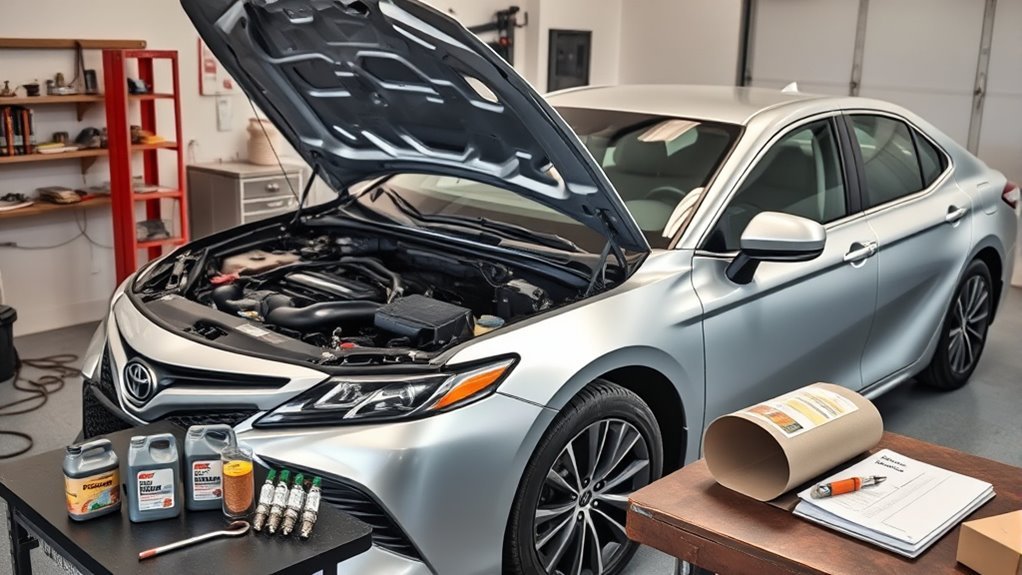
Yes. A properly maintained Camry can still be a reasonable purchase after 100,000 miles. At that point, service history and current condition matter more than the odometer alone. Check oil-change consistency, coolant history, transmission operation, suspension wear, leaks, rust, tires, brakes, and whether warning lights were recently cleared.
According to iSeeCars, the Toyota Camry has an estimated average lifespan of 164,028 miles, a 7.6/10 reliability score, and a 26.9% chance of reaching at least 200,000 miles. Its Camry Hybrid estimate is approximately 172,600 miles with a 7.7/10 reliability score.
A well-maintained Camry can be a 200,000-mile car, but the maintenance file matters more than the badge on the trunk.
A neglected Camry with skipped oil changes, old coolant, transmission hesitation, flood damage, or a hidden oil-consumption issue can still become expensive. Treat the Camry’s reputation as a screening advantage, not a substitute for inspection.
How this guide was evaluated: The recommendations combine current lifespan data, Toyota maintenance and warranty documents, NHTSA campaign information, official fuel-economy ratings, model-year powertrain information, and practical pre-purchase inspection criteria. Year ranges are starting points, not guarantees for an individual vehicle.
Which Toyota Camry Years Are Most Reliable?
The best used Camry is not automatically the lowest-mileage car or a vehicle from one preferred year. The safer choice combines a proven generation, complete service records, a clean VIN and recall check, and a smooth inspection and test drive. For a broader generation overview, see the Toyota Camry generations guide.
| 2012–2017 Camry | Strong used-car shortlist when maintenance is documented. The 2014 Camry earned a 92/100 Quality & Reliability score from J.D. Power. Check cold-start behavior, oil records, suspension wear, tires, brakes, and transmission behavior. |
| 2018–2024 Camry | Good late-model choice with efficient four-cylinder and hybrid options, available V6 performance, and modern safety technology. Test drive from a cold start, at low speed, and at highway speed to identify rough shifts, vibration, warning lights, or unusual engine noise. |
| 2025–Present Camry | The U.S. Camry became hybrid-only for 2025, with front-wheel-drive and electronic all-wheel-drive configurations. These cars are too new for meaningful long-term lifespan conclusions. Evaluate warranty status, open recalls, software updates, early service records, accident history, and present condition. |
| Camry Hybrid | Excellent for fuel savings when the battery, inverter cooling system, diagnostic data, and general condition check out. Starting with the 2020 model year, Toyota lists hybrid-battery coverage of 10 years or 150,000 miles, whichever comes first. Confirm remaining coverage by VIN. |
| Certain 2007–2009 Camry and 2007–2011 Camry Hybrid | Inspect carefully for 2AZ-engine oil consumption. Toyota’s ZE7 warranty enhancement was time- and mileage-limited, so do not assume current coverage. Ask a Toyota dealer to check the VIN for completed repairs and available service history. |
| Very old or high-mileage Camrys | Age can matter as much as mileage. Inspect for oil and coolant leaks, rust, suspension wear, stale tires, weak A/C, deteriorated rubber parts, and incomplete timing-belt records where a belt-driven engine applies. |
2AZ warning: Toyota’s ZE7 program was a historical warranty enhancement with time and mileage limits. Do not buy an affected Camry with an unknown oil-consumption history on the assumption that Toyota will still cover the repair. Ask how often oil is added, look for blue exhaust smoke, inspect the tailpipe, review service records, and have the engine checked before purchase.
[Products Worth Considering]

This A-Premium serpentine belt drive kit is designed for compatible Toyota Camry, RAV4, and Scion tC models with a DOHC 2.5L L4 engine. It includes a serpentine belt and belt tensioner to help maintain smooth engine operation, reduce noise, and support reliable power transfer. Built for dependable replacement performance, it also comes with a one-year unlimited-mileage guarantee for added peace of mind.

This coolant electric water pump is designed as a replacement for select Toyota vehicles, helping maintain proper engine cooling performance and reliable temperature control. Built to OE specifications, it offers fitment support for compatible Avalon, Camry, and RAV4 models with 2.5L L4 engines. It also includes cross-reference part numbers for easier matching and comes with after-sales support for covered defects.

This engine water pump kit is designed to help maintain reliable cooling performance across a wide range of compatible Toyota, Lexus, Scion, and Pontiac vehicles. Built with aluminum and tested for leak-free operation, it offers a direct replacement solution that supports engine efficiency and long-term service life. The kit includes a professional water pump and gasket for a convenient installation-ready repair.
What Should You Check Before Buying a Used Toyota Camry?
At a Glance
| Time Required | 60–90 minutes for your initial review; longer when a professional inspection is included. |
| Difficulty | Easy to moderate for screening; professional help is recommended before purchase. |
| Tools Needed | VIN report, flashlight, paper towel, OBD-II scan tool, tire tread gauge, and a trusted mechanic. |
| Typical Ownership-Cost Benchmark | RepairPal estimates average annual Camry repair and maintenance spending at $388. Actual cost varies sharply by age, mileage, condition, location, and service history. |
| Pre-Purchase Cost | Vehicle-history report plus a local pre-purchase inspection fee; prices vary by shop and market. |
Complete these checks before agreeing to buy:
- Run the VIN. Check title status, accident and flood history, mileage consistency, service records, and open safety recalls. Use the official NHTSA recall lookup and ask a Toyota dealer to confirm campaign completion by VIN.
- Review oil-change history. A long gap in oil service is usually a bigger concern than a modestly higher odometer reading.
- Check accessible fluids and visible leaks. Look for low oil, coolant contamination, and leakage around the valve cover, timing cover, water pump, radiator, and transmission area. Do not open a hot cooling system.
- Test drive the car cold and warm. Confirm clean starting, stable idle, smooth acceleration, straight braking, and no clunks, shift flare, shudder, or harsh engagement.
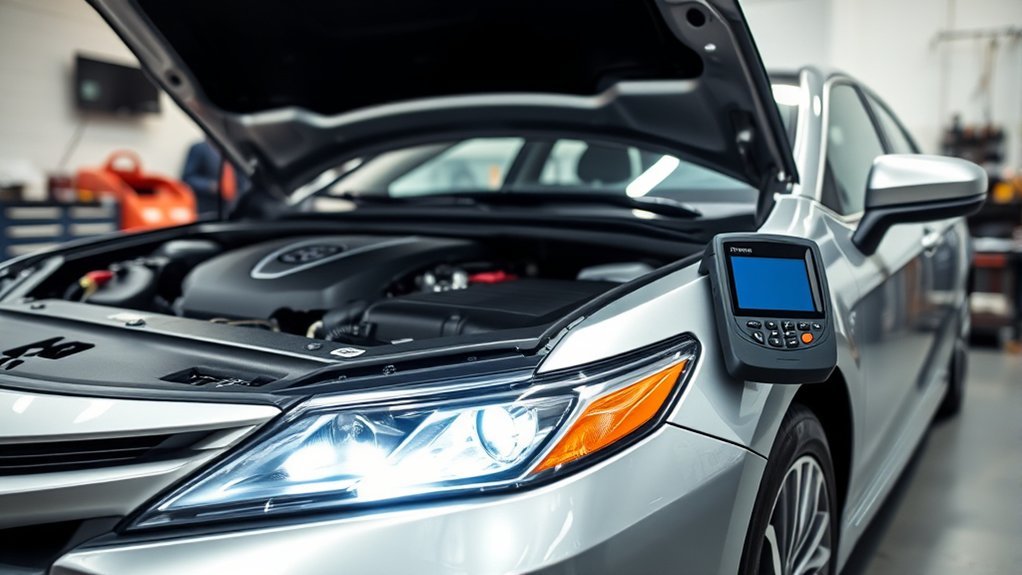
- Scan all available modules. A recently cleared warning light can leave pending engine, emissions, ABS, airbag, hybrid, or transmission faults.
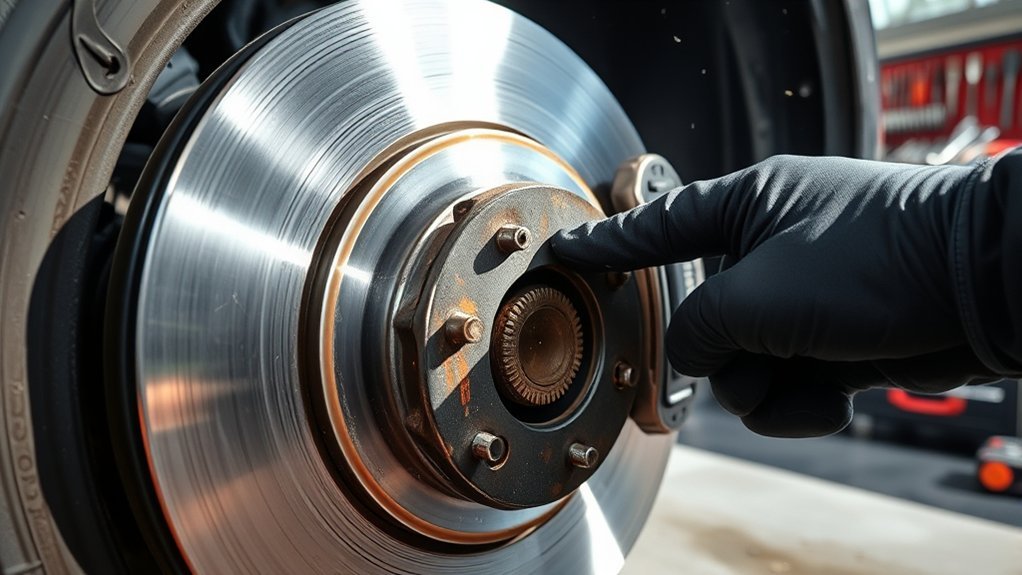
- Inspect tires and brakes. Uneven Camry tire wear can point to alignment, suspension, accident-repair, or neglected rotation problems.
- Check the underbody and structure. Look for rust, fresh undercoating over corrosion, bent pinch welds, fluid residue, mismatched panels, and signs of flood or collision repair.
- Pay for a pre-purchase inspection. A mechanic should check the underbody, suspension, leaks, diagnostic data, cooling system, transmission operation, and hybrid system where applicable.
Pro Tip: A clean service file can be worth more than a lower odometer reading. A 130,000-mile Camry with documented oil, coolant, brake, and transmission care may be a safer purchase than a 90,000-mile car with no records.
[Products Worth Considering]

This digital tire tread depth gauge helps you check tire wear quickly and accurately with fractional inch, decimal inch, and millimeter readouts. Its large LCD screen, zero reset function, and automatic shutoff make it easy to use for cars, motorcycles, SUVs, trucks, and pickups. Designed for clear readings and dependable measurement, it is a practical tool for routine tire safety checks.

This EPAuto engine air filter is designed as an OEM replacement for select Toyota Camry and Venza models with 4-cylinder gas engines. It helps protect the engine by filtering dust, dirt, and debris from incoming air while supporting efficient performance and improved fuel mileage. Built for a precise fit, it is a practical replacement choice for routine maintenance.

This replacement filter set is designed for a range of Toyota hybrid vehicles, including popular models like RAV4 Hybrid, Camry Hybrid, Highlander Hybrid, Sienna, Venza, and more. It combines cabin and engine filtration to help support cleaner airflow, reduce dust and odors, and protect your HVAC and engine systems. Built for easy installation and extended service life, it offers a convenient maintenance upgrade for compatible hybrid and gas-only Corolla models.
When Should You Walk Away or Negotiate?
| Pause or Walk Away | Unexplained overheating, coolant and oil mixing, blue smoke with low oil, transmission slipping, structural or flood damage, inconsistent mileage, active hybrid or airbag faults, severe rust, or a seller who refuses an independent inspection. |
| Usually Negotiable | Worn tires, normal brake wear, an aging 12-volt battery, cosmetic damage, overdue routine maintenance, weak wiper blades, or minor suspension wear when a written repair estimate is available. |
Toyota Camry Engines to Know: 2AZ, 2AR, Dynamic Force, V6, and Hybrid
Engine history is an important part of a used-Camry purchase, but no engine code can replace a service file and inspection. These are the main powertrain groups shoppers are likely to encounter.
2AZ-FE 2.4L Four-Cylinder
The 2AZ-FE is tied to Toyota’s ZE7 excessive-oil-consumption warranty enhancement. Toyota’s document, hosted by NHTSA, identifies certain 2007–2009 Camry and 2007–2011 Camry Hybrid vehicles, along with other Toyota and Scion models equipped with the 2AZ engine.
ZE7 was limited by time and mileage. Ask a Toyota dealer to check whether the VIN received the repair, review oil-level history, and have the engine evaluated if the seller reports adding oil between changes. Do not assume present warranty coverage.
2AR-FE 2.5L Four-Cylinder
The 2AR-FE avoids the specific ZE7 campaign associated with certain 2AZ vehicles, but it is not automatically a safe purchase. Verify oil and coolant records, listen during a cold start, check for leaks, and confirm smooth idle and acceleration. The condition of the individual car remains more important than the engine-family reputation.
2018–2024 Dynamic Force Powertrains
The 2018–2024 U.S. Camry generation offered a 2.5-liter Dynamic Force four-cylinder, a 3.5-liter V6, and a Toyota Hybrid System. Gasoline versions used an eight-speed automatic, while hybrid versions used Toyota’s hybrid transaxle. Check cold and warm operation, service history, diagnostic data, cooling-system condition, and whether any applicable updates or campaigns have been completed.
2GR-Family 3.5L V6
V6 Camrys deliver strong, smooth performance, but repairs and access-intensive maintenance can cost more than on four-cylinder versions. On a high-mileage V6, inspect for oil seepage, coolant leakage, water-pump history, spark-plug service, engine-mount wear, and transmission behavior. A V6 with complete records can still be a sound long-term choice.
Camry Hybrid System
Camry Hybrids can be durable and efficient. The 2018 Camry Hybrid LE, for example, is rated by FuelEconomy.gov at 52 mpg combined. Regenerative braking may reduce friction-brake use, but the pads, rotors, calipers, brake fluid, and parking brake still require inspection.
Check real-world fuel economy, warning lights, the battery-cooling intake, inverter cooling operation, and hybrid diagnostic data. Toyota states that hybrid-battery coverage beginning with the 2020 model year is 10 years or 150,000 miles, whichever comes first. Confirm remaining coverage by VIN and date of first use. See the dedicated guide to Camry Hybrid battery warning signs for additional symptoms.
Hybrid safety warning: Do not touch, disconnect, probe, or remove orange high-voltage cables, connectors, battery components, or inverter parts. Have high-voltage battery condition and hybrid fault data checked by a hybrid-qualified technician.
Warranty note: Hybrid warranty coverage depends on model year, market, date of first use, mileage, and the applicable warranty terms. Always confirm coverage with Toyota or a Toyota dealer using the VIN.
What Camry Transmission Problems Should a Used Buyer Watch For?
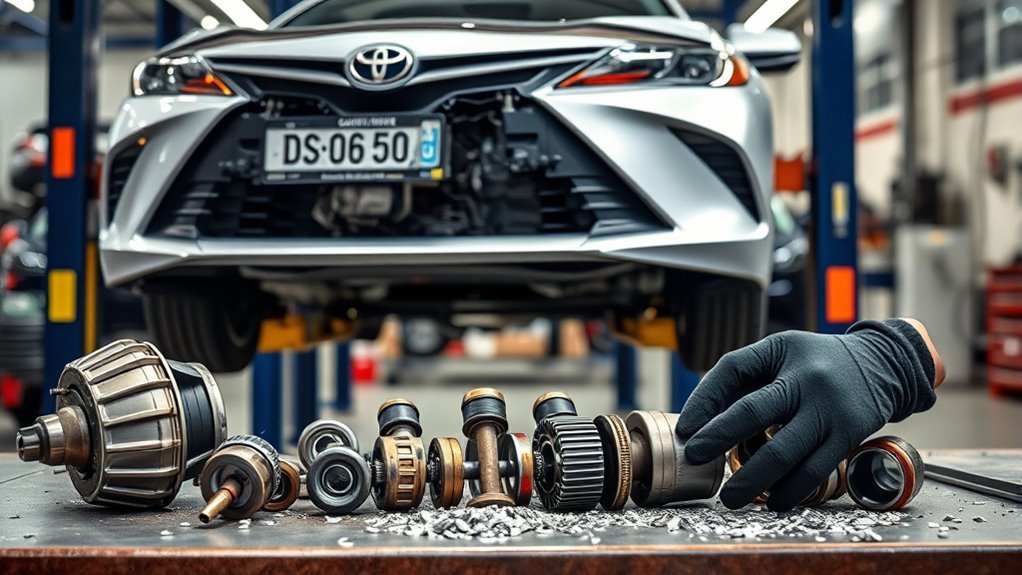
Camry transmissions are generally durable when properly maintained, but a buyer should rely on symptoms, records, diagnostic data, and leak inspection rather than reputation alone. During the test drive, check for delayed engagement from Park to Drive or Reverse, harsh shifts, slipping, flare between gears, shuddering, whining, or vibration under load.
- Older automatic Camrys: Ask for transmission-fluid service history and check for delayed engagement, leakage, or burnt-smelling fluid where the design allows safe inspection.
- 2012–2017 models: Confirm smooth low-speed operation and no shudder, shift flare, or harsh engagement.
- 2018–2024 gasoline models: Test both gentle and firm acceleration through the eight-speed automatic’s operating range. If shifts feel abnormal, ask a Toyota dealer whether updates, campaigns, or service guidance apply to the VIN.
- Hybrid models: Listen for unusual transaxle noise and scan the hybrid-control system for faults. Hybrid operation should feel smooth without conventional stepped gear changes.
- AWD models: Inspect the applicable transfer and rear-drive components for leakage, damage, and mismatched tires.
Toyota maintenance guides call for inspection of transmissions, transfer cases, and differentials for leakage and list additional fluid-service requirements under certain operating conditions. That makes underbody inspection important on higher-mileage vehicles. For symptom-specific guidance, see the Toyota Camry hard-shifting guide.
[Products Worth Considering]

This smart tire tread depth gauge provides quick, accurate readings from 0 to 1 inch in 1/32-inch increments, helping drivers assess tire wear with confidence. Its color-coded display makes it easy to see tread condition at a glance, while the pocket clip adds convenient portability for garages, glove boxes, and on-the-go inspections. Designed for use on trucks, motorcycles, automobiles, and other passenger vehicles, it is a simple tool for safer tire maintenance.
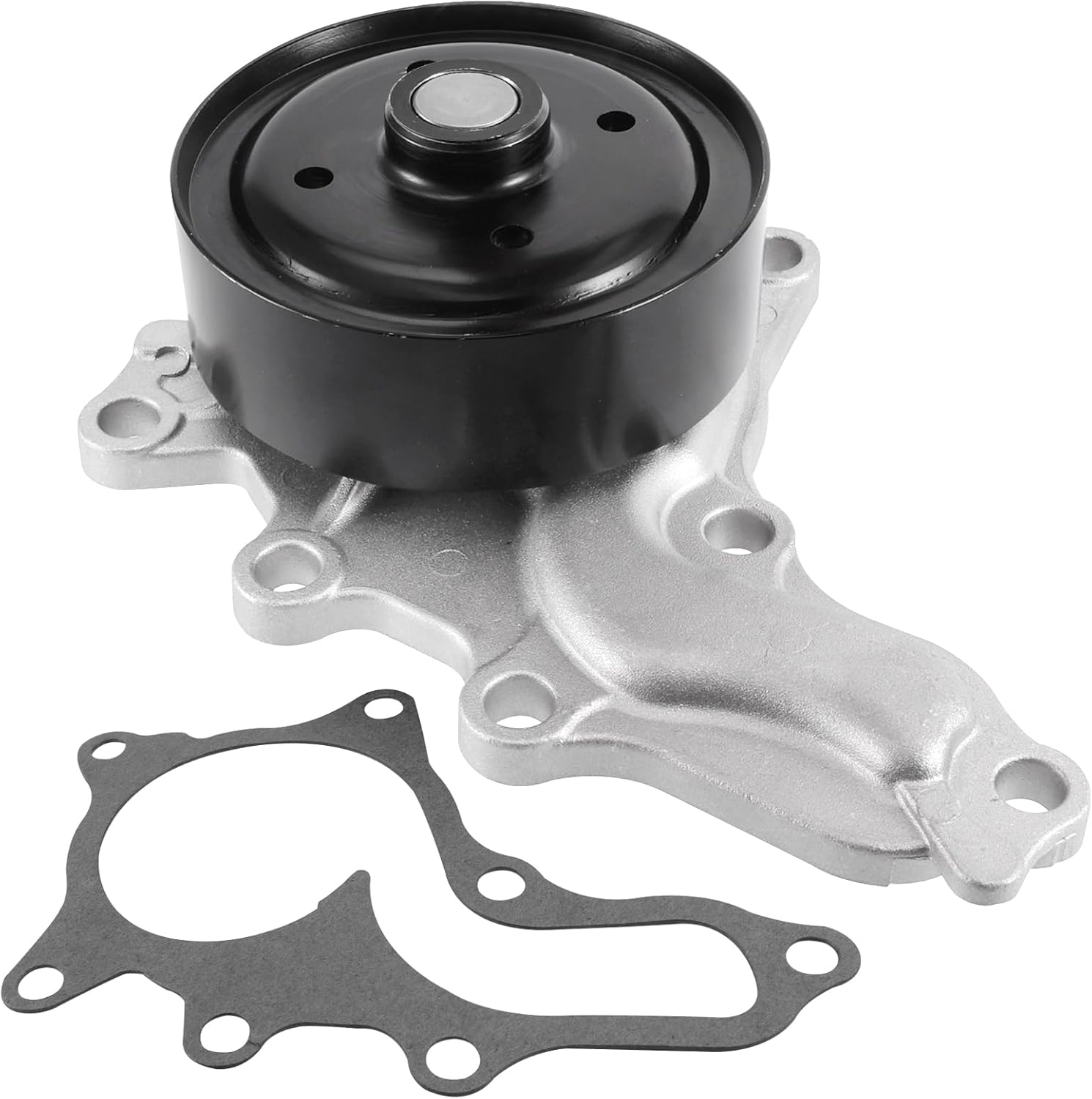
This AW6252 water pump is designed for a wide range of Toyota, Scion, and Lexus applications, helping maintain reliable engine cooling across compatible models. It features case hardened bearings for durability, a graphite-impregnated gasket for a secure seal, and 100% function and leakage testing for dependable performance. Built in TS16949 certified facilities, it offers a strong replacement option backed by service support.
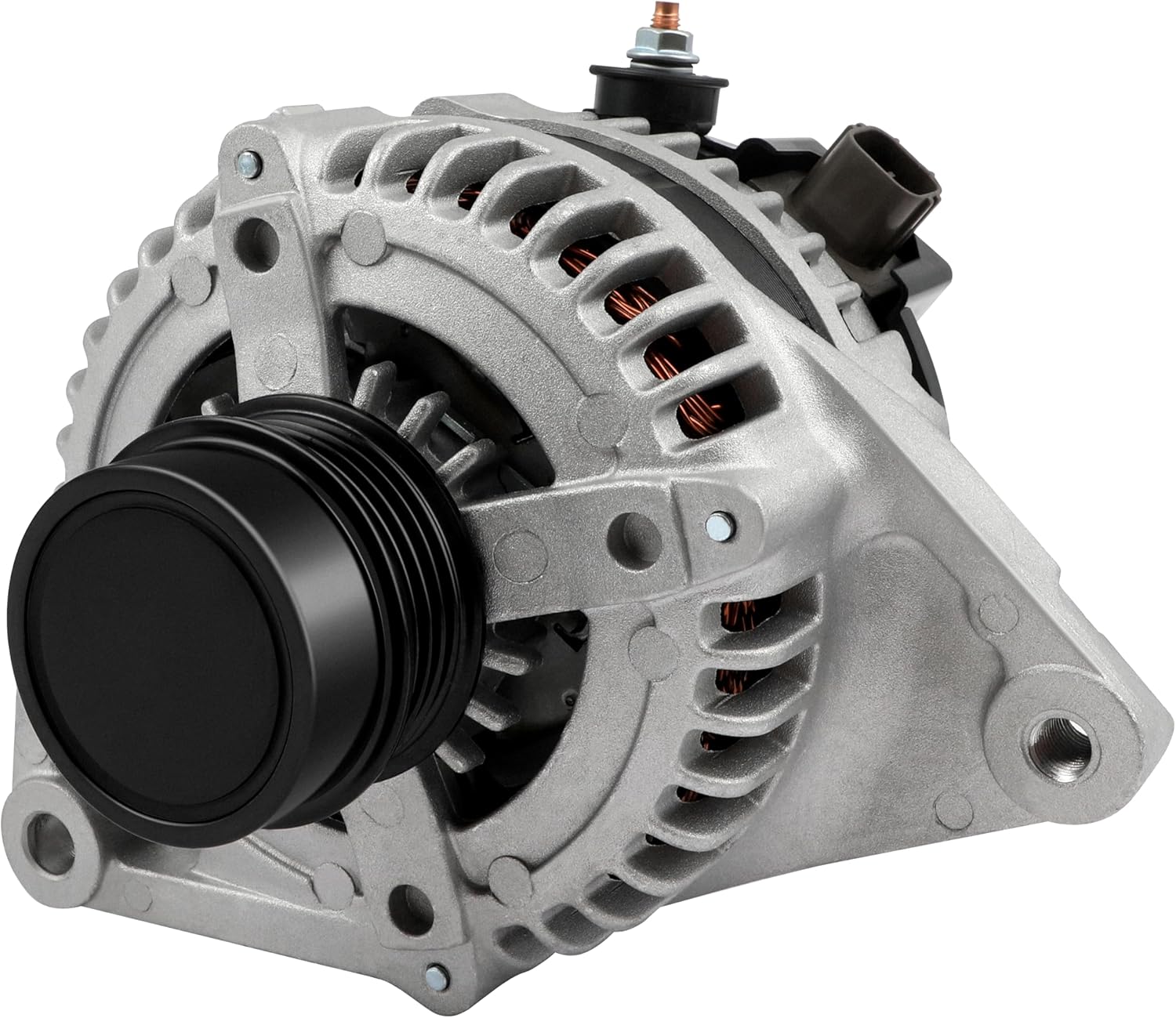
This high output alternator is designed to fit select Toyota, Scion, and RAV4 2.5L applications, delivering reliable charging performance for everyday driving. Built with a 12-volt, 100-amp design and precision-engineered components, it helps support battery recharge, stable electrical output, and consistent operation when your vehicle shows signs of charging issues.
Which Camry Electronics and Warning Lights Matter Most?
Electrical and sensor issues become more likely as heat, age, corrosion, and mileage affect components and wiring. Buyer-facing symptoms can include a check-engine light, rough idle, poor fuel economy, traction-control warnings, ABS lights, hybrid alerts, low battery voltage, or inconsistent throttle response.
Oxygen Sensors and Fuel Economy
Aging oxygen sensors can contribute to poor fuel trim, higher fuel use, and emissions-related codes. Do not replace a sensor based only on a code description. Inspect diagnostic data, wiring, exhaust leaks, and catalytic-converter performance before approving parts.
Throttle, ABS, and Stability-Control Inputs
Throttle, wheel-speed, steering-angle, and yaw-rate signals help the engine, transmission, ABS, and stability systems communicate. If several warning lights appear together, scan all relevant modules instead of checking only the engine computer.
12-Volt Battery and Ground Connections
A weak 12-volt battery or poor ground can create confusing warning lights, including on a hybrid. Test the battery and charging system before replacing expensive modules. The Camry charging-system warning guide explains the first checks.
How Well Do the Camry Body and Interior Age?
Body and interior condition depends heavily on climate, storage, previous repairs, and owner care. Inspect older Camrys for clearcoat fade, peeling paint, corrosion near wheel arches or underbody seams, water leaks, worn seals, dashboard rattles, and weak HVAC performance.
- Paint and rust: Inspect the roof, hood, trunk, wheel wells, rocker panels, suspension mounting areas, brake lines, and underbody.
- Interior noise: Drive over rough pavement and listen for dash, seat, rear-deck, and door-panel rattles.
- HVAC: Test heat, A/C, all fan speeds, blend-door operation, defrost, vent selection, and cabin odor.
- Comfort: Confirm the seat bolsters, headrests, lumbar adjustment, controls, and driving position work for you before buying.
What Maintenance Prevents Major Camry Failures?
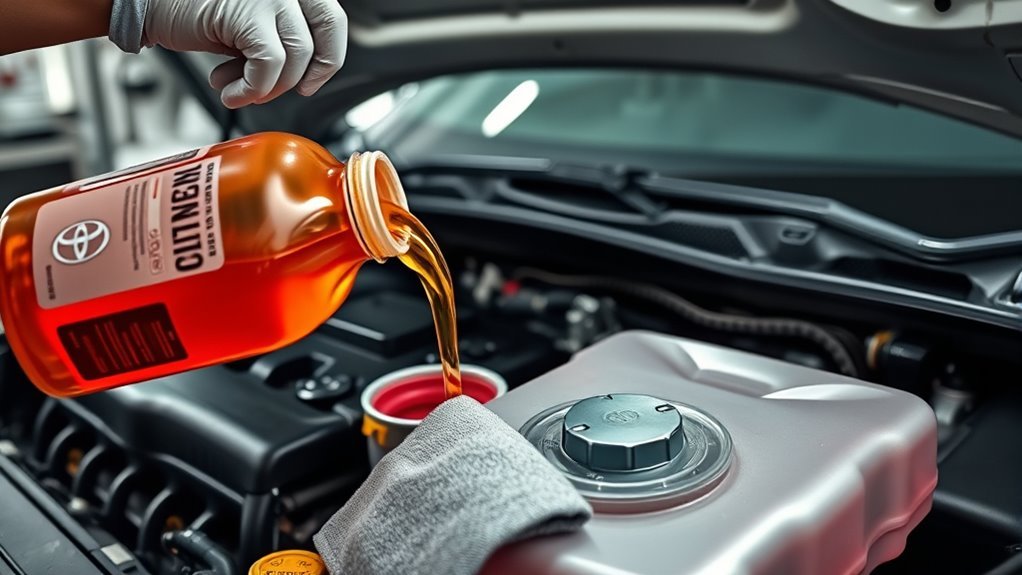
The correct maintenance plan is the warranty and maintenance guide for the exact model year, engine, drivetrain, and operating conditions. Do not apply one Camry interval to every generation. For a broader model-year breakdown, see the Toyota Camry service-interval guide.
Oil Service
The 2024 Toyota Camry Warranty & Maintenance Guide schedules a maintenance visit at 5,000 miles or six months. Under normal conditions, its engine-oil and filter replacement is listed at 10,000 miles or 12 months. Oil replacement is added to the 5,000-mile service under listed special conditions, including certain dusty-road, towing, heavy-load, short-trip, idling, or low-speed use.
Older model years and different engines may use different oil specifications and intervals. Follow the exact guide for the vehicle and shorten the interval only when its operating conditions or professional inspection justify it.
Cooling System
Overheating can ruin an otherwise reliable engine. Check service history and inspect the coolant level when the engine is cold, coolant condition, radiator tanks, hoses, thermostat operation, water pump, cooling fans, and heater performance. Never remove a radiator or pressurized coolant cap while the system is hot.
Transmission and Drivetrain Fluids
Do not assume “sealed” means the system never needs inspection. Check for leakage, abnormal shifting, noise, and the additional service requirements listed for special operating conditions. For a vehicle with unknown history, ask a qualified Toyota technician to recommend the appropriate service rather than ordering an aggressive flush without diagnosis.
Timing Belt vs. Timing Chain
Some older Camry engines use timing belts that must be replaced at the applicable interval. Many later engines use timing chains, which do not have the same routine belt-replacement schedule but still depend on correct oil, clean lubrication passages, and proper tensioner operation. Confirm the engine by VIN and ask for proof of timing-belt service where a belt applies.
Frequently Asked Questions
What makes the Toyota Camry so reliable?
The Camry benefits from mature powertrain designs, widely available parts, broad technician familiarity, and straightforward routine maintenance. Its reputation does not make every example safe to buy. Oil service, cooling-system care, transmission condition, rust, accident history, and inspection results still determine long-term reliability.
How many miles can a Toyota Camry last?
A well-maintained Camry can reach 200,000 miles, and some travel farther. Current iSeeCars data estimates a 164,028-mile average lifespan and a 26.9% chance of reaching at least 200,000 miles. These are population estimates, not a guarantee for an individual car.
Which Toyota Camry years should I avoid?
Do not reject every car from one year automatically. Inspect certain 2007–2009 Camry and 2007–2011 Camry Hybrid models with the 2AZ engine carefully for oil consumption and completed repair history. Any Camry with poor maintenance records, overheating, flood or structural damage, severe rust, active safety faults, or transmission slip should be treated as high risk.
Is the Toyota Camry Hybrid reliable?
Yes, a Camry Hybrid can be reliable and efficient when properly maintained. Check fuel economy, warning lights, cooling-air intake condition, inverter cooling operation, and hybrid diagnostic data. Starting with the 2020 model year, Toyota lists hybrid-battery coverage of 10 years or 150,000 miles, whichever comes first. Confirm remaining coverage by VIN.
What should I check before buying a high-mileage Camry?
Check oil and coolant records, transmission behavior, suspension noise, tire wear, brake condition, warning lights, leaks, rust, A/C performance, VIN history, recalls, and diagnostic data. Test the car from a cold start and pay for an independent pre-purchase inspection before buying.
Conclusion
The Toyota Camry remains a dependable long-term choice when you buy the individual car rather than its reputation. Start with well-kept 2012–2017 and 2018–2024 examples, understand that 2025-and-newer models are hybrid-only and still too new for long-term conclusions, and inspect affected 2AZ vehicles carefully. Before paying, run the VIN, confirm maintenance history, test the car cold and warm, and obtain an independent pre-purchase inspection.
Sources
- iSeeCars Toyota Camry Reliability — current lifespan, 200,000-mile probability, reliability score, and Camry Hybrid lifespan data.
- J.D. Power 2014 Toyota Camry Reliability — 2014 Camry Quality & Reliability score.
- Toyota ZE7 Warranty Enhancement Program via NHTSA — affected 2AZ vehicles, program limits, and oil-consumption procedures.
- FuelEconomy.gov 2018 Toyota Camry — official EPA and Department of Energy fuel-economy ratings.
- 2024 Toyota Camry Warranty & Maintenance Guide — Toyota maintenance visits, oil-service intervals, and special operating conditions.
- Toyota Hybrid Warranty Support — hybrid-component and hybrid-battery warranty information.
- Toyota 2025 Camry Information — hybrid-only powertrain and drivetrain configurations.
- Toyota 2024 Camry Information — 2018–2024-generation gasoline and hybrid powertrain choices.
- RepairPal Toyota Camry Reliability — broad annual repair and maintenance cost estimate.
- NHTSA Recall Lookup — VIN-based open safety-recall search.