
Finding your Toyota Camry’s paint code is the first step to ordering the right touch-up paint, matching a repaired panel, or confirming the original factory color. On most Camry models, the code is printed on the vehicle identification label in the driver-side door jamb. You only need the three-character color code, not the full VIN label text.
Quick Answer
To find a Toyota Camry paint code, open the driver’s door and check the VIN or certification label on the driver-side door jamb. Look for “C/TR.” The three characters after “C/TR” and before the slash are the exterior paint code, such as 1G3, 1J9, 218, 070, or 089.
Key Takeaways
- The most common Toyota Camry paint code location is the driver-side door jamb label.
- Toyota usually lists the exterior color under “C/TR,” where “C” means color and “TR” means trim.
- Use only the first three-character code before the slash, such as “1G3” in “C/TR: 1G3/FB22.”
- If the label is missing or damaged, use your VIN at a Toyota dealer or Toyota owner-support resource to confirm the factory color.
- Clean, lightly sand if needed, apply thin coats, and finish with clear coat when the paint system requires it.
At a Glance
| Time Required | 2–5 minutes to find the code; 30–90 minutes for a small touch-up job, not including full curing time |
| Difficulty | Beginner |
| Tools Needed | Flashlight, phone camera, microfiber cloth, matching touch-up paint, fine applicator, wax and grease remover, and clear coat if required |
| Cost | Usually low for a touch-up pen or bottle; higher if a body shop must blend a panel |
Where to Find Your Toyota Paint Code
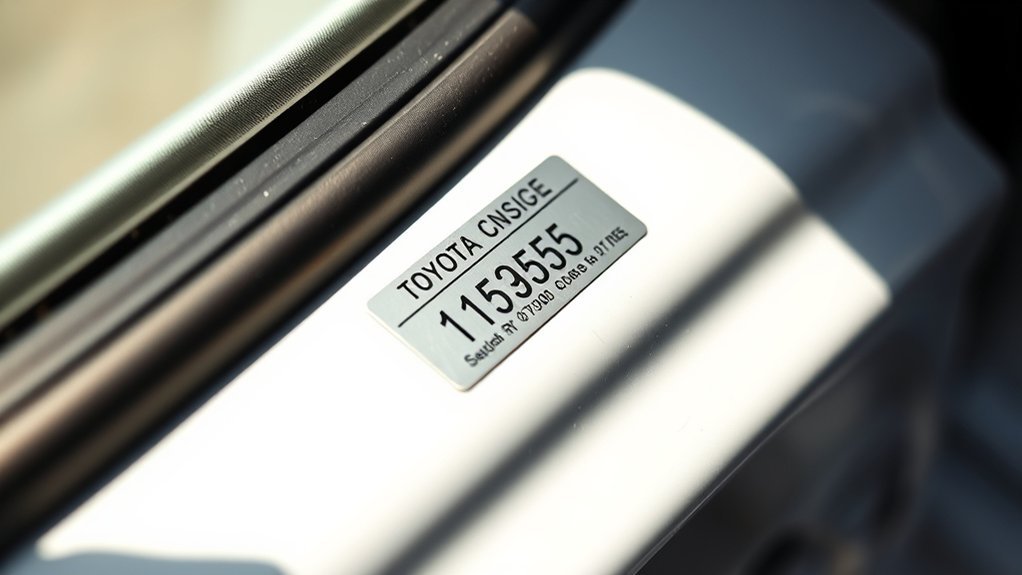
The best place to find your Toyota Camry paint code is the identification label inside the driver-side door jamb. Open the driver’s door and look along the pillar or door-frame area for a white, silver, or black label that includes the VIN, barcode, manufacturing information, and Toyota color/trim information.
On many Camry labels, the paint information appears beside or below the letters C/TR. The paint code is the first three-character code after that label. Toyota’s official parts site also lets owners shop paint maintenance products and touch-up paint by vehicle, VIN, or compatible paint color, which helps reduce ordering mistakes.
Note: The dashboard VIN plate, registration, and insurance card can confirm the VIN, but they usually do not show the Toyota paint code directly. The door-jamb label is usually faster for paint matching.
Understand the C/TR Prefix in Paint Codes
The “C/TR” line helps Toyota identify both the exterior color and the interior trim. The “C” refers to the exterior color code, while “TR” refers to the interior trim code. For touch-up paint, the part you need is the exterior color code.
Importance of C/TR Prefix
Understanding the C/TR line prevents one of the most common paint-ordering mistakes: confusing the trim code with the color code. In a code such as C/TR: 1G3/FB22, the paint code is 1G3. The trim code is FB22, which is not the exterior paint color.
| Label Part | What It Means | Example |
|---|---|---|
| C | Exterior color code | 1G3 |
| TR | Interior trim code | FB22 |
| Location | Driver-side door jamb label | VIN/certification label |
| Use | Ordering touch-up paint or matching a repair | Paint pen, bottle, aerosol, or body-shop mix |
Identifying Paint Code Format
Toyota paint codes are commonly three characters long and can include numbers, letters, or both. Examples include 040, 070, 089, 1G3, 1J9, 218, and 3T3. Copy the code exactly, including any leading zero.
For example, if your Camry label says C/TR: 1G3/FB22, the exterior paint code is 1G3, which Toyota sells as Magnetic Gray touch-up paint through its official parts catalog. If the code says C/TR: 070/FA20, the paint code is 070, not FA20.
Common Misunderstandings Explained
Many owners read the whole C/TR line as one long paint code. That can lead to the wrong order. The paint supplier or Toyota parts counter usually needs only the three-character exterior code, plus your vehicle year and model when available.
Pro Tip: Take a clear photo of the entire door-jamb label before ordering paint. If the code is hard to read, a Toyota dealer can often confirm the factory color with your 17-character VIN.
How to Read the VIN Tag for Your Paint Code
Reading the VIN label is simple once you know which line matters. You are not decoding the VIN itself for the paint code; you are using the same label because Toyota prints color and trim information on it.
Locate VIN Tag Position
Open the driver’s door fully and look at the door jamb or B-pillar area. The label may sit on the body pillar, the door edge, or the lower jamb depending on model year and market. Use a flashlight if the label is shaded or dirty.
Identify Barcode Location
The VIN label often includes a barcode and a 17-character VIN. Near that information, look for the C/TR line. The exact placement can vary, so scan the whole label rather than looking only under the barcode.
Decode Paint Code Details
Once you find the C/TR line, use this rule: the paint code is the three-character code before the slash. The code after the slash is the trim code.
- Find the label marked C/TR.
- Read the three characters after it.
- Stop at the slash.
- Copy the code exactly.
- Confirm the code with your VIN, dealer, or paint supplier before ordering.
Example: C/TR: 1J9/FA10 means the exterior paint code is 1J9, commonly used for Celestial Silver Metallic. The FA10 portion is interior trim information, not touch-up paint.
Common Toyota Camry Paint Codes and Their Colors
Toyota Camry colors vary by model year, trim, region, and special edition, so always use the code on your own vehicle. Still, these are common Toyota paint codes many Camry owners may see:
| Paint Code | Common Toyota Color Name | Notes |
|---|---|---|
| 040 | Super White | Common solid white on older Toyota models |
| 070 | Blizzard Pearl / White Pearl Crystal Shine | Pearl finish; may require base coat and pearl/clear steps |
| 089 | Wind Chill Pearl | Pearl finish used on many late-model Toyotas |
| 1G3 | Magnetic Gray Metallic | Common gray metallic Toyota color |
| 1J9 | Celestial Silver Metallic | Common silver metallic Toyota color |
| 218 | Midnight Black Metallic / Attitude Black | Black metallic Toyota color; name can vary by market or part listing |
| 3T3 | Ruby Flare Pearl | Red pearl finish; may need careful blending |
| 8Q4 | Reservoir Blue | Used on some newer Toyota finishes |
Color names can overlap or change across years, but the code is the most important identifier. A Toyota Genuine paint listing, for example, may show both the color name and the Toyota part number, while a body shop may use the same code to mix refinish paint from its own paint system.
Ordering Touch-Up Paint: Key Tips
Once you have the code, order paint from a Toyota dealer, Toyota’s official parts site, or a reputable automotive paint supplier. Enter your vehicle year, make, model, and paint code whenever possible. If the paint supplier asks for a VIN, provide it to help confirm the exact factory finish.
- Use the paint code, not only the color name. “White,” “silver,” or “black” is not specific enough.
- Check whether the finish is solid, metallic, or pearl. Pearl colors may need more than one paint layer.
- Match the repair size to the product. Pens and bottles work for chips; aerosols suit larger small areas; body shops are better for panels.
- Buy clear coat if the system requires it. Many modern finishes need clear coat for gloss and protection.
- Test first. Apply a tiny amount on a hidden area or test card before touching the visible panel.
Warning: Automotive touch-up paint can contain solvents and other hazardous materials. Use it in a well-ventilated area, keep it away from flame or heat, wear gloves and eye protection, and follow the label directions.
[Products Worth Considering]

Meguiar's Ultimate Ceramic Coating Kit delivers durable paint protection with enhanced gloss, slickness, and impressive water beading for easier washing and drying. Its spray-on, wipe-off application makes it simple to use, while helping conceal light defects and adding protection to glossy paint, trim, decals, paint protection film, and wheels.

These PIC AUTO floor mats combine durable rubber with decorative aluminum film for dependable all-weather interior protection and a stylish look. The trim-to-fit design helps create a customized fit for many vehicles, while the anti-slip backing keeps the mats securely in place during everyday driving. They are also easy to clean, making them a practical choice for keeping your vehicle interior neat and protected.

This car seat gap filler organizer helps prevent phones, keys, coins, and other small items from falling into the gap between your seat and center console. It adds convenient storage without reducing legroom, fits most vehicles with common seat gap sizes, and stays securely in place as seats move. The premium leather look, reversible design, and cord passthrough holes make it a practical and polished interior upgrade for everyday driving.
Troubleshooting Common Paint Code Issues
Paint-code problems usually come from a damaged label, a misread character, previous bodywork, or normal paint aging. Here is how to handle the most common situations.
Label Is Missing or Damaged
If the door-jamb label is missing, faded, or unreadable, contact a Toyota dealer or Toyota support with your VIN. Toyota’s owner resources and official support channels can help owners access manuals, vehicle information, dealer support, and parts help for U.S.-market vehicles.
The Code Has a Leading Zero
Copy leading zeros exactly. For example, 040 and 40 should not be treated the same when ordering paint. Toyota paint codes are short, so one missing character can point to the wrong formula.
The Bumper Does Not Match the Body Perfectly
Slight color differences between plastic bumpers and metal body panels can happen even with factory paint. Different materials, paint thickness, angle, lighting, and aging can change how the color looks. For a perfect repair on a bumper or large panel, a body shop may need to blend the surrounding area rather than simply paint one spot.
The Touch-Up Paint Looks Too Light or Too Dark
Factory paint fades from sun, weather, washing, and age. Even if the code is correct, a new touch-up product may look slightly different on an older Camry. Shake the paint thoroughly, apply thin coats, let it dry fully, and check the color in daylight before adding more paint.
You Have a Two-Tone or Special Finish
Some Toyota finishes use more than one layer, such as a base coat plus pearl coat and clear coat. Others may have contrast-color roofs, accessories, or trim pieces. Confirm which painted area you are repairing before ordering.
How to Apply Touch-Up Paint Correctly
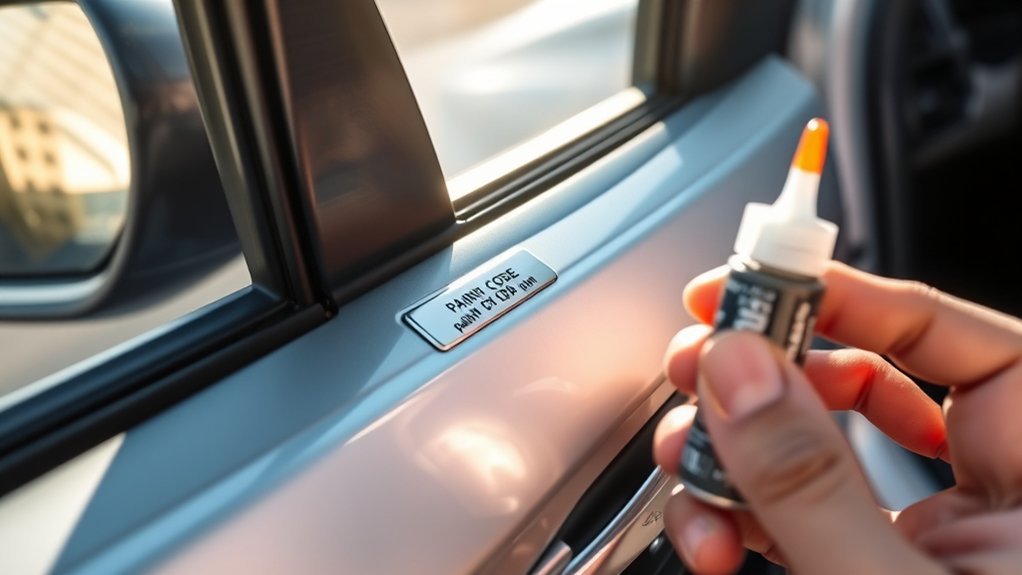
After identifying your Toyota Camry’s paint code, the next step is careful application. Touch-up paint works best on small chips, narrow scratches, and tiny exposed spots. If the damage is dented, rusted, peeling, or larger than a small scratch, a professional repair is usually the better choice.
[Products Worth Considering]

This heavy-duty tire repair kit provides a convenient way to fix tubeless punctures on the road or in the garage. It includes durable T-handle tools, two plug sizes, and a compact storage bag for easy carrying and quick access. Designed for a wide range of vehicles, it helps make emergency tire repairs simpler and more reliable.

Adam's Advanced Graphene Ceramic Coating delivers long-lasting protection for your vehicle with a durable 10H-rated surface that helps defend against weather, chemicals, UV exposure, and everyday grime. Its patented UV tracing technology makes application easier and more precise, while the slick, high-gloss finish enhances depth of color and repels water for easier maintenance.

【Excellent Color Match】:The car touch-up paint Midnight Black Metallic is specially designed for Toyota series and exact match for Avalon/RAV4/Camry/Corolla/Highlander/Prius/Sequoia/Sienna/Tacoma.Meticulously crafted to minimize color differences and effectively conceal scratches
Clean the Damaged Area
Wash the area with car-safe soap and water, then dry it fully. Use wax and grease remover if the paint manufacturer recommends it. Paint will not bond well to wax, road film, polish, or dirt.
Remove Loose Paint or Rust
If the chip has loose edges, gently remove flaking paint. If you see rust, treat it before painting. Painting over rust may hide the spot for a short time, but it will not stop corrosion from spreading.
Shake and Test the Paint
Shake the bottle, pen, or aerosol as directed on the label. Test the color on a card or hidden spot first. Metallic and pearl finishes need thorough mixing because the particles can settle.
Apply Thin Coats
Use a fine brush, pen tip, or micro-applicator. Add a small amount of paint directly into the chip rather than brushing far beyond the damaged area. Several thin coats look better than one thick blob.
Allow Proper Drying Time
Let each coat dry according to the product instructions. Many small touch-ups need at least 20–30 minutes between coats, but temperature, humidity, and paint type can change drying time.
Finish With Clear Coat if Needed
If your touch-up kit includes clear coat or the color requires it, apply clear coat after the color coat has dried as directed. Clear coat improves gloss and helps protect the repair.
Pro Tip: For a neat chip repair, use the smallest applicator that fills the chip. A toothpick-style applicator often gives better control than the brush built into a bottle.
When to Use a Body Shop Instead of Touch-Up Paint
Touch-up paint is best for small cosmetic repairs. Use a body shop if the damage covers a large area, crosses several panels, includes deep scratches through primer, has rust, affects a plastic bumper, or needs a color blend. Professional refinishing is also better for pearl and metallic colors when the repair is highly visible.
The right Toyota paint code gets you the correct formula, but the final match still depends on surface prep, application technique, lighting, paint age, and whether the repaired panel needs blending.
[Products Worth Considering]

【Excellent Color Match】:The car touch-up paint Celestial Silver Metallic is specially designed for Toyota series and exact match for Avalon/RAV4/Camry/Corolla/Highlander/Prius/Sequoia/Sienna/Tacoma.Meticulously crafted to minimize color differences and effectively conceal scratches
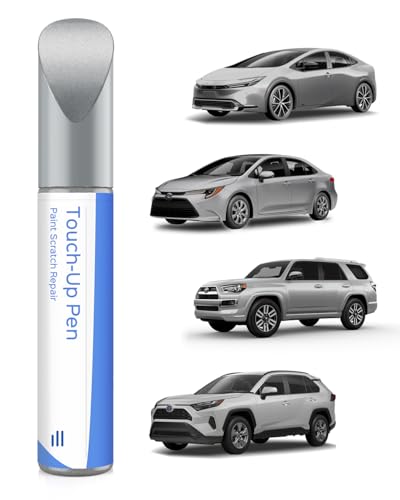
Make Scratches Disappear:This pen is compatible with Toyota models and is designed to repair various paint chips and scratches, restoring your car's original allure.With its precise color matching, the pen seamlessly blends with your car's existing paint, delivering a flawless repair.

OEM color match: Formulated to match the original factory-applied automotive coating on compatible import and domestic vehicles
Frequently Asked Questions
How do I find the paint code on a Toyota Camry?
Open the driver’s door and look for the VIN or certification label on the driver-side door jamb. Find the line marked “C/TR.” The first three characters after that label and before the slash are the paint code.
What does C/TR mean on a Toyota label?
C/TR means color and trim. The “C” side identifies the exterior paint color, while the “TR” side identifies the interior trim. For touch-up paint, use the three-character color code before the slash.
Can I find my Toyota Camry paint code by VIN?
Yes. If the door-jamb label is missing or unreadable, a Toyota dealer or Toyota owner-support resource can often confirm the original factory color using the 17-character VIN. This is safer than guessing from photos or color names.
Is the trim code part of the paint code?
No. In a label such as “C/TR: 1G3/FB22,” the paint code is 1G3. The code after the slash, FB22, is interior trim information and should not be used to order exterior paint.
Why does my touch-up paint not match perfectly?
Even with the correct code, older paint can fade from sunlight and weather. Metallic and pearl paints can also look different depending on angle and lighting. For large or highly visible damage, a body shop may need to blend the repair.
Do Toyota pearl colors need clear coat?
Many Toyota pearl and metallic finishes use a base coat and clear coat, and some pearl finishes may use an additional mid-coat. Follow the instructions for the exact touch-up kit you buy, because the needed layers can vary by color.
Conclusion
Your Toyota Camry paint code is usually easy to find once you know where to look. Open the driver’s door, check the door-jamb VIN label, and read the three-character code before the slash on the C/TR line. Use that code, along with your year and model, when ordering touch-up paint. For small chips, careful cleaning and thin coats can improve the look; for large, rusted, or highly visible damage, a professional blend is the safer choice.
Sources
- Toyota Genuine Touch-Up Paint category — supports Toyota touch-up paint ordering through the official Toyota parts catalog.
- Toyota Magnetic Gray 1G3 touch-up paint — confirms a real Toyota paint-code example and official paint listing format.
- Toyota Celestial Silver Metallic 1J9 touch-up paint — confirms another common Toyota paint-code example.
- Toyota Owners Manuals and Warranties — supports using Toyota owner resources for vehicle information and documentation.
- Toyota Contact Us — supports contacting Toyota or a dealer for owner assistance when the label is missing or unreadable.
- NHTSA VIN Decoder — supports the 17-character VIN explanation and VIN-based vehicle identification.



[…] characters. The ZKG colors are 070 Blizzard Pearl and 040 Super White. See the guide on how to find your Toyota Camry paint code if you need help reading the C/TR […]