
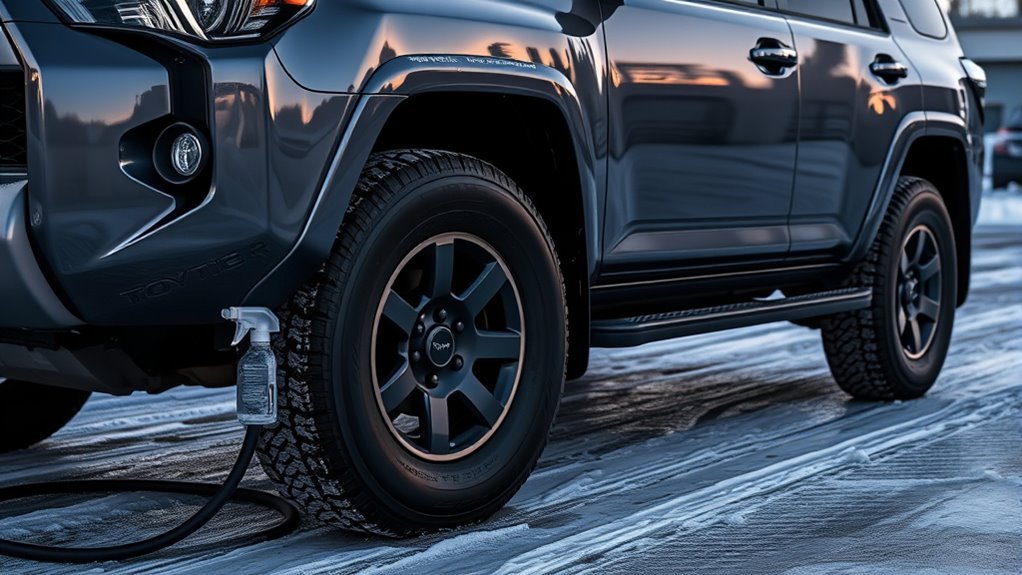
Winter road salt and liquid brine can be brutal on a Toyota 4Runner, especially around the frame rails, wheel wells, rocker panels, skid-plate areas, suspension mounts, brake lines, and rear bumper supports. The best protection is not one product by itself. It is a repeatable routine: rinse early, wash correctly, neutralize heavy salt exposure, repair paint chips, and use the right protective coating for the area you are protecting.
Quick Answer
To protect a 4Runner from winter salt and brine, wash it at least every two weeks in salt season and sooner after heavy exposure. Rinse the undercarriage, wheel wells, rocker panels, and frame openings, use a road-salt neutralizer when needed, touch up chips quickly, and apply lanolin/oil-based underbody protection or paint protection before winter.
Key Takeaways
- Road salt and brine need moisture to do their worst damage, so quick rinsing and drying matter.
- Focus on hidden salt traps: frame rails, skid plates, wheel wells, rocker seams, suspension mounts, brake lines, fuel lines, and the backside of bumpers.
- Use salt neutralizer after heavy exposure, but always follow the product label and rinse thoroughly.
- Lanolin/oil undercoatings protect the underbody; waxes and ceramic coatings protect painted panels but do not replace undercarriage care.
- Fix paint chips before winter salt reaches bare metal and starts rust under the surrounding paint.
At a Glance
| Time Required | 20–45 minutes for a salt rinse and wash; 2–4 hours for deep cleaning, chip repair, and coating prep |
| Difficulty | Easy for rinsing and washing; moderate for touch-up paint and DIY undercoating |
| Tools Needed | Garden hose or pressure washer, underbody wand, foam cannon or pump sprayer, pH-neutral car soap, wash mitts, wheel brush, microfiber towels, salt neutralizer, touch-up paint, and rust inhibitor |
| Cost | About $10–$60 for routine DIY washing supplies; more for ceramic coating, professional detailing, or full underbody treatment |
Why Salt and Brine Wreck 4Runners

Road salt and liquid brine are effective for winter road safety, but they create a harsh corrosion environment for vehicles. Chloride salts mix with water and cling to metal seams, brackets, frame pockets, fasteners, and suspension parts. Once moisture, oxygen, and chloride residue sit on exposed steel, rust can start faster than it would on clean, dry metal.
A 4Runner has several places where salty slush can hide: the boxed and semi-boxed frame sections, skid plates, rear axle area, lower control arms, brake and fuel line routing, rocker panel seams, body mounts, and the backside of the rear bumper. Plastic liners and skid plates can also trap salt behind them, so a quick spray on the painted body is not enough.
Salt damage is usually a hidden problem first. By the time bubbling paint, seized bolts, or flaking frame rust are obvious, the salt has often been sitting in seams and pockets for months.
Temperature also matters, but not in the simple “above 30°F” way many people repeat. Sodium chloride becomes less practical as pavement temperatures drop, while magnesium chloride and calcium chloride brines can work at lower temperatures. For your 4Runner, the important point is simpler: if salty residue is wet or becomes wet again during a thaw, it can continue feeding corrosion until you rinse it away.
When to Wash: Timing and Frequency
During winter, wash your 4Runner at least every two weeks if you drive on salted roads. After a heavy storm, a long highway drive behind salt trucks, beach/salt-air exposure, or a visible white salt film on the body, rinse it sooner. The best time is as soon as practical when temperatures are above freezing so water does not turn into ice around brakes, doors, steps, or your driveway.
| Condition | Recommendation |
|---|---|
| Normal winter driving on salted roads | Wash at least every two weeks |
| Heavy salt, brine, slush, or highway exposure | Rinse as soon as practical, ideally within a few days |
| After the last winter storm | Do a full underbody rinse, decontamination wash, and inspection |
Note: A touchless car wash with an underbody spray is better than doing nothing, but it does not replace a careful seasonal cleaning of wheel wells, rocker seams, frame openings, and skid-plate areas.
How to Wash Your 4Runner for Salt Removal
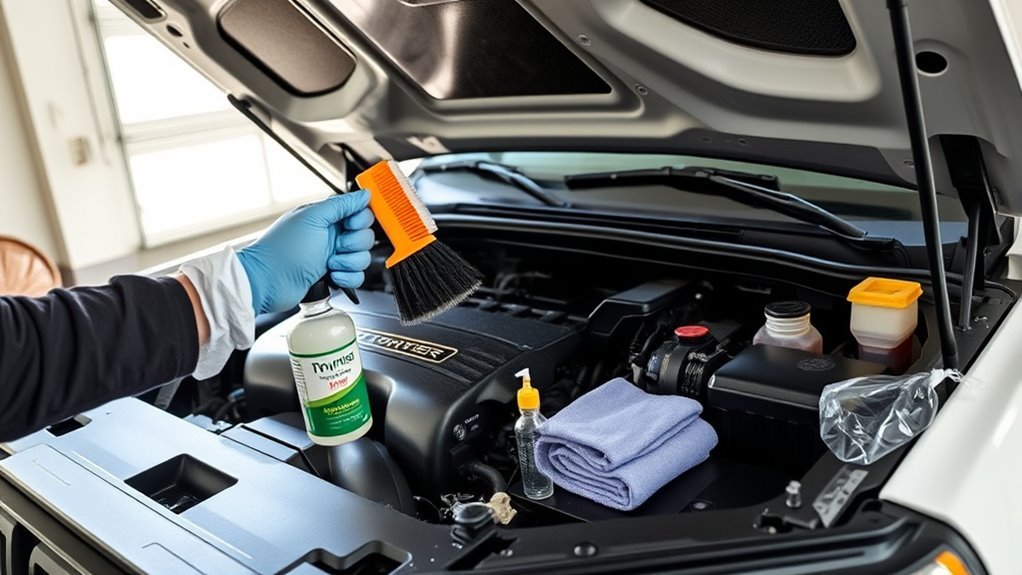
Start with a rinse before you touch the paint. Salt crystals, sand, and grit can scratch the clear coat if you drag them across the surface with a mitt. Work from the top down for the painted body, then spend extra time underneath and around the wheel wells.
- Pre-rinse the body: Use a hose or pressure washer to flush loose salt from the roof, glass, hood, doors, liftgate, bumpers, and lower panels.
- Flush the underbody: Use an undercarriage wand or underbody spray at the frame rails, crossmembers, suspension mounts, wheel wells, skid plates, and rear bumper area.
- Foam and dwell: Apply pH-neutral car soap with a foam cannon or sprayer and let it loosen grime. Do not let soap dry on the paint.
- Hand wash safely: Use the two-bucket method with a clean mitt. Wash upper panels first, then lower rocker panels and bumpers last.
- Clean wheels and wells: Use dedicated wheel tools, not the same mitt used on paint. Salt and brake dust are abrasive.
- Final rinse: Rinse until runoff looks clear, especially behind mud flaps, in wheel-well liners, around tow points, and under skid plates.
- Dry and inspect: Dry painted surfaces with microfiber towels. If conditions allow, drive briefly to help clear water from brakes and low pockets.
Warning: Keep high-pressure spray away from close range on door seals, electrical connectors, sensors, torn boots, damaged paint, and peeling undercoating. Let hot exhaust parts cool before rinsing or applying any chemical.
If you use a pressure washer, use a wide fan tip and keep a safe distance from the paint. The goal is to move salt and grit away, not blast seals, coatings, or trim. In the undercarriage, use controlled passes and avoid forcing water directly into sensitive electrical connectors.
Eastwood Road Salt Neutralizer: When and How to Rinse
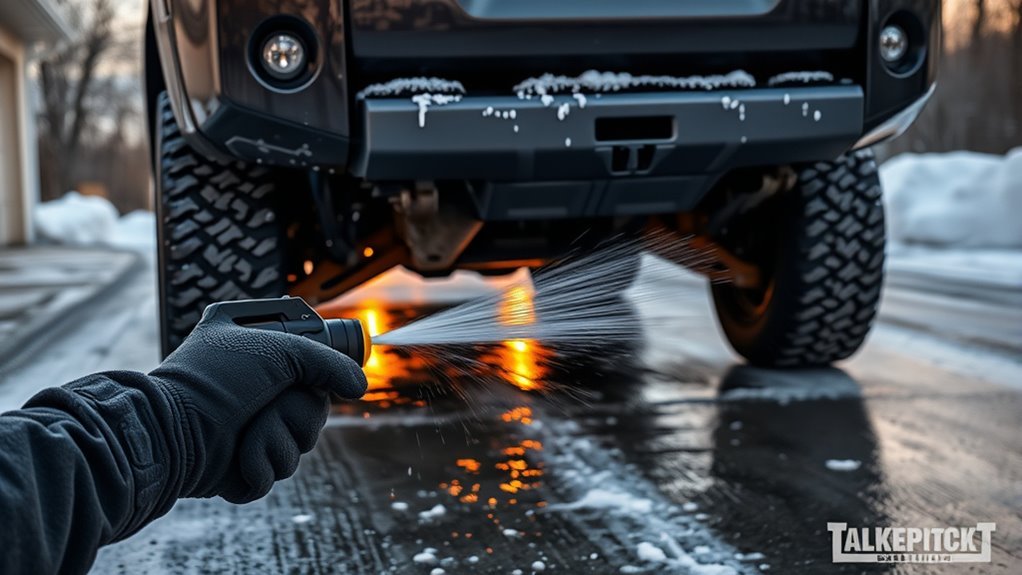
A road-salt neutralizer can help after heavy salt or brine exposure, especially when residue is packed into wheel wells, rocker seams, frame areas, and the undercarriage. Eastwood’s product instructions call for mixing 6 ounces of Road Salt Neutralizer with 1 gallon of warm water, applying it to the surface, allowing about five minutes of dwell time, and rinsing it off with water.
[Products Worth Considering]

Turtle Wax Hybrid Solutions Ceramic Spray Wax Coating delivers long-lasting ceramic protection, a deep glossy shine, and strong water repellency for easier maintenance. Its spray-and-buff formula is simple to apply on exterior surfaces, helping protect paint from dirt, UV rays, and road contaminants while keeping your vehicle looking cleaner between washes.

This wide mouth foam cannon makes car washing easier by helping you mix soap quickly and produce thick, adjustable foam for a deeper clean. Its stable bottle design, durable brass and stainless steel connectors, and adjustable spray settings help improve coverage while reducing swirl marks during washing. Compatible with electric and gas pressure washers, it is built for reliable performance and everyday detailing.

This pressure washer gun and foam cannon combo is designed for efficient vehicle and outdoor cleaning with strong spray control and quick-change convenience. It connects to compatible pressure washer hoses and includes multiple nozzle tips plus an adjustable snow foam lance for washing cars, motorcycles, driveways, siding, and more. Built for flexible detailing and deep cleaning, it helps create thick foam and targeted spray patterns for better results.
When to Apply
Use neutralizer after visible salt, brine spray, or ice-melter exposure. It is most useful after a storm, after a long drive on treated highways, before a deeper wash, or during a post-winter cleanup. Apply it to the areas where salt actually collects: wheel wells, lower doors, rocker panels, frame rails, suspension mounts, skid-plate edges, and the rear bumper backside.
Do not treat neutralizer as a magic shield. It is part of the wash process, not a replacement for rinsing, drying, chip repair, or underbody protection.
Rinse Timing Guidelines
Let the neutralizer dwell long enough to work, then rinse thoroughly. For Eastwood Road Salt Neutralizer, follow the five-minute dwell direction on the product instructions. Waiting too long can allow residue to dry on the surface, especially in sun, wind, or low humidity.
- Mix: Use the product-label ratio. For Eastwood, that is 6 ounces per gallon of warm water.
- Apply: Spray or sponge onto salt-exposed areas, starting with the lower body and undercarriage.
- Dwell: Wait about five minutes unless the label says otherwise.
- Rinse: Use a steady rinse from top to bottom, then spend extra time on wheel wells and the underbody.
Proper Rinsing Technique
Use volume, not just pressure. A high-flow hose or underbody sprayer can move salt out of pockets better than a narrow pressure stream used too close. Work in overlapping passes and rinse the same salt traps from more than one angle.
Pro Tip: If your 4Runner has skid plates, rinse along their edges and openings. Skid plates can catch salty slush above them, so spraying only the visible bottom surface can leave residue trapped on top.
Compare Protective Coatings for Your 4Runner
The best coating depends on the surface. Painted body panels need wax, sealant, paint protection film, or ceramic coating. The underbody needs a product designed for exposed metal, seams, and fasteners. Do not use one product everywhere.
[Products Worth Considering]

This foam cannon is designed for pressure washers and delivers thick cleaning foam to help lift dirt, grime, and mud before you scrub. It features a 1/4-inch quick connect fitting, adjustable foam output, and a rotating nozzle for flexible coverage on vehicles and outdoor surfaces. The wide-mouth 1-liter bottle and durable brass and metal components make it a practical choice for regular detailing and home cleaning tasks.

Meguiar's Ultimate Ceramic Coating Kit delivers durable paint protection with enhanced gloss, slickness, and impressive water beading for easier washing and drying. Its spray-on, wipe-off application makes it simple to use, while helping conceal light defects and adding protection to glossy paint, trim, decals, paint protection film, and wheels.
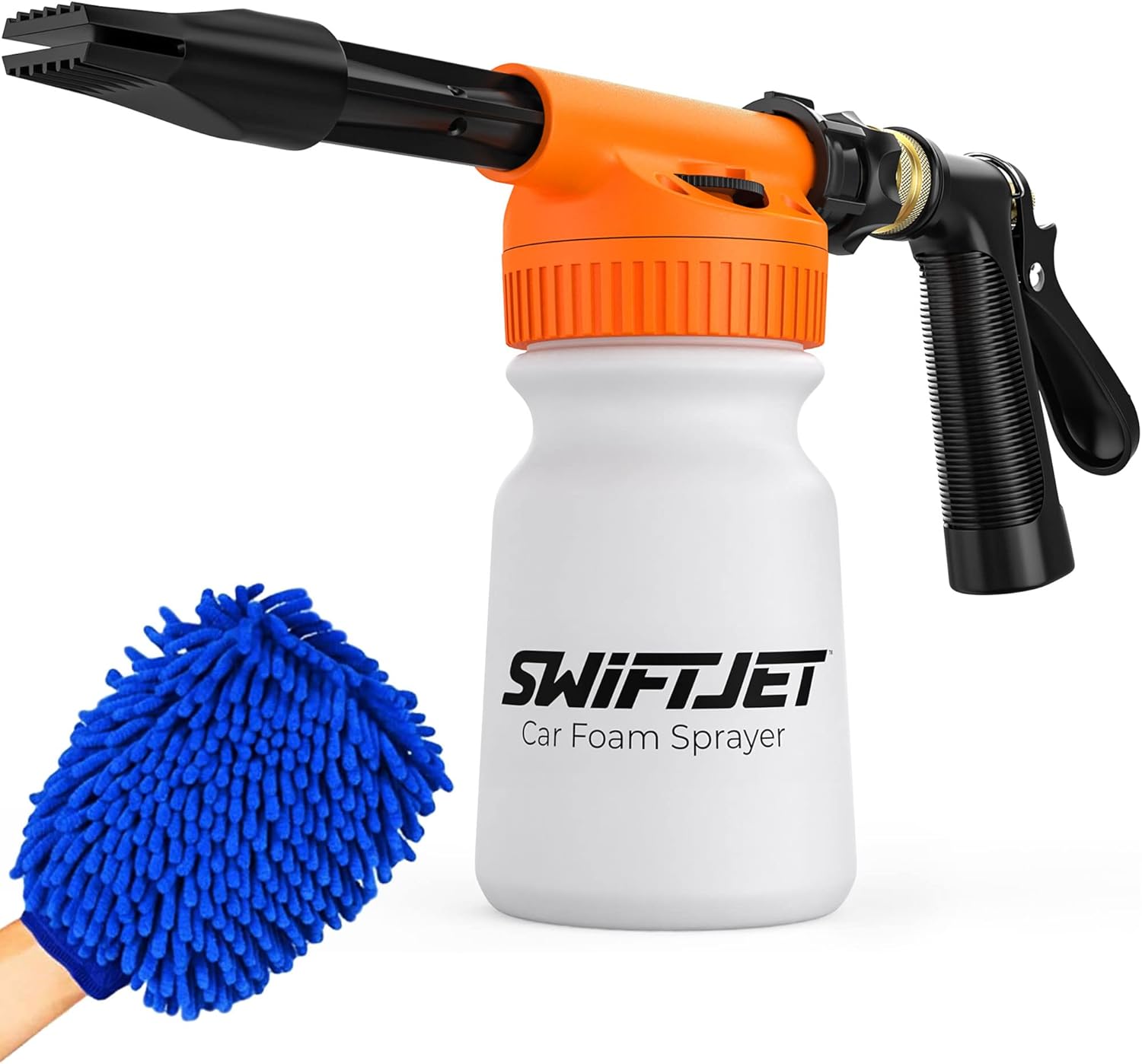
The SwiftJet Car Wash Foam Gun turns a standard garden hose into a powerful foam blaster for easier home car cleaning without a pressure washer. It produces thick, lubricating foam to help lift dirt and reduce scratches and swirl marks while giving you adjustable foam control for everything from light rinses to deep cleans. The included microfiber wash mitt adds extra convenience for a faster, more effective wash on cars, trucks, wheels, glass, and trim.
Fluid Film vs. Woolwax
Fluid Film is a lanolin-based corrosion preventive and lubricant. It stays oily and non-drying, which helps it creep into seams and resist cracking. It is popular for DIY undercarriage protection because aerosols and bulk spray options are widely available.
Woolwax is also lanolin-based, but it is thicker and more resistant to wash-off. Woolwax says its product remains soft and pliable and that exposed undercarriage areas should be retreated as needed based on use and region. In heavy salt states, many owners inspect and touch up yearly even when the product lasts longer in protected areas.
| Product Type | Best For | Main Tradeoff |
|---|---|---|
| Fluid Film | DIY underbody protection, seams, fasteners, and touch-ups | Can wash off faster in exposed areas and may need more frequent touch-ups |
| Woolwax | Longer-lasting underbody protection in high-salt areas | Thicker application may require better spray equipment |
| Wax or paint sealant | Painted body panels before winter | Needs reapplication and does not protect the frame |
| Ceramic coating | Longer paint protection, easier washing, and stronger water beading | Requires careful prep and does not stop underbody rust by itself |
Wax vs. Ceramic Coatings
Wax is simple, affordable, and easy to refresh before and during winter. It helps reduce how strongly salt film sticks to paint, but it wears down from washing, road grime, and abrasion.
Ceramic coatings bond more durably to properly prepared paint and make winter grime easier to rinse away. Some professional-grade coatings advertise multi-year protection, but durability depends on prep, product, installer skill, wash habits, and climate. A ceramic coating helps the painted panels; it does not protect exposed steel under the 4Runner.
Undercoating and Neutralizers
Use neutralizer to clean after salt exposure. Use undercoating or rust inhibitor to add a barrier after the surface is clean and dry. Do not spray coatings over packed mud, wet salt, loose scale, or active flaking rust and expect a good result.
Warning: Never apply lanolin, oil, wax, or rubberized coating to brake rotors, brake pads, tire tread, belts, exhaust manifolds, catalytic converters, oxygen sensors, or hot components. Overspray on braking surfaces can reduce braking performance.
Be careful with hard rubberized undercoatings on an older or already rusty frame. If they are applied over moisture or scale, they can trap corrosion underneath. For many 4Runner owners in salt states, a clean-and-dry underbody followed by a soft, creeping lanolin/oil product is easier to inspect and maintain.
Repair Paint Chips to Stop Rust Fast
Paint chips are small openings for salt and water. On a 4Runner, check the hood edge, front bumper area, lower doors, rocker panels, wheel arches, liftgate edge, and any spot where gravel or winter grit hits the paint.
- Clean the chip: Wash the area and remove wax, grease, and salt residue.
- Remove surface rust: If rust has started, use a small rust-removal tool or fine abrasive carefully. Do not grind into good paint.
- Apply primer if needed: Bare metal usually needs primer before color.
- Use color-matched touch-up paint: Apply thin layers rather than one thick blob.
- Add clear coat: Once the color layer is ready, use compatible clear coat for protection and gloss.
- Let it cure: Avoid harsh washing or salt exposure until the repair has cured according to the paint instructions.
Toyota’s rust-through coverage is helpful to understand, but it is not a reason to ignore chips. Toyota states that rust-through coverage is 60 months with unlimited mileage from the date of first use, and it applies to corrosion perforation of sheet metal. Surface rust, stone chips, and maintenance-related corrosion are different issues, so prevention still matters.
[Products Worth Considering]

This ceramic spray wax delivers long-lasting SiO2 protection with a high-gloss finish and strong water beading. It helps defend against oxidation, sun damage, dirt, and grime while making routine cleaning easier with a slick, self-cleaning surface. Safe for paint, wheels, plastic, rubber trim, and chrome, it offers versatile exterior protection for cars, trucks, RVs, and more.

This foam cannon creates thick snow foam for washing cars, trucks, and other vehicles, helping lift dirt and grime for a safer, scratch-resistant clean. It connects quickly to compatible pressure washers and lets you adjust the spray pattern and foam mix for better control. Built with a solid-brass body and durable components, it is designed for dependable cleaning performance.

Armor All Ultra Shine Car Wash and Wax combines cleaning power and wax protection in one easy step for a brilliant finish. Its pH neutral formula helps gently lift dirt, enhance water beading, and support faster drying while delivering a deep, mirror-like shine. Safe for automotive surfaces when used as directed, it is ideal for keeping cars, trucks, and motorcycles looking freshly detailed.
Seasonal Maintenance Checklist: Prep, Midwinter, Post-Winter
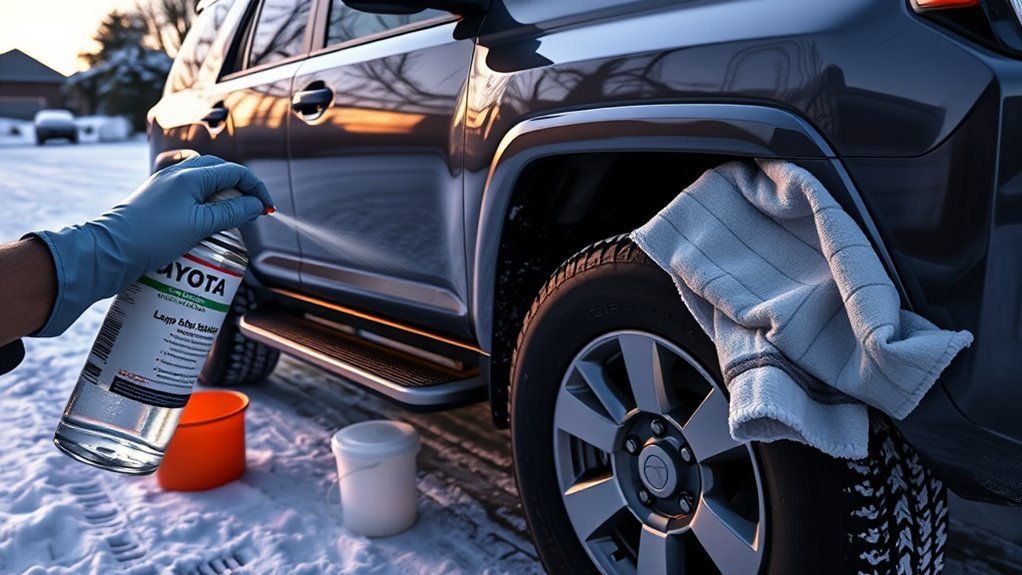
A simple seasonal schedule is the easiest way to keep rust prevention from becoming random. Use this checklist before winter, during salt season, and after the final thaw.
Pre-Winter Prep
- Wash and fully dry the 4Runner, including wheel wells and the underbody.
- Inspect the frame, skid plates, suspension mounts, brake lines, fuel lines, rocker seams, and bumper supports.
- Repair paint chips before the first heavy salt exposure.
- Apply wax, sealant, or ceramic coating to painted panels.
- Apply underbody rust inhibitor only after the surface is clean and dry.
- Check drain holes and remove packed mud or leaves that can hold salty water.
Midwinter Routine
- Wash at least every two weeks when driving on salted roads.
- Rinse sooner after heavy brine, slush, or salt-truck exposure.
- Use an underbody spray or wand whenever possible.
- Inspect monthly for new chips, coating wear, or visible rust starting at seams and brackets.
- Touch up underbody protection where spray, slush, or road debris has worn it away.
Post-Winter Cleanup
- Do a thorough wash, including the undercarriage, wheel wells, rocker panels, and bumper backsides.
- Use road-salt neutralizer where residue remains or where salt was packed into hidden areas.
- Remove wheels if you want a deeper wheel-well and brake-line inspection.
- Check skid-plate tops, frame openings, and suspension mounts for trapped debris.
- Repair chips and treat early surface rust before humid spring weather accelerates it.
- Refresh underbody protection after everything is clean and dry.
Frequently Asked Questions
How do I protect my 4Runner from winter salt?
Wash it at least every two weeks in salt season, rinse the undercarriage after heavy exposure, use a salt neutralizer when residue is heavy, apply paint protection before winter, repair chips quickly, and use a maintainable underbody rust inhibitor on clean, dry metal.
Will salt from snow damage 4Runner paint?
Salt usually does not eat through healthy paint immediately, but it becomes a problem when it sits in seams, chips, scratches, and panel edges. If bare metal is exposed, salt and moisture can start corrosion that spreads under the surrounding finish.
How often should I wash my 4Runner in winter?
Use every two weeks as the minimum if you drive on salted roads. Wash sooner after heavy brine, slush, salt-truck spray, or visible white residue. Try to wash when temperatures are above freezing so doors, brakes, and steps do not ice up.
How long does rust inhibitor last on a 4Runner?
It depends on the product, climate, road conditions, and how much off-road or highway spray the underbody sees. Exposed areas may need annual inspection and touch-up. Protected cavities can last longer, but you should still inspect them each season.
Is a touchless car wash enough to remove road salt?
A touchless wash with an underbody spray helps, especially when you cannot wash at home. However, it may miss frame pockets, skid-plate tops, wheel-well liner edges, and rocker seams. Use it as maintenance, then do a deeper rinse and inspection during seasonal cleanup.
How do I protect a 4Runner from salt air near the coast?
Coastal salt air calls for the same habits: wash regularly, rinse the undercarriage, keep wax or ceramic protection on painted panels, repair chips quickly, and inspect exposed fasteners and underbody metal. Salt air is less dramatic than winter slush, but constant exposure can still speed corrosion.
Conclusion
Protecting a 4Runner from winter salt is about consistency. Rinse after heavy exposure, wash at least every two weeks during salt season, use an underbody spray, neutralize stubborn residue when needed, and repair chips before rust spreads. Then protect the right surfaces with the right products: wax or ceramic for paint, and a maintainable rust inhibitor for the undercarriage.
The most important habit is looking underneath before rust becomes obvious. A clean frame, clear drain points, touched-up chips, and refreshed underbody protection will do more for long-term 4Runner ownership than any one-time winter wash.
Sources
- AAA — Winter Road Salt Can Cause Hidden Vehicle Damage — washing frequency, underbody spray, rinsing, and wax guidance.
- Eastwood Road Salt Neutralizer — product mix, dwell, and rinse instructions.
- Minnesota Stormwater Manual — Winter Parking Lot and Sidewalk Maintenance Factsheet — deicer temperature limits and sodium chloride guidance.
- Toyota Support — Warranty Coverage — rust-through coverage timing.
- Fluid Film — lanolin-based corrosion preventive product information.
- Woolwax USA — lanolin undercoating characteristics and re-treatment guidance.


[…] it during routine maintenance and before major trips. Recheck after off-road driving, winter salt exposure, water crossings, impacts, towing or hauling, suspension work, or any new clunk, leak, vibration, […]
[…] when driving on salted roads or near the ocean. Hose off the underside and wheel wells after winter salt exposure when weather allows. See Toyota’s owner guidance on cleaning and protecting the […]
[…] through an electrolyte, so salty moisture can support the reactions that remove metal. That is why road salt, brine, slush, and trapped moisture are hard on wheel wells, seams, fasteners, and underbody parts. […]
[…] long-term care, clean bugs and road salt promptly, park in shade when practical, and inspect the lenses every few months. If early haze […]