
You can improve your Hyundai Sonata’s fuel economy by combining the basics: verify your real MPG, keep the tires at the pressure shown on the driver-door placard, remove unnecessary weight and roof drag, stay current on maintenance, and drive smoothly. The biggest gains usually come from correcting wasteful habits or fixing a problem, not from miracle additives or expensive modifications.
Quick Answer
To get better MPG in a Hyundai Sonata, check tire pressure when the tires are cold, follow the Hyundai maintenance schedule, accelerate and brake gently, reduce idling, avoid unnecessary high-speed driving, remove extra cargo, use cruise control on steady highways, and use regular 87-octane fuel unless your owner’s manual says otherwise.
Key Takeaways
- Use the tire pressure on your Sonata’s driver-door label, not a universal number. Check it cold for the most accurate reading.
- Smooth driving can make the largest difference, especially if you currently accelerate hard, brake late, idle often, or drive well above highway speeds.
- Maintenance matters most when something is overdue or faulty: engine oil, air filter, spark plugs, alignment, brakes, and warning lights can all affect MPG.
- Regular 87-octane gasoline is the correct fuel for most Sonata models. Mid-grade or premium fuel usually does not improve MPG unless your specific manual requires it.
- Track MPG over several tanks before judging results. One short trip or one windy highway run can make the number look worse than normal.
At a Glance
| Time Required | 15 minutes for the first check, then 5 minutes weekly |
| Difficulty | Easy for driving and tire checks; moderate if diagnosis or service is needed |
| Tools Needed | Tire pressure gauge, air pump, owner’s manual, fuel log or MPG app |
| Cost | $0–$20 for DIY checks; more if overdue service or repairs are needed |
Quick Wins to Boost Your Hyundai Sonata’s MPG
Start with the steps that cost little and are easy to verify: tire pressure, driving style, excess cargo, idling, and trip planning. According to FuelEconomy.gov, aggressive driving can lower gas mileage significantly, especially in stop-and-go traffic. That means smoother acceleration and earlier, gentler braking can help more than most bolt-on “MPG” products.
- Check tire pressure cold and set it to the pressure printed on the driver-side door placard.
- Remove heavy items from the trunk and back seat when you do not need them.
- Take off unused roof racks, roof boxes, and cargo carriers to reduce drag.
- Use cruise control on open, steady highways when traffic and weather make it safe.
- Limit long idling, remote-start warmups, and repeated short trips.
- Use Eco or Smart mode if your Sonata has it, but do not expect it to overcome aggressive driving.
Warning: Do not overinflate tires to chase MPG. Hyundai warns that overinflation or underinflation can reduce tire life, hurt handling, and increase the risk of tire failure. Use the vehicle placard, not the maximum pressure molded into the tire sidewall.
[Products Worth Considering]

This filter combo is designed for Hyundai Sonata gas models from 2015 to 2019, including non-hybrid 2.4L vehicles, and replaces both the engine and cabin air filters in one convenient set. It helps improve engine airflow while also refreshing the cabin environment with activated carbon odor control and high-efficiency particle filtration for cleaner, quieter driving.

These custom-fit TPE floor mats are designed for Hyundai Sonata and Kia Optima models, delivering precise coverage with high-edge protection to help trap spills, dirt, and everyday messes. Built for all-weather durability, they offer anti-slip stability, odorless construction, and easy cleanup while helping preserve your vehicle's original carpet.

This cabin and engine air filter kit is designed for compatible Hyundai Sonata gas models from 2015 to 2019 with a 2.4L engine. It helps improve airflow, capture dust and impurities, and support cleaner cabin air and efficient engine performance. The kit is engineered for long service life and simple installation, making routine maintenance easier.
Confirm Your Real MPG Before Changing Anything
Before you buy parts or change your driving routine, make sure the MPG drop is real. The dashboard estimate is useful, but it can vary by trip length, traffic, wind, temperature, and how the car calculates fuel use. A three-tank average gives you a better baseline.
- Fill the tank until the pump shuts off automatically. Do not top off.
- Reset Trip A or write down the odometer reading.
- Drive normally until the next fill-up.
- Refill at the same pump style if possible, again stopping at the first automatic shutoff.
- Divide miles driven by gallons added.
- Repeat for at least three tanks before deciding whether your Sonata is truly underperforming.
Compare your results with the EPA rating for your exact model year, engine, drivetrain, and trim on FuelEconomy.gov. A Sonata Hybrid, gas 2.5L, turbo, N Line, or AWD model will not all return the same MPG.
Note: One low-MPG tank is not always a problem. Cold weather, winter fuel, short trips, headwinds, heavy rain, low tires, or more city driving than usual can all lower a single-tank result.
Tune Your Sonata: Maintenance Checklist That Improves MPG
Maintenance improves MPG most when it corrects something that is overdue, worn, or faulty. Follow the Hyundai maintenance schedule for your exact model year and engine, and keep service records for warranty protection.
- Engine oil and filter: Use the oil specification in your owner’s manual. The wrong oil grade or long oil intervals can increase friction and reduce efficiency.
- Air cleaner filter: Replace it when dirty or at the scheduled interval. A severely restricted filter can affect performance, especially under load.
- Spark plugs: Worn plugs can cause misfires, rough running, and poor MPG. Replace them at the manual’s interval, not by guesswork.
- Check engine light: Do not ignore it. Oxygen sensor, misfire, fuel-system, and emissions faults can reduce fuel economy and may damage other parts.
- Brake drag and alignment: A stuck caliper, parking brake issue, bad wheel bearing, or poor alignment can make the engine work harder.
- Fuel system: Many modern Hyundai fuel filters are considered maintenance-free under normal conditions. Inspect or replace fuel-system parts only when the schedule or symptoms call for it.
Use regular unleaded gasoline that meets Hyundai’s requirements. Hyundai states that Sonata models are designed to operate on unleaded fuel with an octane rating of 87 AKI / RON 91 or higher. Using 89 octane is allowed, but it usually does not improve MPG enough to justify the extra cost unless your specific manual or a technician identifies a fuel-quality issue.
Pro Tip: If MPG suddenly drops and the car also feels sluggish, shakes, smells like fuel, pulls to one side, or shows a warning light, treat it as a diagnosis issue first—not a driving-habit issue.
[Products Worth Considering]
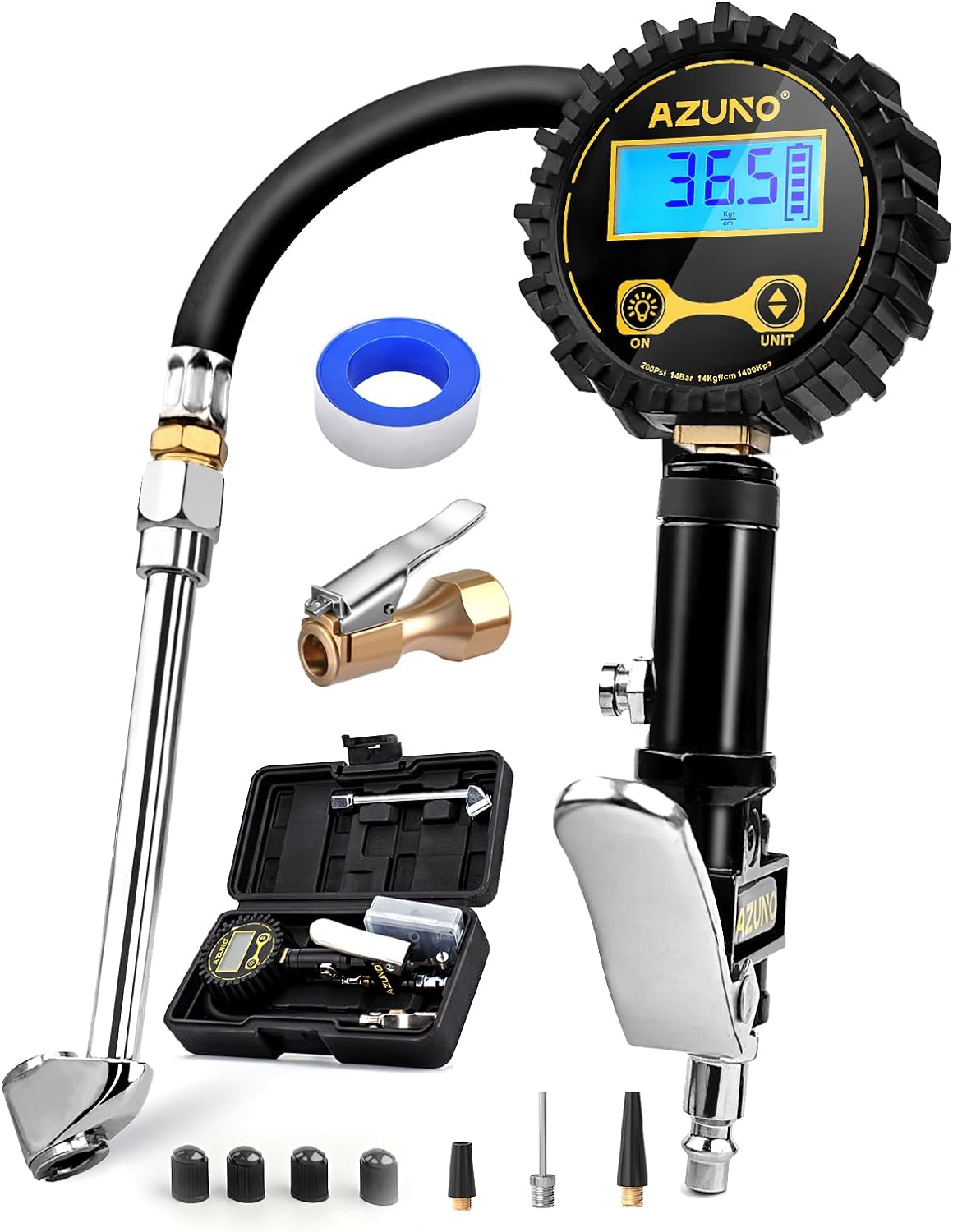
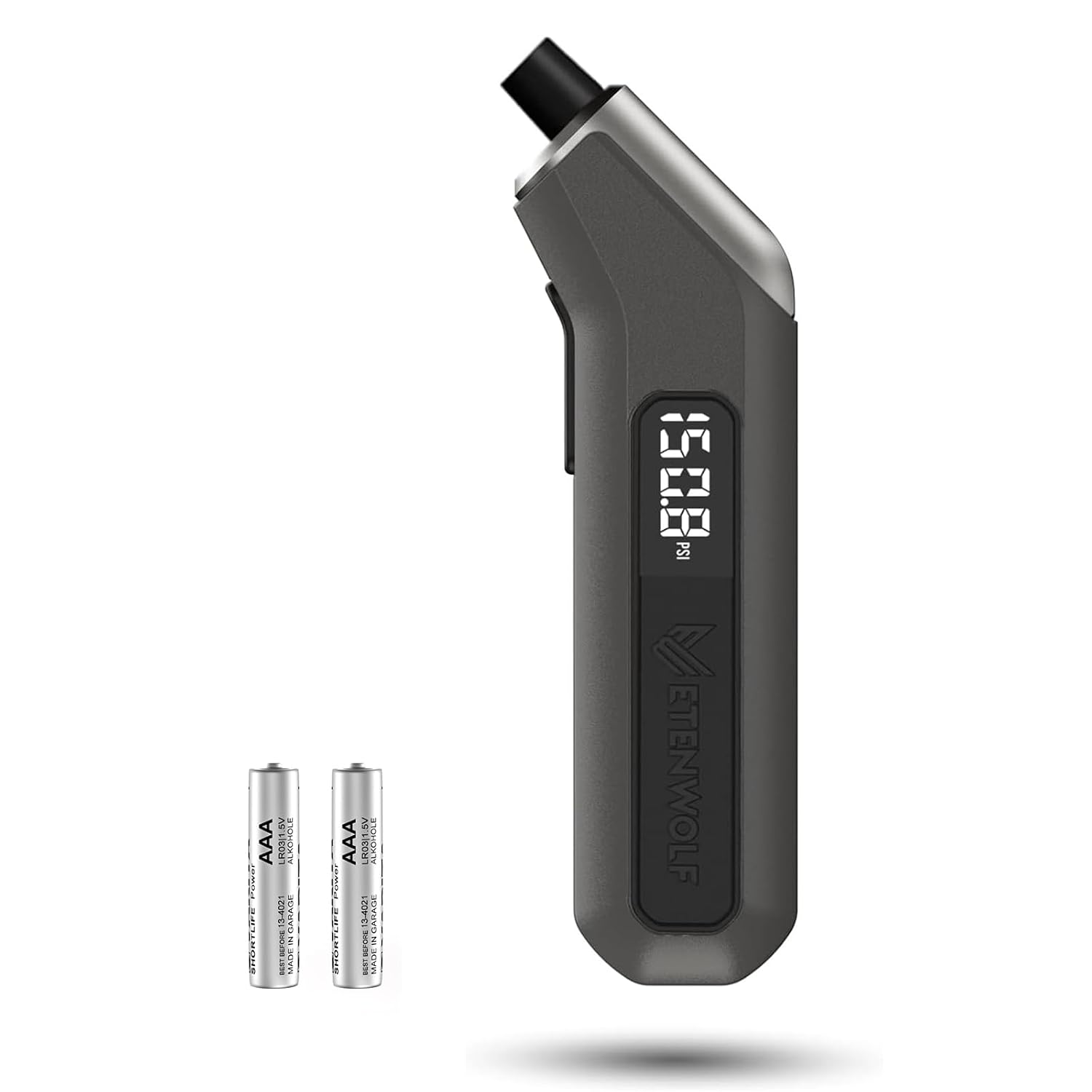
This digital tire inflator delivers accurate, easy-to-read pressure measurements with a bright backlit LCD and precise 0.1 resolution for confident inflation. Designed for single-handed use, it makes it simple to inflate or deflate tires while staying organized in the included portable carrying box. Built for a wide range of vehicles, it is a practical air compressor accessory for cars, trucks, SUVs, motorcycles, and more.

HAFIDI floor mats are custom-fit for select Kia Optima and Hyundai Sonata Hybrid models, using 3D laser scanning for precise coverage of the front and rear rows. Built from durable TPE with raised edges and anti-slip backing, they help contain dirt, water, snow, and spills while staying secure and easy to clean.
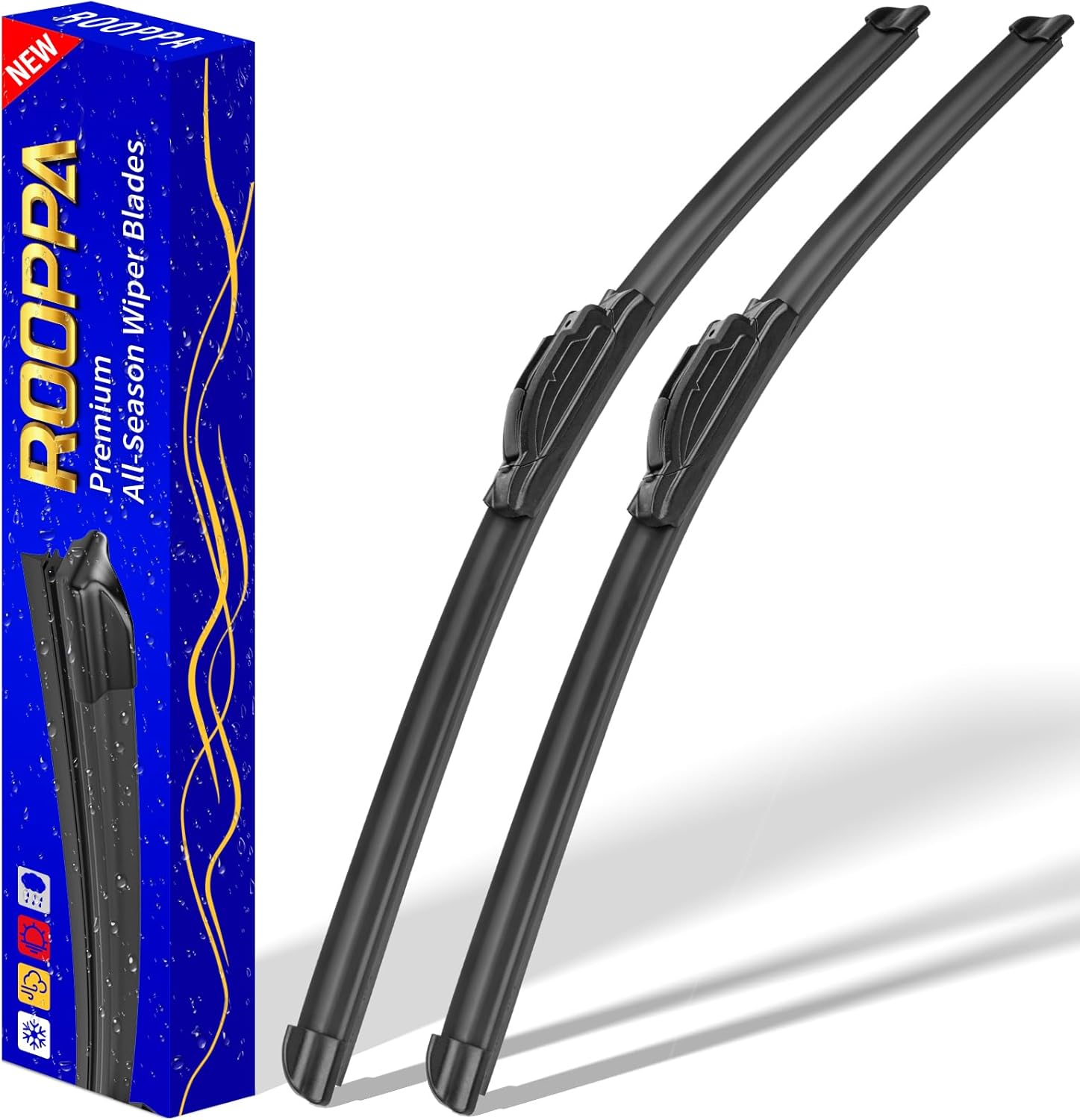
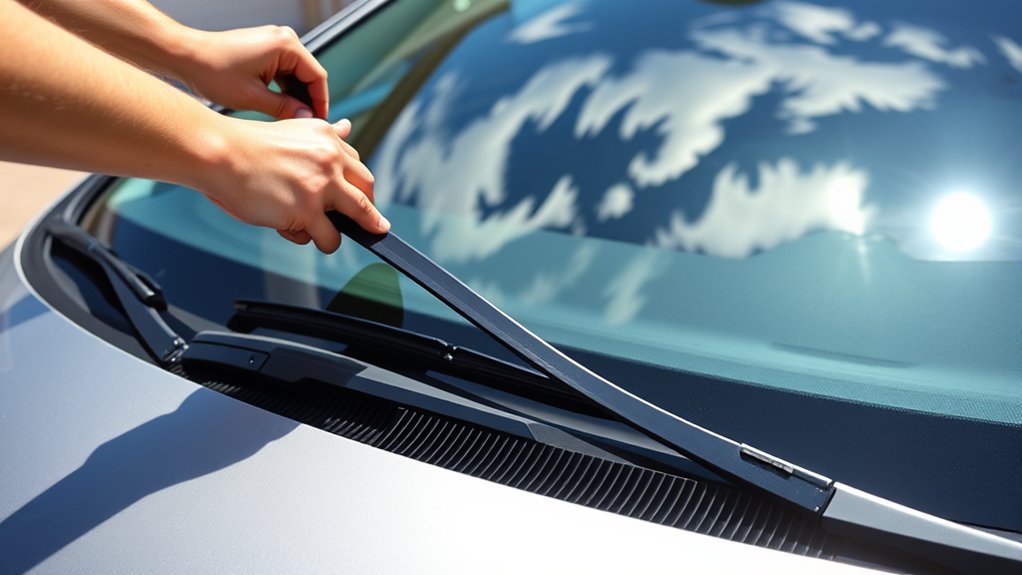
These front windshield wiper blades are designed as a direct replacement for compatible Hyundai models, helping restore clear visibility in rain and road grime. The hard-molded frame and stronger spring support smooth, reliable wiping performance, while the easy plug-and-play installation makes replacement simple. Included as a two-piece set, they are built for dependable everyday use with a one-year warranty for added confidence.
Optimize Tires & Load for Better MPG
Tires affect rolling resistance, safety, braking, ride quality, and tire wear. The correct pressure is not a universal 32 PSI. Hyundai says the tire specification label on the driver-side center pillar gives the recommended pressure for your vehicle. Check the pressure when the tires are cold, because warm tires normally read higher after driving.
[Products Worth Considering]

This wheel alignment tool makes it easy to check and adjust toe-in and toe-out at home for better handling, stability, and more even tire wear. Designed for one-person use, it includes tape-measure slots for simple setup and accurate measurements without extra help. Its stainless steel construction and broad vehicle compatibility make it a practical addition to any DIY garage.

This activated carbon cabin air filter is designed as a replacement for select Hyundai Sonata gas models and Kia Cadenza vehicles, helping improve in-cabin air quality. It is engineered to capture odors, VOCs, and common pollutants for a fresher driving environment, while matching multiple OE and reference numbers for convenient fitment confirmation.

The JACO ElitePro Digital Tire Pressure Gauge delivers shop-grade accuracy with a clear digital readout, making it easy to maintain proper tire pressure for safer driving and better performance. Built with rugged brass and steel components, a protective guard, and a flexible air hose, it is designed for reliable use across cars, trucks, motorcycles, bikes, RVs, and trailers. The lock-on display, built-in bleeder valve, and bright backlit screen add convenience in any lighting condition.
Tire Pressure Tips
FuelEconomy.gov says keeping tires properly inflated can improve gas mileage by 0.6% on average and up to 3% in some cases. It also notes that underinflated tires can lower gas mileage by about 0.2% for every 1 PSI drop in the average pressure of all tires.
- Check tire pressure before driving, or after the car has been parked for at least three hours.
- Use a quality gauge instead of relying only on the dashboard TPMS display.
- Set each tire to the pressure listed on the door placard.
- Recheck after major temperature swings.
- Inspect for uneven wear, slow leaks, cupping, or sidewall damage.
Reduce Unneeded Weight
Extra mass takes more energy to move, especially in city driving. The U.S. Department of Energy says an extra 100 pounds in a vehicle can reduce MPG by about 1%, with the effect depending on the vehicle’s weight. Remove tools, sports gear, boxes, and other cargo you do not need for daily driving.
Drag matters even more at highway speeds. FuelEconomy.gov says a large, blunt roof-top cargo box can reduce fuel economy by about 2%–8% in city driving, 6%–17% on the highway, and 10%–25% at interstate speeds. If you use a roof box, bike rack, or cargo basket, remove it when the trip is over.
The cheapest MPG upgrade is often removing what the car does not need to carry or push through the air.
Drive Smarter: Speed, Cruise, DFCO, and Safe Coasting
The best fuel-saving driving habits are simple: accelerate smoothly, look ahead, keep a steady legal speed, and avoid unnecessary braking. You do not need extreme hypermiling to see results.
- Accelerate gently: Press the pedal smoothly instead of launching from each stop.
- Brake earlier: Lifting off sooner preserves momentum and reduces wasted energy.
- Keep highway speed reasonable: Fuel economy usually drops quickly at higher speeds because aerodynamic drag rises.
- Use cruise control wisely: It can help on flat, open highways, but turn it off in heavy traffic, rain, snow, hills, or winding roads.
- Stay in gear while slowing: Modern fuel-injected engines can reduce or cut fuel during closed-throttle deceleration, while neutral coasting may reduce control and is not a safe general recommendation.
Be careful with “pulse-and-glide” advice. It may work in controlled efficiency competitions, but it is usually annoying or unsafe in normal traffic. In a Sonata, a better goal is predictable, smooth driving that does not surprise other drivers.
Warning: Never shift to neutral, turn off the engine, tailgate, draft trucks, block traffic, or stare at an MPG app while driving. Fuel savings are not worth losing control or causing a crash.
AC vs. Open Windows: Comfort Choices That Save Fuel

Air conditioning and open windows can both reduce MPG, but the better choice depends on speed, heat, humidity, and trip length. FuelEconomy.gov says AC can reduce a conventional vehicle’s fuel economy by more than 25% under very hot conditions, especially on short trips. At higher speeds, open windows add aerodynamic drag, so windows up with moderate AC is often the better highway choice.
- Low speeds: Use fan-only ventilation or partly open windows when comfort allows.
- Highway speeds: Close the windows and use moderate AC to reduce drag.
- Hot parked car: Vent hot air for a minute before asking the AC to cool the cabin.
- Shade helps: Parking in shade or using a windshield shade reduces cabin heat buildup.
- Use recirculation after cooldown: Once the cabin is comfortable, recirculation can reduce the AC workload.
Plan Trips & Use Eco Tech: Mods, Myths, and What Actually Works
Short cold-start trips are hard on fuel economy because the engine and fluids are not yet at efficient operating temperature. Combining errands into one route can reduce miles, warm-up cycles, and idling time.
Plan Efficient Routes
Plan routes that reduce stop-and-go traffic, long idling, and repeated cold starts. A slightly longer route with steady movement may use less fuel than a shorter route full of lights, turns, and congestion.
- Group errands by location.
- Travel outside peak traffic when possible.
- Avoid routes with frequent hard stops or steep climbs when a smoother option exists.
- Use navigation for traffic, but set the route before driving.
- Compare MPG over several similar trips before declaring a route “better.”
Use Eco Mode
If your Sonata has Eco, Smart, or a similar drive mode, use it for normal commuting. These modes can soften throttle response and encourage earlier, lower-RPM shifting, which helps many drivers stay smoother. They are not magic, though. Hard acceleration, low tires, heavy cargo, roof drag, and overdue maintenance can erase any benefit.
| Feature | How It Can Help MPG |
| Eco or Smart mode | Encourages smoother throttle and lower-RPM driving |
| Cruise control | Helps hold a steady speed on open, flat highways |
| Trip MPG display | Shows trends, but should be checked only when safe |
Combine Errands Smartly
Instead of making four short trips from a cold start, combine stops into one loop. Start with the farthest stop, then work back toward home. This keeps the engine warmer and reduces backtracking.
- Make one list before leaving.
- Choose a low-traffic time window.
- Group stops by neighborhood.
- Avoid drive-through idling when parking and walking in is practical.
- Track the route for a few weeks to see whether it actually saves fuel.
What Not to Waste Money On
Some MPG “fixes” cost more than they save. Before spending money, do the free checks first.
- Premium or mid-grade gas: Most Sonatas are designed for 87-octane fuel. Higher octane is not automatically better MPG.
- Miracle fuel additives: Use quality gasoline and follow Hyundai’s manual. Do not add random oil or fuel additives because a bottle promises higher MPG.
- Overinflated tires: This can reduce grip, worsen ride quality, and increase tire wear.
- Performance intakes or exhausts: They rarely pay for themselves through fuel savings on a daily-driven Sonata.
- Unsafe hypermiling: Neutral coasting, drafting, and rolling through traffic unpredictably are not worth the risk.
Why Your Hyundai Sonata May Be Using Too Much Gas
If your Sonata suddenly uses more fuel than normal, look for a change in conditions first, then check for mechanical causes.
- Driving pattern changed: More city driving, shorter trips, hills, cold weather, or traffic can lower MPG.
- Tire pressure is low: Check all four tires cold and inspect for leaks.
- Check engine light is on: Scan the codes before replacing random parts.
- Brakes are dragging: A hot wheel, burning smell, or car that does not roll freely can indicate brake drag.
- Alignment or tire wear is poor: Pulling, vibration, or uneven wear can add rolling resistance.
- Maintenance is overdue: Oil, spark plugs, air filter, and other scheduled items can affect efficiency when neglected.
- Extra load or drag: Cargo, roof racks, and winter accessories can reduce MPG.
- Fuel quality changed: Try a busy station with quality fuel, but do not jump to premium unless required.
Frequently Asked Questions
Why is my Hyundai Sonata using so much gas?
Common causes include low tire pressure, aggressive driving, short cold-start trips, long idling, roof racks, extra cargo, overdue maintenance, dragging brakes, alignment problems, poor fuel quality, or a check engine light. Start with tire pressure, MPG tracking, and trouble codes before replacing parts.
What can I do to increase my fuel economy?
Check cold tire pressure against the door placard, remove unnecessary weight and roof drag, drive smoothly, reduce idling, combine errands, use cruise control on steady highways, keep maintenance current, and repair warning-light or brake issues promptly.
What car gets 57 MPG?
EPA ratings vary by year and trim. For example, FuelEconomy.gov lists the 2022 Hyundai Ioniq Hybrid at 55 MPG combined and 57 MPG highway, while the 2022 Ioniq Blue is rated at 59 MPG combined. Always check the exact year, trim, and drivetrain on FuelEconomy.gov.
Can I put 89 gas in a Hyundai Sonata?
Yes, but most Sonata models are designed for regular unleaded gasoline with an octane rating of 87 AKI or higher. Using 89 octane normally does not improve MPG enough to justify the higher cost unless your owner’s manual or a technician identifies a specific reason.
Should I use 32 PSI in my Hyundai Sonata tires?
Do not use 32 PSI as a universal rule. The correct pressure depends on your Sonata’s model year, tire size, trim, and load. Use the tire pressure label on the driver-side door pillar and check the tires cold.
Does Eco mode really save gas in a Sonata?
Eco mode can help by softening throttle response and encouraging efficient shifting, but it works best with smooth driving. It will not overcome low tire pressure, hard acceleration, roof drag, long idling, or overdue maintenance.
Conclusion
The most reliable way to improve your Hyundai Sonata’s fuel economy is to work from simple, proven checks to deeper diagnosis. First, measure real MPG over several tanks. Then check cold tire pressure, remove extra weight and roof drag, drive smoothly, reduce idling, combine trips, and keep maintenance current. If MPG drops suddenly or the car feels different, scan for codes and inspect for brake, tire, alignment, or engine issues before spending money on additives or parts.
Sources
- FuelEconomy.gov — Driving More Efficiently — supports aggressive-driving, cruise-control, speed, cargo, and efficient-driving guidance.
- FuelEconomy.gov — Keeping Your Vehicle in Shape — supports tire inflation and maintenance-related MPG claims.
- FuelEconomy.gov — Fuel Economy in Hot Weather — supports AC, open-window, and cabin-cooling guidance.
- Hyundai Owner’s Manual — Fuel Requirements — supports 87-octane regular unleaded fuel guidance.
- Hyundai Owner’s Manual — Tire Specification and Pressure Label — supports using the driver-side tire placard for correct pressure.
- Hyundai Owner’s Manual — Normal Maintenance Schedule — supports scheduled-maintenance and fuel-system guidance.

[…] extreme temperatures, or accelerate hard. FuelEconomy.gov notes that aggressive driving can reduce gas mileage by roughly 15% to 30% at highway speeds and 10% to 40% in stop-and-go […]
[…] bad or dirty Toyota Camry MAF sensor can cause rough idle, hesitation, stalling, hard starts, poor fuel economy, and codes such as P0101, P0102, or P0103. P0171 may also appear, but it means the engine is […]
[…] more than intended. That extra movement creates heat and rolling resistance, which can affect fuel economy, steering response, tire durability, and tread […]
[…] by the vehicle manufacturer. Tire pressure affects braking, steering response, tread wear, fuel economy, ride comfort, and heat buildup inside the […]
[…] bigger savings come from keeping tires properly inflated, which improves fuel economy, tire life, handling, and […]
[…] cold tire pressure is critical for vehicle braking distance, wet traction, casing durability, and optimal fuel economy. According to the National Highway Traffic Safety Administration (NHTSA), tires lose roughly 1 to 2 […]