
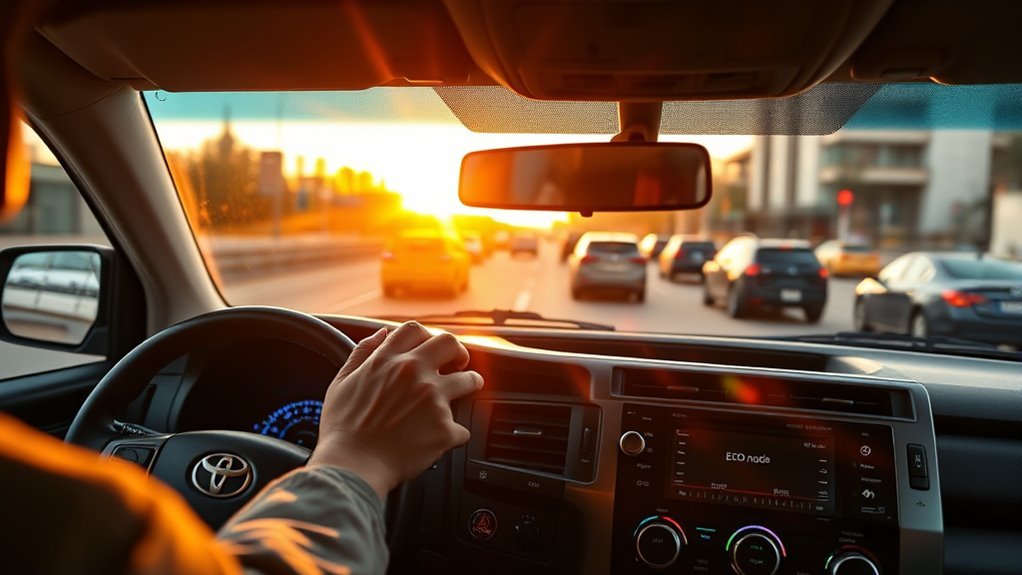
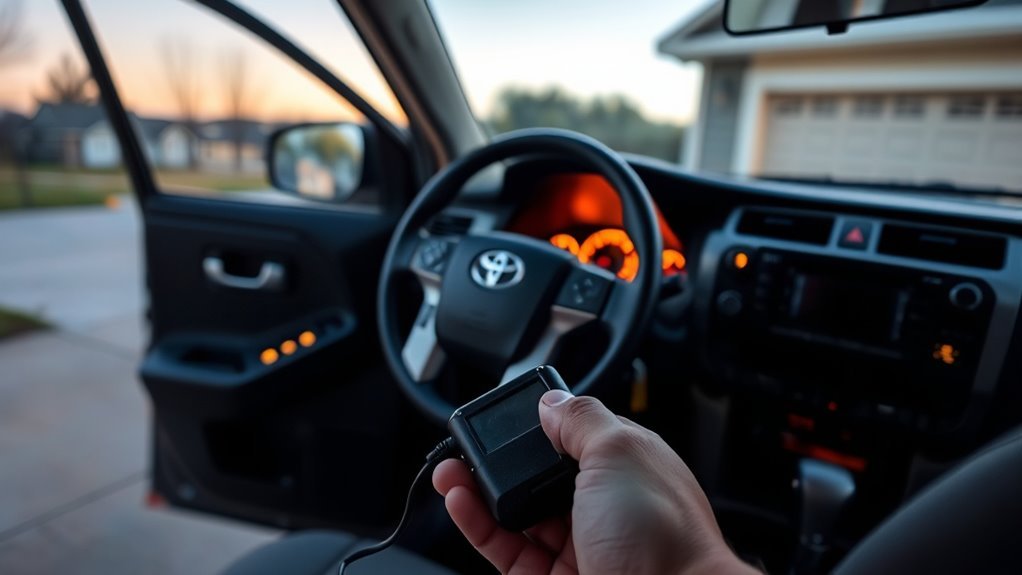
Use Eco Mode in your Toyota 4Runner when you want smoother, more fuel-conscious driving on normal roads: daily commuting, stop-and-go traffic, steady highway cruising, and light-load errands are the best matches. On equipped newer 4Runners, Eco softens power delivery and may adjust climate-control behavior to reduce energy demand. Turn it off when you need stronger response for towing, passing, steep grades, technical trails, sand, mud, or engine braking.
Last updated: August 17, 2026 · [VERIFY: add real author byline]
Quick Answer
Use 4Runner Eco Mode for calm city driving, traffic, flat highways, and light-load trips where smooth throttle inputs matter more than fast response. Do not use it for towing, steep climbs, steep descents, quick passing, or technical off-road driving. Older 4Runners may have an Eco indicator, not a selectable Eco drive mode.
Key Takeaways
- Eco Mode works best when you drive gently and hold steady speeds.
- On 6th-generation 4Runners (2025+), Eco is part of Drive Mode Select and is standard across hybrid and non-hybrid trims alike; many older (5th-gen) 4Runners mainly use an Eco driving indicator.
- Eco can soften accelerator response and reduce climate-control demand, but it does not guarantee a specific mpg gain.
- Turn Eco off for towing, steep grades, descents, deep snow, mud, sand, rocks, or quick passing.
- Use Tow/Haul, Sport, S mode, 4WD settings, or Multi-Terrain Select when those systems better match the job.
At a Glance
| Time Required | A few seconds to switch modes on equipped models |
| Difficulty | Easy |
| Tools Needed | None; use the drive mode control or vehicle display settings, depending on model year |
| Cost | Free |
4Runner Eco Mode: When It Actually Saves Fuel
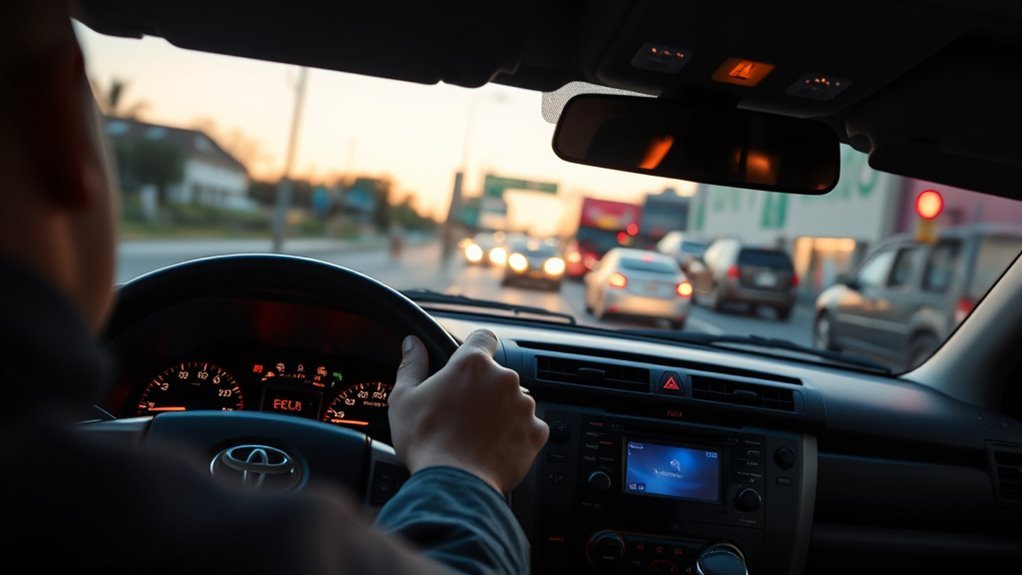
Eco Mode helps most when the driver is already being smooth. It is useful for flat roads, predictable traffic, light throttle inputs, and long cruising stretches where the 4Runner does not need sudden torque. In those conditions, Eco can make the accelerator feel less jumpy and encourage gradual acceleration.
The fuel-saving benefit is not magic. The U.S. Department of Energy and EPA fuel economy guidance says aggressive driving, including rapid acceleration and hard braking, can lower gas mileage by roughly 15% to 30% at highway speeds and 10% to 40% in stop-and-go traffic. Eco Mode helps by making those wasteful habits easier to avoid, but your right foot still matters most.
Note: Features vary by model year, trim, drivetrain, and market. Check your owner’s manual before assuming your 4Runner has a selectable Eco drive mode.
Does Your 4Runner Have Eco Mode or Just an Eco Indicator?
This is the part many owners miss. A selectable Eco drive mode and an Eco driving indicator are not the same thing.
- Eco drive mode: A selectable drive mode on equipped newer models that changes how the vehicle responds.
- Eco driving indicator: A display light or bar that coaches efficient accelerator use but does not necessarily change vehicle behavior.
On current 6th-generation models, Toyota lists the 4Runner’s 6th generation as 2025-2026 and shows modern drive-mode features on equipped trims. Toyota’s 2026 4Runner information says i-FORCE MAX models include Drive Mode Select with Normal, Eco, and Sport, adjusting shift points, pedal response, HVAC, and steering feel. Older 5th-generation 4Runners, especially 2010-2024 models, are commonly associated with an Eco indicator rather than a true selectable Eco mode.
Eco Mode itself isn’t limited to the hybrid: Drive Mode Select with Normal, Eco, and Sport is standard equipment across the 6th-generation lineup, including the non-hybrid SR5, TRD Sport, and TRD Sport Premium grades — the i-FORCE MAX (hybrid) grades simply add extra modes (Sport S+, Comfort, and Custom) on top of the same base three. [VERIFY: confirm equipment against your specific model-year owner’s manual, since Toyota’s trim lineup can shift year to year.]
If your 4Runner only shows a green “ECO” light or an Eco bar in the instrument cluster, that usually means the truck is telling you that your accelerator input is efficient. It may not mean a fuel-saving drive mode is turned on.
How Eco Mode Changes Throttle, HVAC Load, and Shifting
On equipped 4Runners, Eco Mode changes the way the vehicle responds to normal driving inputs. Toyota’s general Eco Mode support page says Eco mode can regulate climate control, power output, and seat heating to reduce engine demand and improve efficiency. Toyota’s current 4Runner information also says Drive Mode Select can adjust shift points, pedal response, HVAC, and steering feel on applicable models.
Softer Throttle Response
The biggest change you feel is usually the accelerator. Eco Mode makes the pedal response calmer, so a small press does not produce the same immediate surge you may feel in Normal or Sport. That helps in traffic, parking lots, neighborhoods, and wet roads where smoothness is more useful than snap response.
- Throttle feel: Power builds more gradually, which helps reduce hard launches.
- Driver feedback: Eco indicators can coach lighter accelerator use.
- Comfort: Passengers may notice fewer jerky starts and stops.
- Best use: Choose Eco for routine driving, not for urgent acceleration.
Reduced HVAC Draw
Eco Mode may also moderate climate-control demand. That can mean softer fan behavior or less aggressive heating and cooling, depending on the model and conditions. The goal is to reduce unnecessary load while keeping the cabin comfortable enough for normal driving.
On the 6th-generation 4Runner specifically, several owners report a more noticeable effect than just softer fan behavior: with Eco Mode engaged, the A/C may not deliver full cooling output, and switching to Normal mode is the fix most commonly cited for weak or slow-to-cool air on hot days. [VERIFY: confirm this behavior against your specific model-year owner’s manual, since climate-control logic can be revised between production years.]
If the cabin is very hot, very cold, or fogging up, prioritize visibility and comfort. Use the defroster, A/C, or heat normally when needed, then return to Eco after the cabin stabilizes.
Efficiency-Biased Shift Mapping
Eco Mode can also use more economy-focused shift behavior on equipped models. Instead of holding power aggressively, the system favors smooth, restrained driving. Avoid describing this as always “earlier” or always “later” shifting because the exact behavior depends on drivetrain, load, grade, and software calibration.
Best Driving Scenarios to Keep Eco Mode On
Eco Mode is best when the road is predictable and you do not need full response. Think of it as a smooth-driving mode, not a power mode.
City Commutes and Traffic
Use Eco Mode during everyday commuting, school drop-off, errands, and stop-and-go traffic. The softened throttle helps prevent wasteful surges from one red light to the next. It also makes the 4Runner easier to drive smoothly in crowded streets.
- Good fit: Low-speed traffic, steady neighborhood driving, and short errands.
- Why it helps: Smooth starts and gentle acceleration reduce wasted fuel.
- Watch for: Turn Eco off if you need a quick merge or strong throttle response.
Highway Cruising for Efficiency
Eco Mode also works well once you are already moving at a steady highway speed. It can help you maintain a calmer pedal input, especially on flat interstate stretches. For best results, combine Eco with steady speed, light cargo, proper tire pressure, and early traffic awareness.
Eco Mode helps most when it supports smooth habits you are already using: gradual acceleration, steady speed, and fewer hard braking events.
Light Off-Road and Smooth Gravel
Eco Mode can be useful on smooth gravel roads, firm dirt roads, and easy trails where traction is good and obstacles are minimal. Softer throttle response can reduce wheelspin when you are moving slowly and deliberately.
That changes quickly in tougher terrain. Turn Eco off before sand, mud, rocks, ruts, steep climbs, water crossings, or low-range crawling. Those situations demand faster torque response, better gear control, and the correct 4WD or terrain setting.
When Not to Use Eco Mode: Off-Road, Towing, and Steep Hills
While Eco Mode helps in everyday driving, it is the wrong choice when the 4Runner needs immediate response, stronger pulling power, or controlled engine braking. Turn it off before demanding conditions, not after the vehicle starts struggling.
Warning: Do not rely on Eco Mode for towing, steep descents, technical off-road trails, or low-traction surfaces. Use the correct drive mode, gear range, 4WD setting, Tow/Haul mode, and owner’s manual procedure for the conditions.
| Situation | Why Eco Is Not Ideal | Better Choice |
|---|---|---|
| Towing | You need predictable throttle and transmission behavior under load. | Use Tow/Haul where equipped; follow the owner’s manual. |
| Steep climbs | Soft response can make the truck feel lazy and may cost momentum. | Use Normal, Sport, S mode, or the correct 4WD range. |
| Steep descents | You may need engine braking and better speed control. | Use a lower gear, S mode, Downhill Assist if equipped, or proper trail controls. |
| Technical off-road | Rocks, ruts, mud, sand, and steep trail work need precise torque control. | Use 4WD, Multi-Terrain Select, Crawl Control, or locking differential features where equipped. |
| Quick passing or merging | Eco can delay the response you want for a short burst of acceleration. | Use Normal or Sport, then return to Eco after traffic clears. |
[Products Worth Considering]

This custom cargo mat and seat-back liner is designed specifically for the 2026 Toyota RAV4 Hybrid, helping protect the trunk and rear seat area from dirt, scratches, spills, and everyday wear. The full-coverage design shields felt surfaces while the non-slip TPE construction helps keep cargo in place, and the easy-clean surface makes maintenance simple after outdoor trips, pet transport, or messy hauls. Double fixation with hook-and-loop fasteners and elastic ropes helps keep the liner securely positioned.

These off-road traction boards are designed to help vehicles recover from mud, sand, and snow with reliable grip and easier ramp-up. Their double-sided diamond construction, cross-shaped teeth, and contoured ramps improve traction while the durable polypropylene build stays flexible in harsh conditions. Convenient mounting points, ergonomic handles, and a visible leash make them practical to carry, store, and retrieve when recovery is needed.

This Nilight LED light bar set delivers bright spot and flood combo lighting for off-road driving, work sites, and rugged trails. Built with high-intensity LEDs, an aluminum housing for better heat dissipation, and IP67 waterproof protection, it is designed for reliable performance in demanding conditions. The included wiring harness kit and mounting brackets make installation straightforward and secure.
How to Switch Eco With S, Sport, Tow/Haul, and 4WD

If your 4Runner has Drive Mode Select, switch modes based on the job. Use Eco when the goal is smooth efficiency. Use Normal when you want balanced response. Use Sport when you want sharper accelerator feel. Use Tow/Haul, where equipped, when towing or carrying a demanding load.
- Eco: Best for calm commuting, steady highways, light loads, and smooth roads.
- Normal: Best default when conditions vary or you do not want softened response.
- Sport: Useful for passing, merging, hills, and winding roads where sharper response helps.
- S mode: Helps hold a selected shift range for hills, descents, and better engine braking control.
- Tow/Haul: Best for towing on models equipped with it because it is designed to optimize throttle and transmission behavior under load.
- 4WD and terrain systems: Use the correct 4WD range, Multi-Terrain Select, Crawl Control, Downhill Assist, or locker settings when traction and control matter more than fuel economy.
Pro Tip: Eco is easiest to use as a default for boring roads. Switch out of it before the road gets steep, slippery, crowded, or technical, then return to Eco once driving becomes steady again.
[Products Worth Considering]

This Nilight LED light bar set delivers bright white spot beam illumination for improved visibility on off-road trails, work sites, and nighttime driving. Built with durable aluminum housing, PMMA lenses, and IP67 waterproof protection, it is designed to withstand harsh weather and demanding use. The two-piece kit includes mounting brackets and supports 12V and 24V systems for versatile vehicle and utility applications.

This steering clock spring is designed to restore reliable steering wheel controls across a wide range of Toyota models. It supports audio, cruise control, and other multifunction commands while matching OEM part numbers for confident replacement fitment. Built for dependable signal transfer and straightforward installation, it is an effective solution for repairing steering column control issues.

This plug-and-play AC button switch is designed to replace a faulty factory air conditioner switch in compatible Toyota vehicles. It installs easily without tools and is made to match the original part for a seamless fit and reliable operation. Built from durable ABS plastic, it offers a dependable replacement backed by warranty support and fitment guidance.
How to Turn Eco Mode On or Off
On equipped 2025+ 4Runner models, use the vehicle’s Drive Mode Select control and watch the multi-information display for the selected mode. Choose Eco when you want efficiency-biased response, then switch back to Normal, Sport, or another available mode when driving demands change.
On older 4Runners with only an Eco indicator, you may be able to turn the indicator display on or off through the vehicle settings, but that does not change the way the engine or transmission behaves. It only changes the coaching display.
Because Toyota changes controls by year, trim, and market, use your owner’s manual as the final authority. Toyota owner publications are available through Toyota Owners Manuals & Warranties.
[Products Worth Considering]

These X-BULL recovery traction tracks help drivers get unstuck from sand, snow, mud, or ice with a stable U-shaped elastic design and a wavy ramp that makes tire entry easier. Built from reinforced nylon, they are flexible, impact-resistant, and designed to perform in extreme temperatures while providing reliable emergency traction for a wide range of vehicles.

This recovery tow strap kit is built for dependable vehicle recovery and towing in demanding conditions. The heavy-duty strap features fortified reinforced loops and high break strength for secure pulls, while the included D-ring shackles add versatility and reliable connection options. Designed for trucks, SUVs, ATVs, UTVs, and boats, it also includes protective isolators and a storage bag for safer, quieter transport and easy organization.

This metal replacement center console latch is designed to restore secure closing performance for a wide range of Toyota and Scion vehicles. Built as an upgraded metal part, it helps solve broken latch issues and provides a more durable alternative to the original component. It is compatible with many popular models and includes the needed screws and screwdriver for installation.
8 Practical Tips to Maximize 4Runner Eco Mode Efficiency
Eco Mode works best when you pair it with efficient driving habits. Use these practical steps to get the most benefit without making the 4Runner feel underpowered.
- Accelerate gradually. Press the pedal smoothly instead of launching from every stop.
- Look farther ahead. Anticipate red lights, traffic waves, and slowing vehicles so you brake less.
- Hold steady speed. Fuel economy usually improves when you avoid constant speed changes.
- Use cruise control carefully. It can help on flat highways, but cancel it on rolling hills if it hunts for gears.
- Keep tires properly inflated. Low tire pressure increases rolling resistance and hurts efficiency.
- Remove unnecessary cargo. Extra weight and roof gear can reduce mpg, especially at highway speeds.
- Use climate control wisely. Let the cabin stabilize, then use moderate fan and temperature settings when comfortable.
- Turn Eco off early when needed. Do not force Eco to handle towing, steep grades, or difficult trails.
Realistic Fuel Savings: What to Expect
Eco Mode can help you save fuel, but the exact gain depends on traffic, terrain, temperature, tires, cargo, fuel quality, and driving style. The 2026 Toyota 4Runner’s official fuel economy varies by powertrain and trim, with Toyota listing up to an estimated 23 combined mpg and FuelEconomy.gov listing multiple 2026 4Runner 4WD and Hybrid 4WD ratings.
The most realistic expectation is simple: Eco Mode may help you avoid wasteful acceleration and climate-control load, but it will not overcome heavy cargo, high speeds, roof racks, underinflated tires, steep hills, or aggressive driving.
Troubleshooting: Why Eco Mode Does Not Feel Different
If Eco Mode seems like it is not doing much, one of these reasons is usually responsible:
- Your 4Runner may only have an Eco indicator. If there is no selectable Eco mode, the light is coaching you; it is not changing throttle mapping.
- You may be asking for too much power. Hard acceleration can override the gentle feel because the vehicle still has to respond to the pedal.
- Climate demand may be high. Extreme heat, cold, or defrost needs can reduce how noticeable HVAC-related savings feel.
- You may be in another drive or terrain mode. Sport, Tow/Haul, 4WD settings, or trail systems may be more appropriate for the current condition.
- The road may not suit Eco. Hills, towing, heavy cargo, and stop-and-sprint traffic make Eco feel less useful.
Frequently Asked Questions
What does Eco Mode do in a Toyota 4Runner?
On equipped models, Eco Mode makes the 4Runner respond more gently to accelerator input and may adjust climate-control behavior to reduce power demand. On some newer 4Runners, Drive Mode Select can also adjust shift points, pedal response, HVAC behavior, and steering feel. On older models, an “ECO” light may simply be an efficient-driving indicator.
When should I use Eco Mode in a 4Runner?
Use Eco Mode during daily commuting, stop-and-go traffic, steady highway cruising, flat roads, light-load errands, and smooth gravel roads. It works best when you drive gently and do not need quick acceleration.
When should I turn Eco Mode off?
Turn Eco Mode off for towing, steep climbs, steep descents, quick passing, highway merging, technical off-road terrain, sand, mud, rocks, deep snow, and any situation where you need stronger throttle response or better gear control.
Does Eco Mode save a lot of gas?
It can help, but it does not guarantee a fixed mpg improvement. Eco Mode mainly supports smoother driving. You will usually see the best results when you avoid rapid acceleration, hard braking, excessive speed, unnecessary cargo, and heavy climate-control use.
Is the green ECO light the same as Eco Mode?
No. A green ECO light or Eco driving bar can simply mean you are driving efficiently. A selectable Eco drive mode actually changes vehicle response on equipped models. Check your owner’s manual or drive mode display to confirm which one your 4Runner has.
Can I use Eco Mode off-road?
Use it only for easy dirt roads or smooth gravel where traction is good and obstacles are minimal. Turn it off for technical trails, sand, mud, rocks, ruts, steep climbs, descents, and low-range driving.
Does Eco Mode come on all 4Runner trims, or just the hybrid?
Eco Mode isn’t hybrid-only. On the 6th-generation (2025–2026) 4Runner, Drive Mode Select with Normal, Eco, and Sport is standard across the lineup, including the non-hybrid SR5, TRD Sport, and TRD Sport Premium grades — not just the i-FORCE MAX hybrid grades. Confirm equipment for your specific trim and model year in the owner’s manual.
Is Eco Mode bad for the engine or transmission?
No. Eco Mode only adjusts throttle mapping, shift timing, and climate-control demand — it doesn’t change fuel-air ratios or engine timing in a way that causes extra wear. Many owners drive primarily in Eco Mode for years without issue. For guidance specific to your model year, check the owner’s manual or ask a Toyota dealer.
Conclusion
Use 4Runner Eco Mode when the drive is calm, flat, and predictable. It is a smart choice for commuting, traffic, light highway cruising, and gentle errands because it encourages smoother throttle use and can reduce unnecessary power demand. Turn it off when the job changes: towing, climbing, descending, passing, merging, or off-roading all call for stronger response and the right vehicle mode. The best approach is simple: use Eco for efficiency, Normal for balance, Sport for response, Tow/Haul for trailers, and the proper 4WD or terrain setting when traction matters.
Sources
- Toyota 2026 4Runner official page — current 4Runner generation, powertrain, trim, and MPG information.
- Toyota USA Newsroom: 2026 Toyota 4Runner — Drive Mode Select, Eco/Sport/Normal behavior, Tow/Haul, and 4WD features.
- Toyota Support: How ECO mode changes driving experience — general Toyota Eco mode explanation.
- Toyota Support: Eco indicator guidance — efficient-driving indicator behavior.
- FuelEconomy.gov: 2026 Toyota 4Runner — official EPA fuel economy listings.
- FuelEconomy.gov: Driving more efficiently — fuel-saving effects of smoother driving habits.


[…] Eco Mode for smooth, efficient city driving and steady […]
[…] using Trail mode on dry pavement, assuming Sport mode raises towing capacity, or expecting Eco mode to create huge MPG gains by […]
[…] Eco mode can reduce climate-control output compared with normal operation. That tradeoff may improve efficiency, but the cabin can take longer to reach your selected temperature. […]