
Last updated: September 16, 2026. Removal guidance was rechecked against Toyota exterior-care guidance and current automotive-detailing sources.
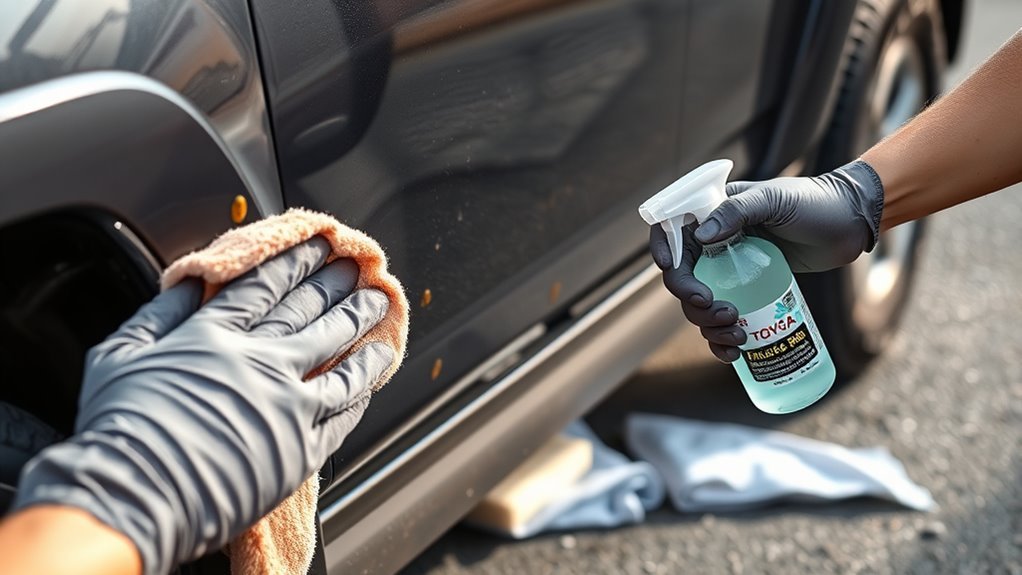
Toyota’s 4Runner exterior-care guidance says to wash the vehicle promptly when tree sap is on the paint. Start on a cool panel in the shade: rinse away loose grit, wash the spot with car shampoo, then use a product labeled safe for automotive paint or clear coat. Let the remover work for the label-specified dwell time, lift the softened sap with clean microfiber, wash the area again, and restore wax or sealant if needed. If the sap is gone but a dull ring remains, stop adding solvent because the mark may be staining or clear-coat etching.
Quick Answer
To remove tree sap from a Toyota 4Runner safely, rinse and wash the panel first, apply an automotive sap remover or bug-and-tar remover as directed, then blot and wipe lightly with a clean microfiber towel. Repeat short dwell cycles instead of scrubbing. Finish by washing, drying, inspecting the paint, and reapplying protection. If the surface feels smooth but still looks dull or cratered, move to paint correction rather than stronger solvent.
Key Takeaways
- Toyota advises prompt washing when tree sap is present on the paint, so treat fresh contamination before it hardens.
- Do not scrape dry sap with a fingernail, blade, rough sponge, paper towel, or abrasive pad.
- Use a cleaner labeled safe for automotive paint or clear coat, test it first, and follow the product’s exact dwell-time directions.
- Wash, rinse, and dry the panel after sap removal so cleaner and softened resin do not remain on the finish.
- If the spot feels smooth but leaves a dull halo, stain, or etched mark, stop using solvent and consider paint correction.
At a Glance
| Time Required | Varies by sap age and product; use repeated short applications instead of extending dwell time beyond the label |
| Difficulty | Easy for fresh sap; moderate if the sap has baked in the sun |
| Tools Needed | Automotive sap remover or bug-and-tar remover, gentle car soap, water, microfiber towels, soft wash mitt, gloves, and wax or sealant |
| Cost | Varies by the remover and protection products you already own; professional correction costs more |
How Do You Remove Tree Sap From a Toyota 4Runner Safely?
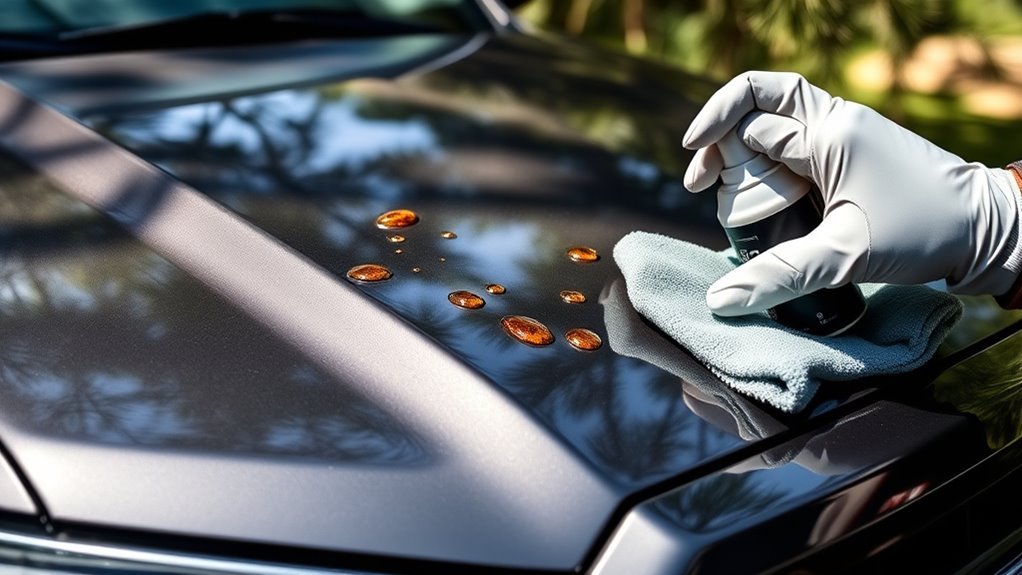
Start by treating sap as a sticky resin that needs softening. Scrubbing it like mud can drag grit across your 4Runner’s clear coat and leave swirl marks. A paint-safe sap remover, bug-and-tar remover, or dedicated automotive adhesive remover gives you a better chance of lifting the sap without using force.
Work in shade on a cool panel. Rinse the area first, then use the product only on the affected spot. Follow the label’s dwell time, wipe lightly with a plush microfiber towel, and repeat the process if residue remains. If the sap is old and hard, several short applications are safer than one aggressive scrub. Toyota’s owner-manual portal is the best place to confirm exterior-care instructions for your exact 4Runner model year.
Warning: Do not use acetone, lacquer thinner, gasoline, brake cleaner, steel wool, magic erasers, razor blades, or rough household sponges on painted 4Runner panels. These can dull, scratch, soften, or otherwise damage paint, clear coat, plastic trim, or protective films.
Choose the Method by What the Sap Looks Like
| Condition | What You Notice | Safest Next Step |
|---|---|---|
| Fresh or soft sap | Sticky deposit that has not formed a hard raised blob | Rinse and wash first; use a paint-safe remover only if normal car shampoo does not release it |
| Hardened raised sap | Firm bump or blob still sitting above the paint | Use repeated label-directed dwell cycles with sap or bug-and-tar remover; lift in layers without scraping |
| Residue after the blob is gone | Paint feels slightly rough but no raised sap remains | Wash first, then use a well-lubricated clay bar only if needed and only with light pressure |
| Possible etching or staining | Surface feels smooth but a dull ring, stain, or crater remains | Stop using remover; assess polishing or professional paint correction instead |
What Supplies Should You Use—and What Should You Avoid?
Gather everything before you start so the remover does not dry while you search for towels. Use separate clean microfiber towels for applying, wiping, and drying. If a towel hits the ground, replace it with a clean one.
| Use | Avoid |
|---|---|
| Automotive sap remover, bug-and-tar remover, or adhesive remover labeled safe for clear coat | Acetone, paint thinner, gasoline, brake cleaner, or unlabeled household solvents |
| Plush microfiber towels and a soft wash mitt | Paper towels, shop rags, scouring pads, stiff brushes, or kitchen sponges |
| Gentle car soap and clean rinse water | Dish soap as your normal car-wash method because it can remove wax or sealant protection |
| Wax, sealant, or ceramic-safe topper after cleaning | Leaving the cleaned spot bare if the remover stripped the existing protection |
Before using any new chemical, test it on a small painted area that is hard to see, such as the lower inside edge of a door jamb or another discreet painted surface. Wait, wipe, and inspect for dullness or color transfer before treating a visible panel.
If your 4Runner has aftermarket paint, a vinyl wrap, paint-protection film, matte or satin graphics, or a specialty coating, do not assume a product that is safe for factory gloss paint is safe for that surface. Follow the paint, film, wrap, or coating manufacturer’s care instructions first.
[Products Worth Considering]

Turtle Wax Hybrid Solutions Ceramic Spray Wax Coating delivers long-lasting ceramic protection, a deep glossy shine, and strong water repellency for easier maintenance. Its spray-and-buff formula is simple to apply on exterior surfaces, helping protect paint from dirt, UV rays, and road contaminants while keeping your vehicle looking cleaner between washes.
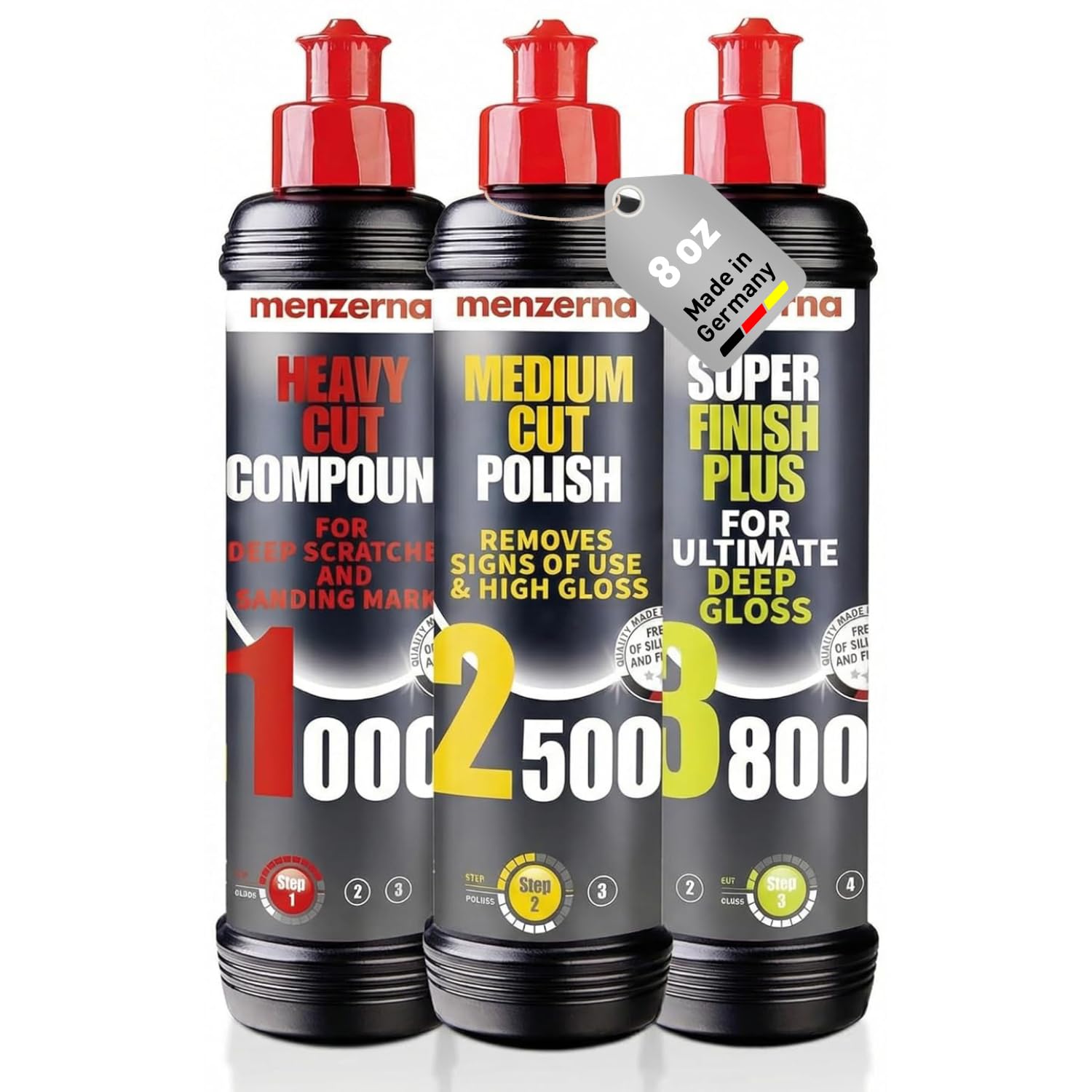
This Menzerna polishing set delivers a complete three-step paint correction process for removing scratches, refining surface defects, and producing a deep, mirror-like gloss. It combines heavy cut, medium cut, and super finish compounds to help restore clarity and create professional-quality results for detailing projects. Ideal for enthusiasts and professionals, it simplifies achieving a smooth, showroom-worthy finish.

Meguiar's Ultimate Ceramic Coating Kit delivers durable paint protection with enhanced gloss, slickness, and impressive water beading for easier washing and drying. Its spray-on, wipe-off application makes it simple to use, while helping conceal light defects and adding protection to glossy paint, trim, decals, paint protection film, and wheels.
How Do You Remove 4Runner Tree Sap Step by Step?
This process works best when the sap is still fresh or only lightly hardened. If the sap has baked for weeks, slow down and repeat the softening step instead of increasing pressure.
[Products Worth Considering]

Meguiar's Quik Eraser Kit makes it easy to remove light scratches, scuffs, and paint transfer from glossy paint and clear coats with minimal effort. The drill-activated pad and ScratchX formula work together to restore a smooth, polished finish, while the included microfiber towel helps reveal a clean, showroom-worthy shine. It is a convenient all-in-one solution for quick touch-ups and routine vehicle care.

This plastic razor blade scraper set is designed to remove stickers, decals, glue, grease, and paint without scratching delicate surfaces. It includes four ergonomic scrapers and 100 replacement plastic blades for convenient, long-term use on glass, windows, cars, walls, appliances, and more. Easy blade changes and a comfortable grip make it a practical choice for everyday cleaning and removal tasks.

This spray wax is designed to restore and protect black and dark-colored vehicle finishes in one easy step, helping fill light scratches, swirl marks, and paint imperfections while creating a deep, high-gloss shine. Infused with black pigments, ceramic polymers, and UV defense, it boosts color depth, repels water and contaminants, and helps keep your vehicle looking cleaner between washes.
Prep the Surface
Park your 4Runner in shade and let the paint cool. Rinse the affected panel with water to remove dust, pollen, and road grit. Wash the area with gentle car soap and a soft mitt, then rinse again. Dry with a clean microfiber towel so you can clearly see the sap edges.
If the sap is near rubber trim, matte plastic, badges, or a vinyl decal, apply the remover carefully to the sap only. Some solvents that are fine on clear coat can stain or dry out unpainted trim if they sit too long.
Apply Sap Remover
Apply a small amount of automotive sap remover or bug-and-tar remover directly to the sap or to a folded microfiber towel, depending on the product label. Let it dwell only for the manufacturer’s stated time. Keep the treated spot from drying during the allowed dwell period, and never extend contact time just because the sap is stubborn.
Pro Tip: For a raised blob of hardened sap, hold a damp microfiber towel with remover over the spot for a short dwell period. Softening the top layer first is safer than trying to knock the blob off with pressure.
Gently Wipe Away the Sap
Blot first, then wipe lightly in short strokes. Turn the towel often so you are not dragging loosened sap back across the clear coat. If the sap smears, stop and reapply the remover. Smearing means the resin is softening but has not fully released yet.
| Step | Action | Purpose |
|---|---|---|
| 1 | Rinse and wash the panel | Remove grit before wiping |
| 2 | Spot-test the remover | Check paint compatibility |
| 3 | Apply remover and wait briefly | Soften the resin |
| 4 | Blot and wipe lightly | Lift sap without scratching |
| 5 | Wash, rinse, dry, and inspect | Remove residue and check the finish |
| 6 | Reapply wax or sealant | Restore paint protection |
Wash, Rinse, and Reprotect
Once the sap is gone, wash the treated area with car soap and water. This removes leftover solvent and sticky residue. Rinse well, dry with microfiber, then inspect the panel under different light angles.
If the paint looks clean and glossy, apply wax, sealant, or a ceramic-safe maintenance product. Sap removers can reduce existing wax protection, so this final step restores a sacrificial layer over the cleaned area.
If the sap is no longer visible but the paint still feels slightly rough, wash and dry the panel before considering detailing clay. Use plenty of clay lubricant and light straight passes. Do not clay over a hard raised sap blob, and stop if the clay begins to drag or mar the finish.
What If Sap Leaves a Stain, Etching, or Sticky Residue?
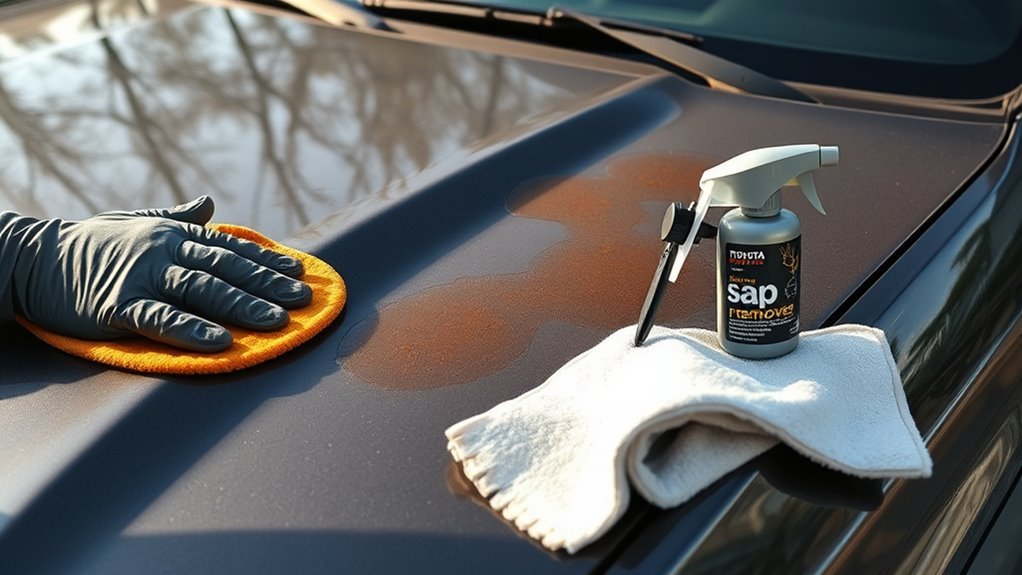
If the spot still feels tacky after the first pass, repeat the remover-and-microfiber process. Do not switch to a harsher tool just because the sap is stubborn. Old sap often releases in layers, so several gentle passes are normal.
Note: A clean panel can still show a faint outline after sap removal. If the paint feels smooth but looks dull, stained, or cratered, the sap may have etched the clear coat. More solvent will not fix that.
| Problem | Likely Cause | Best Fix |
|---|---|---|
| Sap smears instead of lifting | The resin has softened but not released | Reapply remover, wait briefly, and use a fresh towel side |
| Spot feels smooth but looks dull | Clear-coat staining or light etching | Stop using solvent and consider polish or professional correction |
| Fine scratches appear around the sap | Too much pressure or dirty towel | Stop wiping; wash the panel and assess with a detailer |
| Cleaner stains black trim | Product sat on unpainted plastic too long | Wipe trim immediately, wash it, and use trim-safe dressing if needed |
[Products Worth Considering]

Armor All Ultra Shine Car Wash and Wax combines cleaning power and wax protection in one easy step for a brilliant finish. Its pH neutral formula helps gently lift dirt, enhance water beading, and support faster drying while delivering a deep, mirror-like shine. Safe for automotive surfaces when used as directed, it is ideal for keeping cars, trucks, and motorcycles looking freshly detailed.

Fortify Ceramic Coating Spray delivers a mirror-like gloss while helping clean, protect, and enhance your vehicle’s paint in one easy application. Its nano-ceramic formula bonds to the surface for hydrophobic water beading, reduced water spots, and a freshly detailed look with minimal effort. Simply spray, wipe, and enjoy a slick protective finish without complicated tools or rinsing.

This two-step paint correction kit combines C4 Clear Cut Compound and P4 Precision Polish to restore automotive finishes with professional-level results. C4 removes scratches, swirls, oxidation, towel marks, and etching, while P4 refines the surface to boost gloss, depth, and color clarity. Safe for clear coat, single-stage, and ceramic-coated vehicles, it works with dual action, rotary, or hand application for easy detailing at home.
How Can You Prevent Future Sap, Bird-Dropping, and Pollen Damage?
Prevention is easier than correction. Park away from sap-heavy trees when possible, and inspect the 4Runner after parking under trees. Check the hood, roof, windshield surround, rear hatch, and around the roof rails so a small deposit does not harden unnoticed. For a separate exterior-cleaning task, see the guide to cleaning 4Runner door jambs and weather seals.
| Action | Benefit |
|---|---|
| Park away from trees when practical | Reduces sap, pollen, leaf, and bird-dropping exposure |
| Wash more often during pollen and sap season | Removes contaminants before they bond to the clear coat |
| Keep microfiber towels and quick detailer in the garage | Makes safe spot cleaning easier before sap hardens |
| Use wax, sealant, ceramic coating, or paint protection film | Adds a sacrificial barrier and makes future cleanup easier |
A ceramic coating can help sap and bird droppings release more easily, but it does not make your paint invincible. You still need to remove contaminants quickly. For the most accurate care limits for your specific model year, check Toyota’s official manuals and warranties page and follow the owner’s manual for your 4Runner.
When Does Tree Sap Need Professional Paint Correction?
Call a professional detailer if the sap is gone but the paint still shows a dull ring, stain, pitting, or a rough edge you can feel after washing. That usually means the problem is no longer sticky residue. It may be clear-coat etching, staining, or micro-scratching.
Paint correction uses abrasive polishing to reduce minor defects by leveling a small amount of clear coat, so it should be done conservatively. A ceramic coating can be applied after proper washing, decontamination, polishing, and panel prep when the coating system calls for those steps. It can make future cleanup easier, but it does not make paint immune to sap, bird droppings, or neglect.
The safest sap-removal rule is simple: soften first, wipe lightly, and stop if the paint looks stained instead of sticky.
Frequently Asked Questions
Does Dawn dish soap remove sap from cars?
Dawn or another nonabrasive dish soap may help with fresh grime, but it is not the best first choice for hardened tree sap. Dish soap can remove wax or sealant, so use car shampoo for routine washing and a paint-safe sap or bug-and-tar remover for bonded sap. If dish soap is used in a pinch, rinse thoroughly and restore protection afterward.
Can I use rubbing alcohol on tree sap?
Isopropyl alcohol can soften tree sap, but use it as a controlled fallback rather than the default cleaner. Test a small area first, keep it on the sap rather than surrounding trim, use brief contact, do not let it dry on hot paint, then wash and re-protect the area. A dedicated paint-safe sap remover is the simpler first choice.
Will WD-40 remove tree sap from a 4Runner?
WD-40 may loosen sticky residue, but it is not a dedicated paint-care product and it can leave an oily film. Use a remover labeled safe for automotive clear coat first. If a non-detailing product is ever used, spot-test it, keep it away from incompatible trim or films, and wash the panel thoroughly afterward.
Can a clay bar remove sap?
A clay bar can help with bonded residue after the raised sap has been softened and mostly removed. Do not use clay as the first attack on a hard sap blob. Wash first, use generous clay lubricant, glide with light pressure, and stop if the clay drags or leaves marring.
What if tree sap left a stain after removal?
If the paint feels smooth but still shows a dull stain or ring, the sap may have etched or stained the clear coat. Stop using stronger chemicals. A light polish may help, but deeper etching should be handled by a professional detailer or body shop.
Does ceramic coating stop tree sap damage?
Ceramic coating can make the surface slicker and more resistant to contaminants, so sap is often easier to clean. It does not stop all damage. Sap and bird droppings should still be removed quickly, especially when the vehicle sits in heat or direct sun.
Conclusion
You can remove tree sap from a Toyota 4Runner safely by working in this order: rinse and wash first, soften the sap with a clear-coat-safe automotive remover, lift it with clean microfiber, wash away residue, inspect the finish, and restore protection. Do not scrape or substitute harsher chemicals when the sap resists. If the deposit is gone but the paint still looks dull, stained, or cratered, stop using solvent and move to careful polishing or professional paint correction.
Sources
- Toyota Owners Manuals and Warranties — vehicle-specific owner manual and care-reference hub; 4Runner exterior-care guidance says to wash promptly when tree sap or coal tar is on the paint.
- Turtle Wax: 3 Ways to Remove Tree Sap From Your Car — supports starting with normal washing for fresh sap, then escalating to dedicated automotive products for stubborn deposits.
- Kelley Blue Book: Will Rubbing Alcohol Damage Car Paint? — supports cautious, limited use of isopropyl alcohol on automotive paint and notes that stronger IPA can soften tree sap.
- Kelley Blue Book: Can You Use Dish Soap to Wash a Car? — supports using dedicated car shampoo for routine washing and notes that dish soap can remove wax or sealant protection.
- Meguiar’s Soft Wash Gel — supports pH-neutral car-wash soap for cleaning while preserving wax protection and cautions that dishwashing detergents can strip protection.
- The Times: Cleaning bird droppings off car paint — supports prompt contaminant removal, softening before wiping, and the limits of ceramic-coating protection.


[…] droppings, tree sap, hard-water residue, road film, and neglected chips can accelerate visible paint […]
[…] is not just about making your RAV4 look clean. Dirt, road salt, bug residue, bird droppings, tree sap, and brake dust can stay on the surface and make later cleaning harder. Toyota’s […]