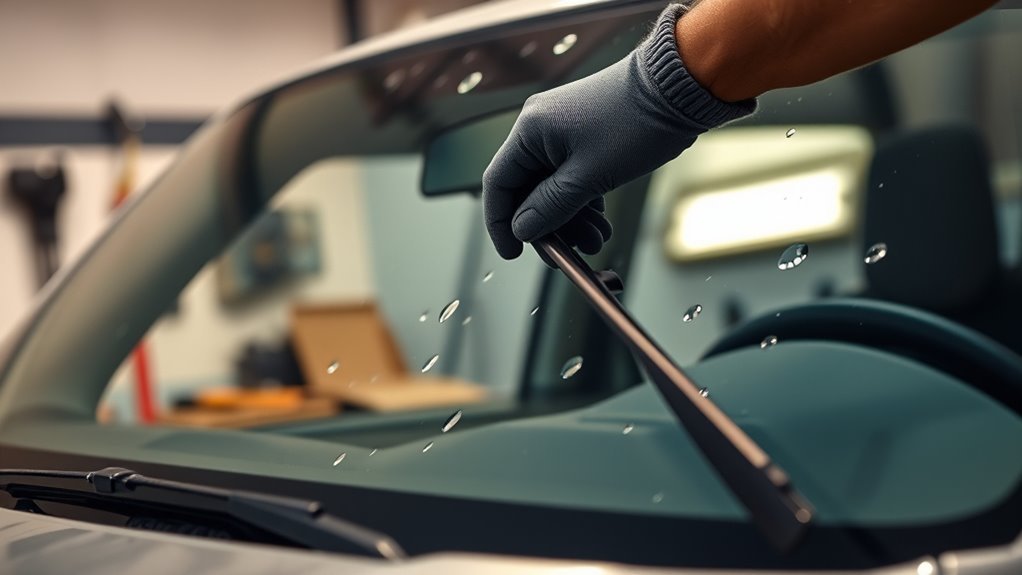
Hazy or foggy 4Runner windows usually come from two separate problems: bonded exterior film from road grime and minerals, and oily interior residue from fingerprints, vinyl off-gassing, smoke, or cleaning-product buildup. The fastest fix is to clean the outside and inside differently, use tint-safe products, dry with dedicated glass microfiber towels, and use the HVAC system correctly when humidity causes the glass to fog.
Quick Answer
To clean 4Runner windows without haze, deep-clean exterior buildup first, then maintain both sides with an ammonia-free glass cleaner and lint-free microfiber towels. Spray cleaner on the towel for interior glass, wipe in straight overlapping passes, dry with a fresh towel, and use outside-air defog settings when humidity makes the windshield fog.
Key Takeaways
- Use separate towels for exterior glass, interior glass, and final drying so oily residue does not transfer back onto clean windows.
- Use ammonia-free, tint-safe cleaners on interior or tinted glass, and avoid abrasive pads, blades, and dirty sponges.
- Deep-clean stubborn exterior haze or water spots only when normal glass cleaner no longer clears the film.
- For fogging, clean the inside glass and use the 4Runner’s defogger with A/C dehumidification and outside air instead of recirculated air.
At a Glance
| Time Required | 15–30 minutes for routine cleaning; 45–60 minutes for a full deep clean |
| Difficulty | Easy |
| Tools Needed | Ammonia-free glass cleaner, glass microfiber towels, squeegee, bucket, warm water, optional water-spot remover or glass polish |
| Cost | About $15–$40 for a basic kit; more if adding a long-lasting glass coating |
Quick Fix: Remove Haze and Defog Now
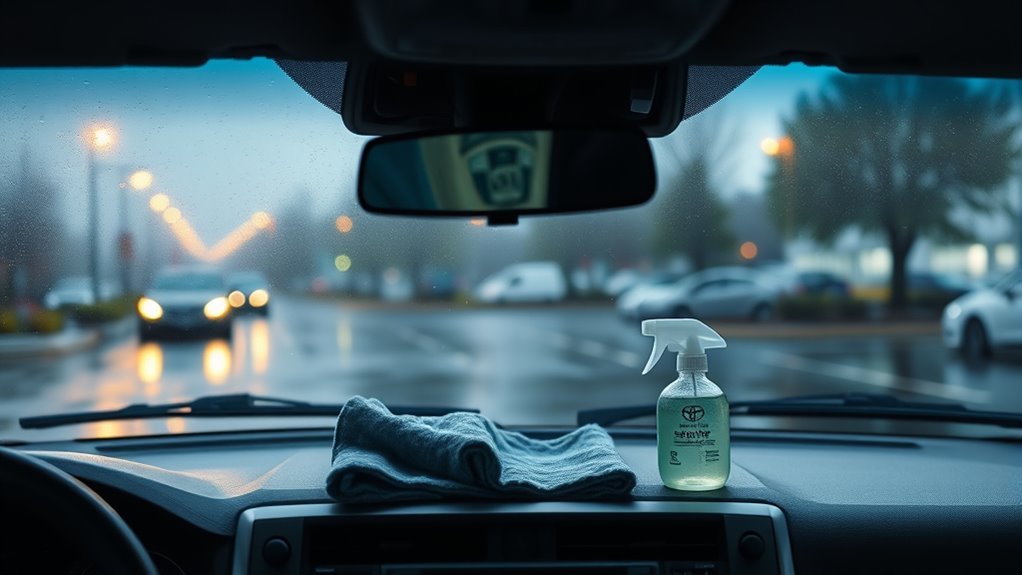
If your 4Runner windows look cloudy, start with the inside of the windshield. Interior haze is often an oily film, and it can make fogging worse because moisture clings to the residue. Use an ammonia-free glass cleaner such as Invisible Glass or a tint-safe cleaner such as Meguiar’s Perfect Clarity Glass Cleaner, then wipe with a clean glass microfiber towel.
For exterior haze that does not come off with normal cleaner, use a dedicated deep cleaner such as Rain-X X-treme Clean on the outside glass only, following the product directions. It is designed to strip heavy residue, road film, bugs, and grime from glass and windshields. After deep cleaning, do a final pass with glass cleaner and a dry microfiber towel.
To defog fast, press the windshield defogger, turn on A/C or the cooling/dehumidification function, raise the fan speed, and switch from recirculated air to outside air. Toyota notes that 4Runner windows can fog more easily when cabin humidity is high or when recirculated air is used, and that dehumidified air helps clear the windshield effectively.
Warning: Do not use ammonia-based household glass cleaners on aftermarket tint unless the tint manufacturer specifically allows it. Use a tint-safe, ammonia-free cleaner and a soft microfiber towel to avoid film damage, bubbling, discoloration, or scratched tint.
[Products Worth Considering]

This three-piece windshield wiper set is designed for compatible Toyota RAV4 and Highlander models to help deliver clear visibility in everyday driving. The natural rubber blades feature a graphite-treated surface for quiet, smooth wiping performance and reliable weather resistance. Installation is quick and tool-free, making it easy to replace worn blades on the front and rear of your vehicle.

This front wiper blade set is designed to deliver clear, quiet visibility for compatible Toyota, Hyundai, and Honda vehicles with J/U hook wiper arms. The included driver and passenger blades provide a straightforward replacement for worn front wipers, with an OE-style connector and natural rubber edge for smooth wiping in rain, snow, and everyday driving. Always confirm your vehicle's fitment and original blade sizes before ordering.

This custom-fit windshield sun shade is designed for Toyota Rav4 models from 2013 to 2018, helping block harsh sunlight and reduce heat buildup inside your vehicle. It protects the dashboard, seats, and interior surfaces from UV damage while adding privacy when parked. The foldable design makes it easy to install, remove, and store in seconds.
Clean Your 4Runner Windows: Step-by-Step Routine
Work in the shade and let the glass cool first. Hot glass dries cleaner too quickly, which is one of the easiest ways to create streaks. Clean the exterior first, then the interior, and finish with a dry inspection from different angles.
- Pre-rinse exterior windows. Rinse loose dirt and grit before wiping so you do not drag abrasive debris across the glass.
- Use a dedicated glass towel. Spray cleaner onto the microfiber towel or lightly onto exterior glass. For interior glass, spray the towel instead of the window so liquid does not run into the dash, trim, or tint edges.
- Wipe in overlapping passes. Use horizontal strokes on the inside and vertical strokes on the outside, or vice versa. This makes it easier to tell which side still has streaks.
- Use a squeegee on large exterior panels. Pull downward in smooth, overlapping passes, then wipe the blade after each pass.
- Dry with a fresh towel. A separate dry microfiber towel removes the last film of moisture and cleaner residue.
- Check edges and corners. Roll side windows down slightly, clean the top edge, then roll them back up and finish the rest of the glass.
Pro Tip: Keep one towel for wet cleaning and one towel for dry buffing. When the dry towel starts feeling damp, switch to a fresh one instead of rubbing harder.
Pick the Right Cleaners for Your 4Runner: Interior vs. Exterior
Interior and exterior glass collect different grime, so one product and one towel should not do every job. Interior glass usually needs a low-residue, tint-safe cleaner. Exterior glass may need stronger decontamination when road film, bug residue, minerals, or wax overspray are bonded to the surface.
[Products Worth Considering]
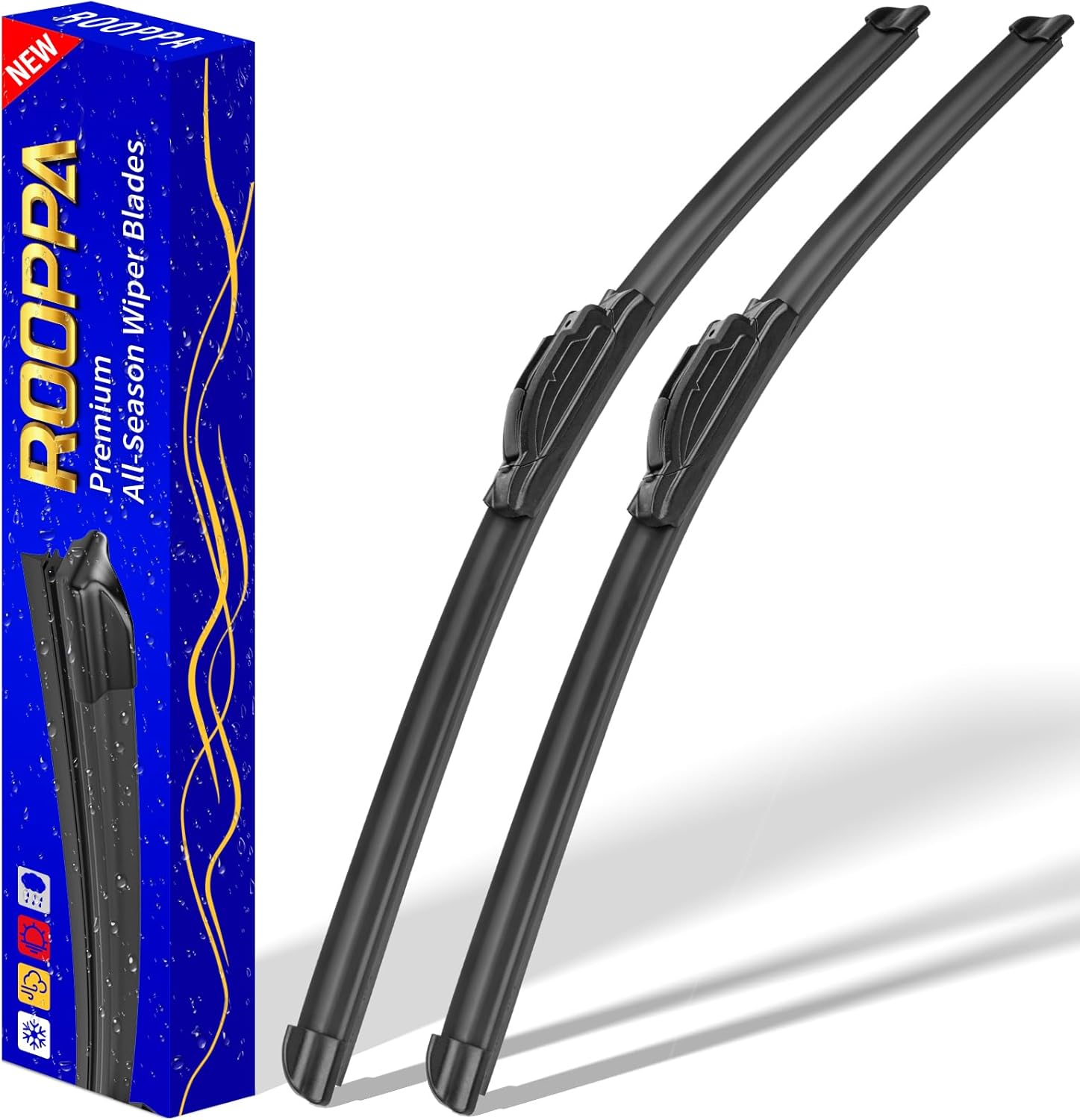
This front wiper blade set is designed as a direct replacement for select Toyota Corolla and RAV4 models, helping restore clear visibility in rain and road spray. Built for smooth, quiet performance with an easy plug-and-play installation, it includes both blades needed for the front windshield and is made to support dependable everyday driving.

This JustCar windshield wiper blade set is designed as a premium replacement for compatible Toyota and Kia models, delivering smooth, streak-free wiping in all weather conditions. Built with a dual spring steel design, asymmetrical wind spoiler, and natural rubber, it helps reduce chatter while maintaining strong windshield contact. The easy-install fit supports U/J hook arms and comes as a matched set for dependable front wiper replacement.

CAR & AUTO GLASS CLEANER: High-performance automotive glass cleaner removes fingerprints, smudges, grease, and road film from car windows and windshields for a crystal-clear, streak-free finish
Interior-Safe Cleaners
For the inside of your 4Runner, choose an ammonia-free cleaner that is safe for tinted glass. Invisible Glass states that its formula is ammonia-free and safe for factory-tinted and aftermarket-tinted windows when used as directed. Meguiar’s Perfect Clarity Glass Cleaner is also listed by Meguiar’s as safe for all tinted windows and designed to remove vinyl fog, road grime, smoker’s film, bugs, and other glass residue.
Avoid cleaners that leave oils, gloss enhancers, or heavy fragrance residue. Those residues can create a smeary windshield at night and give moisture more surface film to cling to during humid weather.
Exterior Glass Cleaners and Protectants
For routine exterior cleaning, an ammonia-free automotive glass cleaner is enough. For stubborn haze, water spotting, or bonded road film, use a dedicated exterior glass cleaner or water-spot remover. Mothers California Gold Water Spot Remover for Glass is intended for exterior glass and is designed to remove mineral deposits, road film, salt spray, grime, bugs, and similar contamination.
After the glass is fully clean, you can apply a hydrophobic glass coating or rain repellent. A long-lasting option such as Gtechniq G1 ClearVision Smart Glass chemically bonds to glass and helps water bead and clear more easily in wet weather. Follow the manufacturer’s prep, cure, and wiper-use directions exactly because coatings work best only on clean, bare glass.
Stock These Tools and Materials for Streak-Free Glass
A simple, dedicated glass kit prevents most streaking problems. Do not use the same towel you used for wax, dashboard protectant, tire dressing, or leather cleaner; those products can transfer oily residue to glass.
[Products Worth Considering]

Pack includes 2 blue dual-sided automotive glass cleaner towels measuring 16 inches by 16 inches for your car detailing kit, home, and other glass surfaces

80/20 Blend (370gsm) Professional Lint-Free, Streak-Free Microfiber Waffle-Weave Towels With Overlock Stitched Edge and Over 300,000 Fibers per Square Inch.

WAFFLE WEAVE MICROFIBER TOWELS FOR CARS (MIC707) – Large 24" x 16" microfiber towel with waffle weave texture for maximum water absorption and streak-free drying on all vehicle surfaces
Essential Cleaning Tools
| Tool | Purpose | Tip |
|---|---|---|
| Glass microfiber cloth | Lifts film and residue | Use a clean towel face for each section |
| Dry microfiber towel | Final buffing | Replace when damp |
| Squeegee | Removes water from exterior glass | Overlap each stroke |
| Small washing glove or applicator | Agitates corners and edges | Use only on clean glass |
| Bucket with warm water | Rinses tools | Change water when dirty |
| Tint-safe glass cleaner | Routine cleaning | Spray lightly to avoid oversaturation |
Recommended Cleaning Products
- Rain-X X-treme Clean: exterior deep cleaner for heavy buildup, bugs, grime, and haze on glass.
- Invisible Glass: ammonia-free, residue-free cleaner for routine auto glass cleaning, including tinted windows when used as directed.
- Meguiar’s Perfect Clarity Glass Cleaner: tint-safe glass cleaner for interior and exterior glass, with a low-residue finish.
- Mothers California Gold Water Spot Remover for Glass: targeted exterior-glass product for mineral deposits and water spots.
- Gtechniq G1 ClearVision Smart Glass: durable hydrophobic coating for clean exterior glass.
- Glass-specific microfiber towels: low-lint towels reserved only for glass cleaning and final drying.
Note: Newspaper is sometimes recommended for glass, but microfiber is safer and more consistent for modern auto interiors because newspaper ink and rough fibers can leave residue on trim, tint, or hands.
How to Clean Tinted Windows Without Damaging the Tint
Most 4Runners have privacy glass, aftermarket tint, or both. Treat all side and rear glass as tint-sensitive unless you know exactly what film is installed. Use an ammonia-free glass cleaner, a soft microfiber towel, and light pressure.
- Dust first. Wipe the glass lightly with a dry microfiber towel to remove loose grit.
- Spray the towel, not the tint. This prevents cleaner from running under film edges or into door panels.
- Wipe gently in straight strokes. Do not scrub hard, especially near edges, dots, defroster lines, or old film.
- Use a second towel to dry. Buff the glass lightly until no streaks remain.
- Stop if you see lifting film. If tint edges curl, bubble, or discolor, stop cleaning that area and ask a tint installer before using stronger products.
If the tint was recently installed, follow the installer’s cure-time instructions before cleaning. Many window-film manufacturers and installers recommend waiting before washing newly installed film because moisture and mounting solution need time to dry.
Deep-Clean Stubborn Oil, Wax, and Water Spots
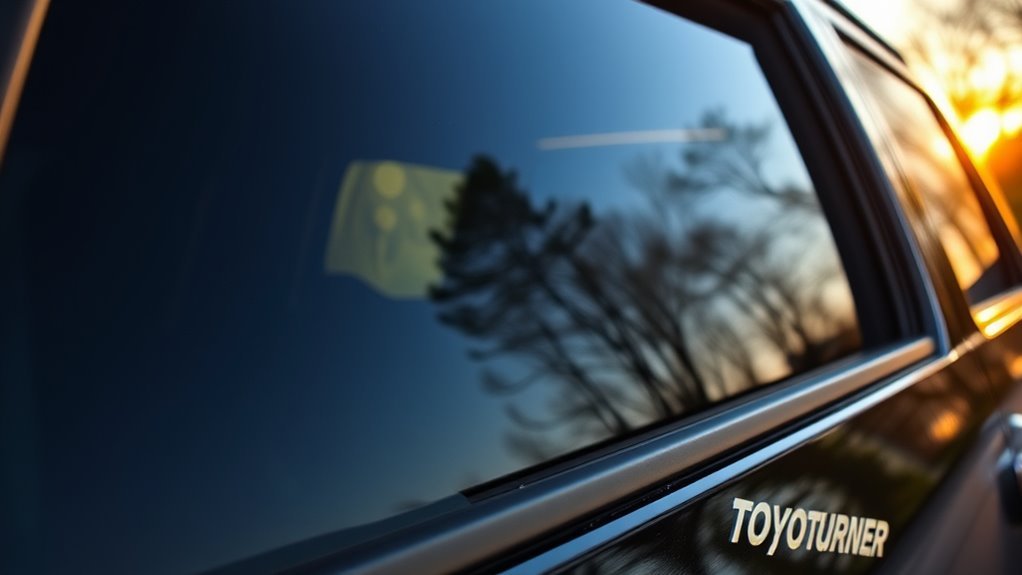
If normal cleaner leaves cloudy patches, you are probably dealing with bonded contamination rather than simple dirt. Common causes include hard-water minerals, wax overspray, road film, tree sap mist, bug residue, and old rain-repellent layers.
- For oily interior film: use a tint-safe glass cleaner on a microfiber towel, wipe in straight passes, then repeat with a fresh towel. Do not use polish or abrasive compounds inside the vehicle.
- For exterior road film: use Rain-X X-treme Clean or another dedicated exterior glass cleaner, then rinse and dry completely.
- For water spots: use an exterior-glass water-spot remover such as Mothers California Gold Water Spot Remover for Glass. Keep it off interior tint unless the label specifically allows that use.
- For wax or sealant smear: clean a small test area first, then remove residue with a glass-safe cleaner and microfiber towel.
- For recurring haze: clean or replace contaminated towels, because dirty glass towels often reapply the film you are trying to remove.
Warning: Do not use razor blades, steel wool, abrasive pads, or aggressive compounds on tinted glass, rear defroster lines, camera/sensor areas, or glass with aftermarket film. Those areas can be permanently damaged.
Stop Interior Fogging After You Clean the Glass
Cleaning removes the oily film that makes fog look worse, but humidity control keeps it from coming back during drives. Fog forms when moist cabin air meets cool glass, so the goal is to remove moisture and reduce the temperature difference.
- Use the windshield defogger. This directs airflow to the windshield and front side windows.
- Turn on A/C or dehumidification. Toyota’s 4Runner climate-control guidance says the cooling and dehumidification function helps defog the windshield effectively.
- Switch to outside air. Recirculated air can make windows fog more easily when humidity is high.
- Increase fan speed and temperature for fast clearing. Warm, dry airflow clears fog faster than low airflow.
- Remove wet items from the cabin. Damp floor mats, towels, jackets, and snow-covered boots add moisture.
- Replace a dirty cabin air filter. Restricted airflow can make defogging slower.
Set a Maintenance Schedule and Use Protective Coatings
Regular light cleaning is easier than repeated heavy polishing. Use this schedule to keep your 4Runner glass clear without overworking the surface:
- Weekly: quick-clean the windshield, front side windows, mirrors, and rear glass with an ammonia-free glass cleaner and microfiber towels.
- Monthly: clean the full interior glass, including the windshield edges and the top edges of roll-down windows.
- Every 3–6 months: deep-clean exterior glass if water spots, road film, or wiper haze remain after normal washing.
- As needed: apply or refresh an exterior glass coating after deep cleaning, following the coating manufacturer’s cure instructions.
Keep dedicated glass towels separate from paint, wheel, tire, and interior-detailing towels. Wash them without fabric softener, because softeners can leave a residue that smears glass.
Clean glass is not just cosmetic. A clear windshield reduces glare, makes defogging more effective, and helps you see road markings, pedestrians, animals, and traffic sooner in rain or at night.
Frequently Asked Questions
How do I clean 4Runner windows without haze?
Use an ammonia-free automotive glass cleaner, a clean glass microfiber towel, and a separate dry towel for the final buff. For exterior haze that normal cleaner cannot remove, use a dedicated exterior glass cleaner or water-spot remover, then rinse and dry the glass before applying any rain repellent.
How do I clean car windows without leaving smudges?
Use less cleaner, work on cool glass, and switch towels before they get damp. Wipe in overlapping straight passes, then buff with a dry microfiber towel. If smudges keep returning, wash your glass towels separately and make sure they have not absorbed wax, dressing, or fabric softener.
Can I use Rain-X X-treme Clean on the inside of my 4Runner windshield?
Use strong deep cleaners mainly on exterior glass unless the product label clearly allows interior use for your situation. For interior glass, especially tinted glass, a tint-safe ammonia-free cleaner and microfiber towel are the safer routine choice.
What is the best way to clean tinted 4Runner windows?
Spray an ammonia-free, tint-safe cleaner onto a microfiber towel, not directly onto the film. Wipe gently in straight strokes, avoid abrasive pads, keep cleaner away from film edges, and dry with a second soft towel.
Why do my 4Runner windows keep fogging after I clean them?
The cabin may still be too humid. Use the windshield defogger, turn on A/C or dehumidification, switch to outside air, raise the fan speed, and remove wet floor mats or damp items from the vehicle. A dirty cabin air filter can also slow airflow.
Conclusion
You can keep your 4Runner windows clear by treating haze, streaks, and fog as separate problems. Clean interior glass with a tint-safe, ammonia-free cleaner and dedicated microfiber towels. Deep-clean exterior glass only when road film, water spots, or wiper haze survive normal washing. Then control moisture with the 4Runner’s defogger, A/C dehumidification, and outside-air mode. With the right towels, gentle technique, and a steady maintenance schedule, the glass stays clearer with much less effort.
Sources
- Rain-X X-treme Clean — supports use for heavy buildup, road film, bugs, grime, and exterior glass cleaning.
- Stoner Invisible Glass Auto Glass Cleaner — supports ammonia-free, residue-free, tint-safe routine glass cleaning.
- Meguiar’s Perfect Clarity Glass Cleaner — supports safe use on tinted windows and low-residue automotive glass cleaning.
- Mothers California Gold Water Spot Remover for Glass — supports exterior water-spot and mineral-deposit removal guidance.
- Gtechniq G1 ClearVision Smart Glass — supports hydrophobic exterior glass coating information.
- Toyota 2026 4Runner Automatic Air Conditioning System — supports defogging guidance for outside air, recirculation, and cooling/dehumidification.