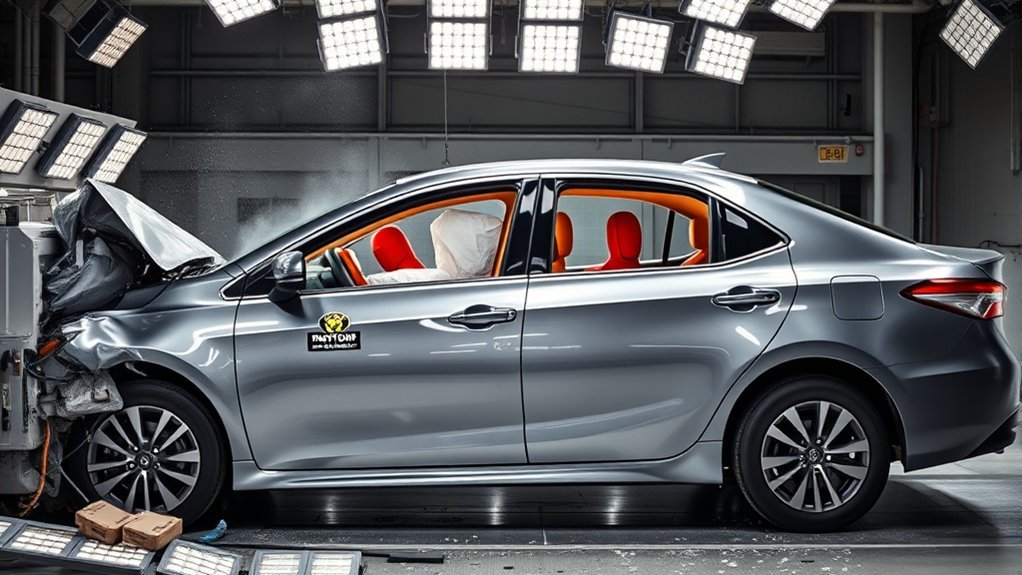
Toyota Camry safety test scores are strong in every major program, but the three programs use three different scales. NHTSA gives the Camry a 5-star overall rating. IIHS rates the 2025-26 hybrid Camry Good in all three crashworthiness tests and Good in both front crash prevention tests, and it named the 2026 Camry a Top Safety Pick+ under tougher 2026 award criteria. ANCAP gives the hybrid Camry five stars, with 95% adult and 87% child occupant protection. The current catch is not the crash tests: 508,354 U.S. 2025-2026 Camry Hybrids are covered by an August 2026 recall (NHTSA campaign 26V511) for an instrument cluster that can go blank and disable the turn signals, so check the VIN before you buy.
Last updated: August 19, 2026. This update added the 2026 IIHS Top Safety Pick+ award and the 2026 award criteria, NHTSA 5-Star results, all four ANCAP assessment scores, scenario-level IIHS crash-avoidance and headlight measurements, and the current-generation recall list including NHTSA campaign 26V511 filed August 6, 2026.
Quick Answer
The 2025-26 Toyota Camry is one of the strongest safety performers in the midsize class. NHTSA lists a 5-star overall rating, with 5 stars in the frontal crash, side crash and rollover assessments. [VERIFY: confirm the driver and passenger frontal sub-ratings for your exact model year at nhtsa.gov/ratings] IIHS rates it Good in small overlap front, updated moderate overlap front, updated side, vehicle-to-vehicle front crash prevention 2.0, pedestrian front crash prevention, seat-belt reminders and LATCH ease of use, with Acceptable headlights, and names the 2026 Camry a Top Safety Pick+. ANCAP gives the hybrid Camry five stars: 95% adult occupant protection, 87% child occupant protection, 84% vulnerable road user protection and 81% safety assist. Before buying any 2025 or 2026 Camry, check the VIN against recall 26V511.
Key Takeaways
- NHTSA gives the Camry a 5-star overall rating; confirm the current federal result and recall status for your model year on NHTSA’s 2025 Toyota Camry vehicle page.
- The IIHS rates the 2025 Camry Good in its key crashworthiness tests, Good for both front crash prevention tests, and Acceptable for headlights, and those ratings apply to 2025-26 models.
- IIHS named the Camry a 2025-26 Top Safety Pick+ and again a 2026 Top Safety Pick+ — the 2026 award is harder to win, because it now requires a Good pedestrian front crash prevention rating rather than merely Acceptable.
- ANCAP’s five-star result carries four separate scores: 95% adult, 87% child, 84% vulnerable road user and 81% safety assist.
- Do not compare IIHS letter ratings, NHTSA stars, and ANCAP percentages as if they are the same score.
- Toyota Safety Sense 3.0 is standard, but it assists the driver; it does not replace safe, attentive driving.
- The current-generation Camry has been covered by four NHTSA recall campaigns since launch, including 26V511 in August 2026. Check the exact VIN for open recalls before purchase.
What Makes the 2025-26 Toyota Camry a Safe Choice?
The 2025-26 Toyota Camry is a safe choice because it combines a strong crash-test structure with standard driver-assistance technology. Toyota says the redesigned 2025 U.S. Camry is hybrid-only and comes standard with Toyota Safety Sense 3.0, Blind Spot Monitor, and Rear Cross-Traffic Alert, according to Toyota’s official Camry announcement.
The Camry does well in both crash protection and crash prevention. IIHS gives the 2025 Camry Good ratings in small overlap front, updated moderate overlap front, and updated side crash tests. It also gives the standard front crash prevention systems Good ratings for vehicle-to-vehicle and pedestrian testing, while the headlights earn an Acceptable rating. Those results carry forward: the IIHS 2026 Camry rating page shows the same grades and states that they apply to 2025-26 models.
Where the Camry Is Not Perfect
A Good overall grade is built from sub-ratings, and three of the Camry’s are Acceptable rather than Good. In the passenger-side small overlap test, passenger restraints and dummy kinematics rate Acceptable. In the updated moderate overlap front test, rear passenger restraints and dummy kinematics rate Acceptable. In the updated side test, rear passenger pelvis protection rates Acceptable.
None of that pulls the headline ratings below Good, and the rear dummy recorded no head contact in the moderate overlap test. But if you are buying a Camry mainly to carry children or adults in the second row, those three measures are the ones to read on the IIHS page rather than the summary grade.
Note: Do not describe the Camry’s IIHS small-overlap performance as “1.0 and 1.3 ratings.” IIHS ratings are Good, Acceptable, Marginal, or Poor. The figures 1.0 and 1.3 are neck-tension measurements in kilonewtons recorded by the test dummies — 1.0 kN in the driver-side small overlap test and 1.3 kN in the passenger-side test. They are technical injury measurements, not the headline safety rating.
How Do NHTSA, IIHS, and ANCAP Ratings Compare?
NHTSA, IIHS, and ANCAP all measure safety, but they do not grade vehicles the same way. That is why a Camry can have a federal star rating, IIHS letter-grade style ratings, and ANCAP percentage scores at the same time.
| Organization | What It Measures | Why It Matters for Camry Buyers |
|---|---|---|
| NHTSA | Federal crash-test performance using the 5-Star Safety Ratings system. | Best for checking the official U.S. government rating and recall records. |
| IIHS | Crashworthiness, headlights, front crash prevention, seat-belt reminders, and child-seat anchor usability. | Best for detailed crash protection and crash-avoidance results. |
| ANCAP | Australian and New Zealand safety performance, including adult, child, vulnerable road user, and safety assist percentages. | Useful extra context, especially for hybrid Camry variants sold in those markets. |
For U.S. shoppers, start with NHTSA’s 5-Star Safety Ratings and the IIHS vehicle page. For global context, the ANCAP Toyota Camry rating is a five-star result covering all hybrid variants built from June 2024. It carries a 2024 datestamp, expires in December 2031, and breaks down into 95% adult occupant protection (38.40 of 40 points), 87% child occupant protection (42.66 of 49), 84% vulnerable road user protection (53.15 of 63) and 81% safety assist (14.76 of 18).
Do not convert one program into another. A Good IIHS rating does not equal a five-star NHTSA rating, and ANCAP’s adult and child percentages are not the same as U.S. crash-test stars. The ANCAP result also applies to Australian and New Zealand vehicles, not to U.S.-market cars. Use each program for what it measures best.
[Products Worth Considering]
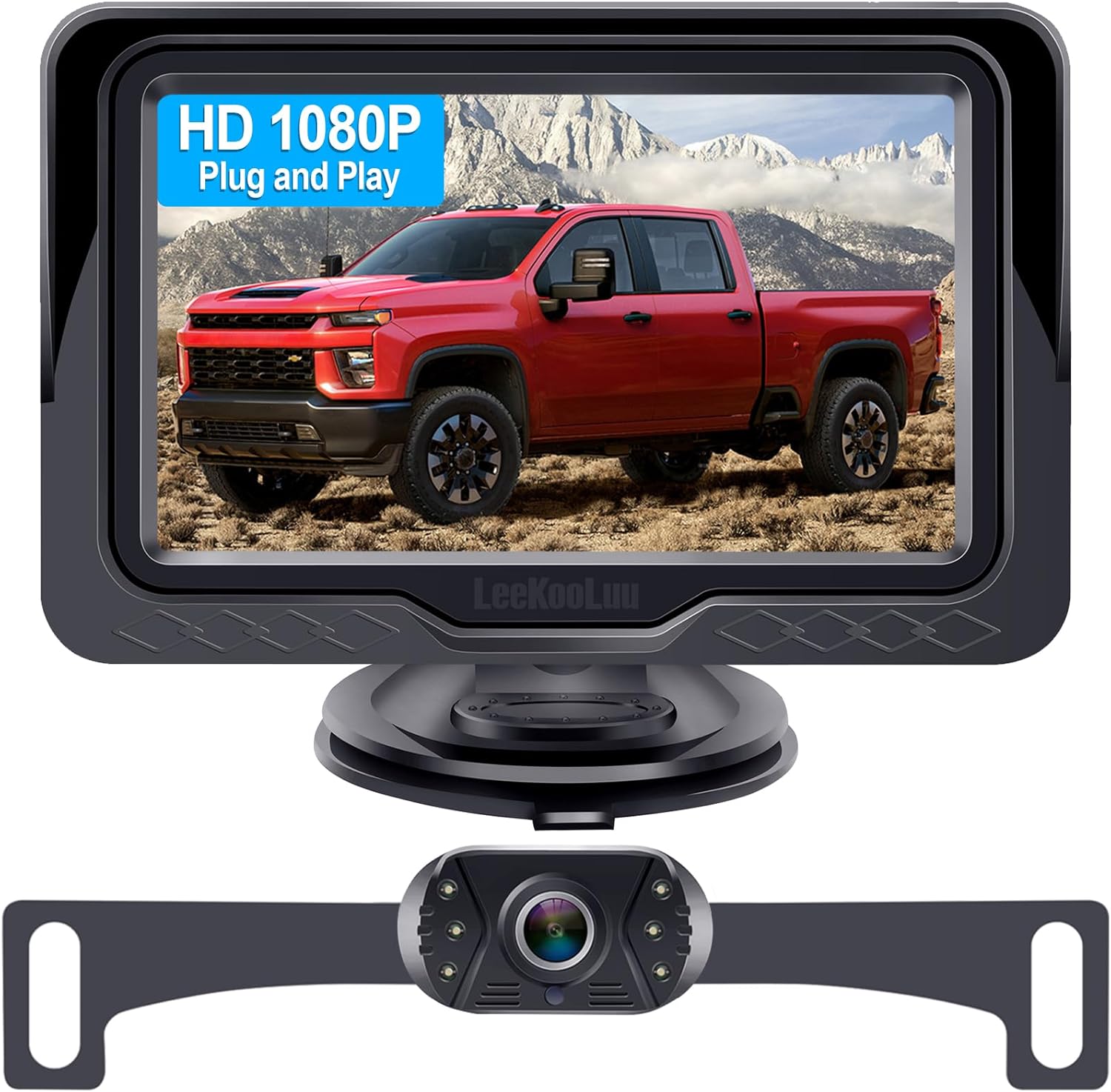
This plug-and-play backup camera system is designed for quick installation and dependable rear visibility on a wide range of vehicles. It delivers HD 1080P color images with stable signal transmission, clear night vision, and an adjustable 4.3-inch monitor for safer reversing in day or night conditions. With a waterproof all-weather design, customizable parking grid lines, and wide-angle viewing, it helps reduce blind spots and makes parking and maneuvering easier.

This wired backup camera system makes reversing easier with a quick plug-and-play setup, stable real-time video, and a wide-angle HD view to help reduce blind spots. The adjustable parking lines, brightness, contrast, and image flip options let you customize the display for safer parking in cars, trucks, RVs, vans, SUVs, trailers, and campers.
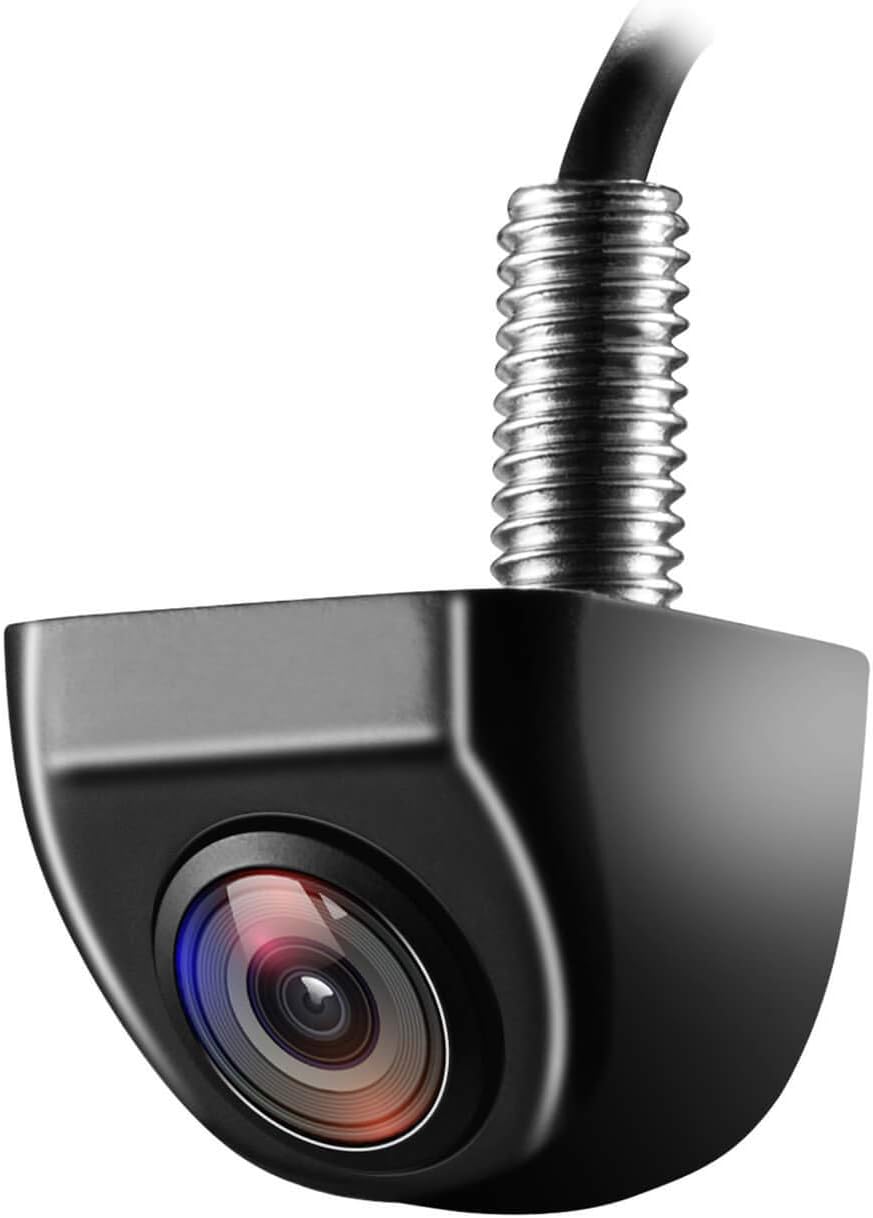
This OEM-style backup camera delivers a clear rear view with a wide-angle HD sensor to help reduce blind spots and make parking easier. Its fully sealed waterproof construction and strong low-light performance support reliable use in all weather and lighting conditions. Designed for cars, trucks, SUVs, vans, and RVs, it also supports front-view switching and selectable guide lines for flexible installation.
What Safety Features Come Standard on the 2025-26 Camry?
The 2025 Camry comes standard with Toyota Safety Sense 3.0. Toyota’s official feature list describes these driver-assistance systems:
- Pre-Collision System with Pedestrian Detection: Helps detect vehicles, pedestrians, bicyclists, or motorcyclists and can provide warning and automatic emergency braking in certain conditions.
- Full-Speed Range Dynamic Radar Cruise Control: Helps maintain a set following distance from the vehicle ahead on highways.
- Lane Departure Alert with Steering Assist: Warns when the vehicle may leave its lane and can provide gentle steering support.
- Lane Tracing Assist: Helps keep the vehicle centered when Dynamic Radar Cruise Control is active and lane markers or a preceding vehicle are detected.
- Road Sign Assist: Uses a camera to display certain road signs on the driver display.
- Proactive Driving Assist: Can provide gentle braking or steering support when system conditions are met.
IIHS independently lists the 2026 Camry’s equipment as standard blind spot detection, standard lane departure warning and prevention, and optional rear automatic braking. That matters when you compare trims: rear automatic braking is not included on every car, so confirm it on the window sticker rather than assuming it.
Warning: Toyota Safety Sense 3.0 is a driver-assistance package, not a self-driving system. Weather, road markings, lighting, sensor blockage, speed, and driver behavior can affect performance. Keep your hands on the wheel and your attention on the road.
[Products Worth Considering]
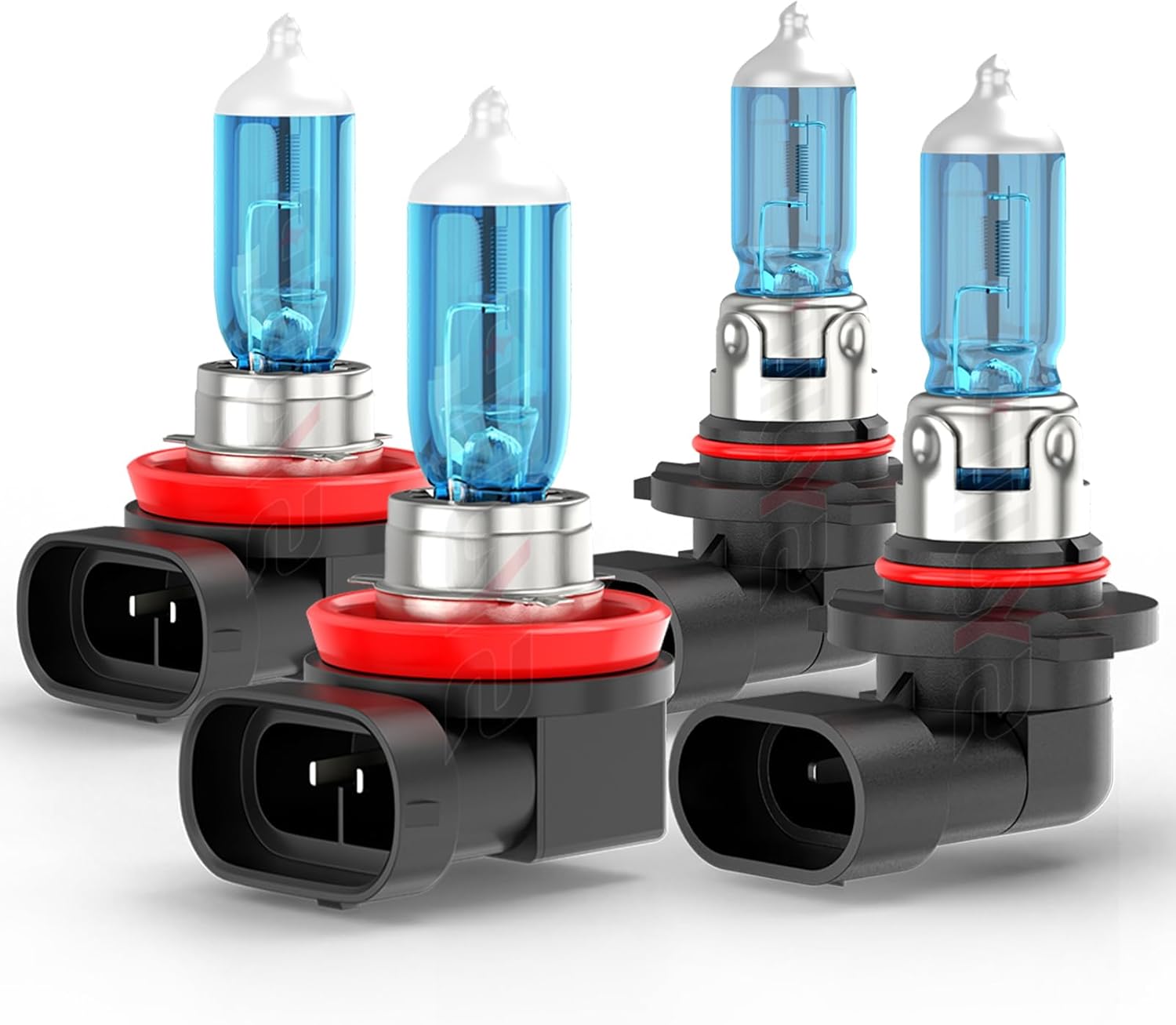
Designed for Toyota Camry models from 2007 to 2018, these SYJIIP halogen headlight bulbs offer a direct plug-and-play upgrade for high and low beam applications. They deliver brighter white light for improved nighttime visibility while maintaining a safe beam pattern that helps reduce glare and supports more confident driving.

The REDTIGER F9 dash cam captures road trips and daily driving in sharp front 4K and rear 1080P video, helping provide clear evidence in the event of an incident. Built with 5.8GHz WiFi, GPS tracking, wide-angle coverage, loop recording, G-sensor protection, and parking mode, it offers reliable all-around monitoring and easy smartphone access through the app.
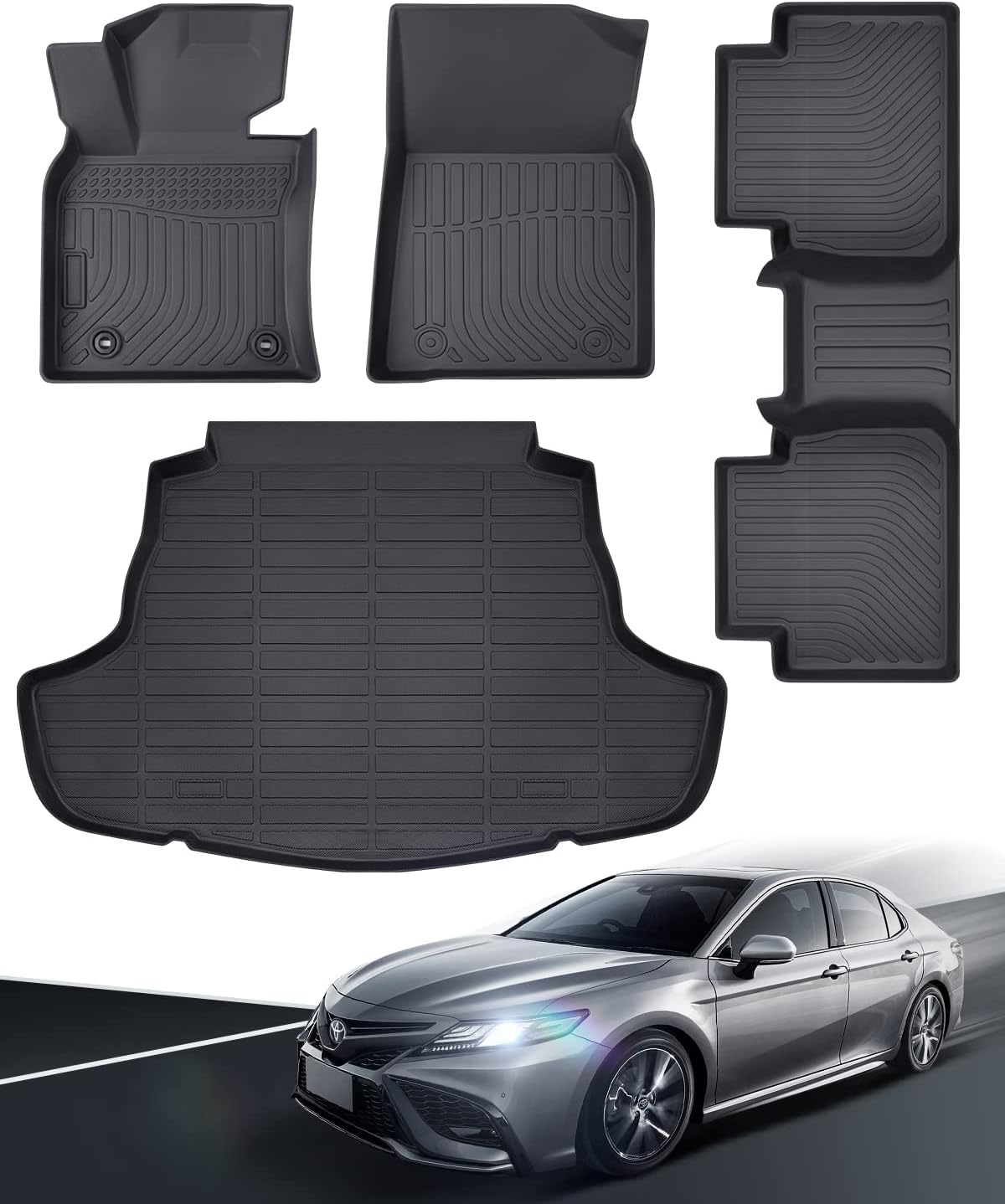
This custom floor mat and cargo liner set is designed to help protect the interior of Toyota Camry models from everyday messes like mud, spills, snow, and pet hair. Made for a precise fit on compatible 8th Gen FWD trims, it offers full coverage for both the cabin and trunk while remaining easy to remove, clean, and reinstall. The odorless TPE construction is built for all-weather durability and long-lasting comfort.
How Safe Is the Toyota Camry? Safety Rating Results in Full
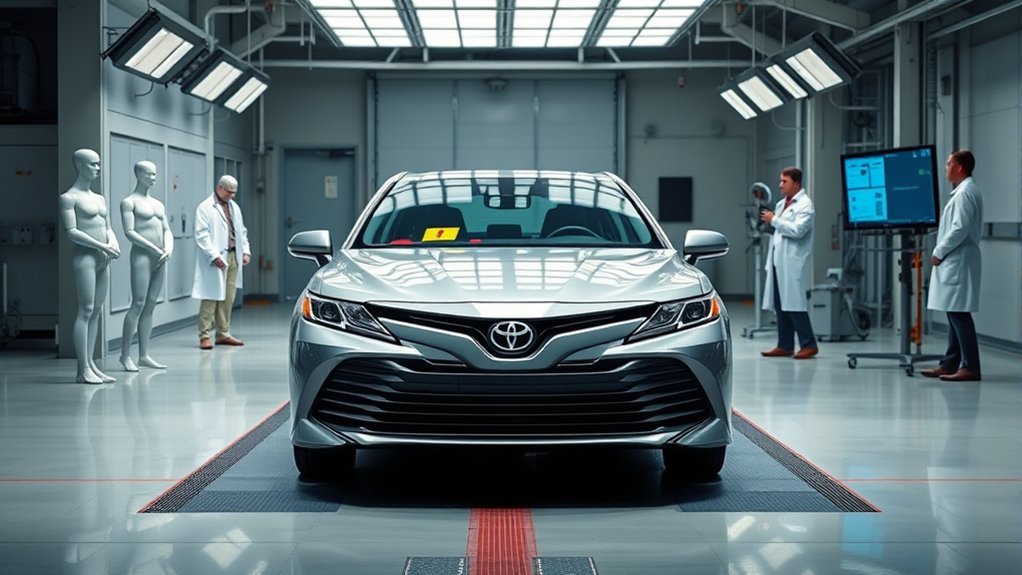
The 2025-26 Toyota Camry is one of the stronger safety choices in the midsize sedan class because it performs well across several independent safety programs at once. Its best evidence is not one single score, but the combination of NHTSA federal star ratings, IIHS crash-test results, IIHS crash-prevention testing, and ANCAP’s five-star hybrid Camry assessment.
| Safety Area | 2025-26 Camry Result | What It Means |
|---|---|---|
| NHTSA overall | 5 stars, with 5 stars in the frontal crash, side crash and rollover assessments. [VERIFY: confirm driver/passenger frontal sub-ratings for the exact model year at nhtsa.gov/ratings] | The highest federal rating available. NHTSA does not rank vehicles above 5 stars. |
| IIHS crashworthiness | Good in small overlap front, updated moderate overlap front, and updated side tests. | Strong occupant protection, with three Acceptable sub-ratings tied to passenger and rear-seat restraint behaviour. |
| IIHS crash avoidance | Good for standard vehicle-to-vehicle front crash prevention 2.0 and Good for standard pedestrian front crash prevention. | The standard Toyota Safety Sense 3.0 system avoided every vehicle-to-vehicle test run IIHS conducted. |
| IIHS headlights | Acceptable on both headlight variations (LE and SE; XLE and XSE). | Meets the award requirement on every trim, but it is the Camry’s weakest rated area. |
| IIHS seat belts and child seats | Good seat belt reminders; Good LATCH ease of use. | Two rear positions have complete LATCH hardware; a third has a tether anchor only. |
| IIHS award | 2025-26 Top Safety Pick+ and 2026 Top Safety Pick+. | The Camry cleared the tougher 2026 criteria, which added a Good pedestrian crash-prevention requirement. |
| ANCAP | Five stars; 95% adult, 87% child, 84% vulnerable road user, 81% safety assist. | Strong global performance for hybrid variants in Australian and New Zealand markets. |
| Open recalls | NHTSA campaign 26V511 covers 508,354 U.S. 2025-2026 Camry Hybrids. | A high rating does not mean a specific car has no open safety campaign. Check the VIN. |
The safest way to read the Camry’s results is to look at the pattern: strong crash protection, strong crash avoidance, and standard safety technology across the lineup.
How Does the Camry Compare With the Accord and Sonata?
IIHS gave a 2026 award to only three midsize cars. The Toyota Camry and the Hyundai Sonata both earned Top Safety Pick+, and the Honda Accord earned the second-tier Top Safety Pick. That is the cleanest way to place the Camry in its class: it is in the top tier of a very short list.
| 2026 Midsize Car | IIHS 2026 Award | What Separates It |
|---|---|---|
| Toyota Camry 4-door sedan | Top Safety Pick+ | Good in all three crash tests plus Good pedestrian crash prevention on the standard system. |
| Hyundai Sonata 4-door sedan | Top Safety Pick+ | The only other midsize car at the top tier for 2026. |
| Honda Accord 4-door sedan | Top Safety Pick | Second tier for 2026; the plus award now requires a Good pedestrian crash-prevention rating. [VERIFY: confirm the Accord’s individual 2026 sub-ratings on its IIHS page] |
The 2026 criteria are worth understanding before you compare model years. For 2026, Top Safety Pick+ requires Good ratings in the small overlap front, moderate overlap front and side tests, Acceptable or Good headlights as standard, a Good pedestrian front crash prevention rating as standard, and an Acceptable or Good vehicle-to-vehicle front crash prevention 2.0 rating as standard. The plain Top Safety Pick award drops the vehicle-to-vehicle requirement and accepts an Acceptable pedestrian rating.
How Well Does the Camry Avoid Vehicles and Pedestrians in IIHS Testing?
The 2025-26 Camry earns Good ratings in both IIHS front crash prevention tests using the standard Toyota Safety Sense 3.0 system, and IIHS states those ratings apply to all 2025-26 models. Crash-avoidance scores matter because they show how the technology performs before a crash happens, and the details vary by target, speed and lighting condition.
Vehicle-to-Vehicle Crash Prevention
In IIHS vehicle-to-vehicle front crash prevention 2.0 testing, the Camry avoided a collision in every run. That covers passenger-car and motorcycle targets at 31 mph, 37 mph and 43 mph, in both centered and off-center configurations — twelve avoided collisions in total. IIHS also runs a semitrailer scenario in which only the warning is tested. This is a stronger result than basic low-speed automatic braking, because the higher-speed and off-center runs are where many systems lose performance.
Pedestrian Crash Prevention
The Camry’s standard pedestrian front crash prevention system rates Good, including high-beam assist credit, but it did not avoid every scenario. In the crossing-child daytime test it avoided the 12 mph collision and reduced impact speed by 21 mph in the 25 mph test. In the crossing-adult night test it avoided collisions at both 12 mph and 25 mph on high beams and on low beams. In the parallel-adult night test it avoided the 25 mph run on both beam settings.
The one scenario it did not clear on low beams is the 37 mph parallel-adult night test: on high beams it avoided the collision with a warning 2.0 seconds before impact, while on low beams it reduced impact speed by 34 mph with a warning 1.7 seconds before impact. That single result is a better summary of the system than saying it simply “avoids pedestrians up to 25 mph” — performance depends on pedestrian type, direction, lighting and speed.
Why Are the Camry’s Headlights Only Acceptable?
Both Camry headlight variations rate Acceptable, so the answer is not a trim trap — it is a low-beam reach problem, and IIHS publishes the measurements. On the LE and SE, low beams provide useful illumination for 82.4 metres along the straightaway right edge but only 52.7 metres on the left edge, and visibility is rated inadequate on both left curves. On the XLE and XSE, low beams reach 81.8 metres right and 53.9 metres left, with the gradual left curve rated inadequate.
High beams are much stronger — up to 144.8 and 145.8 metres on the straightaway for the LE and SE — and high-beam assist is standard, which is why IIHS credits it for compensating for some low-beam limits. Neither variation exceeded glare limits. In practice: the Camry’s night-driving weakness is unlit left-hand curves on low beams, and leaving high-beam assist switched on is the single most useful thing an owner can do about it.
What Safety Checks Matter When Buying a Used Toyota Camry?
When shopping for a used Toyota Camry, do not rely on the model name alone. Safety equipment and crash-test performance can vary by model year, trim, build date, market, and whether recall repairs have been completed. Use the VIN before purchase, not after, so you can confirm open recalls and compare the exact model year against NHTSA and IIHS records. Our Toyota Camry generations guide covers which equipment arrived in which generation.
[Products Worth Considering]

This mud flaps kit helps protect your Toyota Camry’s lower body panels from snow, salt, sand, rocks, and road debris thrown up by the wheels. Designed for SE and XSE Sport models, it offers a direct-fit install with included mounting hardware for a cleaner, more finished look. Built from durable ABS thermoplastic, it is made to handle harsh driving conditions while helping keep your vehicle cleaner.

This frameless convex blind spot mirror helps expand your field of view for safer lane changes, passing, and merging. The HD glass design offers a clear, wide-angle rear view, while the swivel mount supports flexible positioning for cars, SUVs, trucks, vans, and RVs. Easy to install and built for all-weather use, it is a practical upgrade for everyday driving confidence.
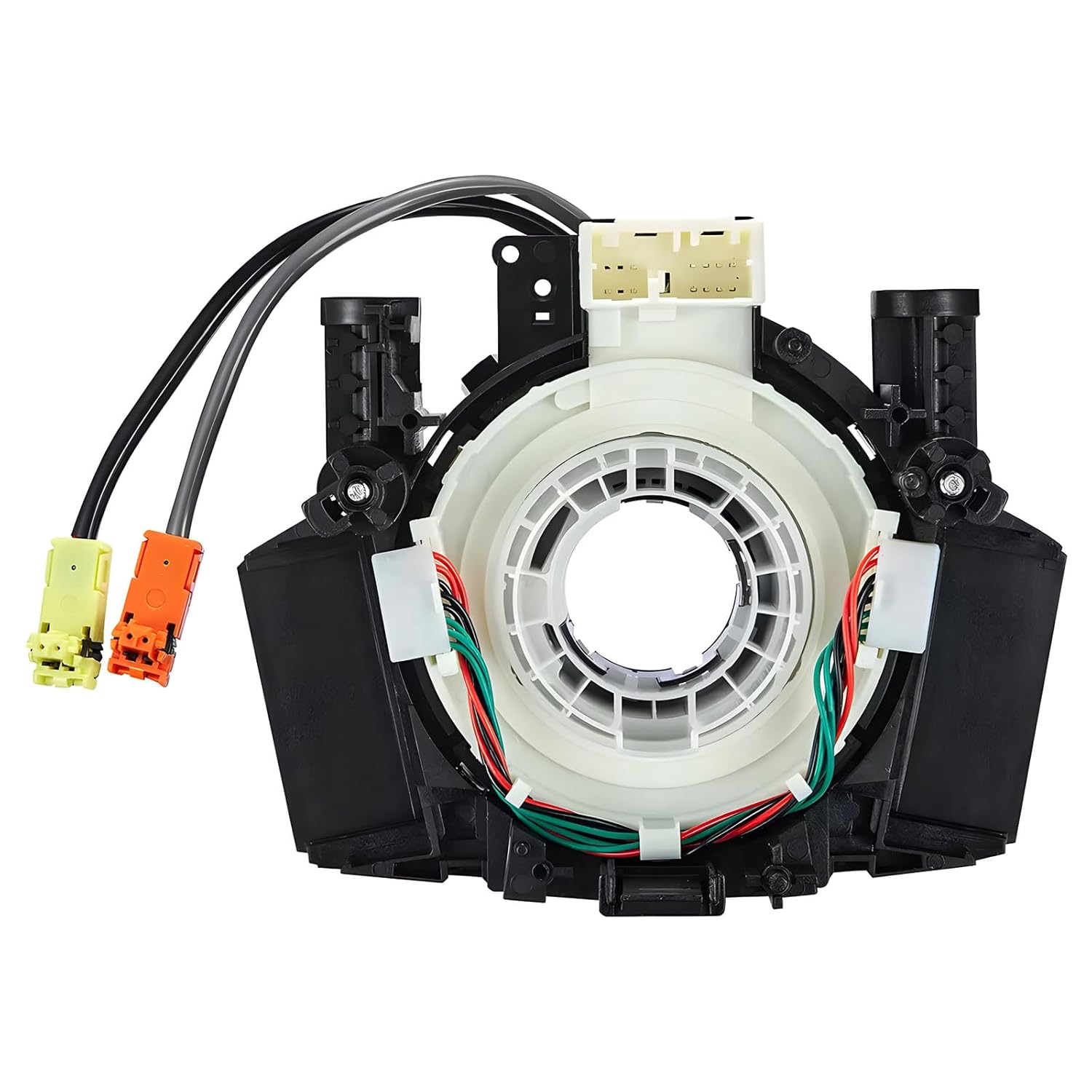
This steering clock spring assembly is an OEM-style replacement designed to restore steering wheel controls and related electronic functions in compatible Nissan vehicles. It supports audio, cruise control, and multi-function button operation while matching multiple factory part numbers for a reliable fit. Built for direct installation with vehicle-specific connectors, it helps return steering column electronics to proper working order.
Safety Ratings History
| Model Years | What to Know | Buyer Tip |
|---|---|---|
| 2025-2026 | Redesigned, hybrid-only U.S. Camry with standard Toyota Safety Sense 3.0. Four NHTSA recall campaigns have covered this generation since launch. | Check the VIN for open recalls, confirm trim-specific features, and ask whether the 26V511 software update has been completed. |
| 2018-2024 | Strong modern safety generation with many active safety features widely available. | Prioritize examples with documented maintenance, no structural accident history, and working driver-assist sensors. |
| 2012-2017 | Good basic crash protection, but early 2012-2014 small-overlap performance and active safety availability need closer review. | Check build date, trim, and installed safety packages. |
| 2007-2011 | Older safety design and fewer modern driver-assistance features. | Be strict about recalls, airbags, crash history, and pre-purchase inspection results. |
Key Safety Features to Check
For a used Camry, look for more than airbags and anti-lock brakes. The best safety value usually comes from a Camry with modern active safety equipment and a clean repair history.
- Automatic emergency braking: Often listed as Pre-Collision System or PCS.
- Lane assistance: Look for Lane Departure Alert, Steering Assist, and Lane Tracing Assist on newer models.
- Blind Spot Monitor: Helpful for highway driving and lane changes.
- Rear Cross-Traffic Alert: Useful when backing out of parking spaces.
- Adaptive cruise control: Toyota calls this Dynamic Radar Cruise Control.
- Child-seat anchors: Inspect LATCH anchors for accessibility and signs of damage.
- Instrument cluster size: On 2025-2026 cars, note whether the display is the 7-inch or the 12.3-inch unit, because recall 26V511 covers only the 7-inch version.
Recall and Repair Records
Always check the VIN before buying any used Camry. A model-year recall does not always apply to every vehicle, and a recall that has already been repaired is different from an open recall. Use the NHTSA recall lookup tool or Toyota’s recall lookup with the exact VIN.
The redesigned Camry has a short but real recall record. These are the campaigns that have covered the 2025-2026 generation:
| NHTSA Campaign | Issue and Vehicles Covered | Remedy |
|---|---|---|
| 26V511 (August 6, 2026) | The 7-inch combination meter can go blank at startup, which can also deactivate turn signals, hazard lamps, the smart key reminder and seat-belt warning buzzers. Covers 508,354 U.S. 2025-2026 Camry Hybrids built August 15, 2024 to June 9, 2026, all with the 7-inch cluster. Cars with the 12.3-inch driver display are not included. | Free combination-meter software update at a Toyota dealer. Owner letters were scheduled from September 21, 2026. There is no over-the-air fix. |
| 25V869 (December 2025) | An inverter bolt may not have been tightened properly, which can cause a loss of motive power or an electrical short and fire risk. Covers about 55,405 vehicles: certain 2025-2026 Camry Hybrid and 2026 Corolla Cross Hybrid. | Free inverter assembly replacement. Toyota’s numbers are 25TB15 and 25TA15; owner letters were mailed July 23, 2026. |
| 25V595 (October 30, 2025) | A software problem can freeze or blank the rearview camera image on vehicles with the Panoramic View Monitor. This is a very large multi-brand campaign covering 1,024,407 Toyota, Lexus and Subaru vehicles. [VERIFY: confirm by VIN which Camry model years and trims are included] | Free parking-assist software update at a dealer. |
| 25V059 (February 2025) | The second-row center seat belt may have been damaged during manufacturing and may not meet strength requirements. Covers roughly 32,500 2025 Camry Hybrid vehicles built from early October to mid-December 2024. | Free inspection of the belt webbing and replacement of the assembly if needed. |
Warning: Do not assume a newer Camry has no recall history. The largest campaign, announced by Toyota on August 6, 2026, covers roughly 508,000 U.S. cars and cannot be fixed remotely — the car has to go to a dealer. A VIN lookup is the only safe way to confirm whether a specific vehicle is affected and whether the repair was completed.
Pro Tip: If a used Camry has had front-end body repair, windshield replacement, bumper repair, or sensor replacement, ask for proof that camera and radar systems were recalibrated correctly.
Frequently Asked Questions
What is the safety rating on a Toyota Camry?
For the 2025-26 hybrid Camry, NHTSA lists a 5-star overall rating, IIHS rates it Good in all three crashworthiness tests with Acceptable headlights and names it a Top Safety Pick+, and ANCAP gives it five stars. Older Camrys were tested under different criteria, so always match the rating to the exact model year.
How many stars does the 2026 Toyota Camry have?
Five. NHTSA gives the Camry a 5-star overall rating, with 5 stars in the frontal crash, side crash and rollover assessments. Five stars is the highest result NHTSA awards, and the agency does not rank vehicles above it.
Is the 2026 Toyota Camry under recall?
Yes. NHTSA campaign 26V511, filed August 6, 2026, covers 508,354 U.S. 2025-2026 Camry Hybrids whose 7-inch combination meter can go blank at startup and deactivate the turn signals, hazard lamps and certain warning buzzers. The fix is a free dealer software update. Cars with the 12.3-inch driver display are not included, and only a VIN lookup confirms whether a specific car is affected.
What is a good safety score for a car?
A strong safety result usually means a 5-star NHTSA rating, Good IIHS crashworthiness scores, strong front crash prevention, and no major unresolved safety issues for the specific VIN. The best cars perform well across several tests, not just one headline score.
Are NHTSA and IIHS ratings the same?
No. NHTSA uses a federal 5-Star Safety Ratings system. IIHS uses its own crashworthiness, crash avoidance, headlight, seat-belt, and child-seat anchor evaluations. Both are useful, but they should not be treated as interchangeable.
Is the Toyota Camry reliability score out of 100?
Reliability scores can be shown out of 100 by some third-party sites, but that is separate from safety testing. NHTSA, IIHS, and ANCAP safety ratings measure crash protection and crash avoidance, not long-term reliability.
What is the most common problem with a Toyota Camry?
Common problems vary by model year. Older Camrys may have different issues than the redesigned hybrid Camry, whose recent campaigns have been mostly electronic and software related. For known Camry problems by generation, and for safety issues, use the exact VIN to check open recalls, complaints, and manufacturer communications before buying.
Does Toyota Safety Sense 3.0 make the Camry self-driving?
No. Toyota Safety Sense 3.0 is a driver-assistance package. It can help with warnings, braking support, lane support, speed-sign recognition, and following distance, but the driver remains responsible for steering, braking, and safe control of the vehicle.
Is the 2026 Toyota Camry safety rating the same as 2025?
The test results are the same, because IIHS states that its Camry ratings apply to 2025-26 models. The award is separate: IIHS named the Camry a Top Safety Pick+ in both the 2025 and 2026 award rounds, and the 2026 criteria are stricter because they require a Good pedestrian front crash prevention rating. Recalls differ by build date, so check the VIN rather than the model year.
Which Camry safety score should I trust most?
Trust each score for its own job. NHTSA is best for U.S. federal 5-Star ratings and recalls, IIHS is best for detailed crashworthiness and crash-prevention results, and ANCAP adds useful global context for hybrid Camry variants.
Conclusion
The Toyota Camry’s safety story is strong, especially for the redesigned 2025-26 hybrid model. NHTSA gives it a 5-star overall rating. IIHS gives it Good crashworthiness results, Good ratings in both front crash prevention tests, and Top Safety Pick+ awards in both the 2025 and 2026 rounds — the 2026 award under tighter criteria that left only two other midsize cars on the list. ANCAP adds a five-star result with 95% adult and 87% child occupant protection.
The weak points are narrow and worth knowing: Acceptable headlights that fall short on unlit left-hand curves, three Acceptable sub-ratings tied to passenger and rear-seat restraint behaviour, and an open August 2026 recall covering more than half a million cars. A high safety rating is helpful, but the safest Camry is the one with the right features, no unresolved recalls, and a clean, verified history — so run the VIN before you hand over any money.
Sources
- NHTSA 2025 Toyota Camry vehicle page — federal vehicle safety rating and recall reference.
- NHTSA 5-Star Safety Ratings — how the federal overall, frontal, side and rollover star ratings are assigned.
- IIHS 2025 Toyota Camry rating — crashworthiness, crash avoidance, headlights, seat-belt reminders, and LATCH results.
- IIHS 2026 Toyota Camry rating — 2026 ratings, sub-ratings, headlight measurements and crash-avoidance test runs.
- IIHS 2026 Top Safety Pick list and criteria — 2026 award winners by class and the current award requirements.
- IIHS 2025 Top Safety Pick+ list — confirms the 2025-26 Toyota Camry Top Safety Pick+ award.
- Toyota 2025 Camry official announcement — hybrid-only model details and standard Toyota Safety Sense 3.0 features.
- Toyota recall notice for certain 2025-2026 Camry vehicles — the August 6, 2026 combination-meter recall.
- ANCAP Toyota Camry safety rating — five-star result and the four assessment scores.
- NHTSA recall lookup — VIN-specific open recall checks for new and used vehicles.