You’re covered for defects in the Sonata’s engine, transmission, and transaxle under Hyundai’s factory powertrain warranty: 10 years/100,000 miles for original retail purchasers and a reduced 5 years/60,000 miles for subsequent owners. Coverage excludes normal wear items, commercial use, salvaged titles, and failures tied to aftermarket modifications or missed maintenance. Keep complete service records and use your VIN to verify status at an authorized dealer; continue for step‑by‑step claims and transfer details.
Quick Answer: Does the Sonata Powertrain Warranty Cover Me?
Wondering whether the Sonata’s powertrain warranty covers you? You’re covered if you’re the original retail purchaser or lessee: Hyundai provides a 10-year/100,000-mile powertrain limited warranty for original owners, delivering warranty benefits that protect engine and transmission defects in materials and workmanship. If you acquired the vehicle later, you’re limited to a 5-year/60,000-mile powertrain term for subsequent owners. Coverage limits exclude normal wear items and require routine maintenance at a Certified Hyundai dealership with retained documentation to keep claims valid. The warranty is non-transferable beyond the defined original owner, so verify your ownership status and service records before assuming entitlement. Act decisively: confirm eligibility, preserve maintenance proofs, and know your contractual coverage limits.
[Products Worth Considering]

This cabin and engine air filter kit is designed for compatible Hyundai Sonata gas models from 2015 to 2019 with a 2.4L engine. It helps improve airflow, capture dust and impurities, and support cleaner cabin air and efficient engine performance. The kit is engineered for long service life and simple installation, making routine maintenance easier.

This filter combo is designed for Hyundai Sonata gas models from 2015 to 2019, including non-hybrid 2.4L vehicles, and replaces both the engine and cabin air filters in one convenient set. It helps improve engine airflow while also refreshing the cabin environment with activated carbon odor control and high-efficiency particle filtration for cleaner, quieter driving.
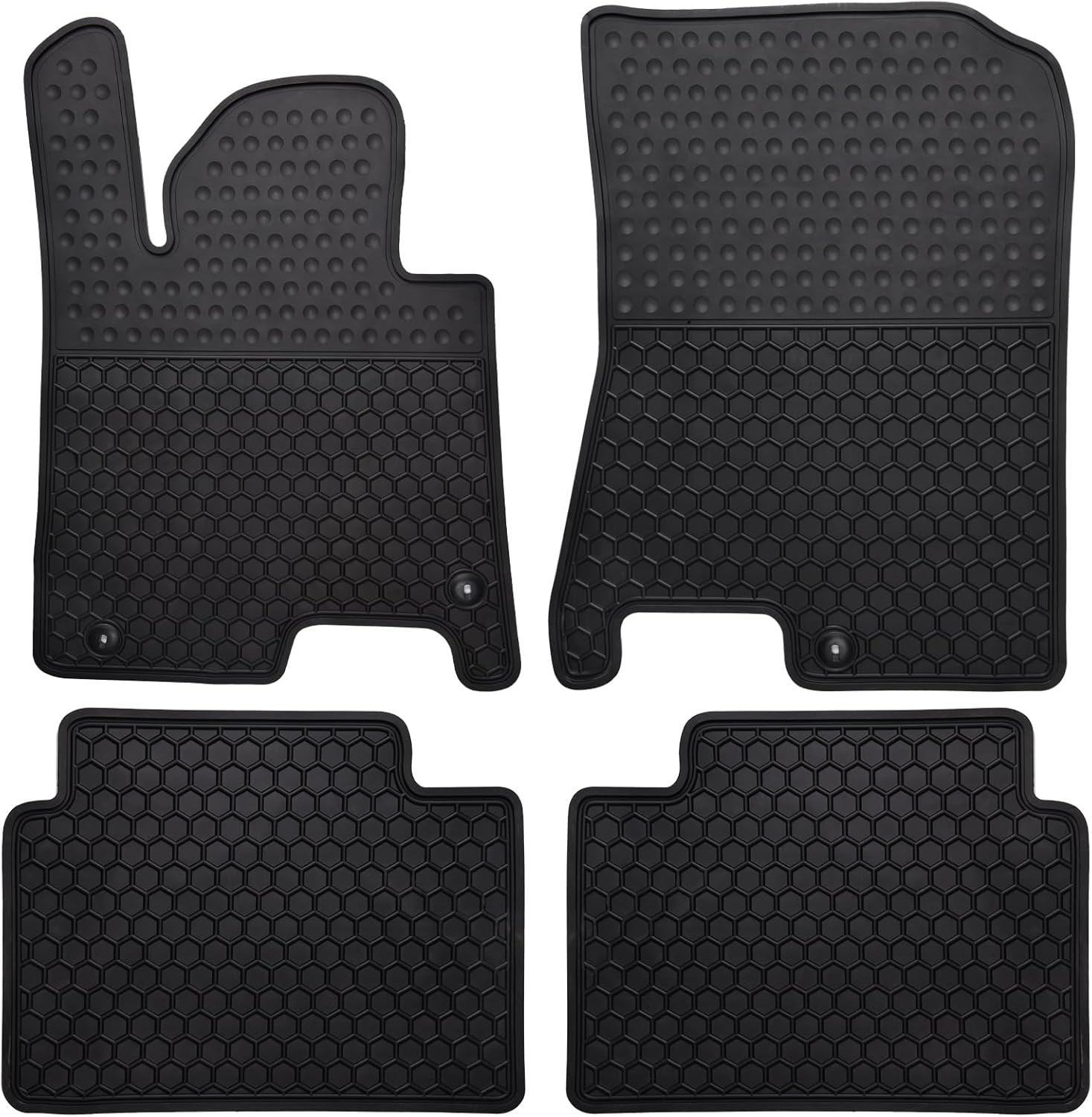
These custom-fit all-weather floor mats are designed for compatible Hyundai Sonata and Kia K5 models to help protect your vehicle's interior from mud, slush, dirt, and spills. Made from odorless, durable rubber with a deep hexagon pattern, they offer reliable anti-slip coverage and are easy to remove and clean with water or a damp towel. The set is built for long-lasting use in every season and helps keep your car looking clean while supporting resale value.
What the Sonata Powertrain Warranty Covers (Short Checklist)
Checklist: the Sonata powertrain limited warranty covers the engine, transmission and transaxle components for defects in materials or workmanship for the original retail purchaser for 10 years/100,000 miles (subsequent owners receive limited coverage).
You’ll find clear warranty benefits: coverage applies to Hyundai-manufactured or installed powertrain components under normal use and maintenance. It excludes normal wear items—spark plugs, clutch linings—and damage outside defects in material or workmanship. You retain assurance that core systems are protected, enabling freedom from unexpected major repair costs.
| Covered Items | Emotional Impact |
|---|---|
| Engine, transmission, transaxle | Confidence in reliability |
| Manufactured/installed components | Empowerment through clarity |
| Exclusions: wear items | Realistic expectations, liberation from uncertainty |
Who’s Eligible, How Long It Lasts, and Transferability
Anyone who buys a new Hyundai Sonata manufactured from the 2004 model year onward gets powertrain coverage as the original owner for 10 years or 100,000 miles, whichever occurs first; if you sell the vehicle within the first five years, the buyer inherits the remaining powertrain protection up to 5 years/60,000 miles, and subsequent owners after that initial period are limited to a 5-year/60,000-mile warranty only.
You should confirm eligibility and preserve warranty benefits by maintaining clear ownership documentation. Key points:
- Original owner: 10 years/100,000 miles powertrain coverage; excludes commercial use.
- If transferred within first five years: remaining original-term coverage applies to the new owner.
- After initial 10-year/100,000-mile interval: subsequent owners are limited to 5 years/60,000 miles.
Retain titles and service records to assert claims and protect your rights.
Common Exclusions and Actions That Void the Warranty
Because the powertrain warranty only protects against defects in materials and workmanship, you should expect exclusions for normal wear items and for uses or alterations that increase risk or load beyond intended design limits. You won’t get coverage for consumables like spark plugs, clutch linings, or brake pads; treating these as warranty misconceptions risks denial. Coverage is voided for commercial use—taxis, delivery, or other revenue-generating operations—or for salvaged/rebuilt titles. Aftermarket modifications or performance enhancements that contribute to failure will exclude related repairs. You must follow the Manufacturer’s Recommended Maintenance Schedule at a Certified Hyundai dealer and retain complete service records; missing documentation undermines your claim. Act proactively: maintain factory-spec condition and thorough records to preserve warranty integrity.
[Products Worth Considering]

These custom-fit TPE floor mats are designed for Hyundai Sonata and Kia Optima models, delivering precise coverage with high-edge protection to help trap spills, dirt, and everyday messes. Built for all-weather durability, they offer anti-slip stability, odorless construction, and easy cleanup while helping preserve your vehicle's original carpet.
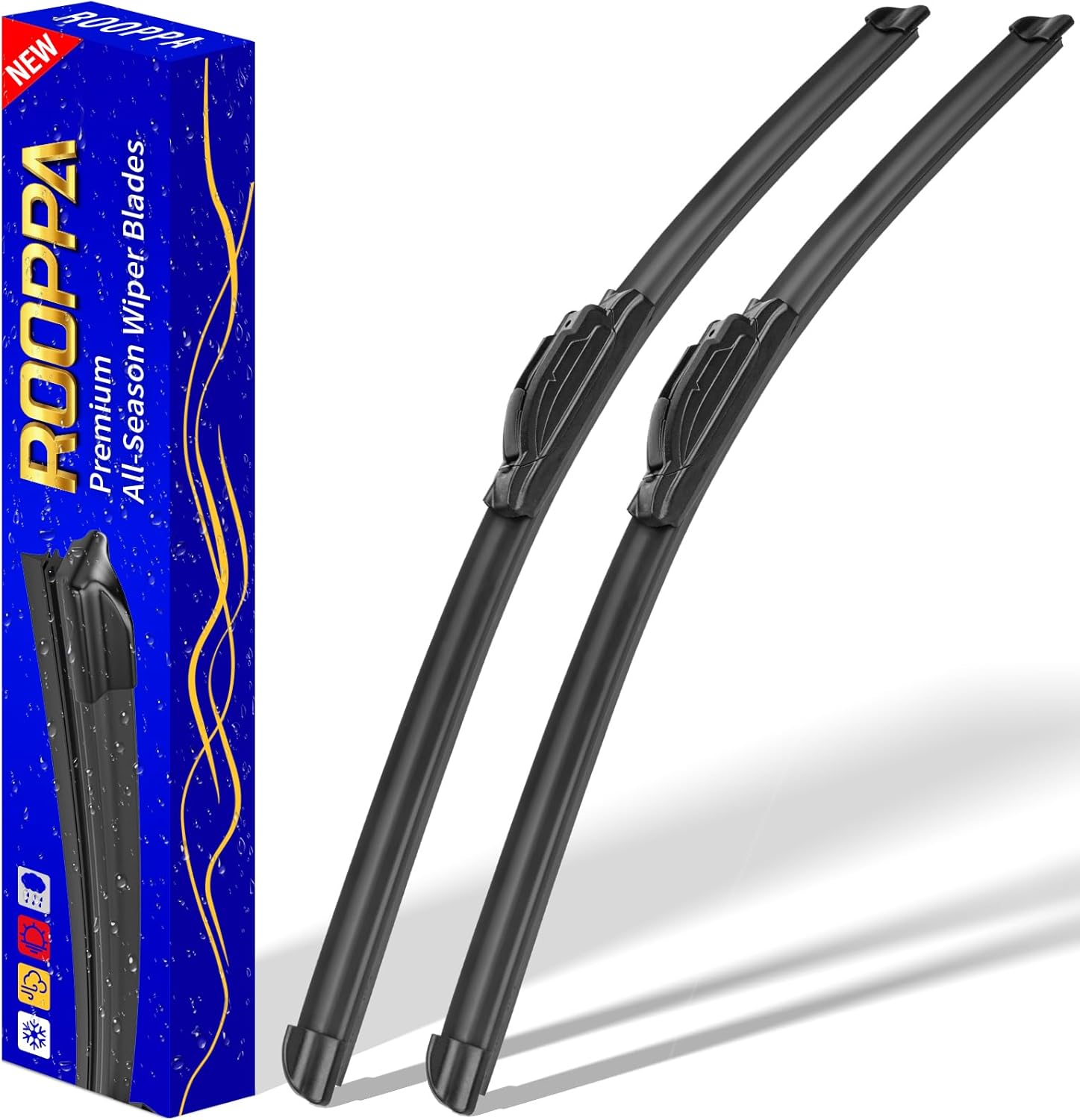
These front windshield wiper blades are designed as a direct replacement for compatible Hyundai models, helping restore clear visibility in rain and road grime. The hard-molded frame and stronger spring support smooth, reliable wiping performance, while the easy plug-and-play installation makes replacement simple. Included as a two-piece set, they are built for dependable everyday use with a one-year warranty for added confidence.

HAFIDI floor mats are custom-fit for select Kia Optima and Hyundai Sonata Hybrid models, using 3D laser scanning for precise coverage of the front and rear rows. Built from durable TPE with raised edges and anti-slip backing, they help contain dirt, water, snow, and spills while staying secure and easy to clean.
Filing a Sonata Powertrain Warranty Claim : Step‑by‑Step
Start by confirming your Sonata is still covered under the 10‑year/100,000‑mile powertrain warranty and assemble proof of ownership plus complete maintenance records that show adherence to the Manufacturer’s Recommended Maintenance Schedule. Then follow this procedural checklist to file your claim efficiently:
- Gather claim documentation: title, registration, and dated maintenance invoices proving compliance.
- Contact authorized dealerships to schedule an inspection; claims must be initiated through certified service centers.
- Present documentation during inspection; authorize diagnostic tests and retain copies of service orders and the final repair authorization.
There’s no deductible under the original factory warranty; note a $100 deductible applies if the claim is processed under an extended plan. Exclusions include normal wear and damage from misuse or unauthorized modifications.
Required Maintenance, VIN Checks, and Comparing Extended Plans
You must follow the Manufacturer’s Recommended Maintenance Schedule at a Certified Hyundai dealer and keep complete service records to preserve powertrain warranty coverage. Use your VIN on Hyundai’s website to verify current warranty status and remaining term before authorizing repairs. When evaluating extended plans, compare covered components, exclusions, deductibles, transferability, and claim process to guarantee the additional protection matches expected ownership needs.
Required Maintenance Schedule
Maintenance discipline keeps your Sonata’s 10‑year/100,000‑mile powertrain warranty intact, so follow Hyundai’s Manufacturer Recommended Maintenance Schedule and retain service records. You must understand maintenance importance and practice strict schedule adherence: oil changes every 7,500 miles, inspections per interval, and documented repairs. Retain invoices and stamped logs as primary evidence for claims.
- Oil change — every 7,500 miles; use specified grade and record service.
- Interval inspections — follow manufacturer checklist for drivetrain, cooling, and seals.
- Documentation — keep originals, dates, mileage, and technician notes for warranty validation.
When evaluating extended plans, compare covered components, exclusions, and proof requirements. You’re empowered to select coverage that preserves warranty rights and maximizes future freedom from unexpected powertrain expense.
VIN Warranty Verification
How can you confirm your Sonata’s powertrain coverage? Use the VIN importance as the cornerstone: enter your Vehicle Identification Number on Hyundai’s designated warranty verification website to run the Verification process. That check returns exact warranty start dates, mileage limits, and applicability of the 10-year/100,000-mile powertrain limited warranty or the 5-year/60,000-mile coverage that may apply to subsequent owners. Maintain and present Manufacturer’s Recommended Maintenance Schedule records; without documented required maintenance, claims risk denial. The Verification process is authoritative—record the result and reference the VIN when communicating with dealers or warranty administrators. If you seek broader protection, note extended warranty availability exists but review its distinct terms separately before committing.
Comparing Extended Plans
Because extended plans vary in scope and prerequisites, you’ll want to verify VIN-based warranty status and confirm documented service history before comparing options. You’ll use VIN checks to confirm whether the Sonata is still under the original 10-year/100,000-mile or the subsequent 5-year/60,000-mile owner terms, and guarantee required maintenance records (oil changes, dealer stamps) are intact to preserve eligibility.
- Compare core coverage: confirm which engine/transmission parts an extended plan adds beyond factory powertrain protections.
- Perform benefits analysis: weigh added wear-and-tear and enhanced mechanical coverage against plan exclusions and claim limits.
- Run cost comparisons: calculate total premiums, potential repair savings, and the value of dealer-based service continuity.
Decide on the plan that maximizes protection and autonomy.
Frequently Asked Questions
What Does a Powertrain Warranty Cover for Hyundai?
It covers engine components like the engine, transmission and transaxle; you get warranty benefits protecting major driveline failures for set years/miles, excluding wear items, assuming normal use and maintenance, empowering your ownership confidence.
Does Hyundai Have a 10 Year 100,000 Mile Warranty?
Yes—you get a 10-year/100,000-mile powertrain warranty as an original owner; coincidence is you’ll relish freedom from worry. It outlines warranty benefits and coverage details precisely, empowering you with technical, authoritative protection.
Is the Hyundai Powertrain Warranty Worth It?
Yes — you’ll gain measurable protection and confidence: Hyundai reliability metrics are strong, and warranty comparison favors the 10-year/100,000-mile powertrain coverage, so you’re liberated from major repair risk and retain resale advantage.
What Are Common Hyundai Powertrain Problems?
You’ll occasionally face dramatic engine issues — knocking, stalling, excessive oil consumption — plus transmission failures like slipping or delayed shifts; ECM faults and hybrid battery degradation also occur, so you’ll monitor symptoms and act decisively.
Conclusion
In short, the Sonata powertrain warranty gives you 10 years/100,000 miles of coverage for the engine and transmission—about 10% longer than many competitors’ plans—so you’ll likely avoid major powertrain repair costs early on. You should keep scheduled maintenance, preserve receipts, and transfer the warranty if you sell within limits. Know exclusions (abuse, aftermarket mods, neglected fluids) and follow claim steps precisely to guarantee a smooth, enforceable coverage outcome.
[Products Worth Considering]

Replace worn or damaged key fob buttons with this rubber keypad insert designed for compatible Hyundai remote key cases. It restores the look and feel of your car key, offering a simple installation and a snug fit for supported Santa Fe and Sonata models. The set includes two replacement pads and a mini screwdriver for convenience.
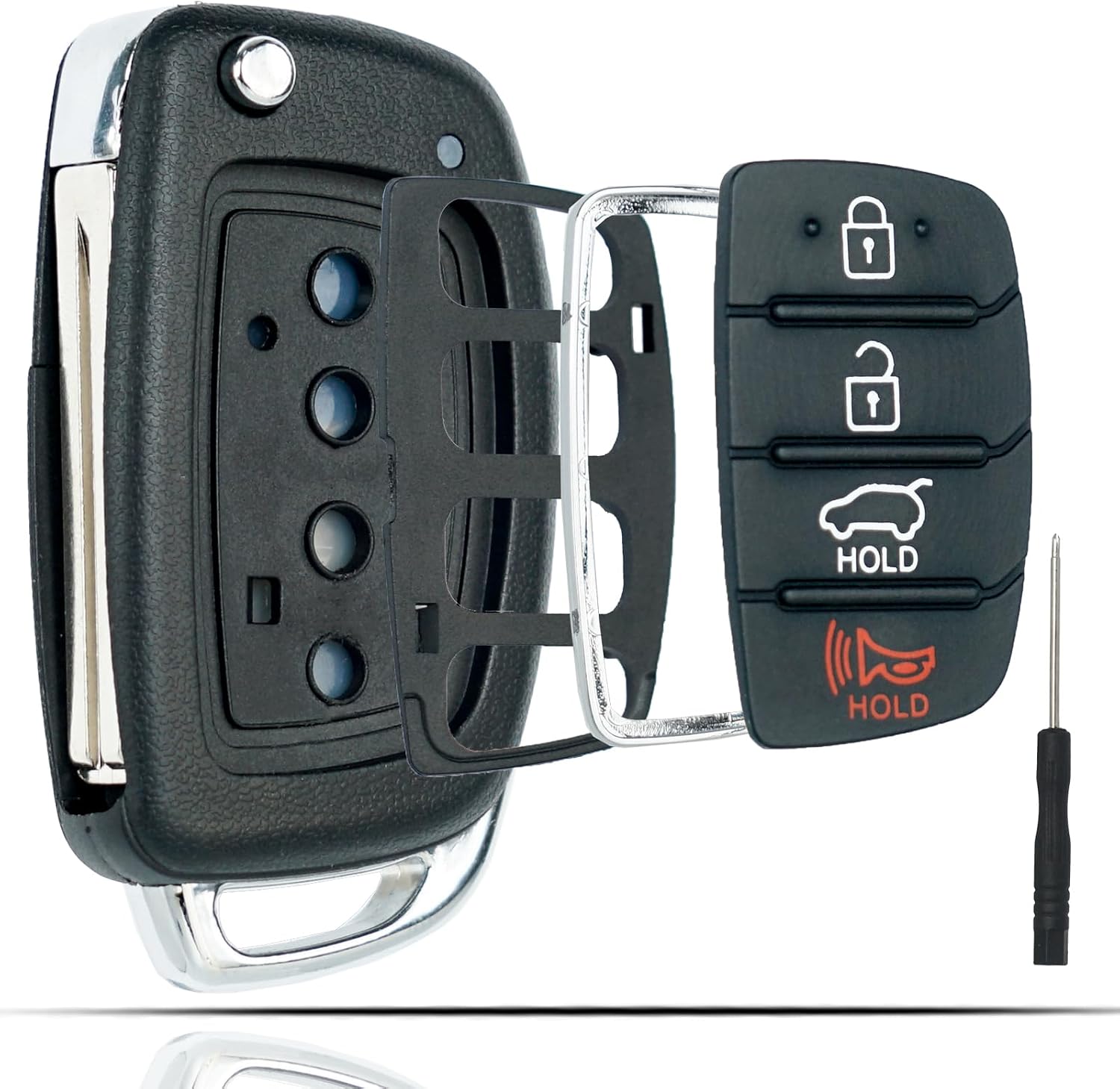
This flip key fob shell is a replacement case designed for compatible Hyundai Sonata and Santa Fe models, helping restore a worn or broken remote housing without replacing the electronics. It includes a 4-button layout and is made for easy transfer of your original internal components, with no reprogramming required. The durable metal and plastic construction makes it a practical fix for damaged key fobs, and the replacement blade must be cut by a locksmith or hardware store.

This A-Premium cartridge engine oil filter is designed for a wide range of Toyota and Lexus vehicles, helping support cleaner oil flow and dependable engine protection. With high filtration efficiency and included O-rings, it offers a practical replacement solution for routine maintenance. Built for extended service intervals, it is suitable for conventional or synthetic oil applications.