
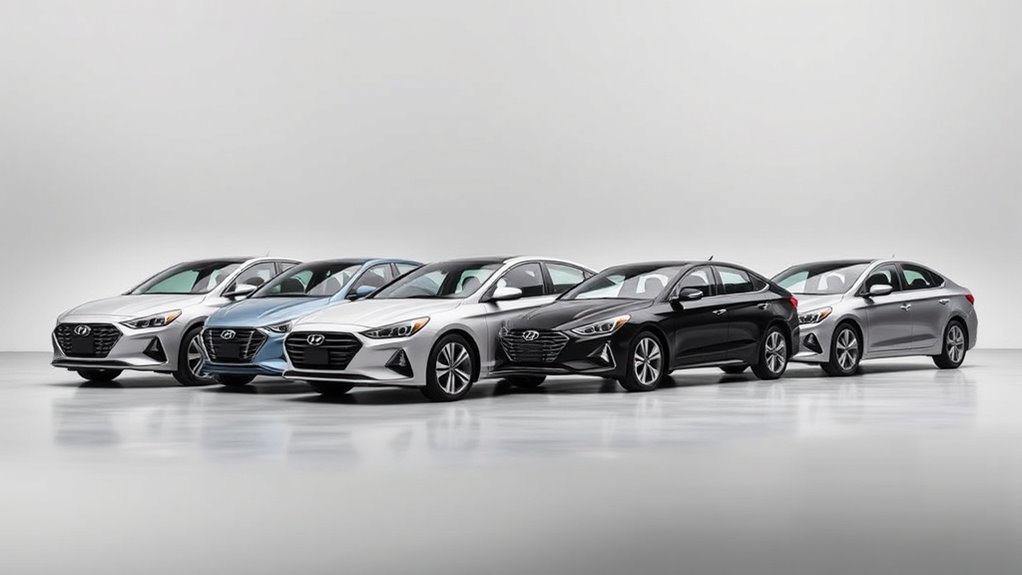
You can trace the Hyundai Sonata from a modest 1980s Korean-market sedan into a modern midsize car with hybrid efficiency, advanced safety tech, available all-wheel drive, and a 290-hp N Line. The key is understanding the difference between the Sonata’s global history, which began in 1985, and its U.S. history, which began with the second generation for the 1989 model year.
Quick Answer
The Hyundai Sonata has eight global generations. It started in 1985 as a Stellar-based sedan in South Korea, reached the U.S. as a 1989 model, grew into a stronger value choice in the 2000s, and now offers hybrid models, advanced driver assistance, available AWD, and a 290-hp N Line.
Key Takeaways
- There are eight global Hyundai Sonata generations, not seven.
- The first Sonata appeared in South Korea in 1985, while the U.S. debut came with the second generation for the 1989 model year.
- The strongest used-car picks depend on your goal: low cost, simple repairs, hybrid fuel economy, modern tech, or N Line performance.
- Before buying any used Sonata, check service records, open recalls, title history, and the exact VIN through NHTSA.
Quick Timeline: Hyundai Sonata Generations at a Glance
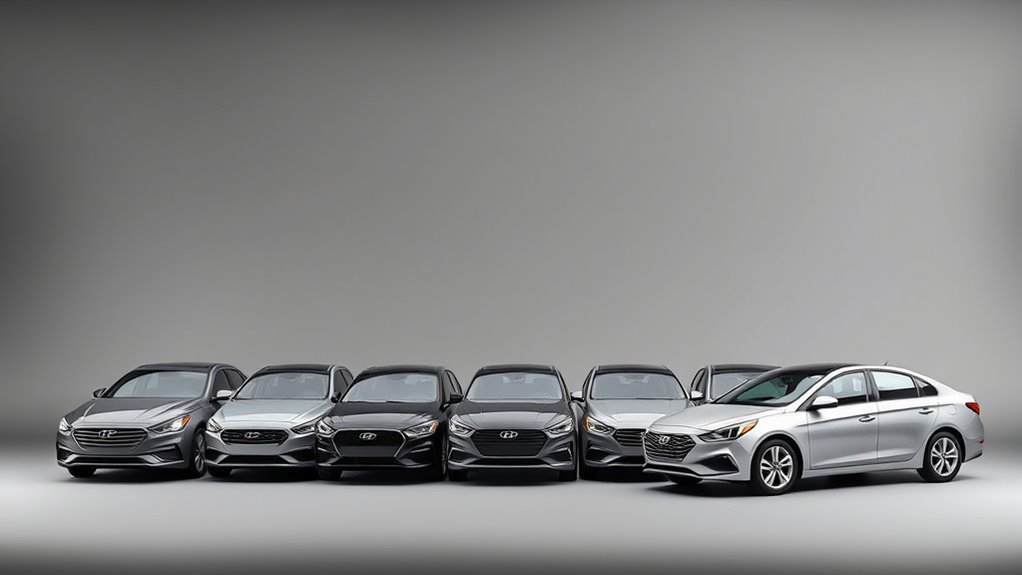
The Sonata’s story makes more sense when you separate global generation numbers from U.S. model-year timing. Globally, the Sonata name began in 1985. In North America, the second-generation Sonata arrived as a 1989 model, which is why many U.S. buyers think of 1989 as the starting point.
| Generation | Approx. Years | Model Code | Why It Matters |
| 1st | 1985–1988 | Y1 | Korean-market start, based on the Stellar, with Mitsubishi-derived four-cylinder power. |
| 2nd | 1988–1993 | Y2 | First U.S.-market Sonata, sold as a 1989 model, with a later 3.0L V6 option. |
| 3rd | 1993–1998 | Y3 | Longer, rounder, and more mature than the early export cars. |
| 4th | 1998–2004 | EF | Helped Hyundai improve its value image, especially as long warranty coverage became a brand strength. |
| 5th | 2004–2009 | NF | A major step in size, refinement, V6 performance, and U.S. production. |
| 6th | 2009–2014 | YF | Introduced bold Fluidic Sculpture styling, turbo power, and Sonata Hybrid availability. |
| 7th | 2014–2019 | LF | A more conservative, comfort-focused generation with gas and hybrid choices. |
| 8th | 2019–present | DN8 | Modern fastback-inspired design, hybrid efficiency, N Line performance, and available AWD on newer gas models. |
The biggest Sonata shift was not one single redesign. It was the long move from low-price challenger to a safety, warranty, hybrid, and technology-focused midsize sedan.
Hyundai Sonata 1985–1998: Origins, Engines, and Export Growth
The Sonata began in 1985 as a more upscale version of the Hyundai Stellar for South Korea. It used Mitsubishi-derived four-cylinder engines, which helped Hyundai control cost while building a sedan that could compete above its smaller economy cars. This first-generation Sonata was important historically, but it was not the car most U.S. buyers know.
The second generation changed that. It reached North America as a 1989 model and gave Hyundai a larger sedan to sell beside the Excel. Early cars were still value-first, but the lineup grew more competitive with larger four-cylinder engines and a later 3.0L V6 in some markets. If you are shopping today, these early cars are rare collector or curiosity buys, not practical daily-driver recommendations.
Note: When people say the Sonata started in 1989, they usually mean the U.S. market. The global nameplate started in 1985.
[Products Worth Considering]
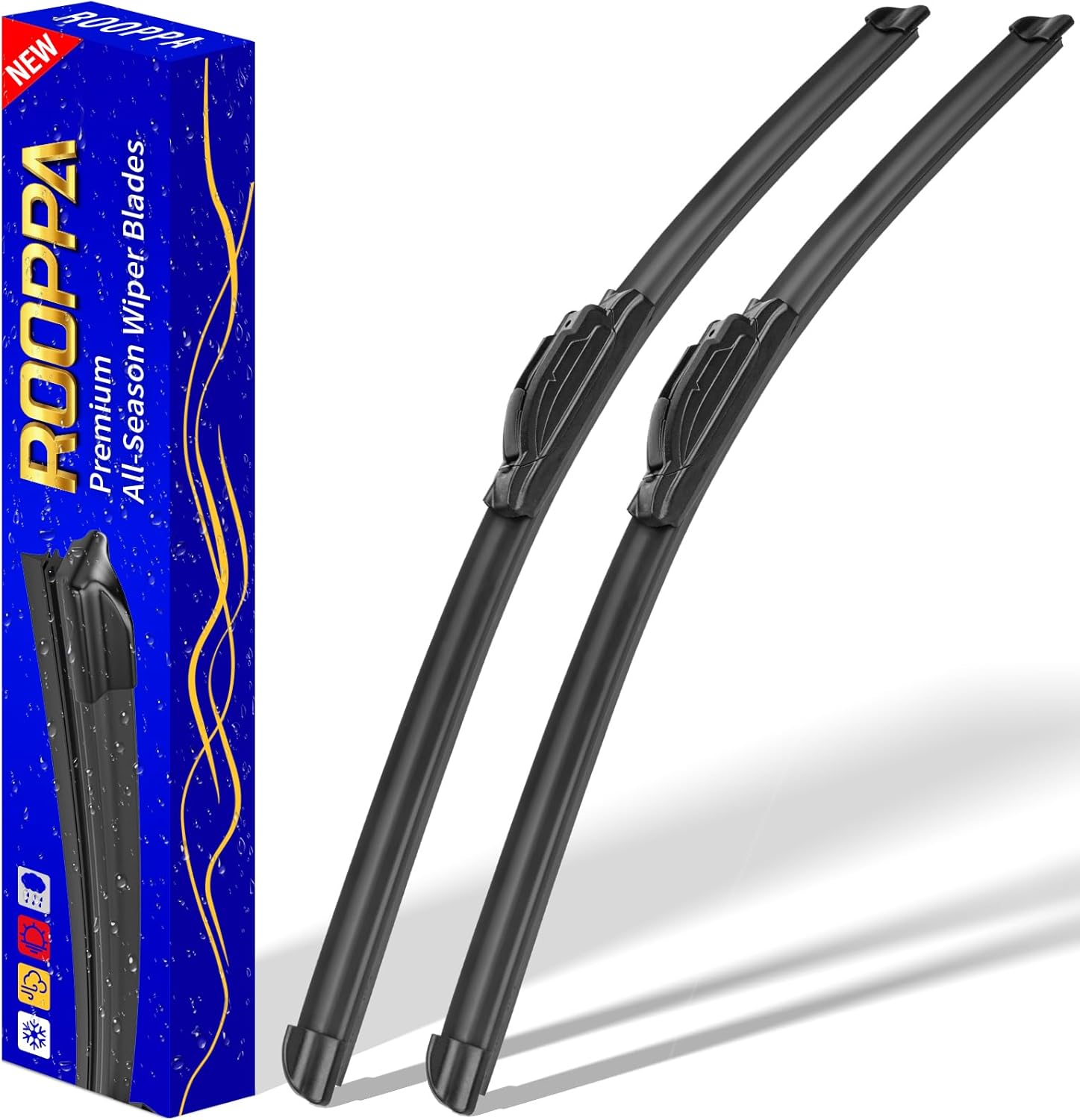
These front windshield wiper blades are designed as a direct replacement for compatible Hyundai models, helping restore clear visibility in rain and road grime. The hard-molded frame and stronger spring support smooth, reliable wiping performance, while the easy plug-and-play installation makes replacement simple. Included as a two-piece set, they are built for dependable everyday use with a one-year warranty for added confidence.

HAFIDI floor mats are custom-fit for select Kia Optima and Hyundai Sonata Hybrid models, using 3D laser scanning for precise coverage of the front and rear rows. Built from durable TPE with raised edges and anti-slip backing, they help contain dirt, water, snow, and spills while staying secure and easy to clean.

This filter combo is designed for Hyundai Sonata gas models from 2015 to 2019, including non-hybrid 2.4L vehicles, and replaces both the engine and cabin air filters in one convenient set. It helps improve engine airflow while also refreshing the cabin environment with activated carbon odor control and high-efficiency particle filtration for cleaner, quieter driving.
Hyundai Sonata 1999–2014: Quality Gains, Warranty Confidence, and Bolder Styling
From the late 1990s through 2014, the Sonata became a more serious midsize sedan. The EF generation helped Hyundai rebuild buyer trust, while the NF generation brought more size, better road manners, and a stronger V6 option. This era also benefited from Hyundai’s long warranty reputation, including 10-year/100,000-mile powertrain coverage for eligible original owners of new Hyundai vehicles.
The 2006–2010 NF Sonata is often the simple, budget-friendly used pick because it avoids some of the complexity of newer turbo and hybrid models. It can be a smart choice if the car has clean service records, no major accident history, and no open recalls. Do not buy one on reputation alone; condition matters more than the generation label.
The 2011–2014 YF Sonata made the biggest design statement of this era. Its Fluidic Sculpture styling looked far more dramatic than previous Sonatas, and the lineup included direct-injection four-cylinder power, turbocharged performance trims, and hybrid availability. The tradeoff is that shoppers should inspect service records carefully and check the exact VIN for open recalls before buying.
Warning: Used Sonata reliability is VIN-specific. Always check open recalls through NHTSA, review maintenance records, and get a pre-purchase inspection before you commit.
Hyundai Sonata 2015–2026+: Modern Design, Hybrid Tech, AWD, and N Line Performance
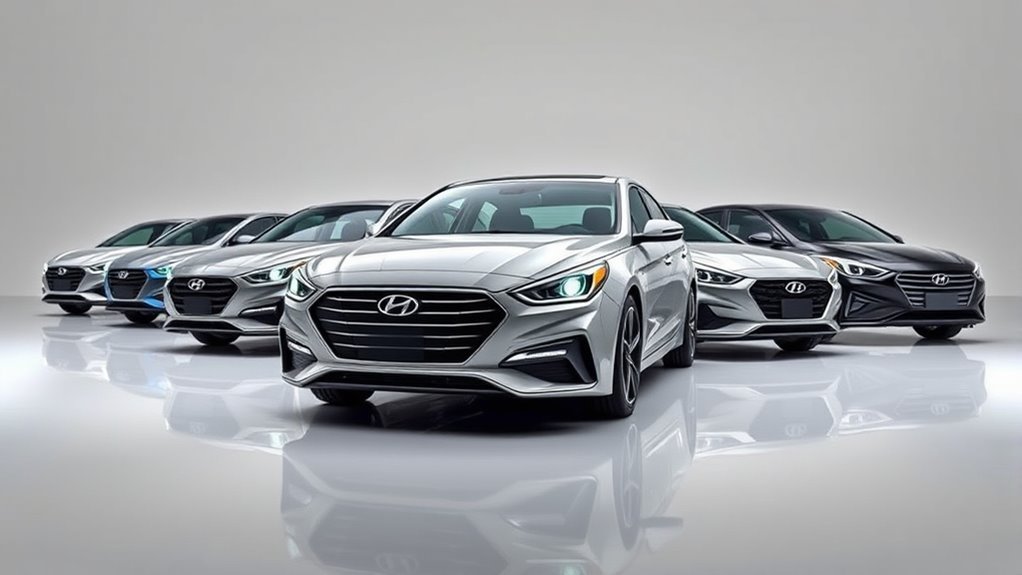
The 2015–2019 LF Sonata pulled the design back toward a cleaner, more conservative look. It focused on comfort, cabin space, and easier daily driving. For many used buyers, this generation is a strong middle ground because it feels modern enough without the higher prices of the newest DN8 cars.
The eighth-generation DN8 Sonata arrived for 2020 with a lower, sleeker profile and a more tech-forward cabin. Early DN8 models offered a digital instrument-cluster option and a large center screen, while the refreshed 2024-and-newer design moved the car toward a more dramatic front light bar and a wider curved display layout. Newer gas models also brought available HTRAC all-wheel drive on select trims, a first for the Sonata in the U.S. market.
If you want performance, the Sonata N Line is the standout. It uses a turbocharged 2.5L engine rated at 290 hp with an eight-speed dual-clutch transmission. If you want fuel economy instead, the Sonata Hybrid is the better fit. Use FuelEconomy.gov to compare the exact EPA rating for the year and trim you are shopping.
For new-car shoppers, Hyundai USA lists the 2026 Sonata as the current gas model and also lists the 2026 Sonata Hybrid in the lineup. That matters because older article advice that stops at 2024 or recommends a 2025 entry trim is already behind the current model-year cycle.
[Products Worth Considering]

This custom-fit floor mat and cargo liner set is designed for select Kia K5 and Hyundai Sonata models, offering full interior coverage for the front row, second row, and trunk. Made from odorless TPE with raised edges and anti-slip backing, it helps block dirt, water, snow, and spills while staying securely in place. The durable, easy-to-clean design is ideal for daily driving, family use, and messy outdoor adventures.

These Jenofa floor mats and cargo liners are made for a precise fit in compatible Kia K5 and Hyundai Sonata models, helping protect the original floor and cargo area from daily messes. Built from durable TPE material with all-weather coverage, they resist heat, cold, mud, snow, and spills while remaining easy to clean and simple to install. The sleek noir design adds a clean, integrated look to the interior while delivering practical protection.

This cabin and engine air filter kit is designed for compatible Hyundai Sonata gas models from 2015 to 2019 with a 2.4L engine. It helps improve airflow, capture dust and impurities, and support cleaner cabin air and efficient engine performance. The kit is engineered for long service life and simple installation, making routine maintenance easier.
Which Sonata Year Should You Buy? Reliability, Features, and Value
The best Sonata year depends on what you want from the car. A cheap commuter, a modern family sedan, a high-mpg hybrid, and a 290-hp N Line are very different purchases.
- Best low-cost used pick: 2006–2010 Sonata, if you find a clean, well-maintained car with no open recalls.
- Best balance of price and modern comfort: 2015–2019 Sonata, especially if you want a smoother ride and simpler ownership than a newer turbo model.
- Best modern tech and safety: 2024–2026 Sonata, because the refreshed DN8 brings newer screens, newer styling, and stronger available driver-assistance features.
- Best fuel economy: Sonata Hybrid models, especially if most of your driving is commuting or mixed city/highway travel.
- Best performance: 2021-and-newer Sonata N Line, which gives the Sonata its strongest factory powertrain.
[Products Worth Considering]

Replace worn or damaged key fob buttons with this rubber keypad insert designed for compatible Hyundai remote key cases. It restores the look and feel of your car key, offering a simple installation and a snug fit for supported Santa Fe and Sonata models. The set includes two replacement pads and a mini screwdriver for convenience.
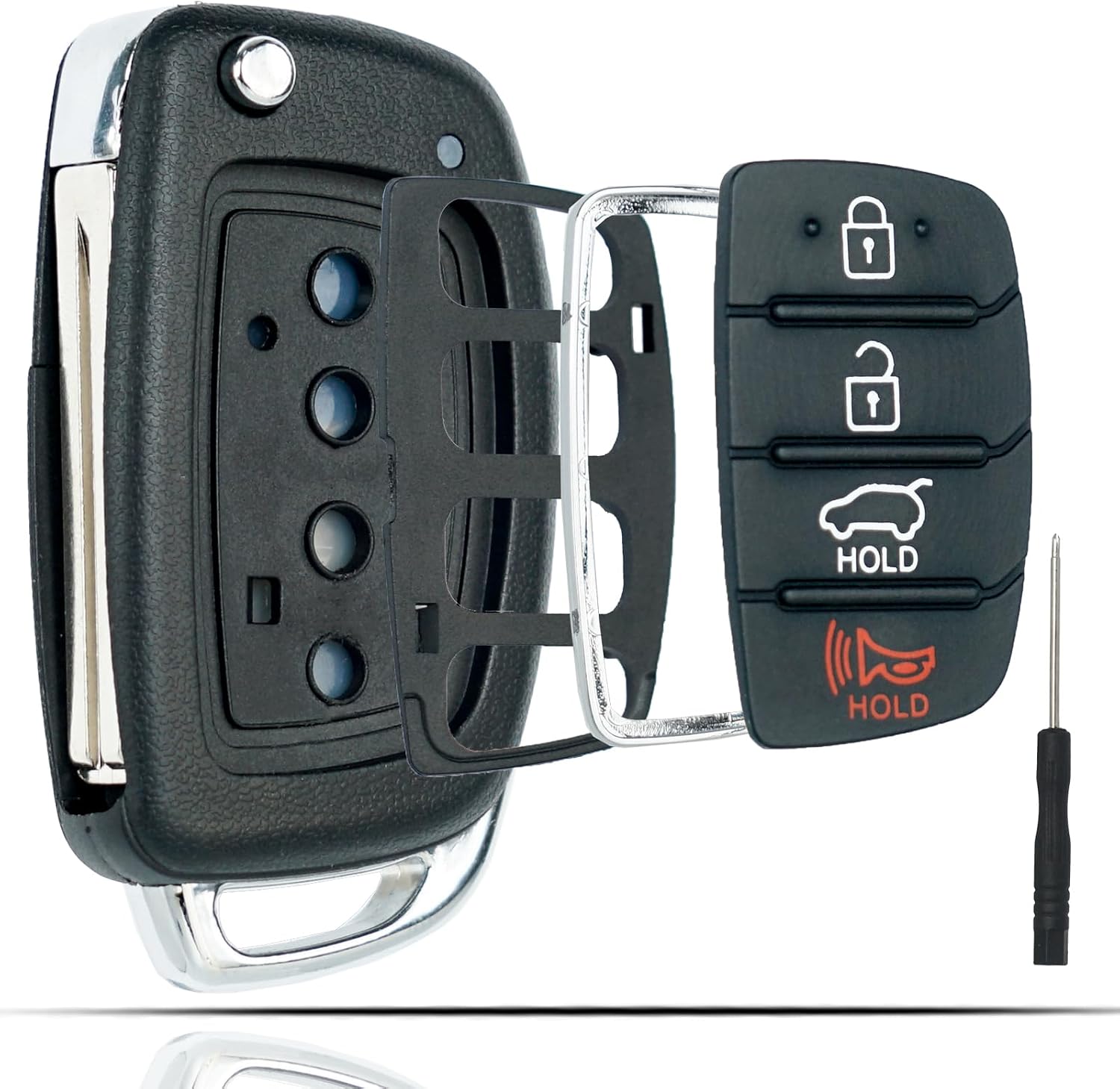
This flip key fob shell is a replacement case designed for compatible Hyundai Sonata and Santa Fe models, helping restore a worn or broken remote housing without replacing the electronics. It includes a 4-button layout and is made for easy transfer of your original internal components, with no reprogramming required. The durable metal and plastic construction makes it a practical fix for damaged key fobs, and the replacement blade must be cut by a locksmith or hardware store.
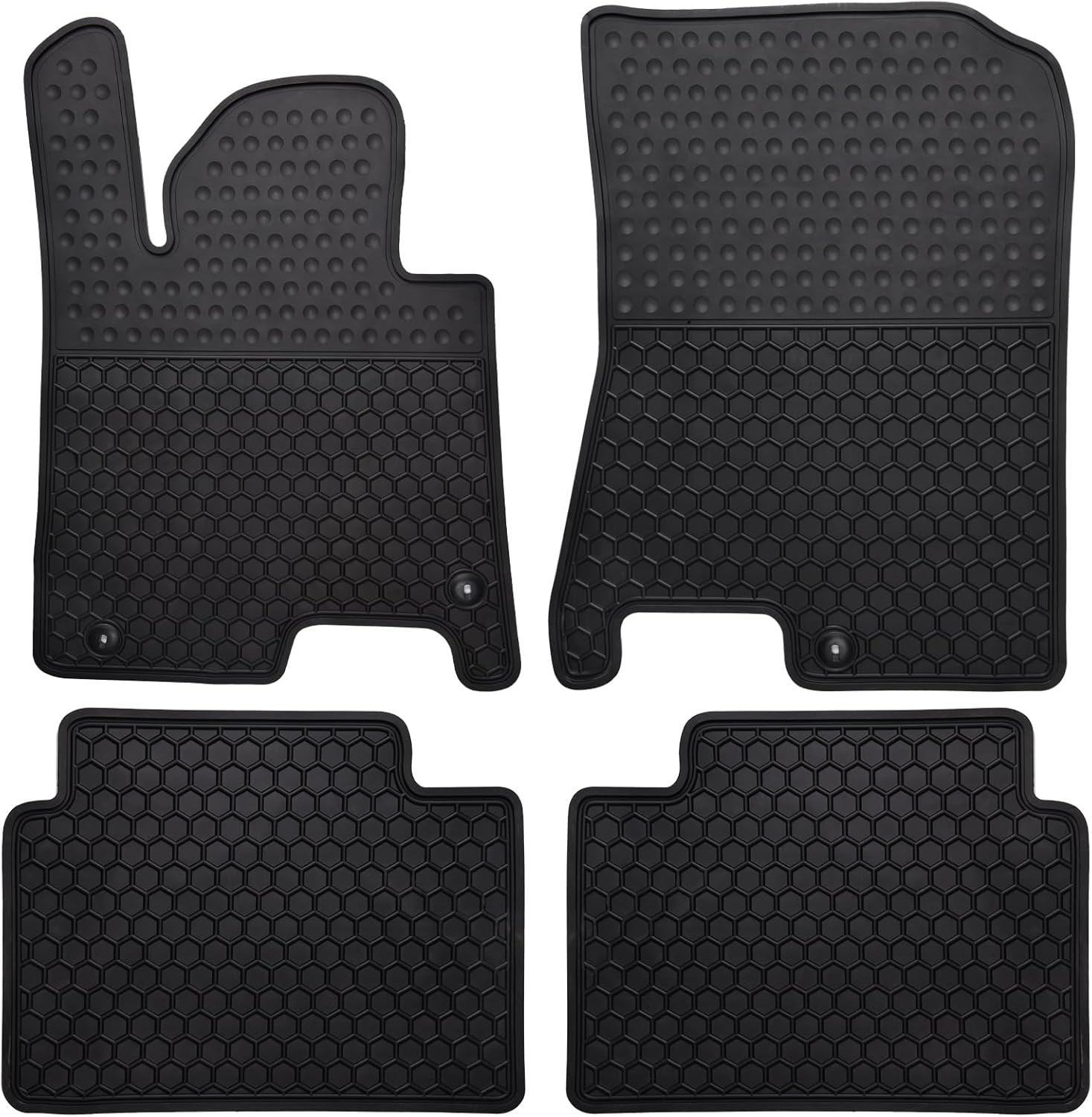
These custom-fit all-weather floor mats are designed for compatible Hyundai Sonata and Kia K5 models to help protect your vehicle's interior from mud, slush, dirt, and spills. Made from odorless, durable rubber with a deep hexagon pattern, they offer reliable anti-slip coverage and are easy to remove and clean with water or a damp towel. The set is built for long-lasting use in every season and helps keep your car looking clean while supporting resale value.
Used Hyundai Sonata Buying Checklist
Before you buy a used Sonata, check more than the model year. Two cars from the same year can have very different histories.
- Run the VIN through NHTSA: Confirm open recalls and safety campaigns.
- Check service records: Look for regular oil changes, transmission service where applicable, coolant service, brake work, and hybrid-system documentation.
- Test drive cold and warm: Listen for engine knock, hesitation, rough shifting, warning lights, steering noise, or brake vibration.
- Inspect the title history: Avoid flood, salvage, odometer, or major accident red flags unless the price fully reflects the risk.
- Review warranty transfer rules: Hyundai warranty coverage can differ for original owners, second owners, certified used vehicles, and hybrid components.
- For hybrids: Check battery warranty status, real-world fuel economy, cooling-system condition, and any hybrid warning messages.
Pro Tip: If two used Sonatas cost about the same, choose the one with better service records and fewer owners over the one with a higher trim badge.
Safety, Recalls, and Fuel Economy Sources to Check
For safety, start with the IIHS 2026 Hyundai Sonata rating page. IIHS lists the 2026 Sonata as a Top Safety Pick+ and shows strong crashworthiness results, but ratings can vary by model year, build date, and equipment.
For recalls, do not rely on a general article or a seller’s word. Use the vehicle’s VIN on NHTSA’s recall lookup. This is especially important on newer used cars because recalls and software updates can appear after the car was first sold.
For fuel economy, compare the exact year, trim, wheels, and powertrain on FuelEconomy.gov. Hybrid trims can vary by wheel size and trim level, and real-world mileage depends on speed, weather, tires, traffic, and driving style.
Frequently Asked Questions
What are the different generations of Hyundai Sonata?
The Hyundai Sonata has eight global generations: Y1, Y2, Y3, EF, NF, YF, LF, and DN8. The first generation launched in South Korea in 1985, while the U.S. market received the second generation as a 1989 model.
What years are the 7th-generation Hyundai Sonata?
The seventh-generation Hyundai Sonata is the LF generation. In the U.S., it is commonly associated with 2015–2019 model years, including the 2018 refresh. It came with gas, turbo, hybrid, and plug-in hybrid variants depending on year and market.
What years are the 8th-generation Hyundai Sonata?
The eighth-generation Sonata is the DN8 generation. It launched for the 2020 model year in the U.S. and continues in refreshed form for newer model years, including 2024–2026 models.
Which Hyundai Sonata year is best to buy used?
For a low-cost commuter, look at clean 2006–2010 cars. For a better mix of comfort, price, and modern features, consider 2015–2019 models. For newer safety tech and design, shop 2024–2026 models. Always verify the exact VIN, service history, and recall status.
Is the Hyundai Sonata N Line a full N model?
No. The Sonata N Line is a sporty trim, not a full Hyundai N performance model. It still matters because its 2.5L turbo engine and dual-clutch transmission make it the quickest regular-production Sonata choice.
Should you buy a Sonata Hybrid?
A Sonata Hybrid makes sense if fuel economy, quiet driving, and commuting comfort matter more than maximum acceleration. Check the exact EPA rating on FuelEconomy.gov and confirm hybrid warranty coverage before buying used.
Conclusion
The Sonata has moved through eight global generations, from a Stellar-based Korean-market sedan to a modern midsize car with hybrid efficiency, available AWD, advanced safety tech, and N Line performance. If you want the safest buying path, shop by condition first, then generation. For budget value, consider a clean 2006–2010 or 2015–2019 car. For modern tech, safety, and efficiency, focus on 2024–2026 models and compare the gas, hybrid, and N Line versions carefully.
Sources
- Hyundai USA: 2026 Sonata — current U.S. Sonata lineup and model-year reference
- Hyundai Newsroom: 2026 Sonata — official media information for the current Sonata
- Hyundai USA Warranty Coverage — Hyundai warranty reference for new-vehicle coverage
- FuelEconomy.gov: Hyundai Sonata fuel economy search — EPA fuel-economy comparisons by year and trim
- IIHS: 2026 Hyundai Sonata safety ratings — crashworthiness and crash-avoidance ratings
- NHTSA Recalls Lookup — VIN-specific recall and safety-campaign checks



[…] the most careful VIN, recall, engine-software, and maintenance-history checks. Always shop by model year, engine, and transmission—not by the “Turbo” badge […]
[…] the U.S.-market 2023 Hyundai Sonata, Hyundai lists Idle Stop & Go, or ISG, for the Sonata SE, if equipped—not every trim. […]
[…] U.S.-market Hyundai Sonata Hybrid solar roof was offered on 2020–2022 Limited models, not on 2023–2026 cars. Its […]
[…] gave a 2026 award to only three midsize cars. The Toyota Camry and the Hyundai Sonata both earned Top Safety Pick+, and the Honda Accord earned the second-tier Top Safety Pick. That is […]
[…] Hyundai Sonata Hybrid blends regenerative braking and friction braking rather than choosing one system for every […]
[…] your Hyundai Sonata, traction control and Electronic Stability Control (ESC) work together but solve different […]
[…] has used different layouts across Sonata generations and markets. Some older or market-specific engines use MPI, many earlier U.S. engines use GDI, and […]
[…] Direct Injection (GDI) helped the Hyundai Sonata get strong four-cylinder output without relying on a mainstream V6. In U.S.-market 2011–2013 […]