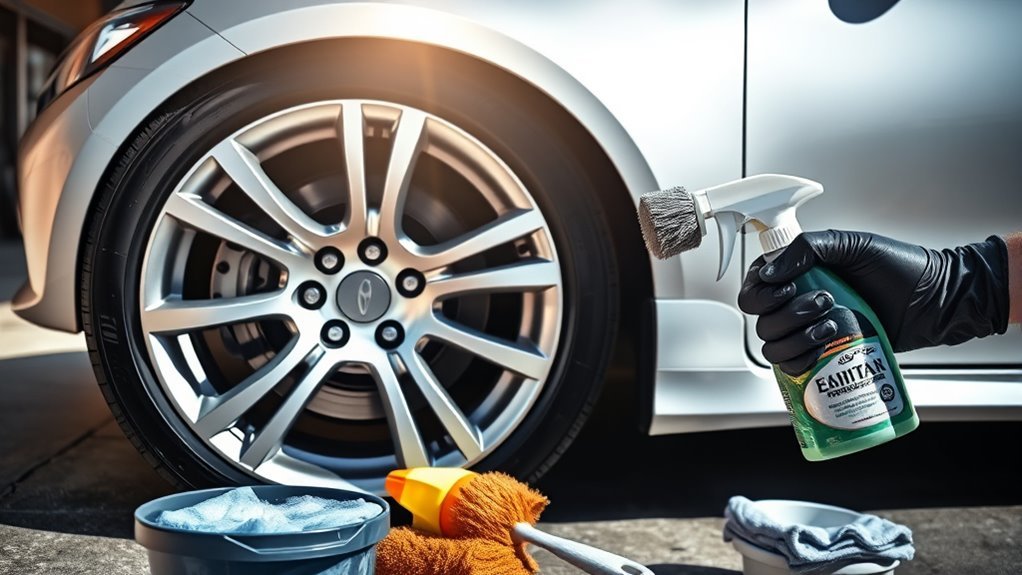
Clean Toyota Camry wheels when they are cool to the touch, using a gentle cleaner that matches the wheel finish. The safest routine is simple: rinse off loose grit, use a pH-balanced or non-acid wheel cleaner, agitate with soft brushes, rinse completely, dry with microfiber towels, then add protection so brake dust has a harder time sticking.
Quick Answer
To clean Toyota Camry wheels, rinse first, spray a wheel-safe cleaner, let it dwell briefly, scrub the face, spokes, lug areas, and inner barrel with soft brushes, then rinse and dry. Use an iron remover only for stubborn brake dust, and finish with wheel sealant for easier future cleaning.
Key Takeaways
- Toyota recommends removing wheel dirt promptly with a neutral detergent, rinsing it off right away, and avoiding hard brushes, abrasive cleaners, and harsh chemicals.
- Always clean cool wheels in the shade so the cleaner does not dry on the finish.
- Use soft wheel brushes and microfiber towels; stiff brushes and abrasive compounds can haze clear-coated alloy wheels.
- Iron fallout remover is useful for bonded brake dust, but it should be used only as directed and rinsed thoroughly.
- A wheel sealant or ceramic-style spray makes monthly maintenance faster by helping brake dust release during the next wash.
At a Glance
| Time Required | 20–45 minutes for all four wheels |
| Difficulty | Easy |
| Tools Needed | Hose or pressure washer, wheel cleaner, soft wheel brushes, microfiber towels, optional iron remover, clay bar, wheel sealant, tire gel |
| Cost | About $20–$75 if buying basic supplies |
Quick Steps to Clean Toyota Camry Wheels and Remove Brake Dust
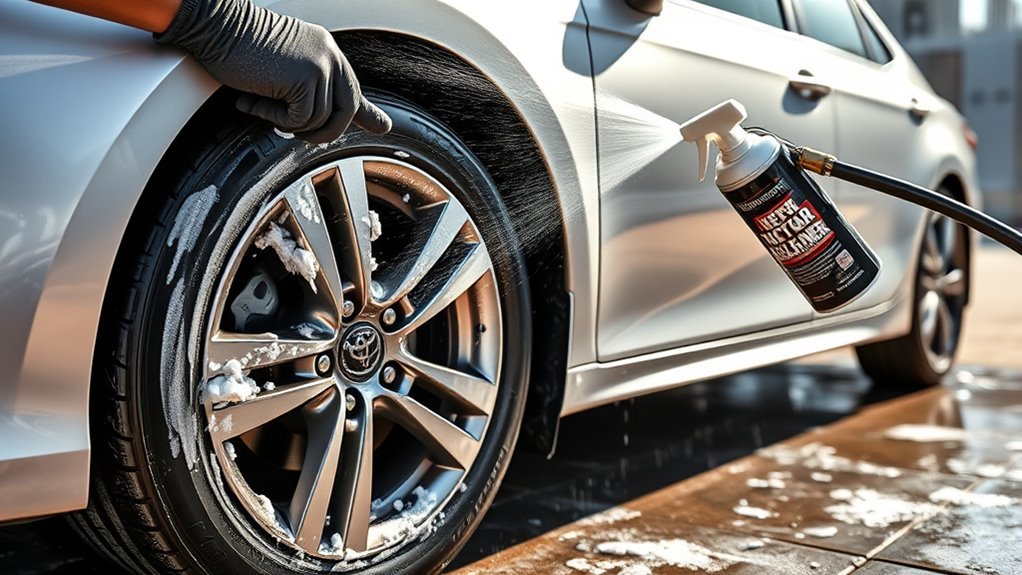
Start with the safest approach: clean one wheel at a time while the wheel is cool. Rinse the wheel, tire, and nearby wheel well with water to remove loose grit before you touch the surface. That first rinse matters because dry brake dust and road dirt can scratch when dragged across a clear-coated alloy wheel.
Spray a pH-balanced or non-acid wheel cleaner made for your wheel finish. Let it dwell for the time on the label, but do not let it dry. Agitate the spokes, lug nut pockets, valve stem area, rim edge, and inner barrel with soft-bristled wheel brushes. Rinse thoroughly until no cleaner remains, then dry with microfiber towels.
For normal weekly or monthly cleaning, this is usually enough. For heavy brake dust, add an iron fallout remover after the basic wash. For long-term protection, finish with a wheel sealant or ceramic detailing spray so future grime releases more easily.
Warning: Do not use oven cleaner, household acids, steel wool, scouring pads, or harsh degreasers on Camry wheels. Toyota’s wheel-care guidance says to remove dirt with a neutral detergent and avoid hard brushes, abrasive cleaners, and strong chemical cleaners.
Cleaners & Tools for Camry Alloy vs. Chrome Wheels
Most modern Toyota Camry wheels are painted or clear-coated alloy wheels, but some cars may have chrome, aftermarket, matte, polished, or repaired wheels. The safest first step is to identify the finish and test any cleaner on a hidden spot before treating the whole wheel.
[Products Worth Considering]

These aluminum alloy tire valve stem caps are designed to fit a range of SUVs and trucks, including popular Toyota models, while adding a clean personalized look. They help protect valve stems from wear, moisture, and debris with a durable sealed design for everyday driving. Easy to install and made for long-lasting use, they offer a simple upgrade that improves both style and protection.

This all-in-one car detailing kit brings together a wide range of cleaning tools for interior, exterior, wheel, and glass care. It includes brushes, polishing pads, a vacuum, a foam gun, a collapsible bucket, and other useful accessories to help tackle dust, dirt, stains, and hard-to-reach areas with ease. Designed for versatile vehicle cleaning, it also comes with a storage bag for convenient organization at home or on the go.

This complete car detailing kit provides a versatile solution for cleaning both interior and exterior surfaces, including vents, wheels, tires, dashboards, and tight crevices. With multiple brush types, drill attachments, a wheel brush, cleaning cloths, a spray bottle, and storage bag, it helps tackle everyday dust, grime, and hard-to-reach areas with ease. It is designed for car enthusiasts, daily drivers, and anyone looking for a more thorough auto cleaning routine.
Test Cleaner on the Finish First
Apply a small amount of cleaner to an inconspicuous area, such as the inside edge of a spoke. Gently agitate with a soft brush, rinse, and inspect the spot. Stop if you see dulling, haze, streaking, color transfer, staining, or a rough feel.
If the test area looks unchanged, clean the rest of the wheel using the same product and technique. If the finish reacts badly, switch to a milder cleaner or use a professional detailer, especially on polished, matte, anodized, or damaged wheels.
Alloy-Safe Product Choices
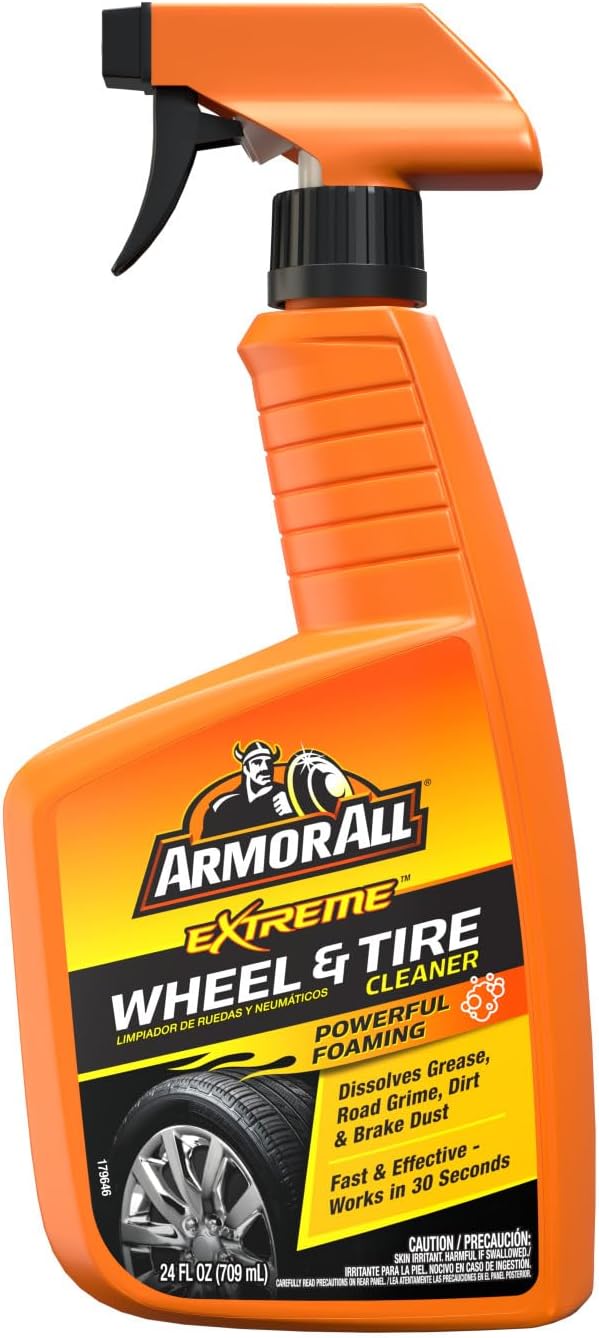
For factory clear-coated alloy wheels, use a pH-balanced or non-acid wheel cleaner, a soft wheel face brush, a barrel brush, a lug nut brush, and microfiber towels. A non-acid cleaner is designed to remove brake dust and road grime without relying on harsh acids, and some manufacturer product guidance lists factory clear-coated, painted, and chrome wheels as compatible surfaces.
Avoid abrasive compounds unless the product specifically says it is safe for your exact finish. When in doubt, start with the mildest cleaner and repeat the process rather than jumping to a harsh chemical.
Chrome Care and Protection
Chrome wheels need gentle handling because scratches and dulling stand out quickly. Use a chrome-safe cleaner or a pH-balanced wheel cleaner that lists chrome as an approved surface. Agitate lightly, rinse fully, and dry right away to prevent water spots.
After cleaning, use a chrome-safe polish only if the finish needs extra shine and the product label approves it. Then apply a chrome-safe sealant or wheel wax to help repel grime. If your Camry has chrome-look plastic wheel covers instead of chrome wheels, use mild soap and water first and avoid metal polish.
Tools and Supplies You Need Before You Start
- Water source: a hose with spray nozzle or a pressure washer used carefully.
- Wheel cleaner: pH-balanced or non-acid, matched to the wheel finish.
- Soft wheel face brush: for spokes and rim edges.
- Wheel barrel brush: for the inside barrel where brake dust collects.
- Lug nut brush or detailing brush: for tight pockets and valve stem areas.
- Microfiber towels: one set for wheels only, not paint.
- Optional iron fallout remover: for orange-brown or black bonded brake dust spots.
- Optional clay bar or synthetic clay mitt: for embedded particles after the wheel is clean.
- Wheel sealant or ceramic detailing spray: for protection.
- Tire gel or tire dressing: for the sidewall, not the tread.
Pro Tip: Keep wheel towels and brushes separate from paint towels. Brake dust can contain metal particles, and using the same towel on paint can create fine scratches.
[Products Worth Considering]

This all-in-one car detailing kit provides a complete set of cleaning tools for interior and exterior vehicle care, including brushes for dashboards, vents, wheels, tires, glass, and tight spaces. Designed for cars, trucks, SUVs, motorcycles, RVs, and more, it helps remove dust, grime, brake dust, and stubborn dirt while protecting delicate surfaces from scratches. The included storage box keeps everything organized for easy use at home or on the go.

This car interior detailing brush is designed to gently remove dust from vents, dashboards, consoles, and other hard-to-reach areas without scratching surfaces. Its soft bristles and comfortable grip make routine interior cleaning easier, while the compact size allows convenient storage in your glove box. It also works well for household cleaning tasks like keyboards, fans, and window tracks.
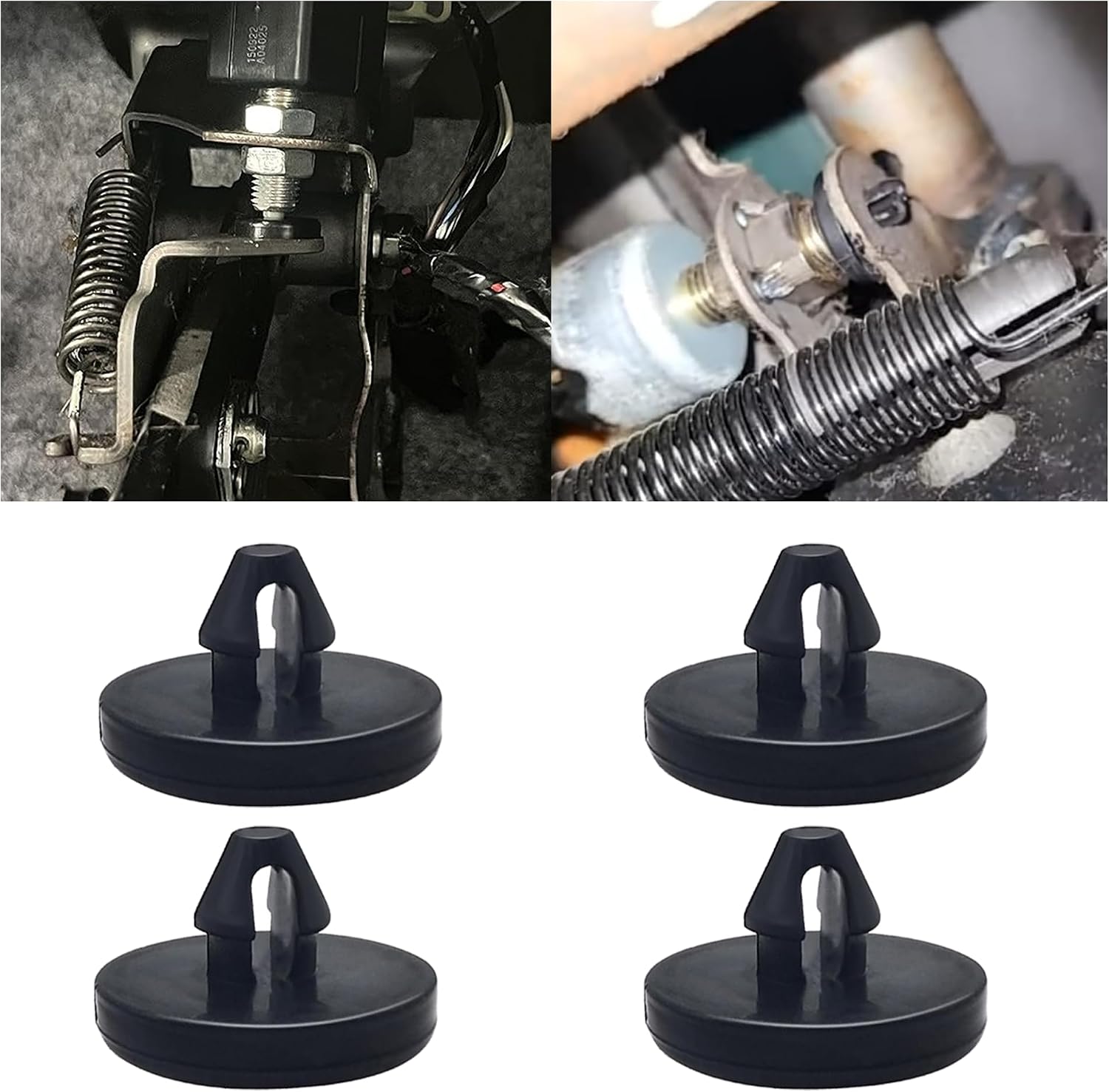
This brake pedal stop pad set is designed as an OEM replacement for compatible Toyota, Lexus, and Scion models, helping restore proper brake light switch function when the brake light stays on. Made from durable nylon, these compact stoppers are built for reliable long-term use and quick, tool-free installation. The set includes multiple pieces for convenient replacement and sharing.
Step-by-Step: Rinse, Apply Cleaner, Scrub Inside Barrel, and Rinse Again
- Park in shade and let the wheels cool. Hot wheels can make cleaner dry too quickly, which may leave stains or streaks.
- Rinse the wheel and tire. Use strong water flow to remove loose dust, sand, and road salt. If using a pressure washer, keep the nozzle moving and avoid blasting close to valve stems, wheel weights, painted edges, and damaged areas.
- Spray the cleaner evenly. Cover the wheel face, spokes, lug nut pockets, rim lip, and inner barrel. Work on one wheel at a time so the cleaner stays wet.
- Let it dwell. Follow the product label. Most wheel cleaners need a short dwell time to loosen brake dust, but they should not be allowed to dry.
- Agitate gently. Use a soft brush on the face, a barrel brush inside the wheel, and a small detailing brush around lug nuts and tight crevices.
- Rinse completely. Flush cleaner and loosened grime from the barrel, caliper area, spokes, and tire sidewall.
- Inspect and repeat if needed. If the wheel still has bonded brake dust, use a targeted iron remover instead of scrubbing harder.
- Dry the wheel. Use clean microfiber towels or a blower to remove water from lug pockets and the inner barrel.
This routine removes the grime that makes Camry wheels look dull while protecting the finish from unnecessary abrasion.
Stubborn Brake Dust? Remove Stains, Iron Fallout, and Baked-On Grime
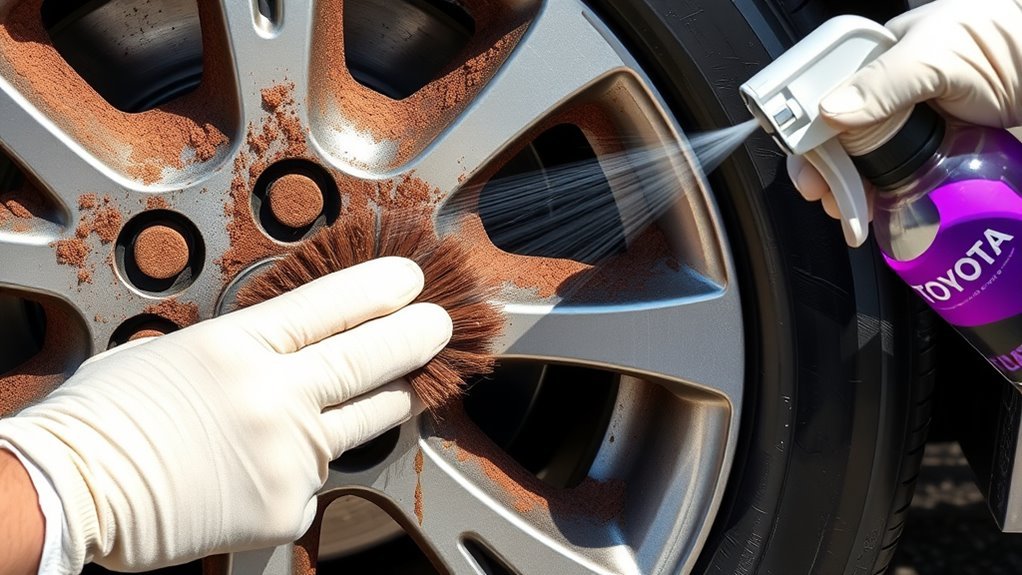
If stubborn brake dust and baked-on grime do not come off with a normal wash, use a targeted process instead of aggressive scrubbing. Brake dust is not just ordinary dirt; brake wear can create metal-rich particles that bond to the wheel surface over time. That is why an iron fallout remover often works better than extra pressure.
Start by washing and rinsing the wheel as usual. While the wheel is still cool, spray an iron remover on the affected areas and let it dwell exactly as the label instructs. These products often change color as they react with iron particles. Agitate lightly with a soft detailing brush, then rinse very thoroughly.
For embedded roughness that remains after chemical cleaning, use a clean clay bar or synthetic clay mitt with plenty of lubricant. Glide it gently over the wheel surface; do not press hard. Rinse again and inspect the finish. If stains remain under the clear coat, the wheel may need professional polishing or refinishing.
Note: Iron removers have a strong odor and can stain sensitive materials if misused. Wear gloves, work in a ventilated area, follow the label, and rinse nearby paint and concrete if overspray lands there.
Drying, Wheel Sealant, and Tire Gel: Protect Camry Wheels Long-Term
Once the wheels are completely clean and cool, dry each one thoroughly with a clean microfiber towel. Blot trapped water around lug nuts, valve stems, and the rim lip, then wipe in overlapping strokes. A small blower can help push water out of the inner barrel and tight pockets.
After drying, apply a wheel sealant, wheel wax, or ceramic detailing spray one wheel at a time. Follow the product’s cure time before driving. The goal is to create a slick surface that makes brake dust and road grime easier to rinse away later.
Finish with tire gel or tire dressing on the sidewall only. Wipe off excess product so it does not sling onto the wheel or paint when you drive. Never apply tire dressing to the tread, brake rotor, or brake pedal area.
[Products Worth Considering]

This wheel lock key set is designed to help remove and replace compatible Toyota and Lexus wheel locks with confidence. It includes four wheel lock nuts and one key, offering a practical replacement solution for many popular models while supporting secure wheel protection and reliable fitment. Built for durability and corrosion resistance, it is a useful choice when matching OE reference numbers and vehicle compatibility is important.

These aluminum alloy tire valve stem caps provide durable, corrosion-resistant protection for your vehicle’s valve stems while helping maintain stable tire pressure. The rubber seal design helps block dust, moisture, and debris, reducing the risk of air leakage and valve damage. Easy to install and styled for a clean look, they fit a range of cars, SUVs, trucks, and motorcycles.
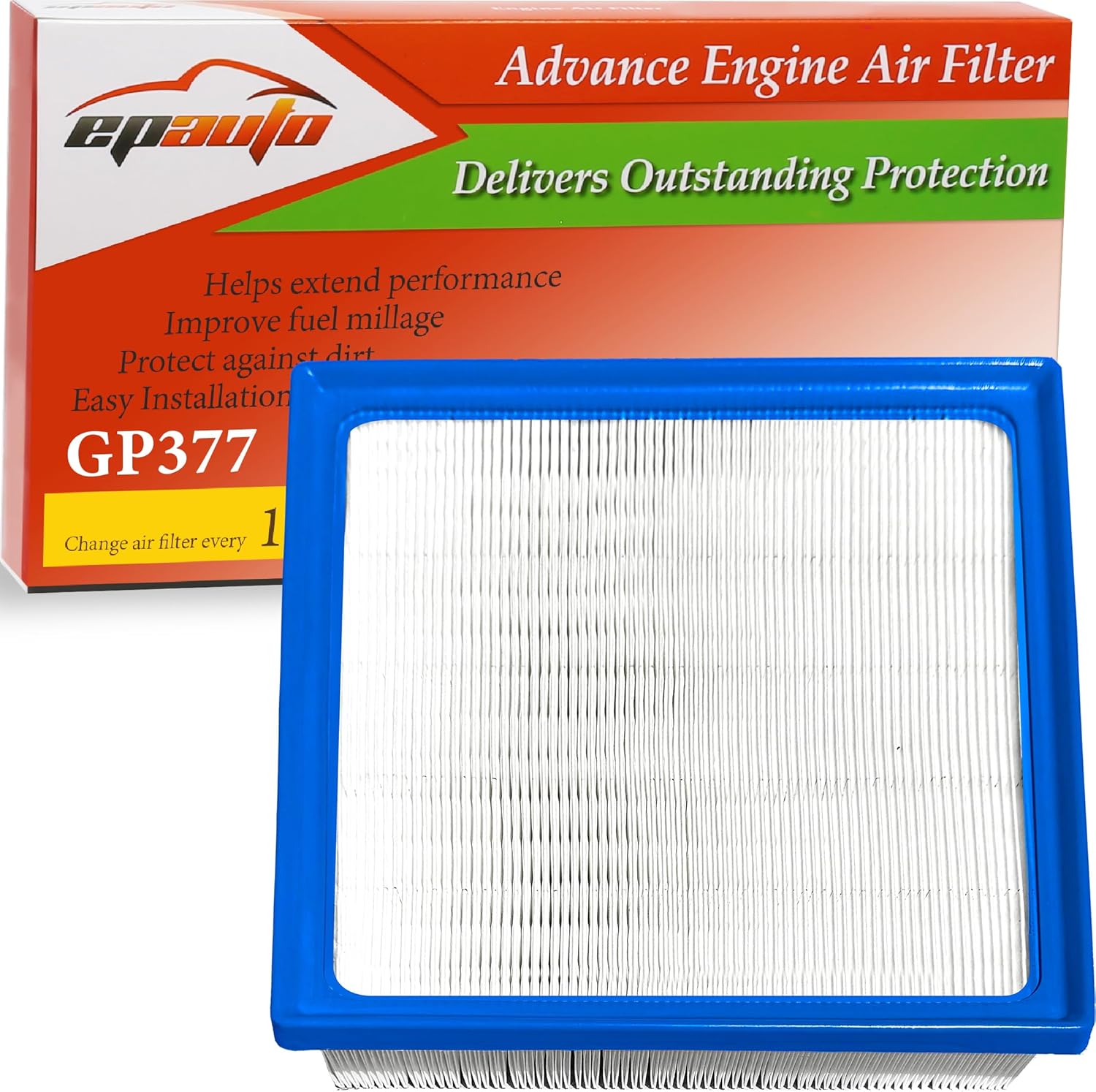
This EPAuto GP377 engine air filter replacement is designed for select Toyota and Lexus gas models, offering a direct-fit solution that helps maintain engine performance and protection. It meets or exceeds original equipment standards for fit, form, and function while trapping dirt and debris to support cleaner airflow. Compatible with multiple popular vehicles, it provides an easy, tool-free replacement for routine maintenance.
What Not to Use on Toyota Camry Wheels
- WD-40 Multi-Use Product as a routine wheel cleaner: It may loosen some grime, but it is a lubricant and water-displacing product, not a dedicated wheel cleaner. It can leave oily residue that attracts dust unless washed off completely.
- Oven cleaner or household acid: These products can stain, etch, or strip wheel finishes.
- Steel wool or scouring pads: They can scratch clear-coated alloy and chrome surfaces.
- Stiff tire brushes on wheel faces: Use stiff brushes only on tire rubber, not painted or chrome wheels.
- Cleaner on hot wheels: Heat can bake chemicals onto the finish.
- Cleaner left to dry: Dried cleaner can leave streaks, spots, or chemical marks.
Maintenance Schedule and Simple Tips to Keep Camry Wheels Looking New
A simple monthly routine will keep your Camry’s wheels looking new and help prevent brake dust from bonding to the finish. Clean every two to four weeks for normal driving. Clean more often if you drive through road salt, construction dust, heavy rain grime, or stop-and-go traffic that creates more brake dust.
Use a dedicated wheel cleaner matched to your wheel type. Agitate with soft brushes, rinse thoroughly, and dry to avoid water spots. After cleaning, apply a wheel sealant or wax every few months, or more often if you use strong cleaners.
Inspect wheels while they are clean. Look for cracks, corrosion, bent rim edges, missing wheel weights, loose center caps, curb rash, or peeling clear coat. Dirt can hide defects that are easier to catch during a careful wash.
Keep a small wheel-care kit in your garage or trunk: cleaner, a soft brush, microfiber towels, and sealant. For winter driving, rinse wheels more often because salt and slush can speed up corrosion if they sit on the finish.
Eco-Safe Wheel Cleaning and Runoff Tips
Wheel cleaning can send detergent, metals, oils, and brake dust into storm drains if runoff flows down the street. The U.S. Environmental Protection Agency advises that vehicle wash water can carry pollutants such as metals and hydrocarbons, and that storm drains often lead directly to waterways.
When possible, wash on gravel or grass where allowed, use the smallest practical amount of cleaner, choose biodegradable and phosphate-free products when available, and keep runoff out of storm drains. A commercial car wash is the most water-managed option because many facilities recycle or treat wash water before discharge.
Troubleshooting Common Wheel Cleaning Problems
Wheel Cleaner Left Streaks or Spots
The cleaner likely dried or was too strong for the finish. Rewash the wheel with a mild pH-balanced cleaner, rinse thoroughly, and dry. If streaks remain, use a finish-safe polish only if the wheel manufacturer or product label allows it.
Brake Dust Came Back After One Drive
Some brake pads shed more dust than others, and stop-and-go driving makes it worse. A wheel sealant will not stop brake dust, but it can make the next wash easier.
The Wheel Feels Rough After Washing
Bonded contaminants may still be stuck to the surface. Use an iron remover first, then clay the wheel gently with plenty of lubricant if the finish is compatible.
Tire Gel Splattered on the Wheel
Too much dressing was applied or it was not wiped down. Clean the sling with a mild wheel cleaner or car shampoo, dry the tire, then reapply a thin coat and wipe off the excess.
Frequently Asked Questions
How do you clean Toyota Camry rims safely?
Rinse the rims first, apply a pH-balanced or non-acid wheel cleaner, let it dwell briefly, scrub with soft brushes, rinse completely, and dry with microfiber towels. Add wheel sealant afterward for easier maintenance.
Will WD-40 remove brake dust from rims?
WD-40 Multi-Use Product may loosen some grime, but it is not the best routine brake-dust cleaner because it can leave an oily residue that attracts dirt. Use a dedicated wheel cleaner instead, and reserve WD-40-type products for uses listed on their label.
How do you clean brake dust off a car?
For wheels, rinse first, use a wheel-safe cleaner, agitate with a soft brush, rinse, and dry. For painted body panels, use car shampoo and a microfiber wash mitt, not wheel cleaner, because wheel chemicals may be too strong for paint.
Can I use dish soap on Camry wheels?
Dish soap can remove light dirt, but it is not ideal as a regular wheel cleaner because it is not designed for bonded brake dust or automotive protection. A pH-balanced wheel cleaner or neutral car-wash soap is a safer routine choice.
How often should I clean Toyota Camry wheels?
Clean them about once a month for normal driving, or every one to two weeks if you drive in road salt, dusty areas, heavy rain grime, or stop-and-go traffic. Fresh brake dust is much easier to remove than baked-on buildup.
Conclusion
Think of your Camry’s wheels as the shoes that finish the outfit: treat them gently, and they keep the whole ride looking sharper. Rinse first, use the right cleaner for the finish, scrub with soft brushes, rinse completely, and dry with microfiber towels. For stubborn brake dust, use an iron remover and clay only when needed. Finish with sealant and careful tire gel, then keep up a monthly routine so your wheels stay clean with less effort.
Sources
- Toyota 2025 Camry Hybrid Owner’s Manual — wheel and exterior cleaning precautions, including neutral detergent and avoiding harsh chemicals or abrasive tools.
- U.S. EPA Stormwater Best Management Practice: Vehicle Maintenance and Washing — runoff concerns and safer vehicle-washing practices.
- Meguiar’s Non-Acid Wheel & Tire Cleaner Product Information — example of a non-acid cleaner designed for factory clear-coated, painted, and chrome wheels.
- Brake Wear Particle Emissions: A Review — background on brake wear particles and why brake dust can bond to wheels.
- WD-40 Specialist Cleaner & Degreaser Product Information — clarifies that WD-40 sells dedicated cleaner/degreaser products, separate from routine use of WD-40 Multi-Use Product as a wheel cleaner.