
Last updated: September 16, 2026
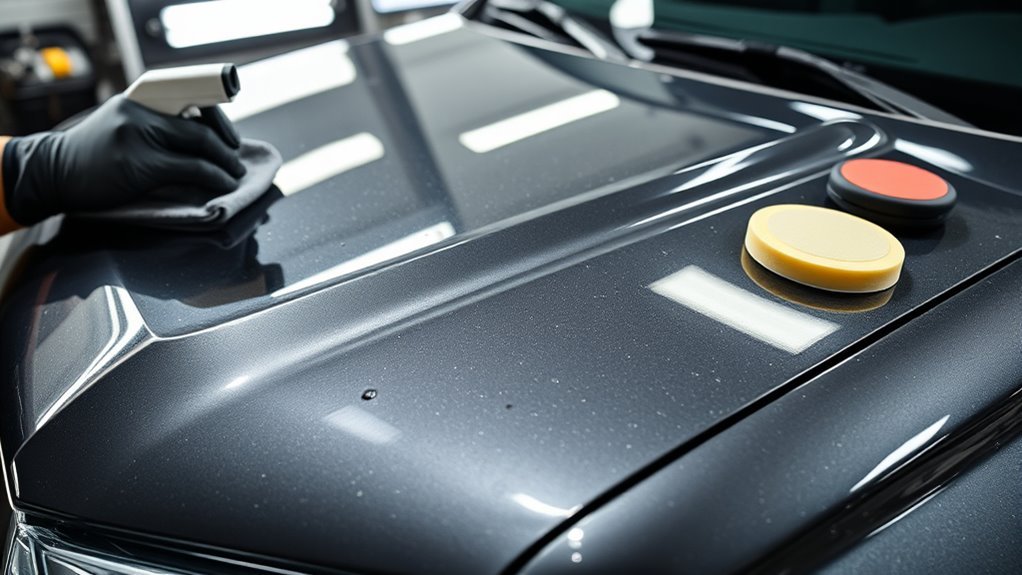
To remove water spots from Toyota 4Runner paint safely, wash and dry the panel first, then determine whether you are dealing with a fresh mineral deposit, bonded contamination, or clear-coat etching. Use a paint-safe automotive water-spot remover before any abrasive correction. If the mark survives chemical cleaning, a light polish may be needed. Re-protect the paint afterward, and do not use abrasive household pads on glossy paint.
Quick Answer
Wash and dry the 4Runner first. If the mark is a surface mineral deposit, treat it with a remover labeled safe for glossy automotive paint. If it remains after chemical cleaning, it may be etched and need light polishing or professional correction. Finish by restoring wax, sealant, or coating protection.
Key Takeaways
- Start with a proper wash and microfiber drying before using any water-spot chemical.
- Use chemistry for mineral deposits; polishing is for defects that remain after safe cleaning.
- Never use a Magic Eraser, kitchen scrub pad, or steel wool on 4Runner paint.
- For glass, prefer a dedicated automotive glass polish. Steel wool can scratch glass or damage coatings, so it is not a default water-spot method.
- Finish by restoring the wax, sealant, coating, or maintenance product appropriate for the surface.
At a Glance
| Time Required | A short spot treatment for fresh deposits; longer if decontamination or paint correction is required |
| Difficulty | Easy for surface deposits; moderate for polishing etched paint |
| Tools Needed | pH-balanced car soap, two buckets, soft wash mitt, microfiber towels, clay bar or clay mitt, detail spray, painter’s tape, paint-safe water-spot remover, optional polish and dual-action polisher |
| Cost | Varies by products already owned, affected area, paint condition, and whether professional correction is needed |
Warning: Do not use a Magic Eraser, dish scrub pad, heavy hand pressure with compound, or steel wool on your 4Runner’s paint. These can dull or scratch glossy clear coat. On glass, use a dedicated automotive glass cleaner or polish first; steel wool can scratch some glass or damage surface coatings.
Quick: Remove Water Spots From 4Runner Paint
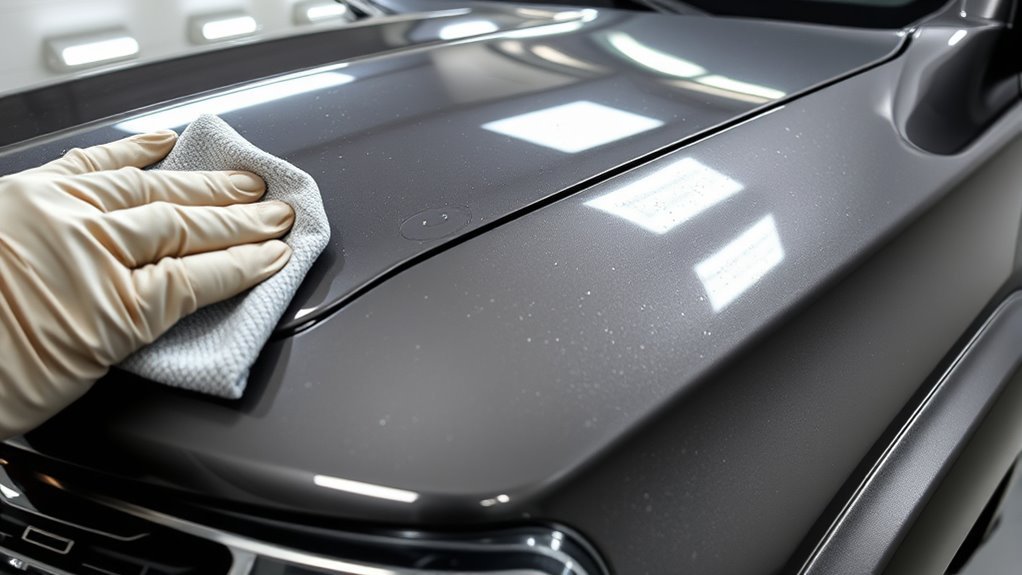
Start by washing the area so loose grit is gone before you touch the paint. Use a pH-balanced car shampoo, a soft mitt, and clean microfiber towels. The goal is simple: remove dirt first, then treat the actual mineral spot instead of grinding dirt into the clear coat.
- Wash the panel. Rinse from top to bottom, wash with car soap, then rinse fully.
- Dry immediately. Use a clean microfiber drying towel so fresh minerals do not dry on the paint again.
- Inspect under good light. Look at the spot from different angles. Fresh mineral spots often look white, cloudy, or ring-shaped.
- Test a small area. Try detail spray and a microfiber towel first. If the mark remains, move to the vinegar or water-spot remover step.
- Use chemistry before polishing. A remover labeled for glossy automotive paint may clear mineral residue without jumping straight to machine correction. Follow the label because formulas vary.
- Polish only when needed. If the mark stays after safe washing and chemical cleaning, it may be etched.
For stubborn deposits, use a dedicated automotive water-spot remover as a controlled spot treatment rather than an all-over cleaner. Work one small section at a time, follow the product’s dwell-time and surface-compatibility instructions, then wipe, rinse, or neutralize exactly as directed. Do not let an acidic remover dry on paint, trim, seals, or badges.
Pro Tip: If the mark disappears while the panel is wet but returns when dry, do not assume it is fixed. Water can temporarily hide light defects. Reinspect after the panel is fully dry; surface feel is only a clue, not a definitive test for etching.
Prep: Wash, Decontaminate, Mask Areas
Prep matters because water-spot removal products work best on clean paint. Before using vinegar, a dedicated remover, clay, or polish, wash the 4Runner, dry it, and mask sensitive areas. Toyota owners should also check the model-specific care notes in the Toyota owner’s manual library before using aggressive chemicals, pressure washing, or machine polishing.
Wash Thoroughly First
Wash the 4Runner with a quality car wash soap, not household detergent. Household cleaners and dish soap can strip wax or protective coatings when used as a routine wash. Work from the roof down, rinse your mitt often, and clean wheels with separate tools so brake dust does not touch paint.
| Step | Purpose |
|---|---|
| Use car wash soap | Lifts grime without stripping protection as aggressively as household cleaners |
| Rinse fully | Removes soap, grit, and loose minerals before spot treatment |
| Dry promptly | Stops fresh water droplets from leaving new mineral rings |
| Mask trim | Protects rubber, textured plastic, badges, and seals from acidic cleaners or polish dust |
Clay Bar Decontamination
Use a clay mitt or traditional clay bar only after washing. Clay removes bonded contaminants that sit on top of paint, including some mineral residue, road film, and fallout. It does not repair etched clear coat.
Work one small panel at a time. Spray plenty of detailer or clay lubricant, glide the clay with light pressure, and fold the clay often so a clean surface touches the paint. If the clay feels gritty, replace it. Rinse and dry the section again after claying so residue does not interfere with polishing or protection.
Note: If the paint already feels smooth and the water spots are only visual, skip clay at first. Extra mechanical contact can add marring on dark 4Runner paint if the surface is not well lubricated.
Mask Vulnerable Areas
Before applying water-spot remover or polish, mask vulnerable surfaces. Use quality painter’s tape on rubber window seals, textured black trim, roof-rack plastic, badges, unpainted bumper trim, and sharp panel edges. Press the tape edges down so liquid products do not creep underneath.
Masking is especially important if spots are near the windshield base, side mirrors, door handles, roof rails, or black plastic trim. Acidic water-spot removers and polish residue can stain or dry out these areas. Remove the tape after the product is wiped off, rinsed, and neutralized according to the label.
How Can You Tell If a 4Runner Water Spot Is Etched?
Start by separating three conditions: fresh mineral residue that comes off with washing or chemical cleaning, bonded contamination that leaves the surface rough, and clear-coat etching that remains after the surface is clean. According to the U.S. Geological Survey, hard water is largely associated with dissolved calcium and magnesium. When water evaporates, mineral residue can remain on the surface.
Mineral Spot Identification
A mineral spot often looks white, chalky, cloudy, or ring-shaped. It may feel slightly raised or rough. If the paint is glossy, unwrapped, and not covered by a coating with special chemical restrictions, you can use this cautious DIY test on a cool, freshly washed test area:
- Mix white vinegar and distilled water at a 1:1 ratio.
- Apply it to a microfiber towel, not directly across the whole panel.
- Hold it on a small test spot for 30 to 60 seconds.
- Wipe gently, then rinse the area with clean water and dry it.
- If the spot softens, lightens, or wipes away, it was likely mineral residue.
Diluted white vinegar is a commonly published DIY method for light mineral residue, but it is not a universal paint-care product. Do not use it on hot panels, do not let it dry, and avoid matte or satin finishes, wraps, paint-protection film, and coatings unless their manufacturer allows it. If the test only partly improves the mark, switch to a dedicated automotive remover that is explicitly labeled for your surface.
Etch Versus Surface Stain
If the mark remains after washing, vinegar testing, and a paint-safe remover, you may be looking at etching. Etching happens when minerals, heat, or acidic contamination leave a mark in the clear coat instead of sitting on top of it.
Surface feel can help, but it is not conclusive. Bonded contamination may feel rough, while shallow etching can be too fine to feel at all. The stronger clue is what remains after safe washing and chemical removal. If a clean panel still shows a dull ring or patch—especially one that looks better wet and returns when dry—test a light finishing polish on a small area.
| What You See | Likely Cause | Best Next Step |
|---|---|---|
| White rings that lighten with vinegar | Mineral deposits | Use paint-safe water-spot remover |
| Rough surface after washing | Bonded residue or fallout | Clay with lubricant, then reassess |
| Dull mark that does not react to remover | Clear-coat etching | Polish lightly or call a detailer |
| White haze on black plastic trim | Mineral residue or dried product | Use trim-safe cleaner, not paint polish |
What Chemical Removes Water Spots From 4Runner Paint?
When soap and water do not remove the marks, use a surface-compatible chemical step before abrasive correction. A cautious diluted-vinegar test may help with light mineral residue on suitable glossy paint, but a dedicated automotive water-spot remover is more predictable because its label states which surfaces it supports.
For example, Meguiar’s Water Spot Remover A37 is labeled safe for clear-coat and glossy painted surfaces and can be used by hand or with a dual-action polisher; Meguiar’s also says not to use it on flat, matte, or satin finishes. That product is one verified example, not a requirement—follow the label of whichever automotive remover you choose.
Use extra care on dark paint because residue can streak if it dries. Avoid direct sun, hot panels, and windy conditions. If you are working on a black 4Runner, inspect with a handheld light after each section so you can catch haze before it sets.
Warning: Strong acidic water-spot removers can stain trim, damage worn coatings, or irritate skin. Wear gloves, keep the product off rubber and textured plastic, and never mix chemicals.
[Products Worth Considering]

Meguiar's Quik Eraser Kit makes it easy to remove light scratches, scuffs, and paint transfer from glossy paint and clear coats with minimal effort. The drill-activated pad and ScratchX formula work together to restore a smooth, polished finish, while the included microfiber towel helps reveal a clean, showroom-worthy shine. It is a convenient all-in-one solution for quick touch-ups and routine vehicle care.

This spray wax is designed to restore and protect black and dark-colored vehicle finishes in one easy step, helping fill light scratches, swirl marks, and paint imperfections while creating a deep, high-gloss shine. Infused with black pigments, ceramic polymers, and UV defense, it boosts color depth, repels water and contaminants, and helps keep your vehicle looking cleaner between washes.
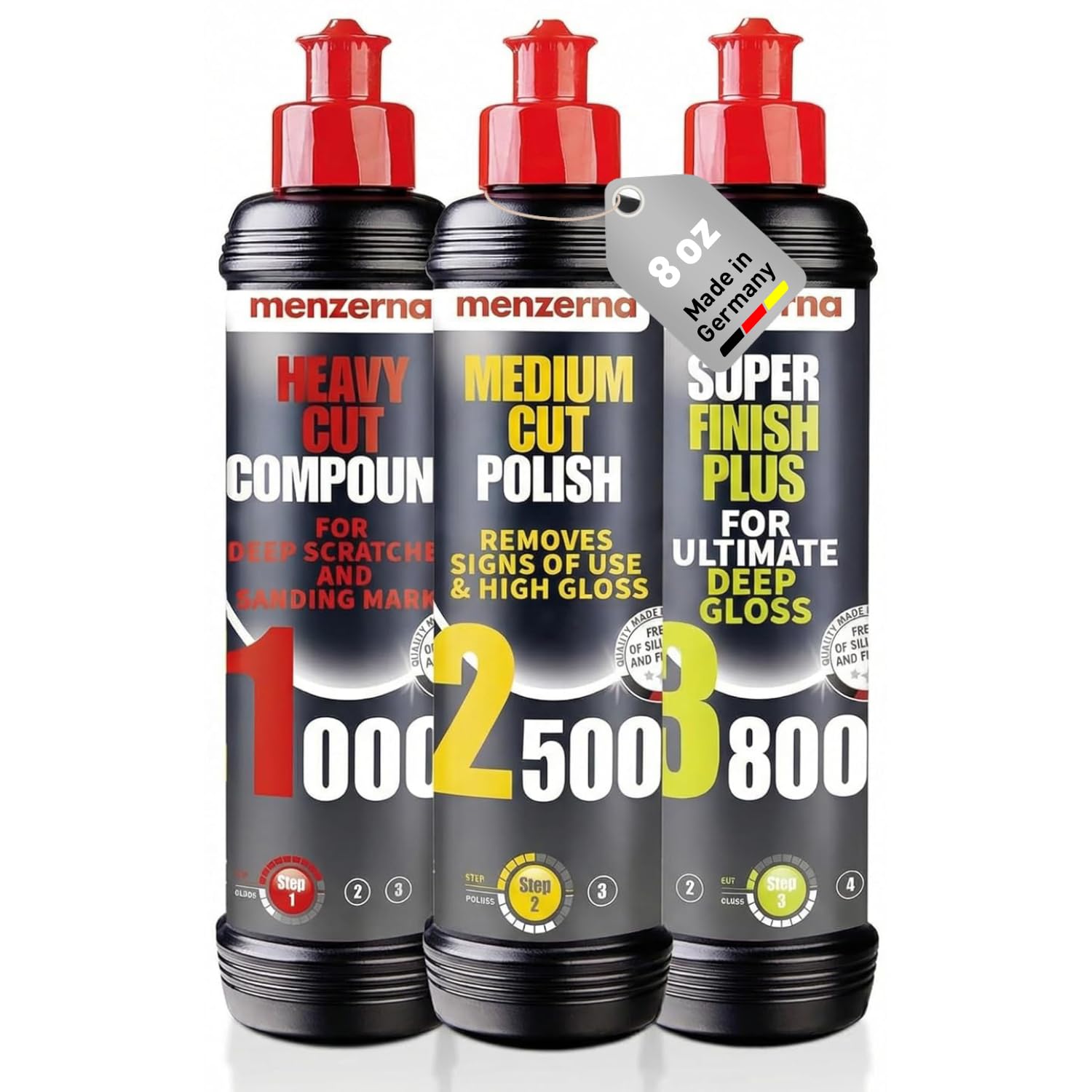
This Menzerna polishing set delivers a complete three-step paint correction process for removing scratches, refining surface defects, and producing a deep, mirror-like gloss. It combines heavy cut, medium cut, and super finish compounds to help restore clarity and create professional-quality results for detailing projects. Ideal for enthusiasts and professionals, it simplifies achieving a smooth, showroom-worthy finish.
Which Water-Spot Method Is Safe for Each Surface?
| Surface | Start With | Avoid / Check First |
|---|---|---|
| Glossy factory paint | Wash, dry, then use a remover labeled safe for glossy automotive paint | Household abrasives, steel wool, hot panels, dried-on acid |
| Exterior automotive glass | Glass cleaner, then dedicated glass polish if needed | Abrasives on coated glass; steel wool unless compatibility is confirmed |
| Textured plastic or rubber | Trim-safe cleaner and microfiber | Paint polish and strong acidic removers unless the label permits them |
| Matte/satin paint, vinyl wrap, PPF, or ceramic-coated paint | Use only products approved by the finish, film, or coating manufacturer | Do not assume a glossy-paint remover or polish is compatible |
Mechanical Fixes: Clay, Glass Polish & Paint Polishing
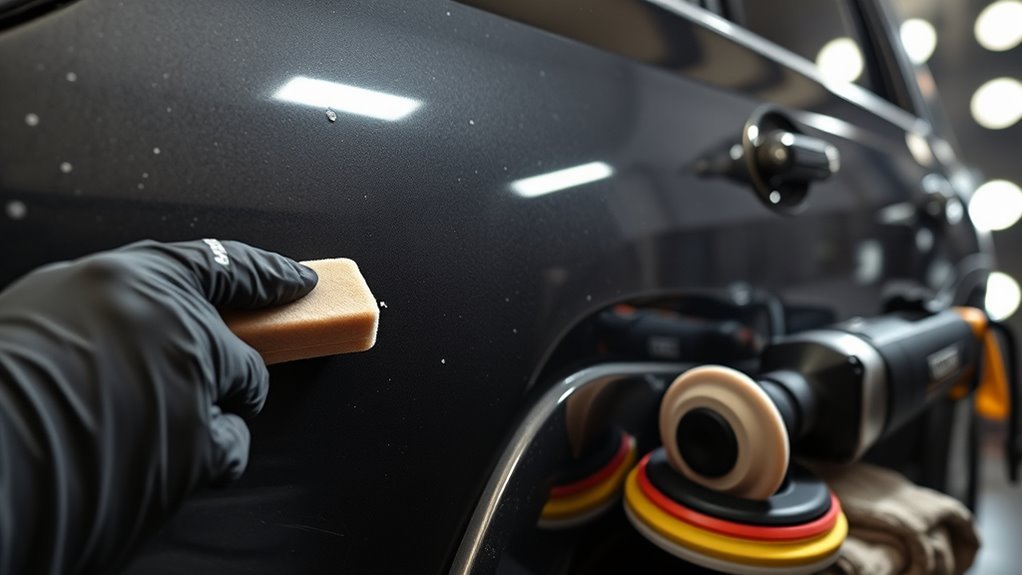
Mechanical fixes are for bonded residue, stubborn glass deposits, and paint defects that remain after chemical cleaning. Use the least aggressive option first. On paint, that usually means clay only when the surface is actually contaminated, followed by a light finishing polish if the defect is etched. On exterior glass, use a dedicated glass polish rather than improvising with household abrasives.
[Products Worth Considering]

Meguiar's Ultimate Ceramic Coating Kit delivers durable paint protection with enhanced gloss, slickness, and impressive water beading for easier washing and drying. Its spray-on, wipe-off application makes it simple to use, while helping conceal light defects and adding protection to glossy paint, trim, decals, paint protection film, and wheels.

Turtle Wax Hybrid Solutions Ceramic Spray Wax Coating delivers long-lasting ceramic protection, a deep glossy shine, and strong water repellency for easier maintenance. Its spray-and-buff formula is simple to apply on exterior surfaces, helping protect paint from dirt, UV rays, and road contaminants while keeping your vehicle looking cleaner between washes.

This two-step paint correction kit combines C4 Clear Cut Compound and P4 Precision Polish to restore automotive finishes with professional-level results. C4 removes scratches, swirls, oxidation, towel marks, and etching, while P4 refines the surface to boost gloss, depth, and color clarity. Safe for clear coat, single-stage, and ceramic-coated vehicles, it works with dual action, rotary, or hand application for easy detailing at home.
Clay for Bonded Spots on Paint
Clay is useful when the paint feels rough after washing. It pulls bonded contaminants off the surface so your water-spot remover or polish can work evenly. Keep the surface wet with detail spray and use light pressure. If the clay grabs or squeaks, add more lubricant.
Polishing Etched 4Runner Paint
If mineral remover does not clear the mark, test a finishing polish or light compound with a foam polishing pad. A dual-action polisher is generally more forgiving than a rotary for DIY correction, but any abrasive step removes some material, so inspect after a small test section instead of chasing a deep defect. In a long-term Cars.com 2025 Toyota 4Runner test, a paint-correction product removed hood water spots and blemishes, while more persistent scratches needed additional machine work.
Stop and call a professional detailer if the spot is still visible after a light polishing test, if the paint is thin, if the panel has been repainted, or if you are working near sharp body lines. A pro can measure paint thickness before correction.
Glass Water Spots on a 4Runner
For exterior glass, start with automotive glass cleaner and a microfiber towel. If spots remain, use a dedicated glass polish such as CarPro CeriGlass or an equivalent product made for automotive glass. CARPRO says CeriGlass uses ceramic abrasives and cerium oxide and is intended to remove severe water spots and light scratches.
Avoid steel wool as a default method because glass coatings, aftermarket films, and even the glass surface itself can be scratched or altered by abrasive treatment. Never use abrasives on interior tinted glass, rear defroster lines, mirror surfaces, camera lenses, plastic trim, or paint. If the windshield has a coating, follow the coating manufacturer’s maintenance instructions.
Protect & Prevent: Wax, Coatings, Rinse & Dry
Protection helps reduce how strongly mineral residue bonds, but it does not make paint water-spot-proof. Once the surface is clean, restore the protection appropriate for that finish—wax, sealant, ceramic spray, or the maintenance product specified for an existing coating.
Use disciplined rinsing and drying habits. Wash with car-specific soap, rinse thoroughly, then use filtered or deionized water for the final rinse when possible. Dry immediately with a high-quality microfiber drying towel. Do not let the 4Runner air-dry in direct sun.
Prevention also depends on where you park. Avoid lawn sprinklers, irrigation overspray, and parking under areas where hard water drips from building edges. If water hits the paint, rinse and dry the area as soon as practical.
Pro Tip: Keep a small drying towel and quick detailer in the cargo area. If sprinkler water hits one side of the 4Runner, you can rinse or wipe the panel before minerals bake into the finish.
[Products Worth Considering]

This pressure washer gun and foam cannon combo is designed for efficient vehicle and outdoor cleaning with strong spray control and quick-change convenience. It connects to compatible pressure washer hoses and includes multiple nozzle tips plus an adjustable snow foam lance for washing cars, motorcycles, driveways, siding, and more. Built for flexible detailing and deep cleaning, it helps create thick foam and targeted spray patterns for better results.
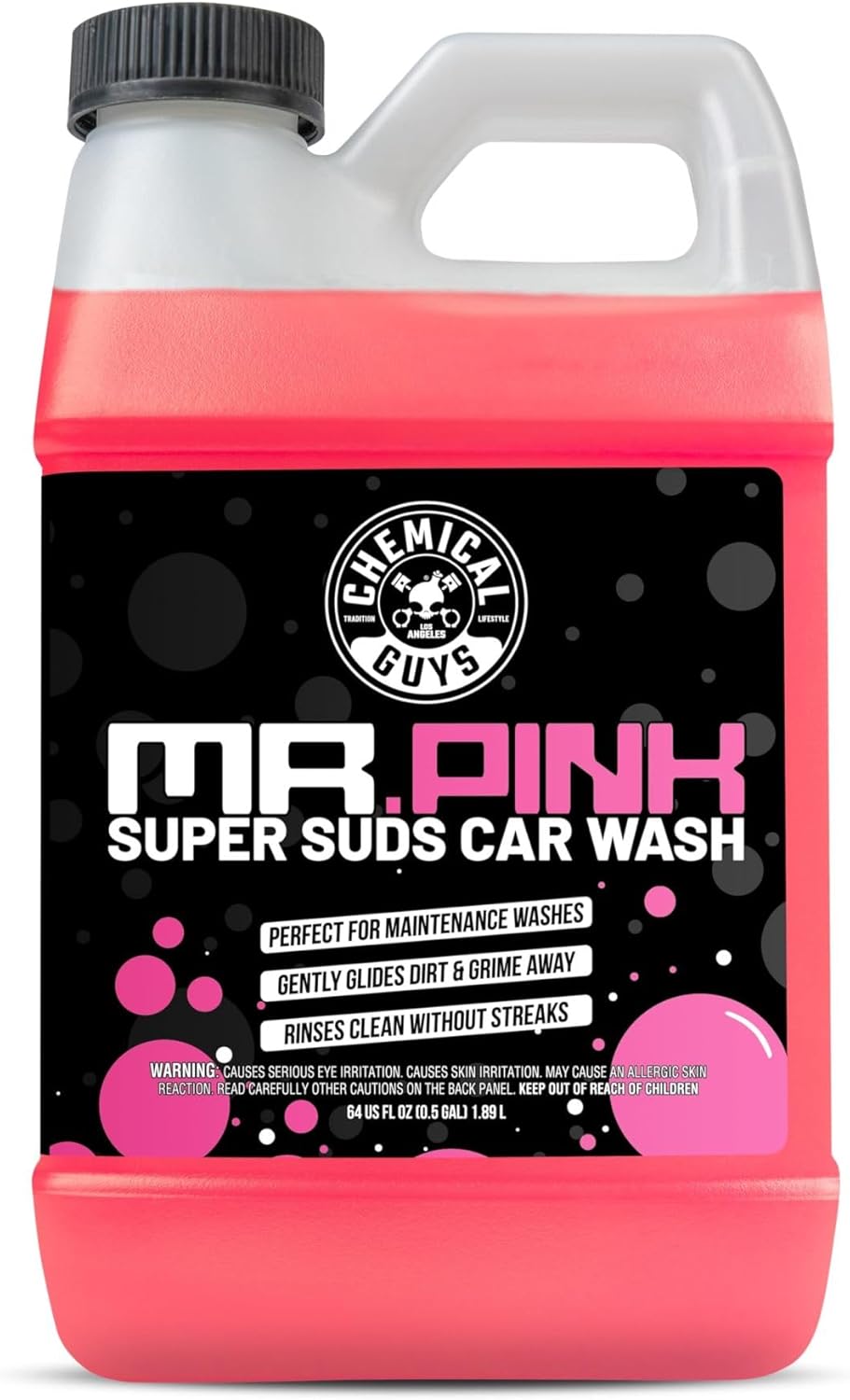
Chemical Guys Mr. Pink Car Wash Soap delivers thick, luxurious foam for safe and effective washing with a foam cannon, foam blaster, or bucket. Its pH-balanced formula helps lift dirt and grime while protecting wax, sealants, and ceramic coatings, leaving paint, glass, wheels, and trim clean and glossy.

Meguiar's Professional M205 Ultra Finishing Polish delivers a deep gloss and swirl-free finish for paint correction after compounding. Its micro-abrasive, non-gumming formula removes light defects, holograms, and buffer swirls while leaving rich reflections and a refined showroom shine. Easy to apply by hand, dual action polisher, or rotary buffer, it wipes off cleanly for a smooth finishing step before paint protection.
Troubleshooting Stubborn Water Spots
| Problem | Likely Reason | Fix |
|---|---|---|
| Spots come back after drying | Minerals remain or fresh rinse water dried on the panel | Use water-spot remover, rinse with filtered water, and dry immediately |
| Panel looks hazy after remover | Product dried or was not fully neutralized | Rewash, rinse well, dry, then inspect before repeating |
| Paint feels rough after washing | Bonded contamination remains | Clay the area with plenty of lubricant |
| Spot stays after chemical remover | Clear-coat etching | Try a light polish test or hire a detailer |
| White marks on black trim | Minerals or dried chemical residue | Use trim-safe cleaner and protectant; avoid paint polish |
Pressure Washing a 4Runner With Water Spots
A pressure washer can help rinse loose dirt, but it can damage paint, coatings, sensors, and plastic when used too aggressively. Popular Mechanics recommends keeping pressure under 1,500 psi, using a 40-degree nozzle on painted areas, and keeping the nozzle 12 to 18 inches from the surface. Avoid direct blasts at parking sensors, electrical components, emblems, seals, chipped paint, and delicate plastic.
Frequently Asked Questions
How do you remove water spots from a car without damaging paint?
Wash first with pH-balanced car soap, dry with microfiber, then test a small spot. Use a remover labeled safe for your paint to treat mineral deposits. If the mark is etched, use a light polish rather than scrubbing harder. Finish by restoring compatible paint protection.
Does Magic Eraser get rid of water spots?
Do not use a Magic Eraser on 4Runner paint. It is abrasive and can dull or scratch glossy clear coat. Use a microfiber towel, a surface-compatible water-spot remover, clay only for bonded contamination, or a light polish for etching.
Can vinegar remove water spots from 4Runner paint?
Diluted white vinegar can help some light mineral deposits, but it is not suitable for every finish. On compatible glossy paint, test a small cool area, keep the solution off trim, do not let it dry, then rinse and dry. Skip vinegar on matte or satin paint, wraps, PPF, or coatings unless their manufacturer allows it.
Are water spots permanent?
Fresh water spots are often removable mineral deposits. Older spots can become etched into the clear coat, especially after heat and sun exposure. Etched spots are not always permanent, but they usually need polishing or professional correction.
Can I use steel wool on 4Runner glass?
A dedicated automotive glass polish is the safer default. Steel wool can scratch some glass or damage coatings, so do not treat it as universally safe. Never use it on paint, plastic trim, mirrors, camera lenses, interior tinted glass, or rear defroster lines.
How do I stop water spots from coming back?
Avoid sprinklers, wash in shade, rinse thoroughly, use filtered or deionized water for the final rinse when practical, and dry promptly with microfiber. Restore wax, sealant, ceramic spray, or the maintenance product specified for an existing coating.
Conclusion
Remove 4Runner water spots in the least-aggressive order: wash and dry, identify the surface and spot type, use a compatible automotive remover for mineral residue, clay only when contamination is bonded and rough, then polish only if a defect remains in the clear coat. Avoid Magic Eraser and steel wool on paint, and prefer dedicated glass polish for stubborn glass deposits. Once the surface is clean, restore the correct protection and dry the 4Runner promptly after washing.
Sources
- Toyota Manuals and Warranties — current access point for model-year-specific 4Runner owner guidance.
- U.S. Geological Survey: Hardness of Water — supports the role of dissolved calcium and magnesium in hard water.
- Meguiar’s Water Spot Remover A37 — supports clear-coat/glossy-paint compatibility guidance, hand/DA application, and the warning against flat, matte, or satin finishes.
- Chemical Guys: Magic Eraser on Car Paint — supports avoiding melamine-foam abrasion on glossy automotive paint.
- Popular Mechanics: Can You Pressure Wash Your Car? — supports conservative pressure, a wide fan nozzle, 12–18 inch distance, and avoiding sensitive components.
- CARPRO CeriGlass — supports dedicated glass-polish use for severe water spots and light scratches.
- Cars.com: Removing Scratches in Our Long-Term Toyota 4Runner’s Paint — model-specific field experience showing paint-correction treatment on a 2025 4Runner with water spots and blemishes.


[…] dusty paint because loose grit can create fine scratches. For related care, see how to remove hard-water spots from Toyota paint without aggressive […]
[…] Do not apply trim gel to glass, paint-heavy edges, tire tread, pedals, steering wheels, or any surface where slick residue could create a […]