
Last updated: July 14, 2026
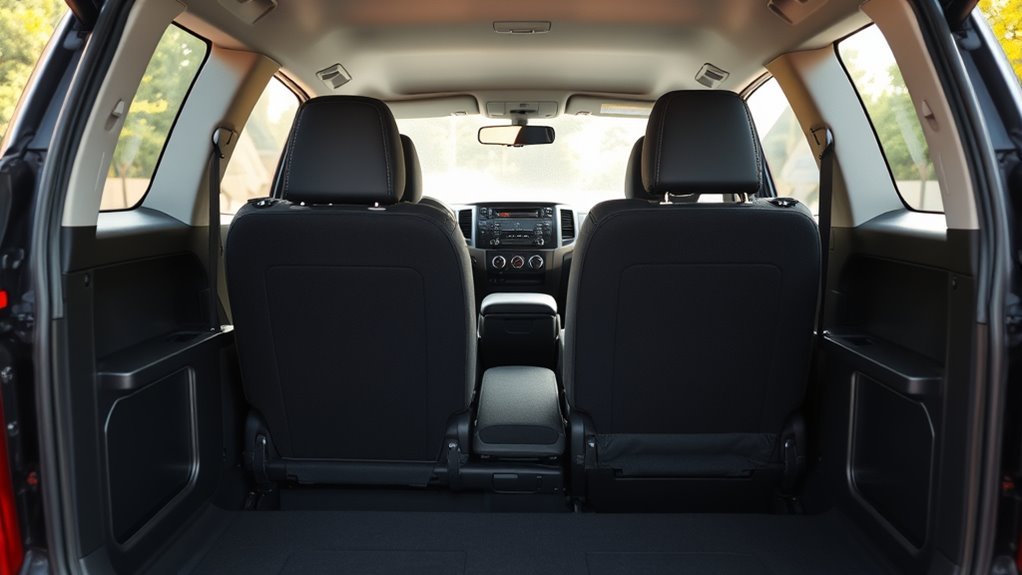
Fold the Toyota 4Runner’s rear seats when you need temporary cargo room. Remove seat components only for a measured, long-term cargo or sleeping-platform build. Toyota’s 2024 fifth-generation brochure describes a 40/20/40 fold-flat second row, while current sixth-generation information uses a tumble-fold design. Removal is not one universal owner-manual procedure, so identify the exact generation, seating configuration, and powertrain before unbolting anything.
Quick Answer
Fold the seats when you need reversible cargo space and still want passenger seating later. Consider removal only when the folded seats leave too much height or an unsuitable shape for your platform. If removal exposes electrical connectors, stop and check Toyota repair information for your exact vehicle before disconnecting anything. Follow the specified 12-volt battery procedure, and never handle orange high-voltage components on a hybrid.
Key Takeaways
- Folding is the safest default because it is quick, reversible, and described in Toyota owner information.
- Toyota identifies 2010–2024 as the fifth generation and 2025–2026 as the sixth generation, so do not assume both use the same hinges, trim, wiring, or folding sequence.
- A factory third-row assembly is a separate job with different trim, brackets, floor hardware, and access points.
- Any seat, belt anchor, latch, hinge, or electrical connector must be returned to its factory position before anyone uses that seating location.
- Removing seats does not authorize you to exceed the vehicle’s GVWR, axle ratings, tire-loading limit, or cargo capacity.
At a Glance
| Safest Default | Fold the factory seats before considering removal |
| Time Required | A few minutes to fold the seats; removal time varies by generation, trim, third-row equipment, wiring, and experience |
| Difficulty | Easy to fold; moderate to advanced when removal involves restraint hardware, electrical connectors, or extensive trim |
| Common Tools | Metric socket set, ratchet, extensions, plastic trim tool, torque wrench, gloves, eye protection, labels, hardware bags, and a helper |
| Required Reference | The owner’s manual for folding and VIN-specific Toyota repair information for removal, wiring, power-down steps, torque, and restraint hardware |
Editorial Scope: Toyota’s public owner information verifies folding operation, seating layouts, warnings, and warranty access. Toyota does not publish one universal public rear-seat-removal procedure for every generation and trim. The removal sections below are a planning and safety checklist. Use VIN-specific repair information for the actual fasteners, wiring, power-down sequence, and torque.
Should You Fold the Seats or Perform Toyota 4Runner Rear Seat Removal?

Fold the 4Runner’s rear seats when you need temporary cargo space for luggage, recovery gear, camping bins, or home-project supplies. Toyota designed the rear seats to fold for cargo use. Its owner information also tells you to confirm that the seat is locked after returning it upright and to avoid trapping the seat belt. Review the instructions for your exact vehicle in the Toyota 4Runner rear-seat manual section.
Consider removal only when folding leaves too much cushion height or an unsuitable floor shape for a measured platform. Removal can create more usable space, but it also introduces the risk of stripped threads, damaged trim, wiring faults, missing belt hardware, rattles, and an unsafe reinstallation.
| Your Goal | Best Starting Point | Reference to Use |
|---|---|---|
| Temporary luggage or cargo room | Fold the factory seats | Owner’s manual |
| Lower sleeping or storage platform | Measure first, then consider partial second-row removal | VIN-specific repair information |
| Optional third row or hybrid configuration | Confirm the exact layout before removing trim or hardware | Configuration-specific repair information |
Warning: Do not carry passengers in a position where the seat, latch, head restraint, or seat belt has been removed or loosely reinstalled. If you remove a seat-belt anchor, seat frame bolt, or restraint-system connector, use the factory procedure for your exact vehicle before that position carries a passenger again.
[Products Worth Considering]

These replacement molding retainer clips are designed for Toyota fender flares and body trim applications, helping restore a secure, factory-style fit. Compatible with several popular Toyota models, they include two clip sizes to match different OEM part numbers and provide a dependable hold with sealing foam to reduce wobble and improve fitment.

This 12-piece automotive electrical disconnect pliers kit is designed to help you safely remove push-tab style connectors from sensors, ignition coils, fuel injectors, and wiring harnesses. Built from carbon steel with ergonomic red handles, it provides dependable grip, control, and durability for working in tight engine bay spaces without damaging clips or wires. The varied tool designs and angled tips make it a versatile choice for both DIY repairs and professional automotive electrical work.
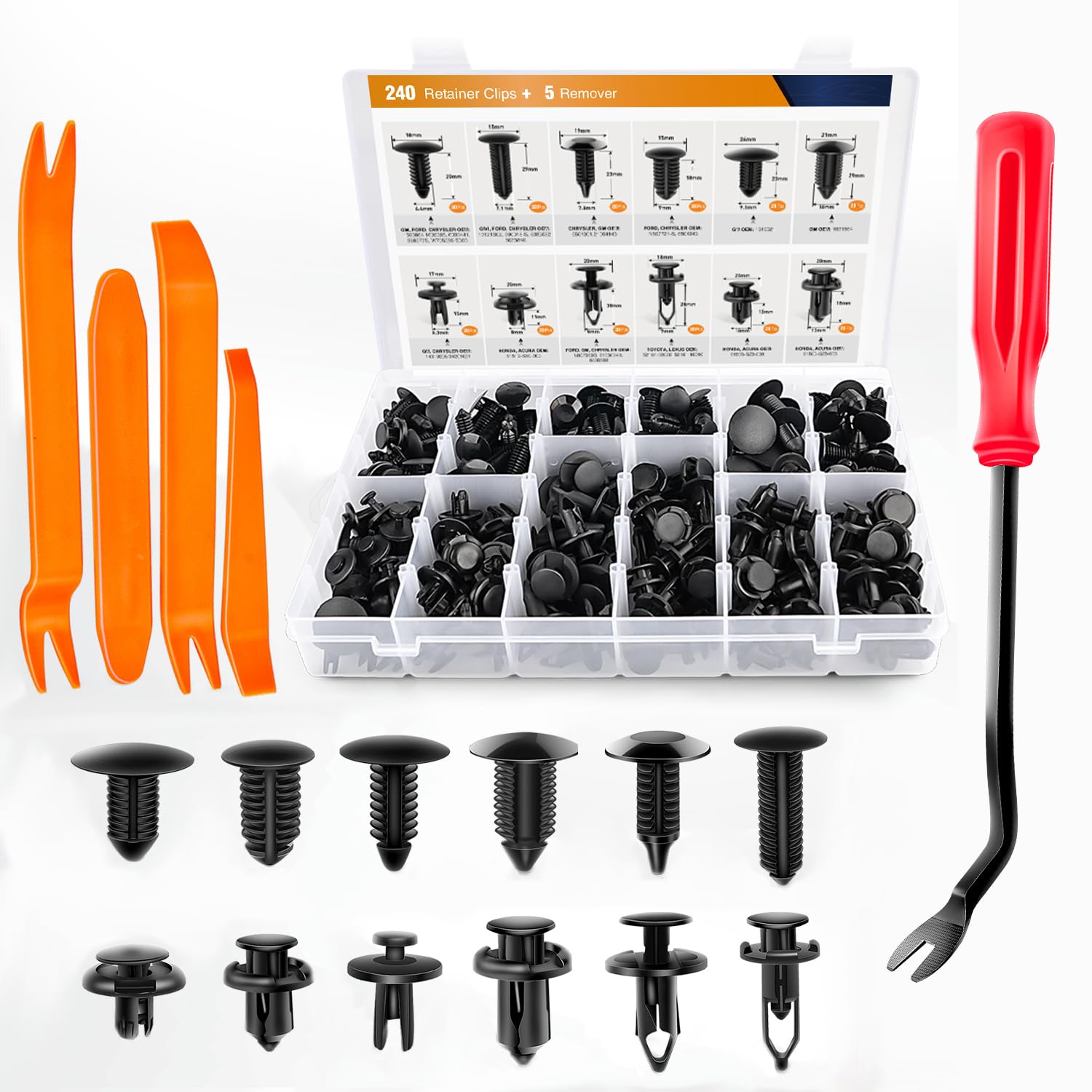
This universal automotive retainer clip assortment provides a convenient replacement solution for common body fasteners used on doors, fenders, bumpers, and splash shields. With a wide mix of popular sizes and an included organizer box, it helps save time by keeping the right clips on hand for quick repairs and maintenance. The durable construction is designed to resist cracking during installation and everyday use.
What Tools and Safety Information Do You Need?
Start with a clean work area and the repair procedure for your exact vehicle. Commonly used tools include a metric socket set, ratchet, extensions, plastic trim-removal tool, torque wrench, gloves, eye protection, painter’s tape, marker, hardware bags, and a tray. The exact socket sizes and fastener locations vary, so confirm them before beginning.
Use a helper whenever possible. A seat cushion may not feel exceptionally heavy, but its exposed brackets, uneven balance, and size make it easy to damage door trim or strain your back.
- Metric sockets and extensions: Confirm every size in the applicable procedure instead of relying on another model year.
- Plastic trim tool: Use it instead of a screwdriver where possible to reduce scratches and broken clips.
- Torque wrench: Use the factory value for each seat, hinge, latch, and belt-anchor fastener.
- Labels and photos: Tag left and right components, wiring connectors, hinge positions, and hardware groups.
- Replacement clips: Keep correct Toyota-style trim clips available because aged clips may break during removal.
- Power-down instructions: Do not disconnect a connector or battery terminal until the exact repair procedure identifies the required sequence and waiting period.
- Hybrid precautions: Never touch, probe, relocate, or place supports against orange high-voltage cables or components.
Note: Toyota’s public owner manuals explain operation, warnings, and owner maintenance. They are not a complete seat-removal manual. Use Toyota service information for your model year through the Toyota Technical Information System or ask a qualified Toyota technician for the correct power-down, harness-routing, fastener, and torque information.
[Products Worth Considering]

This ratcheting crimping tool set delivers clean, secure crimps for a wide range of electrical connectors, making it a versatile choice for both professionals and DIY users. With six interchangeable dies for heat shrink, insulated, non-insulated, ferrules, open barrel, and solar connectors, it helps simplify wiring tasks across automotive, marine, trailer, and appliance projects. The ergonomic handle, quick-release lever, and adjustable crimp force support comfortable use and consistent results.
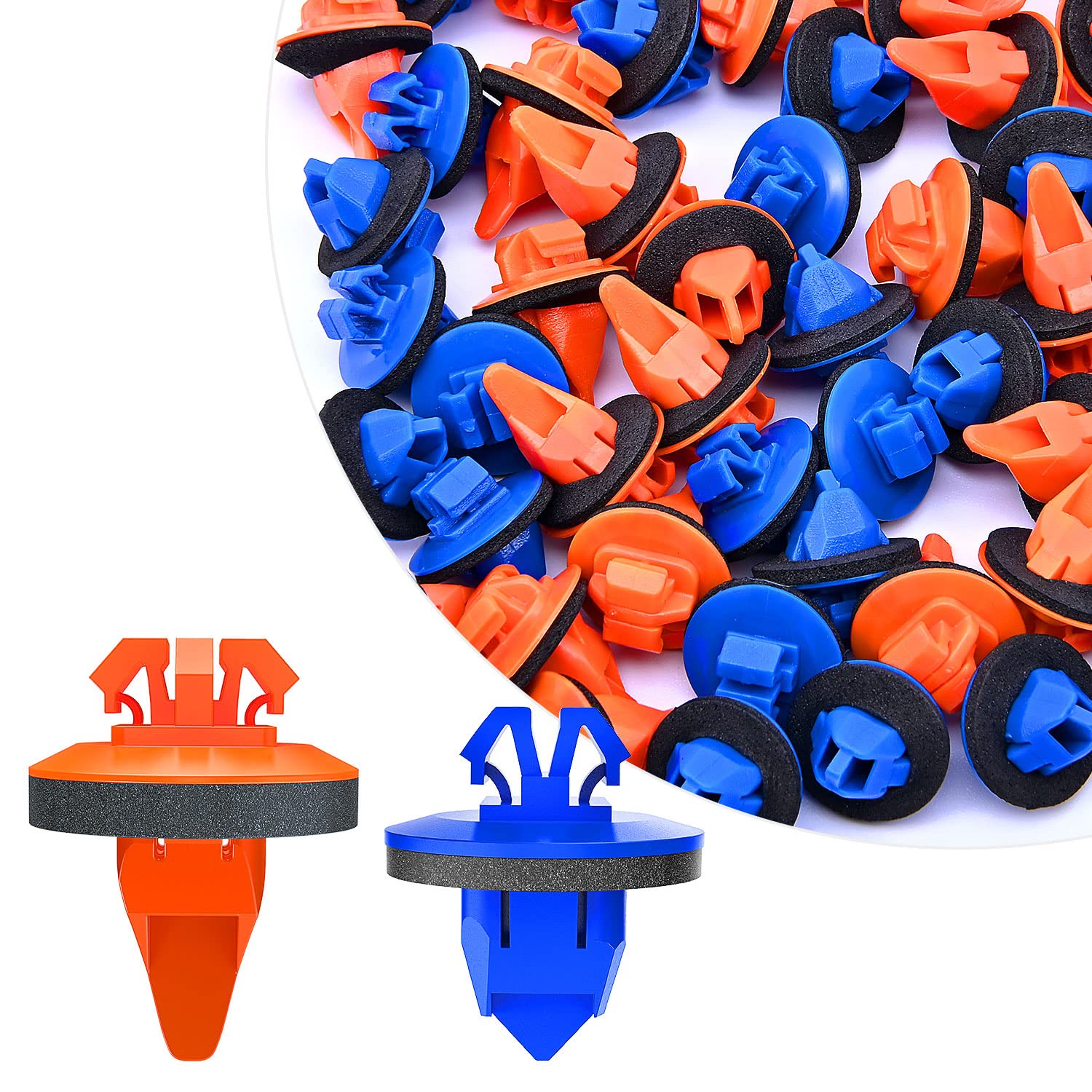
These replacement fender flare clips are designed to restore secure body trim mounting on compatible Toyota vehicles. The kit includes both rocker moulding and wheel flare moulding clips with sealers, helping ensure a proper fit for common applications on 4Runner, FJ Cruiser, Highlander, RAV4, and Tacoma models. With a mixed 100-piece assortment, this set is ideal for repairs, trim replacement, and maintenance.

This automotive electrical connector separator set helps you quickly disconnect locking push-tab style plugs without damaging wiring or connectors. Built for tight spaces, the double-ended design and one-handed operation make it useful for common repair tasks on sensors, injectors, ignition coils, and other vehicle electrical connections.
How Do You Check Your 4Runner’s Generation and Seat Layout?
Toyota identifies 2010–2024 as the fifth 4Runner generation and 2025–2026 as the sixth generation. The 2024 factory brochure lists a 40/20/40 fold-flat second row and an optional 50/50 third row on applicable trims. Toyota’s current sixth-generation information describes tumble-fold rear seats and available third-row seating on selected grades.
| Configuration | Verified Factory Description | Removal Implication |
|---|---|---|
| 2010–2024 fifth generation | The 2024 brochure lists a 40/20/40 fold-flat second row | Confirm earlier years and trims before assuming the same hardware |
| Fifth generation with optional third row | Applicable trims may use a 50/50 fold-flat third row and a sliding second row | Treat third-row removal as a separate job |
| 2025–2026 sixth generation | Toyota describes tumble-fold rear seats and available third-row seating | Do not apply a fifth-generation bolt map or trim sequence |
| i-FORCE MAX hybrid | Hybrid powertrain packaging and electrical precautions require the hybrid-specific procedure | Do not touch orange high-voltage components or design supports around unverified underfloor areas |
Complete these checks before removal:
- Confirm the generation: Identify whether you have a 2010–2024 fifth generation or 2025–2026 sixth generation.
- Confirm the seating layout: Check whether the vehicle has two rows or a factory third row.
- Confirm the powertrain: Identify a gas or i-FORCE MAX hybrid configuration.
- Identify the seat function: Note whether the seats fold flat, slide, provide third-row walk-in access, or tumble forward.
- Photograph everything: Take wide and close-up photos before removing covers, bolts, hinges, or connectors.
- Inspect for wiring: Look for seat-belt reminder wiring, latch wiring, convenience wiring, and harness clips before pulling a component free.
- Define the build scope: Decide whether you need temporary folded-seat use, partial removal, or a long-term platform.
How Do You Fold 4Runner Rear Seats for Cargo?
Folding should be your first choice because it preserves the seat mounts, belts, latches, hinges, and electrical connections. Clear the rear footwells and cargo area, move the front seats only as needed, and follow the release sequence in the owner’s manual for your exact model.
The fifth- and sixth-generation folding systems do not use identical terminology or movement. Do not force a seatback or cushion because another model-year video shows a different release point.
After folding or returning the seats upright:
- Confirm that no belt, buckle, strap, or harness is trapped behind or beneath the seat.
- Push and pull the raised seatback gently to confirm that it is locked.
- Keep dense cargo low and secure it against forward and sideways movement.
- Preserve rear visibility or use the vehicle’s available mirrors and cameras without allowing cargo to move.
- Check that the liftgate and rear window operate without touching the load.
The safest additional cargo space is the space you gain without disabling a seat, seat belt, latch, or electrical connector.
[Products Worth Considering]

This 6-piece fuel line pliers set is designed to make automotive hose, clip, and connector removal faster and easier in tight spaces. It includes specialized tools for fuel lines, hose clamps, panels, push pins, and electrical disconnects, all organized in a storage bag for convenient use and transport. Built from carbon steel with comfort-focused handles and angled designs, it helps reduce damage while improving reach and control during repairs.

This auto emergency escape tool is designed specifically for vehicle rescue situations, helping drivers and passengers respond quickly during collisions, rollovers, or flooding. It combines a concealed seat belt cutter with a high-strength glass-breaking tip for fast escape support, while the compact protective design makes it easy to store in multiple vehicles for everyday preparedness.
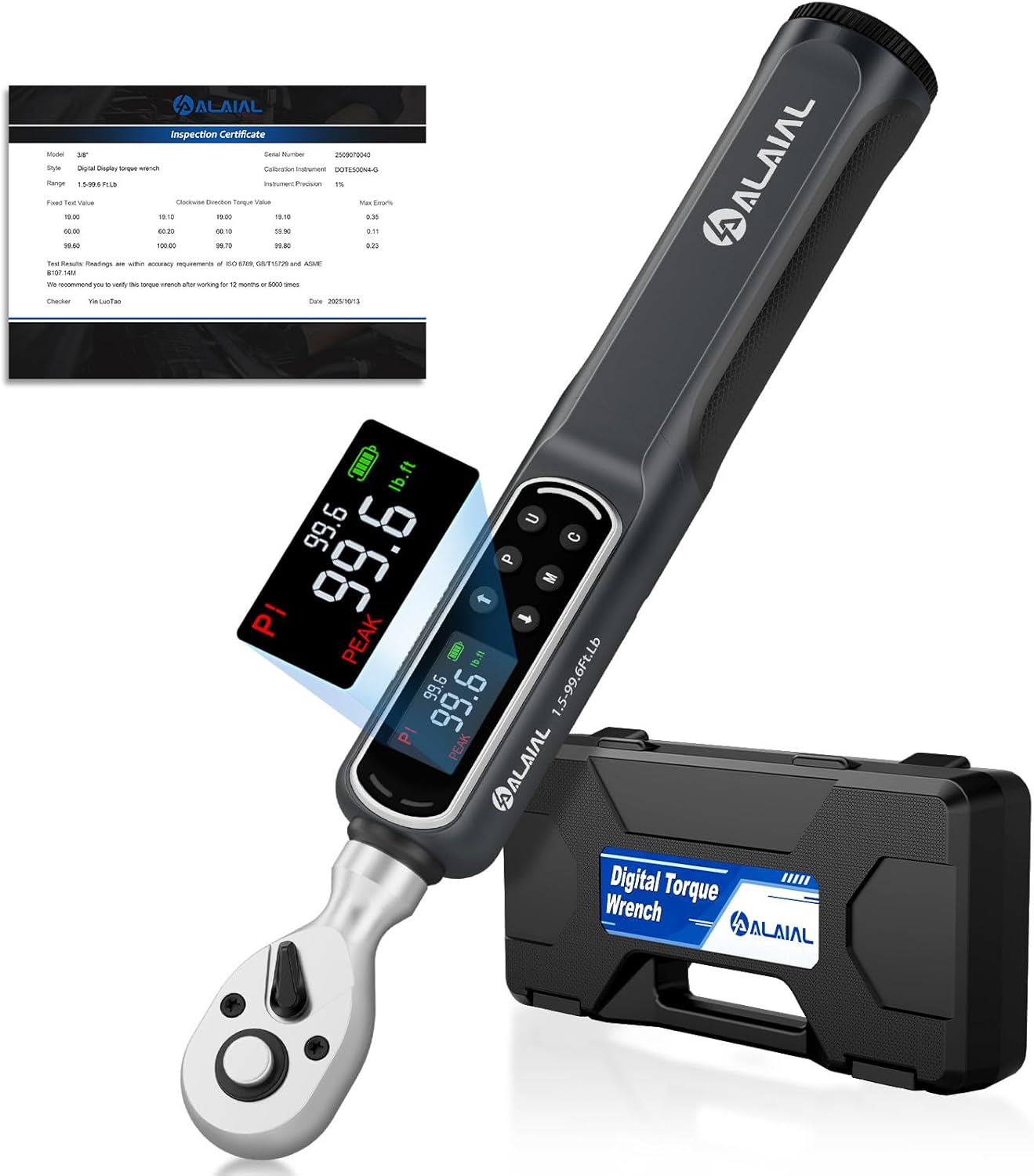
This digital torque wrench delivers precise fastening across a wide torque range with strong accuracy, making it a reliable choice for automotive, motorcycle, and general repair work. Its LED display, buzzer, and vibration alerts help prevent overtightening, while PEAK and TRACE modes plus preset memory and data logging add control and consistency for repeat jobs. Built for comfort and durability, it includes a storage case and batteries for ready-to-use convenience.
How Do You Prepare to Remove 4Runner Rear Seat Bottoms?
The steps below are a safe planning framework, not a substitute for the model-specific Toyota removal procedure. Seat-bottom attachment points, covers, hinge designs, wiring, and fasteners vary by generation and seating configuration.
- Park safely: Use a flat surface, set the parking brake, remove cargo, switch the vehicle off, and provide enough door and liftgate access.
- Review the procedure: Identify every trim panel, fastener, harness, restraint anchor, and power-down instruction before loosening anything.
- Protect trim: Place towels or cardboard over door sills, cargo trim, and painted edges.
- Expose the hinge area: Fold or tilt the seat only as the owner’s manual allows so you can inspect covers, brackets, clips, and bolts.
- Photograph and label: Take a photo before each component comes off. Store each hardware group in a location-specific bag.
- Remove trim carefully: Pry slowly and in the direction shown by the repair procedure. Stop if a panel resists because a hidden fastener may remain.
- Support the component: Have a helper hold the cushion before the final hardware is removed.
- Lift without dragging: Keep exposed brackets away from plastic trim and place the removed part on a blanket.
Pro Tip: Keep every factory fastener with its original component and location. Threading a removed bolt into its original hole by hand for one or two turns may protect the threads, but only do this when the bolt will not interfere with the platform or contact an underfloor component.
How Do You Remove Seatbacks Without Damaging Wiring?
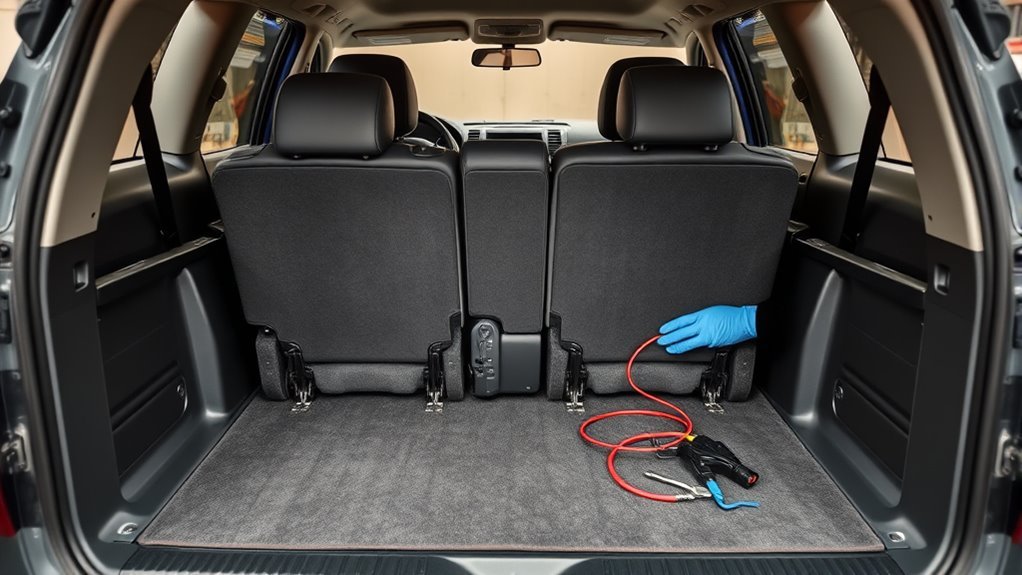
Seatbacks, hinges, latches, belt hardware, and electrical connectors require more care than a loose cushion. Do not pull a seatback away until you have identified every outer hinge, center bracket, latch point, harness clip, trim retainer, and connector shown in the applicable repair procedure.
- Identify every attachment: Compare the installed seat with the repair diagram before removing a cover or bolt.
- Follow the power-down procedure: If the repair information requires a 12-volt battery disconnect or waiting period, complete those steps before touching the specified connector.
- Support the seatback: Have a helper hold it before the final fastener is removed.
- Label each connector: Mark both halves with matching tape and photograph the harness routing.
- Release connectors by the housing: Use the locking mechanism shown in the procedure. Never pull on the wires.
- Treat safety markings as stop points: Do not improvise around yellow connectors, SRS labels, pretensioner components, or unidentified restraint wiring.
- Separate hardware groups: Keep seat-belt, hinge, seat-frame, latch, and trim hardware in different labeled bags.
Warning: Stop if you find an airbag, pretensioner, SRS, high-voltage, or seat-belt component that the procedure does not clearly identify. Do not substitute generic bolts, use guessed torque, probe connectors, or disable a warning circuit to hide a fault.
How Do You Plan a Flat 4Runner Sleeping Platform?
A sleeping platform should be strong, removable, and designed around the actual vehicle. Start by mapping the floor, trim humps, wheel wells, hatch opening, seat mounts, tie-down points, wiring routes, and access panels. Do not drill until you know what is on the other side of the sheet metal.
This guide focuses on folding and planning removal of second-row components. A factory third-row assembly is a separate job with different trim, brackets, floor hardware, and access points.
Measurements to Record Before Cutting
Measure your own 4Runner with the front seats in their normal driving positions. Do not rely on a platform plan from another trim or generation.
- Narrowest usable width: Measure between trim panels, wheel wells, and any protruding hardware.
- Usable length: Measure from the closed liftgate area to the front-seat clearance line.
- Floor-height difference: Record the step between the cargo floor and the area created by folding or removing seats.
- Hatch clearance: Mark the latch, weather seal, rear-window path, and interior handle areas.
- Factory-point locations: Record seat mounts and tie-downs without assuming they carry the same type of load.
- Service access: Preserve access to the jack, tools, underfloor storage, bolts, and any required inspection point.
Bolt Patterns Overview
Factory seat and tie-down locations are useful reference points, but they are not interchangeable. A seat mount is engineered for the complete seat and restraint system. A cargo tie-down is engineered for secured cargo. A platform leg creates a different load direction and contact pressure.
- Map before cutting: Use cardboard to trace the floor shape, wheel wells, latch zones, and mounting locations.
- Keep access open: Do not permanently cover seat-reinstallation bolts, emergency tools, or service panels.
- Spread the load: Use several wide supports instead of one narrow leg that can crush trim or dent thin metal.
- Protect contact points: Add rubber, carpet, or finished edges where the platform touches factory surfaces.
- Check load limits: Count the platform, drawers, passengers, water, batteries, refrigerator, and other gear as vehicle load.
Warning: Do not treat the removed seat’s weight as permission to exceed the vehicle’s GVWR, axle ratings, or Tire and Loading Information label. Seat removal does not create a new factory load rating.
Support Placement Options
A good support layout keeps the platform level without crushing trim, covering service points, or preventing future seat installation. A removable, free-floating structure often creates less vehicle risk than a permanently drilled installation, but it still must resist movement.
- Free-floating platform: Useful for reversible weekend builds. Use broad anti-slip contact pads and secure the platform against movement.
- Factory-point platform: Uses selected existing locations only after their thread, bracket, fastener, and load direction have been confirmed.
- Drawer-system platform: Adds useful organization but also adds substantial weight. Include drawers and their contents in the payload calculation.
- Hybrid-aware platform: Use the hybrid-specific repair and owner information before planning supports, storage depth, or attachment points.
How Should You Secure Cargo After Seat Removal?
Removing seats creates a larger open area in which cargo can accelerate during braking, cornering, or a crash. NHTSA reports that crashes involving objects in the road kill about 850 people and injure almost 19,000 each year. Passenger vehicles represent 73% of the vehicles in those crashes. Review the agency’s secure-your-load guidance before driving with a platform or large cargo build.
Complete these checks before every trip:
- Secure coolers, drawers, batteries, tools, recovery gear, water containers, and other dense items.
- Restrain the platform itself instead of relying only on its weight or carpet friction.
- Do not leave loose bolts, brackets, covers, or removed latches in the cargo area.
- Keep heavy items low and avoid concentrating excessive weight behind the rear axle.
- Pad or round exposed platform corners.
- Keep every remaining passenger’s belt, buckle, head restraint, and seat path clear.
- Check that the liftgate and rear window close without pressing against the platform or load.
- Recheck straps and attachment points after the first few miles.
What Should You Check After Reinstalling the Seats?
Reinstallation should be more deliberate than removal. Clean and inspect the threads, align every bracket, and start each fastener by hand. A fastener that does not turn smoothly for several complete turns may be misaligned or cross-threaded.
- Inspect the mounting area: Remove debris, check threads, and compare the harness routing with your original photos.
- Align the seat frame: Start all applicable bolts loosely before tightening any one location.
- Reconnect every required harness: Confirm that each locking tab is fully seated and the wire follows its original clips and protection points.
- Check belts and buckles: Make sure they are not twisted, trapped, routed behind a bracket, or pinched beneath the seat.
- Use factory torque: Follow the exact Toyota value and tightening sequence for each seat, hinge, latch, and restraint fastener.
- Follow the battery reconnection procedure: Restore power only in the order stated by the repair information.
- Verify mechanical lockup: Fold, unfold, recline, slide, or tumble the seat as applicable, then pull on it gently to confirm that it locks.
- Check the instrument panel: Confirm that no SRS, seat-belt, hybrid, or other safety warning remains.
If a warning light appears, recheck the connectors and procedure before clearing anything. Use a scan tool that can read the affected Toyota system, repair the cause, and then follow the correct code-clearing process. Do not use a passenger position associated with an active restraint-system warning.
Warranty Note: Toyota lists 36-month/36,000-mile basic coverage for new vehicles, subject to the warranty guide’s terms and exclusions. The FTC states that independent work or an aftermarket part does not automatically cancel a vehicle warranty. However, a manufacturer may deny coverage for damage caused by an incorrectly installed or defective modification. Review Toyota’s 4Runner warranty information and the FTC’s auto-warranty guidance.
Frequently Asked Questions
Do Toyota 4Runner rear seats fold flat?
Toyota’s 2024 factory brochure describes the fifth-generation second row as 40/20/40 fold-flat. Current sixth-generation Toyota information calls the rear seats tumble-fold. The final floor height and flatness vary with model year, third-row equipment, cargo-floor design, and hybrid configuration.
Can I remove 4Runner rear seats without disconnecting the battery?
You can fold the seats without disconnecting the battery. Removal does not have one universal answer. If the procedure involves a connector, follow the Toyota repair information for the exact vehicle, including any required 12-volt power-down and waiting period. Never touch orange high-voltage components on a hybrid.
Can rear-seat removal trigger a seat-belt or SRS warning?
It may if the vehicle monitors a disconnected belt, latch, seat, or restraint circuit. Do not disable or code out a warning simply to hide the fault. Restore the factory connection or have the affected system diagnosed before using that seating position.
Are replacement clips available OEM or aftermarket?
Yes. OEM Toyota clips are usually the safer choice when exact fit matters. Aftermarket clips may work for non-structural trim when their dimensions match. Never replace seat, hinge, latch, or seat-belt anchor fasteners with random hardware-store bolts.
Will removing rear seats affect my vehicle warranty?
Removing a seat does not automatically cancel the entire vehicle warranty. However, damage caused by incorrect removal, wiring damage, improper hardware, or a faulty reinstallation may be excluded from coverage. Save every factory part, document the work, and follow the repair procedure.
How heavy is each 4Runner rear-seat component?
Weight varies by model year, trim, seat section, hinge assembly, and third-row equipment. Treat each component as awkward even when it does not feel extremely heavy. Use a helper and keep exposed brackets away from the doors, trim, and your body.
Can I legally drive without rear seats installed?
No universal rule applies everywhere. Before making the change permanent, check your state or provincial inspection rules, registration requirements, insurance policy, and child-restraint laws. Never carry a passenger in a removed or incomplete seating position.
Should I remove the seat belts too?
Usually, no. Seat belts, retractors, pretensioners, and anchors are restraint-system components. Removing them creates more risk and makes a correct passenger-seat restoration more complex. Leave them in place unless the factory procedure requires removal and you can reinstall them exactly as specified.
Conclusion
Fold the seats when you need reversible cargo space. Remove seat components only when a measured platform plan justifies the extra work and you have the correct repair information. Do not drive with loose hardware, unsecured cargo, an active restraint-system warning, or an incompletely installed passenger seat. When a connector, fastener, latch, or warning light does not match the procedure, stop and correct it before driving.
Sources
- Toyota 4Runner Rear Seats Owner Information — rear-seat operation, locking checks, and seat-belt precautions
- Toyota Manuals and Warranties: 2025 4Runner — official owner-manual and warranty access
- Toyota 4Runner Official Model Page — current generation, tumble-fold seating, third-row availability, and cargo information
- Toyota 2024 4Runner eBrochure — fifth-generation 40/20/40 second-row and optional third-row descriptions
- Toyota Technical Information System — service procedures, torque specifications, harness routing, and model-specific repair information
- NHTSA: Secure Your Load — cargo-securement guidance and road-object crash data
- FTC: Auto Warranties and Auto Service Contracts — independent repair, aftermarket-part, and modification-related warranty guidance


[…] forward, and checking that it locks before you drive. The cargo area can handle far more once the rear seats are down, but exact room depends on model year, trim, spare-tire setup, and cargo-floor position. […]