

The Toyota Camry AWD system is designed for drivers who want the comfort and efficiency of a Camry with extra traction when roads turn wet, snowy, loose, or uneven. The exact system depends on the model year: 2020–2024 Camry AWD models used a mechanical AWD setup, while 2025-and-newer Camry models use Toyota’s Electronic On-Demand AWD with a rear electric motor.
Quick Answer
Toyota Camry AWD works automatically. When the car detects front-wheel slip or needs extra grip during acceleration, cornering, rain, snow, or uneven pavement, it sends power to the rear wheels. On 2025-and-newer hybrid Camry models, a dedicated rear electric motor provides the rear-wheel drive assist.
Key Takeaways
- Camry AWD is automatic; there is no driver-operated AWD lock or manual on/off switch.
- The 2025-and-newer Camry is hybrid-only and offers Electronic On-Demand AWD across all grades.
- For 2026, AWD Camry models make 232 net-combined horsepower, compared with 225 horsepower for FWD models.
- EPA-rated 2026 Camry AWD fuel economy ranges from 50 MPG combined on LE AWD to 43 MPG combined on XSE AWD.
- AWD helps you accelerate and stay composed in slippery conditions, but tires still determine most of your braking and cornering grip.
What Is the Toyota Camry AWD System?
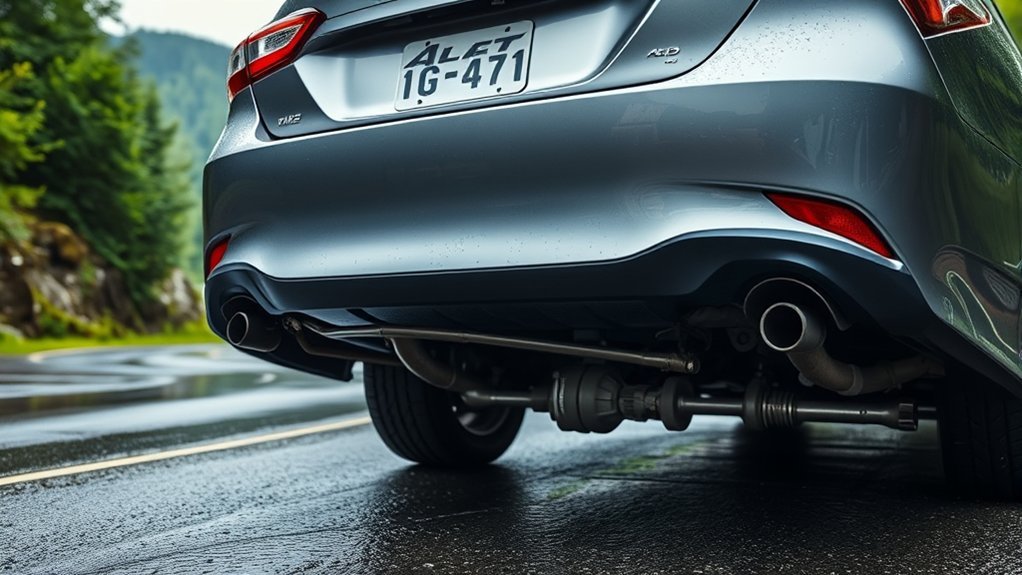
The Toyota Camry AWD system is an automatic all-wheel-drive setup that adds rear-wheel traction when the car needs it. It is meant for everyday confidence, not rock crawling or deep off-road use. Think rain, snow, gravel driveways, steep starts, and slippery intersections.
The important detail is model year. Older Camry AWD models and current Camry AWD models do not use the same hardware.
| Model Years | AWD Type | What It Means |
|---|---|---|
| 2020–2024 Camry AWD | Mechanical AWD system | The system could send up to 50% of engine torque to the rear wheels when extra grip was needed. |
| 2025-and-newer Camry AWD | Electronic On-Demand AWD | A rear electric motor supplies power to the rear wheels when the hybrid system calls for extra traction. |
For the current-generation Camry, Toyota says the car is exclusively hybrid and pairs a 2.5-liter 4-cylinder engine with its fifth-generation Toyota Hybrid System. Current AWD-equipped models produce 232 net-combined horsepower, while FWD versions produce 225 net-combined horsepower.
How Does the AWD System Work?
The Camry AWD system does its work in the background. You do not have to shift into AWD, press a button, or pick a special snow mode for the system to engage.
In normal dry driving, the Camry mainly behaves like a front-drive sedan because that is efficient and predictable. When sensors detect wheel slip, quick acceleration, slippery pavement, or a need for extra stability, the system adds rear-wheel drive assist.
On 2025-and-newer Camry models, Toyota’s Electronic On-Demand AWD uses an electric motor generator on the rear axle. That rear motor can help with start-off acceleration, cornering stability, and traction when the car senses a slick road or a loss of tire grip.
Note: The system is automatic, so you may not always feel it working. In most situations, the benefit is smoother takeoff, less front-wheel spin, and more stable acceleration rather than a dramatic change in driving feel.
Benefits of All-Wheel Drive in the Camry
All-wheel drive gives the Camry a wider comfort zone when traction is limited. It does not make the car invincible, but it can make daily driving feel calmer when the weather turns.
[Products Worth Considering]
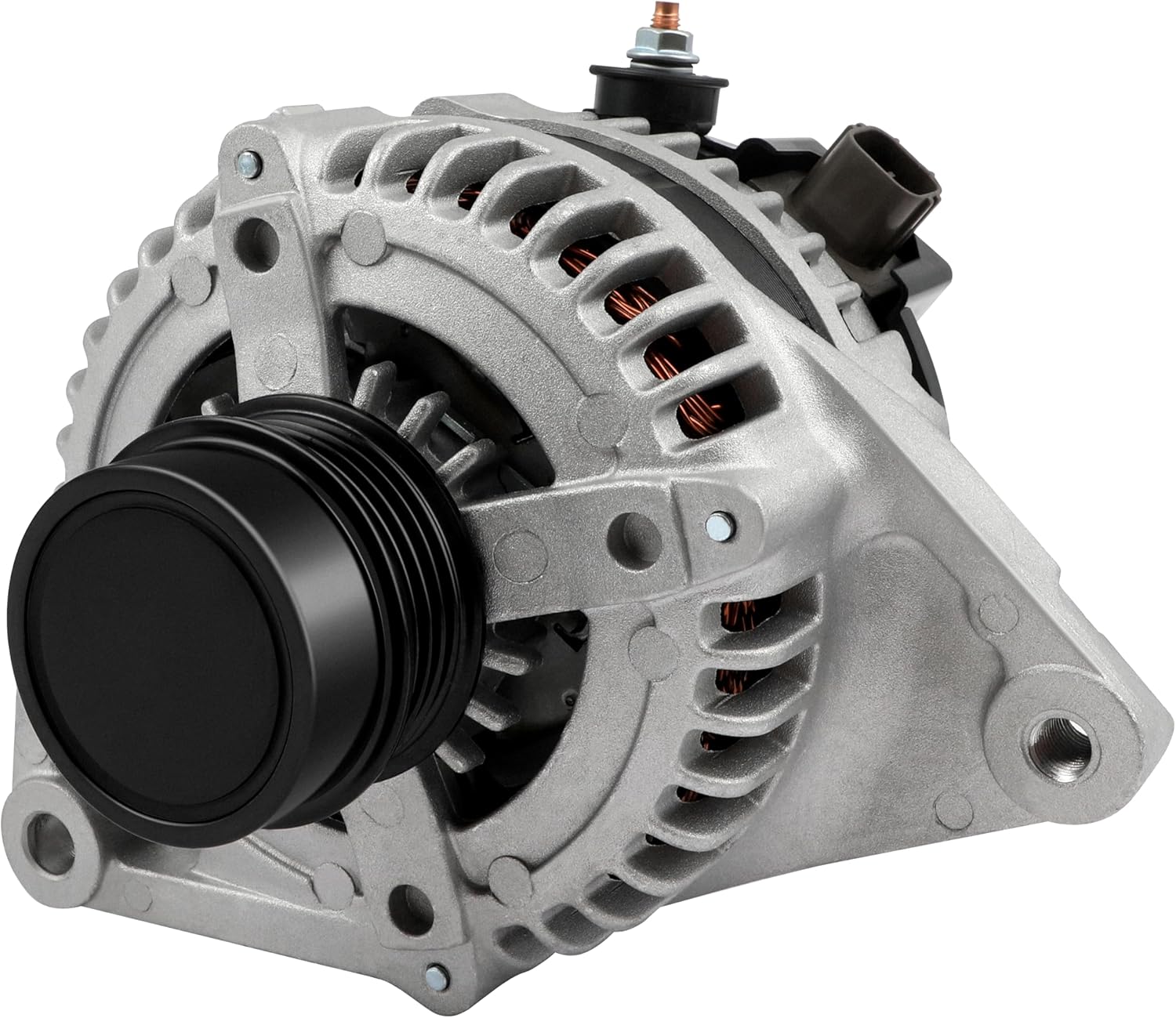
This high output alternator is designed to fit select Toyota, Scion, and RAV4 2.5L applications, delivering reliable charging performance for everyday driving. Built with a 12-volt, 100-amp design and precision-engineered components, it helps support battery recharge, stable electrical output, and consistent operation when your vehicle shows signs of charging issues.

This replacement filter set is designed for a range of Toyota hybrid vehicles, including popular models like RAV4 Hybrid, Camry Hybrid, Highlander Hybrid, Sienna, Venza, and more. It combines cabin and engine filtration to help support cleaner airflow, reduce dust and odors, and protect your HVAC and engine systems. Built for easy installation and extended service life, it offers a convenient maintenance upgrade for compatible hybrid and gas-only Corolla models.

This Yangday steering wheel cover is designed for a custom fit on select Toyota models, helping improve grip, comfort, and control during everyday driving. Its breathable leather construction and non-slip inner lining offer a secure feel, while the sport-inspired design adds a stylish upgrade to the car interior. The cover is easy to install and helps protect the original steering wheel from heat, wear, and seasonal discomfort.
Enhanced Traction Control
The biggest benefit is better traction during acceleration. When the front tires start to slip, AWD can send drive force to the rear wheels instead of asking the front tires to do all the work. This helps when pulling away from a wet stoplight, climbing a snowy driveway, or merging on a rain-soaked road.
Because the system responds automatically, it is useful for drivers who want extra grip without learning a separate four-wheel-drive control system.
Improved Weather Performance
Rain, snow, slush, and loose gravel are where Camry AWD makes the most sense. The added rear-wheel assist can help the car move off more smoothly and reduce the feeling of front tires scrabbling for grip.
Warning: AWD helps a car get moving, but it does not shorten stopping distance by itself. On slick roads, slow down, increase following distance, and use tires suited to your climate.
More Confident Cornering and Starts
Camry AWD can also help when you accelerate through a turn or pull out from a side street onto a slippery road. Instead of relying only on the front tires for both steering and power, the system can share some driving force with the rear axle.
That does not turn the Camry into a sports sedan or an off-road SUV, but it does make the car feel more secure in many real-world driving moments.
Understanding Camry AWD Fuel Economy
AWD usually adds weight and mechanical or electrical complexity, so it can reduce fuel economy compared with a similar FWD vehicle. The Camry keeps that penalty fairly small, especially in the current hybrid generation.
According to FuelEconomy.gov, the 2026 Toyota Camry AWD ratings are:
| 2026 Camry Model | EPA City MPG | EPA Highway MPG | EPA Combined MPG |
|---|---|---|---|
| LE AWD | 50 | 49 | 50 |
| SE/XLE AWD | 46 | 46 | 46 |
| XSE AWD | 43 | 43 | 43 |
For older 2024 gas-powered Camry AWD LE and SE models, the EPA rating was 25 city, 34 highway, and 29 combined MPG. That older number is still useful if you are shopping used, but it should not be used for the newer hybrid-only Camry.
The current Camry AWD is far more efficient than the older gas AWD Camry: the 2026 LE AWD is EPA-rated at 50 MPG combined, while the 2024 Camry AWD LE/SE was rated at 29 MPG combined.
What Affects Real-World MPG?
Your actual fuel economy can be lower than the EPA estimate. Cold weather, short trips, aggressive acceleration, tire pressure, roof racks, heavy cargo, and long periods of cabin heating can all reduce MPG. FuelEconomy.gov notes that hybrid fuel economy can drop more noticeably in cold weather, especially on short trips.
Pro Tip: If maximum MPG matters most, compare trim and wheel size, not just FWD versus AWD. On the 2026 Camry, the LE AWD is rated higher than the sportier XSE AWD.
How Does Camry AWD Compare to Competitors?
The Camry AWD stands out because it combines available AWD with a hybrid-only powertrain in the current generation. Many midsize sedans focus on either fuel economy, comfort, or price, but not every rival offers AWD with this level of hybrid efficiency.
When comparing the Camry AWD with competitors, look at these points:
- AWD availability: Some midsize sedans do not offer AWD at all, while others limit it to certain engines or trims.
- Fuel economy: The Camry AWD hybrid keeps strong MPG ratings, especially in LE AWD form.
- Power output: Current AWD Camry models make 232 net-combined horsepower.
- Winter confidence: AWD can help with acceleration traction, but winter tires still matter more for braking and turning on ice.
- Ride and comfort: Sport trims may look sharper but can ride more firmly than comfort-focused trims.
If you live where snow is rare, FWD may be enough. If you regularly face hills, slush, gravel roads, or icy mornings, AWD is a practical upgrade.
[Products Worth Considering]

This coolant electric water pump is designed as a replacement for select Toyota vehicles, helping maintain proper engine cooling performance and reliable temperature control. Built to OE specifications, it offers fitment support for compatible Avalon, Camry, and RAV4 models with 2.5L L4 engines. It also includes cross-reference part numbers for easier matching and comes with after-sales support for covered defects.

This center console armrest cover is designed to fit the 2026 Toyota RAV4 for added comfort and a cleaner interior look. Made with breathable vegan leather and a thick cushioned feel, it helps reduce arm fatigue on long drives while protecting the console from pet paws, dirt, and sticky fingerprints. The band-secured design installs easily with no tools required and blends with the OEM-style interior.

This custom-fit cargo net is designed for the 2026 Toyota RAV4 to help keep your trunk organized and secure during everyday driving. It helps hold groceries, tools, and smaller items in place while reducing rolling and shifting, and the heavy-duty carabiners support reliable installation. The net also offers convenient storage and easy access for SUVs and other compatible vehicles.
How AWD Benefits Everyday Driving
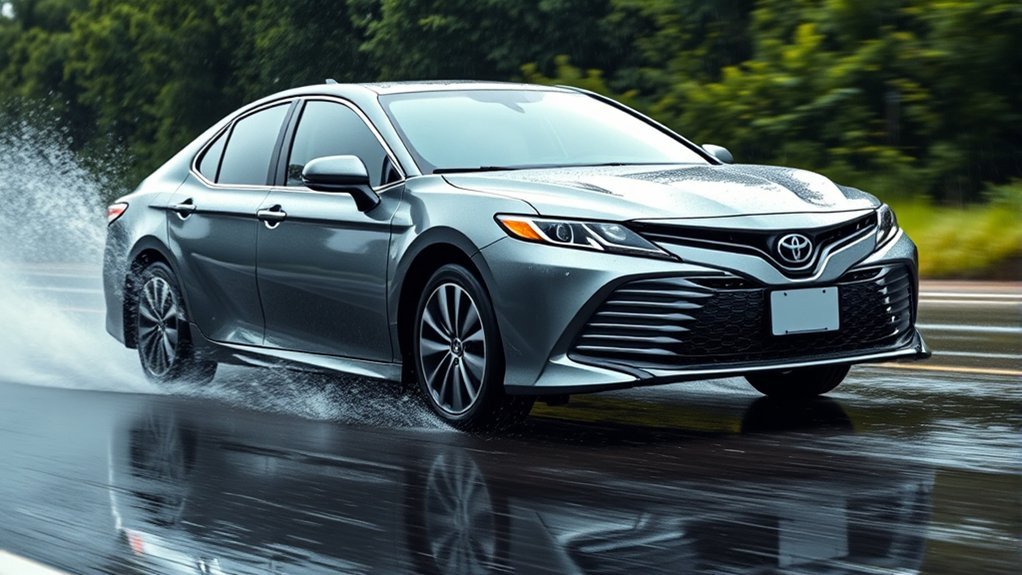
Camry AWD is most useful in ordinary driving, not extreme conditions. You may notice it when:
- pulling away from a wet intersection;
- driving up a snowy driveway;
- accelerating on a curved highway ramp;
- crossing loose gravel or uneven pavement;
- leaving a parking spot after fresh snow;
- driving through heavy rain where traction changes quickly.
The system helps reduce front-wheel spin and adds a sense of control when the road surface changes. For families and commuters, that extra confidence may be worth the small cost and MPG trade-off.
AWD also works quietly. You do not need to plan ahead before every slippery patch. The Camry’s sensors and hybrid control system decide when rear-wheel assist is needed.
Safety Benefits of the AWD System
The safety value of Camry AWD is mainly about traction and stability. It can help the vehicle move more confidently when the road is slick, but it is only one part of safe driving.
- Better launch traction: AWD can reduce wheelspin when accelerating from a stop.
- More stable power delivery: Sharing drive force with the rear axle can help the car feel more composed in low-grip conditions.
- Automatic response: The system reacts without the driver needing to choose a mode.
- Confidence in bad weather: Rain, slush, light snow, and loose surfaces are easier to manage with extra rear-wheel assist.
Still, AWD does not replace careful driving. The National Highway Traffic Safety Administration advises drivers to slow down and increase following distance in winter weather because slick or snow-covered roads make it harder to control or stop a vehicle.
Caring for Your AWD: Maintenance Tips
Keeping a Camry AWD system healthy is mostly about basic maintenance done on time. Follow the schedule in your Toyota Warranty & Maintenance Guide, and do not rely on generic AWD advice that may apply to trucks or older mechanical systems.
Maintain Matching Tires
Tires matter on every car, but they are especially important on AWD vehicles. Keep all four tires properly inflated, rotate them on schedule, and avoid mixing tire sizes, speed ratings, or tread patterns unless Toyota’s guidance allows it.
If one tire is damaged, ask your Toyota dealer or tire professional whether one tire can be replaced safely or whether axle or full-set replacement is needed based on tread depth.
Follow Toyota Service Intervals
Current Camry AWD models use an electronic rear drive system, while older Camry AWD models used mechanical AWD hardware. Service needs can differ, so the safest rule is simple: use the maintenance schedule for your exact model year, trim, and market.
During routine service, ask for checks of tire wear, alignment, suspension, warning lights, fluid leaks, and any AWD or hybrid system messages.
Watch for Warning Signs
Schedule an inspection if you notice:
- new humming, grinding, or whining sounds;
- vibration during acceleration;
- uneven tire wear;
- warning lights related to AWD, hybrid, ABS, or traction control;
- a sudden drop in fuel economy;
- pulling, clunking, or harsh engagement.
Small tire, alignment, or sensor problems can make an AWD vehicle feel worse than it should, so it is better to check issues early.
Why Choose Camry AWD?
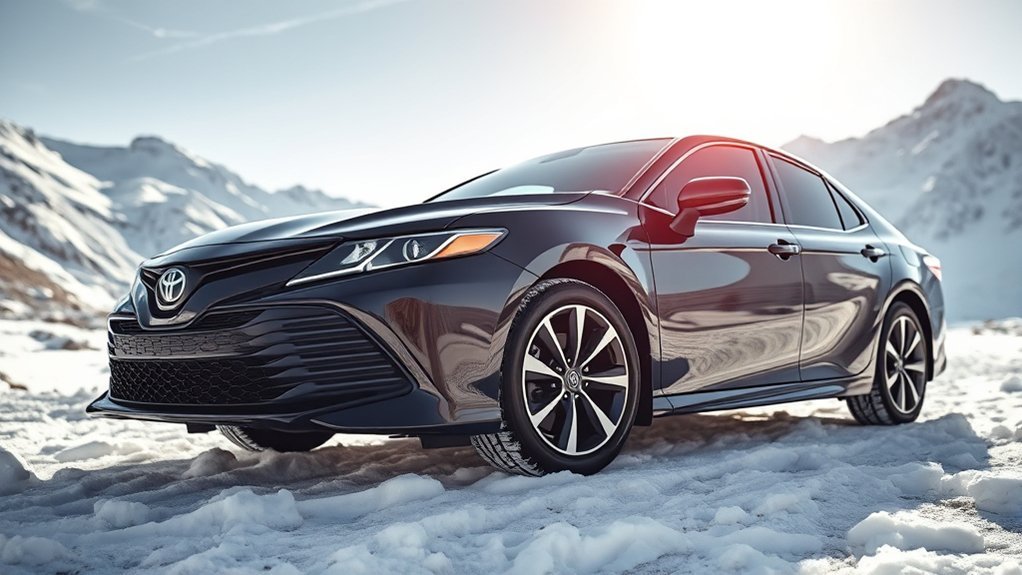
Choose Camry AWD if you want a midsize sedan that stays comfortable and efficient while adding more confidence in bad weather. It is a smart fit for drivers who like the Camry’s easygoing nature but want help on wet roads, light snow, steep driveways, or loose surfaces.
The strongest reasons to choose Camry AWD are:
- Automatic traction help: The system works without driver input.
- Strong hybrid efficiency: Current AWD models still deliver impressive EPA fuel economy.
- More power than FWD: Current AWD models produce 232 net-combined horsepower.
- Everyday comfort: You keep the Camry’s quiet, practical, family-friendly personality.
- All-weather confidence: AWD helps make unpredictable commutes feel less stressful.
FWD is still the better value if your roads are mostly dry and you want the lowest purchase price. AWD is the better choice if traction matters more than saving the last bit of money or fuel.
[Products Worth Considering]

This ALLWELL engine air filter is designed to help maintain clean airflow for compatible Toyota, Lexus, and Subaru vehicles, supporting engine performance and efficient operation. It serves as a direct replacement for multiple OE part numbers and fits a wide range of hybrid and standard models across several years. Built for broad compatibility, it is a practical maintenance part for keeping your vehicle’s intake system protected.

This custom-designed cargo net helps keep the rear trunk of a 2026 Toyota RAV4 neat, secure, and organized. Its stretchable elastic mesh construction helps prevent groceries, tools, and sports gear from sliding around, while the built-in bottom pocket and smart clips add extra storage control. A top pull tab makes installation and removal quick and easy for everyday convenience.
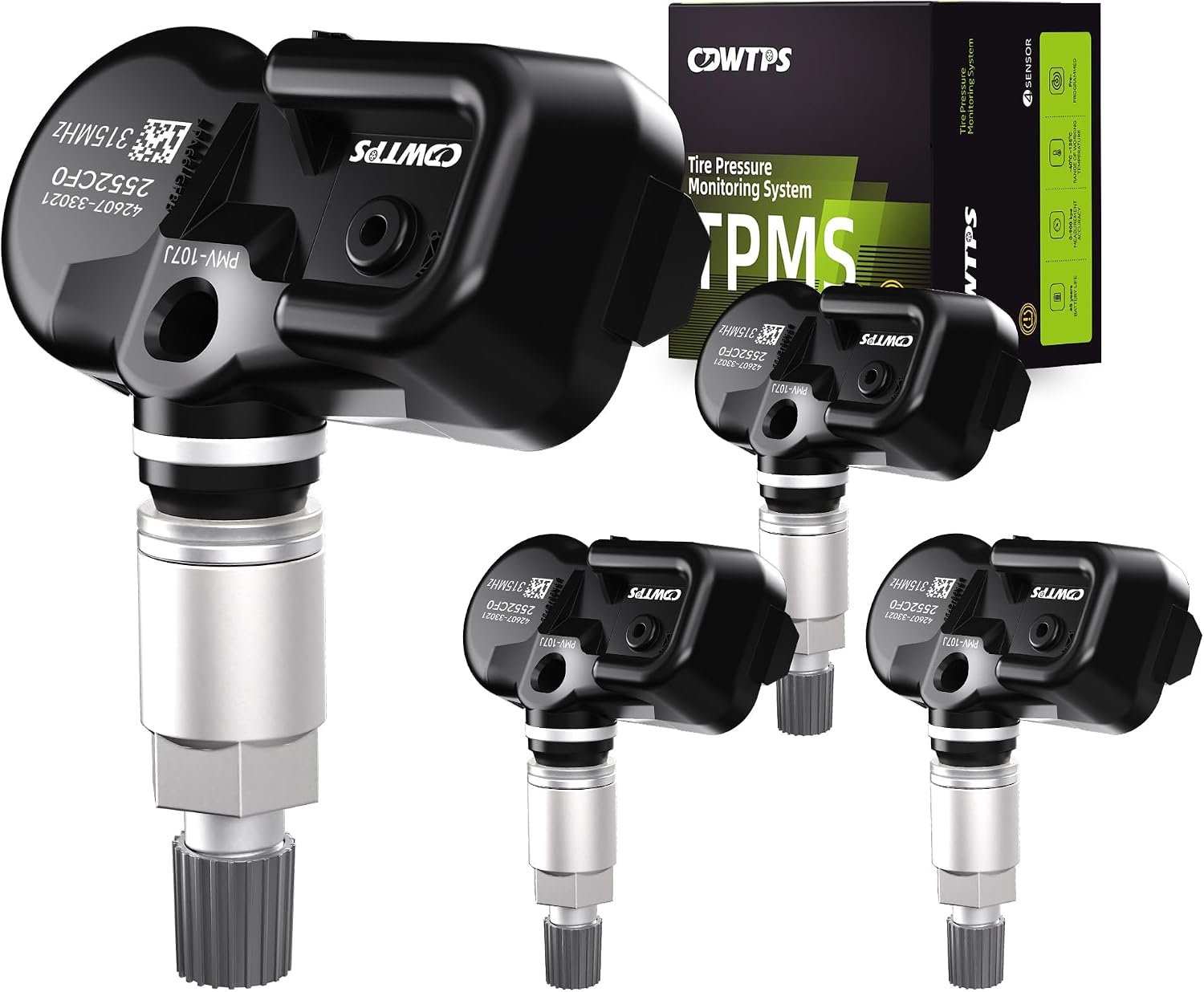
This set of four pre-programmed TPMS sensors is designed as a direct-fit replacement for compatible Toyota, Lexus, and Scion vehicles. It helps restore accurate tire pressure monitoring without sensor programming, and each unit is factory-tested for dependable performance. Built for long service life, these sensors offer a convenient solution for replacing worn or failed tire pressure monitors.
Frequently Asked Questions
Can I turn off the AWD system in the Camry?
No. The Camry AWD system is automatic and does not have a normal driver-controlled AWD off switch or lock mode. It decides when rear-wheel assist is needed based on traction and driving conditions.
Does AWD affect towing capacity in the Camry?
AWD does not turn the Camry into a tow vehicle. Towing guidance depends on model year, market, and owner’s manual instructions. Use the official Toyota owner’s manual for your exact Camry before installing a hitch or towing anything.
Is the AWD system available on all Camry trims?
For the 2025-and-newer Camry, Toyota offers Electronic On-Demand AWD across the Camry grades. For older Camry model years, AWD availability varied by trim and was not offered on every version, such as some V6, TRD, or hybrid configurations.
How does Camry AWD perform in snowy conditions?
Camry AWD can improve takeoff traction and stability in light to moderate snow. It is especially helpful on hills, driveways, and slippery intersections. However, winter tires are still important because AWD does not shorten stopping distance by itself.
What is the warranty coverage for the AWD system?
Toyota’s basic new-vehicle coverage is typically 36 months or 36,000 miles, while powertrain coverage is typically 60 months or 60,000 miles, whichever comes first. Current hybrid Camry models may also have separate hybrid component and hybrid battery coverage. Always check your specific Warranty & Maintenance Guide.
Is Camry AWD worth it?
Camry AWD is worth it if you often drive in rain, snow, hilly areas, gravel, or low-traction conditions. If you live in a warm, dry area and want the lowest price and best fuel economy, FWD may be the better choice.
Conclusion
The Toyota Camry AWD system gives the Camry extra traction without making it feel complicated. In current hybrid models, Electronic On-Demand AWD uses a rear electric motor to help with acceleration, stability, and grip when conditions call for it. That makes the Camry AWD a strong choice for drivers who want sedan comfort, excellent fuel economy, and more confidence in changing weather.
The key is choosing based on your real driving conditions. If your commute includes snow, steep streets, heavy rain, or slick rural roads, AWD is a useful upgrade. If your roads are mostly dry, the FWD Camry still delivers the best value and efficiency.
Sources
- Toyota USA Newsroom: 2026 Toyota Camry Nightshade and AWD details — supports 2026 hybrid-only powertrain, AWD availability, 225/232 horsepower, and Electronic On-Demand AWD.
- FuelEconomy.gov: 2026 Toyota Camry fuel economy — supports EPA MPG ratings for 2026 Camry FWD and AWD trims.
- FuelEconomy.gov: 2024 Toyota Camry AWD LE/SE — supports the 2024 gas AWD Camry LE/SE EPA rating of 29 MPG combined.
- NHTSA Winter Driving Tips — supports winter-driving safety guidance, including slowing down and increasing following distance on slick roads.
- FuelEconomy.gov: Fuel Economy in Cold Weather — supports the explanation that cold weather and short trips can reduce MPG, especially for hybrids.
- Toyota Support: Warranty Coverage — supports Toyota basic and powertrain warranty period information.





[…] The AWD version produces 232 net-combined horsepower, compared with 225 horsepower for the front-wheel-drive version. The rear motor operates automatically, so the driver does not need to activate an AWD lock or select a dedicated snow mode. AWD also carries a small fuel-economy cost: Toyota rates the LE FWD at up to 51 mpg combined versus up to 50 mpg combined for LE AWD, and the gap widens on sportier trims. [VERIFY: confirm current combined mpg by trim for SE/XLE/Nightshade/XSE FWD vs. AWD] For a more complete explanation of system operation, see this Camry AWD system guide. […]