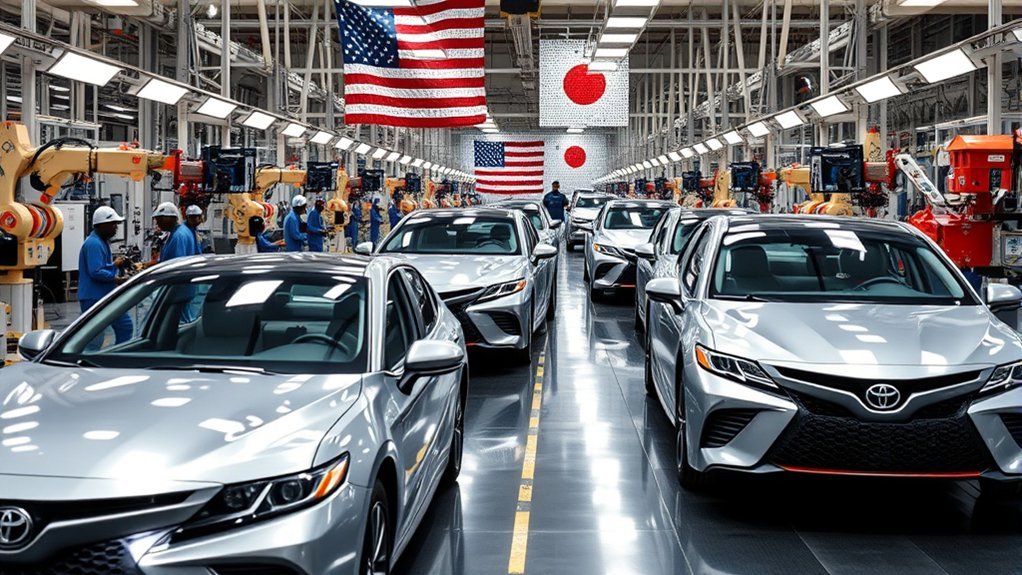
The Toyota Camry for the U.S. market is built in Georgetown, Kentucky, at Toyota Motor Manufacturing Kentucky (TMMK), also known as Toyota Kentucky. That detail matters because the Camry is often thought of as a Japanese sedan, yet the American-market Camry has deep Kentucky roots dating back to 1988. Here’s where it is made, what the plant builds today, how to verify your own Camry’s assembly location, and what “American-made” really means on the window sticker.
Quick Answer
U.S.-market Toyota Camry models are assembled at Toyota Motor Manufacturing Kentucky in Georgetown, Kentucky. Toyota Kentucky produced its first Camry in May 1988 and remains Toyota’s largest vehicle manufacturing plant worldwide. For current U.S. models, the Camry is sold as the Camry Hybrid and is listed by Toyota as a Kentucky-built vehicle.
Key Takeaways
- The U.S.-market Toyota Camry is assembled at Toyota Motor Manufacturing Kentucky in Georgetown, Kentucky.
- Toyota Kentucky is Toyota’s largest vehicle manufacturing plant in the world, with about 9 million square feet of plant space on 1,300 acres.
- Toyota began Kentucky Camry production in May 1988, and the ninth-generation Camry went all-hybrid for the 2025 model year.
- A Camry’s VIN, Monroney window sticker, and NHTSA VIN decoder can help confirm the exact final assembly plant for a specific car.
The Toyota Camry’s Home: A Look at TMMK
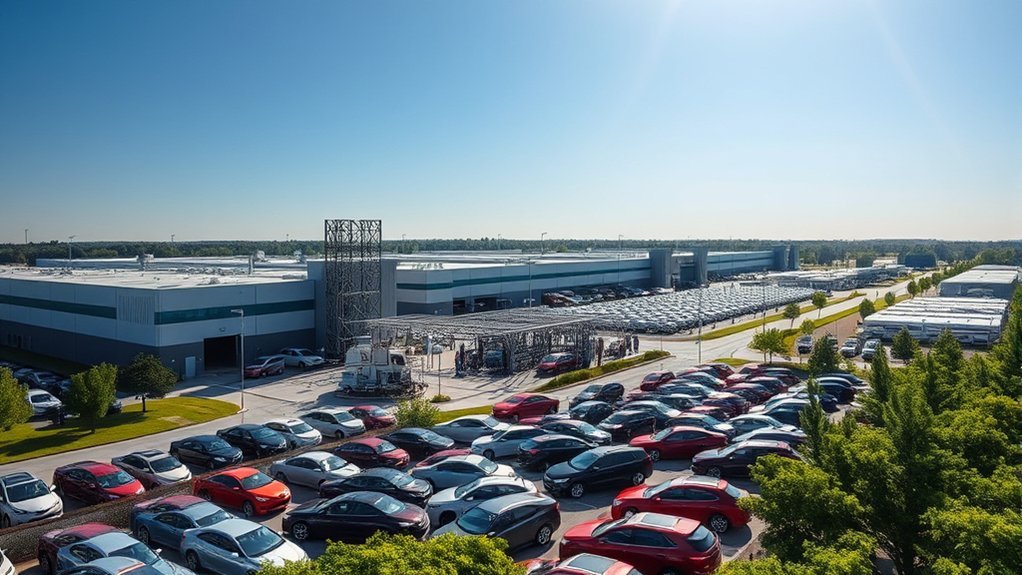
The Toyota Camry’s U.S. home is Toyota Motor Manufacturing Kentucky in Georgetown, Kentucky. Toyota broke ground on the facility in May 1986, and the first Kentucky-built Camry rolled off the line in May 1988, according to Toyota’s official facility profile.
Today, Toyota Kentucky is a major part of Toyota’s North American manufacturing network. The plant assembles the Camry Hybrid, RAV4 Hybrid, and Lexus ES models, while also producing engines, fuel-cell kits, axles, steering components, machined engine parts, and dies. Toyota lists the facility’s annual capability at 550,000 vehicles and more than 600,000 engines.
Toyota Kentucky is Toyota’s largest vehicle manufacturing plant in the world and has built more than 14 million vehicles since production began.
The current Camry story is also tied to hybrid production. Toyota announced that the ninth-generation Camry rolled off the Kentucky assembly line in May 2024, and the 2025 Camry became powered exclusively by Toyota’s fifth-generation hybrid system. That makes the modern U.S. Camry not just Kentucky-built, but also part of Toyota’s broader hybrid strategy.
Is Every Toyota Camry Made in Kentucky?
For the U.S. new-car market, the Camry is strongly associated with Toyota Kentucky. However, “every Camry” can be too broad if you include global markets, older used vehicles, private imports, or vehicles sold outside the United States. Toyota is a global manufacturer, and production plans can vary by region and model year.
For shoppers in the U.S., the practical answer is simple: a new U.S.-market Camry is expected to be a Camry Hybrid assembled in Georgetown, Kentucky. If you are buying used, checking a specific vehicle is still smart because the VIN and window sticker provide the best confirmation for that individual car.
Note: “Made in the USA” and “U.S./Canadian parts content” are not the same thing. Final assembly tells you where the car was put together. Parts-content labels tell you the percentage of parts value from the U.S. and Canada, calculated under federal labeling rules.
[Products Worth Considering]
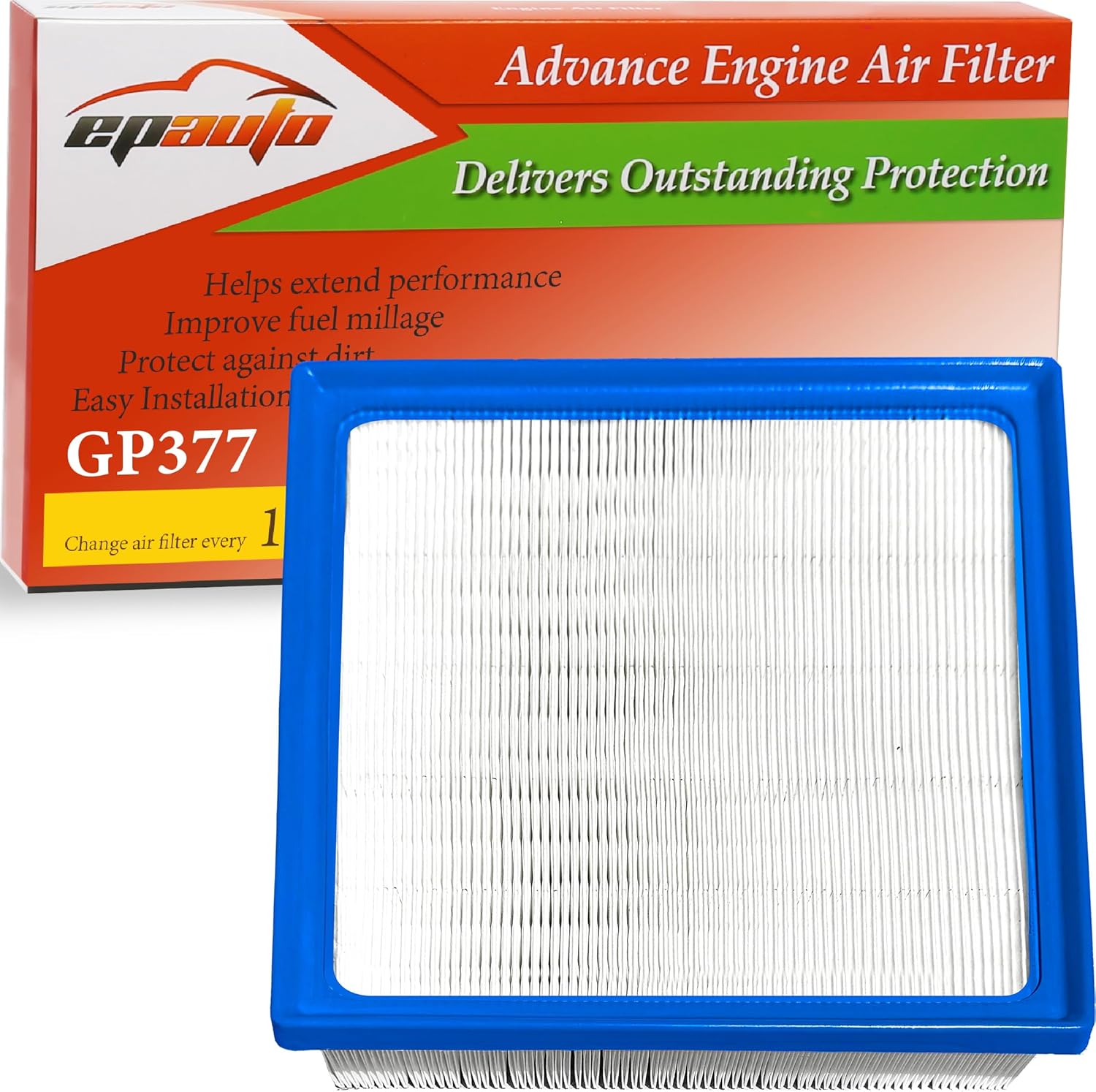
This EPAuto GP377 engine air filter replacement is designed for select Toyota and Lexus gas models, offering a direct-fit solution that helps maintain engine performance and protection. It meets or exceeds original equipment standards for fit, form, and function while trapping dirt and debris to support cleaner airflow. Compatible with multiple popular vehicles, it provides an easy, tool-free replacement for routine maintenance.

This coolant electric water pump is designed as a replacement for select Toyota vehicles, helping maintain proper engine cooling performance and reliable temperature control. Built to OE specifications, it offers fitment support for compatible Avalon, Camry, and RAV4 models with 2.5L L4 engines. It also includes cross-reference part numbers for easier matching and comes with after-sales support for covered defects.

This front bumper license plate bracket is designed for Toyota Camry and Camry Hybrid models from 2018 to 2026, offering a secure and street-legal way to mount your plate. Built from durable, rust-proof plastic with included screw bolts and a wrench, it helps protect your bumper paint while making installation straightforward. The bracket fits US and Canada plates and is made to keep your license plate and registration sticker visible.
Why Is TMMK the Largest Toyota Factory?
TMMK is Toyota’s largest vehicle manufacturing plant because of its scale, its mix of operations, and its long-running role in Toyota’s U.S. production system. Toyota lists the Georgetown site at about 9 million square feet on 1,300 acres, with roughly 9,800 employees and more than $11 billion in current investment.
The plant is more than a final assembly line. Toyota Kentucky includes vehicle production operations such as stamping, body weld, paint, plastics, and assembly. It also includes engine production and die manufacturing. That wide range of work helps explain why the facility has such a large footprint.
Scale is not the only reason TMMK matters. The plant gives Toyota a major U.S. base for high-volume vehicles, hybrid production, local employment, supplier activity, and workforce development. In 2025, Toyota’s facility profile listed 444,414 vehicles assembled and 787,063 engines assembled at Toyota Kentucky.
How the Toyota Camry Is Made at TMMK
Camry production at Toyota Kentucky follows the core stages used in modern automotive manufacturing. The process starts with stamped metal panels, moves through body welding and paint, and ends with final assembly, inspection, and quality checks.
[Products Worth Considering]

This oxygen O2 sensor set is designed for select Toyota Camry and RAV4 models with 2.4L engines, providing upstream and downstream replacement coverage in one package. Built to OEM specifications for plug-and-play installation, it helps improve fuel efficiency, support accurate air-fuel monitoring, and restore reliable engine performance. The stainless steel and heat-resistant construction is made for long-lasting durability and stable operation.

This oil filter housing cap assembly is designed as a direct replacement for a wide range of Toyota and Lexus vehicles, helping restore a secure seal for proper oil filtration. It is made for easy installation and tested for compatibility with multiple part numbers and model years. The package includes the cap, plug, and gasket for a complete replacement solution.
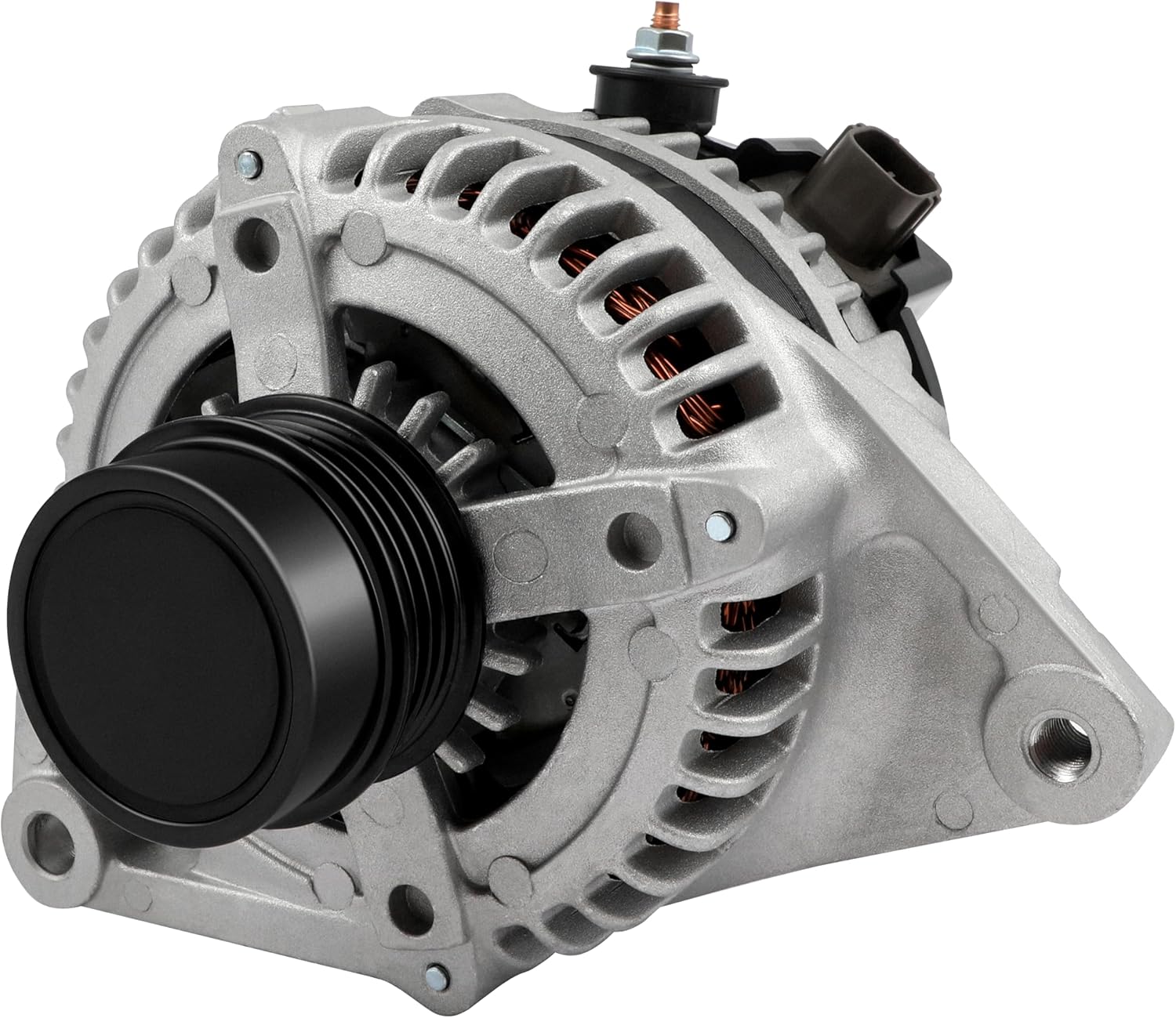
This high output alternator is designed to fit select Toyota, Scion, and RAV4 2.5L applications, delivering reliable charging performance for everyday driving. Built with a 12-volt, 100-amp design and precision-engineered components, it helps support battery recharge, stable electrical output, and consistent operation when your vehicle shows signs of charging issues.
Stamping and Body Welding
In the stamping area, sheet metal is formed into body panels. Those parts then move to the body weld process, where the vehicle structure is joined with a mix of automated systems, precision tooling, and trained team members. The goal is a body shell that meets Toyota’s standards for strength, fit, and consistency.
Paint, Plastics, and Final Assembly
After body welding, the vehicle goes through paint and related finishing steps. Toyota Kentucky also has plastics operations, which support parts production on-site. During final assembly, major systems, interior components, glass, wheels, electronics, and hybrid-related components are installed and checked before the vehicle is released.
Hybrid Production
The current Camry is sold in the U.S. as the Camry Hybrid. Toyota’s May 2024 announcement confirmed that the redesigned ninth-generation Camry is powered exclusively by Toyota’s fifth-generation hybrid system. That shift makes hybrid capability central to modern Camry production at the Kentucky plant.
Innovative Manufacturing Techniques at TMMK
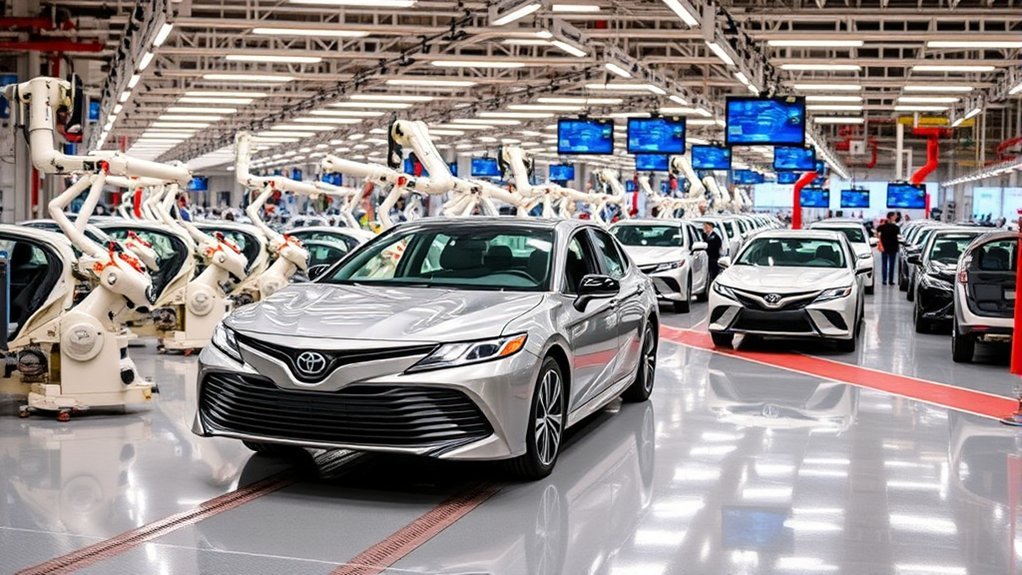
At TMMK, innovation is less about flashy buzzwords and more about flexibility, quality control, and repeatable manufacturing. Toyota Kentucky uses modern manufacturing systems across stamping, body weld, paint, plastics, assembly, engine production, and die manufacturing.
One important example is flexible production. Toyota announced a new flexible engine line at Toyota Kentucky in 2023, noting that the line can produce three different engine types on one line. That kind of flexibility helps Toyota adjust production as demand shifts between gas, hybrid, and electrified powertrain needs.
Toyota has also invested heavily in the Georgetown facility to support newer vehicle platforms and electrified products. In its 2024 Camry announcement, Toyota said a recent $1.3 billion investment in the Georgetown facility helped support electrification efforts, including preparation for an all-new three-row battery-electric SUV for the U.S. market.
Sustainable Practices in Camry Manufacturing at TMMK
Toyota Kentucky’s sustainability work includes energy, emissions, and resource-management efforts tied to Toyota’s wider environmental goals. In October 2025, Toyota announced a nearly 30-acre solar panel installation at the Georgetown plant. Toyota said the system is expected to generate about 15 million kilowatt-hours of clean electricity each year, enough to power roughly 1,400 average U.S. homes for a year.
The solar project supports Toyota’s broader environmental plan, including its goal of making manufacturing facilities carbon neutral by 2035 as part of the Toyota Environmental Challenge 2050. For Camry production, that means the car’s Kentucky story is no longer only about assembly capacity; it is also about reducing the plant’s operating footprint over time.
- Energy efficiency: Toyota continues to invest in plant upgrades, renewable energy, and more efficient production systems.
- Hybrid focus: The current Camry’s all-hybrid U.S. lineup reflects Toyota’s wider move toward lower-emission powertrain options.
- Resource management: Toyota’s North American environmental reporting tracks waste, water, packaging, carbon, and biodiversity efforts across its operations.
Community Impact of Camry Production at TMMK
The production of the Toyota Camry at TMMK has a major impact on Georgetown and the wider Bluegrass region. Toyota Kentucky employs thousands of people directly, supports supplier activity, and has become one of Kentucky’s most important manufacturing anchors.
Toyota’s facility profile lists about 9,800 employees and more than $164 million in community donations connected to Toyota Kentucky. Those numbers show why the Camry is more than a popular sedan in the local economy. It is part of a long-term manufacturing ecosystem that includes training, supplier relationships, education partnerships, and community support.
Three community impacts stand out:
- Employment: The plant provides thousands of manufacturing, engineering, maintenance, logistics, and support jobs.
- Workforce development: Toyota’s continued investment helps train workers for modern production, including hybrid and electrified vehicle work.
- Local giving: Toyota has invested in community, philanthropic, and educational initiatives in Kentucky since the plant opened.
What Percent of the Toyota Camry Is Made in the USA?
For the 2026 model year, the NHTSA AALA report lists the Toyota Camry Hybrid with 60% U.S./Canadian parts content, a major foreign parts source of 25% from Japan, and final assembly in the United States.
That does not mean exactly 60% of every individual Camry is made in the United States alone. Under the American Automobile Labeling Act, parts content is reported as U.S./Canadian content and is calculated by carline. NHTSA also explains that these percentages may be rounded to the nearest 5%.
Pro Tip: If you are comparing “American-made” vehicles, check both the final assembly location and the AALA parts-content label. A car can be assembled in the U.S. while still using parts from multiple countries.
How to Verify Where Your Camry Was Built
The easiest way to confirm where a specific Toyota Camry was built is to check the vehicle’s official documents and VIN details. This is especially useful when buying used.
- Check the Monroney window sticker: New vehicles list final assembly location, engine origin, transmission origin, and parts-content information.
- Look at the VIN plate or driver-door label: The VIN is usually visible at the lower windshield on the driver’s side and on the driver-door jamb label.
- Use the NHTSA VIN Decoder: The NHTSA VIN Decoder can show plant information reported by the manufacturer.
- Ask a Toyota dealer for the build sheet: A dealer can often help confirm production details for a specific VIN.
For a quick first check, many U.S.-assembled vehicles have VINs that begin with 1, 4, or 5, while Japan-built vehicles commonly begin with J. However, the most reliable method is still to decode the full VIN and review the official plant information.
[Products Worth Considering]

These custom-fit mud flaps are designed for Toyota RAV4 and RAV4 Hybrid models across multiple years to help protect your vehicle from snow, salt, sand, rocks, and road debris. Made from durable black ABS plastic, they offer strong resistance to wear, cold, and aging while helping keep your lower body panels cleaner. The set includes front and rear splash guards for a complete exterior protection upgrade.
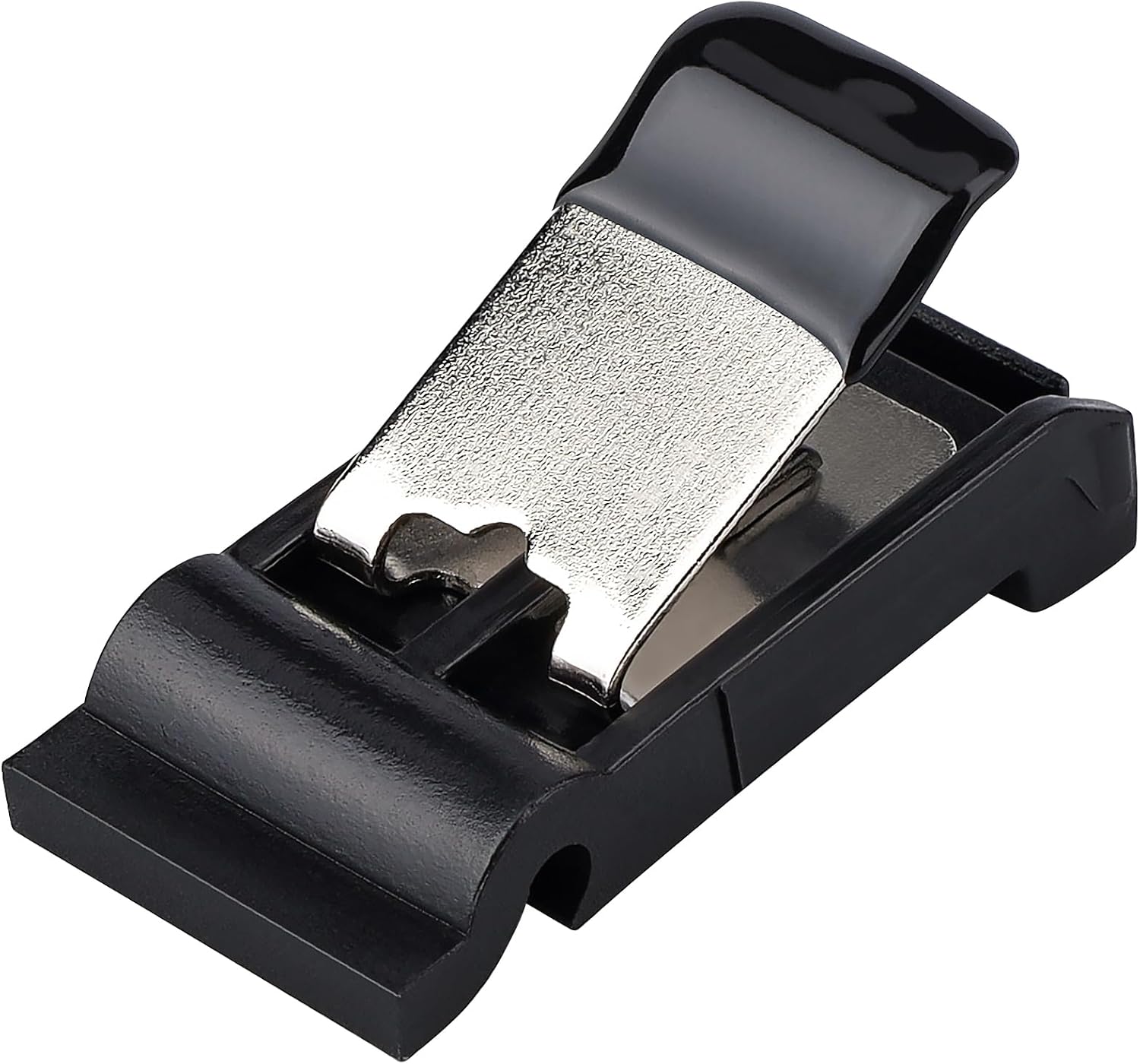
This fuel door spring clip is designed to restore proper gas tank door operation on a wide range of Toyota, Lexus, and Scion vehicles. It helps fix common issues like a stuck fuel door or one that opens too quickly, making refueling smoother and more convenient. Built as a direct replacement for compatible part numbers, it offers a practical repair solution for worn or broken clips.

This A-Premium serpentine belt drive kit is designed for compatible Toyota Camry, RAV4, and Scion tC models with a DOHC 2.5L L4 engine. It includes a serpentine belt and belt tensioner to help maintain smooth engine operation, reduce noise, and support reliable power transfer. Built for dependable replacement performance, it also comes with a one-year unlimited-mileage guarantee for added peace of mind.
Frequently Asked Questions
Where are American Toyota Camrys made?
American-market Toyota Camry models are assembled at Toyota Motor Manufacturing Kentucky in Georgetown, Kentucky. Toyota Kentucky has produced Camry models since May 1988 and remains the Camry’s main U.S. manufacturing home.
Is the Toyota Camry built in the USA?
Yes. For the U.S. market, the Toyota Camry is built in the USA at Toyota’s Georgetown, Kentucky plant. The current U.S. Camry is the Camry Hybrid, and Toyota lists Toyota Kentucky as the plant that assembles it.
What percent of the Toyota Camry is made in the USA?
For the 2026 Toyota Camry Hybrid, NHTSA’s AALA report lists 60% U.S./Canadian parts content. That figure combines U.S. and Canadian parts content, is calculated by carline, and is not the same as saying 60% of every individual Camry is made only in the United States.
Are all new Toyota Camrys hybrids now?
For the U.S. market, yes. Toyota announced that the ninth-generation Camry, introduced for the 2025 model year, is powered exclusively by Toyota’s fifth-generation hybrid system.
How can I tell if my Camry was built in Japan or the USA?
Check the VIN and the vehicle’s window sticker or door-jamb label. You can also enter the VIN into NHTSA’s VIN Decoder, which provides plant information reported by the manufacturer. A full VIN decode is more reliable than relying only on the first character.
Does Toyota Kentucky build only the Camry?
No. Toyota Kentucky also builds vehicles and components beyond the Camry Hybrid, including the RAV4 Hybrid, Lexus ES models, engines, axles, steering components, machined engine parts, fuel-cell kits, and dies.
Conclusion
The Toyota Camry’s U.S. story is centered in Georgetown, Kentucky, where Toyota Kentucky has been building Camrys since 1988. Today, the plant is Toyota’s largest vehicle manufacturing facility in the world and a major hub for hybrid production, skilled manufacturing jobs, and community investment. So when you see a new Camry on an American road, there is a very good chance its journey began in Kentucky, backed by decades of Toyota manufacturing experience.
Sources
- Toyota Motor Manufacturing Kentucky — Toyota USA Newsroom — plant size, employment, production capacity, products, investment, and production history.
- Building on Greatness: Redesigned Toyota Camry Goes All-Hybrid at Kentucky Plant — ninth-generation Camry launch and all-hybrid U.S. Camry production.
- Toyota Kentucky Powers Up with New Solar Field — solar installation, clean-energy output, and sustainability goals.
- NHTSA Part 583 American Automobile Labeling Act Reports — how U.S./Canadian parts-content labeling works.
- NHTSA MY2026 AALA Percentage Report — 2026 Toyota Camry Hybrid parts-content and final-assembly data.
- NHTSA VIN Decoder — official VIN-based plant and vehicle information tool.