By AutoReviewNest Editorial Team · Reviewed for accuracy · Last updated July 7, 2026
If your Toyota Camry shifts hard, start with the simple checks before you assume the transmission has failed. A harsh 1–2 shift, bang into reverse, delayed engagement, or rough downshift can come from low or dirty transmission fluid, a failed engine or transmission mount, a sensor or solenoid fault, ECM/TCM calibration, or internal wear.
Do not keep driving normally if the Camry slips, overheats, leaks fluid, loses power, or bangs into gear. Those signs can turn a small fluid, mount, or electronic problem into expensive transmission damage.
Quick Answer
- Check fluid first when possible: Low, dark, burnt-smelling, or contaminated transmission fluid can cause rough, delayed, or harsh shifts.
- Match the symptom to the cause: A clunk into Drive or Reverse often points to an engine mount, transmission mount, or driveline issue. A warning light points more toward codes, sensors, solenoids, or control-module logic.
- Know your Camry type: Older Camry models may have a dipstick. Many newer models use sealed transmission procedures that need the right fluid temperature and service steps.
- Check Toyota service information: Some 2018 Camry vehicles had a Toyota TSB for Park-to-Reverse shift shock or delay/shock after slowing down.
- Call a pro quickly: Get a mechanic or Toyota dealer involved if the hard shift continues, the fluid looks burnt, or the vehicle shows transmission-related codes.
Key Takeaways
- Hard shifting is a symptom, not a diagnosis. Fluid, mounts, electronics, software, and internal wear can all cause it.
- Fluid color helps, but your owner’s manual and service history matter more than color alone.
- Check motor and transmission mounts when hard shifts come with clunks, vibration, or visible engine movement.
- Use an OBD-II scan when you see a check engine light, transmission warning, limp mode, or delayed engagement.
- Do not guess at sealed-transmission service because the wrong fluid level can make shifting worse.
Symptoms to Track Before You Start
Track the exact symptom before you buy parts. Your Camry may shift hard only when cold, only from first to second, only into reverse, or only after a stop.
- Note when the hard shift happens: cold start, warm engine, uphill, highway speed, or stop-and-go traffic.
- Listen for clunks when you shift into Drive or Reverse.
- Watch for a check engine light, transmission warning light, or limp-mode behavior.
- Look for red, pink, or brown fluid under the center of the car.
- Pay attention to vibration at idle, during acceleration, or when shifting from Park to Drive.
These details help you separate a fluid issue from a mount, sensor, software, or internal transmission problem.
Toyota Camry Hard Shift Diagnostic Table
Use this table to choose your first check. It does not replace diagnosis, but it can stop you from replacing the wrong part.
| What You Feel | Most Likely Area | First Check | When to Stop DIY |
|---|---|---|---|
| Harsh shift plus dark or burnt fluid | Fluid condition, overheating, internal wear | Fluid level and condition if your model has a dipstick | Debris in fluid, slipping, or no dipstick |
| Clunk into Drive or Reverse | Engine mount, transmission mount, driveline play | Visual mount inspection and engine movement check | Engine support or under-car work is required |
| Hard shift with warning light | Sensor, solenoid, TCM/ECM, wiring | Scan for engine and transmission codes | Codes return after clearing or live data looks abnormal |
| Delay or shock after slowing down | Software calibration, shift adaptation, valve body | Check Toyota TSBs by VIN and symptom | Dealer reflash or Techstream diagnosis is needed |
| Slip, flare, or loss of drive | Internal transmission fault or low fluid pressure | Do not keep driving; schedule diagnosis | Immediately |
Top Reasons for Hard Shifting in Your Toyota Camry
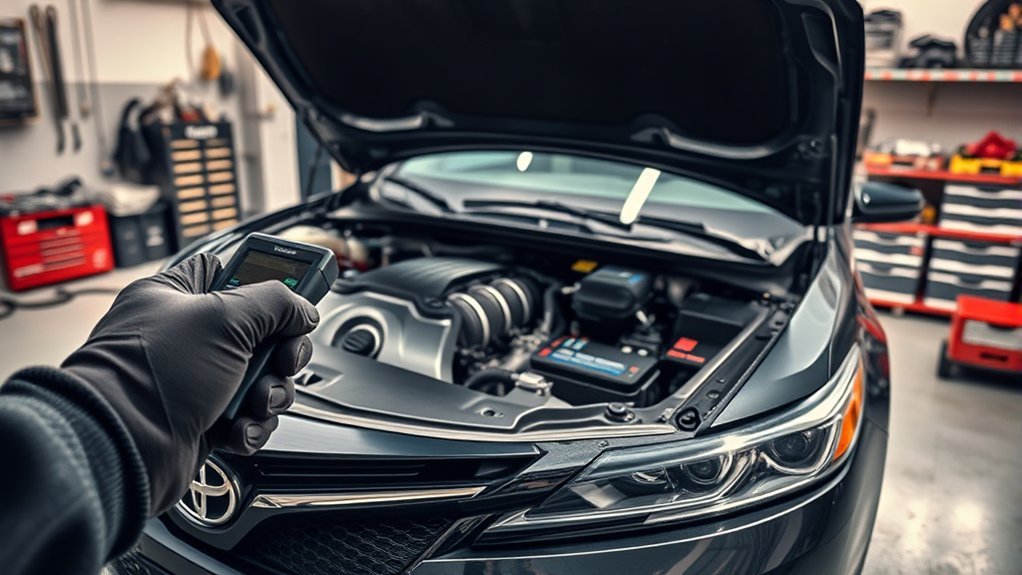
When you notice hard shifting in your Toyota Camry, start with the most common and easiest checks. Low or contaminated transmission fluid can reduce smooth hydraulic pressure and make gear changes feel harsh.
Toyota says clean automatic transmission fluid often looks pinkish red. Dark fluid or a burnt smell can point to contamination, age, or heat damage that needs closer inspection. Color alone is not a full diagnosis, so compare it with service history, mileage, symptoms, and scan data.
A worn shift linkage, faulty speed sensor, bad shift solenoid, pressure-control solenoid, torque converter issue, or valve body problem can also cause rough shifts. These problems often need a scan tool and a technician who can read live transmission data.
Do not overlook the Transmission Control Module (TCM) or Engine Control Module (ECM). These modules help control shift timing and shift quality, so electrical faults, wiring issues, old calibration, or failed sensors can cause delayed, harsh, or unusual shifts.
Some 2018 Camry models also had Toyota Technical Service Bulletin T-SB-0330-17 for shift shock when shifting from Park to Reverse on initial startup or delay/shock when reaccelerating quickly after slowing down. The bulletin addressed that condition with updated ECM/PCM logic and applies only to specific vehicles and symptoms.
Engine misfires or poor engine performance can also change how the transmission feels. Fix engine problems first when hard shifting comes with rough idle, hesitation, low power, or warning lights.
[Products Worth Considering]
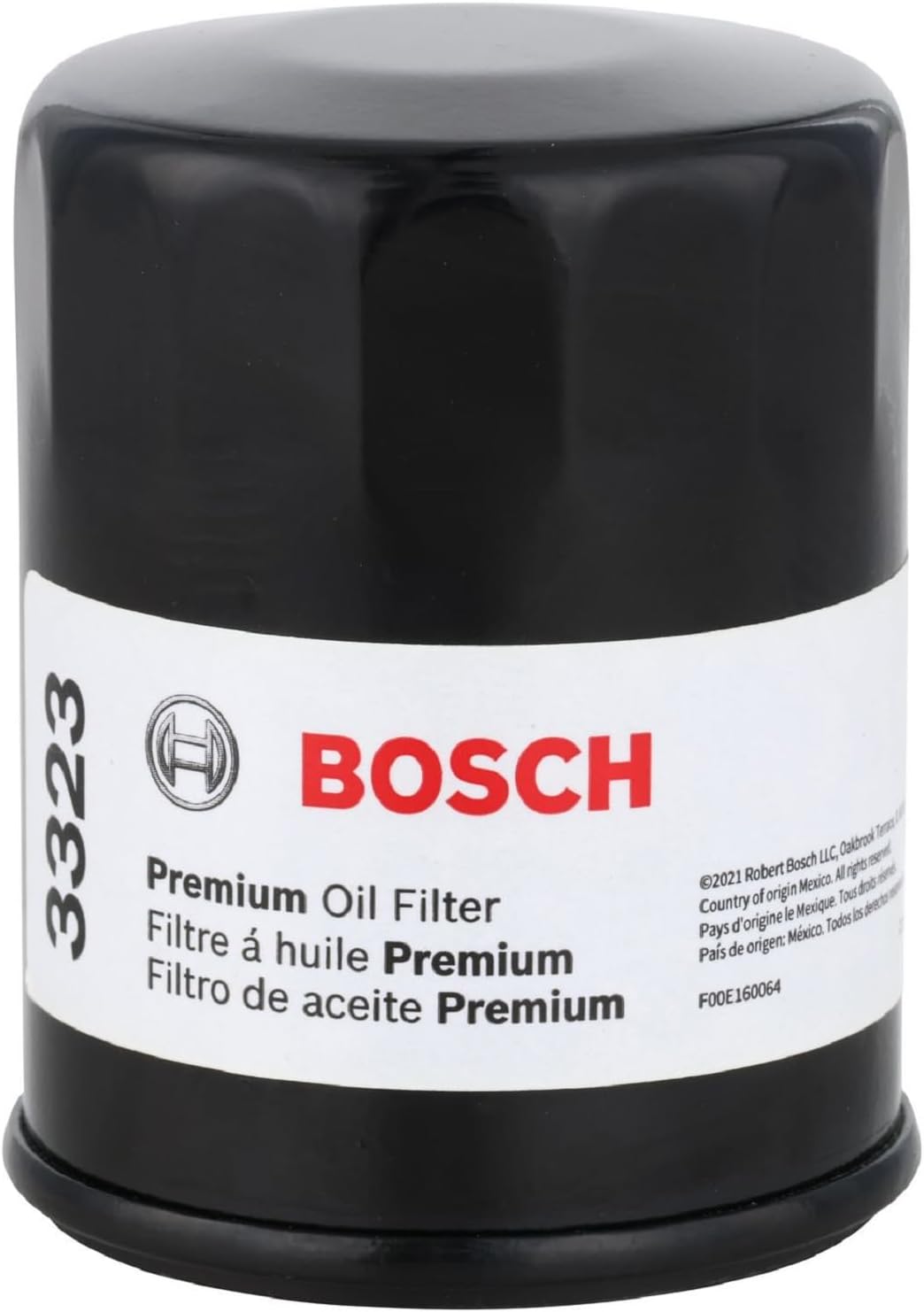
Bosch Premium Oil Filter uses FILTECH media to trap dirt and particles that can circulate through your engine and cause harmful wear. Its steel base plates, silicone anti-drain back valve, and high-lubricity gasket are designed to deliver a secure fit, reliable oil flow at startup, and dependable leak resistance. Built for compatible vehicles across many Acura, Honda, Nissan, Infiniti, and other select models, it offers durable protection and easy serviceability.
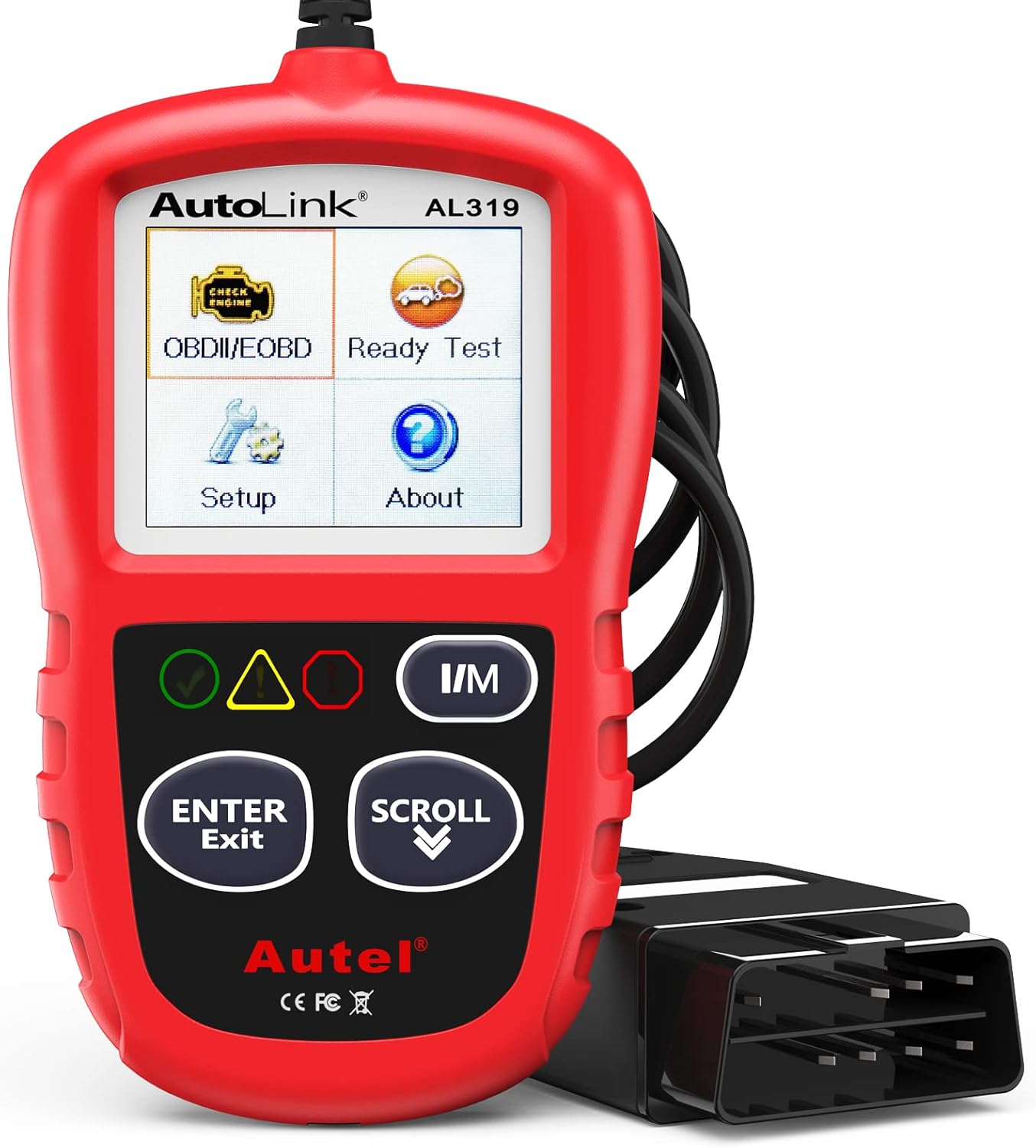
The Autel AL319 is a user-friendly OBD2 scan tool designed to help drivers quickly diagnose check engine light issues and understand vehicle fault codes. It supports reading and clearing DTCs, live data, freeze frame, I/M readiness, and vehicle information, making it a practical choice for DIYers and everyday car owners. With plug-and-play operation, a color display, built-in speaker, and broad vehicle compatibility, it delivers fast, reliable diagnostics without complicated setup.

This versatile car fuse assortment kit includes multiple fuse sizes and current ratings to help keep vehicles protected and ready for quick repairs. With organized color-coded fuses, a fuse puller, and installation guidance, it offers a convenient backup solution for a wide range of automotive and recreational vehicles. It's ideal for drivers who want a practical emergency replacement set for everyday use and travel.
Before You Begin: Basic Checks and Tools
You do not need to remove the transmission to start diagnosis. Begin with safe visual checks and simple tools.
- Use your owner’s manual to confirm the correct fluid type and service method.
- Use a flashlight to check for leaks, broken mounts, damaged wiring, loose connectors, and missing fasteners.
- Use an OBD-II scanner if your dashboard shows a warning light.
- Use jack stands if you must raise the vehicle for inspection.
- Keep service records handy, especially if your Camry has the eight-speed automatic and dealer software updates may apply.
Stop if the job requires supporting the engine, opening a sealed transmission, or working under the car without proper stands. A small mistake can create a safety risk.
[Products Worth Considering]

Compatibility: This OBD2 adapter cable is designed specifically for Toyota vehicles with a 17 pin OBD1 connector, allowing seamless connection to OBD2 diagnostic scanners and...
How to Check Your Transmission Fluid
Since fluid issues often cause hard shifting, checking the fluid can save you time. Some older Camry models have a traditional transmission dipstick under the hood.
Park your car on level ground. Warm the fluid as your owner’s manual directs, then pull the dipstick, wipe it clean, reinsert it, and pull it out again.
The fluid should look pinkish red and should not smell burnt. If it looks dark brown, smells burnt, or contains debris, schedule a fluid service and inspection. Do not use a flush as a guess when the fluid is badly burnt or the transmission already slips.
Many newer Camry models use sealed transmission systems without a standard dipstick. Toyota advises drivers to consult a skilled technician when they suspect a sealed-transmission problem.
Do not remove a sealed-transmission check plug unless you can follow the correct Toyota service procedure. These systems often require a specific fluid temperature, level-check method, scan tool data, and the exact Toyota-approved fluid.
[Products Worth Considering]

Automatic Transmission Fluid WS is a world-spec fluid specifically designed for sealed, automatic transmissions.

For best performance, follow the manufacturer's recommendations in your vehicle owner’s manual.

Genuine Toyota 00279-000T4-01 ATF T-Iv Quart
Can a Broken Motor Mount Cause Hard Shifting?
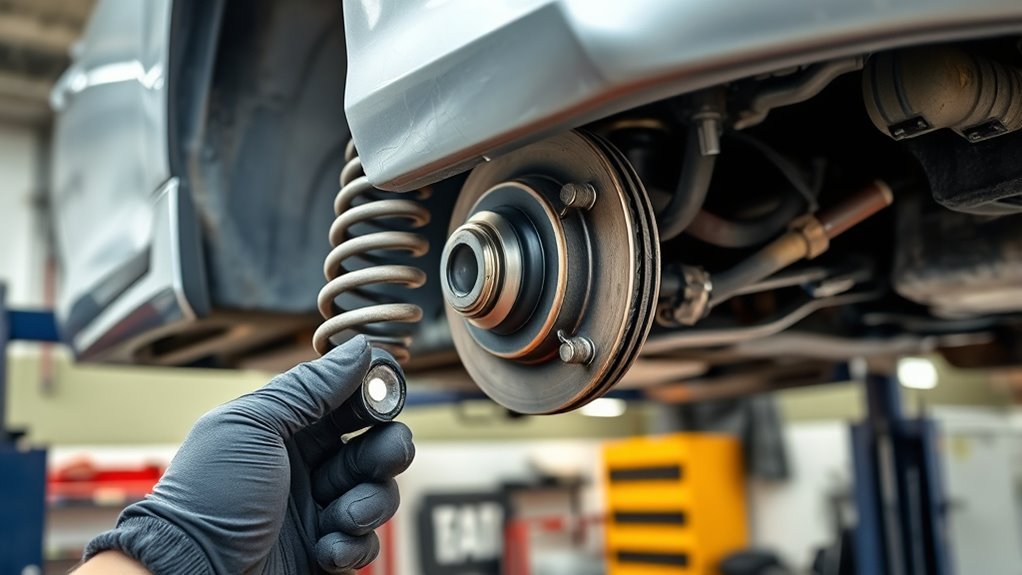
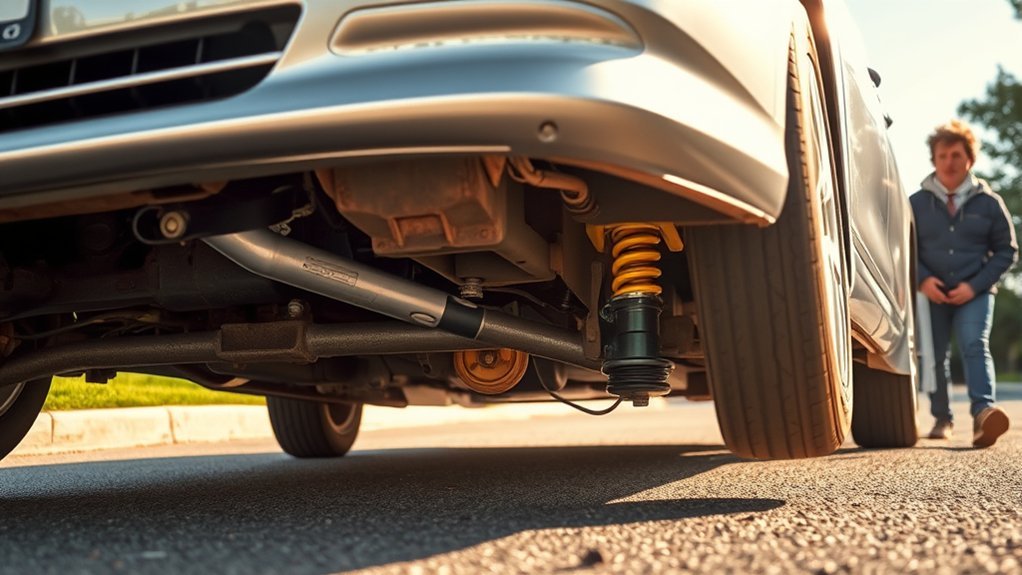
Yes. When a motor mount breaks, the engine can twist, lift, or rock more than it should. That movement can make a normal gear change feel like a harsh transmission shift.
You may also hear more noise during shifting because the engine moves against nearby parts. A bad transmission mount can create similar symptoms, so inspect both mount types when the Camry clunks into Drive or Reverse.
Engine Stability During Shifts
A broken motor mount disrupts the smoothness of your Toyota Camry’s gear shifts. When the mount fails, the engine moves too much during load changes.
This movement affects alignment and reduces the vibration control needed for clean gear changes. You may feel rough shifting, especially between lower gears or when shifting from Park to Drive.
The instability can also create clunking noises when you shift into Reverse. Good motor mounts keep the engine stable, which helps the transmission operate more smoothly.
Noise Reduction Benefits
You might not connect engine mounts with noise reduction, but they play a big role in cabin comfort. A broken motor mount sends extra vibration into the body of your Camry.
This movement can create rough shifting and clunking noises. A damaged mount also reduces the car’s natural vibration control.
Replacing a cracked motor mount reduces vibration and helps the engine stay steady. That can give you smoother gear shifts and a quieter ride when the mount caused the symptom.
How Better Mounts Help Transmission Performance
Broken motor mounts can affect your Toyota Camry’s transmission feel. A damaged mount lets the engine move during acceleration, braking, and gear changes.
This movement can cause clunks and make the transmission feel less responsive. The table below shows how mount problems can affect your Camry.
| Issue | Impact on Performance | Solution |
|---|---|---|
| Excessive movement | Rough shifts or thuds | Inspect engine and transmission mounts |
| Misalignment | Poor shift feel | Restore engine stability |
| Clunking noises | Uncomfortable driving | Inspect mounts, brackets, and driveline parts |
| Increased wear | Shortened part life | Fix the mount early |
A new mount stabilizes the engine when the old mount has failed. That can reduce rough gear changes and lower stress on nearby drivetrain parts.
How to Identify When Your Motor Mount Needs Replacement
If you notice rough shifts or clunking noises, check your motor mount. Look for visual damage under the hood and listen for heavy movement during gear changes.
Pay attention to unusual engine movement during acceleration or braking. These signs can help you catch mount problems before they stress other parts.
Visual Signs of Damage
Motor mounts secure your engine and reduce vibration. Spotting damage early can help you avoid larger repairs.
Look for visible cracks, splits, leaks, collapsed rubber, loose brackets, or an engine that sits lower than normal. These signs often point to severe mount wear.
| Signs of Damage | What to Look For |
|---|---|
| Cracks or splits | Visible damage on the rubber |
| Misalignment | Off-center engine affecting gear shifts |
| Clunking noises | Sounds during Reverse, Drive, acceleration, or gear changes |
| Excessive vibrations | Increased cabin shake |
| Abnormal engine movement | Noticeable shifts during acceleration or braking |
Unusual Engine Movement
Excessive engine movement strongly suggests that your motor mount needs replacement. You may notice excessive vibrations or clunking noises during acceleration.
A cracked or broken motor mount can make shifts feel harsh between lower gears. Look for visible cracks or gaps where the mount connects to the engine and chassis.
The engine should move only a small amount during shifts. If it shifts visibly, the mount needs inspection and likely replacement.
Clunking Noises During Shifts
Clunking noises during shifts often signal that your motor mount or transmission mount has worn out. A damaged mount allows too much engine or transaxle movement.
That movement causes rough shifting and clunks when you change gears. Inspect your mounts when you hear these sounds.
Replacing a worn mount can restore shifting performance and reduce clunking noises. Proper maintenance also helps you avoid more expensive drivetrain repairs.
Should You Replace Your Motor Mount Yourself?
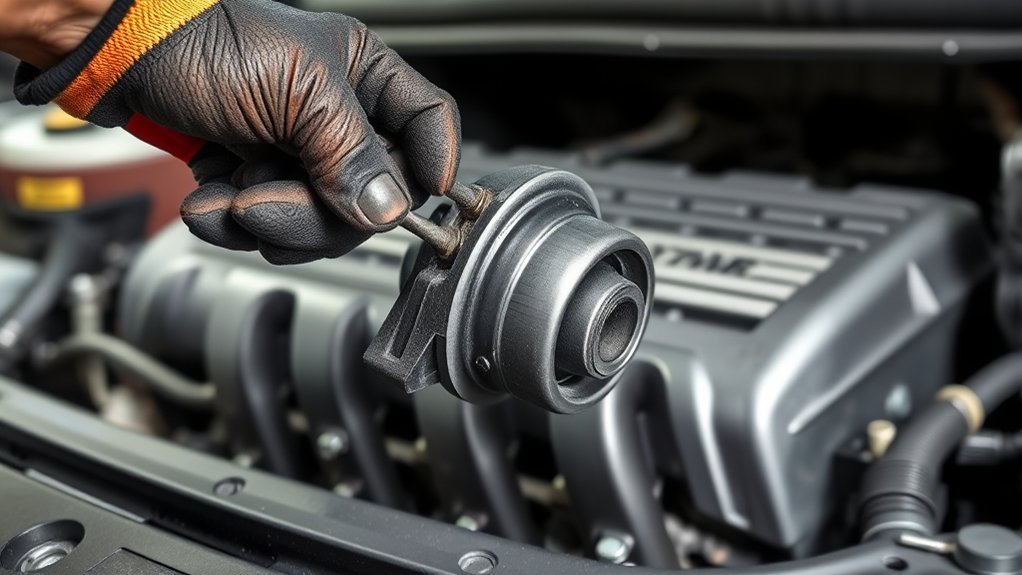
Replacing a motor mount takes the right tools, safe lifting, engine support, and model-specific torque specs. Only try this job if you can support the engine and vehicle safely.
Warning: Never work under a car that only rests on a jack, and never remove a motor mount until you support the engine safely.
- Park safely: Park on level ground, set the parking brake, and let the engine cool.
- Confirm the failed mount: Do not replace a mount until you have checked for fluid leaks, loose bolts, cracked rubber, and abnormal engine movement.
- Support the vehicle: Raise the Camry only at approved lift points and use jack stands.
- Support the engine: Use the service-manual method for your engine and mount location.
- Remove the mount bolts: Use the correct socket size and follow your model-specific repair manual.
- Remove the old mount: Work slowly because tight engine bay space can make the mount hard to move.
- Align the new mount: Line up the mount holes with the engine and chassis before you tighten anything.
- Tighten the bolts: Follow the torque specs for your Camry model, then lower the engine support carefully.
- Test the repair: Start the engine, shift through gears while parked, and listen for clunks or excess movement.
After installation, you should feel less engine movement and smoother gear changes if the mount caused the issue. If the clunk remains, inspect the transmission mount, lower engine mounts, suspension parts, CV axles, and driveline parts.
How to Choose the Right Replacement Mount
Buying a motor mount online can cost less than buying locally. But the lowest price does not always give you the best value.
Compare part fitment, shipping cost, return policy, warranty, and brand reputation. A wrong or low-quality mount can waste time and create more vibration.
In-store shopping can help when you need the part the same day. A local parts counter may also help you compare original equipment-style mounts with aftermarket options.
Online retailers often provide specs, fitment filters, and customer reviews. Use your Camry year, engine, trim, and VIN when you confirm the exact part.
Benefits of Regular Motor Mount Maintenance
Checking your motor mounts helps your Toyota Camry run more smoothly. Good mounts keep engine movement low during idle, acceleration, braking, and shifting.
Healthy motor mounts provide clear vibration reduction and help prevent clunking noises. They also reduce stress on nearby drivetrain parts.
Replacing bad mounts early can help you avoid larger repairs later. Add mount checks to your routine inspection when you already check belts, hoses, leaks, and fluid levels.
When Should You Call a Pro for Transmission Problems?

Call a mechanic when your Toyota Camry’s transmission issues continue after basic checks. You should also get help when the car feels unsafe, slips, delays, leaks fluid, or shows warning lights.
- Persistent rough shifting or clunking during gear changes
- Unusual engine movement linked to a broken motor mount
- Shifting delays, flares, or slipping out of gear
- A check engine light or transmission warning light turning on
- Fluid leaks under the center of the car
- Hard shifts after the vehicle warms up
- Harsh Park-to-Reverse engagement on a 2018 Camry that may match Toyota T-SB-0330-17
Ignoring these signs can lead to severe damage and expensive repairs. A technician can scan diagnostic codes, inspect mounts, check fluid condition, and confirm whether a Toyota bulletin or software update applies to your Camry.
Frequently Asked Questions
Why Does My Camry Shift Hard?
Your Camry may shift hard because of low or dirty transmission fluid, faulty electronics, worn engine or transmission mounts, weak shift linkage, a bad solenoid, valve body wear, software calibration, or internal transmission wear. Start with fluid condition, leaks, mounts, warning lights, and scan codes before you assume the transmission needs replacement.
How Do You Fix Hard Gear Shifting in a Camry?
Start by checking the transmission fluid level and condition if your Camry has a dipstick. Next, inspect engine mounts, transmission mounts, shift linkage, wiring, and stored trouble codes.
If the car uses a sealed transmission or keeps shifting harshly, ask a mechanic to check the fluid level, scan data, and any Toyota service bulletins that may apply.
Will Changing Transmission Fluid Fix Hard Shifting?
It can help when the problem comes from low, old, or contaminated fluid. It will not fix a broken mount, bad sensor, failed solenoid, software issue, valve body wear, or internal clutch damage. If the fluid smells burnt or contains debris, get diagnosis before you approve a flush or repair.
Why Does My Camry Shift Hard When Cold?
Cold fluid is thicker, so a small fluid, pressure, valve body, or calibration issue may feel worse before the car warms up. If the harsh shift repeats after warm-up, comes with a warning light, or gets worse over time, schedule diagnosis.
Can a Bad Motor Mount Cause Hard Shifting?
Yes. A bad motor mount or transmission mount can let the engine or transaxle move during gear changes. That movement can feel like a hard shift and may cause clunks, vibration, or a thud when you select Drive or Reverse.
What Is the Lawsuit for Toyota Camry 8-Speed Transmission?
Several complaints and legal reports have alleged issues with Toyota UA80-family eight-speed automatic transmissions, including complaints tied to some Camry models. These lawsuits contain allegations, not final proof that every affected vehicle has the same defect.
If your Camry has harsh shifts, hesitation, slipping, or abnormal noise, keep service records and ask a Toyota dealer to check your VIN for warranty coverage, service bulletins, recalls, and software updates. You can also check NHTSA.gov for recall information tied to your vehicle.
Can You Drive a Camry That Shifts Hard?
You may drive a short distance to a repair shop if the car shifts normally enough to stay safe. Do not keep driving if the transmission slips, bangs into gear, leaks fluid, overheats, or loses power.
Hard shifting can get worse fast when low fluid, overheating, or internal wear causes the problem. A prompt inspection can protect the transmission and keep you safer on the road.
Is a Toyota TSB the Same as a Recall?
No. Toyota explains that a Technical Service Bulletin (TSB) communicates repair or update information between Toyota and its dealerships.
A recall usually involves a safety-related defect or legal compliance issue. A TSB can still help your technician diagnose a known issue, but it does not always mean Toyota must repair every vehicle for free.
Automotive Safety Disclaimer: This article is for informational purposes only and does not replace professional vehicle diagnosis or repair. Always consult a qualified mechanic before you drive with serious shifting problems, support the engine, lift the vehicle, or service a sealed transmission.
Final Thoughts
Hard shifting in your Toyota Camry usually gives you a warning before it becomes a major repair. Start with fluid condition, leaks, mounts, warning lights, stored codes, and any Toyota service bulletins that match your model year and symptom.
Stop DIY work when the job requires sealed-transmission service, engine support, or advanced scan data. Fixing the root cause early gives your Camry the best chance of smooth, safe shifts.
References
- How Often Should You Change Your Transmission Fluid? | Toyota.com.
- What is a Technical Service Bulletin? | Toyota Support.
- T-SB-0330-17: Shift Shock on Initial Startup or Reacceleration | Toyota Motor Sales, USA, hosted by NHTSA, 2017.
- Check for Recalls: Vehicle, Car Seat, Tire, Equipment | NHTSA.
- Possible Causes of a Hard-Shifting Automatic Transmission | CarParts.com, 2025.
- Bad Motor Mount Symptoms | CarParts.com, 2025.
- Symptoms of a Bad Transmission Control Module | AutoZone.
- Class Action Alleges Toyota Sold Vehicles With Defective UA80 Transmissions | Top Class Actions, 2025.