
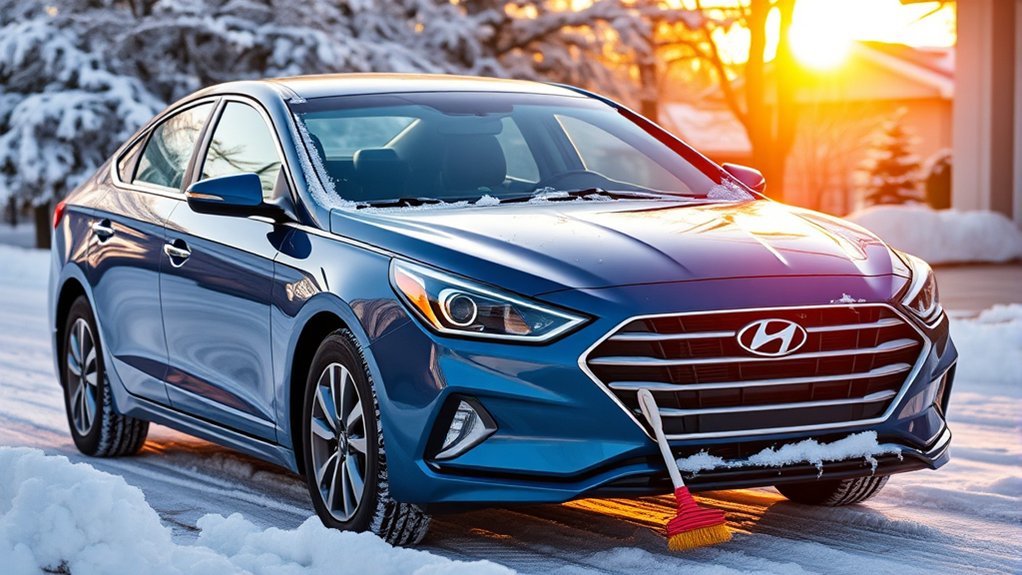
Cold weather can expose weak tires, a tired battery, worn wipers, low coolant, and other problems that may not be obvious in mild conditions. Before the first freeze, inspect your Hyundai Sonata from the tires up, and use the owner’s manual for your exact model year, engine, powertrain, and trim whenever a specification is required.
Quick Answer
Prepare your Hyundai Sonata for winter by checking cold tire pressure and tread, testing the battery, filling winter washer fluid, confirming the correct coolant and engine oil, replacing worn wipers, testing lights and defrosters, and packing emergency supplies. Use your exact model-year owner’s manual for all specifications.
Key Takeaways
- Set tire pressure to the cold-pressure specification on the driver-side doorjamb label, not the maximum pressure printed on the tire.
- Use only the oil viscosity, coolant type, tire size, and maintenance procedures approved for your Sonata’s exact configuration.
- Replace damaged or poorly performing tires, wipers, batteries, lights, and other safety equipment before severe weather arrives.
- Check the brakes, heater, front and rear defrosters, washer system, exterior lights, cameras, and sensors.
- Slow down, increase following distance, and postpone non-essential travel when road conditions are unsafe.
At a Glance
| Time Required | About 45 to 90 minutes for a basic inspection. Repairs, professional testing, or tire installation take longer. |
| Difficulty | Easy to moderate. Battery diagnosis, coolant repairs, brake work, and tire installation may require a qualified technician. |
| Tools Needed | Tire-pressure gauge, tread-depth gauge or penny, flashlight, gloves, clean cloth, ice scraper, snow brush, and the correct fluids. |
| Cost | A basic inspection may cost nothing. Wipers, fluids, professional testing, a battery, repairs, or winter tires increase the total. |
Why Winter Preparation Matters for Your Hyundai Sonata
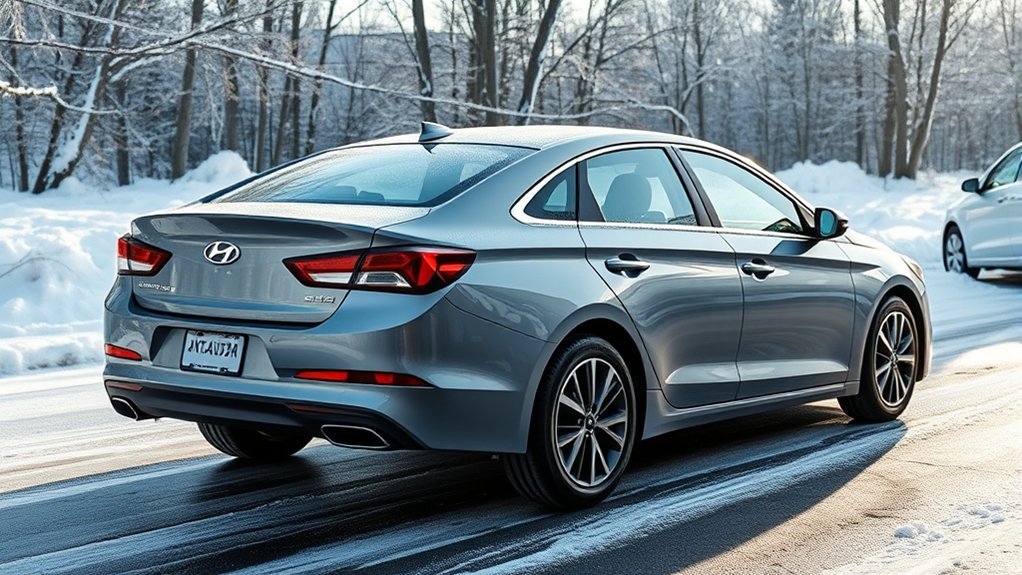
Snow, sleet, freezing rain, and black ice reduce tire grip and increase the distance needed to stop. Cold weather can also lower tire pressure, reduce battery output, freeze unsuitable washer fluid, and expose leaks in the cooling system.
NHTSA reports that 320 fatal crashes and an estimated 22,293 injury crashes occurred in snow or sleet conditions during 2023.
A winter inspection gives you time to correct problems before the first major storm. Begin with the Hyundai manual for your exact vehicle. Fluid specifications, tire sizes, battery locations, jump-start procedures, and maintenance requirements can differ by model year, engine, trim, and powertrain.
Note: Advice that is correct for one Sonata may be wrong for another. Check your VIN, owner’s manual, driver-side doorjamb label, and under-hood labels before buying tires, fluids, batteries, floor mats, or traction devices.
Essential Tire Inspections for Winter Safety
Your tires provide the grip needed to accelerate, steer, and stop. Traction control, antilock brakes, and all-wheel drive cannot replace suitable tires with adequate tread and correct pressure.
[Products Worth Considering]
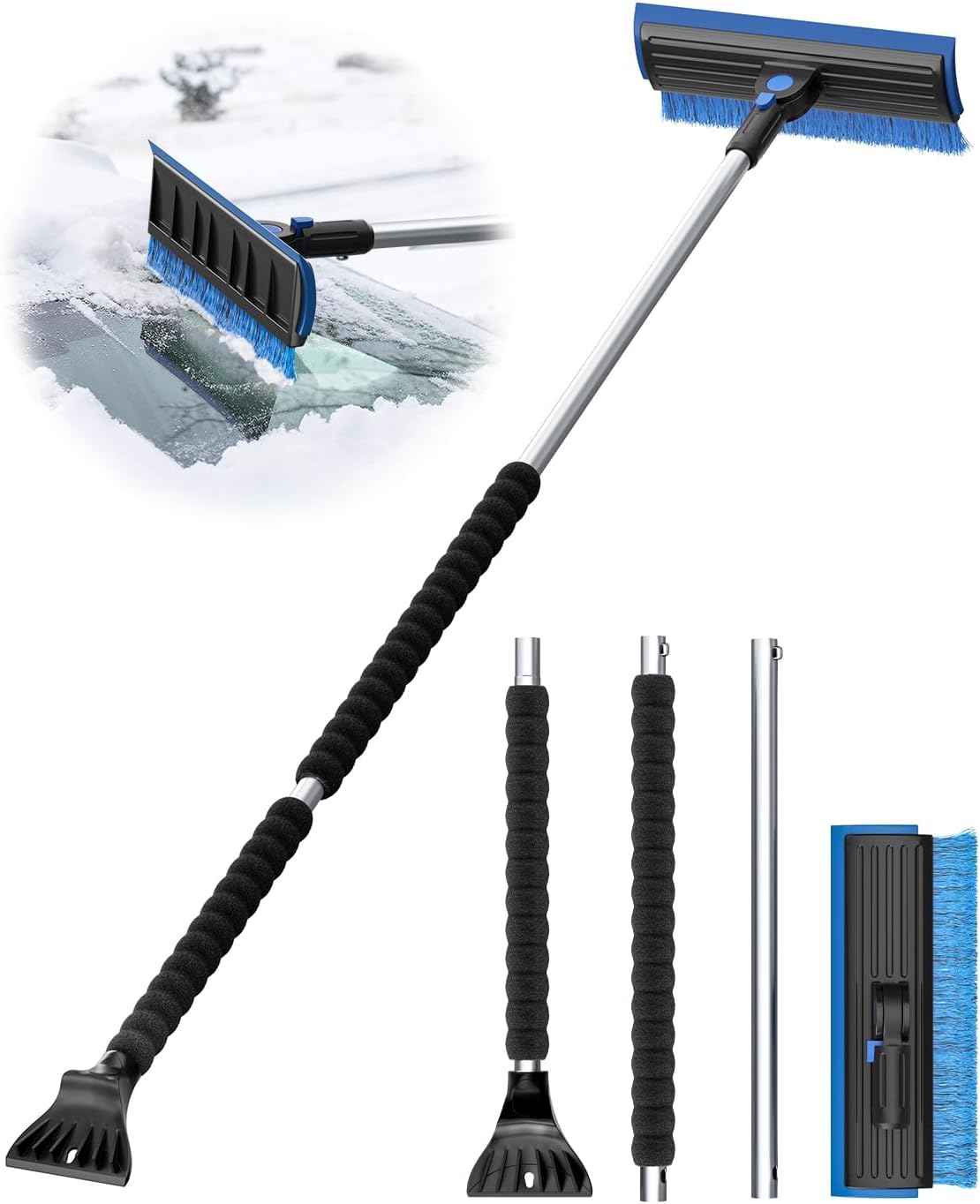
This three-in-one winter tool combines a snow brush, ice scraper, and snow shovel to help clear windshields, roofs, hoods, and hard-to-reach edges with less effort. Its 270-degree rotating head and adjustable telescoping length make it versatile for cars, SUVs, and home glass surfaces, while the soft PVC bristles and foam grip help protect paint and improve comfort in cold weather.

This roadside emergency kit helps drivers handle common breakdowns and winter travel issues with confidence. It includes jumper cables, a shovel, tow rope, warning triangle, first aid kit, gloves, and repair tools in a compact bag that fits easily in a trunk or storage compartment. Designed for cars, trucks, SUVs, motorcycles, and RVs, it is a practical safety companion for commuting, road trips, and everyday preparedness.
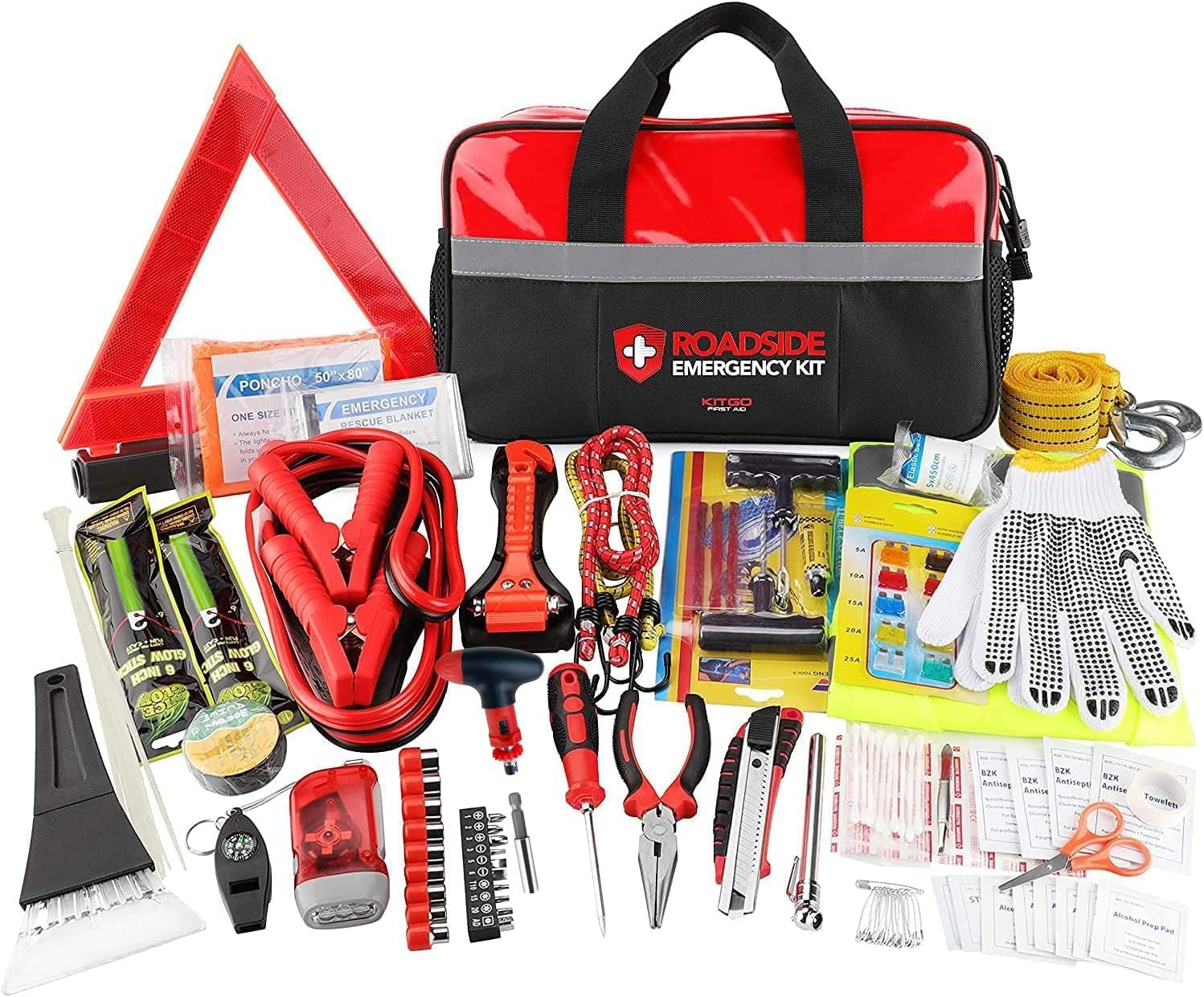
This all-in-one car emergency kit is designed to help drivers handle unexpected roadside problems with confidence. It includes essential tools and medical supplies such as jumper cables, a warning triangle, a flashlight, a shovel, and a screwdriver set, making it useful for cars, trucks, RVs, and outdoor travel. The compact, durable storage bag is easy to keep in a trunk or backseat for quick access when emergencies happen.
Check Cold Tire Pressure
- Park your Sonata for at least three hours so the tires are cold.
- Find the recommended pressure on the Tire and Loading Information label inside the driver-side door area.
- Measure all four tires with an accurate tire-pressure gauge.
- Check the spare tire too, when your Sonata is equipped with one.
- Add or release air until each tire matches the vehicle specification.
- Recheck the pressure at least monthly and before a long winter trip.
Do not use the pressure molded into the tire sidewall as your normal setting. That number is the maximum pressure for the tire, not the pressure Hyundai selected for the vehicle. The NHTSA TireWise guide explains how to find and check the correct pressure.
Pro Tip: Measure pressure before driving in the morning. Driving warms the tires and raises the reading, which can cause you to remove air the tires need after they cool.
Inspect Tread, Damage, and Tire Age
Check the full width of each tire. Look for cuts, punctures, exposed cords, sidewall bubbles, deep cracks, scrapes, embedded objects, or uneven wear. Bulges, exposed structure, rapid pressure loss, or strong vibration require prompt professional inspection.
NHTSA advises replacing tires when tread reaches 2/32 inch. That is a minimum replacement point, not a guarantee of strong snow performance. If the tread is approaching the wear bars, winter traction has become poor, or the tires have hardened with age, replace them before severe weather rather than waiting for the minimum.
Check the tire identification number to determine age, especially when reinstalling a stored winter set. Tires can crack or harden even when they still have visible tread.
Choose Winter Tires Carefully
Dedicated winter tires can improve control in cold temperatures, deep snow, and winter slush. Buy the correct size and load rating for your Sonata, and install a matching set of four. Mixing winter tires with all-season tires can create a large difference in grip between the front and rear axles.
When shopping, look for the three-peak mountain snowflake symbol on tires designed to meet a severe-snow performance standard. Confirm that the wheels, tire-pressure sensors, and tire dimensions are compatible with your exact model.
Check Traction-Device Clearance
Warning: Do not install chains, cables, or other traction devices until you confirm that your exact wheel and tire package has enough clearance. Follow the owner’s manual, the device manufacturer’s instructions, posted road requirements, and local law. An incorrect device can damage tires, brakes, suspension parts, sensors, or the body.
Wiper Blade Care: Key Maintenance Tips
Clear glass is essential during snow, freezing rain, and road-salt spray. Inspect the windshield, wiper arms, washer nozzles, and defrosters before winter begins.
Inspect Wiper Blade Condition
Lift each wiper arm carefully and inspect the rubber edge. Replace blades that are cracked, split, hardened, bent, or separating from the frame. Test them with washer fluid and watch for streaking, skipping, chatter, missed areas, or poor contact with the glass.
Heavy-duty winter blades may help where ice and snow are frequent, but they must match your Sonata’s model year and wiper-arm connection.
Replace Worn Blades Promptly
There is no single replacement interval that fits every climate and blade design. Inspect the blades at least every six months and replace them whenever performance declines. Sun, ice, salt, dirt, storage conditions, and frequent use can shorten blade life.
Never run frozen wipers across the windshield. Loosen the ice with the defroster and a scraper first. Pulling hard on a blade frozen to the glass can tear the rubber or damage the wiper arm and motor.
How to Enhance Visibility During Winter Driving
- Fill the washer reservoir: Use a winter-rated washer fluid suitable for temperatures below the coldest conditions you expect.
- Test the washer nozzles: Confirm that each nozzle sprays the intended windshield area and is not clogged.
- Clean the glass: Remove oily film from the inside and grime from the outside with a clean microfiber cloth and suitable glass cleaner.
- Test every exterior light: Check low and high beams, brake lights, turn signals, hazard lights, license-plate lights, and reverse lights.
- Test the defrosters: Confirm that warm air reaches the windshield and that the rear-window defogger works.
- Clean cameras and sensors: Gently remove snow, ice, salt, and dirt without scratching the surfaces.
Before driving, remove snow and ice from every window, mirror, light, camera, sensor, the hood, the roof, and the trunk lid. Snow left on the roof can slide onto the windshield or blow into traffic.
Use the defroster and an ice scraper instead of pouring hot water on frozen glass. A sudden temperature change can damage the windshield, and the water may refreeze around the doors or wipers.
Keep Your Battery Healthy for Cold Starts
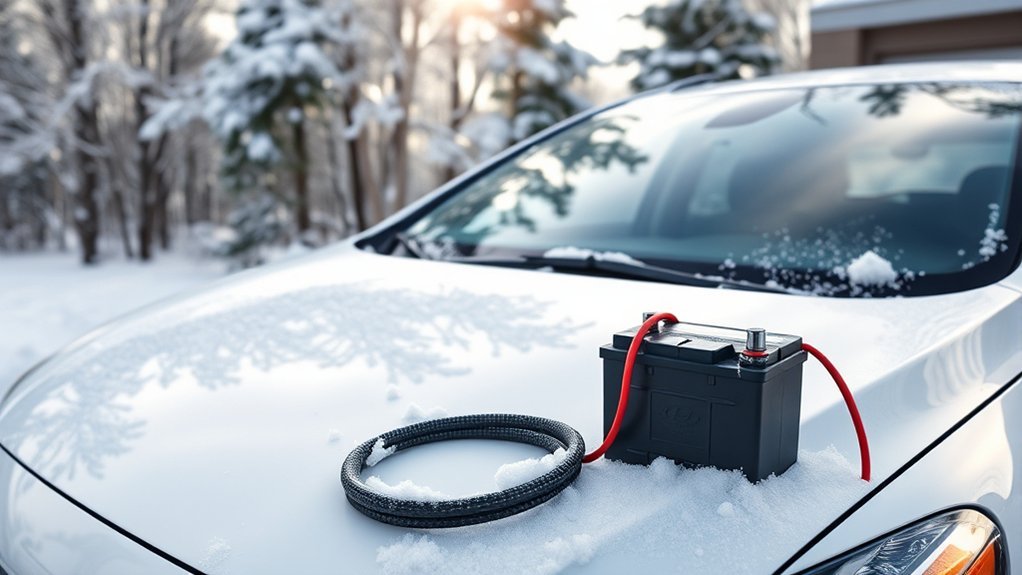
Cold weather reduces a battery’s ability to deliver power while a cold engine may require more power to start. A battery that appears normal during warm weather can struggle during the first cold snap.
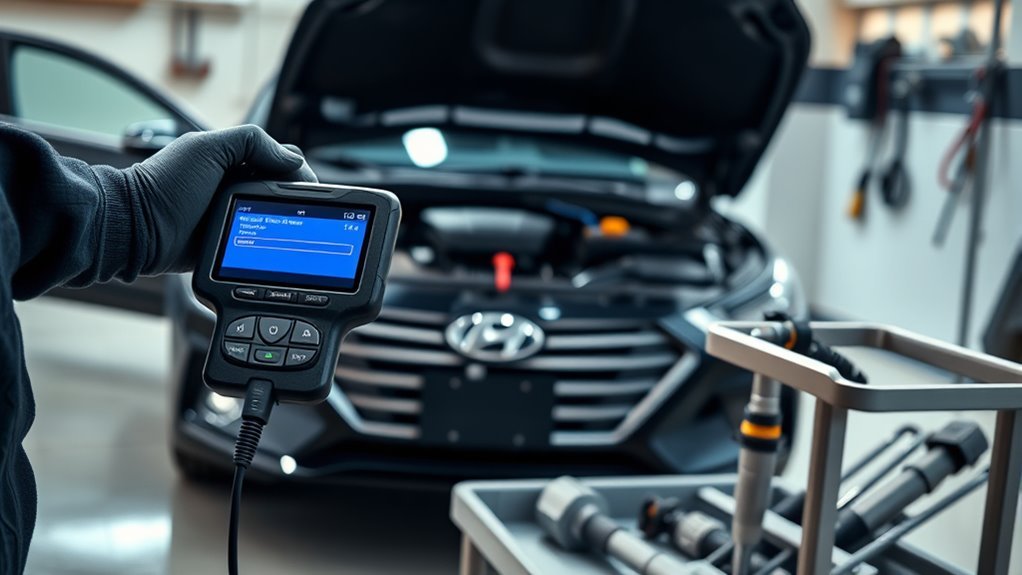
Have a qualified technician test the battery, charging system, starter, belts, and related connections if you notice slow cranking, repeated jump-starts, dim lights during starting, electrical warnings, or a battery that is several years old. A load or conductance test provides better information than age alone.
With the vehicle turned off, inspect the battery case, hold-down, cables, and terminals. The battery should be secure and free from cracks, swelling, leaks, loose connections, and heavy corrosion. Use the exact manual because some Sonata powertrains have different battery locations and starting procedures.
Warning: Do not jump-start a damaged, leaking, or possibly frozen battery. Keep flames and sparks away, wear eye protection, and follow Hyundai’s cable-connection sequence. Hybrid models contain high-voltage equipment that should not be touched during routine battery service.
Do not add a battery warmer or insulation wrap unless the product is compatible with your battery and vehicle, does not cover vents or labels, and is installed exactly as directed. Replace a weak or damaged battery instead of using heat to hide an existing fault.
[Products Worth Considering]

This extendable snow brush and ice scraper helps clear windshields and vehicle surfaces quickly in harsh winter weather. Its rotating brush head, durable bristles, and strong scraper design make it easy to remove snow and ice without scratching your car, while the comfortable grip and detachable parts improve handling and storage.

Rain-X WeatherBeater wiper blades are conventional replacement blades designed to meet or exceed OEM standards for quality, durability, and dependable performance. The pre-installed multi-adapter helps simplify installation on many vehicles, while the natural rubber squeegee and galvanized steel frame deliver a clean wipe, rust resistance, and long-lasting all-weather reliability.
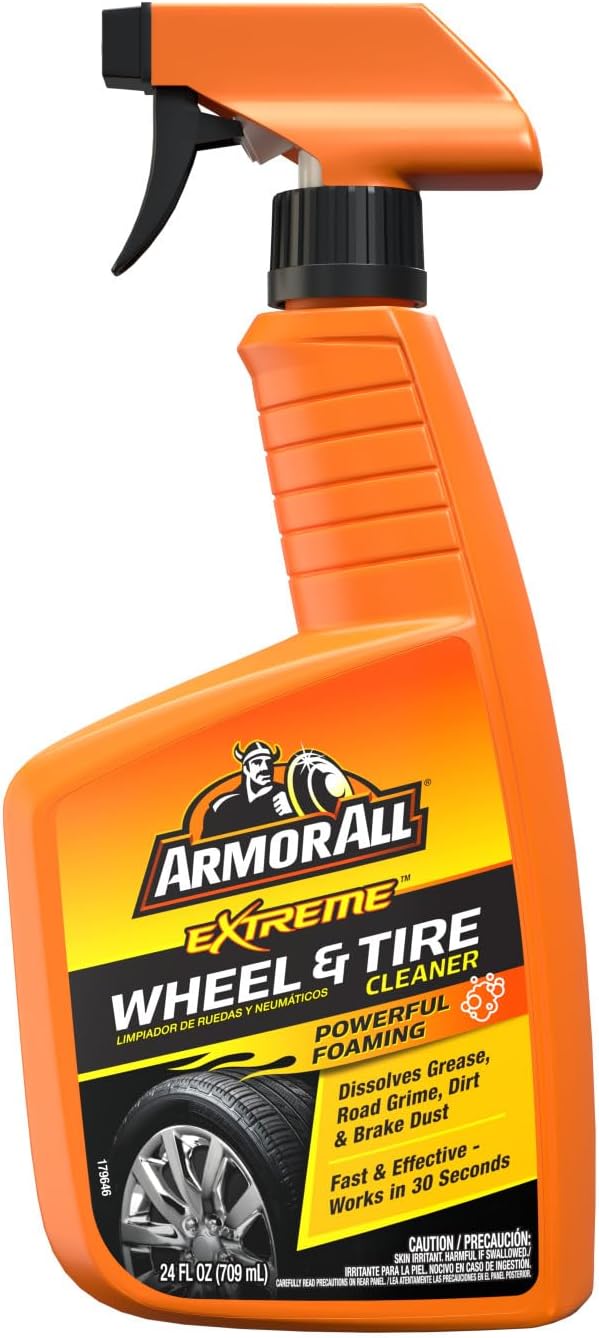
Armor All Extreme Wheel and Tire Cleaner is a powerful spray designed to cut through stubborn dirt, grease, tar, and brake dust on wheels and tires. It is safe for use on factory and aftermarket finishes, including alloy, steel, chrome, and plastic wheel trims, while its fast-acting formula works in just seconds. The deep-cleansing action helps reach hard-to-clean areas and leaves wheels looking clean and shiny.
Fluid Checks for Smooth Engine Performance
Check fluid levels on level ground and follow the procedure in your owner’s manual. Look for wet areas, stains, warning lights, unusual smells, or fluid collecting under the vehicle.
- Engine oil: Use only the viscosity and specification approved for your exact engine and expected temperature range. Do not switch to a generic winter oil unless Hyundai lists it.
- Windshield washer fluid: Fill the reservoir with winter-rated fluid that will not freeze in your climate.
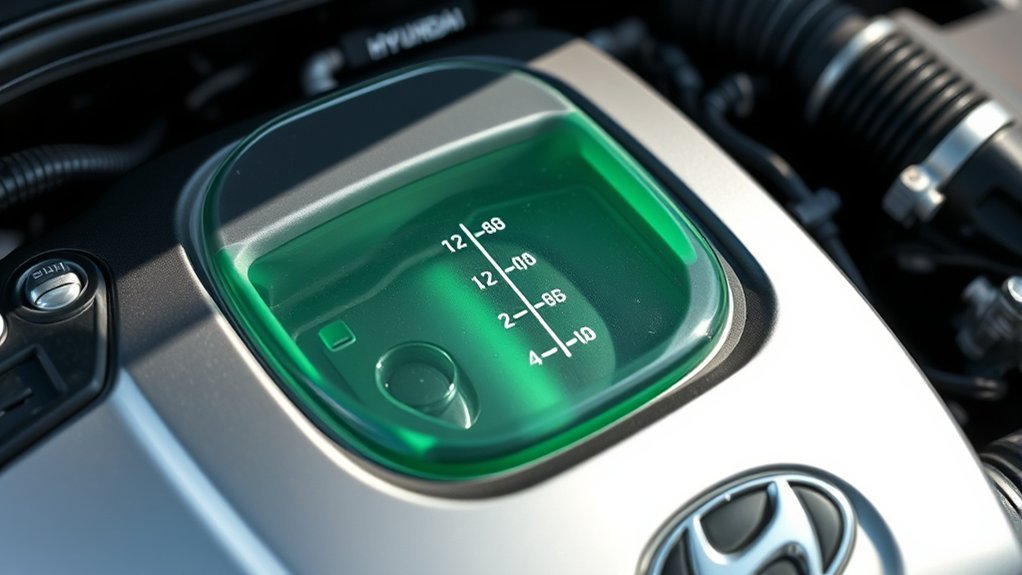
- Engine coolant: Confirm that the level, type, condition, and freeze protection meet Hyundai’s requirements.
- Brake fluid: Have low fluid, leaks, warning lights, a soft pedal, or weak braking inspected promptly.
- Transmission or hybrid-system fluids: Follow the inspection and service schedule for the exact powertrain. Do not add an unspecified universal fluid.
If a warning light appears, the fluid level keeps falling, or you see an active leak, repair the cause instead of repeatedly topping off the reservoir.
How to Check and Maintain Your Coolant System
The cooling system protects the engine from freezing and overheating. Correct coolant chemistry also helps protect metal parts, seals, the water pump, radiator, heater core, and hoses.
Warning: Let the engine cool completely before inspecting the cooling system. Never remove a hot radiator cap, pressure cap, or pressurized reservoir cap. Hot coolant can spray out and cause severe burns.
Coolant Level Check
- Park on level ground and allow the engine to become completely cold.
- Locate the correct coolant reservoir using the owner’s manual.
- Check whether the coolant sits between the marked minimum and maximum lines.
- Inspect the fluid for oil, rust, sediment, cloudiness, or unusual discoloration.
- If coolant is needed, use the exact Hyundai-approved type and concentration for the model year and powertrain.
Do not assume every Sonata needs a homemade 50/50 mixture. Some coolants are already pre-mixed, and adding water changes their freeze, boil, and corrosion protection. A technician can test the coolant’s concentration and freezing point with the correct tool.
Leak Inspection Tips
With the engine cold, inspect visible hoses, connections, the reservoir, radiator area, and the ground under the vehicle. Look for cracks, swelling, crusty deposits, damp connections, colored residue, puddles, or a sweet smell.
A falling coolant level, cabin heat that stops working, steam, overheating, or a temperature warning requires prompt diagnosis. A technician may use a cooling-system pressure test to locate a leak that is not visible during a basic inspection.
Check Brakes, Lights, Heater, and Defrosters
Winter preparation involves more than tires and fluids. Test the systems that help you stop, see, and stay warm.
- Brakes: Have grinding, squealing, vibration, pulling, a soft pedal, a warning light, or reduced stopping power inspected before winter.
- Parking brake: Confirm that it applies and releases correctly. Have a sticking mechanism inspected before freezing weather.
- Heater: Confirm that the cabin heats normally and airflow changes between the floor, dashboard vents, and windshield.
- Front defroster: Check that it directs warm, dry air across the windshield.
- Rear defogger: Confirm that the grid clears condensation. Avoid scraping across the heating lines.
- Exterior lights: Replace failed bulbs or repair LED assemblies and electrical faults.
Remove loose objects from the driver’s footwell. If you install winter floor mats, use the correct size and secure them with the factory retention points so they cannot interfere with the accelerator or brake pedal.
Clear Snow and Ice Before Driving
- Start the climate-control system and select the windshield defroster.
- Clear the exhaust outlet before running the engine if snow has accumulated around the rear of the car.
- Brush loose snow from the roof, hood, trunk, glass, mirrors, lights, cameras, and sensors.
- Use an ice scraper on the glass after the defroster begins loosening the ice.
- Free frozen wiper blades only after the ice has softened.
- Remove snow packed around the wheels and wheel wells.
Do not drive while looking through a small opening in an otherwise frozen windshield. You need a clear view through the windshield and side windows, plus unobstructed mirrors and functioning lights.
Why You Need a Winter Emergency Kit in Your Hyundai
A breakdown, road closure, crash, or sudden storm can leave you waiting in dangerous temperatures. Pack supplies before winter and check them throughout the season.
- Ice scraper, snow brush, and compact shovel
- Jumper cables or a fully charged jump pack
- Flashlight with spare batteries
- Reflective vest, warning triangles, or emergency markers
- First-aid kit and necessary medicine
- Warm blankets, gloves, hats, socks, and dry clothing
- Phone charging cable and charged power bank
- Water and non-perishable food
- Sand or another suitable traction material
- Basic tool kit and tire-inflation equipment
- Paper map and emergency contact information
- Supplies required by children, older adults, disabled passengers, or pets
The NHTSA winter-driving checklist and the National Weather Service winter-preparation guide provide additional emergency-supply recommendations.
[Products Worth Considering]

This extendable snow brush and ice scraper helps clear windshields, roofs, and windows quickly in harsh winter conditions. Its 360° pivoting brush head, wide ice scraper blade, and comfortable foam grip make snow removal easier, while the detachable design stores compactly in your vehicle.
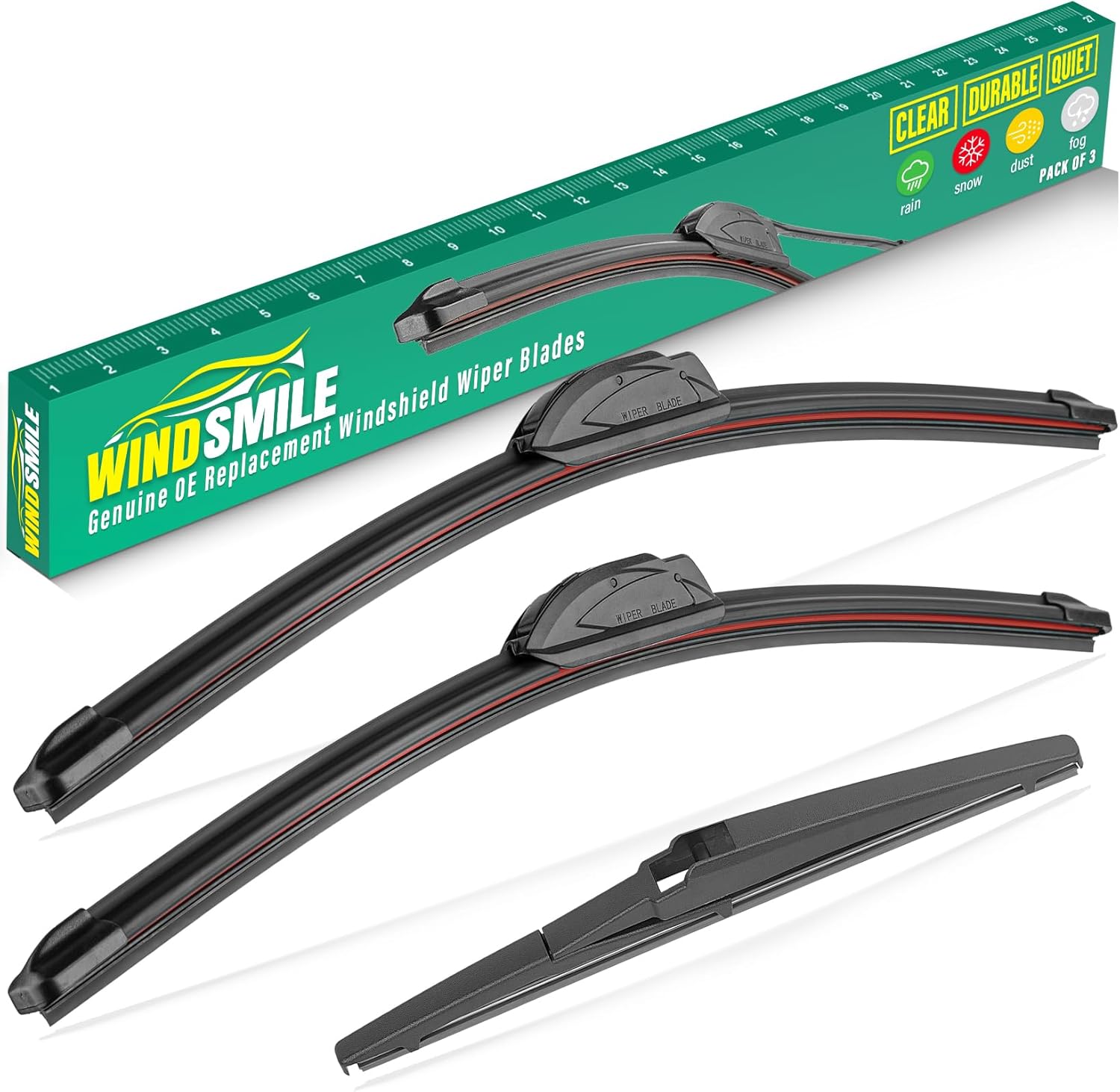
This replacement windshield wiper blade set is designed for Toyota RAV4 models from 2006 to 2012, offering a complete front and rear fit for dependable all-weather visibility. The premium rubber blades help deliver streak-free, quiet wiping while the aerodynamic design reduces wind lift and noise for smoother performance. Built for easy installation and long service life, it is a convenient upgrade for restoring clear driving vision.
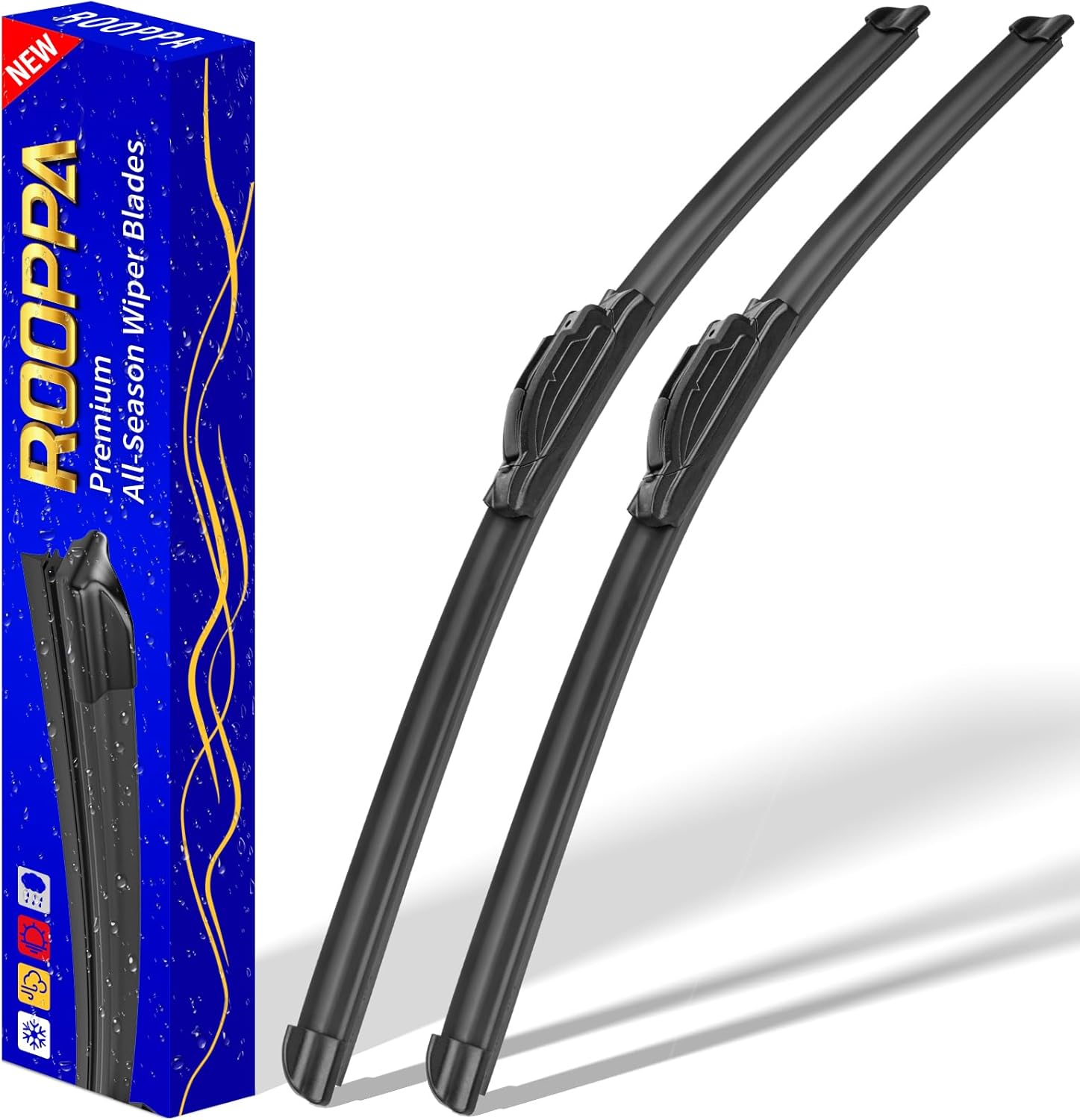
These front windshield wiper blades are designed as a direct replacement for compatible Hyundai models, helping restore clear visibility in rain and road grime. The hard-molded frame and stronger spring support smooth, reliable wiping performance, while the easy plug-and-play installation makes replacement simple. Included as a two-piece set, they are built for dependable everyday use with a one-year warranty for added confidence.
Plan Your Trip Before Leaving
Check the weather forecast, road conditions, closures, and traction-device requirements before you leave. Keep the fuel tank near full when practical, charge your phone, tell someone your route, and allow extra time. Delay non-essential travel if the roads are unsafe.
Before a longer trip:
- Confirm that your emergency kit is complete.
- Download or carry directions in case mobile service fails.
- Share your route and expected arrival time.
- Check the tire pressure and washer-fluid level.
- Clear any open safety recalls using your VIN.
- Carry suitable clothing for conditions outside the car.
You can use the NHTSA recall lookup to check whether your Sonata has an unrepaired safety recall.
Drive Smoothly on Snow and Ice
- Reduce speed before reaching curves, hills, bridges, shaded areas, or snow-covered sections.
- Leave much more following distance than you would on a dry road.
- Accelerate, steer, and brake gradually.
- Avoid cruise control on slippery surfaces.
- Do not make abrupt lane changes.
- Stay well behind snowplows and avoid driving beside them.
- Use low-beam headlights when visibility is poor.
- Do not assume all-wheel drive will reduce your stopping distance.
If your Sonata has an antilock braking system, apply firm, continuous pressure during an emergency stop. Do not pump the brake pedal. Pulsing or vibration may be the ABS working normally.
What to Do If Your Sonata Gets Stuck or Stalls
If you become stranded during severe winter weather, staying with the vehicle is often safer than walking away, especially when visibility is poor.
- Move out of active traffic if you can do so safely.
- Turn on the hazard lights and make the vehicle visible with warning markers.
- Call emergency services or roadside assistance and share your location.
- Clear snow from the exhaust outlet before running the engine.
- Run the engine only as needed for warmth rather than continuously.
- Open a window slightly when appropriate and watch for headache, dizziness, nausea, weakness, or confusion.
- Use blankets and extra clothing to conserve heat.
- Avoid exhausting yourself by repeatedly pushing or digging in deep snow.
Warning: A blocked exhaust can allow carbon monoxide to enter the cabin. Carbon monoxide has no color or smell and can be fatal. Keep the exhaust outlet clear and never run the engine in an enclosed area.
Frequently Asked Questions
Is the Hyundai Sonata good in snow?
A well-maintained Sonata can handle light or moderate winter conditions, but its performance depends on the model year, drivetrain, tires, tread, ground clearance, road treatment, and your driving. A matching set of suitable winter tires can make a greater difference than drivetrain alone. Avoid snow deep enough to exceed the car’s clearance.
What should you do to prepare your vehicle for winter driving?
Check cold tire pressure, tread, tire condition, the battery, washer fluid, coolant, approved engine oil, wipers, brakes, lights, heater, and defrosters. Check for open recalls, pack an emergency kit, keep the fuel level up, and review your exact model-year owner’s manual before adding fluids or traction devices.
What are the 3 P’s of winter driving?
There is no single official Hyundai or NHTSA list called the 3 P’s. You can use “prepare, prevent, and protect” as a memory aid: prepare the vehicle, prevent loss of control through slower and smoother driving, and protect everyone with seat belts, warm supplies, and a travel plan.
What is the 7’7 rule for winter tires?
There is no recognized federal rule requiring 7/32-inch winter-tire tread. NHTSA advises replacing passenger tires when tread reaches 2/32 inch, but useful winter traction can decline before that point. Inspect the tires regularly and follow the tire manufacturer’s guidance, your owner’s manual, and local law.
Should you warm up a Hyundai Sonata before driving in winter?
Start the vehicle, allow the glass to clear, and then drive gently until the engine and drivetrain warm up. Avoid long unattended idling. Follow any model-specific instructions for your gasoline or hybrid Sonata.
How do you check a Hyundai Sonata for recalls?
Enter the 17-character VIN into the NHTSA or Hyundai recall lookup. The VIN is commonly visible through the lower driver-side windshield, on the driver-side doorjamb, or on registration and insurance documents. Contact an authorized dealer if an unrepaired recall appears.
Conclusion
A safe Hyundai Sonata winter-preparation plan starts with the correct information for your exact vehicle. Check the tires, battery, wipers, lights, brakes, heater, defrosters, coolant, approved oil, and emergency supplies before freezing weather arrives. Repair warning signs early, clear the entire car before driving, and adjust your speed and following distance to match the road.
Even a well-maintained Sonata cannot make an icy road safe. Check the forecast, delay non-essential travel during severe conditions, and keep your winter emergency kit in the car throughout the season.
Sources
- National Highway Traffic Safety Administration: Winter Weather Driving Tips – tire pressure, batteries, wipers, coolant, emergency supplies, ABS use, recalls, and stranded-driver safety.
- National Highway Traffic Safety Administration: TireWise – tire pressure, tread depth, tire age, sizing, and maintenance.
- Hyundai Manuals and Warranties – model-year, model, and trim-specific owner information.
- National Weather Service: Winter Storm Preparation – winter travel preparation and emergency-kit guidance.
- NHTSA Recall Lookup – VIN-based safety recall information.

[…] related seasonal upkeep, see how to prepare a Hyundai Sonata for winter driving. For broader ownership planning, see the Sonata long-term maintenance strategy […]
[…] Before storms, give your Hyundai Sonata’s wiper system a 5–10 minute pass/fail check: inspect the blade rubber, clean the windshield, test every available wiper speed on wet glass, confirm washer spray, and fix any streaking, chatter, hesitation, or missed areas before driving in bad weather. Clear visibility matters most when rain, road spray, snow, or sleet arrives suddenly. […]