
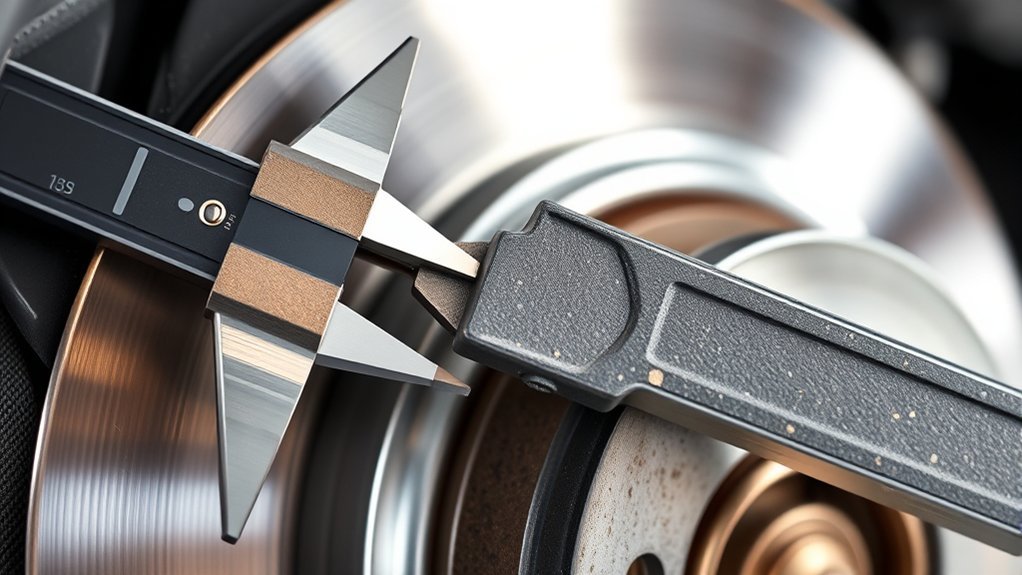
Checking your Hyundai Sonata’s brake pad thickness helps you spot worn pads before they turn into grinding, rotor damage, or weak stopping power. You can do a basic visual check through some wheels, but the most reliable DIY method is to lift the car safely, remove the wheel, and measure the inner and outer pad lining with a brake pad gauge, ruler, or caliper.
Quick Answer
Measure Hyundai Sonata brake pad thickness by safely supporting the car on jack stands, removing the wheel, and measuring only the friction material on both the inner and outer pads. Plan service around 4 mm, replace at about 3 mm, and do not delay if a pad is near 2 mm or grinding.
Key Takeaways
- Measure the brake lining, not the metal backing plate.
- Check both pads on each rotor because the inner pad can wear faster than the outer pad.
- Use the owner’s manual or service data for the exact limit for your Sonata year and trim.
- Grinding, fluid leaks, severe rotor grooves, or a brake warning light means the car needs professional inspection before normal driving.
At a Glance
| Time Required | 20 to 45 minutes for a careful visual check on one axle |
| Difficulty | Beginner to moderate, as long as you can lift and support the vehicle safely |
| Tools Needed | Owner’s manual, wheel chocks, jack, jack stands, lug wrench, flashlight, brake pad gauge or ruler, caliper, gloves, safety glasses, torque wrench |
| Cost | Usually $0 to $25 if you already own safe lifting tools; more if you need a torque wrench, jack stands, or a brake pad gauge |
How to Safely Access and Inspect Your Brake Pads
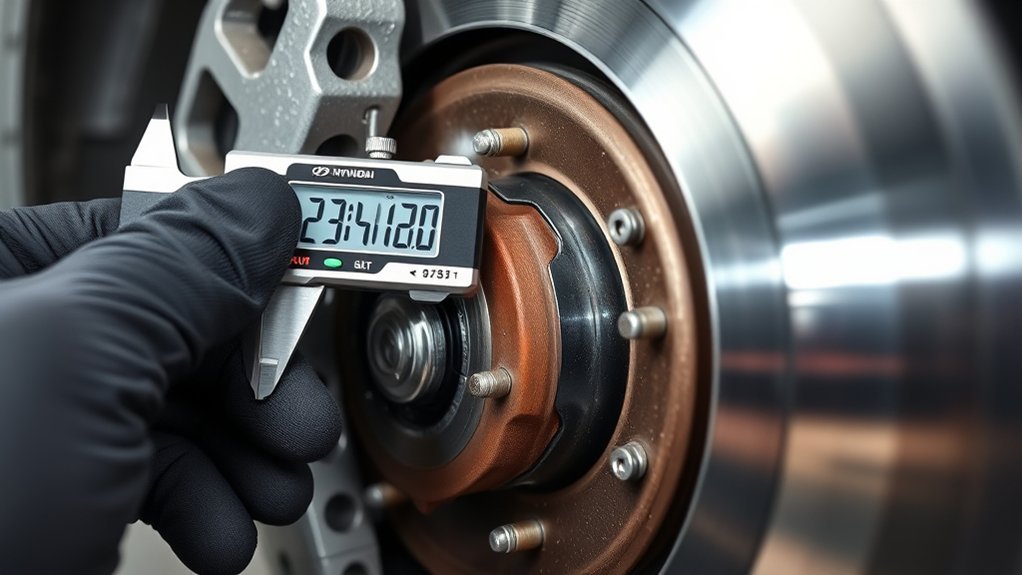
Start with safety, not the measurement. Park your Sonata on a flat, solid surface, shift to Park, set the parking brake when appropriate, and chock the wheels that will stay on the ground. Loosen the lug nuts slightly before lifting the car. Then lift only at the jacking point listed in your Hyundai owner’s manual and support the vehicle with jack stands before removing the wheel.
Warning: Never put any part of your body under a vehicle supported only by a jack. A jack is for lifting. Jack stands are for support. If you are not fully comfortable lifting the car, have a qualified technician inspect the brakes.
Once the wheel is off, look at the brake caliper, rotor, and pads. The brake pad has two main parts: the dark friction material that touches the rotor and the metal backing plate behind it. When measuring pad thickness, measure only the friction material. Do not include the backing plate.
Use a flashlight and look through the caliper window. You should see an outer pad and an inner pad on each side of the rotor. The inner pad can be harder to see, but it matters just as much because caliper slide problems can make it wear faster.
[Products Worth Considering]

This brake caliper compression tool helps make disc brake pad replacement and caliper servicing faster, safer, and more controlled. Its universal ratcheting design supports multi-angle operation in tight wheel spaces, while the sturdy steel build and widened contact plate help reduce slipping and uneven force during maintenance. Two caliper hooks are included to simplify solo brake work and keep components organized.

This brake caliper compression tool makes brake pad replacement faster by retracting single, dual, or quad pistons with minimal effort. Built for compatibility across many cars, trucks, ATVs, UTVs, and SUVs, it delivers strong pressing power for efficient maintenance. The durable aluminum alloy and steel construction, along with organized EPE foam storage, help keep it protected and ready for repeated use.

This brake caliper hanger set helps hold calipers securely during brake pad changes and other suspension or axle work, making brake service safer and more convenient. Built from durable steel with rust-resistant coating, it features rubber tips to help prevent scratches and protect brake hoses and surrounding components. Brightly colored and easy to spot, it is a practical mechanic tool for keeping calipers supported while you work.
Measuring Brake Pad Thickness: A Step-by-Step Guide
For the most accurate reading, use a brake pad gauge or a small ruler. A digital caliper can also work if you can reach the pad lining without disturbing the caliper. Many new pads are roughly 10 to 12 mm thick, but the exact new thickness depends on the pad design and axle position.
- Locate the friction material. Find the dark pad material between the rotor and metal backing plate.
- Measure the outer pad. Place the gauge or ruler against the friction material and read the remaining thickness in millimeters.
- Measure the inner pad. Use a flashlight and mirror if needed. Do not assume it matches the outer pad.
- Compare both sides of the axle. Check the left and right wheels on the same axle. Uneven side-to-side wear can point to sticking slide pins, a caliper issue, or a hose problem.
- Write down the readings. Record front left, front right, rear left, and rear right if you inspect all four wheels.
Pro Tip: If the wheel design gives you a clear view of the pads, you can do a quick preview without removing the wheel. Still, a wheel-off inspection is better because you can see the inner pad, rotor face, caliper area, and brake hose more clearly.
What Brake Pad Thickness Is Safe on a Hyundai Sonata?
Use your Sonata’s exact service information as the final authority, because specs can vary by model year, brake package, and pad type. For a practical DIY inspection, this guide works well:
| Measured Pad Lining | What It Usually Means | Recommended Action |
|---|---|---|
| 8 mm or more | Plenty of lining remains on most pads | Recheck at the next tire rotation or maintenance visit |
| 5 to 7 mm | Normal wear range | Monitor and compare inner vs outer pad wear |
| About 4 mm | Service planning range | Start planning replacement, especially before a long trip |
| About 3 mm | Replacement range for many daily drivers | Schedule brake pad replacement soon |
| 2 mm or less | Urgent wear level | Do not delay repair; avoid normal driving if noise, grinding, or weak braking is present |
Also compare the pads on the same axle. If one pad is much thinner than the other, the problem may not be normal wear. Sticking caliper slide pins, a seized caliper piston, hardware binding, or rust buildup can cause uneven wear and should be inspected before simply installing new pads.
[Products Worth Considering]

Bendix Premium Ceramic Front Brake Pads are engineered to match original equipment fit, form, and function for a straightforward replacement. Built with durable materials to help resist wear and corrosion, they support consistent braking performance and reduced brake fade for everyday driving. These pads are a dependable choice for compatible Pontiac, Scion, Toyota, and related vehicles.
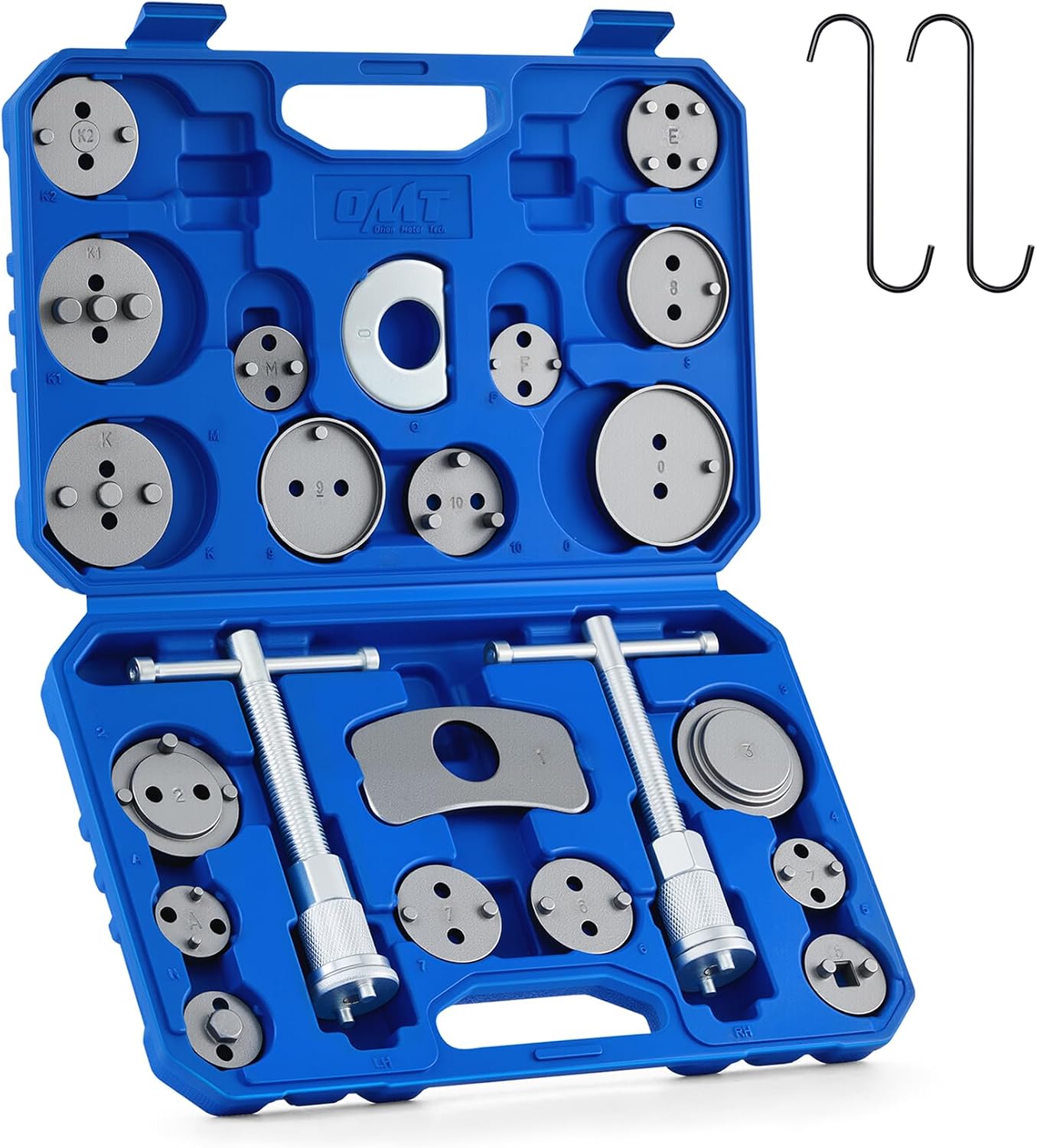
This 24-piece brake caliper compression tool set helps you quickly and safely rotate pistons back into the caliper during brake pad service. It includes multiple adapters, retaining plates, thrust bolt assemblies, and hangers for broad vehicle compatibility, while the heavy-duty steel construction and organized storage case make it ideal for reliable shop or home repairs.

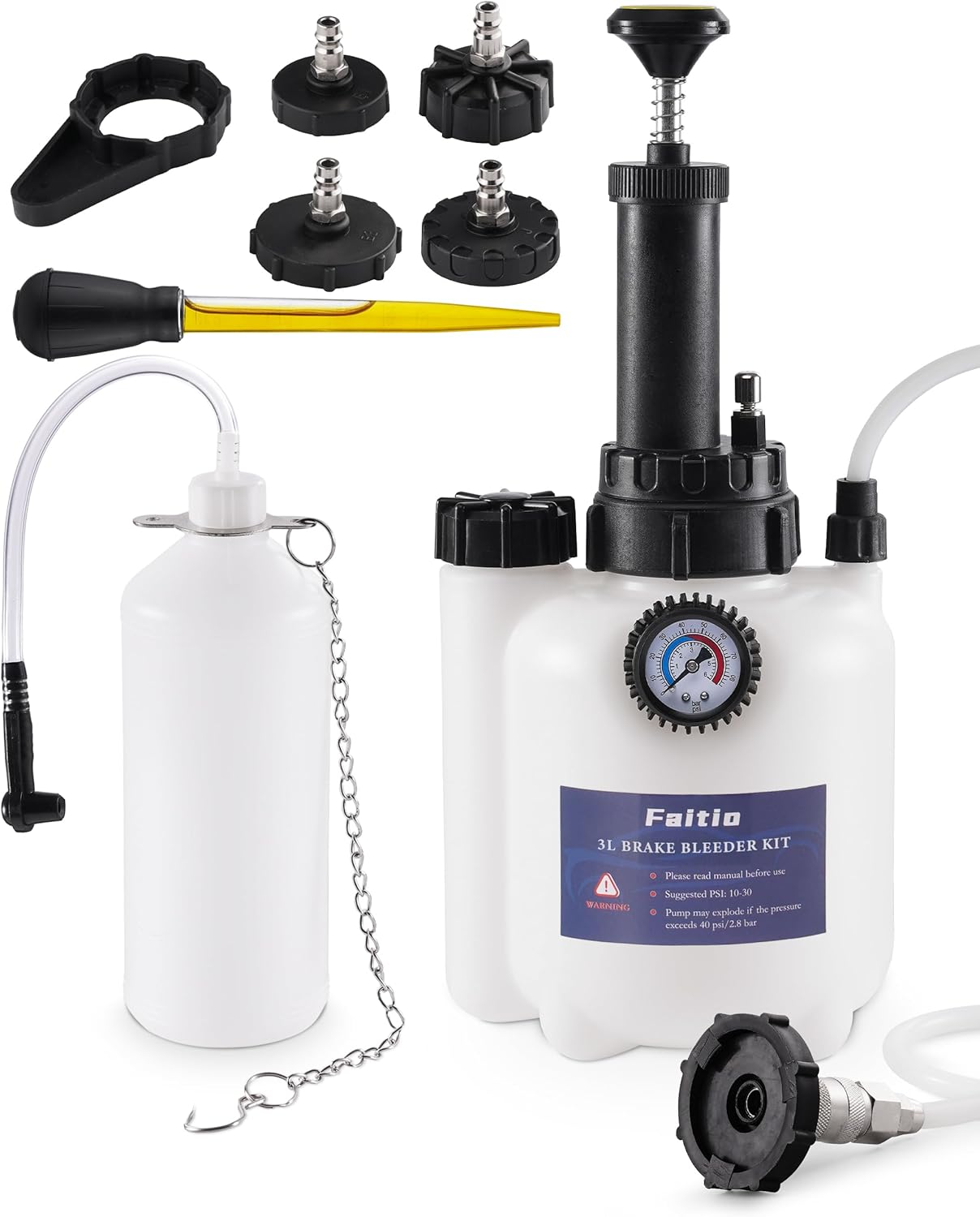
This brake bleeder bottle is designed to make fluid bleeding easier for one-person use with a built-in check valve and magnetic mount. The flexible hose fits most bleeder valves and helps reduce the chance of air entering the system during service. With a practical fluid capacity and universal fit, it is a handy tool for brake maintenance and repair.
Signs That Your Brake Pads Need Replacement
Pad thickness is the best clue, but your Sonata may also give you warning signs while driving. Listen for squealing, scraping, grinding, or a metallic chirp. Many pads use a wear indicator that makes noise when the lining gets low. Some pads use a groove in the friction material, while other systems may use an electronic sensor or dashboard message.
Watch for these symptoms:
- Squealing or chirping: Often caused by a wear tab, pad vibration, dust, or glazed pads.
- Grinding: A serious warning that the pad may be worn to the backing plate or the rotor is being damaged.
- Longer stopping distance: Can point to worn pads, overheated brakes, contaminated fluid, tires, or another brake issue.
- Brake pedal pulsation: Often linked to rotor thickness variation or rotor surface problems.
- Vehicle pulling during braking: Can mean uneven pad wear, caliper trouble, tire issues, or suspension problems.
- Brake warning light: Do not assume this is only pad wear. It can also involve low fluid, parking brake status, ABS faults, or other system problems.
Note: If a brake warning light appears, the pedal feels soft, or fluid is leaking near a wheel, stop normal driving and have the brake system inspected. Brake pads are only one part of the stopping system.
[Products Worth Considering]

Bosch QuietCast premium ceramic rear brake pads are engineered for quiet, reliable stopping power with low dust performance. Featuring pre-attached multilayer shims, corrosion-resistant backing plates, and OE-style slots and chamfers, this set is designed for smooth fitment and long-lasting durability. It includes pads for one axle, plus hardware and lubricant where available, making installation easier for compatible Lexus, Pontiac, and Toyota vehicles.

TOVASTY rear brake pads are designed for a wide range of Toyota and Lexus models, delivering dependable braking performance with a carbon ceramic formula. They help reduce brake dust, promote quieter operation, and support consistent stopping power with improved heat resistance for everyday driving confidence.
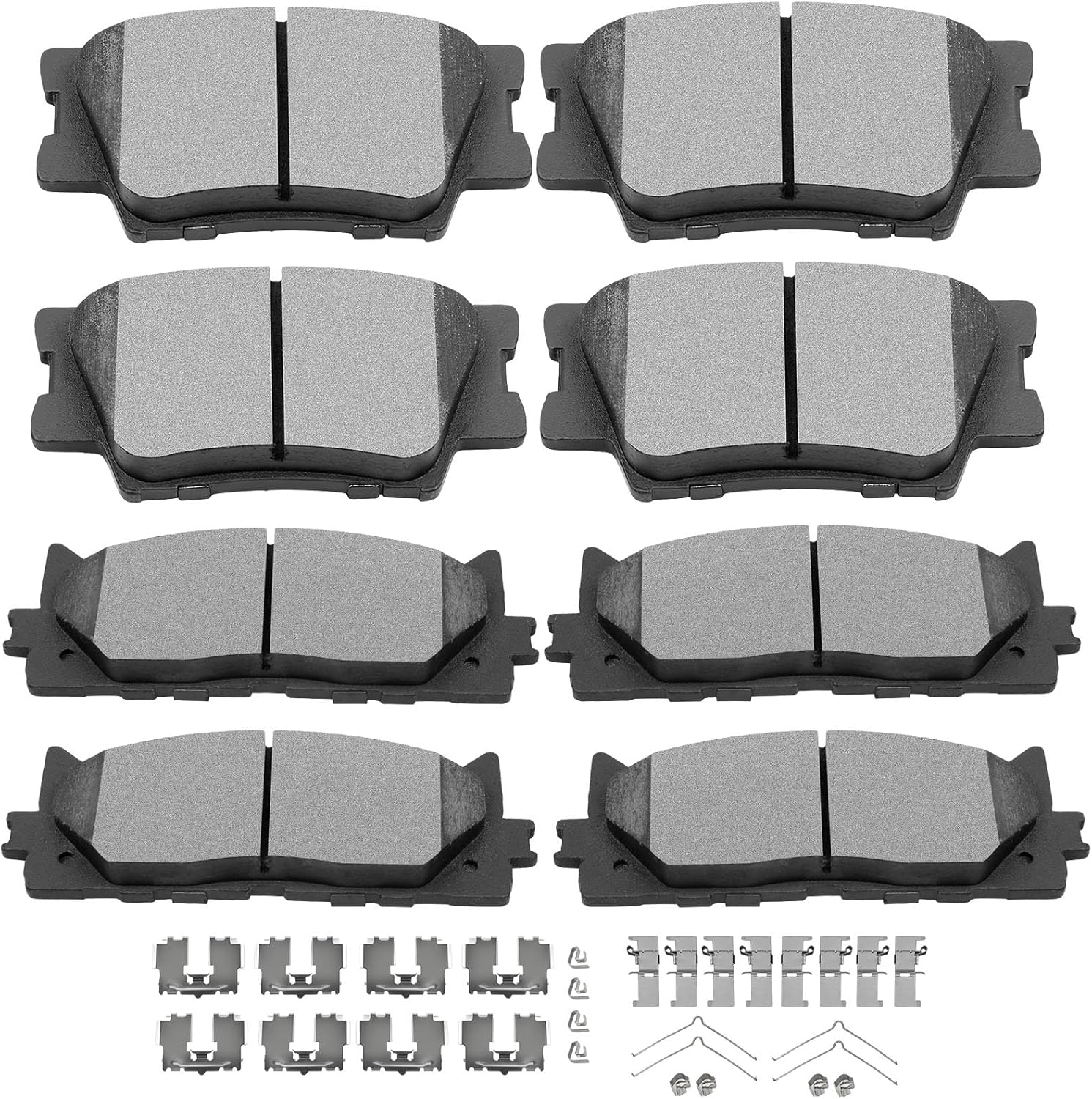
This ceramic front and rear brake pad set is designed as a direct replacement for select Lexus and Toyota models, helping restore reliable stopping performance. The pads feature a scorch-treated friction surface for quicker break-in and consistent wear, while the included gasket design helps reduce vibration and noise for quieter braking. Built for easy installation, this kit comes ready to fit compatible vehicles without modification.
Why You Should Care About Brake Pad Thickness
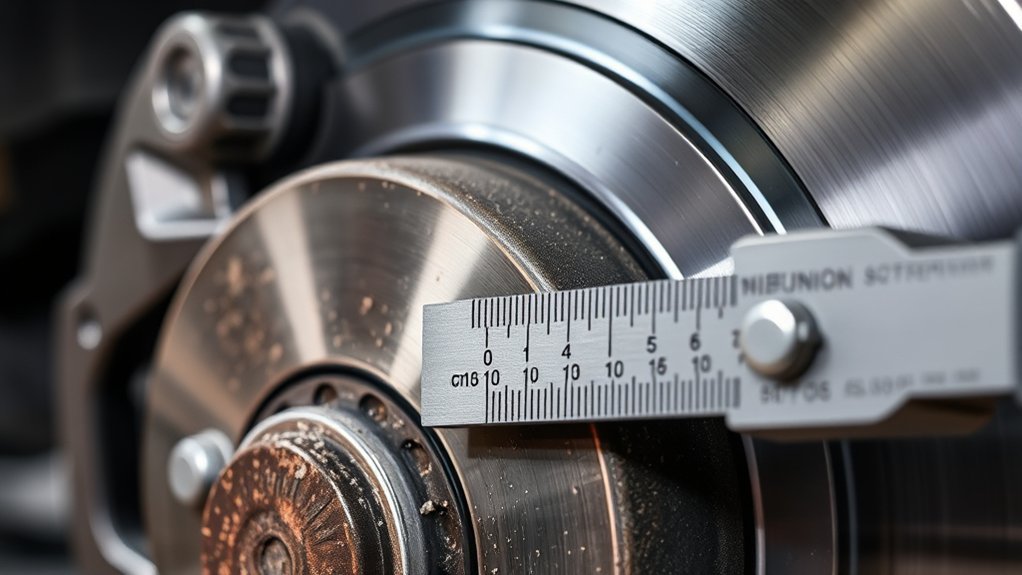
Brake pads convert the vehicle’s motion into heat by pressing friction material against the brake rotor. As the lining wears down, there is less material left to handle heat and repeated stops. Waiting too long can lead to grinding, rotor scoring, overheated brakes, and a more expensive repair.
A low pad reading is not just a number. It is a warning that the rotor, caliper, brake fluid, and tires all need a closer look before the car is trusted for daily driving.
Regular brake checks are especially useful before long highway trips, mountain driving, towing small loads within the vehicle’s rated limits, or stop-and-go commuting. If you drive in heavy traffic, rain, road salt, or hilly areas, inspect the pads more often because wear can speed up.
Inspecting Your Hyundai Sonata’s Brake Rotors
After checking pad thickness, inspect the rotor surface. A healthy rotor should look smooth enough for the pads to contact it evenly. Light surface rust after rain can be normal and may clear after a few stops, but deep grooves, heavy rust scale, cracks, blue heat spots, or a sharp outer lip can point to a rotor that needs service or replacement.
Rotor Condition Assessment
Run your eyes over both rotor faces. If safe access allows, look at the inner rotor face too, since the inside can rust or groove before the outside looks bad. Do not rely only on the visible outer face.
Rotors also have a minimum safe thickness. Some rotors have a “MIN TH” marking stamped or cast into the rotor hat or edge, but it may be hard to see when dirty or rusty. A technician can measure rotor thickness with a micrometer and compare it with the service spec. If a rotor is below minimum thickness, it should be replaced rather than resurfaced.
Signs of Wear
Look for these rotor problems during your brake pad inspection:
- Deep grooves: Often caused by worn pads or debris between the pad and rotor.
- Heavy rust scale: Can reduce pad contact and cause noise or vibration.
- Blue or dark heat marks: May point to overheated brakes or a dragging caliper.
- Cracks: Replace the rotor and inspect the full brake system.
- Strong pedal pulsation: Have rotor thickness variation and runout checked.
If the rotors are damaged, do not install new pads and ignore the rotor condition. New pads need a clean, safe rotor surface to bed in correctly and stop smoothly.
The Role of Quality Brake Pads in Performance
Quality brake pads affect pedal feel, noise, dust, heat control, rotor wear, and stopping consistency. Cheap pads may fit the caliper but still perform poorly if the friction material is not suited to the Sonata’s weight, driving style, or rotor material.
For most daily-driven Hyundai Sonata models, use pads that match the vehicle’s intended street use. OEM or high-quality aftermarket ceramic and semi-metallic pads can both work, but the right choice depends on your priorities. Ceramic pads are often quieter and cleaner. Semi-metallic pads may handle heat well but can create more dust and noise. Avoid unknown pad sets with vague specs, especially for a safety-critical system.
Replace pads in axle sets, not one wheel at a time. If you replace the front left pads, replace the front right pads too. Mixing old and new pads on the same axle can cause uneven braking and pulling.
When to Change Your Brake Fluid for Optimal Performance
Brake fluid transfers pedal force through the hydraulic system. Over time, fluid can absorb moisture, become contaminated, or lose performance under heat. Instead of using one universal interval for every Sonata, check your owner’s manual for the correct fluid type and replacement schedule for your model year.
The brake-fluid reservoir cap or manual will list the required DOT fluid type. Federal brake-fluid standards such as 49 CFR 571.116 define performance requirements for DOT brake fluids, including boiling-point requirements. Use only the fluid type specified for your car.
Signs of Deteriorated Fluid
Check the brake-fluid reservoir while the vehicle is parked level. The fluid should stay between the minimum and maximum marks. Low fluid can happen as pads wear, but it can also signal a leak. Do not ignore it.
Have the brake fluid inspected or replaced if you notice:
- Fluid below the minimum mark
- Dark, dirty, or cloudy fluid
- A burnt smell
- A soft or sinking brake pedal
- Brake hydraulic repairs were recently performed
- Moisture test results are high
Recommended Change Intervals
Use the Hyundai schedule for your Sonata year as the main rule. Severe driving, humid climates, brake repairs, or repeated hard braking may require more frequent service. If the owner’s manual and a shop recommendation disagree, ask the shop to show the moisture reading, fluid condition, or service bulletin behind the recommendation.
| Check | What to Do |
|---|---|
| Every routine service | Look at fluid level and color |
| At the manual’s brake-fluid interval | Replace the fluid with the specified DOT type |
| After hydraulic brake repairs | Bleed or flush as required by the repair |
| If moisture or contamination is found | Service the fluid and inspect the brake system |
Effects on Braking Performance
Old or contaminated brake fluid can lower boiling resistance, corrode internal parts, and make the pedal feel inconsistent. If the pedal feels spongy, sinks slowly, or requires extra effort, do not treat pad thickness as the only issue. The hydraulic system needs diagnosis.
Tips for Maintaining Your Hyundai Sonata’s Braking System
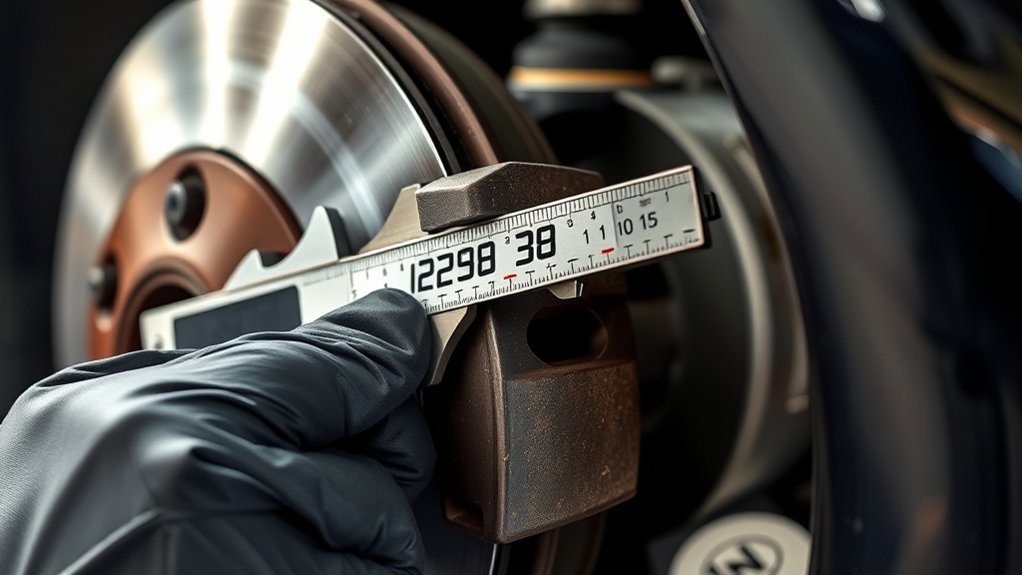
Brake maintenance works best when you check the whole system instead of only one part. Use this simple routine:
- Check pad thickness at tire rotations. Measure inner and outer pads when the wheels are off.
- Compare left and right sides. Uneven wear can point to a caliper, slide pin, or hose issue.
- Inspect rotors before installing pads. New pads on badly grooved rotors can be noisy and may wear quickly.
- Use correct brake fluid. Match the DOT type listed in your manual or on the reservoir cap.
- Check for recalls. Use the Hyundai safety recalls and service campaigns lookup or the NHTSA recall lookup with your VIN.
- Torque the wheels correctly. After reinstalling a wheel, hand-start the lug nuts, lower the car, and torque the lug nuts in a star pattern to the specification in your owner’s manual.
- Test before normal driving. Pump the brake pedal until it feels firm, then make a slow test stop in a safe area.
Note: If your Sonata has an electronic parking brake, do not retract rear caliper pistons or perform rear pad replacement without the correct service procedure. Some systems require a service mode or scan tool.
Frequently Asked Questions
How should the thickness of the brake pad be measured?
Measure only the friction material between the rotor and the metal backing plate. Use a brake pad gauge, small ruler, or caliper, and check both the inner and outer pads on the same rotor.
Can I check Hyundai Sonata brake pads without removing the wheel?
Sometimes. If your wheel design gives a clear view through the spokes, you may see the outer pad. A wheel-off inspection is better because the inner pad is harder to see and can wear faster.
At what thickness should Hyundai Sonata brake pads be replaced?
Use the service information for your exact Sonata year as the final rule. As practical guidance, start planning around 4 mm, schedule replacement around 3 mm, and treat 2 mm or less as urgent.
Do I need new rotors every time I replace brake pads?
No, not always. Rotors should be measured and inspected. Replace or resurface them if they are below minimum thickness, deeply grooved, cracked, heavily rusted, or causing pulsation.
Why is one brake pad thinner than the other?
A small difference can be normal, but a large difference may mean the caliper slide pins are sticking, the caliper piston is not moving correctly, hardware is binding, or rust is preventing smooth pad movement.
Conclusion
Measuring your Hyundai Sonata’s brake pad thickness is a smart safety habit when it is done carefully. Support the car correctly, measure the inner and outer pad lining, compare both sides, and inspect the rotors and fluid while you are there. If a pad is around 3 mm, plan replacement soon. If it is near 2 mm, grinding, leaking, or causing warning lights, get the brake system inspected before normal driving.
Sources
- Hyundai Manuals & Warranties Resources — supports checking the owner’s manual for model-year specific jacking points, service schedules, and specifications.
- Hyundai Safety Recalls and Service Campaigns — supports VIN-based recall and campaign checks for Hyundai vehicles.
- NHTSA Recalls — supports checking unrepaired recalls by VIN, license plate, year, make, and model.
- 49 CFR 571.116 Motor Vehicle Brake Fluids — supports DOT brake-fluid performance standards and brake-fluid safety context.

[…] Brake pads, caliper brackets, control arms, ball joints […]
[…] low brake-fluid level can indicate worn brake pads or a leak. Inspect the brake system instead of repeatedly topping it […]
[…] Cruise Control is driver assistance only. You must still steer, brake, watch traffic, and turn SCC off when conditions are […]