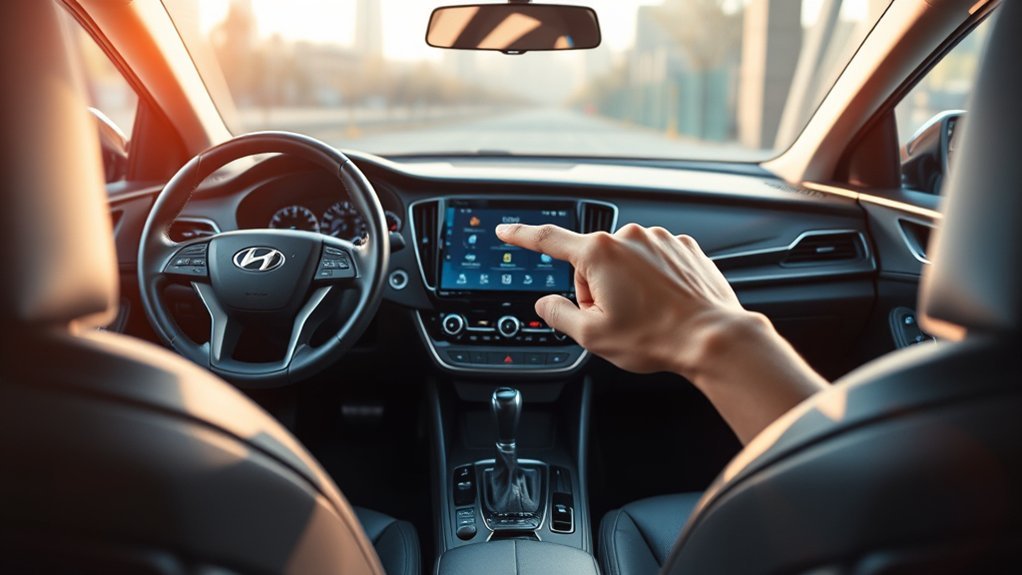
The Hyundai Sonata’s electronic parking brake (EPB) replaces the old hand lever or foot pedal with an electric switch, control logic, and brake actuators. Used correctly, it helps secure the car when parked, supports Auto Hold functions, and warns you when the system or brake warning light needs attention. This guide focuses on recent Sonata models with EPB; exact messages and behavior can vary by model year, so always compare the steps with your Hyundai owner’s manual.
Quick Answer
To use the Sonata electronic parking brake, press and hold the brake pedal, then pull up the EPB switch until the red Parking Brake warning light comes on. To release it, turn the vehicle to ON or START, keep your foot on the brake, press the EPB switch, and confirm the warning light goes off.
Key Takeaways
- Set the Sonata EPB only after the vehicle is fully stopped and your foot is on the brake pedal.
- The red Parking Brake light should come on when the EPB is applied and go off after a proper release.
- The yellow EPB warning light is different from the red Parking Brake light and may indicate an EPB system fault.
- Do not drive with the parking brake applied; it can overheat and damage brake pads, rotors, and related parts.
- If the warning light stays on, blinks, or appears while driving, stop safely and arrange Hyundai dealer diagnosis.
At a Glance
| Time Required | Less than 1 minute to apply or release; 5–10 minutes to verify warnings and check recall/service information |
| Difficulty | Easy for normal operation; dealer-level for diagnosis or repairs |
| Tools Needed | No tools for normal use; diagnostic scan tools for faults |
| Cost | $0 to operate; inspection or repair cost depends on warranty, model year, and the fault found |
Operate the Sonata Electronic Parking Brake
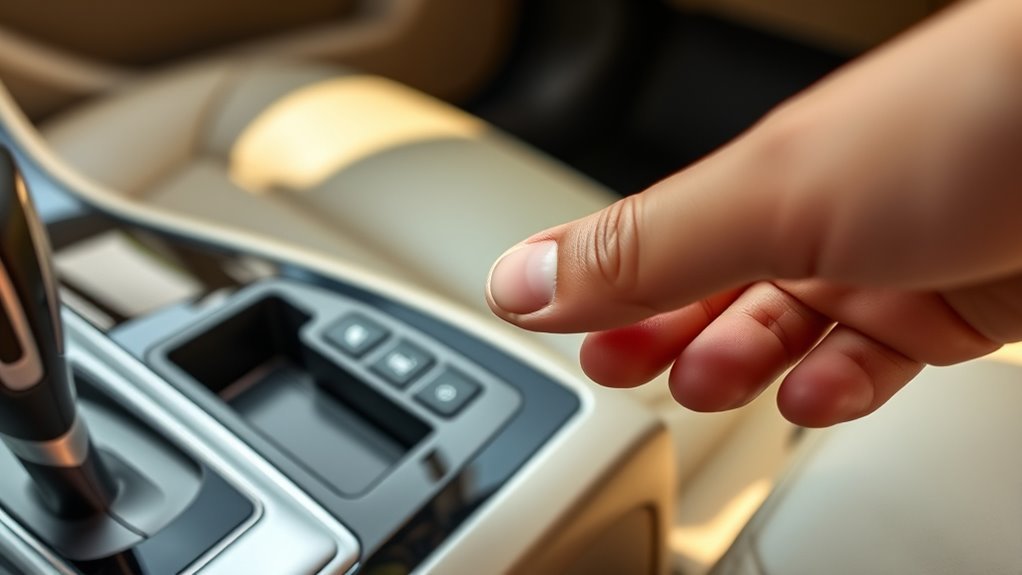
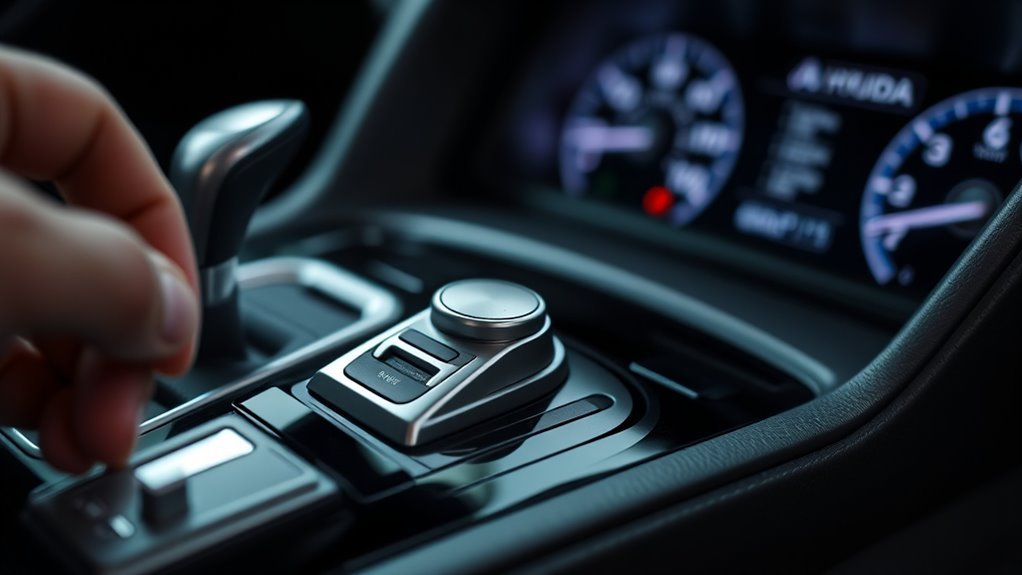
To apply the Sonata electronic parking brake, bring the vehicle to a complete stop, keep your foot firmly on the brake pedal, and pull up the EPB switch. The red Parking Brake warning light should illuminate to confirm the parking brake is applied. Do not use the switch casually while moving; Hyundai says EPB braking while driving is for emergency use only.
- Stop the vehicle completely.
- Keep the brake pedal depressed.
- Pull up the EPB switch.
- Confirm the Parking Brake warning light turns on.
- Shift to P (Park) before leaving the vehicle.
To release the EPB manually, press the Engine Start/Stop button to the ON or START position, keep your foot on the brake pedal, and press the EPB switch. The Parking Brake warning light should go off. If it does not, do not force the vehicle to move. Repeat the correct procedure once, check that the doors, hood, and trunk or tailgate are closed, and make sure the driver’s seat belt is fastened.
Warning: Do not drive with the Sonata EPB applied. Hyundai warns that driving with the parking brake on can overheat the braking system and cause premature wear or damage to brake parts.
When the Sonata EPB Engages Automatically and Safety Features
The Sonata EPB can apply automatically in specific situations, depending on model year, trim, market, and system settings. According to Hyundai’s EPB guidance, automatic application may happen when requested by another vehicle system, when the vehicle is turned off while Auto Hold is operating, or when the gear is shifted to P (Park). Avoid assuming the EPB will always set itself on every hill or every shutdown; verify the Parking Brake warning light before leaving the vehicle.
Auto Hold vs. EPB
Auto Hold and EPB are related, but they are not the same feature. Auto Hold helps keep the vehicle stopped at a light or in traffic after you press the brake pedal. The EPB is the parking brake used to secure the vehicle when parked. In some conditions, turning the vehicle off while Auto Hold is active can cause the EPB to apply automatically.
Automatic Release Conditions
The Sonata may release the EPB automatically when the vehicle is running, the brake pedal is depressed, and you shift out of P (Park) or N (Neutral) into R (Reverse) or D (Drive). For automatic release, make sure the driver’s seat belt is fastened and the doors, hood, and trunk or tailgate are closed. If the system displays a message such as “To release EPB, fasten seatbelt and close door,” fix that condition before trying again.
Note: The EPB switch needs electrical power. If the 12-volt battery is too weak or the EPB will not release normally, contact Hyundai roadside assistance or an authorized Hyundai dealer instead of trying to force the brakes free.
Sonata EPB Components and How They Work
Although the Sonata EPB looks simple from the cabin, it is an electromechanical brake system. When you pull or press the switch, the vehicle’s control modules interpret that request, check safety conditions, and command the parking brake actuators to apply or release the rear brakes. The exact hardware layout can vary by model year, but the basic system includes the switch, control logic, wiring, rear brake hardware, warning lights, and diagnostic monitoring.
| Component | What It Does | What You May Notice |
|---|---|---|
| EPB switch | Sends your apply or release command | Pull to apply; press to release |
| Control modules | Check vehicle status, warning lights, and release conditions | Messages about seat belt, door, hood, or trunk/tailgate status |
| Rear brake actuators | Apply or release parking brake force at the rear brakes | A normal clicking sound during operation |
| Warning lights | Confirm brake status or flag a fault | Red Parking Brake light or yellow EPB warning light |
A clicking sound when applying or releasing the EPB is normally not a problem. Hyundai identifies this as a normal sign that the EPB is operating. Burning smells, grinding noises, brake drag, repeated warning messages, or warning lights that stay on are not normal and should be inspected.
[Products Worth Considering]

The smosun Safehammer is a compact 2-in-1 emergency escape tool designed to help drivers break tempered side windows and cut seat belts quickly when every second counts. Its spring-loaded tungsten steel tip and hidden seat belt cutter make it a practical safety accessory for cars, while the anti-slip silicone grip and portable size improve handling and storage.

This Yuirote universal car motor diagnostic tool helps drivers quickly detect engine fault codes and identify system issues for routine inspections and maintenance. It also supports electronic parking brake reset and emergency release functions, making it useful for handling EPB-related problems without a repair shop visit. Its compact, ergonomic design and broad vehicle compatibility make it a practical choice for car owners and DIY repair enthusiasts.
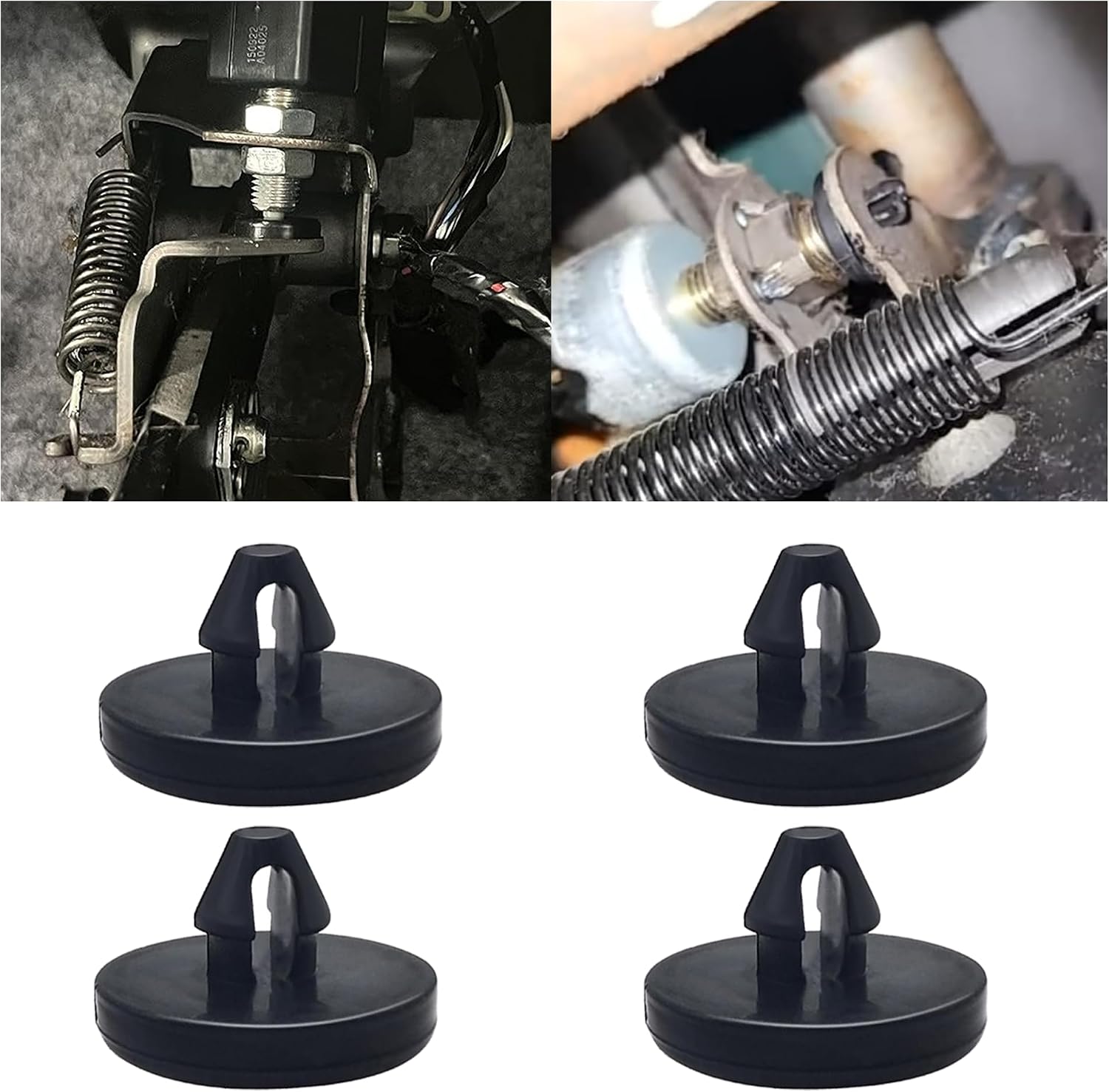
This brake pedal stop pad set is designed as an OEM replacement for compatible Toyota, Lexus, and Scion models, helping restore proper brake light switch function when the brake light stays on. Made from durable nylon, these compact stoppers are built for reliable long-term use and quick, tool-free installation. The set includes multiple pieces for convenient replacement and sharing.
Sonata EPB Warning Lights, Messages, and Quick Fixes
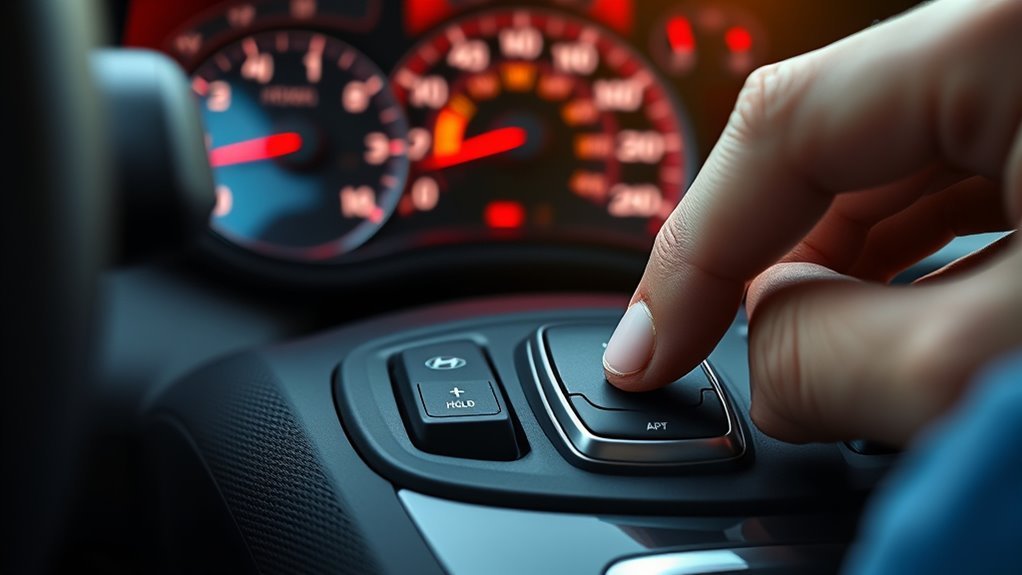
The Sonata uses more than one brake-related warning, so the first step is identifying what you see. The red Parking Brake warning light confirms the parking brake is applied, but if it remains on after release while the vehicle is running, there may be a brake-system issue. The yellow EPB warning light can indicate an electronic parking brake malfunction, especially if it stays on, comes on while driving, or fails to illuminate briefly during the normal bulb/system check.
[Products Worth Considering]

Bosch QuietCast premium ceramic rear brake pads are engineered for quiet, reliable stopping power with low dust performance. Featuring pre-attached multilayer shims, corrosion-resistant backing plates, and OE-style slots and chamfers, this set is designed for smooth fitment and long-lasting durability. It includes pads for one axle, plus hardware and lubricant where available, making installation easier for compatible Lexus, Pontiac, and Toyota vehicles.
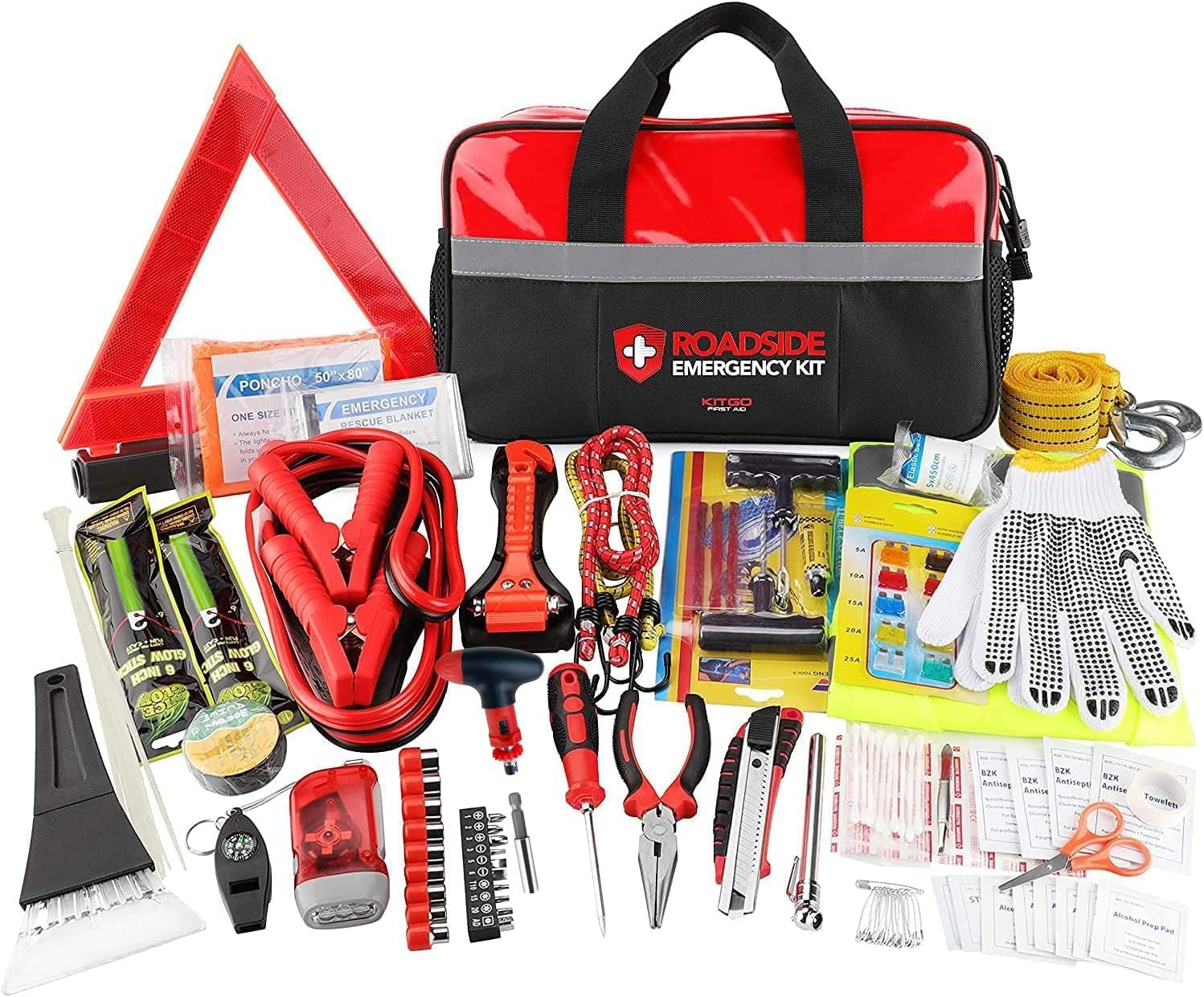
This all-in-one car emergency kit is designed to help drivers handle unexpected roadside problems with confidence. It includes essential tools and medical supplies such as jumper cables, a warning triangle, a flashlight, a shovel, and a screwdriver set, making it useful for cars, trucks, RVs, and outdoor travel. The compact, durable storage bag is easy to keep in a trunk or backseat for quick access when emergencies happen.

This brake switch stopper helps restore proper brake light operation by providing a precise pedal stopping point, reducing issues where brake lights stay on. Made from durable nylon, it is designed for easy installation and dependable fitment across many Toyota, Lexus, and Scion models. The multi-pack supply makes it convenient to replace worn stoppers and keep spares on hand for future maintenance.
Quick Troubleshooting Checklist
- Red Parking Brake light stays on: Stop safely, confirm the EPB is released, and do not continue driving if the brake system may be malfunctioning.
- Yellow EPB light stays on: The EPB may have a fault. Arrange an authorized Hyundai inspection.
- EPB will not release: Turn the vehicle to ON or START, press the brake pedal firmly, close all doors/hood/trunk or tailgate, fasten the seat belt, and press the EPB switch.
- Warning appears when trying to drive: Check the seat belt, driver door, hood, and trunk/tailgate status before pressing the accelerator or shifting.
- Clicking sound during EPB use: This is usually normal. Noise plus burning smell, brake drag, or heat is not normal.
- EPB warning appears with other stability-control warnings: Have the car scanned; Hyundai notes that some EPB warnings can appear alongside ESC-related warnings.
Pro Tip: Before assuming the EPB is broken, repeat the release procedure exactly once: vehicle ON or START, brake pedal depressed, seat belt fastened, doors/hood/trunk closed, then press the EPB switch. If the warning remains, stop troubleshooting and schedule service.
Emergency Braking With the EPB Switch
If the brake pedal has a problem while driving, Hyundai’s owner guidance says emergency braking may be possible by pulling up and holding the EPB switch. Braking continues only while the switch is held, and stopping distance may be longer than normal. This is an emergency-only action, not a routine slowing method.
Warning: Do not operate the EPB while the Sonata is moving unless it is an emergency. Improper use can damage the brake system and increase crash risk.
Buying and Owning a Sonata With an EPB: Maintenance and Service
Owning a Sonata with an electric parking brake does not mean you need to lubricate or adjust a handbrake cable at home. It does mean you should take warning lights seriously, keep the 12-volt battery healthy, service the brakes on schedule, and use Hyundai-approved diagnostic procedures when faults appear. EPB faults are usually not solved by guessing; the system stores diagnostic trouble codes that a qualified technician can read.
[Products Worth Considering]
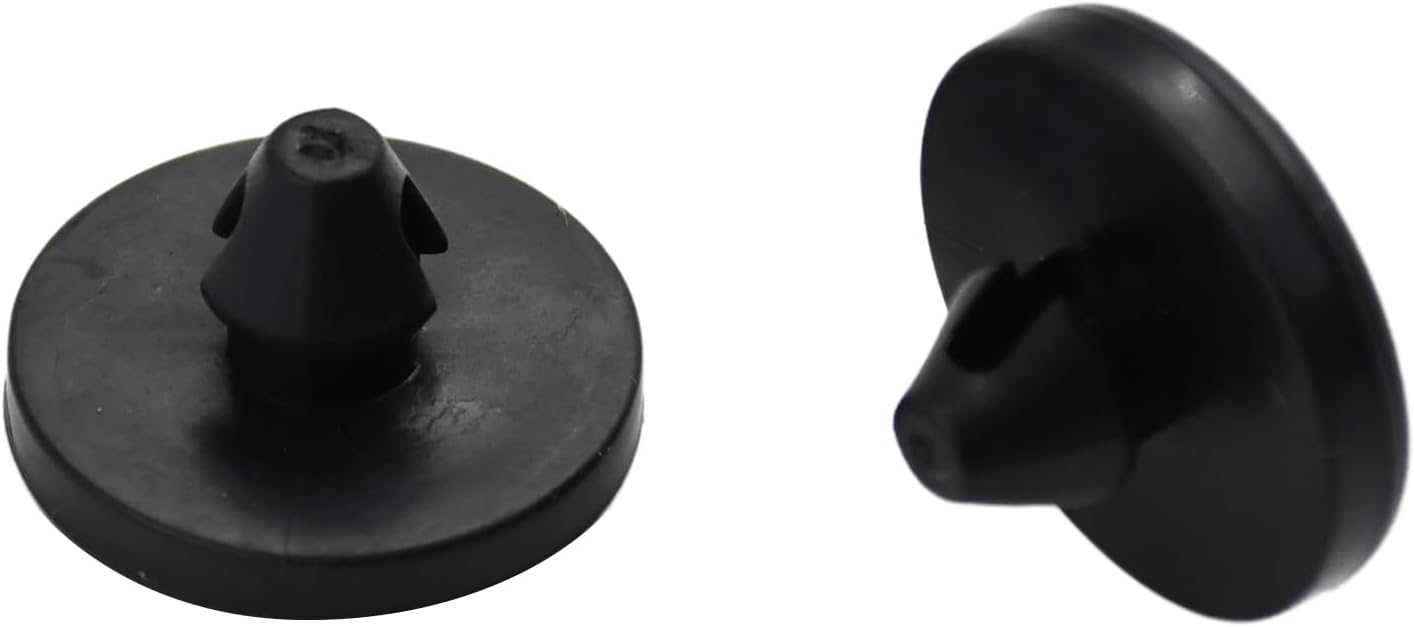
This brake switch stopper set helps restore proper brake pedal and brake light switch operation on a wide range of Toyota, Lexus, and Scion vehicles. Designed as a direct replacement part, it supports reliable pedal contact and can help fix worn or missing stoppers that affect brake light function. The package includes two stoppers for convenient replacement or spare use.
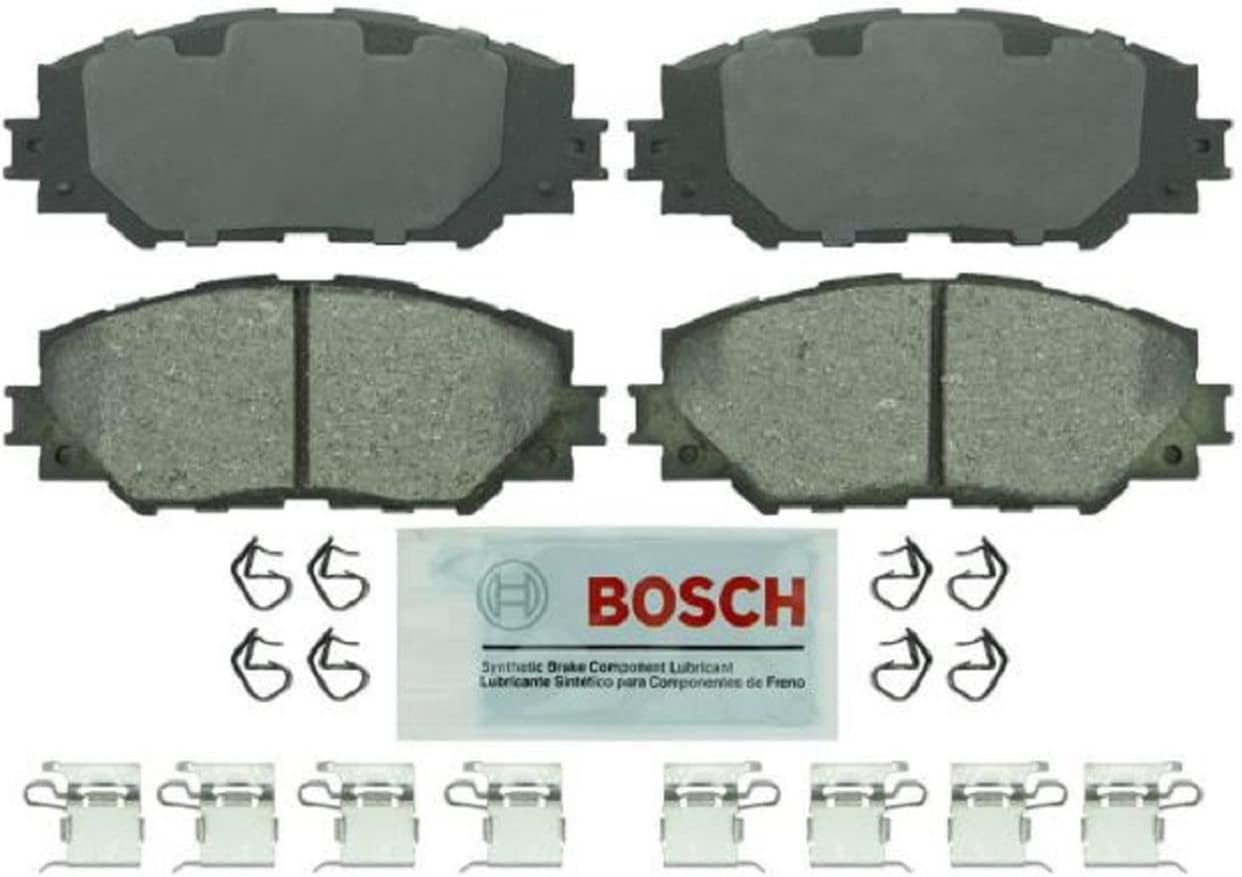
Bosch Blue ceramic front brake pads deliver dependable stopping power with platform-specific friction material designed for select Lexus, Pontiac, Scion, and Toyota vehicles. OE-style shims, slots, and chamfers help promote quiet braking, while the rust-inhibitive coating supports long-lasting performance and cleaner operation. The set includes hardware and synthetic lubricant for easier installation on one axle.

This 2-in-1 emergency escape tool combines a window breaker and seat belt cutter to help you get out quickly in a critical situation. The tungsten double-head hammer is designed for fast car window breakage, while the sharp blade cuts through a seat belt with ease. A protective bracket is included for convenient, secure storage in your vehicle.
Maintenance Checklist for Sonata EPB Owners
- Check that the EPB applies and releases normally during routine driving.
- Verify that the Parking Brake warning light turns on when applied and turns off after release.
- Watch for brake drag, heat, burning smells, reduced acceleration, or unusual grinding noises.
- Have pads, rotors, brake fluid, and rear brake hardware inspected during normal brake service.
- Keep the 12-volt battery in good condition because the EPB relies on electrical power.
- Use the NHTSA recall lookup and Hyundai campaign lookup to check your exact VIN for open recalls or service campaigns.
If you are buying a used Sonata, test the EPB during the inspection. Apply it, release it, check both warning lights, and ask for service records if the EPB or brake warning light has been repaired before. A warning light that “comes and goes” is still worth investigating because intermittent EPB or brake-system faults can become more expensive if ignored.
Frequently Asked Questions
What are the disadvantages of an EPB?
An EPB is convenient, but it is more complex than a traditional handbrake. It depends on switches, wiring, control modules, actuators, and battery power. Repairs can cost more, and warning lights usually require diagnostic scanning instead of simple cable adjustment.
What happens if I accidentally drove with the e-brake on?
Stop as soon as it is safe. Driving with the parking brake applied can overheat the brakes, wear pads and rotors, cause burning smells, reduce acceleration, and damage brake parts. After stopping, release the EPB correctly and have the brakes inspected if you notice heat, smoke, odor, noise, vibration, or warning lights.
Why is my Sonata EPB warning light on?
The yellow EPB warning light can mean the electronic parking brake system has detected a fault. It may also appear with other stability-control warnings. If it remains on, comes on while driving, or does not illuminate during the normal startup check, schedule diagnosis with an authorized Hyundai dealer.
Is the clicking sound from the Sonata EPB normal?
Yes, a clicking sound while applying or releasing the EPB is usually normal and indicates the actuator is operating. Clicking plus a burning smell, dragging brakes, abnormal heat, or a warning light is not normal and should be inspected.
Can I release the Sonata EPB with a dead battery?
The EPB needs electrical power to release through the switch. If the battery is dead or too weak, do not try to drag the vehicle or force the brake mechanism. Restore battery power safely or contact Hyundai roadside assistance or a qualified repair facility.
Conclusion
The Sonata’s electronic parking brake is simple to use once you separate normal operation from warning signs. Apply it by stopping fully, pressing the brake pedal, and pulling the EPB switch. Release it with the vehicle ON or START, your foot on the brake, and the EPB switch pressed. The red Parking Brake light confirms brake application, while a persistent yellow EPB warning light points to a system fault that needs diagnosis. Use the feature every time you park, but do not ignore lights, brake drag, burning smells, or release problems.
Sources
- Hyundai Owner’s Manual — Electronic Parking Brake — EPB apply/release steps, automatic release conditions, warning lights, and safety warnings
- Hyundai Manuals & Warranties — official source for model-year-specific Hyundai owner manuals
- National Highway Traffic Safety Administration Recall Lookup — VIN-based recall checking and vehicle safety recall information
- Hyundai Campaign Lookup — Hyundai VIN lookup for open campaigns and recall-related service information